
DiamondBuzz
Alrosa Unearths Largest Gem-Quality Diamond in Russian History


Russian diamond mining giant Alrosa has unearthed the largest gem-quality diamond ever discovered in the country. The rare amber-coloured crystal weighs an impressive 468.30 carats and measures 56 x 54 x 22 mm. It was recovered in the Republic of Sakha (Yakutia).

“This year will undoubtedly mark a historic milestone for Russia’s diamond industry,” said Alrosa CEO Pavel Marynichev. “In early April, we unveiled the largest diamond ever cut in Russia — over 100 carats, which took more than two years to polish. And now, nature has gifted us this extraordinary discovery. It is the biggest gem-quality diamond ever mined in Russia.”
In tribute to the 80th anniversary of the end of World War II, the diamond has been named “80 Years of Victory in the Great Patriotic War.”






DiamondBuzz
Kylie Jenner Debuts At Victoria’s Secret Show In $50 Million Fantasy Bra By Jacob & Co.
Kylie Jenner Walks The Ramp In Bra Crafted By Jacob & Co. From 4,410 Natural Diamonds Surrounding A 75.54-Carat Radiant-Cut Fancy Vivid Yellow Diamond


This year, the famous Fantasy Bra returned to the runway for the first time since 2018. Made by New York jeweler Jacob & Co., it costs $50 million—making it the most expensive Fantasy Bra ever and about $35 million more expensive than any previous version.
Making her Victoria’s Secret Fashion Show runway debut,Kylie Jenner wore the show-stopping bedazzled bra, a gauzy white mini skirt and expansive white feathered angel wings.
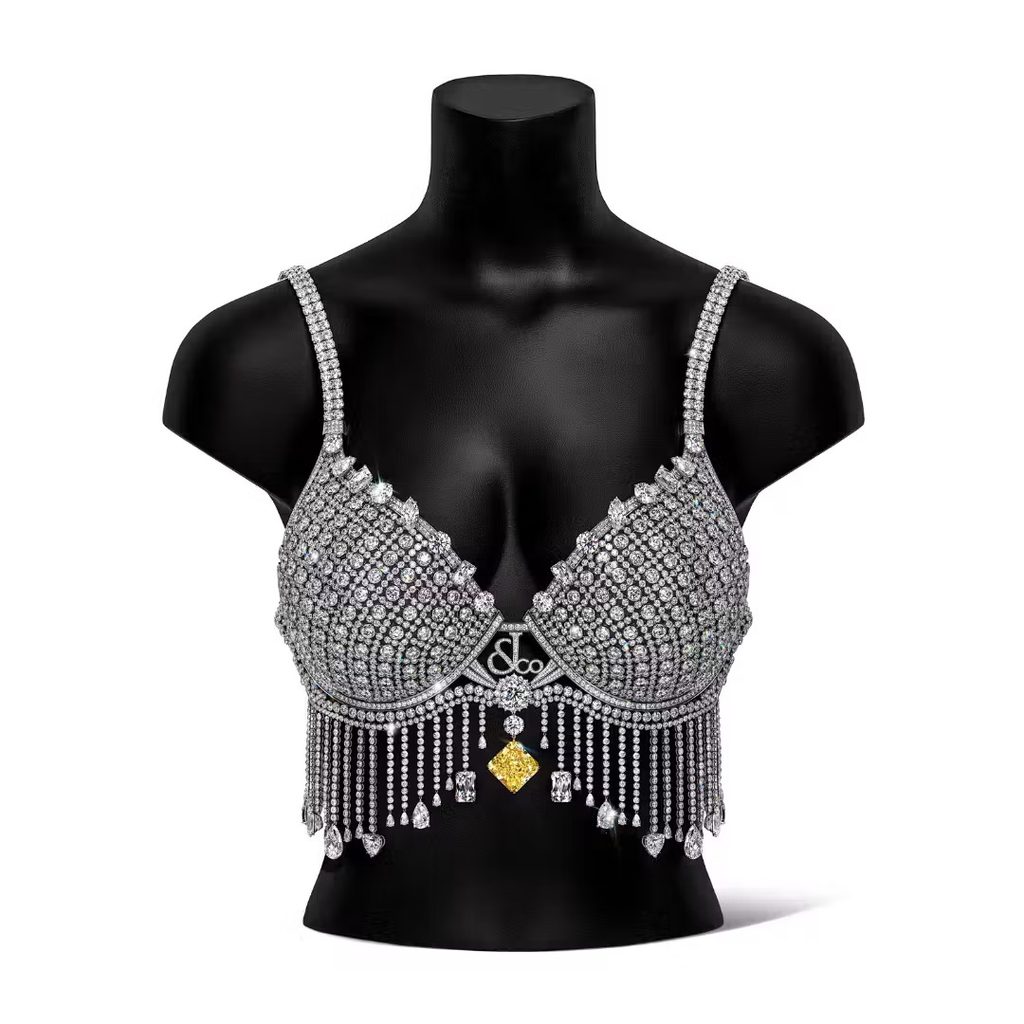
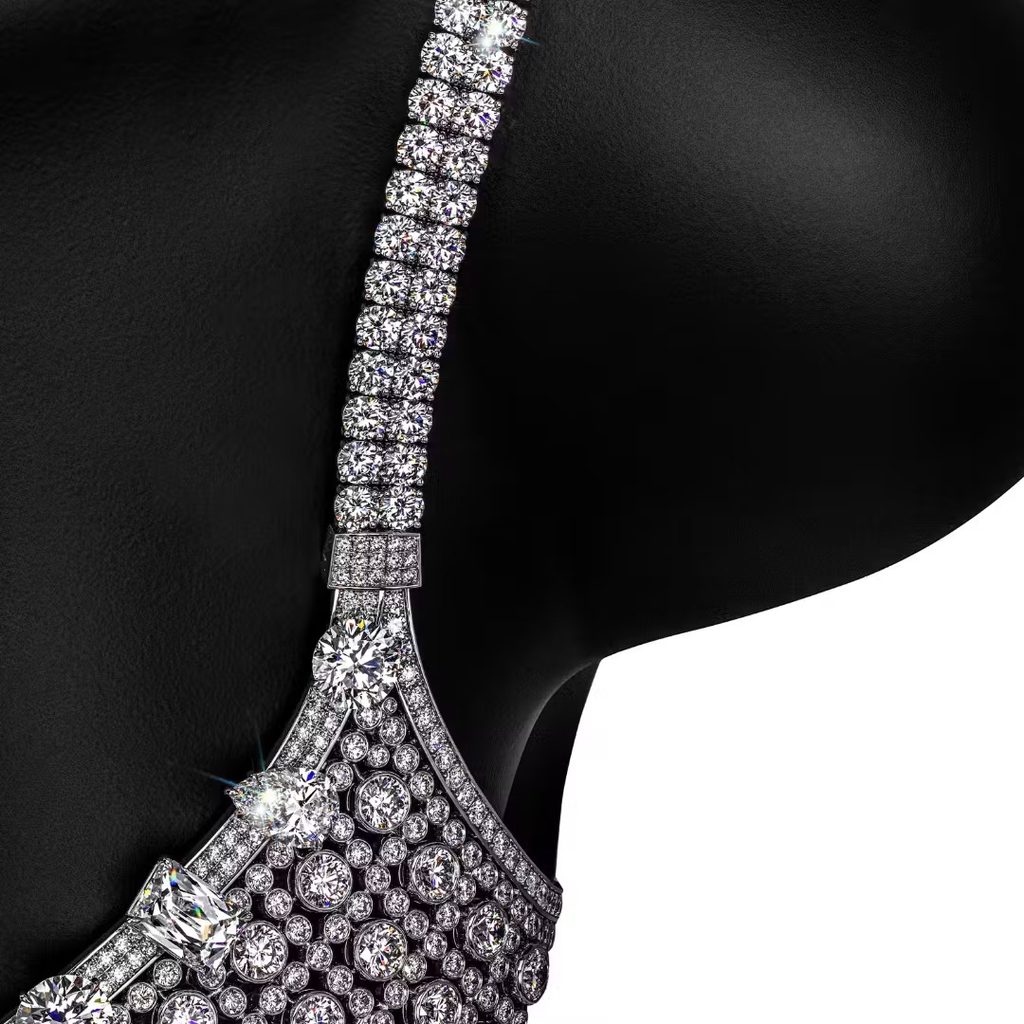
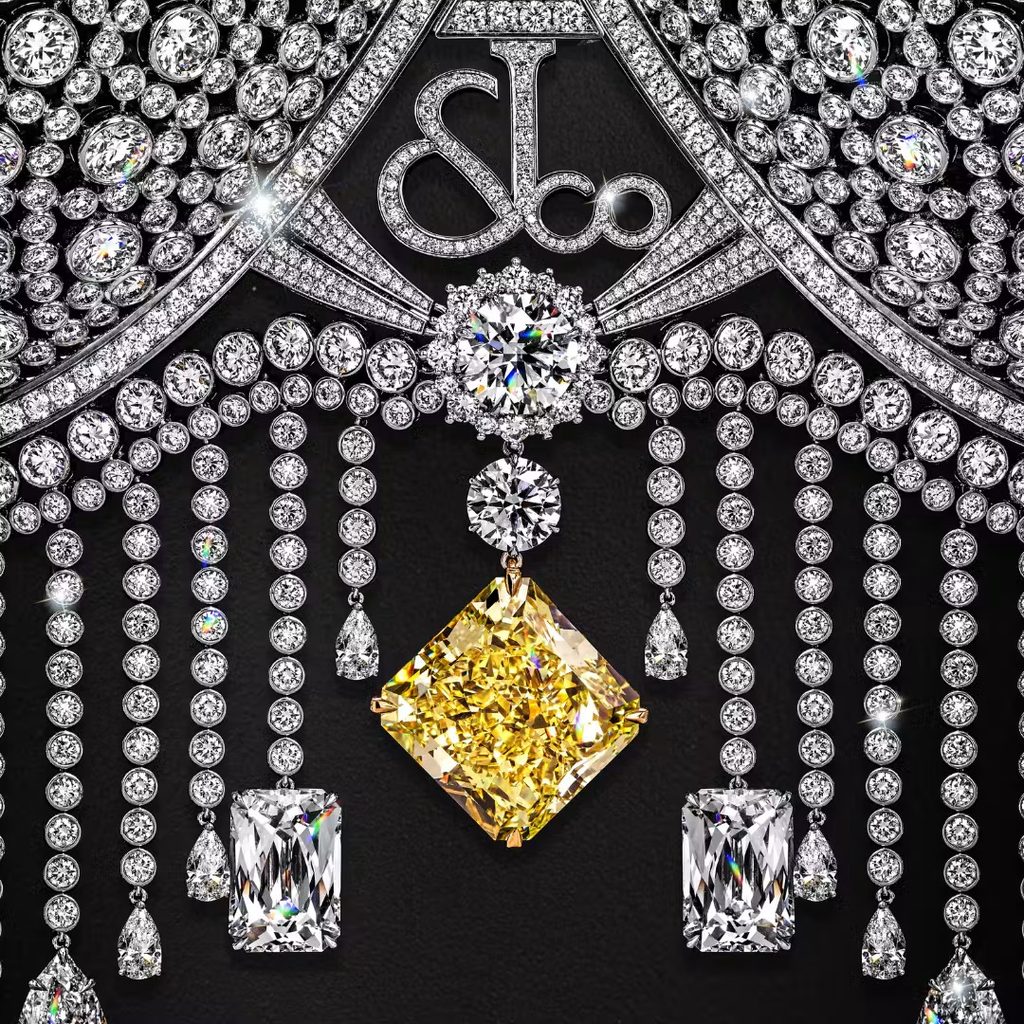
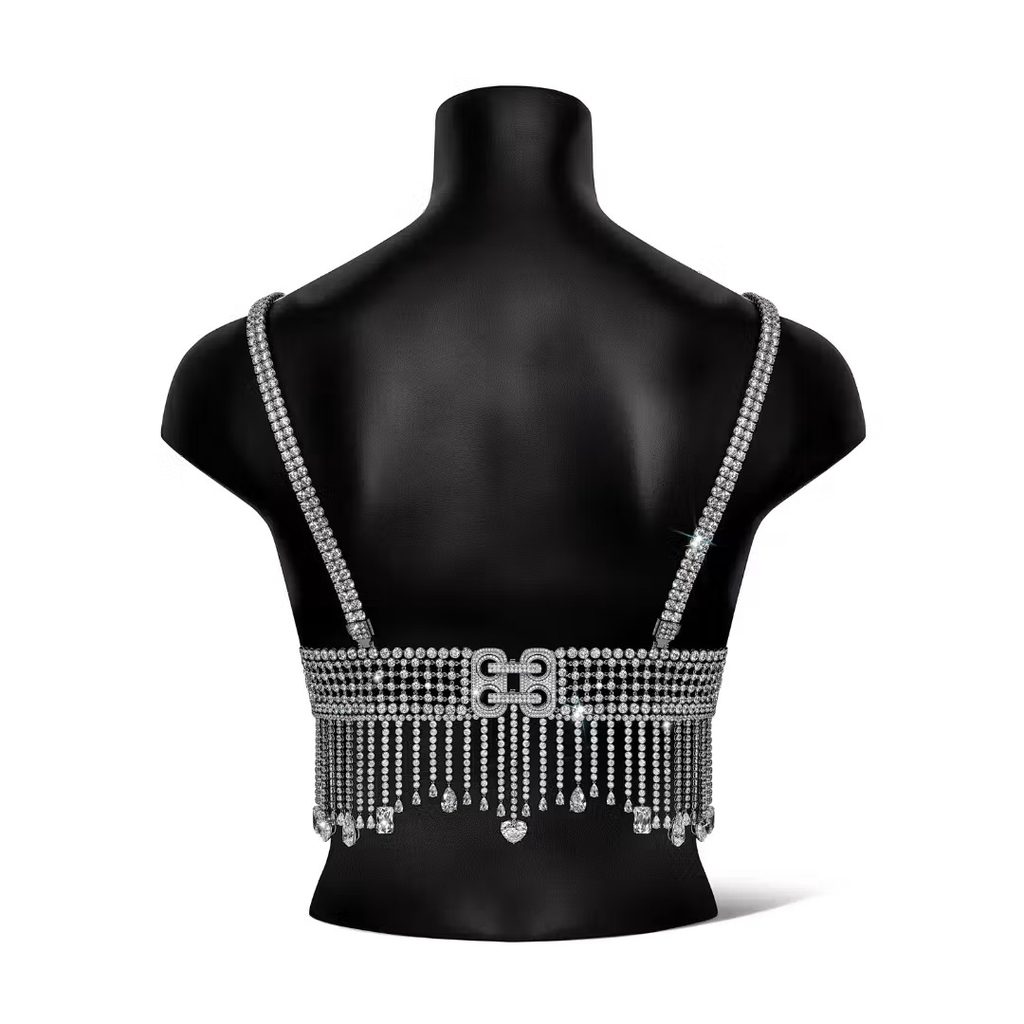
The bra features 4,410 natural diamonds set around a large, bright yellow 75.54-carat diamond. A team of 15 craftspeople spent over 1,000 hours creating the piece, which weighs just under two kilograms (about 4.4 pounds).



Malabar Gold & Diamonds Unveils ‘SWAYE’, A Natural Diamond Collection Inspired By Spiral Forms and Modern Elegance

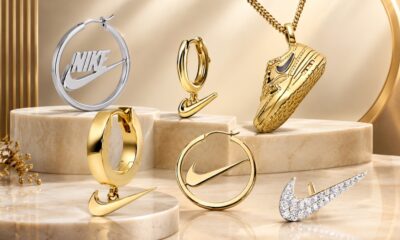
Nike Enters Jewellery Market With First-Ever Collection Priced Up To $5,750

Kylie Jenner Debuts At Victoria’s Secret Show In $50 Million Fantasy Bra By Jacob & Co.
Malabar Gold & Diamonds Unveils ‘SWAYE’, A Natural Diamond Collection Inspired By Spiral Forms and Modern Elegance

Limelight Lab Grown Diamonds Crosses 100 Stores Milestone This Dussehra: Targets 200 In 2027
Kylie Jenner Debuts At Victoria’s Secret Show In $50 Million Fantasy Bra By Jacob & Co.
-
 BrandBuzz3 hours ago
Malabar Gold & Diamonds Unveils ‘SWAYE’, A Natural Diamond Collection Inspired By Spiral Forms and Modern Elegance
-
 National News2 days ago
Limelight Lab Grown Diamonds Crosses 100 Stores Milestone This Dussehra: Targets 200 In 2027
-
 DiamondBuzz3 hours ago
Kylie Jenner Debuts At Victoria’s Secret Show In $50 Million Fantasy Bra By Jacob & Co.
-
 International News3 hours ago
Nike Enters Jewellery Market With First-Ever Collection Priced Up To $5,750
