
JB Insights
Why Gold Loans Are Becoming So Popular in Rural India
Gold and silver trade range-bound as markets await Powell’s Jackson Hole speech for policy cues. With a 75% chance of a September cut, geopolitical tensions over Russia-Ukraine dampen optimism.


By Priyank Kothari Director, Arvog
In many parts of rural India, gold isn’t just a metal it is a quiet kind of financial security. Families don’t always have fixed deposits or savings accounts, but they’ll have gold jewellery tucked away in steel boxes or cloth pouches, brought out only on special occasions or during times of trouble.
For generations, gold has been used as a safety net. But what’s changed in recent years is how people are starting to use that gold. Instead of selling it to raise funds, more rural families are now turning to gold loans a trend that’s gaining strong momentum in villages, small towns, and semi-urban areas across the country.
A Familiar Asset in Every Household
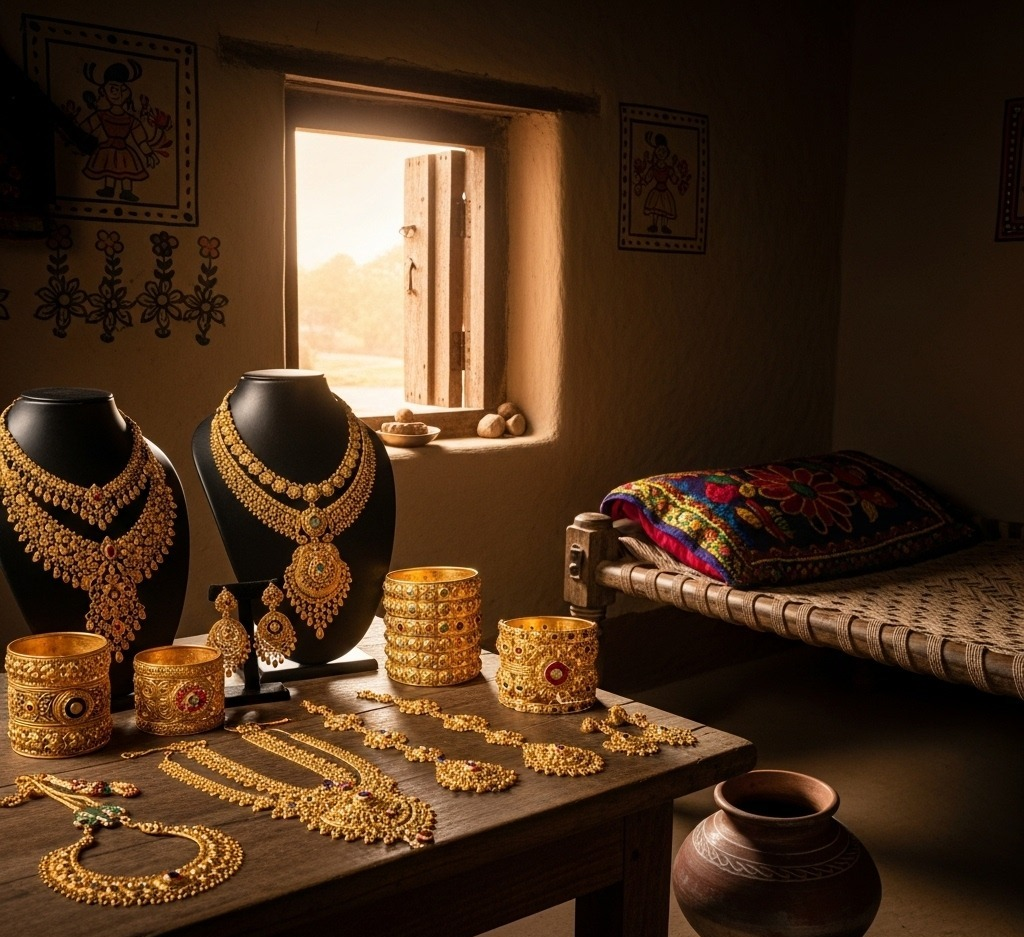
Walk into any rural home whether in Maharashtra, Tamil Nadu, Uttar Pradesh, or Assam and chances are, you will find some amount of gold. It may be a pair of bangles gifted during marriage, a gold chain bought after a good harvest, or earrings passed down from a grandmother.
People may not always have ready cash, but gold is there. What’s changing now is how people are thinking about that gold. Instead of letting it sit idle, they’re realising Why not use it when we need money and keep it?
A Straightforward Process, No Headaches
Traditional bank loans can feel out of reach for many in rural areas. The paperwork, the need to show income, or the insistence on a credit score most of it doesn’t match how rural people earn or live.
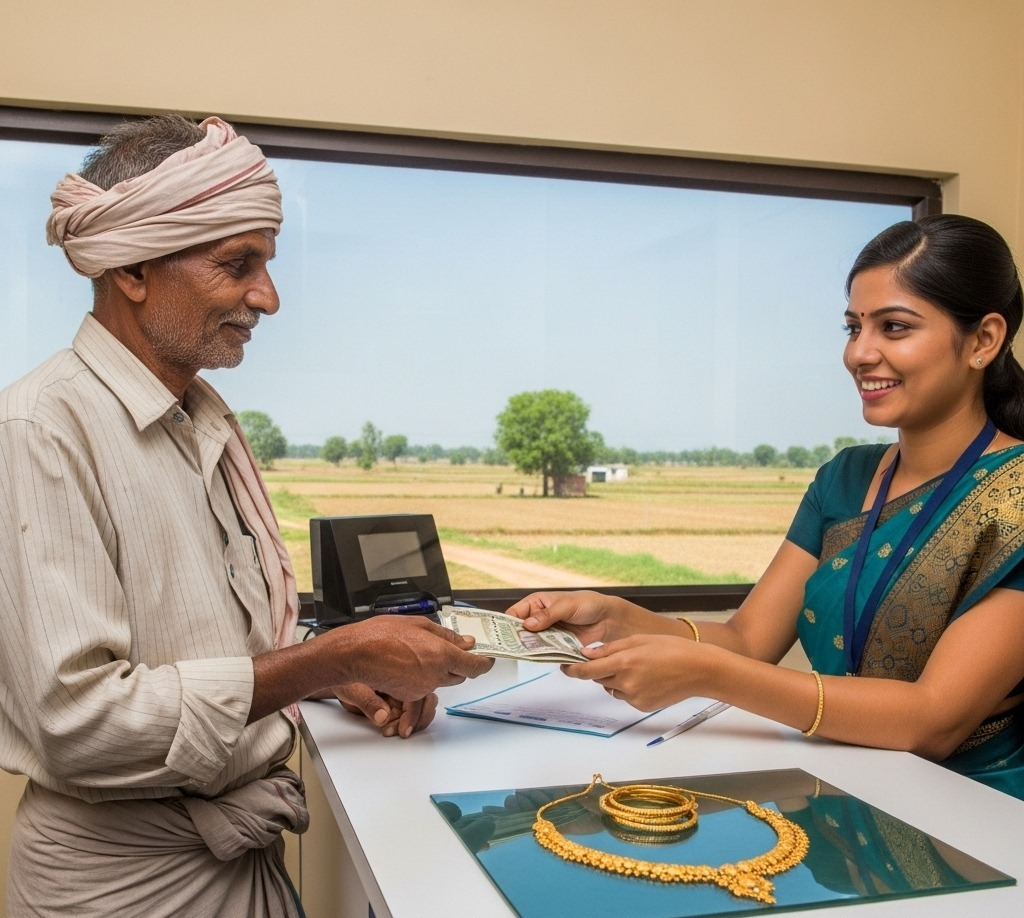
Gold loans are different. The process is quick, the documents are minimal, and the money is often in your hand within an hour. For someone who needs ₹20,000 to buy seeds before the rain hits, or Rs 50,000 for a daughter’s medical treatment that kind of speed matters.
A Practical Choice for Everyday Needs
What makes gold loans even more appealing is how flexible they are.
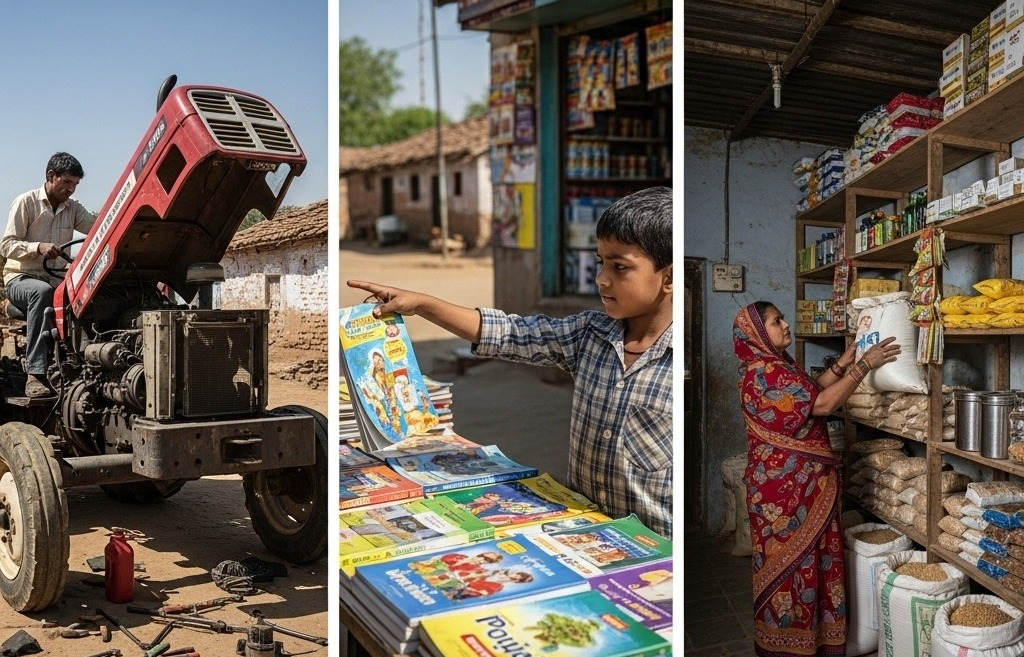
There are no questions about what the money will be used for. It could go towards repairing a tractor, paying school fees, stocking up a Kirana shop, or buying new cows the lender doesn’t ask. And that freedom to use the loan as needed gives borrowers a sense of control.
You’re not being judged, questioned, or made to feel small. You walk in with something you own i.e. Gold and get something you want i.e. Money.
A Better Alternative to Local Moneylenders
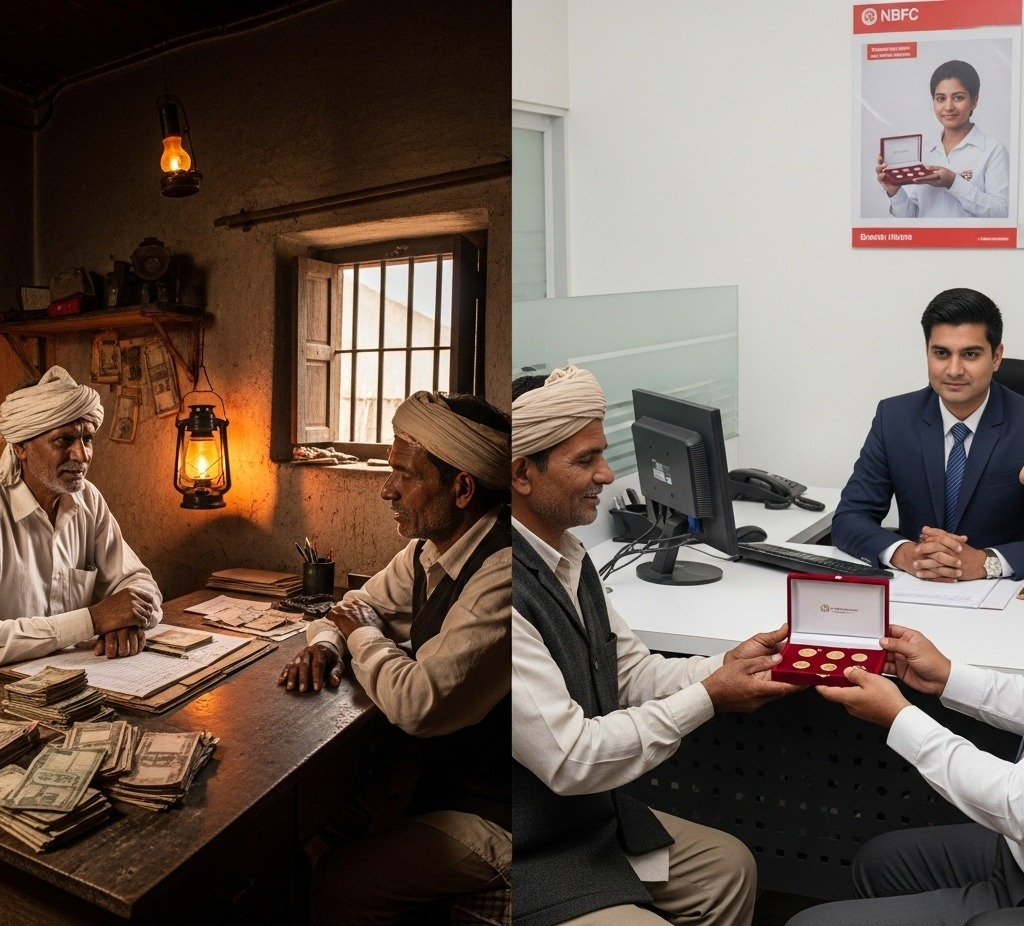
In many villages, people still turn to moneylenders in a crisis. It’s what they have always done. But with interest rates as high as 7 to 10% per month, those loans can become traps.
Gold loans, by contrast, are far more affordable. Many NBFCs offer gold loans at annual rates starting from 12–14%. That’s a massive difference, especially when you’re repaying over several months.
Slowly, people are beginning to understand the difference and more importantly, they are seeing that formal lenders are not just for the city folk anymore.
Trust Has Been Built And That Matters

Earlier, there was fear. What if they steal our gold? What if it comes back damaged?
These concerns kept many away. But over time, with better communication, more transparency, and the presence of known lenders in rural areas, trust is being rebuilt.
The gold is stored securely, often in vaults with CCTV and biometric access. And importantly, people now get their gold back as safe, untampered, and intact.
Better Awareness, Better Reach
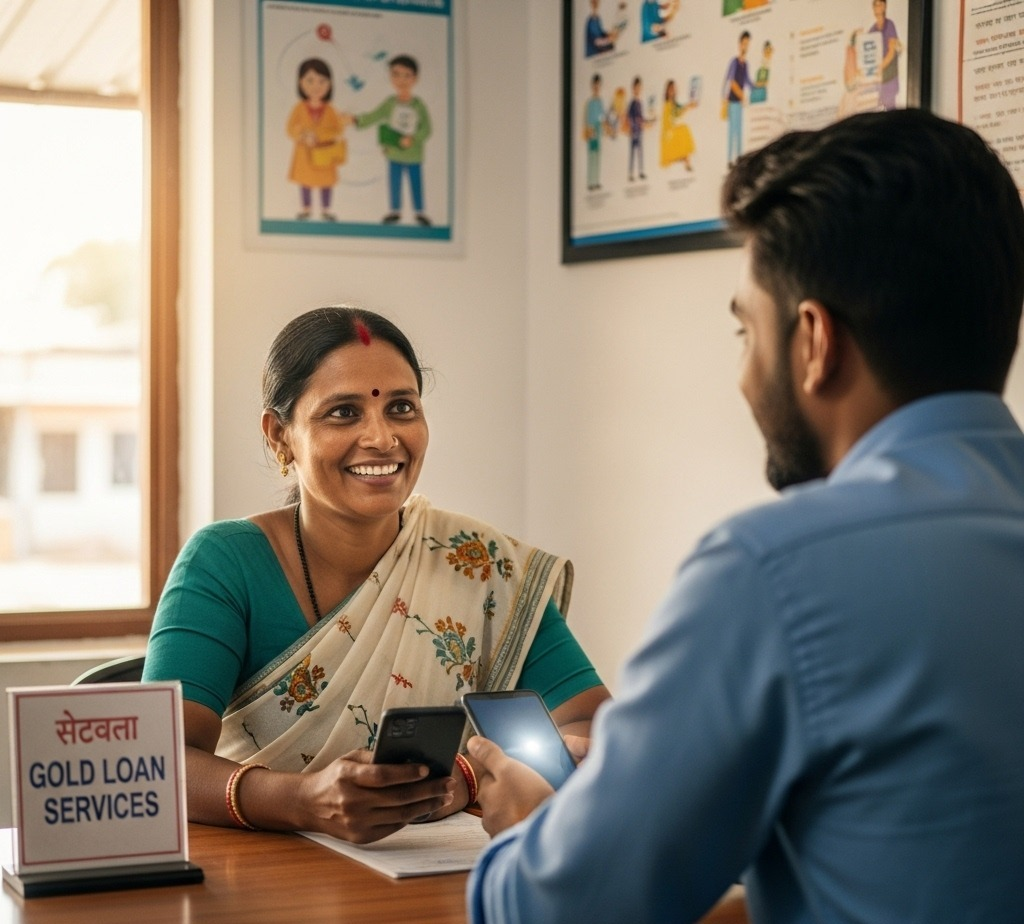
From WhatsApp videos to loudspeaker announcements, from local working staff to self-help groups awareness about gold loans is spreading fast.
And it’s not just awareness it’s access, too. NBFCs and banks are setting up small branches in tier-3 towns and villages, offering doorstep services in some places. Women, who traditionally handle gold in many households, are now more comfortable stepping into branches or talking to local representatives.
The comfort level has gone up. What was once seen as a last resort is now considered a smart way to raise money when needed without getting into long-term debt or selling valuable assets.
Nowadays people don’t want long-term, complicated loans. They want short term, flexible loans that can be paid back when the cash comes in and that’s exactly what gold loans offer.
Loan terms can be 3, 6, or 12 months. Repayment can be done in one go (bullet payment) or in EMIs. It fits the rhythm of rural life, without disrupting it.
The rise of gold loans in rural India is not just a financial trend. It reflects a deeper shift in how rural families think about credit, control, and dignity.
For many rural families today, a gold loan isn’t a last resort it’s the first smart step in solving a problem without losing what matters.








JB Insights
CIBIL Score Plays A Key Role In Festive Financing
A Consumer’s CIBIL Score and Report Play A Decisive Role In Determining Loan Eligibility, Interest Rates, and Overall Borrowing Terms During High-Spending Seasons.


Gold in India is more than just a precious metal; it represents tradition, emotion, and long-term financial security. As major celebrations such as Dhanteras, Diwali, and the upcoming wedding season approach, consumer demand for gold reaches its annual peak.
However, with gold prices rising due to both global macroeconomic pressures and heightened domestic demand, an increasing number of buyers are turning to credit options—specifically gold loans and personal loans—to finance their festive purchases.
In light of these market dynamics, maintaining awareness of one’s financial profile is critical.
A consumer’s CIBIL Score and Report play a decisive role in determining loan eligibility, interest rates, and overall borrowing terms during high-spending seasons.
The Mechanics Behind Festive Gold Price Surges
Gold prices do not move in isolation. The seasonal increase in retail price is driven by a combination of key domestic and international factors:
Global Economic Uncertainty: International market volatility frequently drives capital into gold as a traditional safe-haven asset.
Macroeconomic Indicators: Currency fluctuations and persistent inflation impact local procurement costs.
Domestic Seasonal Demand: Concentrated buying during auspicious cultural dates creates short-term supply-demand imbalances, further driving up retail costs.
The Strategic Role of Your CIBIL Score in Festive Financing
When household budgets face pressure during peak shopping periods, credit-based financing offers immediate liquidity. Whether securing an uncollateralized personal loan or a loan against existing gold holdings, financial institutions rely heavily on credit risk assessments.
The CIBIL Score—a 3-digit numerical summary ranging from 300 to 900—serves as the primary benchmark for creditworthiness:
Approval Probability: A high CIBIL Score significantly increases the likelihood of quick loan sanctioning.
Cost of Capital: Lenders offer competitive, lower interest rates to high-scoring applicants, reducing total borrowing costs.
Flexible Repayment Structure: Favorable credit profiles grant borrowers stronger leverage to negotiate manageable tenure options.
Best Practices for Smart Festive Borrowing
To enjoy festive celebrations without compromising long-term financial stability, consumers are advised to adopt responsible borrowing strategies:
Check Credit Reports Early: Review your CIBIL Report prior to applying for financing to resolve any discrepancies or evaluate your standing.
Borrow Within Limits: Limit loan amounts strictly to what can be comfortably serviced within monthly household budgets.
Maintain Timely Repayments: Ensure all equated monthly installments (EMIs) are paid on time to avoid negative marks on your credit profile.
By pairing festive financial planning with active credit monitoring, consumers can meet their cultural commitments while preserving robust financial health for the future.



Belgian Consul General H. E. Mr. Pierre Stverlynck Graces BDB Annual Day

Limelight Lab Grown Diamonds Crosses 100 Stores Milestone This Dussehra: Targets 200 In 2027

Joyalukkas Opens Its 2nd Bengaluru Showroom in Jayanagar

US Holiday Shopping Expected To Top $1 Trillion For The First Time: NRF
Belgian Consul General H. E. Mr. Pierre Stverlynck Graces BDB Annual Day
Limelight Lab Grown Diamonds Crosses 100 Stores Milestone This Dussehra: Targets 200 In 2027
-
 International News13 hours ago
US Holiday Shopping Expected To Top $1 Trillion For The First Time: NRF
-
 National News7 hours ago
Belgian Consul General H. E. Mr. Pierre Stverlynck Graces BDB Annual Day
-
 National News8 hours ago
Limelight Lab Grown Diamonds Crosses 100 Stores Milestone This Dussehra: Targets 200 In 2027
-
 New Premises9 hours ago
Joyalukkas Opens Its 2nd Bengaluru Showroom in Jayanagar
