
News
WGC Gold Market CommentarySnakes and ladders

Gold punches through highs again
Gold finished January on an all-time-high of US$2,812, up 8% on the month, adding another positive start to its strong seasonal record . All-time-highs were logged across the board in major currencies (Table 1).
According to our Gold Return Attribution Model (GRAM), almost all drivers contributed positively including a large rise in the Geopolitical Risk index (GPR), with the only major drag coming from the lagged momentum effect of a strong US dollar in December (Chart 1).
Global gold ETFs secured a US$2.6bn (30t) gain in AUM, driven almost exclusively by strong inflows into European gold ETFs (+US$3.4bn, 39t) – likely aided by a European Central Bank (ECB) cut that took bund yields down quite dramatically over the course of the month. US funds lost US$500mn (6t), Asian funds pared US$320mn (4t) while other ETFs managed small inflows totalling US$51mn (1t).
COMEX managed money net longs added US$64bn (150t) to positions with a large increase in longs and a small cut in shorts.
Snakes and ladders
• China saw evidence of strong start to an auspicious ‘year of the snake’ for gold. Historically, February is positively correlated to January performance, so augurs well
• German elections might be flying under the radar for many given the noise around US tariffs, but the elections could trigger a much more positive growth outlook
• This in turn could support the euro vs. the US dollar in the process. A weaker US dollar is not a consensus view, but unforeseen pressure on it could herald further support for gold.
China’s New Year of the snake kicks off in style It’s Yisi’s year of the snake in 2025, which occurs every 60 years and promises to be an auspicious one. Seasonal strength in local prices was evident in January with an average premium of US$6/oz recorded following several months of discounts
Up the economic ladder
While focus is currently on the impact of President Trump’s first few weeks in office, with tariffs and bluster rocking markets, elections in Germany on 23 February could have far reaching implications too.
Surveys show that the issue German voters care more about than any other, is economic growth (Chart 3, p3).
This means that whoever wins will have to deliver. And promises from all candidate parties have been emphatic about delivering on growth.2
Equity markets appear to have sniffed out the fruits of a change in administration, with the DAX outperforming most major indices over the past two months. But next to be impacted may be bund yields. Despite a softer ECB likely lowering short-end rates, stimulus could steepen the curve and pressure longer-term yields higher reducing the gap between bunds and US Treasuries. This spread tends to lead changes in the US dollar index
So euro strength could add further pressure to an overvalued US dollar, although it might take a bit of time to materialise and will likely not be dramatic.3 With the Bank of
Japan seeing domestic demand matching targets and further rate hikes tabled this year, we believe a slightly anti- consensus call on the dollar shifting down is a possibility.4
And gold’s relationship to the US dollar has been consistently negative over the last few decades, more so than bond yields. Although it’s not been key to gold’s price performance of late, we believe a softer trend should provide a gentle tailwind for gold (Chart 5).
In summary
Markets are currently fixated on the fallout of broad tariffs that the Trump administration has levied. And the knee-jerk reaction from currencies has been a strengthening of the US dollar (DXY). But elections in Germany might be a trigger for a sustained strengthening of the euro vs. the US dollar via a contracting Treasury/bund spread – even after an unwind of the strength from the strong rally since November. Likewise, weakness in the Japanese yen appears less likely. All else being equal, US exceptionalism might find a challenge from these two corners, pressuring the US dollar lower – which given the consistent relationship with gold – can add further support to gold’s incumbent strength.





New Premises
Joyalukkas Opens ‘Jewel Of Joy,’ The Biggest jewellery Destination In The Middle East’s At Dubai Gold District.
Spanning 25,000 sq. ft. At Dubai Gold District, The Flagship Destination Marks A Major Milestone In Joyalukkas’ Nearly Four-Decade Journey In The UAE, Offering An Exclusive Jewellery Experience.

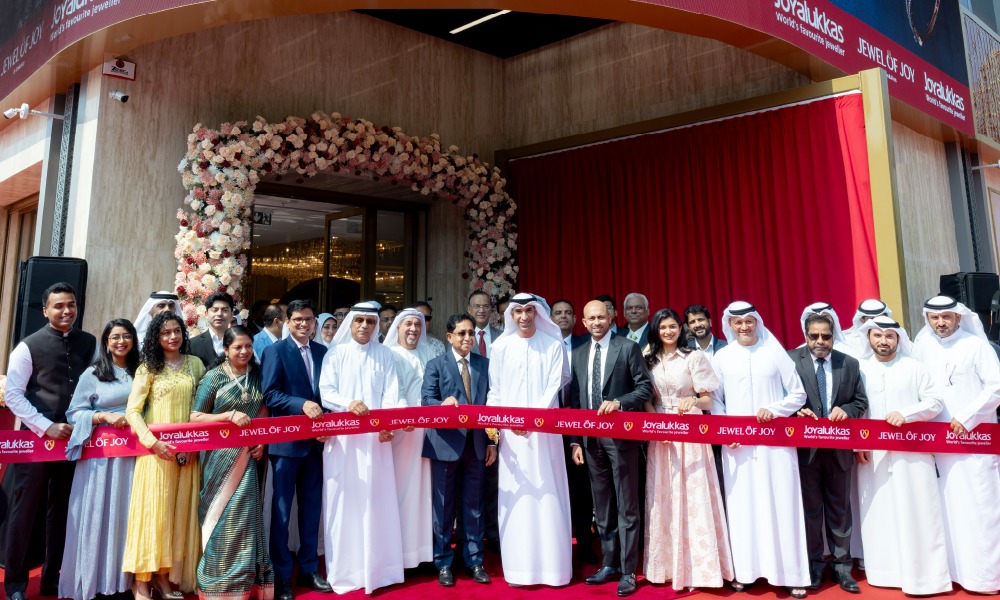
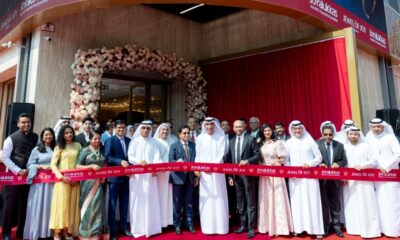
Joyalukkas, the world’s favourite jeweller, officially opened Jewel of Joy, the biggest jewellery showroom in the Middle East, at Dubai Gold District. The launch is a landmark milestone in the Group’s journey of nearly four decades in the UAE and a tribute to Dubai’s enduring stature as the City of Gold.
The showroom was inaugurated by His Excellency Dr. Thani bin Ahmed Al Zeyoudi, Minister of Foreign Trade of the United Arab Emirates, alongside H.E. Dr. E. Vishnu Vardhan Reddy, Consul General of India in Dubai; Issam Galadhari, CEO of Ithra Dubai; Rashid Alharmoodi, Senior Director–Commercial, Dubai Gold District; Tawhid Abdullah, Chairman of Dubai Gold & Jewellery Group; Dr. Joy Alukkas, Chairman of Joyalukkas Group; John Paul Alukkas, CEO of Joyalukkas Jewellery, family members and other distinguished dignitaries.
A Destination of Unprecedented Scale
Spanning 25,000 square feet, Jewel of Joy has been conceived as a complete jewellery experience centre rather than a conventional showroom, ranging from timeless gold and elaborate bridal collections to responsibly sourced diamonds and rare precious gemstones. Located in the heart of Dubai Gold District, Jewel of Joy by Joyalukkas is the brand’s one and only showroom of its kind, offering an exclusive jewellery experience unlike any of its 200+ showrooms worldwide. The name “Jewel of Joy by Joyalukkas” was unveiled by Mr. Issam Galadhari, CEO of Ithra Dubai.
At the heart of the showroom is The Royal Bangle Walk, a monumental bangle through which visitors can walk. The signature installation will be unveiled by H.E. Dr. E. Vishnu Vardhan Reddy, Consul General of India in Dubai, during the inauguration.
An Experience Designed Around Every Customer
Every element of Jewel of Joy has been designed to deliver a personalised and memorable visit-
- Exclusive Designer Studio
- Premium VIP Lounge
- Kids’ Engagement Zone
- Dedicated Maintenance Services
Speaking at the inauguration, Dr. Joy Alukkas, Chairman of Joyalukkas Group, said:
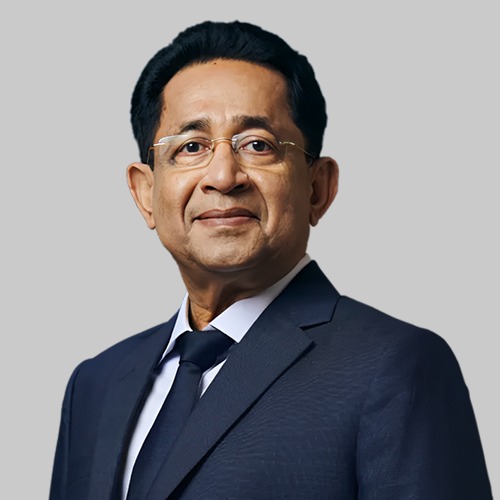
“Jewel of Joy is more than a showroom. It is our tribute to a city that has given us so much, and our promise to customers that we will always strive to give them more. For nearly 40 years, we have grown alongside the UAE, and this destination reflects the scale, craftsmanship and warmth that define both Joyalukkas and Dubai. From The Royal Bangle Walk to our most extensive collection to date, every detail has been designed to make our customers feel truly special. This is our way of saying that the best is yet to come.”
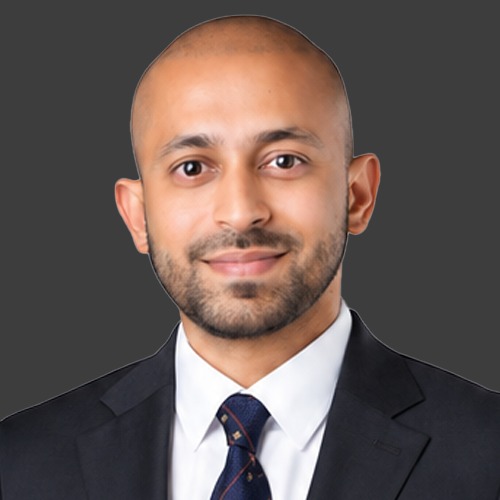
John Paul Alukkas, CEO of Joyalukkas Jewellery, said:
“Our mission is to constantly meet their expectations and enhance their jewellery shopping experience. This showroom will be an experience like never before. It has everything a jewellery lover would like to experience and more. I invite all UAE residents and tourists to visit and experience the magnificent destination we have created for them.”
With a legacy of over 70 years, 200+ showrooms across 13 countries and the trust of over 10 million customers, Joyalukkas continues to set benchmarks in jewellery retail. Jewel of Joy brings this legacy of trust, craftsmanship and excellence to Dubai Gold District.



Joyalukkas Opens ‘Jewel Of Joy,’ The Biggest jewellery Destination In The Middle East’s At Dubai Gold District.

PNG Jewellers Brings Madhuri Dixit and Ranbir Kapoor Together In Its New Brand Campaign, Unstoppable Legacy

GJEPC, IndusInd Bank Host Webinar On FEMA Guidelines For GJ Exporters

US Holiday Shopping Expected To Top $1 Trillion For The First Time: NRF
Joyalukkas Opens ‘Jewel Of Joy,’ The Biggest jewellery Destination In The Middle East’s At Dubai Gold District.
GJEPC, IndusInd Bank Host Webinar On FEMA Guidelines For GJ Exporters
-
 International News5 hours ago
US Holiday Shopping Expected To Top $1 Trillion For The First Time: NRF
-
 New Premises1 hour ago
Joyalukkas Opens ‘Jewel Of Joy,’ The Biggest jewellery Destination In The Middle East’s At Dubai Gold District.
-
 National News4 hours ago
GJEPC, IndusInd Bank Host Webinar On FEMA Guidelines For GJ Exporters
-
 BrandBuzz2 hours ago
PNG Jewellers Brings Madhuri Dixit and Ranbir Kapoor Together In Its New Brand Campaign, Unstoppable Legacy
