

DiamondBuzz
Wealthy Russians Surge in Investment-Grade Diamond Purchases Amid Market Uncertainty
Demand for polished diamonds up by 60% as individuals diversify portfolios with gemstones following VAT abolition and growing financial volatility.


Wealthy Russians are increasingly turning to investment-grade diamonds, with purchases of polished stones rising by 60% last year, according to VTB, the country’s second-largest bank. This surge in demand is attributed to the government’s decision to abolish VAT on diamond purchases, which has made gemstones a more attractive investment option.
Oksana Semenenko, vice president at VTB and head of its private banking division, explained that the rarity and uniqueness of diamonds make them especially appealing during times of rising financial market instability and tighter investment restrictions. Many affluent clients are now incorporating alternative investments, including diamonds, into their portfolios, typically allocating 5-10% of their assets to these tangible assets for diversification.
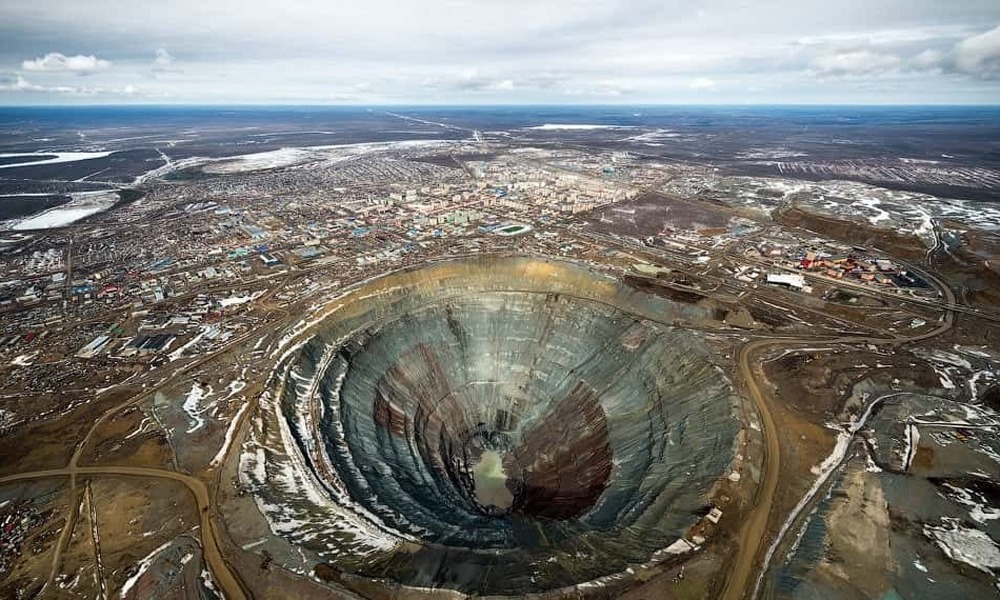
This shift comes amid increasing sanctions from the G7 and restrictions on Russian currency, which have impacted Russian diamond exports. In response, Alrosa, the state-run diamond mining giant, is turning to alternative markets to sell its goods. The company’s Diamond Exclusive program focuses on polishing its largest and highest-quality diamonds, particularly stones of 3 carats or more, to be sold directly to investors through partnerships with VTB and other financial institutions.





Indian Prime Minister Narendra Modi is slated to visit Namibia on July 9, part of a five-nation tour that also includes Ghana, Argentina, Brazil, and Trinidad and Tobago. The trip marks Modi’s first official visit to the Southern African nation and underscores New Delhi’s ambition to deepen economic ties in the diamond sector.
While Indian firms such as Ankit Gems and KGK already run cutting and polishing units in Namibia’s capital, Windhoek, rough stones currently reach India indirectly via other global trading hubs. Modi’s visit is expected to pave the way for more direct diamond shipments, streamlining trade flows between the two countries.
Namibia ranks as the world’s fifth-largest diamond producer by value and volume, according to Kimberley Process data, and is especially known for its rich marine diamond reserves, estimated at over 80 million carats.
The agenda extends beyond gemstones. Modi is also set to discuss cooperation on critical minerals and uranium—resources vital to India’s clean energy ambitions and energy security. During the visit, he is scheduled to address the Namibian Parliament, signaling the strategic importance New Delhi places on closer engagement with Africa’s resource-rich economies.
DiamondBuzz
De Beers Unveils ‘Origin’: Blockchain-Backed Diamonds for a New Era of Transparency and Trust

De Beers Group has officially launched Origin, a pioneering initiative that brings blockchain technology to the heart of the natural diamond trade, offering consumers an unprecedented level of traceability, authenticity, and ethical assurance.
Each diamond in the Origin collection is individually verified and traceable, allowing customers to follow its journey from deep earth formation to expert craftsmanship and final retail presentation. The initiative is powered by tamper-proof blockchain technology, ensuring a secure and transparent record of each diamond’s provenance.
“As a brand, we understand that modern consumers value not just beauty, but also trust and purpose,” said De Beers during the launch. “Origin is our vision for a diamond industry that is transparent, ethical, and built on authenticity.”
The Origin platform not only affirms the diamond’s natural origin but also highlights its social and environmental impact—detailing the positive contributions made in the local communities where the stones are mined.
A Retailer-Ready Revolution
For retail partners, Origin offers more than just ethically sourced brilliance. It comes bundled with:
- Experiential merchandising solutions
- Custom marketing assets
- Retail staff training tools
These assets are designed to connect with today’s values-driven consumers, who seek deeper meaning and verified ethical sourcing in luxury purchases.
Origin also integrates seamlessly into retailers’ loose diamond portfolios, offering flexibility alongside elevated consumer confidence in the integrity and ethical story behind every stone.
The launch aligns with De Beers’ broader mission to lead the natural diamond industry toward a more responsible, transparent, and future-ready standard—where luxury is inseparable from accountability.

The global diamond industry is showing signs of revival in 2025, following two years of sluggish demand. According to Susan Jacques, President and CEO of the Gemological Institute of America (GIA), the gem and jewellery sector faced significant headwinds after a brief boom in 2021, which was fueled by pandemic-era shifts in consumer spending and travel behavior.
While 2022 saw strong pricing and demand, a downturn took hold through 2023 and 2024. Now, a renewed sense of optimism is emerging. “The recovery was expected, and we’re beginning to see positive momentum return,” Jacques noted.
A key driver of this rebound is India, whose cultural affinity for diamonds continues to underpin strong consumer interest. Over the past two decades, India’s share of global diamond demand has surged from just 2% to nearly 11%, positioning it as the world’s second-largest market for natural diamonds—trailing only the United States, which remains dominant with around 55% of total sales.
Pritesh Patel, Senior Vice President and Chief Operating Officer at GIA, remarked that the US market has remained stable in early 2025, and industry stakeholders are optimistic about sustained demand. In India, he observed a notable shift: interest in diamonds is expanding well beyond major metropolitan areas.
“Tier-2 and tier-3 cities are now driving growth, alongside established hubs,” Patel said. He added that demand is strong across India’s southern, northern, and western regions, signaling a broad-based recovery in diamond jewellery purchases.
The global industry is cautiously optimistic as it navigates 2025, buoyed by emerging markets and a renewed appetite for luxury adornments.



Deepika Padukone Honoured with Coveted Star on Hollywood Walk of Fame

Vummidi Bangaru Jewellers Partners with Ignition presented by Shiv Nadar Foundation, Chennai Edition

Kushal’s Fashion Jewellery launches ‘Everyday’ Collection: Effortless jewellery for every kind of day
Deepika Padukone Honoured with Coveted Star on Hollywood Walk of Fame
Vummidi Bangaru Jewellers Partners with Ignition presented by Shiv Nadar Foundation, Chennai Edition
Kushal’s Fashion Jewellery launches ‘Everyday’ Collection: Effortless jewellery for every kind of day
-

 National News2 months ago
Emmadi Silver Jewellery Launches First Karnataka Store with Grand Opening in Bengaluru’s Malleshwaram
-

 BrandBuzz3 months ago
Mia by Tanishq Unveils ‘Fiora’ Collection This Akshaya Tritiya: A Celebration of Nature’s Blossoms and New Beginnings
-

 GlamBuzz2 months ago
Gokulam Signature Jewels Debuts in Hyderabad with Glamorous Launch at KPHB
-

 DiamondBuzz2 months ago
De Beers CEO: confident the US will exempt diamonds from reciprocal tariffs
