
Cover Story
VIPUL SHAHA TRUE RATNA OF THE INDIAN GEM &Q JEWELLERY INDUSTRY
His iconic leadership propels the GJ industry to newer heights


Vipul Shah, Chairman: GJEPC,CEO & MD: Asian Star Co. Ltd is truly an iconic leader of the Indian GJ industry. His dynamic leadership, keen business acumen and understanding the pulse of the industry has propelled both, GJEPC and Asian Star, forward. He speaks to JEWELBUZZ on his journey in the GJ industry and his leadership role at GJEPC and Asian Star amongst other things.
Tell us about your journey in the diamond and jewellery industries, the beginning and evolution.
My journey in the diamond and jewellery industries began under the profound influence of two exceptional men—my late father, Prabodh Shah, and my uncle, Dinesh Shah. Both were true artisans, infusing their love and passion into every aspect of the diamond business. As a young teenager, their enthusiasm was contagious, and I eagerly joined them to learn the intricacies of the trade. This early exposure ignited a lifelong passion within me for the diamond industry.
Starting from the ground level, I immersed myself in understanding the nuances of the trade and the dynamic market landscape. This foundation provided me with insights needed to navigate and excel in the industry. With steadfast determination, I aimed to elevate our family business. Asian Star, to new heights, expanding our reach and captivating customers worldwide. This journey has been filled with both challenges and triumphs, but it has always been driven by a deep-seated passion for diamonds and jewellery.


Take us through your journey at Asian Star and the evolution of the company. What was your strategy for growth, expansion at Asian Star?
At Asian Star, our journey has been marked by strategic growth and expansion. Establishing a rock-solid foundation was crucial for our success, so I prioritized strengthening our systems and ensuring financial stability. A significant milestone in our journey was in 1996 when we took the bold step of going public by listing Asian Star on the Bombay Stock Exchange. This move provided us further on our path to growth.
In 1999, recognizing a natural synergy between diamonds and jewellery, we ventured into the world of Jewellery. This strategic expansion allowed us to diversify and innovate, keeping us at the forefront of the industry. Our focus has always been on staying ahead of the curve in terms of innovation and design, ensuring that we remain leaders in the market.
In this journey who were your mentors, what was your inspiration that drove you to creating a successful organization?
Throughout this journey, I have been fortunate to have the mentorship and inspiration of my late father and uncle, Prabodh and Dinesh Shah. Their passion and dedication to the craft set a high standard and inspired me to pursue excellence. Additionally, my journey has been enriched by countless other incredible individuals within the industry who recognized my passion, expertise, and knowledge.
This recognition led to my election as Chairman of the GJEPC board in 2012, a role that I am honoured to hold once again in 2022. Working alongside an exceptional team, we are committed to establishing India as the ultimate sourcing destination for the most exquisite diamonds and jewellery.
My journey in the diamond and jewellery industries has been a blend of love, learning, and the relentless pursuit of excellence. Every day, I am privileged to work with something so beautiful and timeless, and I remain dedicated to driving Asian Star and the industry forward.
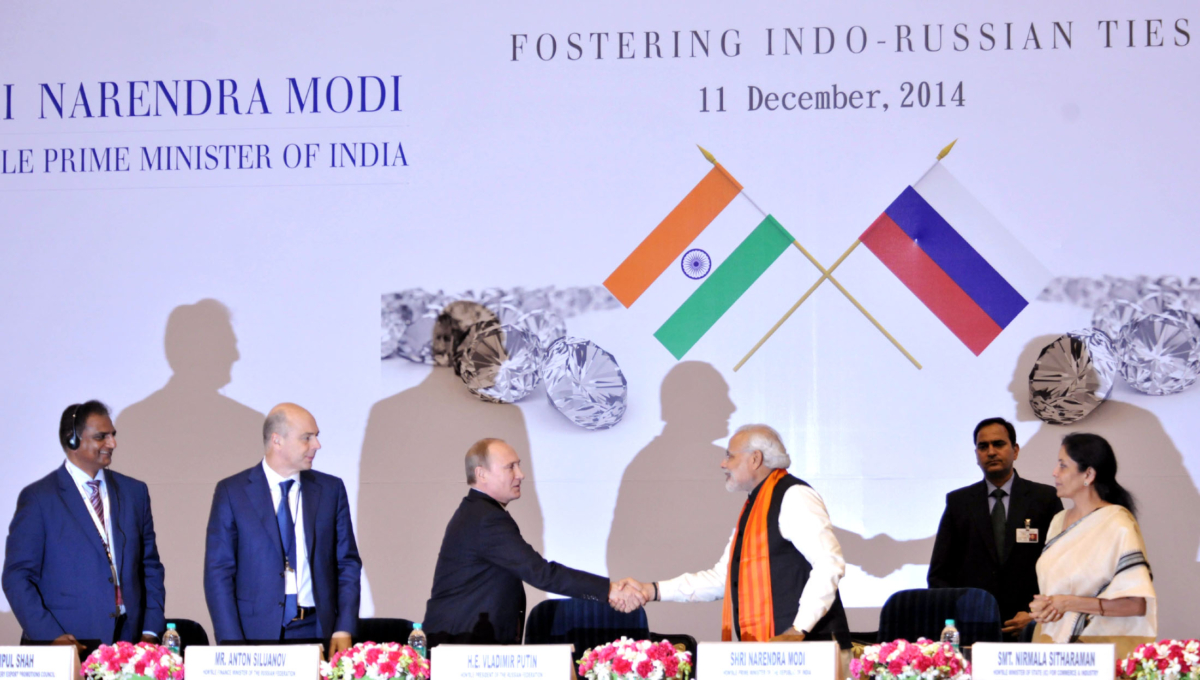


What are the challenges in leading an apex body like GJEPC?
Our role is to address the challenges faced by the industry, serving as the bridge between the industry and the government, and creating a conducive environment for sustainable growth. Over the years, we have successfully tackled the industry’s issues and challenges by advocating for policies that promote growth and sustainability.
What is the strategy at GJEPC for increasing growth in GJ exports?
At GJEPC, our strategy to boost gem and jewellery exports revolves around a multi-faceted approach to engagement, promotion, and market expansion.
Trade Shows and Exhibitions:
We organize three major IIJS shows annually—IIJS Signature in January,
COVER FEATURE
Exploring New Markets:
GJEPC is proactively exploring new markets. A recent delegation visited Latin American countries, including Brazil, to boost exports and strengthen economic ties to the Latin American and Caribbean (LAC) region.
Comment on initiatives, like BSMs, to increase outreach to global markets:
Buyer-Seller Meets (BSMs) have proven to be a highly effective method for connecting exhibitors with buyers. We organize BSMs both in India and international markets to facilitate these crucial interactions. The one-on-one format for these BSMs, typically lasting 30-40 minutes, allows buyers and sellers to engage in a relaxed and focused environment. These meets foster meaningful connections, enabling detailed discussions and building strong business relationships. These are essential for expanding our global market outreach.
In your opinion how do you rate the performance of Indian GJ exports? What is the potential for growth?
Despite global headwinds, geopolitical challenges, and sluggish demand in key markets like the USA and China, Indian gem and jewellery exports have performed remarkably well. The industry’s resilience stands out, showcasing its ability to adapt and thrive under adverse conditions.
Given its robust foundation, I am confident that the Indian gem and jewellery sector will bounce back swiftly as market conditions improve, making it a significant growth potential.
Foreign trade agreements like India-UAE CEPA are driving exports growth. Which other trade agreements are in the pipeline?
FTAs such as the India-UAE CEPA have played a crucial role in driving export growth. Looking ahead, several other trade agreements are in the pipeline, including those with the Gulf Cooperation Council (GCC), Canada, the United Kingdom, and the European Union (EU). GJEPC is actively collaborating with the government to advocate for favourable policies with these upcoming trade agreements.
From manufacturing, India aims to design for the world. What efforts is GJEPC making to put designers on the world map?
GJEPC is dedicated to positioning India as the preferred destination for sourcing finished jewellery and design, for men with innovative ideas via a rigorous incubator.
For designers, GJEPC has launched several programs to spotlight and nurture creativity and design talent through Artisan Awards, Design Inspiration Seminars, Jewellery Trend Books, Jewellery Design & Manufacturing Program, and various training initiatives. Prominent among these is the Artisan Awards, a prestigious design competition celebrating artistic excellence, creativity, and innovation in jewellery. The Artisan inspiration seminar focuses on educating industry professionals about global trends, while Jewellery Trend Books provide curated and future jewellery design content to enable designers and manufacturers to keep abreast of dynamic consumer preferences.
Given the current geopolitical turmoil and sanctions on Russian diamonds, comment on its impact on the local diamond industry?
The Indian diamond industry remains one of the world’s only growing markets, even continuing to grow under challenging geopolitical circumstances. With a favourable GSP growth outlook and a shift towards innovative practices, the industry is well-positioned to continue its upward trajectory.
The correlation between GDP growth and retail diamond jewellery demand is a well-established economic indicator. As India’s GDP is forecasted to grow at a rate of 7.0% in the current fiscal year, the diamond industry is poised to benefit from this economic upturn. The rising disposable income and the socio-cultural preference for luxury goods, including diamond jewellery, further bolster this trend and its prospects.
Please provide details on the EU’s 14th Sanctions Package for the diamond and jewellery industry.
The European Union’s 14th package of sanctions includes several new regulations which have a substantial impact on the diamond and jewellery industry. Thanks to the Government of India for playing a crucial role in not only facilitating engagement in diplomatic consultations with EU G7 stakeholders on some of the concerns of the Indian diamond industry, the world’s largest producer of cut and polished diamonds, are addressed.
One of the most notable aspects of this package is the refinement of the import ban on Russian diamonds, initially introduced in the 12th sanctions package by EU. The latest clarification specifies that the ban does not apply to diamonds that were already present in the EU or in third countries (excluding Russia), or were polished or manufactured in third countries before the ban’s enactment. This “grandfathering” provision is a significant and welcome decision for the Indian industry, allowing smoother transition and trade continuity.
In addition, the package permits the temporary import or export of jewellery for purposes such as trade fairs or repairs.
A critical component of the 14th package is the extension of the sunrise period for the full-traceability scheme for rough and polished natural (mined) imports by six months. The new deadline for mandatory implementation is now set to 1st March 2025 by EU. Furthermore, the decision to delay the ban on importing processed Russian diamonds (especially those not polished in Russia) until the Council decides to enforce it in a coordinated manner is also seen as a positive move for the trade.
While these measures provide some relief, it is imperative that the industry still requires more detailed information and operational guidelines. The priority concern remains the inconsistency in procedures and requirements across different countries. A uniform approach adopted by both the EU and G7 would significantly alleviate these concerns, providing much-needed clarity and stability for the global diamond and jewellery industry.
The biggest opportunity is in the form of India’s domestic lab-grown diamonds (LGD) production and processing industry, which is leveraging India’s existing strengths in cutting and polishing to gain worldwide leadership. Comment on the growth and future of India’s LGD segment.
India stands at the cusp of a golden opportunity. Not only being the world’s leading growing centre for CVD-type LGDs, it also remains the largest diamond processing centre for both LGD and natural diamonds. Through GJEPC’s consistent efforts and recommendations to the government for the promotion of LGDs, the Govt. of India in the 2023 Union Budget invested Rs 242-crore grant provided to IIT Madras over five years. This will undoubtedly accelerate the growth of the LGD industry in India.
Looking ahead, the future of India’s LGD segment appears promising. With continued government support, advancements in technology, and increasing global demand for lab-grown diamonds, the industry is poised for significant growth.






Cover Story
Rajesh Rokde:Dynamic Visionary, Transformational Leader
Redefining India’s Jewellery Sector and Creating A Global Powerhouse

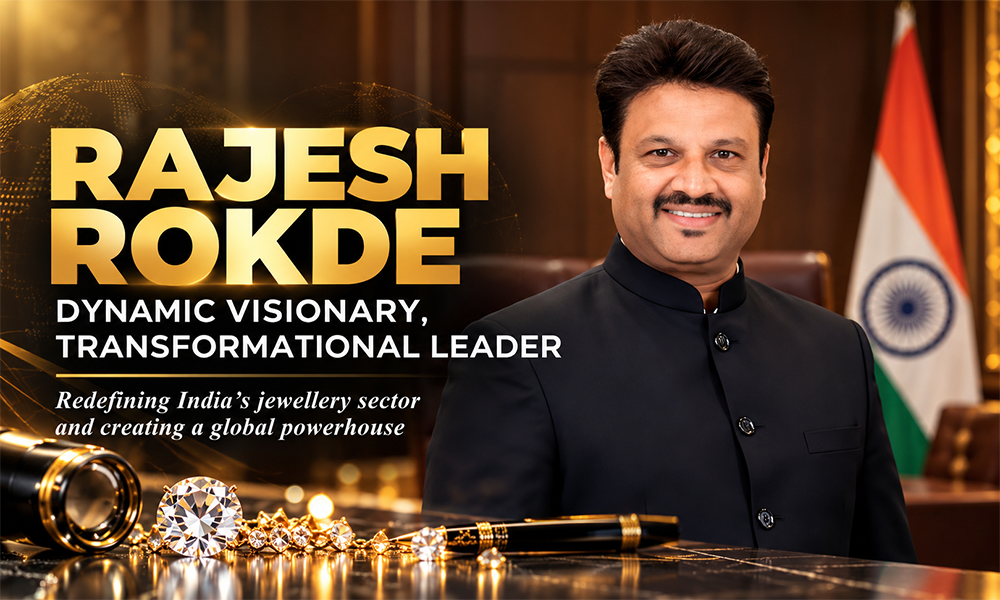
Rajesh Rokde has established himself as a dynamic visionary, balancing retail expansion with industry-wide stewardship. As Chairman at Rokde Jewellers, he has spearheaded the brand’s decisive transition “Beyond Legacy,” successfully transforming a respected family enterprise into a modern, nationally recognized retail powerhouse driven by technology and professional management.
Simultaneously, as Chairman, GJC, Rajesh Rokde has brought actionable, industry-first leadership to the national stage. Steering the sector through high bullion volatility, evolving consumer trends, and tightening regulatory demands, he has championed policy advocacy, grassroots transparency, and heightened security across the domestic trade.
By combining the agility needed to scale an iconic jewellery retail brand with the diplomatic acumen required to unify thousands of jewelers, Rajesh Rokde continues to deliver measurable success, cementing his reputation as one of the modern Indian jewellery sector’s most capable and forward-thinking leaders.
Rajesh Rokde, in an exclusive conversation with JewelBuzz reflects on the strategic vision powering Rokde Jewellers’ bold ‘Beyond Legacy’ transformation. He delves into the delicate art of scaling a multi-generational family enterprise into a modern retail powerhouse, balancing heritage craftsmanship with progressive innovation. Rokde also opens up about his stewardship as Chairman GJC, detailing his commitment to standardizing trade practices, championing domestic artisans, and steering the Indian jewellery sector toward a dynamic future.
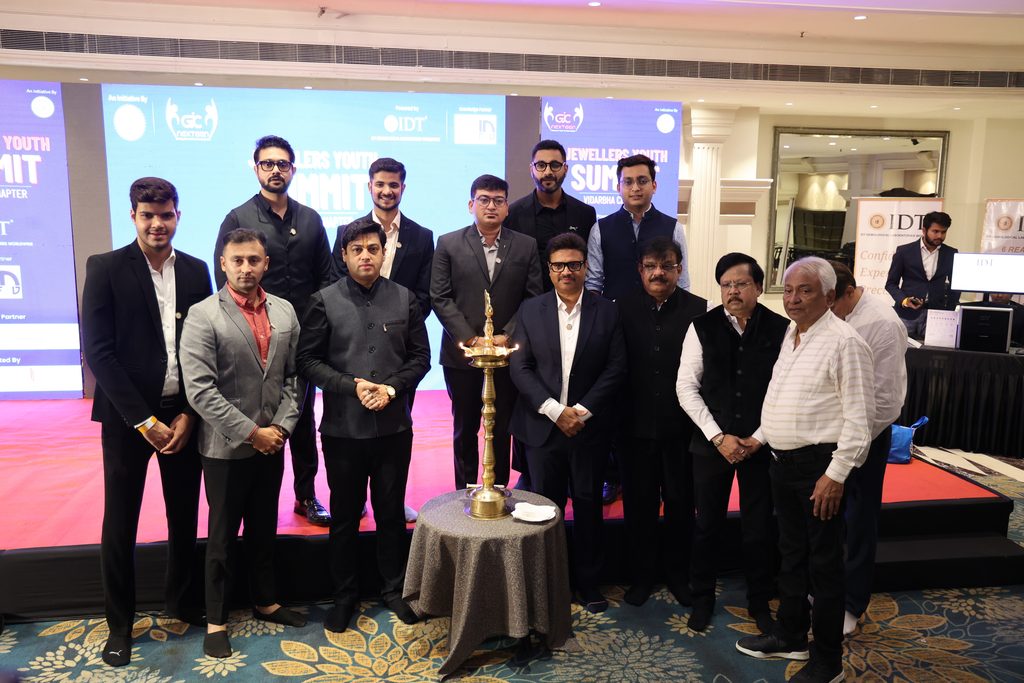
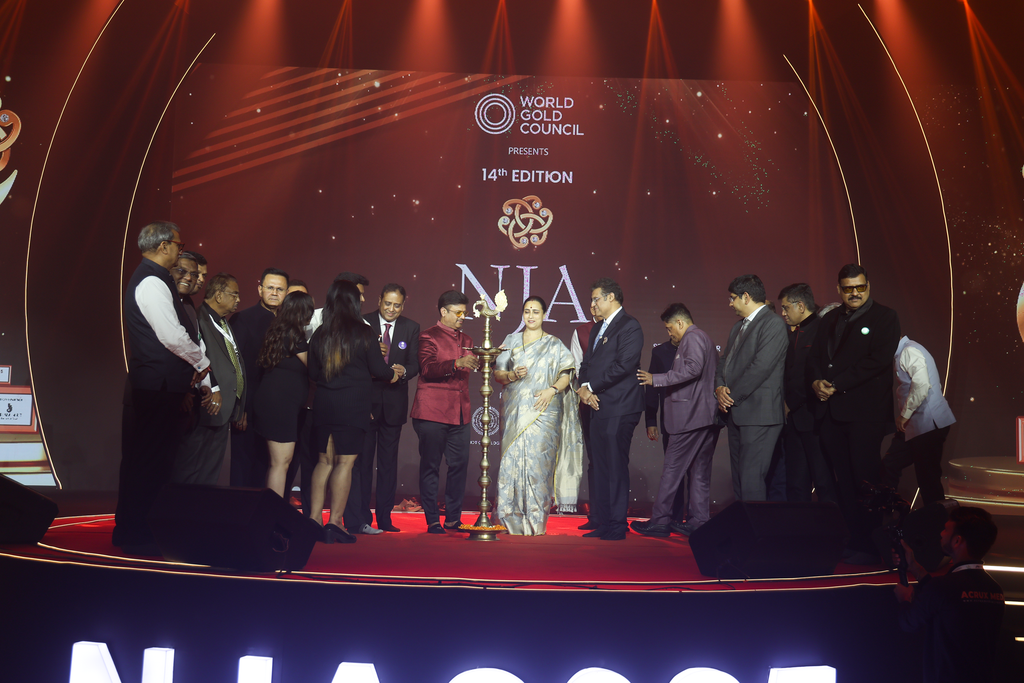
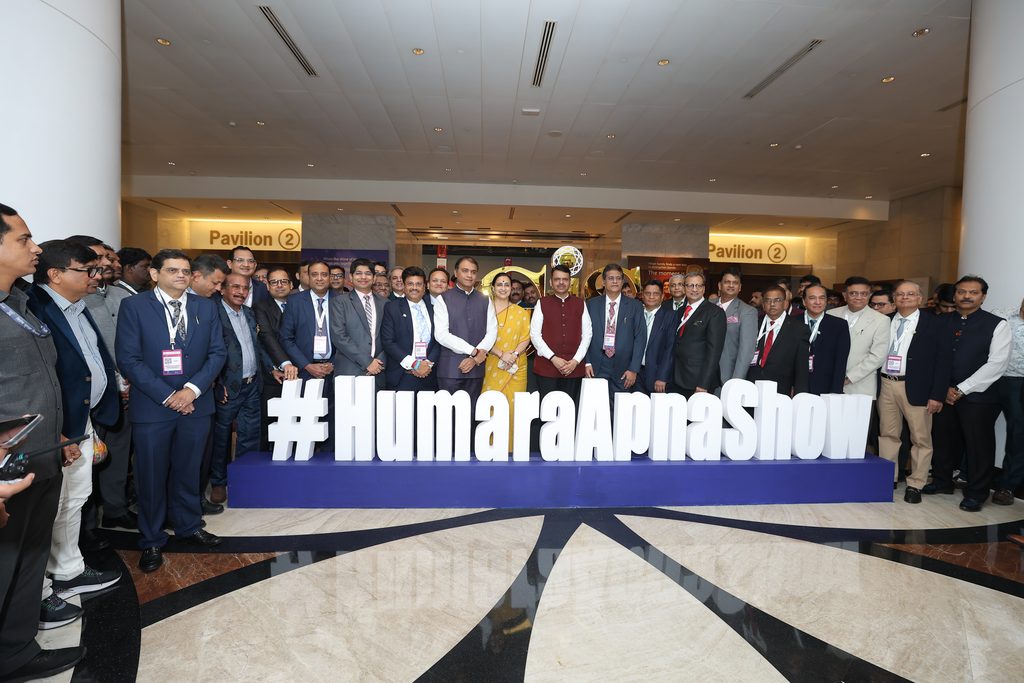
Strengthening GJC, Empowering the Industry: A tenureof Transformation
Comment on your tenure as Chairman of GJC? What were the key achievements?
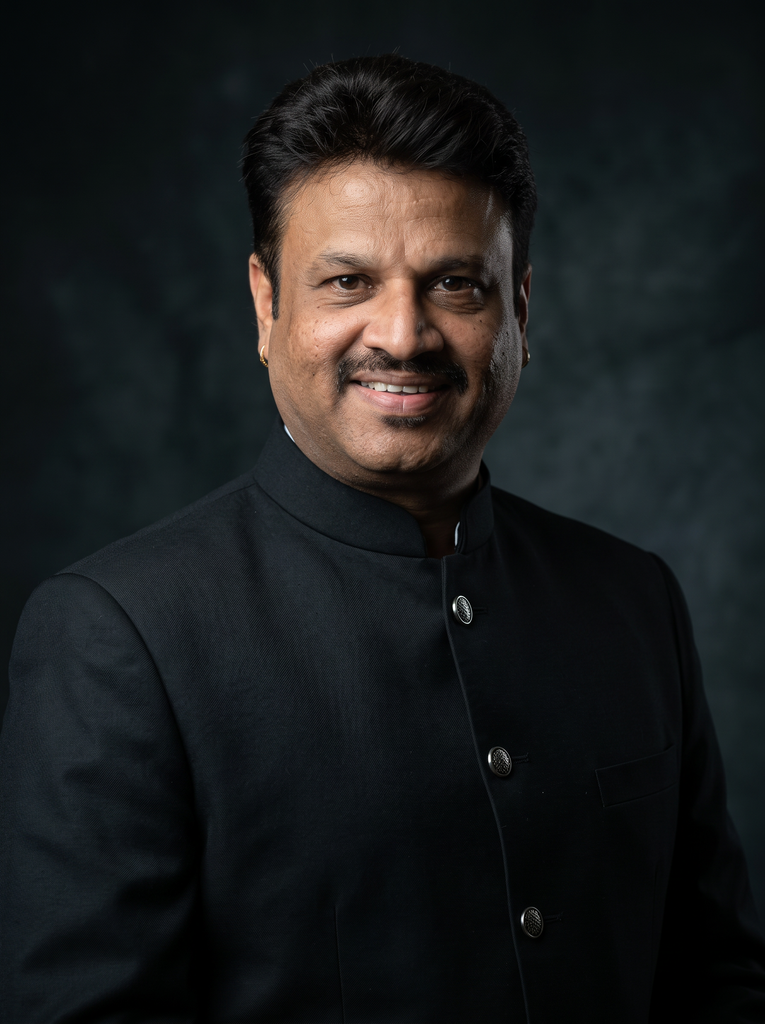
As Chairman, I believe our biggest achievements have been initiatives that strengthened our organization and laid a strong foundation for the industry.
1. Own Office in Parel: We fulfilled the long-standing dream of all past Chairmen by creating our own 4,000 sq. ft. office in Parel. Along with our flagship trade show, having our own office is a matter of great pride. With a well-equipped conference hall, it is now a space where members can freely come, meet and conduct meetings.
2. GEMLead with IIM Ahmedabad: We successfully completed two episodes of GEMLead, creating a strong platform for leadership development in our industry.
3. Vigilance Committee: We established Vigilance Committees across all 36 districts of Maharashtra, plus one in Belagavi, Karnataka. This has been a landmark initiative that provides support, protection and confidence to our jewellery fraternity. We now aim to take this Pan-India.
4. Nari Shakti & CDC Structure: We launched Nari Shakti to bring women of our industry to the forefront, and strengthened our organization by appointing CDC District Heads to connect every state and district.
These are not just achievements of one tenure, but steps towards building a stronger, more united and future-ready organization for the jewellery industry.
•GJC has a wide range of initiatives for the industry. How are you creating awareness and ensuring that the trade understands and benefits from them?
GJC, as the apex body, was established with three core objectives: Protecting, Promoting and Progressing the jewellery industry.
To connect with our industry at the grassroots level, we have launched several initiatives:
1. Labham: An educational programme that guides jewellers on operating as organized players – covering SOPs, tax planning, statutory compliances and best business practices.
2. GJS & MindSpeak: Through our GJS Shows, we conduct MindSpeak seminars which give us a direct platform to interact with jewellers, understand their concerns and share industry updates. A day before GJS, we also organize workshops with motivational speakers and business experts. This time, we have planned a full-day business workshop by business coach Mr. Rahul Jain.
3. Manthan & Banking Summits: Through these programmes and educational tours, we help jewellers understand critical aspects like stock, fund and staff management.
4. PMI & Abhushanam: To promote and expand trade, we run initiatives like Preferred Manufacturer of India (PMI) and Abhushanam, which create growth opportunities for manufacturers and retailers.
Through these initiatives, we aim to provide 360-degree guidance on customer satisfaction, hallmarking, compliance and professional business management, and stay strongly connected with our members across India.
• GJC plays an important role as the domestic council for the gems and jewellery industry. What key initiatives or policy measures do you expect from the government to support the trade?
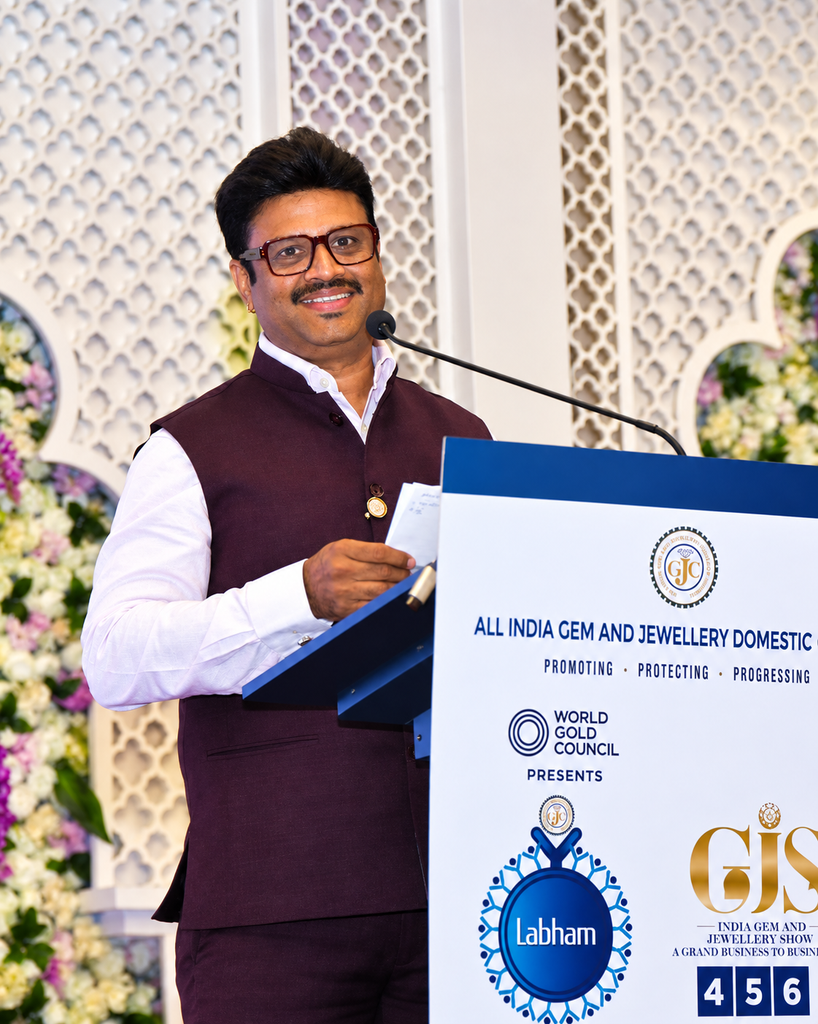
As the apex body, GJC plays a vital role as a bridge between the Government and the trade.
We continuously engage with various ministries and institutions — from NITI Aayog and Ministry of Commerce to FIU and I4C — from senior officials to ministers. Our objective is to safeguard industry interests and find practical solutions to challenges faced by our members.
We are grateful for the tremendous support received from the Government, and I sincerely thank all industry stakeholders and associations across the country for recognizing GJC and giving us the mandate to represent them.
Whether it is hallmarking or HUID, our effort is to ensure regulations are implemented in a simple, practical and industry-friendly manner. Similarly, when jewellers doing lawful business face issues like banking problems or account liens, we represent their concerns and protect their legitimate interests. We also work closely on GST and other compliances to help the trade understand and fulfil them efficiently.
Our approach is to move step-by-step with the Government — on customs duty, regulatory restrictions or any policy matter — making representations, explaining practical challenges, and suggesting simpler solutions.
Our objective is clear: the jewellery industry should have an environment to conduct business lawfully, transparently and efficiently, and continue to grow.
A strong and healthy domestic market will ultimately create a stronger foundation for global expansion and will directly contribute to increasing our jewellery exports.
This is the role GJC continues to play — as the voice of the domestic industry and a trusted bridge between the Government and the trade.
•The creation of the Vigilance Committee was a critical initiative. What progress has been made so far, and how do you see it scaling across India?
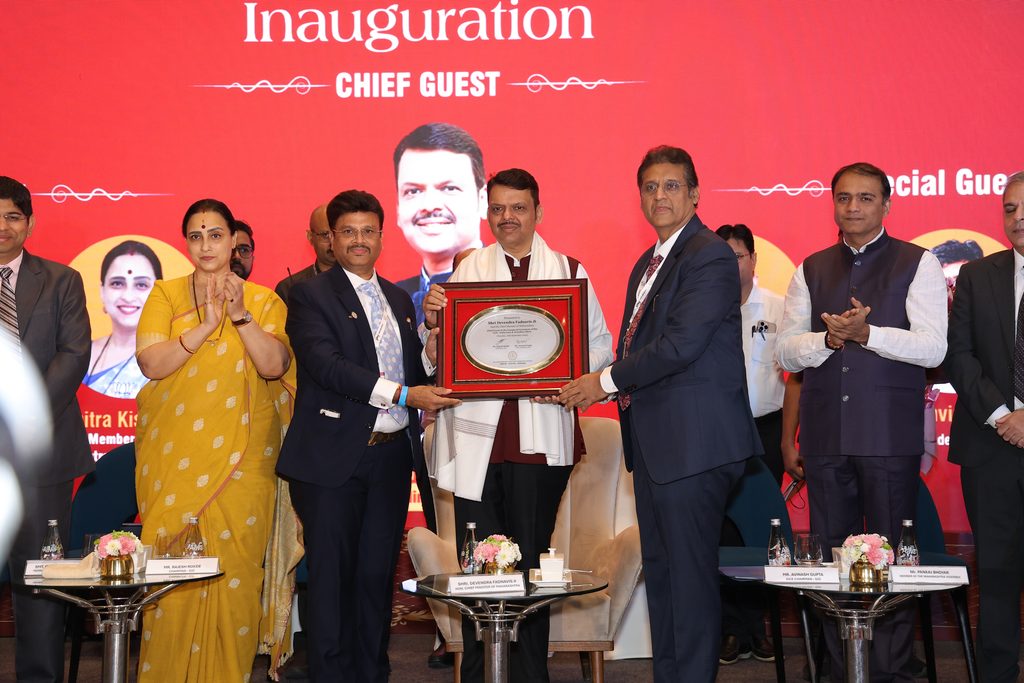
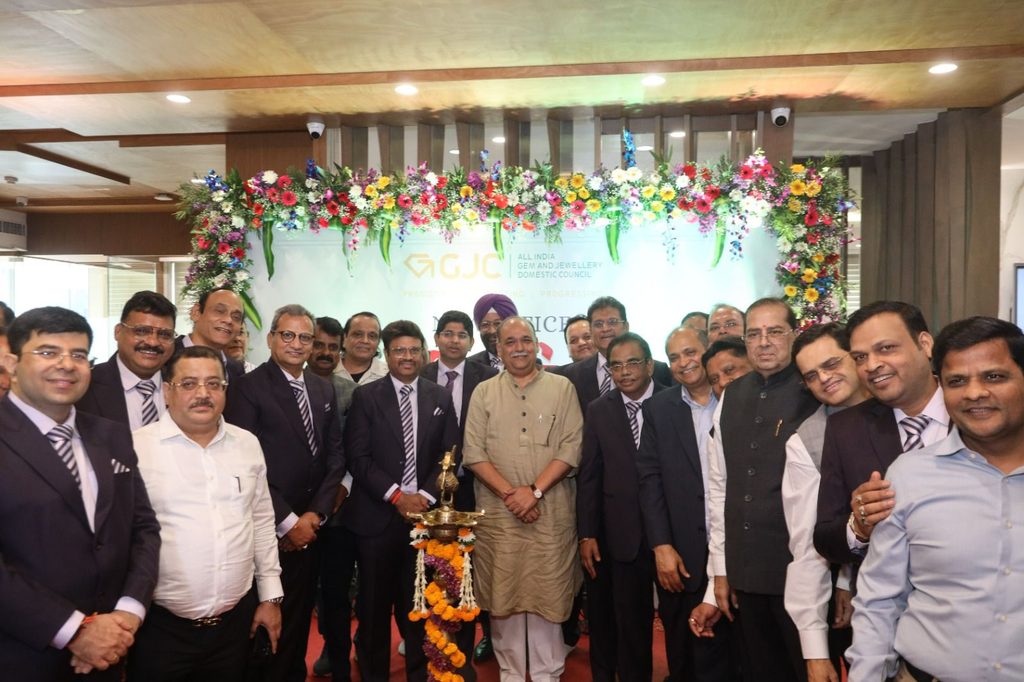
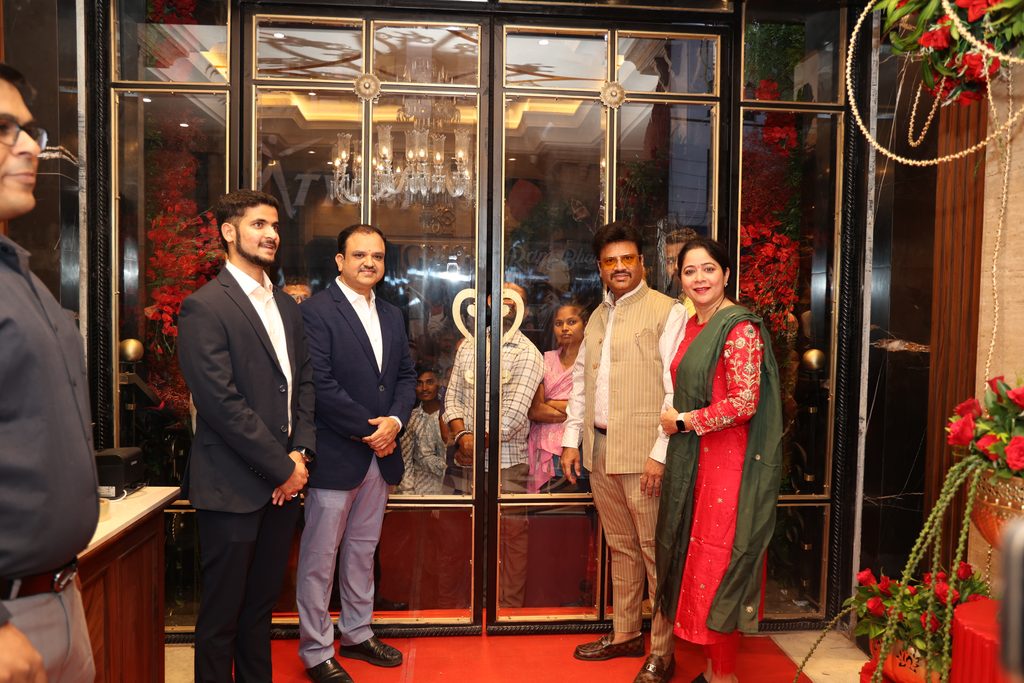
The Vigilance Committee initiative has been a major milestone for the jewellery industry in Maharashtra.
For years, there was an atmosphere of tension and mistrust between the police, jewellers and those involved in theft-related cases. The Vigilance Committee has provided a much-needed safeguard and created a structured, cooperative mechanism to address such issues.
Forming Committees across all 36 districts of Maharashtra was a very challenging task, and we could achieve it because of the strong network and collective efforts of GJC.
I sincerely thank Hon. Chitra Tai Wagh, MLC, Maharashtra, whose support was instrumental in making this possible, as well as Hon. Chief Minister Shri Devendra Fadnavis Ji and Hon. Minister of State for Home Shri Pankaj Bhoyar Ji for their support and encouragement.
This is a significant step towards building greater trust, coordination and security for the jewellery fraternity, and I am confident this model will further strengthen the relationship between the industry and law-enforcement authorities.
•What is the latest progress on implementing hallmarking at the last point of sale?
GJC’s Stand on Last Point of Sale:GJC has been advocating for Last Point of Sale right from the beginning.
We believe the current First Point of Sale approach is creating challenges for the industry. Because of this, we have still not been able to establish adequate hallmarking centres in every district.
Had Last Point of Sale been implemented earlier, we would have been in a much stronger position to set up hallmarking centres across all districts and achieve truly mandatory hallmarking.
We have taken up this matter with senior BIS officials and held detailed discussions. We are now working with all relevant associations and stakeholders to resolve it comprehensively.
Our stand is very clear: Last Point of Sale was our position yesterday, is our position today, and will remain our position in the future. There is no ambiguity.
If implemented effectively, Last Point of Sale can go a long way in eliminating fake hallmarking and ensuring greater transparency and accountability in the industry.
•The Elite Jewellers Meet has become an important platform for the industry. What has been the response, and how do motivational speakers and such initiatives help the trade?
Ans: ELITE – Empowering the Next Generation of Jewellery Leaders
ELITE is an important platform for young professionals and entrepreneurs who want to update, upgrade and continuously learn.As part of ELITE, we regularly bring in relevant topics. We have covered subjects like Artificial Intelligence (AI), management and leadership, to help the younger generation adapt to the changing business environment.
Continuing this, we have planned a full-day workshop on 1st October at Jio World Convention Centre, where renowned business coach Mr. Rahul Jain will guide and mentor participants.
ELITE has now created its own distinct identity with a strong, positive ecosystem. It also indirectly supports the GJS Show, as many young entrepreneurs from ELITE actively participate in GJS. So we are working on two objectives together — how to grow our businesses and how to protect and strengthen them for the future.
I am very happy with the impact ELITE is creating and would like to specially appreciate Mr. Nitin Khandelwal, Convener of ELITE, for his dedication and hard work in making it a strong platform.
How is GJC fostering the inclusion of new-generation entrepreneurs and women leaders within the gems and jewellery sector to build distinct brand identities?
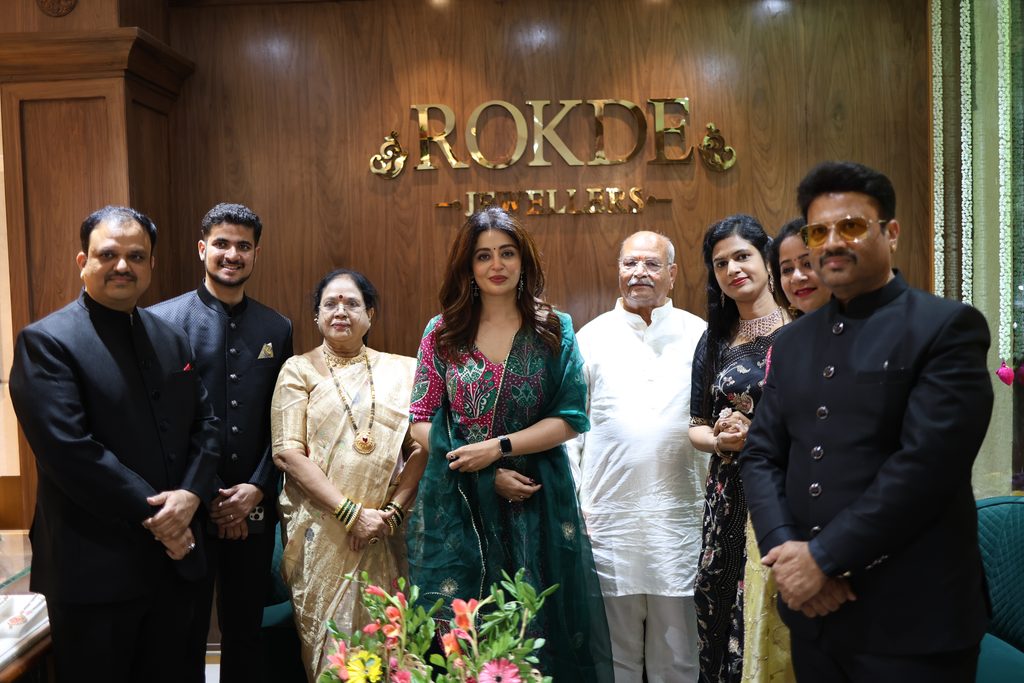
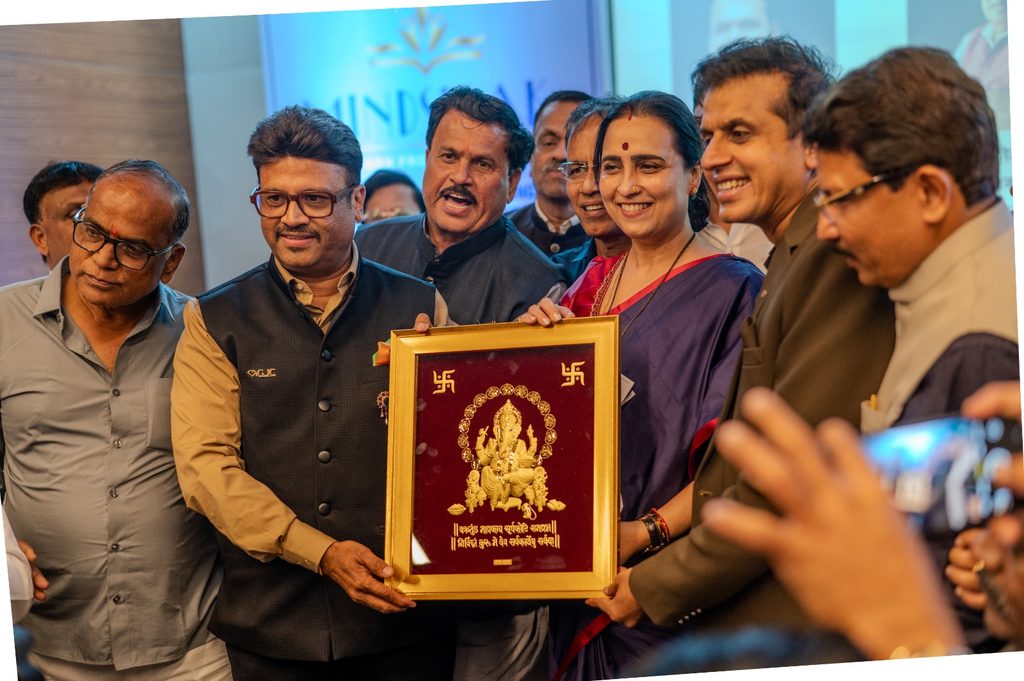
We are equally focused on strengthening our Youth Wing. Our next generation, especially Gen Z, is full of fresh ideas, new thinking and the energy to take the jewellery business to greater heights.
I strongly believe where Gen Z stands, the industry will stand with them. Their support and participation are crucial for the future growth of our industry.
We continuously strive to give them leadership and ownership. As you saw, the last GJS Night was completely conceptualised, planned and executed by Gen Z — a great example of what they can achieve when given the right platform.
Rokde Jewellers: 124 Years of Trust, Reimagined for a New India
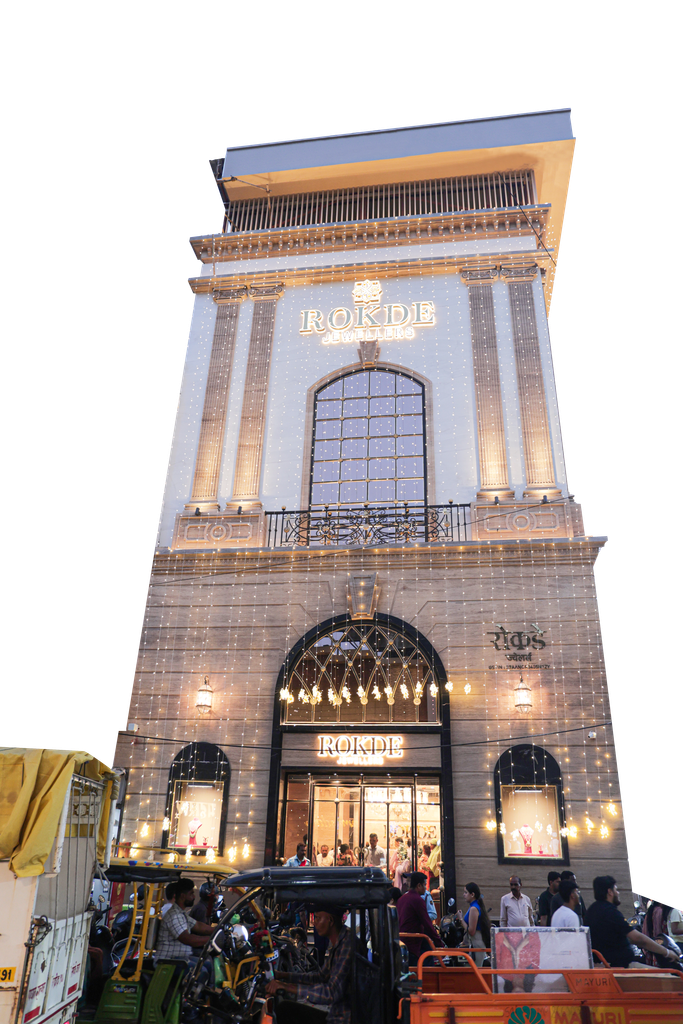
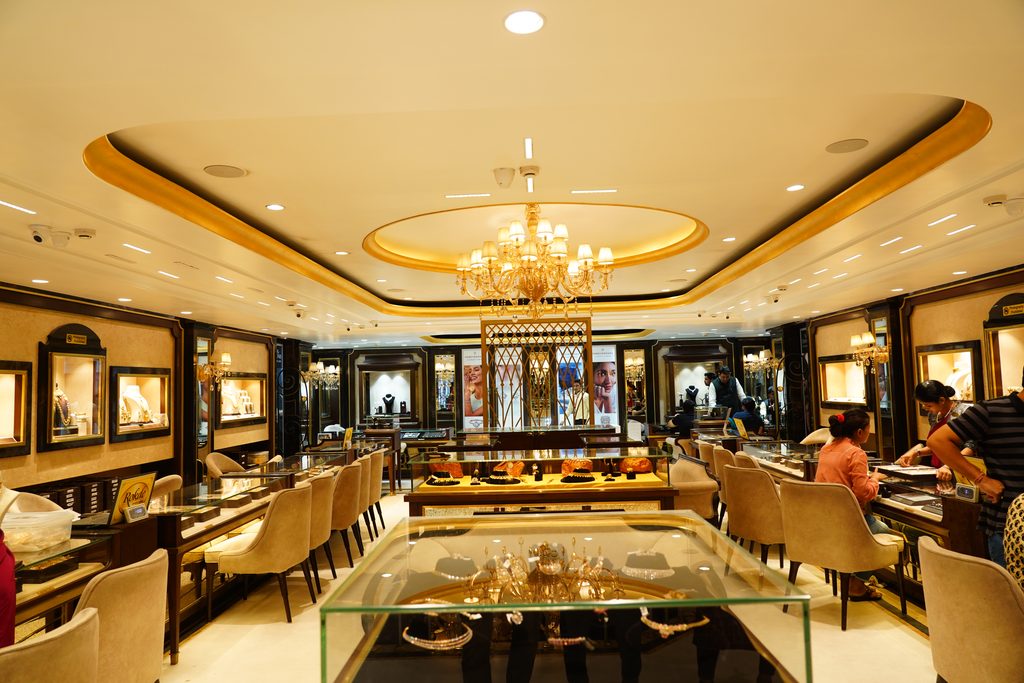
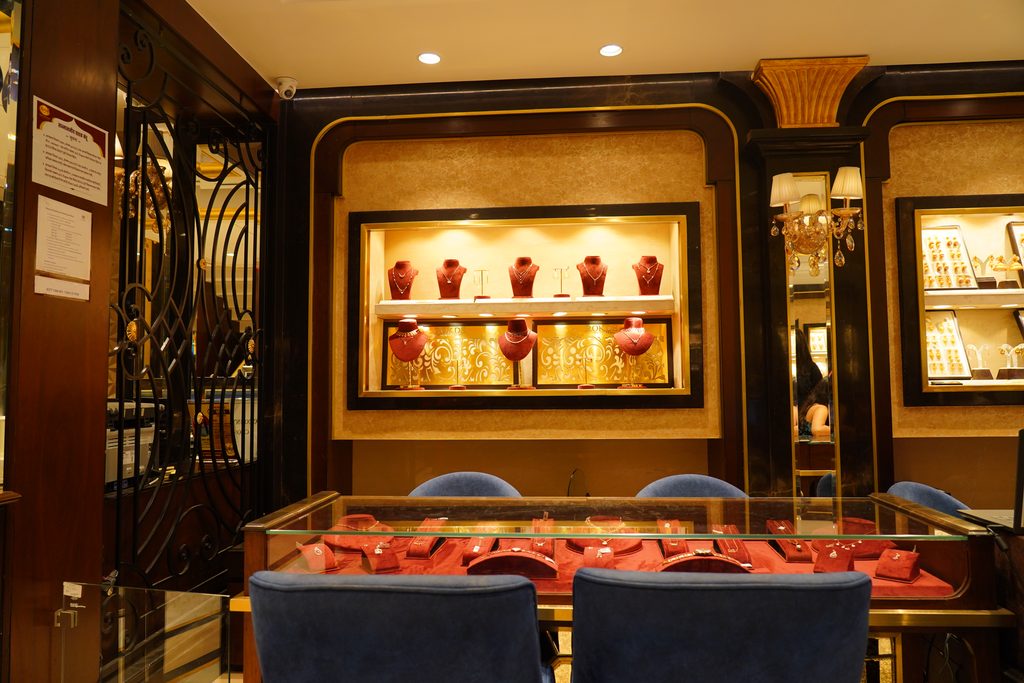
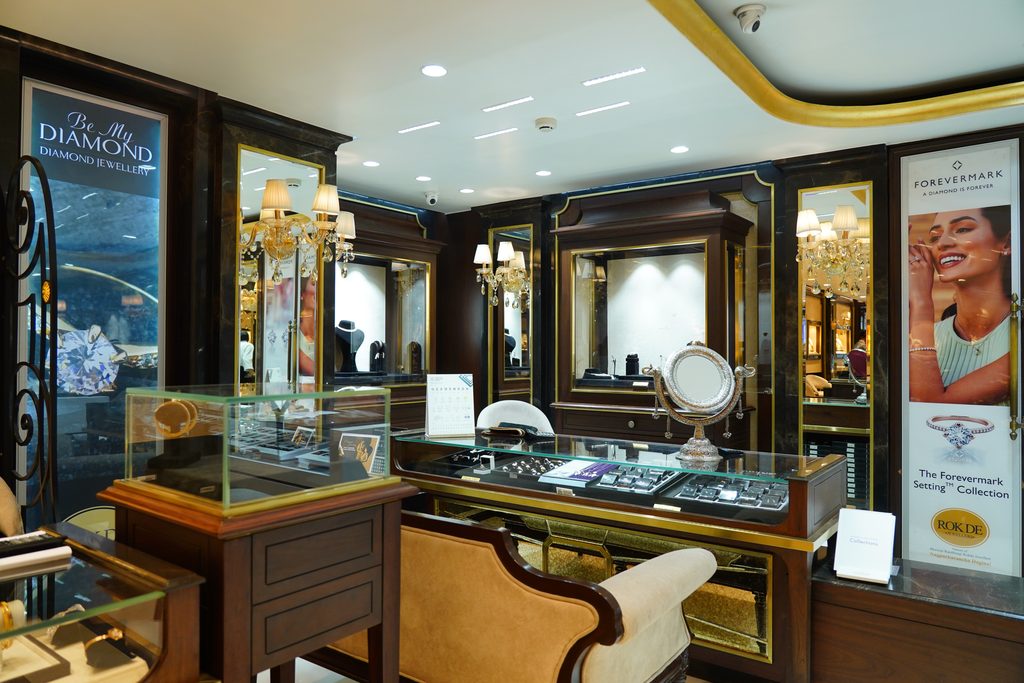
How do you balance a 124-year legacy with staying modern, contemporary?
Rokde Jewellers is now a 124-year-old, fifth-generation legacy brand. As I said at our ‘Beyond Legacy’ event, this is not just a new logo; it is an entirely new chapter. We have unveiled a new, contemporary visual identity that balances heritage with modernity, while our core values of purity, transparency and trust remain unchanged. Heritage gives us trust; modernity gives us relevance.
What were the biggest challenges in scaling from a single store?
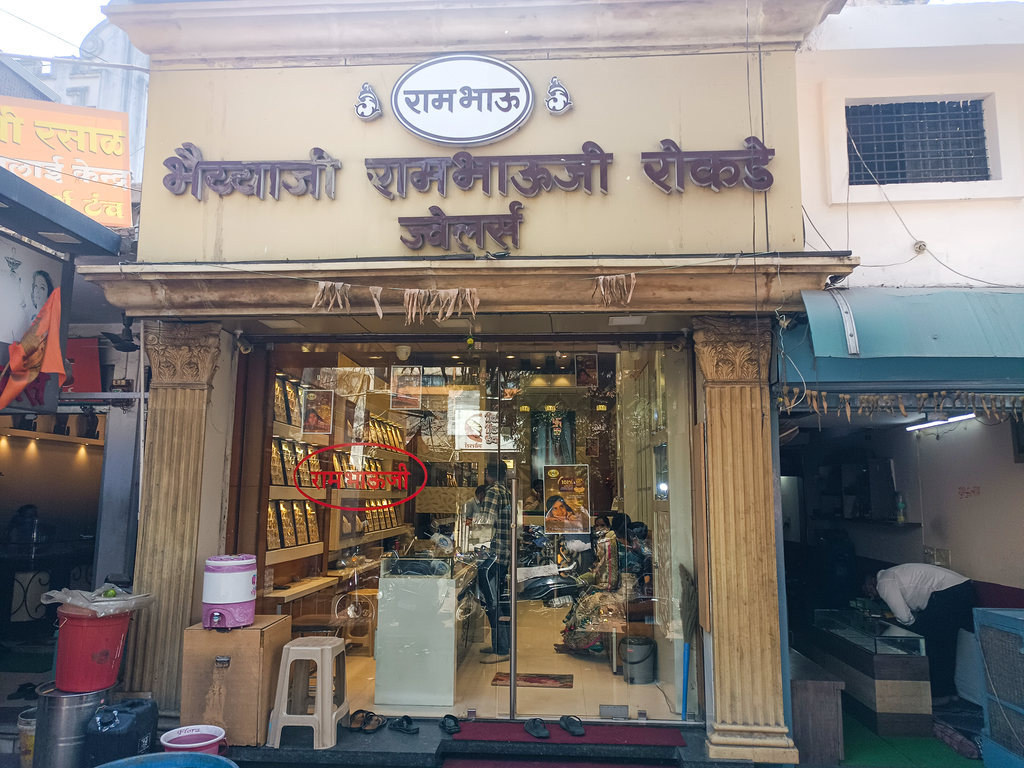
Moving from being a trusted Vidarbha jeweller to becoming a nationally recognised name is our biggest challenge. Today, as per an IGI survey, we rank 54th pan-India, but our next goal is national expansion, followed by an IPO. The challenge is to take the trust Rokde Jewellers has built in Nagpur and Vidarbha to new markets across India.
What was the transition to corporate systems like in a family-run business?
We have completely professionalised the organisation. Our leadership team now includes the next generation, Sarang Rokde, Paras Rokde, Anamika Rokde and Sanskriti Rokde. The family provides the vision, while professionals drive operations through structured systems, technology and ERP.
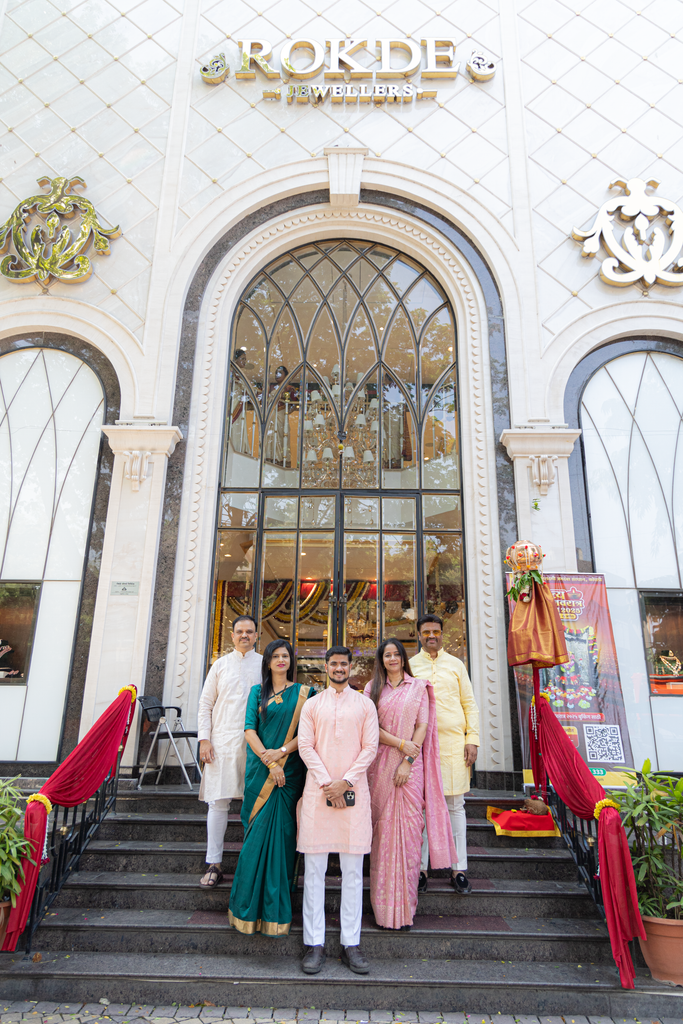
How does consumer research influence your product strategy, especially with changing preferences?
Consumer research shows that younger consumers increasingly seek both value and style. We are responding with lightweight 22Kt gold designs and one of Vidarbha’s largest collections of 18Kt yellow gold jewellery. Our focus is to align our product offerings with evolving lifestyles and consumer preferences.
What was the thinking behind choosing Riteish and Genelia as brand ambassadors?

This is very crucial to our new identity. Riteish Deshmukh and Genelia Deshmukh represent family values, authenticity, warmth and a deep Maharashtrian connect. As rightly said, trust and relationships are built across generations, and they embody that beautifully. More than an endorsement, they help us introduce brand Rokde to newer markets and younger audiences across India.
How do you measure the success of experiential marketing initiatives such as billboards and podcasts?
Our new campaign is measured through a 360-degree approach, across outdoor hoardings, newspapers, cinema, YouTube, CTV and OTT platforms. Success is not just about sales; it is also about how strongly our new identity and ‘Beyond Legacy’ story are recalled across geographies.
What is your strategy for Tier-2 and Tier-3 markets and digital growth?
We have announced six new jewellery and gold investment plans and will soon launch our e-commerce platform and mobile app, offering digital gold and online savings plan management. For Tier-2 and Tier-3 markets, our strategy is affordable luxury, 22Kt jewellery and lightweight 18Kt collections, backed by digital accessibility.
How do you approach delegation and developing new leaders?*
My role is to create leaders. We are empowering our fifth generation and professional leadership team to lead this transformation, from retail expansion to digital innovation. The objective is to build a strong organisation that can grow beyond individuals.
What is the roadmap for Rokde Jewellers ?
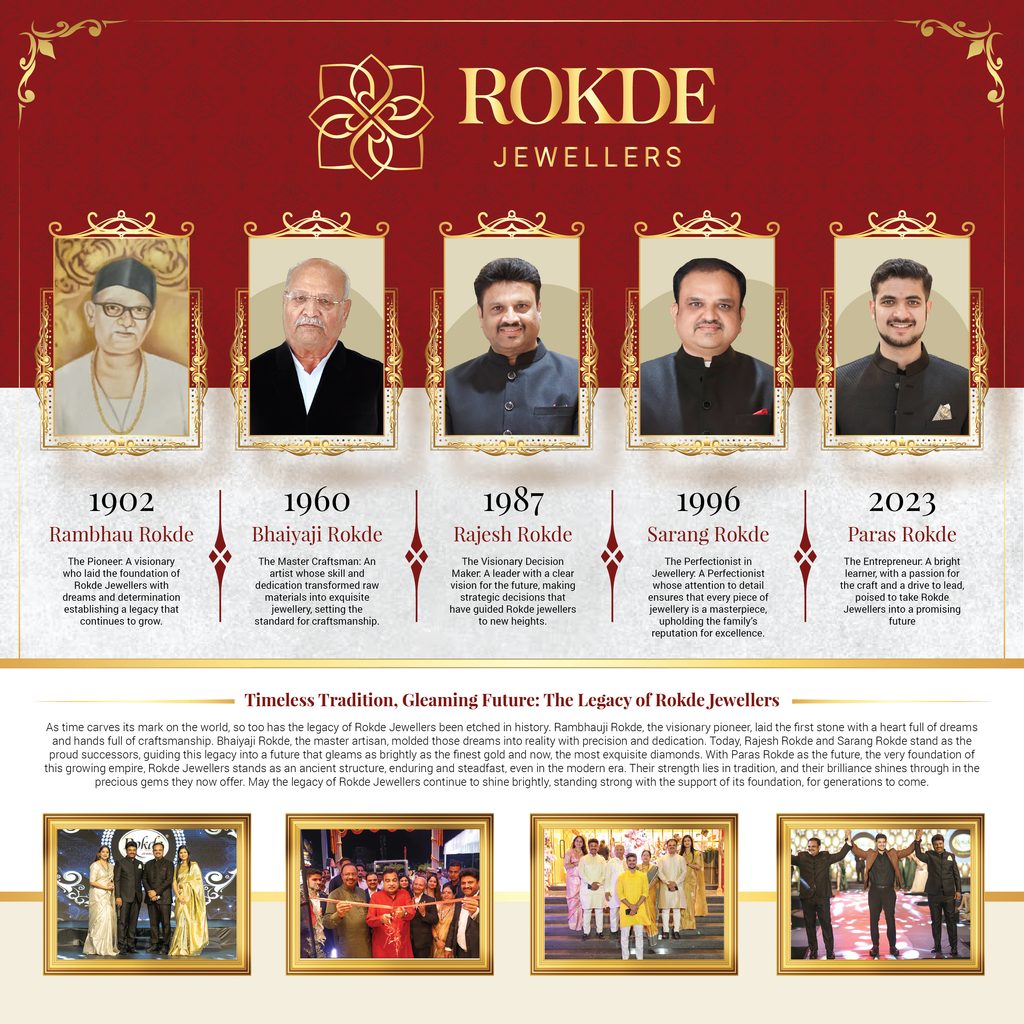
The next two years are about transforming Rokde Jewellers into a national player. The opportunity is huge, with the market expected to reach $130–150 billion. The key challenges will be gold price volatility and compliance. For Rokde, the roadmap is clear: strengthen our new brand identity, expand our retail presence pan-India, go digital-first and prepare for our next major milestone, an IPO.



Mutual Engagement Ring-Wearing On The Rise, Insurance Lagging: Jewelers Mutual Group 2026 Engagement Ring Study

GJEPC Partners With The Leela To Offer Exclusive Hospitality Benefits To Members

MCX Gold, Silver Surge Ahead On US Inflation Data, Crude Price Dip
-
 National News2 hours ago
GJEPC Partners With The Leela To Offer Exclusive Hospitality Benefits To Members
-

 JB Insights2 hours ago
CIBIL Score Plays A Key Role In Festive Financing
-

 DiamondBuzz2 hours ago
Richemont and Signet Jewelers Could Join Global Diamond Consortium In Bid For De Beers
-
 National News2 hours ago
MCX Gold, Silver Surge Ahead On US Inflation Data, Crude Price Dip
