

National News
US slaps 50% tariff on Indian exports; spells doomsday for GJ industry
Trump Slaps 25% Additional Tariff on India, Doubling Duty to 50%; Major Blow to Gems, Jewellery, Textiles & Leather Exports

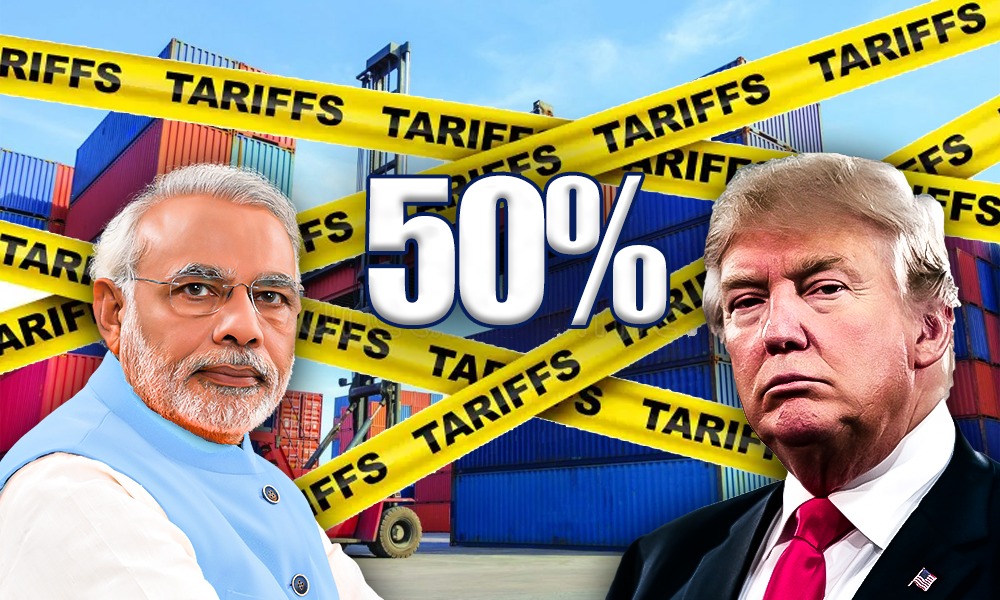
US President Donald Trump announced a 25% additional tariff on India, effectively taking the total tariff to 50%. The move is likely to severely impact domestic export sectors such as gems and jewellery, textiles, leather amongst others.
Think tank GTRI says the new tariffs are expected to make Indian goods incredibly expensive in the US, with potential to cut US-bound exports by 40–50 %. This 50% tariff has prompted the Indian GJ industry to explore setting up manufacturing units in low tariff nations like Dubai and Mexico from where they can directly export to the US.
The US is the largest market for Indian exporters of diamonds and studded jewellery worth $10-billion as of 2024-25. The United Arab Emirates faces a 10% tariff while Mexico 25%.
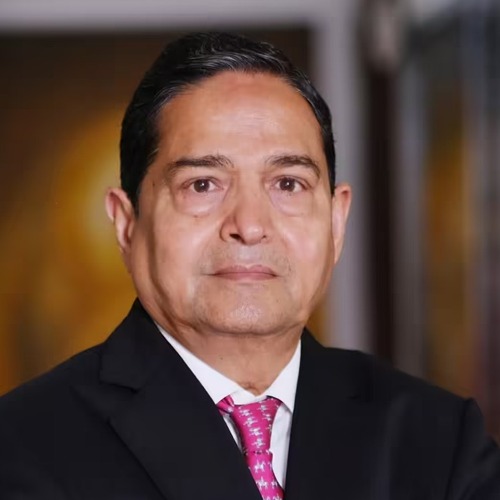
GJEPC Chairman Kirit Bhansali said the 50% tariff is a doomsday for the Indian gem and jewellery sector. We have to find alternate ways to do business with the US, he said. “We will reroute our products through other countries after studying the tariff structure of that country with the US. We will set up manufacturing units there quickly. Dubai is the nearest destination for us. We will also look into rerouting studded jewellery through Mexico, if required. However, we will do everything legally,” Bhansali said.
The imposition of a 25% tariff on Indian gold jewellery exports-already in effect-and the additional 25% set to be enforced from 27th August represent a compounded blow to the sector. This steep escalation not only renders our products significantly less competitive in the U.S. market, but more critically, it jeopardizes the livelihoods of thousands of skilled artisans who depend on export demand for their survival.

These craftsmen-many from marginalized communities are the backbone of India’s jewellery ecosystem, preserving centuries-old techniques through small workshops and family-run enterprises.
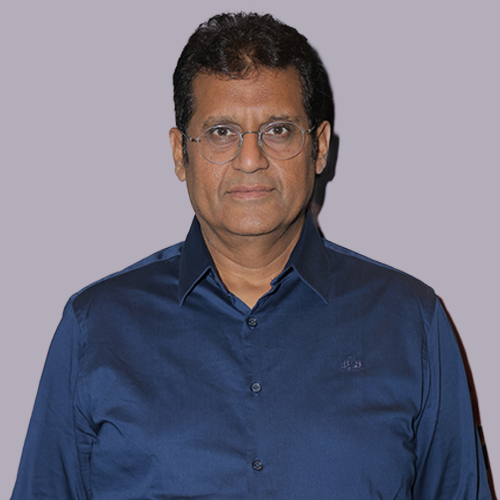
A cumulative 50% tariff threatens widespread job losses, destabilizes local economies, and risks eroding a rich cultural heritage. We urge the government to act swiftly and engage in trade negotiations that protect these livelihoods and uphold India’s global leadership in handcrafted jewellery” said – Rajesh Rokde – Chairman – GJC.
The 25% tariff on Indian gold jewellery exports-already in effect-with an additional 25% set to begin on 27th August, delivers a compounded blow to the sector. It makes our products less competitive in the U.S. market and jeopardizes the livelihoods of thousands of skilled artisans, many from marginalized communities, who sustain India’s centuries-old jewellery craftsmanship through small workshops and family enterprises.
This tariff shock is also pressuring the Indian Rupee, likely making gold costlier for domestic consumers and dampening demand within India-further straining the industry. We urge the government to act swiftly and engage in trade negotiations to protect jobs, stabilize currency impact, and preserve India’s global leadership in handcrafted jewellery” said, Avinash Gupta – Vice Chairman – GJC
A team from the US gem and jewellery industry is visiting India on August 19 to hold talks with the industry body and union commerce ministry on the tariff issue. There are 70,000 small and medium jewellery retail outlets in the US who largely source jewellery from India.







India’s appetite for borrowing against gold is reshaping the country’s credit landscape. Outstanding gold-backed loans have surged 128% from a year earlier, crossing Rs.4 lakh crore ($48 billion) for the first time, according to data from the Reserve Bank of India. As of Jan. 31, loans secured by gold jewellery stood at Rs.4,00,517 crore, marking one of the fastest expansions in retail credit in recent years.
The boom in gold loans has helped propel overall non-food bank credit growth to 14.4% year-on-year. Personal loans now account for 34.5% of total bank lending, outpacing other segments and underscoring a broader shift toward consumer-driven credit expansion
Gold loans alone contributed roughly 9% of incremental bank credit during the period. Between January 2024 and January 2026, outstanding gold-backed credit rose by nearly Rs.3.1 lakh crore—an increase of about 338% over two years—more than quadrupling the size of the portfolio.
Two factors are driving the surge. First, gold prices have climbed roughly 152% over the past two years, increasing the collateral value of household holdings. Second, regulatory guidance requiring banks to classify loans secured by gold explicitly as gold loans has sharpened reporting and accelerated balance-sheet growth in the segment.
The trend highlights a distinctive feature of India’s financial system: households’ vast stock of physical gold, long viewed primarily as a store of wealth, is increasingly being mobilized as collateral for formal credit.
While personal lending and credit to nonbank financial companies within the services sector continue to expand rapidly, industrial credit remains uneven. Loans to micro, small and medium enterprises are growing steadily, but borrowing by large corporations has stayed relatively muted.
Since March 21, 2025, banks have added Rs.21.8 lakh crore to their non-food loan books, translating into 12% growth for the financial year to date. Yet it is gold—rather than factories or infrastructure—that is emerging as one of the most dynamic engines of India’s current credit cycle.



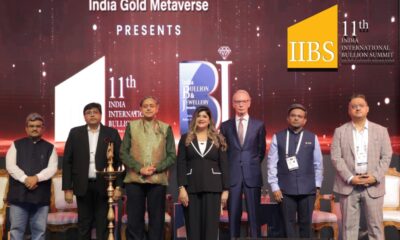
India International Bullion Summit 2026: A Defining Platform Shaping India’s Bullion & Jewellery Ecosystem

#ViRosh Ki Shaadi: Rashmika Mandanna & Vijay Deverakonda Celebrate Love with Temple Gold & Timeless Tradition

Outstanding gold-backed loans surge by 128% from a year earlier
India International Bullion Summit 2026: A Defining Platform Shaping India’s Bullion & Jewellery Ecosystem

IIBS-11: Navigating the ‘New Gold Rush’ in a fragmenting global economy

Oroarezzo 2026, with Italian Exhibition Group, Manufacturing Explores New Markets
-
 ShowBuzz5 hours ago
India International Bullion Summit 2026: A Defining Platform Shaping India’s Bullion & Jewellery Ecosystem
-
 National News4 days ago
IIBS-11: Navigating the ‘New Gold Rush’ in a fragmenting global economy
-
 International News4 days ago
Oroarezzo 2026, with Italian Exhibition Group, Manufacturing Explores New Markets
-
 GlamBuzz11 hours ago
#ViRosh Ki Shaadi: Rashmika Mandanna & Vijay Deverakonda Celebrate Love with Temple Gold & Timeless Tradition
