
JB Insights
Union Budget 2024 is a game-changer


The Union Budget 2024 has created a positive sentiment and buzz in the GJ industry. Industry players are calling it a game-changer. The reduction in import duties on gold, silver and platinum, from 15 percent to 6 percent , abolition of the 2% Equalization Levy, Safe Harbour Rule on sale of rough diamonds at SNZs will contribute in propelling growth of GJ industry.
The import duty cut on precious metals is likely to ignite a significant increase in gold purchases across the country, particularly during the upcoming festive and wedding season. The cultural and religious significance of gold, combined with its role as a valuable investment, is expected to drive a substantial uptick in demand. Experts expect the allure of gold to reach new heights as the auspicious occasions of the wedding season and Diwali approach.

Piyush Goyal, Union Commerce & Industry Minister, said “The gold import duty cut to 6 per cent (from 15 per cent) will promote the manufacturing of gold and silver jewellery. It will also contain smuggling. When formal gold is imported through the official route, it only helps the economy further. Also, this move will benefit the consumers as the marriage season is approaching.Duty reduction in gold and silver will result in employment and business growth. Value addition in gold jewellery will also boost exports, including e-commerce exports.”
The reduction in import duties on precious metals is a major boost for our industry, enhancing affordability for consumers and competitiveness for the manufacturing sector by releasing working capital, said Vipul Shah, Chairman, GJEPC.
Indian jewellers foresee a surge in domestic gold purchases due to a significant customs duty cut in the 2024-25 budget. This change has narrowed the price gap between India and Dubai, making Indian gold more appealing. The reduction is expected to boost domestic gold production, and jewellers plan to introduce new designs to attract customers. With lower duties, jewellers can offer competitive pricing, making gold and silver more accessible and affordable to all consumer segments.
This move will provide significant relief to consumers who have been investing in alternative assets, encouraging them to return to gold investments. Industry is confident that household investment and savings in India will see an increase in the coming days.






JB Insights
From Lab To Luxury: Sonani Jewels’ Blueprint For The Next Generation Of Fine Jewellery
In An Exclusive Conversation With JewelBuzz, Agastya Sonani, Co-Founder & CEO, Sonani Jewels, Discusses The Company’s Journey In Lab-Grown Diamonds, Consumer-Led Innovation, Manufacturing Capabilities and Its Ambitious Roadmap For The Future

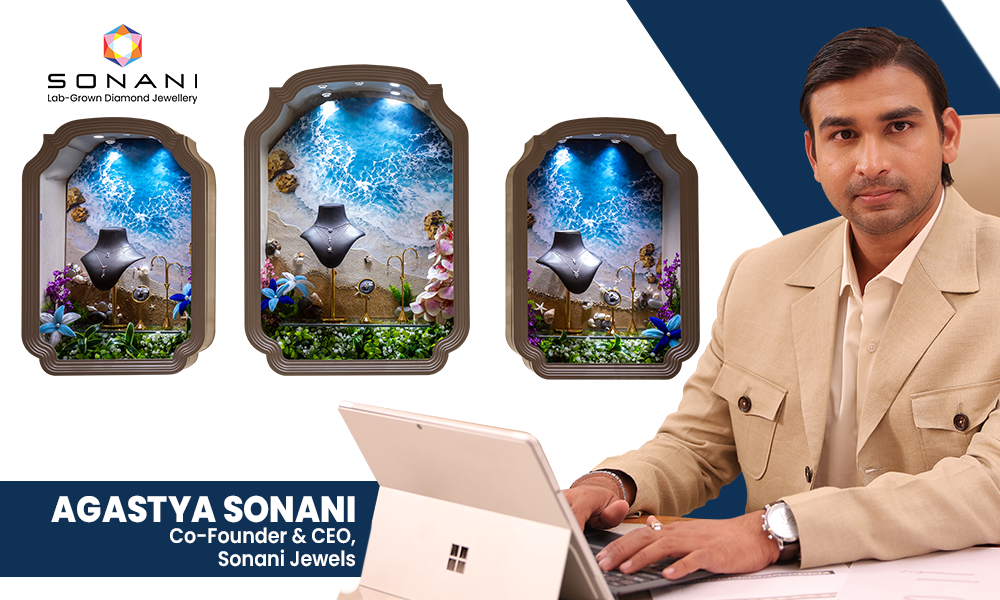
As the jewellery industry undergoes a fundamental shift in consumer preferences, rising gold prices and the growing acceptance of lab-grown diamonds (LGDs), Sonani Jewels is building a differentiated position at the intersection of technology, manufacturing, design and accessibility.
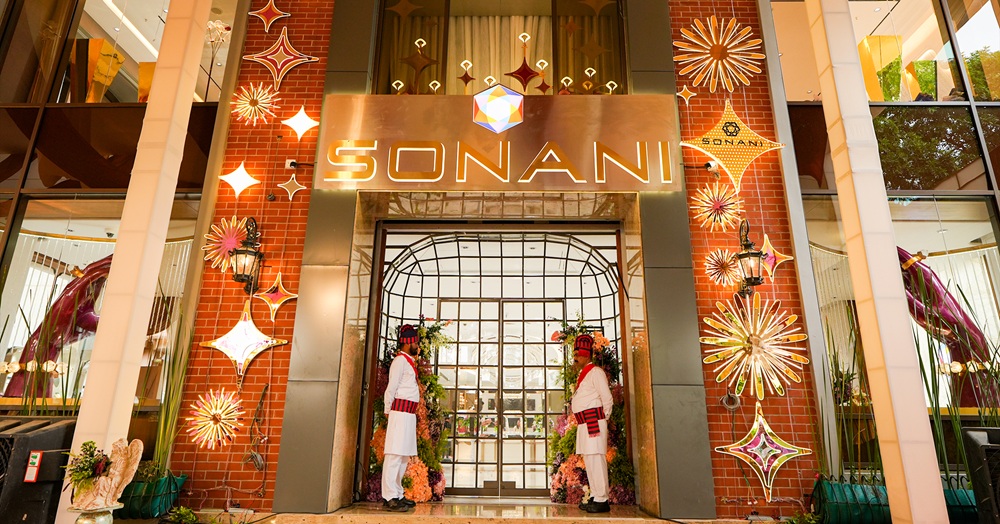
With roots in diamond manufacturing and technology dating back to 2006, the company has developed an integrated approach that combines deep manufacturing expertise with a close understanding of the evolving jewellery consumer. From its ‘9 To Fine’ 9KT gold collection and growing portfolio of fancy-coloured lab-grown diamonds to its D2C and retail strategy, Sonani Jewels is working towards creating a connected diamond-to-jewellery ecosystem.
In an exclusive interview with JewelBuzz, Agastya Sonani, Co-Founder & CEO, Sonani Jewels, shares insights into the evolution of lab-grown diamonds across domestic and international markets, the consumer and commercial trends shaping product innovation, the company’s approach to traditional retail and D2C, its manufacturing agility, and the strategic priorities underpinning its 3–5 year growth vision.
Through the conversation, Agastya Sonani offers a closer look at how Sonani Jewels is approaching the rapidly evolving LGD landscape and building a jewellery business designed to respond to a new generation of consumers seeking design, value, accessibility and choice.
1. How has Sonani Jewels navigated the evolving acceptance of lab-grown diamonds (LGDs) across both domestic and export trade markets?
We have always believed that the acceptance of lab-grown diamonds would ultimately be driven by education, transparency and product quality. Our advantage is that Sonani’s relationship with lab-grown diamonds goes back much further than jewellery. We have been involved in diamond manufacturing and technology since 2006, so we understand the science, production and quality parameters behind LGDs at a fundamental level.
In both domestic and export markets, we have seen the conversation move from “What is a lab-grown diamond?” to “Which lab-grown diamond is right for me?” That is a significant shift. Consumers and retailers are becoming more informed about quality, colour, cuts and certification.
Our approach has therefore been to focus not simply on selling LGDs, but on building confidence around them through consistent quality, design, manufacturing expertise and transparency. We see LGDs not as a substitute for mined diamonds, but as a distinct category within the larger diamond and jewellery ecosystem.
2. What commercial intelligence drove innovations like your ‘9 To Fine’ 9kt gold collection and fancy-coloured lab-grown diamonds?
The fundamental insight was that the modern jewellery consumer is looking for more design, more versatility and greater accessibility without compromising on the experience of fine jewellery.
With 9 To Fine, we recognised that gold prices were becoming an increasingly important consideration for consumers, particularly younger buyers who wanted to purchase fine jewellery more frequently rather than only for major occasions. Moving to 9kt gold allowed us to create contemporary, beautifully crafted pieces at a more accessible price point while maintaining the appeal of real gold and lab-grown diamonds.
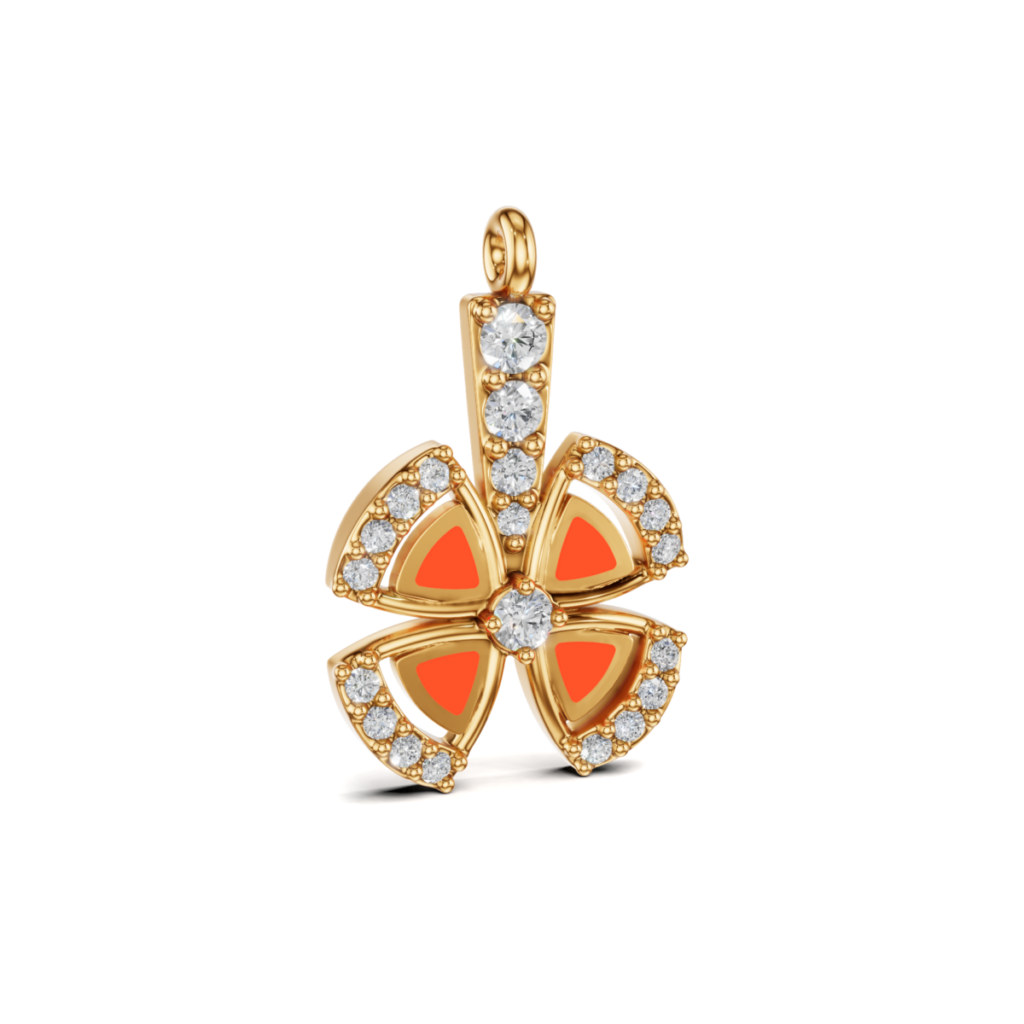
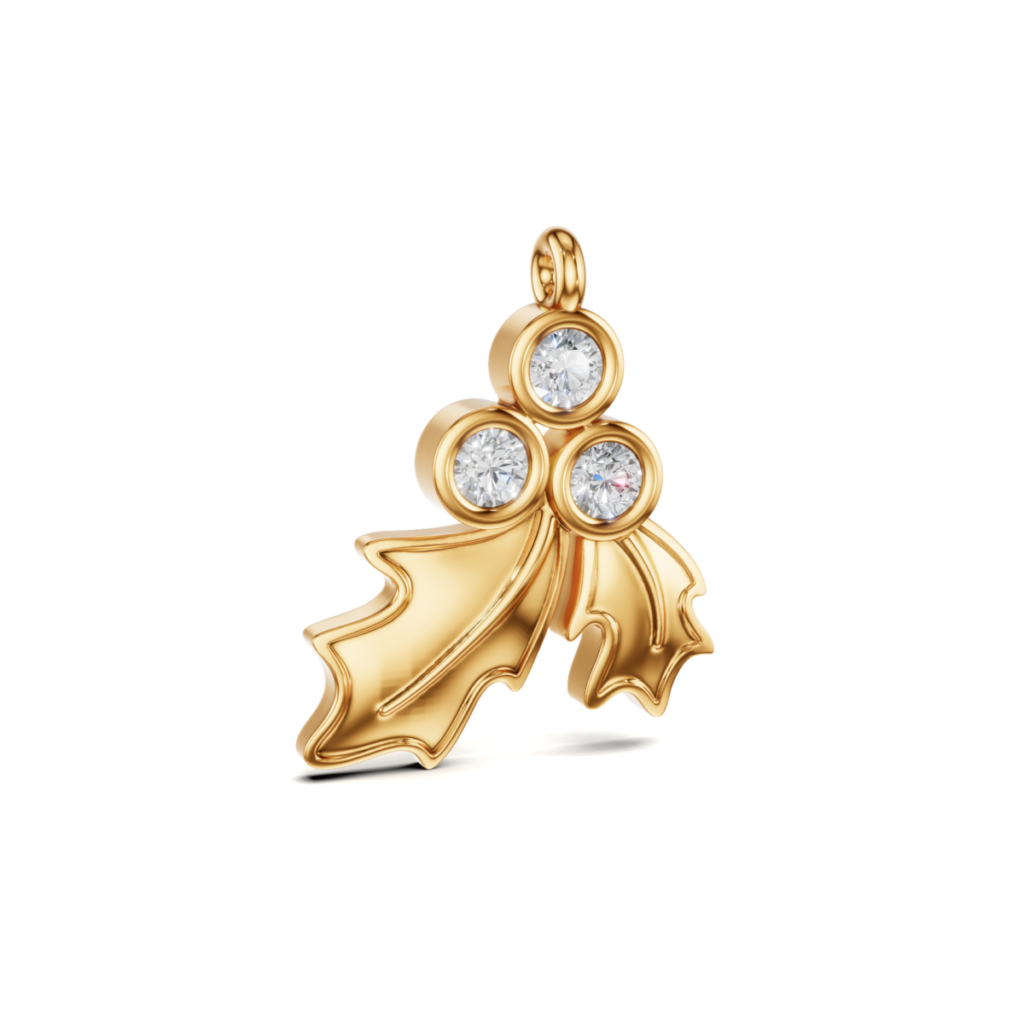
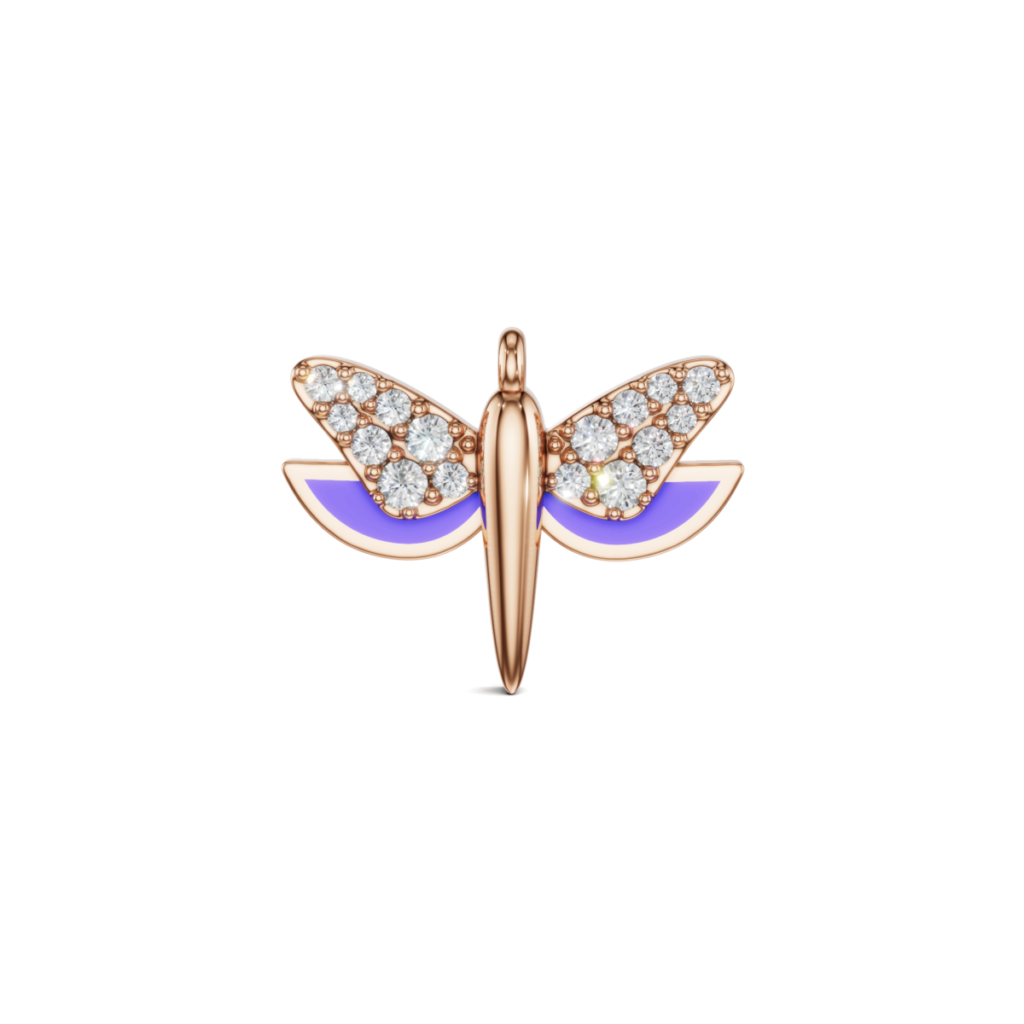
Fancy-coloured LGDs came from another observation: consumers are becoming much more expressive with jewellery. White diamonds will always have a place, but colour allows people to personalise their jewellery and make it more distinctive. Our expertise in growing coloured diamonds gives us an opportunity to bring colours such as pink, blue and yellow into jewellery in a way that is both design-led and commercially relevant.
For us, innovation is not about creating something different for the sake of it. It is about identifying what the consumer is going to value next.
3. How do you enable traditional retailers to adopt LGDs while managing your direct-to-consumer presence?
We see the traditional retail network and D2C as complementary, rather than competing models.
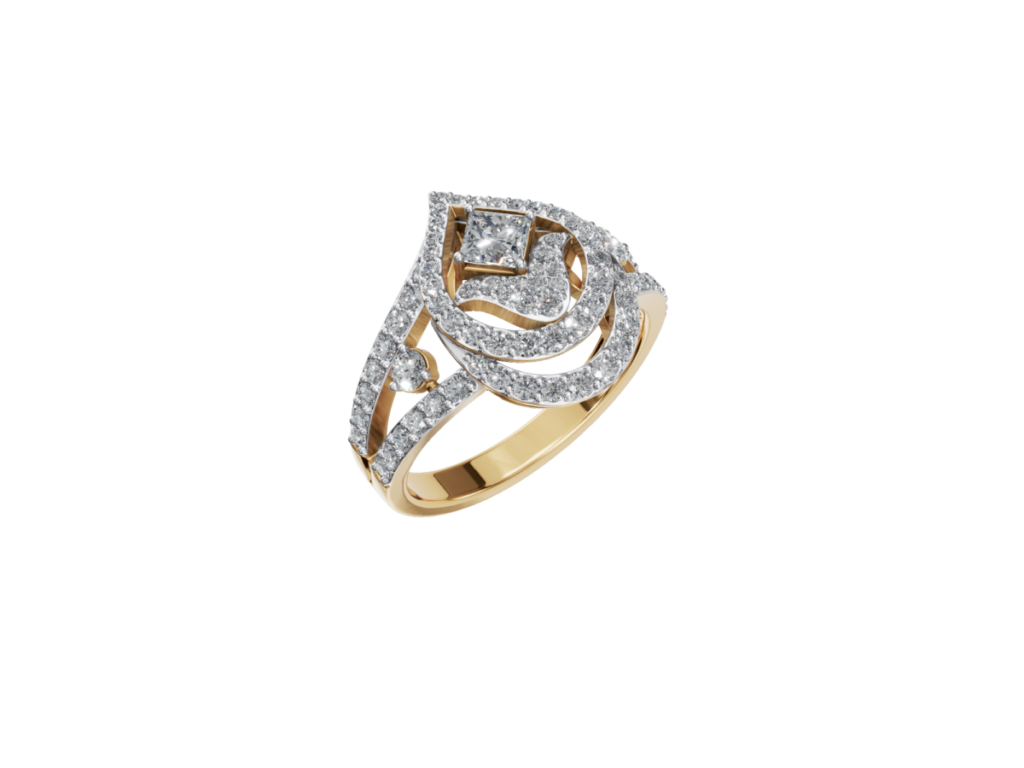
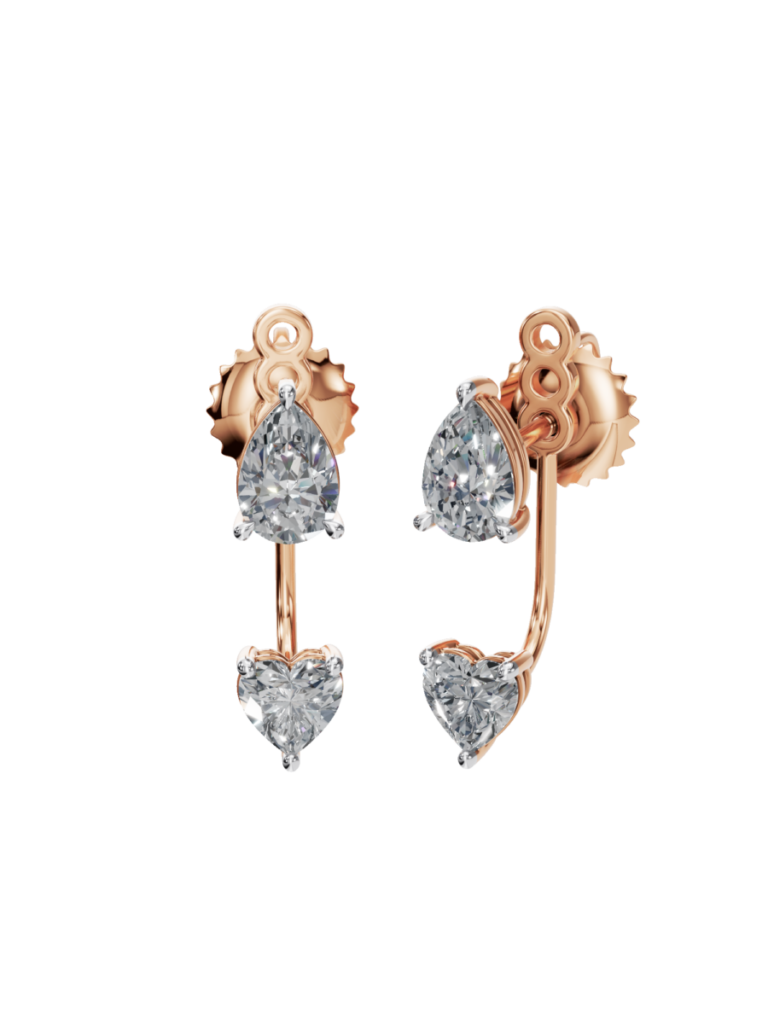
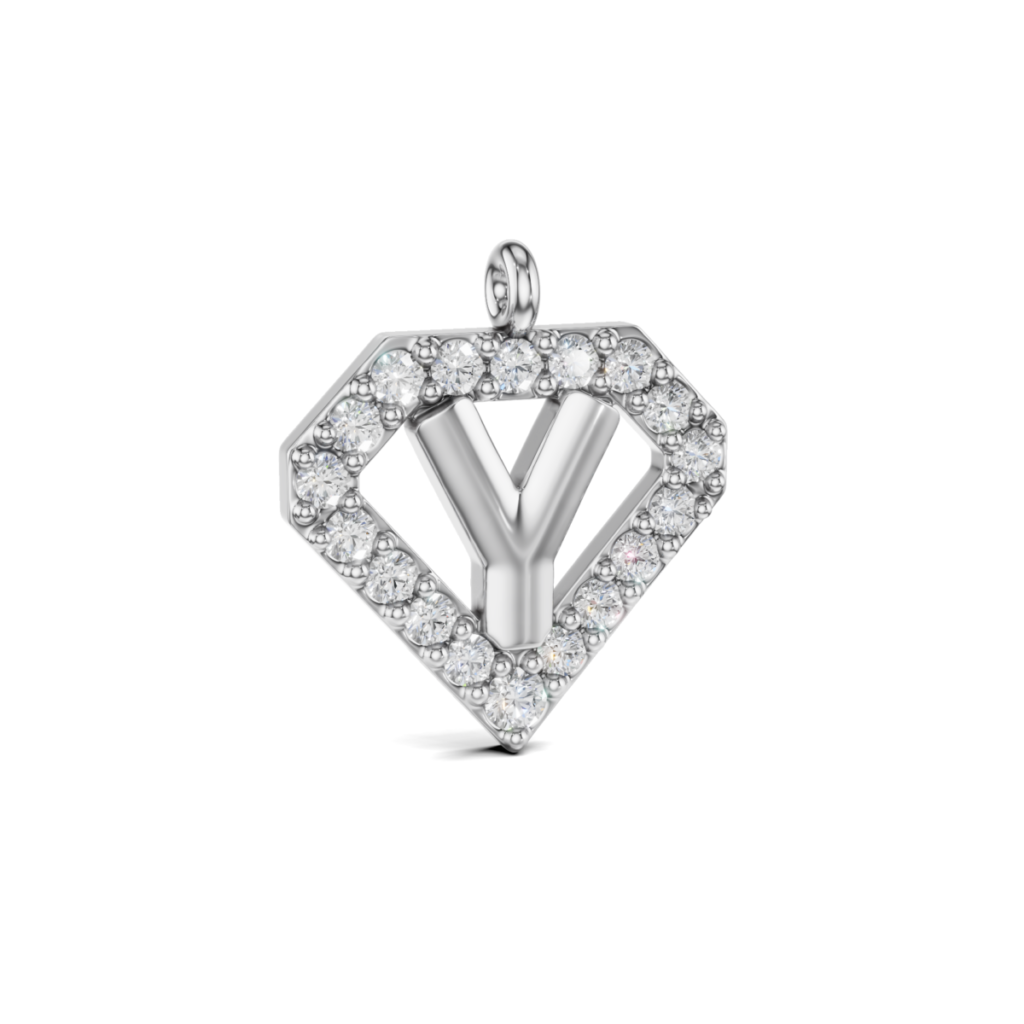
Traditional retailers have something extremely valuable—deep relationships with consumers and a strong understanding of local markets. Our role is to give them the right product, quality assurance, education and commercial proposition to confidently introduce LGDs to their customers.
At the same time, our D2C presence allows us to understand the consumer more closely. We get direct insights into what customers are looking for, which designs resonate, what price points work and how perceptions are evolving. Those insights feed back into our product development.
The objective is to create a healthy ecosystem where our manufacturing capabilities, retail partners and D2C business each strengthen the overall Sonani brand.
4. How do your manufacturing and logistics systems deliver fast turnarounds while hedging against LGD price fluctuations?
Our biggest advantage is vertical integration. We have significant control over the journey from diamond technology and manufacturing to jewellery production. That gives us greater control over quality, inventory planning and turnaround times compared with a model that depends entirely on multiple external suppliers.
We also look at inventory and production as a dynamic process rather than simply holding large quantities of finished goods. Our manufacturing capabilities allow us to respond to demand and optimise production according to market requirements.
In a category where LGD prices can evolve rapidly, agility is critical. We focus on maintaining efficient inventory cycles, disciplined procurement and manufacturing efficiencies rather than relying on excessive stock. Ultimately, the objective is to protect both the business and the consumer by keeping our cost structure efficient while continuing to deliver quality and speed.
5. What is Sonani Jewels’ strategic roadmap for scaling over the next 3 to 5 years?
Our vision is to build Sonani into one of the most recognised names in the lab-grown diamond jewellery category, both in India and internationally.
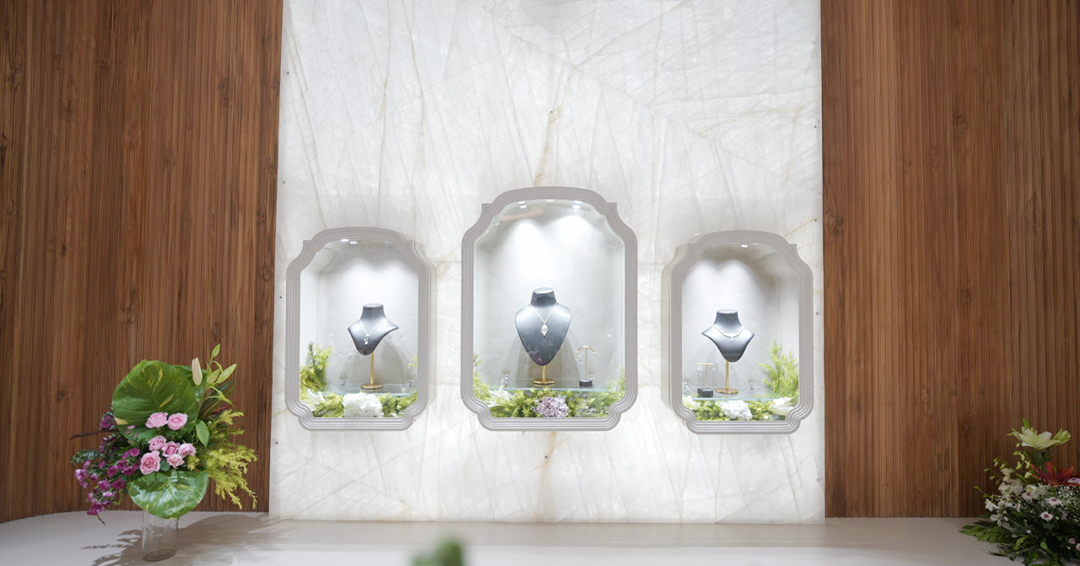
Over the next three to five years, we see growth happening across four key areas: retail expansion, product innovation, international markets and technology-led manufacturing.
In India, we want to build a stronger retail footprint while continuing to develop our D2C ecosystem. Internationally, we see significant potential in markets where consumers are increasingly open to lab-grown diamonds and contemporary fine jewellery.
Product innovation will remain central to our strategy—from everyday fine jewellery and men’s jewellery to bridal, gifting and coloured diamonds. We also want to leverage our manufacturing and R&D capabilities to continue developing differentiated diamond and jewellery technologies.
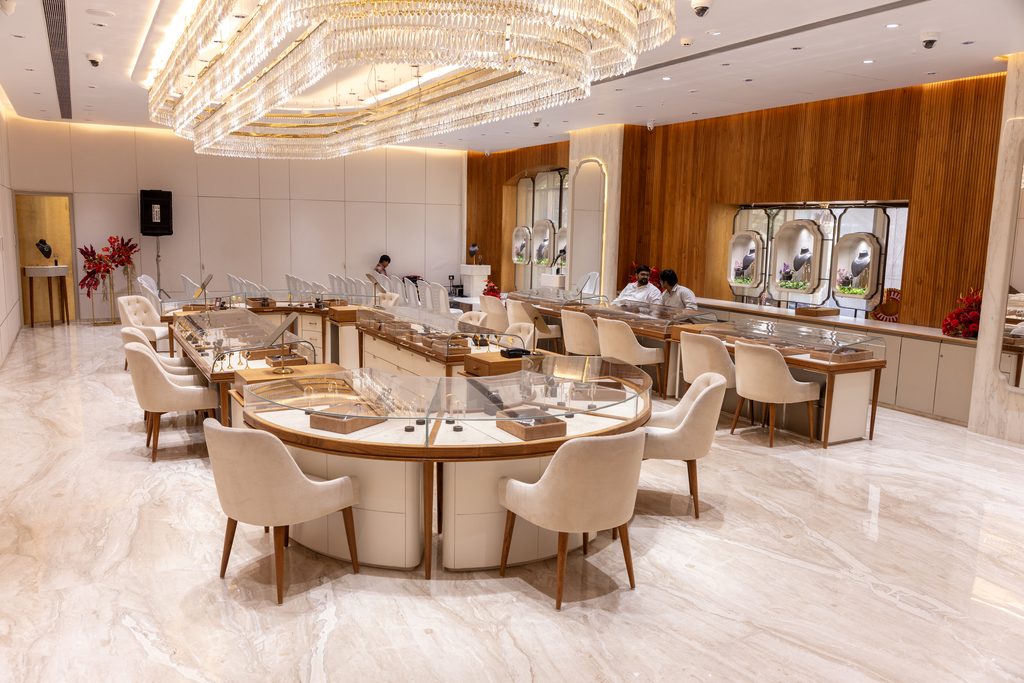
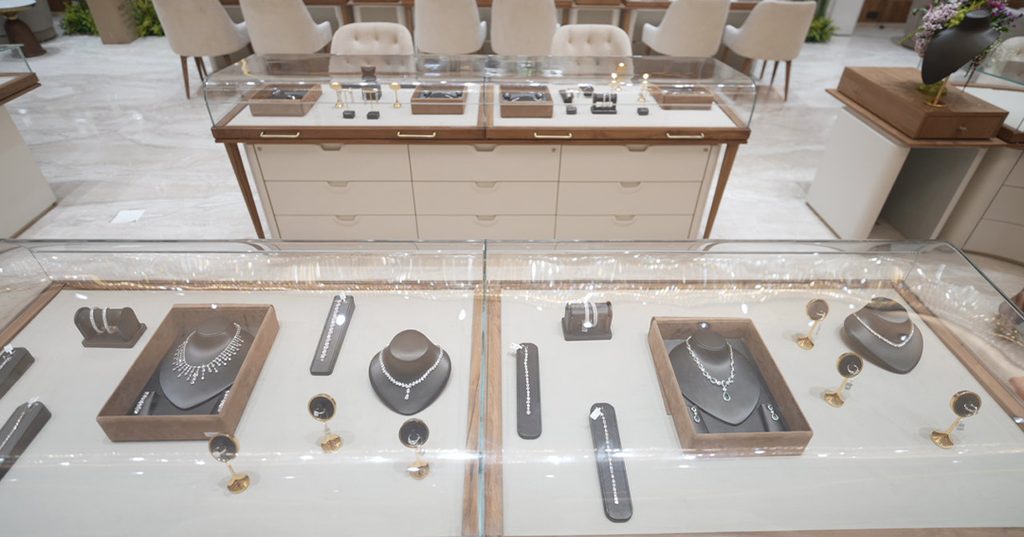
Ultimately, we are not looking at Sonani as simply a jewellery brand. We are building an integrated diamond-to-jewellery business where technology, manufacturing, design and consumer experience come together. That vertical integration is what we believe will give us a long-term competitive advantage.
JewelBuzz: Looking Ahead
From manufacturing expertise to consumer-centric innovation, Sonani Jewels is betting on vertical integration, accessibility and technology to shape its next phase of growth. Its approach reflects a broader evolution in the jewellery industry—where consumers increasingly seek choice, personalisation and value, while brands look beyond traditional boundaries to create new opportunities.
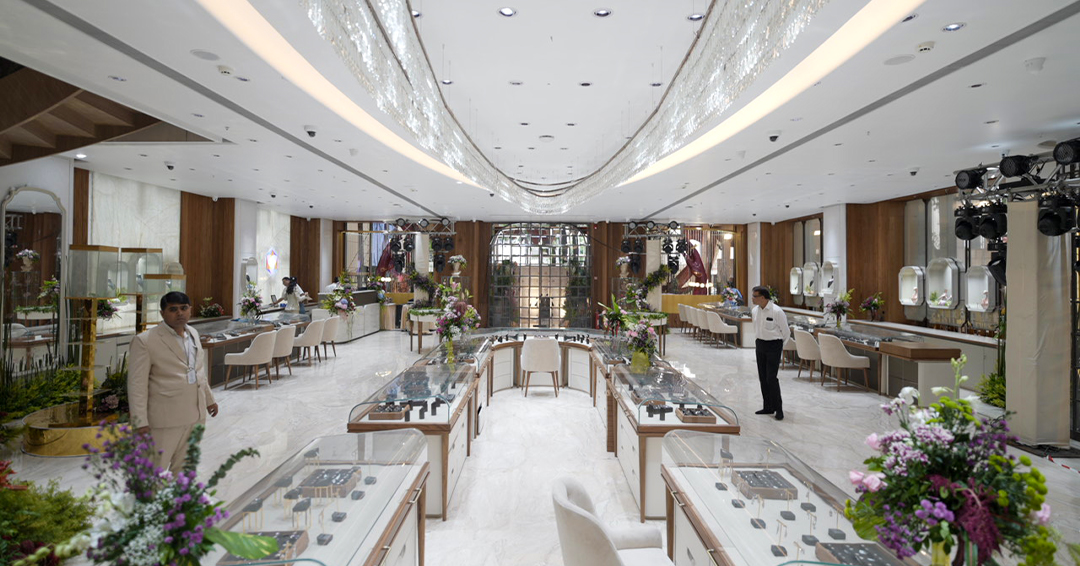
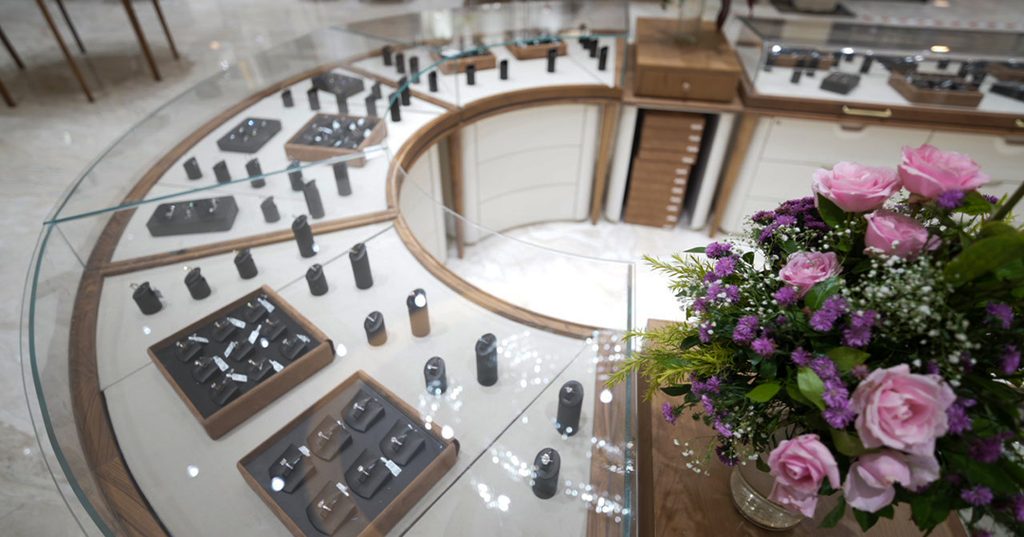
As the acceptance of lab-grown diamonds continues to evolve, Sonani’s focus on technology, design, manufacturing and retail could position the brand as an interesting player in the next chapter of India’s diamond jewellery story.
Image ref: https://drive.google.com/drive/folders/1fBqa8lLAybi5BN0hFDuO9MoNujR0oBnS



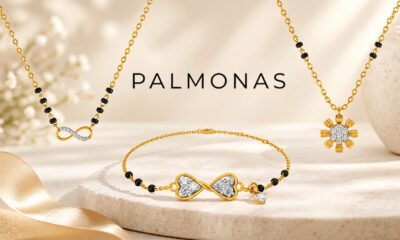
Make Karwa Chauth Special With Palmonas 9KT Gold Mangalsutra Collection

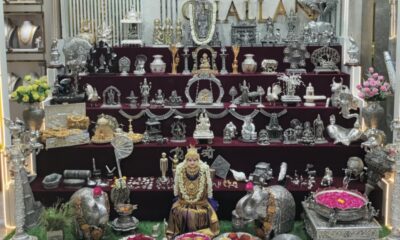
First time In India, Golu Showcase Made Entirely Of Silver and Gold At Challani House Of Silver

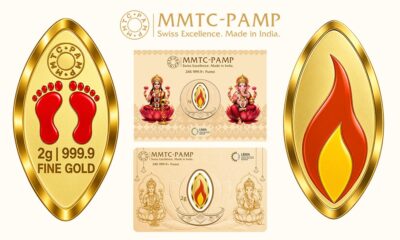
MMTC-PAMP Unveils Jyoti 2gm Gold Coin, Celebrating The Spirit Of Dhanteras and Diwali
First time In India, Golu Showcase Made Entirely Of Silver and Gold At Challani House Of Silver
Make Karwa Chauth Special With Palmonas 9KT Gold Mangalsutra Collection
MMTC-PAMP Unveils Jyoti 2gm Gold Coin, Celebrating The Spirit Of Dhanteras and Diwali
-
 National News11 hours ago
First time In India, Golu Showcase Made Entirely Of Silver and Gold At Challani House Of Silver
-
 National News11 hours ago
Make Karwa Chauth Special With Palmonas 9KT Gold Mangalsutra Collection
-
 National News12 hours ago
MMTC-PAMP Unveils Jyoti 2gm Gold Coin, Celebrating The Spirit Of Dhanteras and Diwali
-
 National News14 hours ago
GIA Board Of Governors In India To Discuss Industry Priorities and Expand Grading Services Scope
