
DiamondBuzz
U.S. couples spent 5% less on engagement rings in 2024 : The Knot

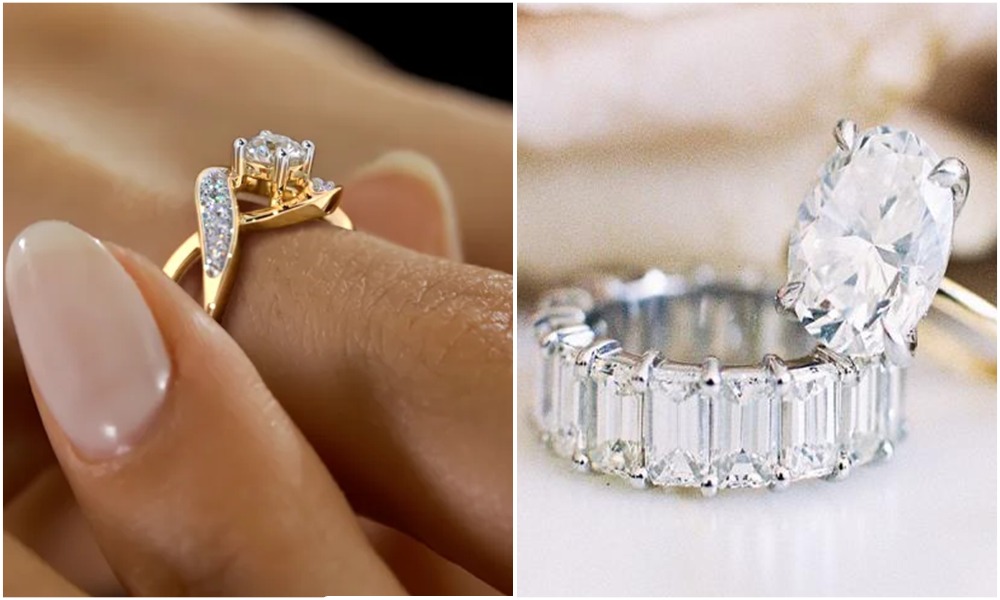
In recent years, the engagement ring market has witnessed significant changes, particularly in consumer spending and gemstone preferences. According to a report by The Knot, U.S. couples spent approximately 5% less on engagement rings in 2024 compared to the previous year. The average cost of an engagement ring fell from $5,500 in 2023 to $5,200 in 2024, marking a 10% decline from 2022 and a 13% decrease from 2021. This trend aligns with the increasing preference for lab-grown diamond center stones, which, for the first time, accounted for more than half of all engagement rings purchased. The shift towards synthetic diamonds has surged by 40% since 2019, contributing significantly to the downward trend in overall spending on engagement rings.
The rise in demand for lab-grown diamonds is not only reducing costs but also influencing the size of center stones. While the average cost of a natural diamond engagement ring remains at $7,600, couples who opt for lab-grown alternatives tend to select larger stones. In 2024, the average engagement ring center stone measured 1.7 carats, an increase from the 1.5-carat average in 2021. This shift suggests that couples are prioritizing carat size while seeking more affordable alternatives to mined diamonds. Additionally, shape and metal preferences have remained relatively stable, with round and oval cuts being the most popular, and white and yellow gold accounting for over 70% of engagement ring settings. Notably, yellow gold has increased in popularity by 5% year-over-year, while white gold has declined by 3%.
Beyond gemstone and metal choices, setting styles are also evolving. Prong settings continue to dominate, with 35% of respondents selecting this classic option. However, the hidden halo setting—a cluster of diamonds encircling the base of the center stone—has gained traction, capturing 18% of the market and surpassing the traditional halo setting, which saw a decline to 13%. This trend reflects a shift in aesthetic preferences among modern couples who seek a balance between timeless elegance and contemporary design. Moreover, the engagement ring purchasing process has become more meticulous. Over half of proposers spent between one and four months researching and selecting a ring, with a quarter taking even longer. The increase in shopping duration correlates with a rise in the number of jewelers visited. On average, proposers explored five stores in 2024, compared to just two in 2022 and 2023, underscoring the importance of in-person evaluation before making a purchase.
The engagement ring industry continues to adapt to evolving consumer behavior, as financial considerations, ethical concerns, and aesthetic trends shape purchasing decisions. With lab-grown diamonds offering an affordable yet visually identical alternative to natural diamonds, the shift in spending and preferences is likely to persist. As couples become more discerning and invested in the selection process, the future of the engagement ring market may see further innovations and adjustments to meet the needs of modern consumers.






DiamondBuzz
Kylie Jenner Debuts At Victoria’s Secret Show In $50 Million Fantasy Bra By Jacob & Co.
Kylie Jenner Walks The Ramp In Bra Crafted By Jacob & Co. From 4,410 Natural Diamonds Surrounding A 75.54-Carat Radiant-Cut Fancy Vivid Yellow Diamond

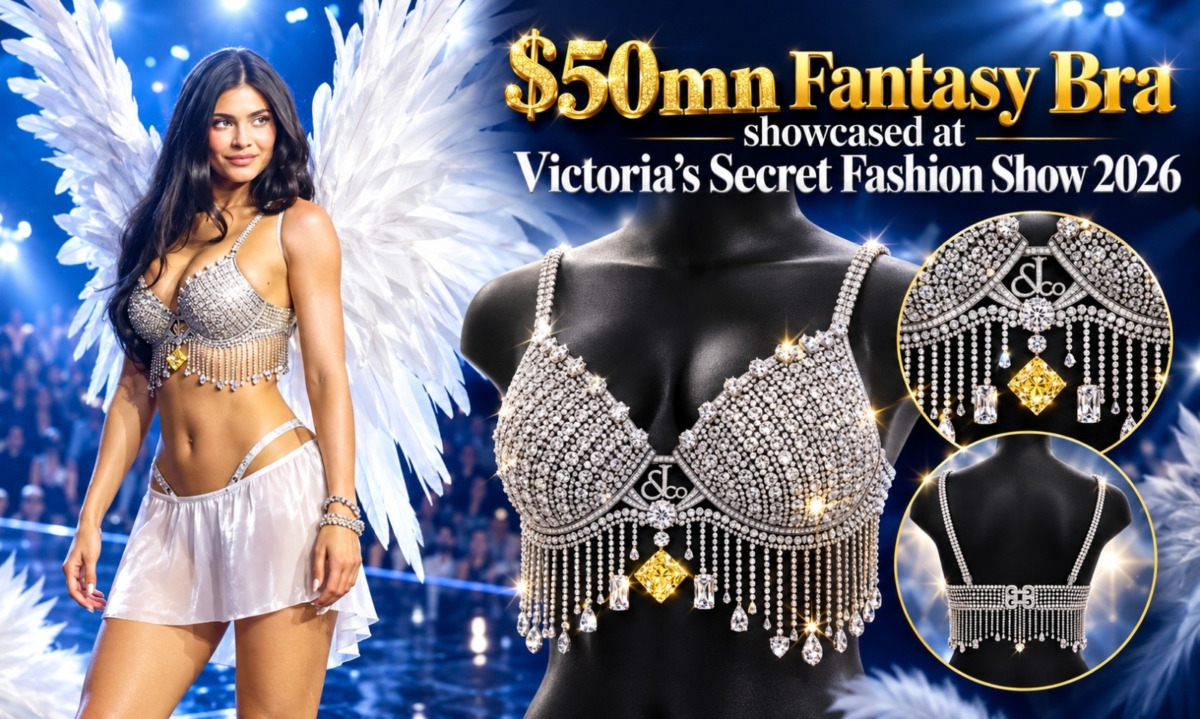
This year, the famous Fantasy Bra returned to the runway for the first time since 2018. Made by New York jeweler Jacob & Co., it costs $50 million—making it the most expensive Fantasy Bra ever and about $35 million more expensive than any previous version.
Making her Victoria’s Secret Fashion Show runway debut,Kylie Jenner wore the show-stopping bedazzled bra, a gauzy white mini skirt and expansive white feathered angel wings.
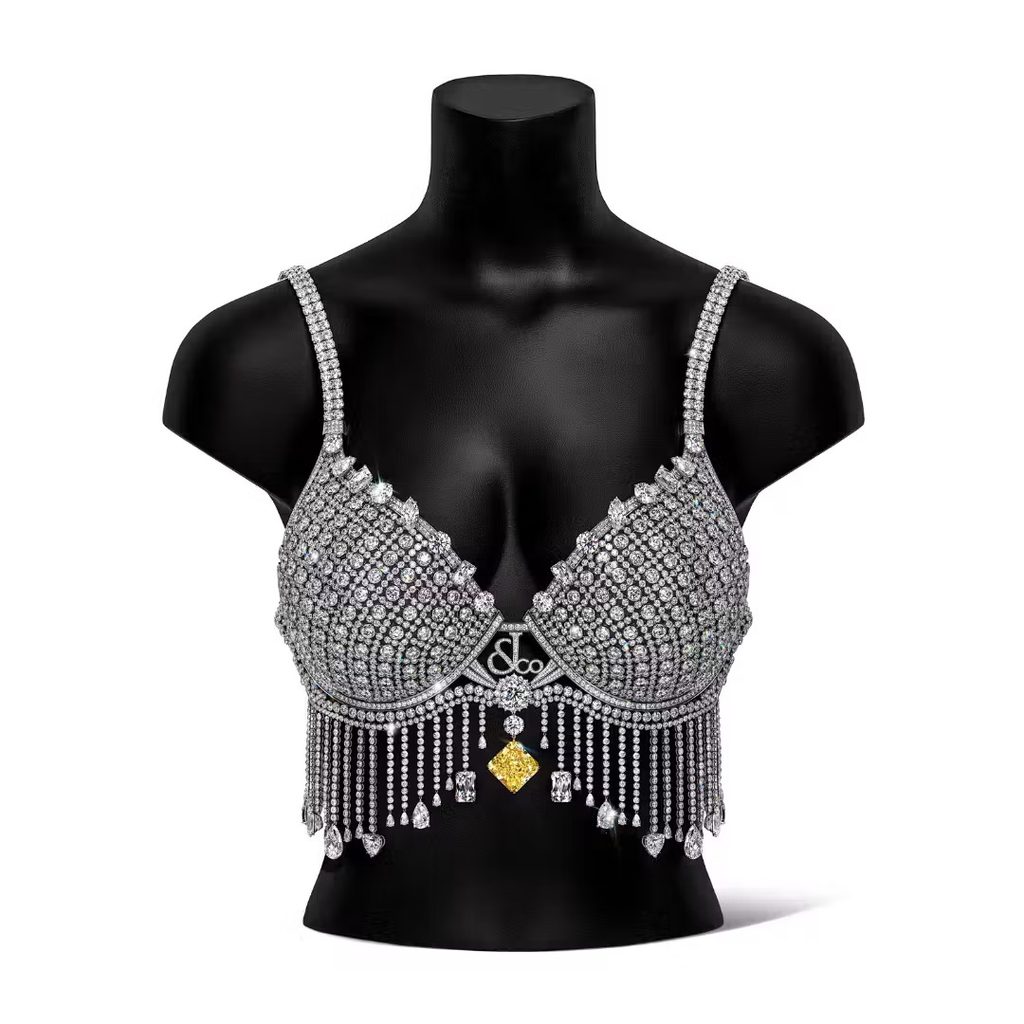
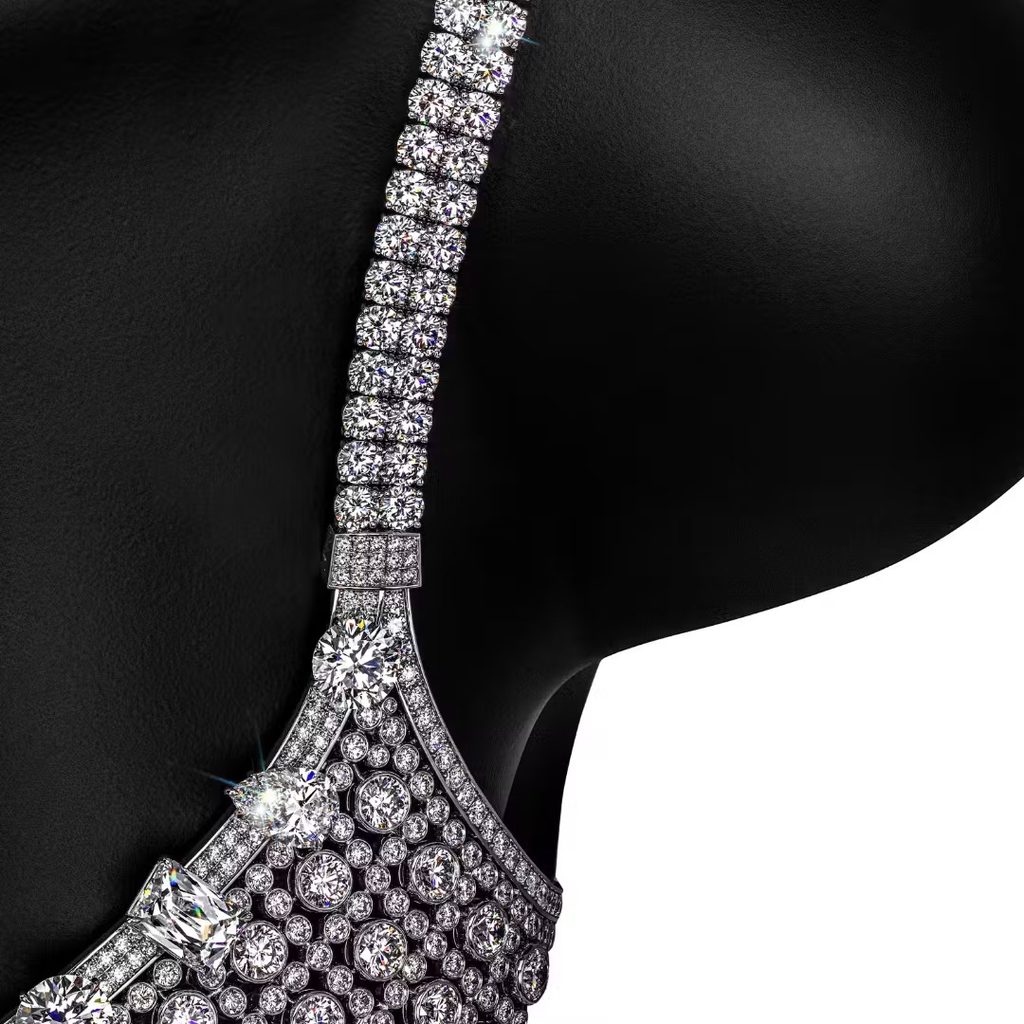
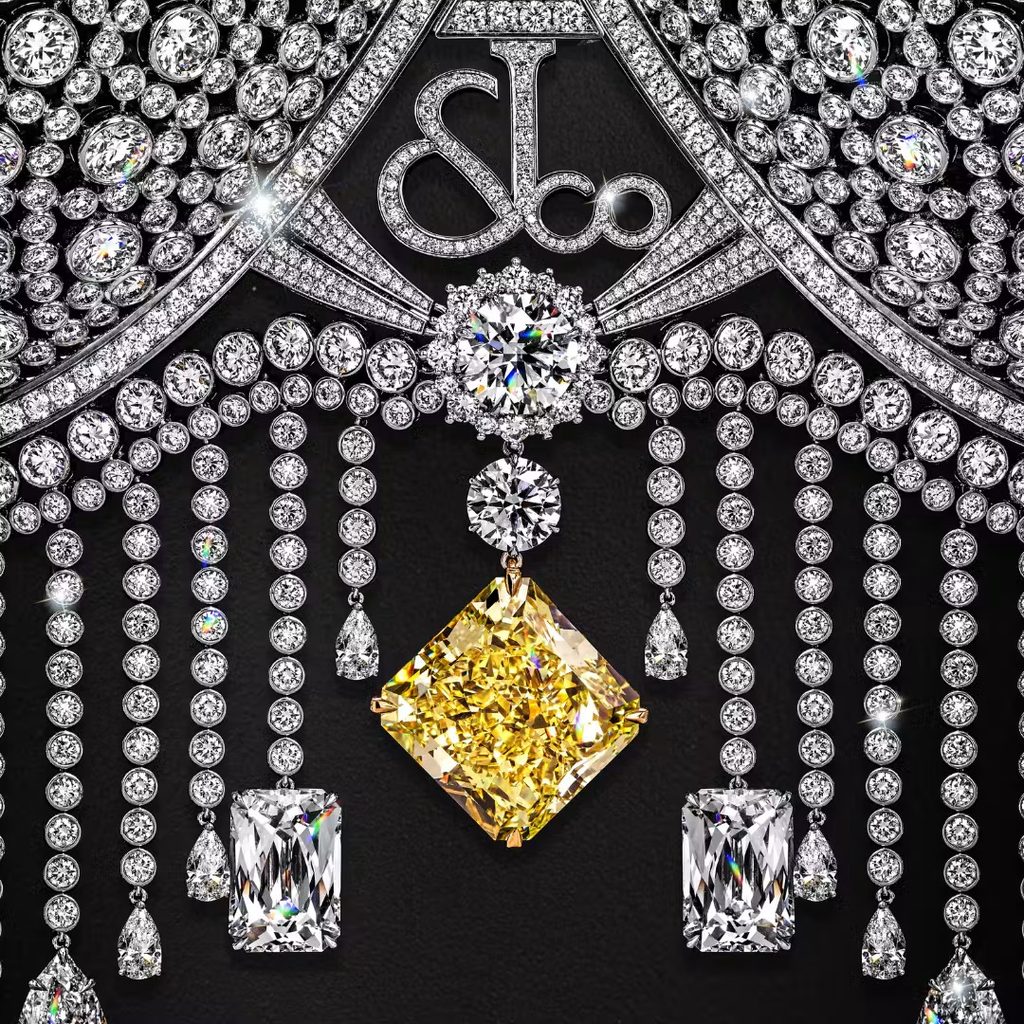
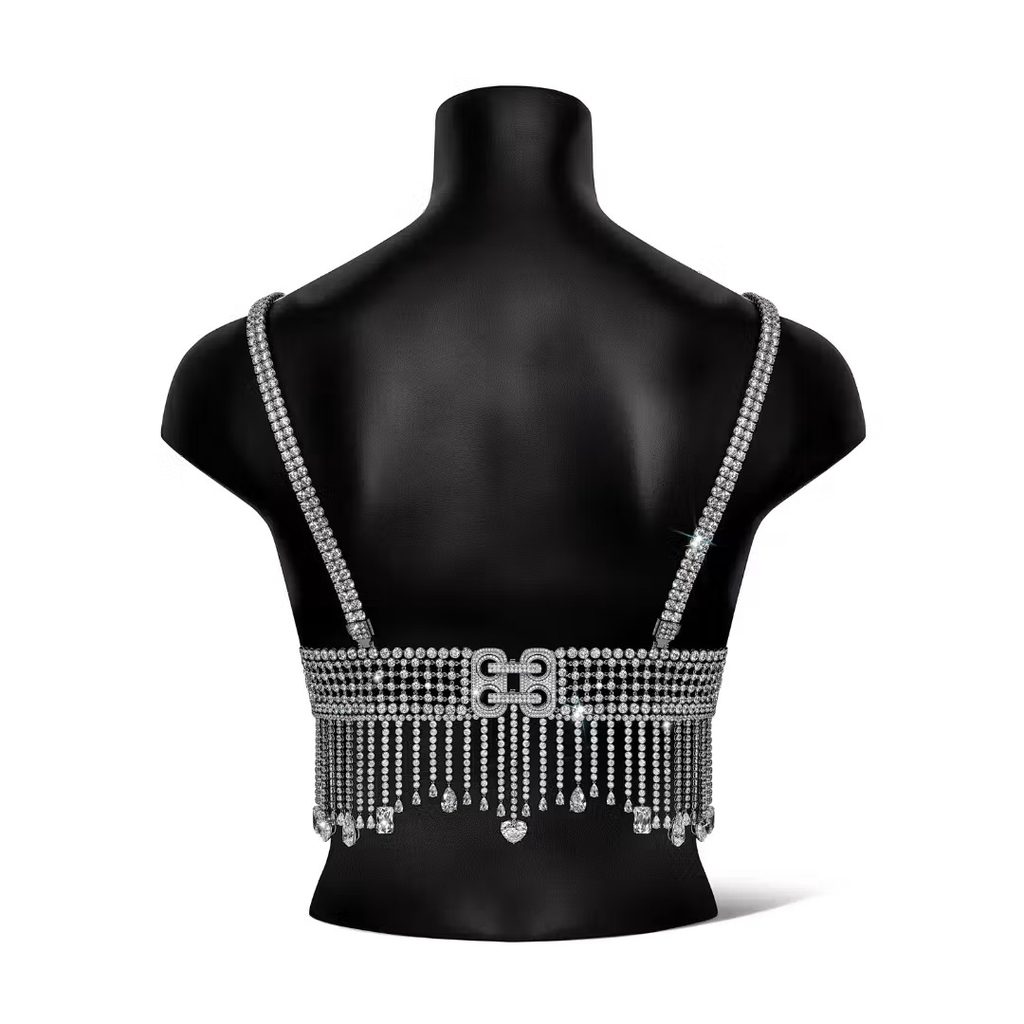
The bra features 4,410 natural diamonds set around a large, bright yellow 75.54-carat diamond. A team of 15 craftspeople spent over 1,000 hours creating the piece, which weighs just under two kilograms (about 4.4 pounds).



Malabar Gold & Diamonds Unveils ‘SWAYE’, A Natural Diamond Collection Inspired By Spiral Forms and Modern Elegance

Nike Enters Jewellery Market With First-Ever Collection Priced Up To $5,750

Kylie Jenner Debuts At Victoria’s Secret Show In $50 Million Fantasy Bra By Jacob & Co.
Malabar Gold & Diamonds Unveils ‘SWAYE’, A Natural Diamond Collection Inspired By Spiral Forms and Modern Elegance

Limelight Lab Grown Diamonds Crosses 100 Stores Milestone This Dussehra: Targets 200 In 2027
Kylie Jenner Debuts At Victoria’s Secret Show In $50 Million Fantasy Bra By Jacob & Co.
-
 BrandBuzz2 hours ago
Malabar Gold & Diamonds Unveils ‘SWAYE’, A Natural Diamond Collection Inspired By Spiral Forms and Modern Elegance
-
 National News2 days ago
Limelight Lab Grown Diamonds Crosses 100 Stores Milestone This Dussehra: Targets 200 In 2027
-
 DiamondBuzz3 hours ago
Kylie Jenner Debuts At Victoria’s Secret Show In $50 Million Fantasy Bra By Jacob & Co.
-
 International News2 hours ago
Nike Enters Jewellery Market With First-Ever Collection Priced Up To $5,750
