
DiamondBuzz
The Luanda Accord expands as Namibia joins, GJEPC and DMCC move toward Natural Diamond Council membership
Minimal silhouettes and fancy-cut diamonds define a contemporary collection designed for effortless, everyday elegance this Valentine’s season

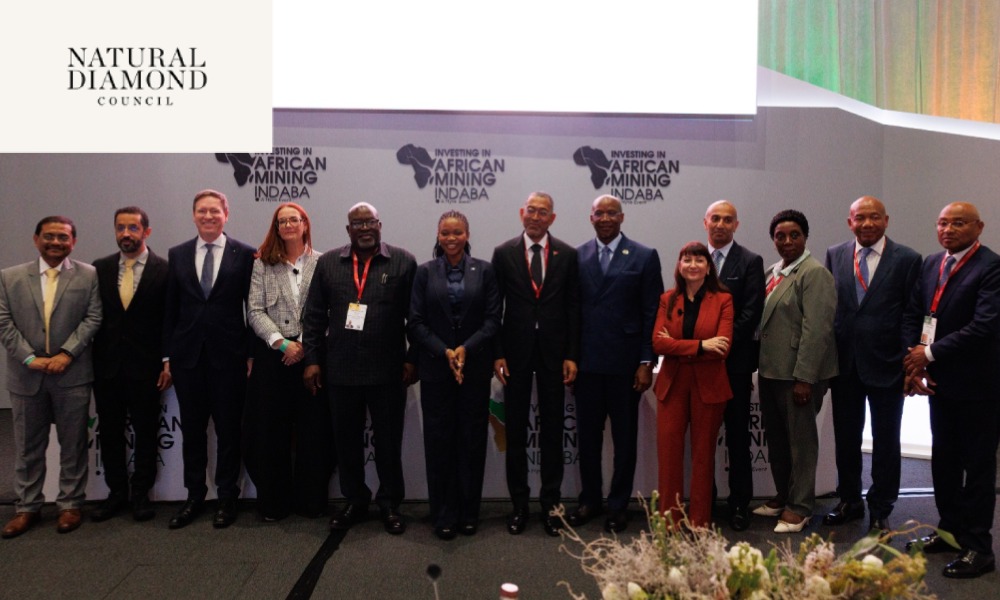
The Republic of Namibia is the latest government to sign the Luanda Accord while India’s Gem and Jewellery Export Promotion Council (GJEPC) and DMCC (Dubai Multi Commodities Centre) are set to become new members of the Natural Diamond Council.
The Luanda Accord held its second high-level meeting at the African Mining Indaba 2026, marking an expansion of collective action in support of global generic marketing for natural diamonds, led by the Natural Diamond Council (NDC).
The Accord brings together diamond-producing governments and industry stakeholders committed to sustained investment in protecting and promoting the natural diamond category. Its inaugural meeting took place in June 2025, with participation from producing countries and leaders across the global natural diamond value chain.
At today’s meeting, the Government of the Republic of Namibia formally became a signatory to the Luanda Accord, joining Angola, Botswana and the Democratic Republic of Congo. By signing, Namibia commits to supporting the natural diamond industry through an agreed contribution to global category marketing in alignment with the principles of the Luanda Accord. The announcement follows Namibia’s expression of strong support in principle at the first Luanda Accord meeting and the subsequent completion of all required governmental authorizations.
With a diamond industry dating back to 1908, Namibia is today the fifth largest diamond producer in the world by value and home to a significant diamond cutting and polishing industry. For decades, diamonds have been a cornerstone of Namibia’s economy, generating employment, supporting local communities and providing vital government revenue that has funded infrastructure, healthcare, and education for the people of Namibia.
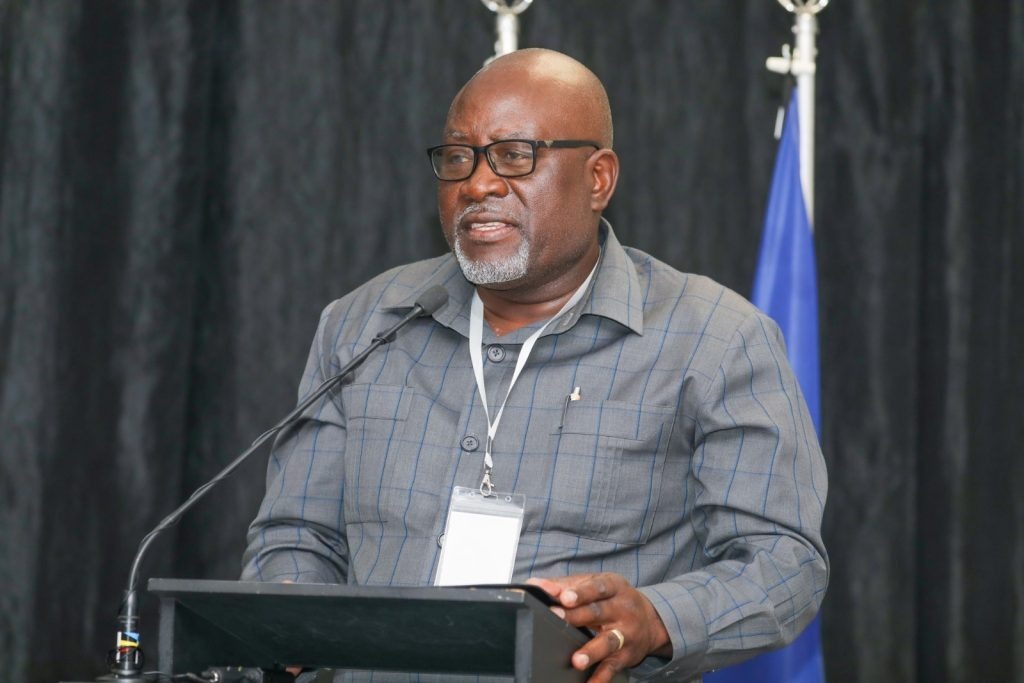
Honourable Modestus Amutse, Minister of Industries, Mines and Energy of the Republic of Namibia, said: “Natural diamonds have helped shape Namibia’s economic story for more than a century, creating jobs, supporting communities and contributing directly to national development.
By joining the Luanda Accord, Namibia is affirming that producing countries have both a stake and a responsibility in telling the true story of natural diamonds. This is about ensuring that the value created by our resources continues to benefit our people, today and for generations to come.”
Amber Pepper, CEO of the NDC, said: “Namibia’s decision to formally join the Luanda Accord is a powerful signal of leadership from one of the world’s largest diamond-producing nations. Collective action is essential to protect the integrity and desirability of natural diamonds, and Namibia’s commitment strengthens our ability to tell the compelling story of their positive impact.”

At the same meeting, the Gem and Jewellery Export Promotion Council (GJEPC) and the NDC signed a Memorandum of Understanding that sets out a pathway for GJEPC to become an NDC member by 1 May 2026. Membership is subject to agreement on the level and structure of financial contribution, followed by completion of legal and regulatory requirements. Accession by May 2026 will enable GJEPC and the NDC to work together ahead of the 2026 holiday season. This step builds on GJEPC’s signature of the Luanda Accord in June 2025 and reflects its continued commitment to collective action in support of the natural diamond sector.
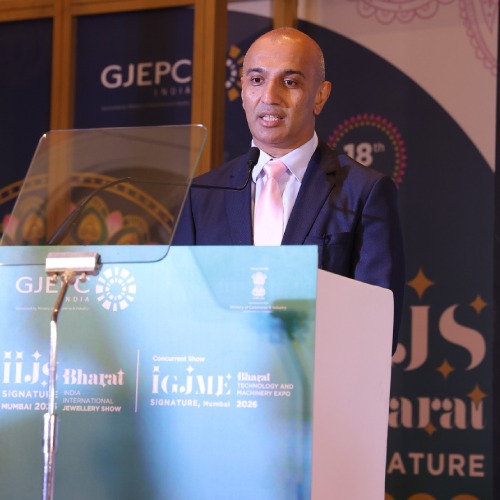
On signing the MOU, Shaunak Parikh, Vice Chairman of GJEPC said: “India sits at the heart of the global natural diamond value chain, from cutting and polishing to a fast-growing domestic consumer market. Joining forces with the Natural Diamond Council reflects our belief that the future of natural diamonds depends on collaboration, transparency and a shared commitment to building long-term consumer confidence.”
Amber Pepper added: “GJEPC have long been a valued partner of the Natural Diamond Council. Their move toward membership deepens that partnership and strengthens our ability to reach the next generation of consumers with clear, compelling information about what makes natural diamonds rare, authentic and meaningful.”
Additionally, the Dubai Multi Commodities Centre (DMCC) signed a Letter of Intent reflecting their continued commitment to advancing the objectives of the Luanda Accord, including through becoming a member of the NDC by 1 May 2026.
Ahmed Bin Sulayem, Executive Chairman and Chief Executive Officer of DMCC commented: “As the world’s largest diamond trading hub, DMCC is home to a leading community of companies operating across the global diamond trade. Our move toward membership of the Natural Diamond Council reflects our commitment to supporting this community, while also contributing to the continued growth and long-term stability of the natural diamond industry.
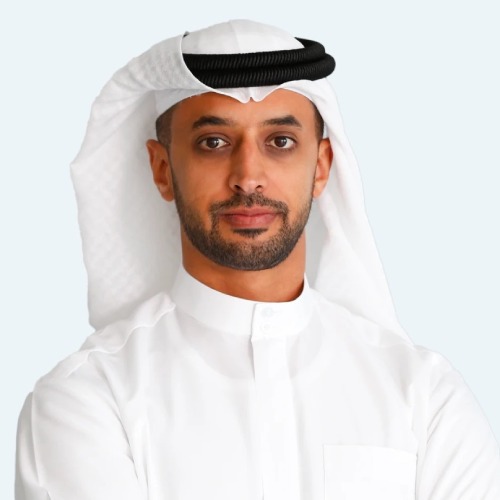
Strengthening the way natural diamonds are presented to consumers is key to building awareness and sustaining demand. We also recognise the important role African producing nations play in the industry and will continue to work with partners to help ensure the value generated supports economic progress in the countries and communities from which these resources originate.
By connecting production with international markets through Dubai, DMCC will continue to support a transparent, competitive and future focused diamond sector.”
Amber Pepper noted: “I welcome the opportunity to work with DMCC to ensure that the industry’s efforts to support the natural diamond sector are aligned and amplified around the world.”
Together, these developments represent a significant step forward for the Luanda Accord and for the NDC as it advances its mission to protect and promote the integrity, desirability, and enduring value of natural diamonds worldwide.
The Luanda Accord signatories and the NDC continue to call on all participants across the diamond value chain – from miners and traders to manufacturers and retailers – to support this initiative. A shared vision, matched by sustained investment in consumer demand, is essential to the future of the natural diamond industry.
source: NDC


DiamondBuzz
Divine Solitaires Named ‘Best Diamond Jewellery Brand’ At JewelZ South India 2026
The Recognition Acknowledges The Brand’s Approach To Quality Assurance, Standardised Pricing and Transparency In The Natural Diamond Solitaire Category.

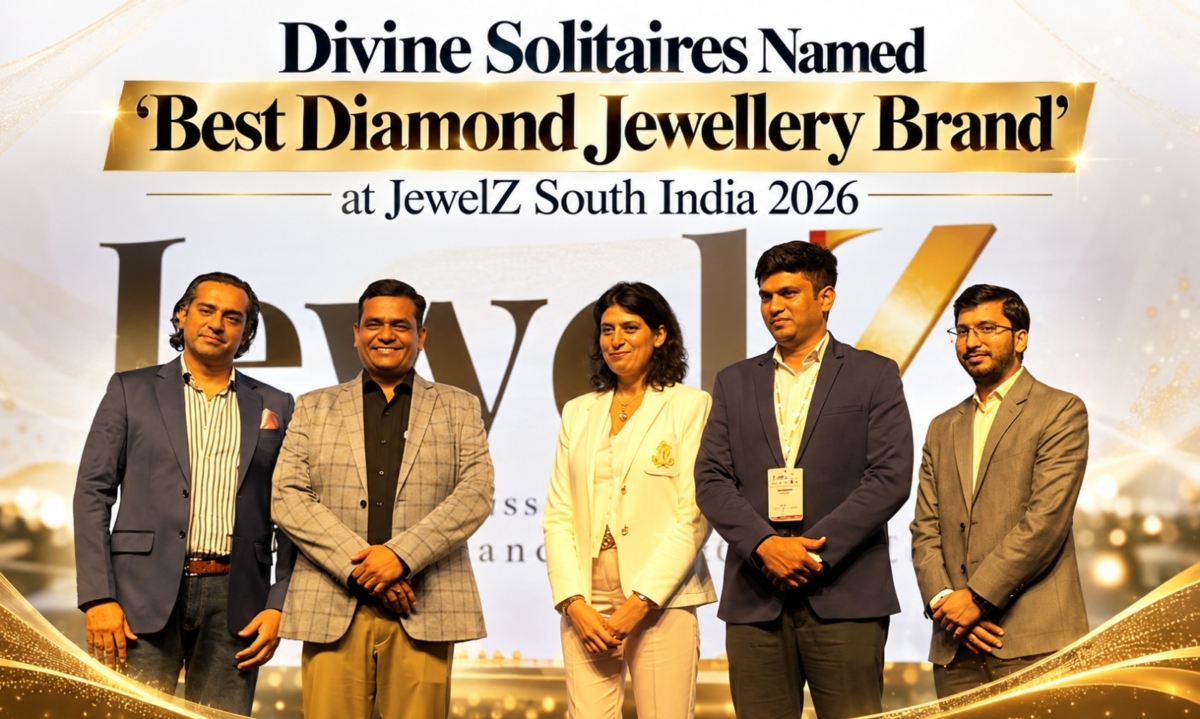
Hyderabad, 25 September 2026: Divine Solitaires, India’s natural diamond solitaire brand, has been honoured with the ‘Best Diamond Jewellery Brand’ award at JewelZ South India 2026, recognising its efforts to bring greater consistency, transparency and quality assurance to the natural diamond solitaire buying experience. The award was presented on 22 September at Novotel, HICC, Hyderabad.
The recognition comes as the natural diamond solitaire category evolves, with consumers increasingly seeking greater clarity around certification, quality and pricing when making high-value jewellery purchases. Divine Solitaires has built its proposition around addressing these expectations through its 123-parameter Quality Guarantee and Nationwide Standard & Transparent Pricing, which are applied uniformly across its retail network.
With a presence through 200+ partner jewellers across 100+ cities in India, the brand offers a portfolio of 3,000+ designs, alongside consumer-focused initiatives and long-term value programmes, including buyback and upgrade options.
Commenting on the recognition, Jignesh Mehta, Founder and Managing Director, Divine Solitaires, said:

“The way consumers buy diamonds is evolving. A solitaire is a significant purchase, and today’s buyer wants greater clarity on what they are buying, how quality is evaluated and how the price is determined. At Divine Solitaires, our endeavour has been to bring greater structure and consistency to this journey through clearly defined quality parameters and transparent pricing. This recognition at JewelZ South India is encouraging because it reflects the industry’s growing focus on building trust through greater accountability and standardisation.”
Adding to the brand’s presence at the event, Jignesh Mehta participated in the panel discussion “How the Jewellery Moguls are Crafting the New Jewellery Era”, moderated by Ritu Marya, Editor-in-Chief, Retailer Media. The session brought together senior industry leaders to discuss evolving consumer expectations, trust-building and changing retail models.
Mehta’s participation focused on the evolving natural diamond solitaire category, particularly the importance of consistent quality assurance, transparency and standardisation in building consumer confidence around high-value jewellery purchases.
The recognition reinforces Divine Solitaires’ focus on creating a more structured and transparent solitaire-buying ecosystem, as the category continues to evolve alongside changing consumer expectations.


-
 ShowBuzz7 hours ago
SSI 2026 SETS A BIGGER STAGE FOR SILVER
-

 ShowBuzz11 hours ago
Silver Trends To Watch At SSI Delhi 2026
-
 ShowBuzz11 hours ago
Silver Show Of India- Delhi 3rd Edition Unveiled At Yashobhoomi, Delhi
-
 ShowBuzz14 hours ago
GJIIF 2026 Sets New Benchmarks As India’s Biggest-Ever Jewellery Trade Show Opens In Chennai
