
DiamondBuzz
The Diamond Standard ETF: a solution to the natural diamond industry’s crisis
ETF will be positioning natural diamonds as an investment asset, similar to precious metals. A diamond ETF can unlock new demand and stabilize prices


The natural diamond industry faces a critical challenge: plummeting prices due to the rise of lab-grown diamonds. Consumers, often misled into believing lab-grown diamonds are equivalent to natural ones, are opting for the cheaper alternative, undermining the value and reputation of natural diamonds. This trend threatens millions of jobs and the value of existing diamond holdings. Traditional marketing efforts are unlikely to succeed in the age of social media skepticism.
The solution lies in positioning natural diamonds as an investment asset, similar to precious metals. Just as ETFs revitalized the markets for gold, silver, and other metals, a diamond ETF can unlock new demand and stabilize prices. Diamond Standard has received approval to launch such an ETF.
The Problem: Lab-grown diamonds, while chemically similar, lack the scarcity and economic contribution of natural diamonds. Their proliferation is confusing consumers and devaluing natural diamonds, leading to excess inventory and potential bankruptcies within the industry.
The Solution: The Diamond Standard ETF will create a new avenue for demand by attracting institutional investors. This will differentiate natural diamonds from lab-grown, establish them as a tangible investment, and provide the industry with a much-needed boost. This investor demand will drive up the value of all natural diamonds, benefiting the entire industry.
The Opportunity: Diamond Standard needs $200 million in initial assets to launch the ETF. They propose acquiring excess diamond inventory from vendors in exchange for ETF shares. Post-IPO, the ETF projects to purchase $3 billion worth of diamonds from participating vendors.
How it Works: Vendors can contribute their excess inventory (polished, round, natural diamonds, specific carat, color, clarity, and cut requirements) to the ETF in exchange for shares at a 10% premium on wholesale. This allows vendors to monetize slow-moving inventory, participate in the ETF’s potential growth, and gain a Right of First Refusal to sell more diamonds to the ETF post-IPO.


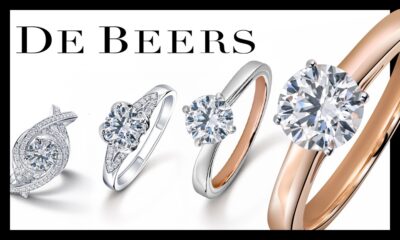





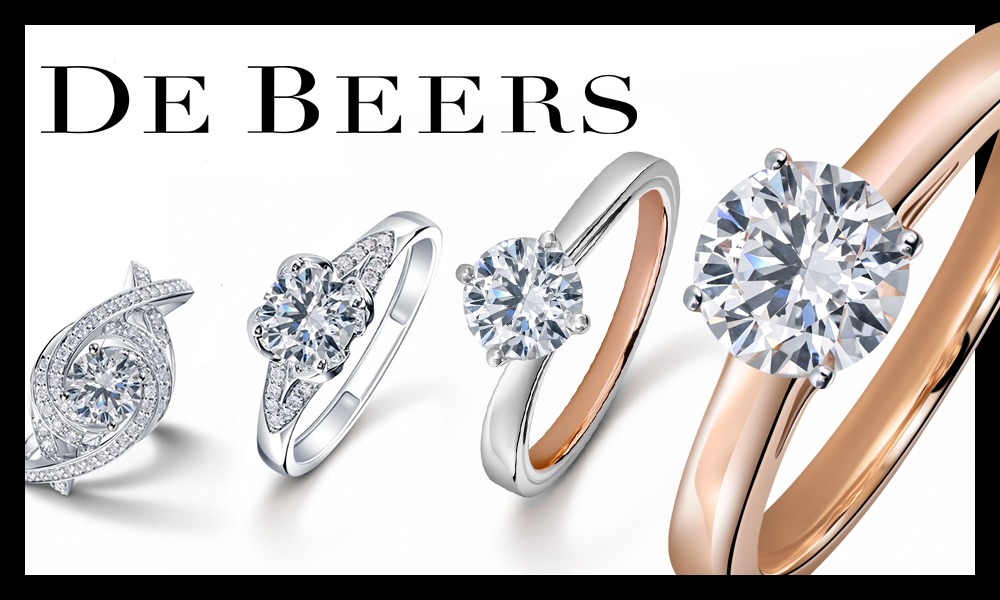
Some love stories only grow stronger with time. Love, From Hubby is a ritual in which a husband celebrates the years shared with his wife by gifting her a natural diamond solitaire, a promise that the story is still being written. The Real Love Solitaire Collection from De Beers is made for this “Second Season of Love.” Each ring features a one-carat centre solitaire, a natural diamond that is rare and each reflects Carat, Cut, Colour and Clarity, offering refined luxury and exceptional fire. Set in an array of precious metals and custom finishes, every design carries its own story of enduring commitment. Rose gold hues add romance to architectural white gold silhouettes, blending classic heritage with a modern eye. Here is a closer look at the key design features that make these four pieces stand out.
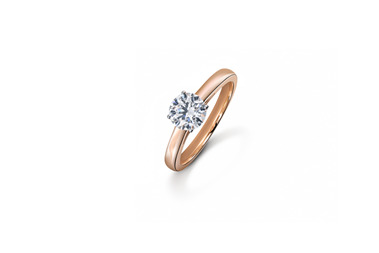
Classic Rose Gold Round
Brilliant Solitaire Ring Some designs just feel right from the first glance, and this is one of them. A classic solitaire ring, the one carat round brilliant natural diamond sits alone at the centre, cradled by four slim prongs in 18k rose gold. The warm tones of the metal soften all that sparkle and gives it a gentle romantic glow. The band narrows slightly toward the base, making it comfortable to wear it all day. Whether you choose to wear it every morning or save it for the proposal, it suits every moment.
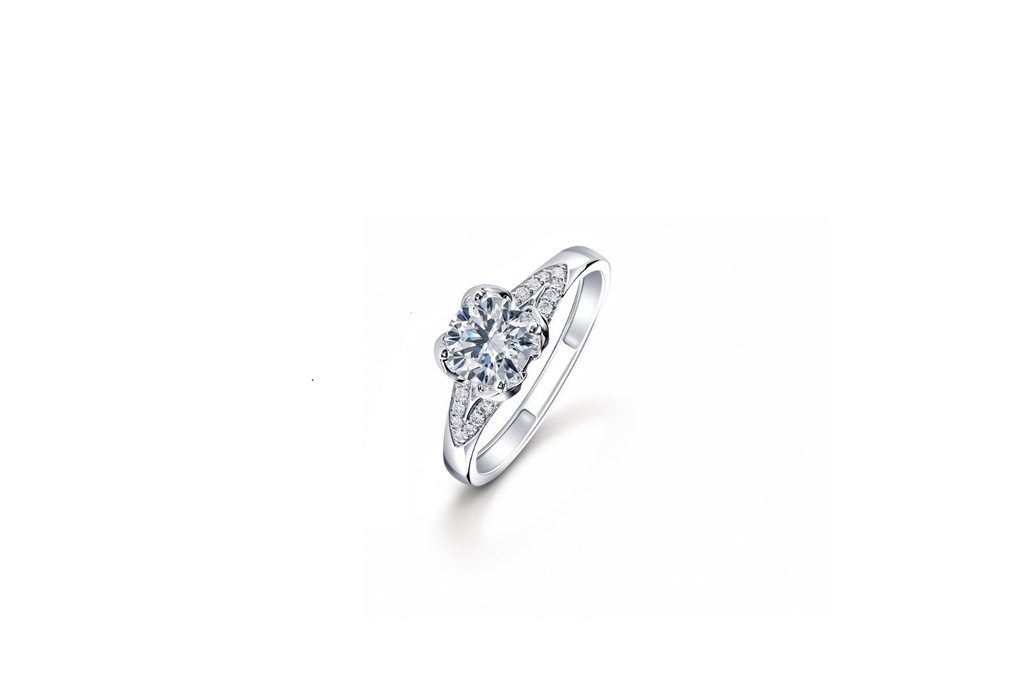
Lotus Diamond Solitaire Ring Picture a lotus bud awakening to its full beauty. This is exactly the inspiration behind the frame of this brilliant solitaire with petal motifs in white gold. Micro pave set diamond trace the contours of the floral petals along the shoulders, creating an intricate halo-like shimmer that catches the light from every angle. The architectural artistry around the central real diamond is both unique and delicate, giving the ring a sense of movement while keeping the focus firmly on the centre diamond.
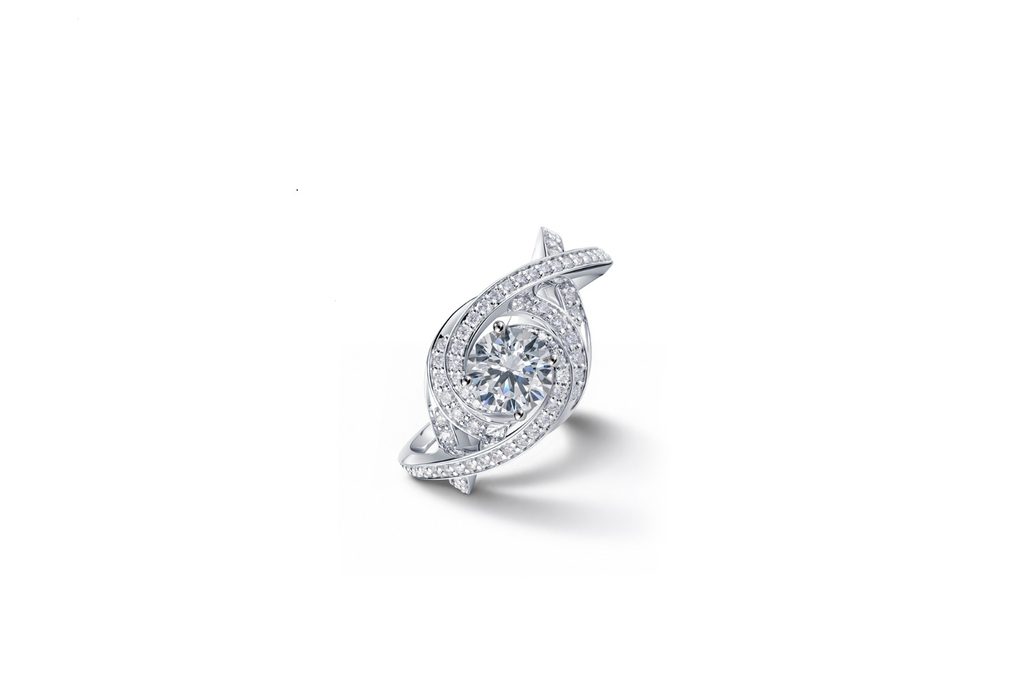
Swirl Solitaire Diamond Ring Movement is the whole point with this Swirl Solitaire diamond ring. Designed to catch the light from every angle and frame of the classic diamond, the graceful arcs of white gold studded with delicate pave diamonds wrap seamlessly around the centre, creating a captivating, continuous swirl. The flowing curves enhance the brilliance of the central diamond, resulting in a modern statement piece that feels both powerful and undeniably graceful.
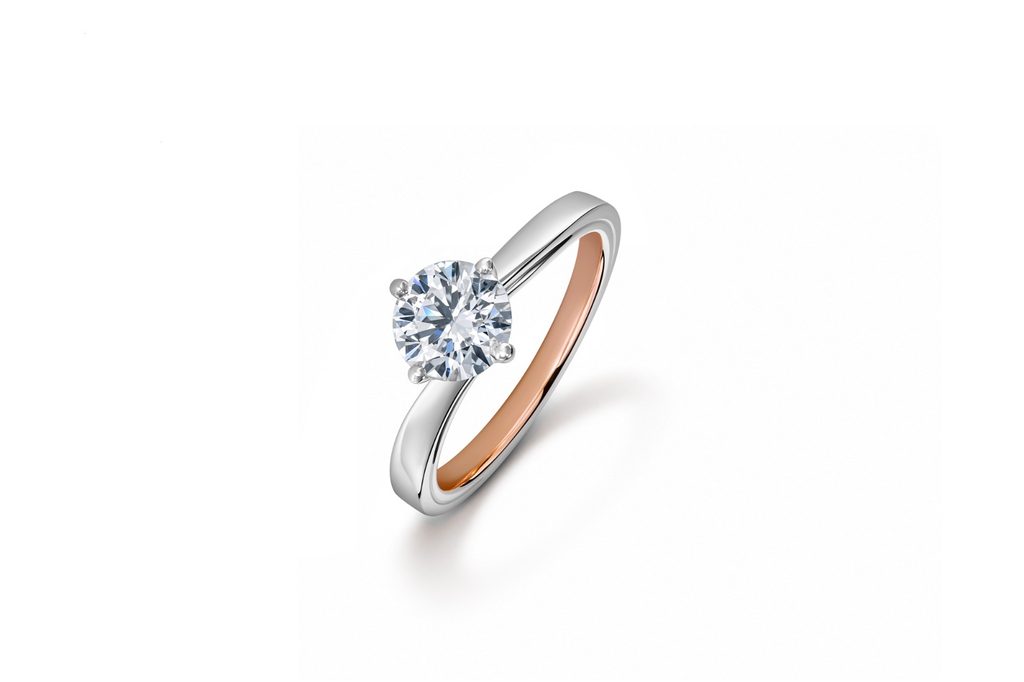
Two Tone Solitaire Ring This one makes a play on your senses with its subtle, yet sophisticated twist on a classic solitaire design. The outside is cool and polished, but inside the band sits a lining of warm rose gold, while a one carat round brilliant real diamond rests above it in a four-prong setting. The precision cut and color grade of the center diamond radiate timeless sophistication, perfect for modern romance with its combination of elegance and an intimacy that comes from a hidden detail known only to the two of you.
Natural diamonds aren’t saved for big occasions anymore, they have become an essential part of modern everyday style. The De Beers Love, From Hubby Real Love Solitaire Collection puts the centre diamond first, celebrating the exceptional brilliance that each one brings with it. From clean minimal lines to romantic floral details and curves with some energy, the collection offers a solitaire for every expression of individuality. At the end of the day, the right ring is the one that feels like your story one that marks a special moment or simply adds a little sparkle to an ordinary day.



India’s Festive Jewellery Market Eyes Growth As Consumers Shift Towards Lightweight Designs and Value-Led Purchases

Kicky & Perky Opens Its First Official Store At DLF Midtown Plaza, Marking A New Chapter In Its Retail Journey

Senco Gold & Diamonds Brings Festive Cheer With “Dhanteras Shagun”, Offering Exclusive Savings and Rewards

Dhanteras Shopping Guide 2026:Gold, Silver, Diamonds & Festive Jewellery Trends To Watch

Indriya, Aditya Birla Jewellery Unveiled India’s Largest Sustainable Jewellery Rangavalli

From Diya Puja To Diwali Soirées: Jewellery Designed To Go Beyond The Festive Season
-
 JB Insights3 days ago
Dhanteras Shopping Guide 2026:Gold, Silver, Diamonds & Festive Jewellery Trends To Watch
-
 National News3 days ago
Indriya, Aditya Birla Jewellery Unveiled India’s Largest Sustainable Jewellery Rangavalli
-
 BrandBuzz3 days ago
From Diya Puja To Diwali Soirées: Jewellery Designed To Go Beyond The Festive Season
-
 BrandBuzz3 days ago
The Solenne Collection: A Celebration Of Diwali By Bharti Bangur Fine Jewels
