
National News
Statement by Kirit Bhansali, Chairman, GJEPC, on Export Trends, Gold Imports, and Growth Outlook


“The April–October period reflects the steady and resilient progress of India’s gem and jewellery sector in a year shaped by global challenges. Our exports for these seven months stood at US$16.26 billion, a marginal decline of 2.72% in dollar terms, while in rupee terms they grew by 0.86% to ₹1,41,101.69 crore. I am encouraged to see strong year-to-date growth in key segments such as gold jewellery, silver jewellery, and platinum jewellery, supported by sustained retail demand across major international markets. These trends underline the inherent strength and adaptability of our industry.”
“As anticipated, October 2025 was comparatively softer. This is a regular pattern for the sector, with global retailers completing their holiday-season stocking during August–September, and domestic manufacturing activities slowing during the Diwali break. At the same time, demand in a few key markets remained uneven due to tariff-related uncertainty in the U.S. and continued softness in China. These factors together created a temporary dip, but they do not alter the broader positive direction of the industry’s performance over the fiscal year so far.”
“Looking ahead, we see strong foundations for a steady rebound. The Government’s continued support — through the Export Promotion Mission, the Credit Guarantee Scheme for Exporters, and the RBI’s trade-relief measures, directly addresses long-standing pain points such as high-cost finance, tight liquidity, extended export cycles, and limited access for smaller exporters. These reforms are already improving competitiveness by easing credit access, reducing compliance burdens, and strengthening branding, certification, and market-entry support. I believe this policy framework creates a far more enabling environment for growth and stability in the months ahead.”
“We are also actively expanding India’s presence in high-potential markets, including the Middle East, Latin America, Cambodia and Vietnam. Our trade delegations, buyer–seller meets, and promotional initiatives are opening new avenues for exporters and strengthening long-term partnerships. The India–UK Free Trade Agreement will further enhance our competitiveness, much like the India–UAE CEPA, which has significantly boosted exports of gold and diamond jewellery.”
“On the domestic front, it is important to view the recent surge in gold imports in the right context. The rise in October was driven overwhelmingly by festive and wedding-season demand, greater consumer liquidity following GST reforms, and a nearly 50% increase in global gold prices, which inflated the value of imports. In physical terms, however, the picture remains stable. Between April and October 2025, gold imports increased only 2.3%, from 461.85 tonnes to 472.53 tonnes. This clearly shows that the fundamentals of domestic consumption have not changed; people simply paid more for roughly the same quantity of gold. The October spike reflects seasonal buying, cultural traditions, and investment-led sentiment, all positive indicators of consumer confidence.”

Kirit Bhansali, Chairman, GJEPC
“With India’s unique strengths in design, craftsmanship, technology adoption, and manufacturing scale, combined with an increasingly supportive policy ecosystem, our sector is well-positioned to navigate short-term fluctuations and move confidently toward sustainable, long-term growth.”


BrandBuzz
Verlas Introduces the ‘Alyssa’ Collection in India, Bringing Modern Luxe Floral-Inspired Design to Lab-Grown Diamond Jewelry Crafted in Fine Gold
The New York-born brand channels statement floral designs in modern silhouettes and larger carat diamond brilliance into a collection made for weddings, engagements, cocktail evenings, and wedding Trousseau Picks.
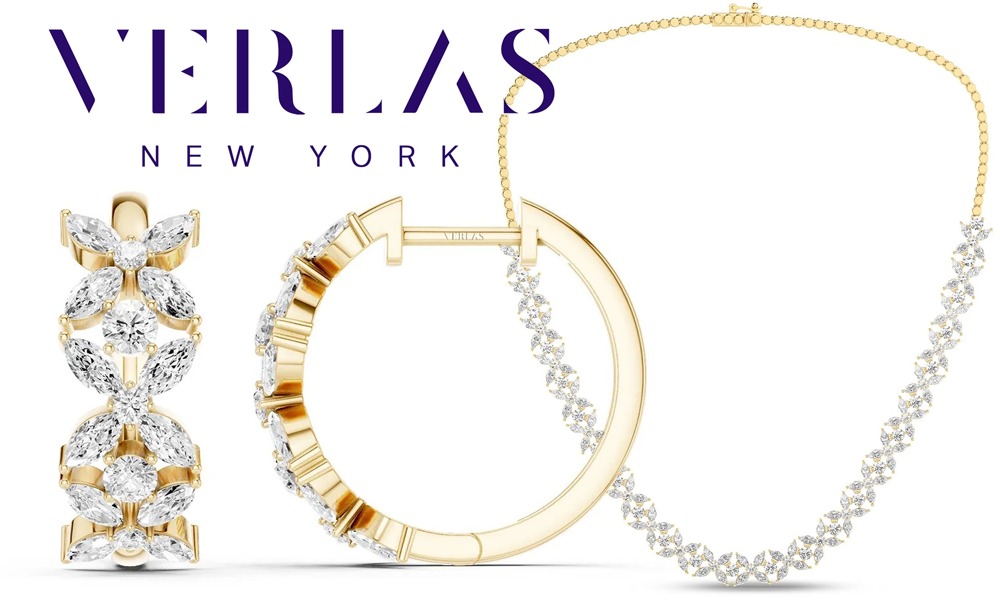
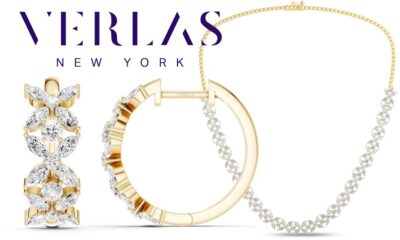
Verlas, the New York-based fine jewelry brand, has brought its luxurious Alyssa collection to India, a floral-inspired range of contemporary designs crafted with IGI-Certified lab-grown diamonds and BIS hallmarked gold in 14K and 9K Gold variants. Built around larger carat weights and romantic floral design, the collection pairs statement sparkle with Verlas’ commitment to sustainability and craftsmanship. Since its founding in 2019, Verlas has focused on modern, considered jewelry designed to feel personal and meaningful, handcrafted by skilled artisans in VS clarity lab-grown diamonds set in fine gold.
Inspired by blooming florals, the Alyssa collection translates nature’s motifs into refined diamond jewelry designed for everyday moments in the form of elegant pendant necklaces and Studs designed with florets of round-cut and marquise-cut diamonds, and then there are these luxe styles that call for something more. For bigger celebrations to evening dressing, these luxe designs are crafted with marquise and round-cut diamonds in hoops and dangler earrings, unique tennis bracelets and tennis necklace designs that embrace the designer craftsmanship of Verlas. The Alyssa collection brings signature brilliance to a range of personal styles.
For the modern bride, Alyssa brings together jewelry for every part of her journey—from the engagement and big day to her trousseau, bridesmaids and the little moments beyond. Fashion-forward yet effortlessly elegant, each design is crafted to make a statement today and stay in her rotation long after the celebrations are over.
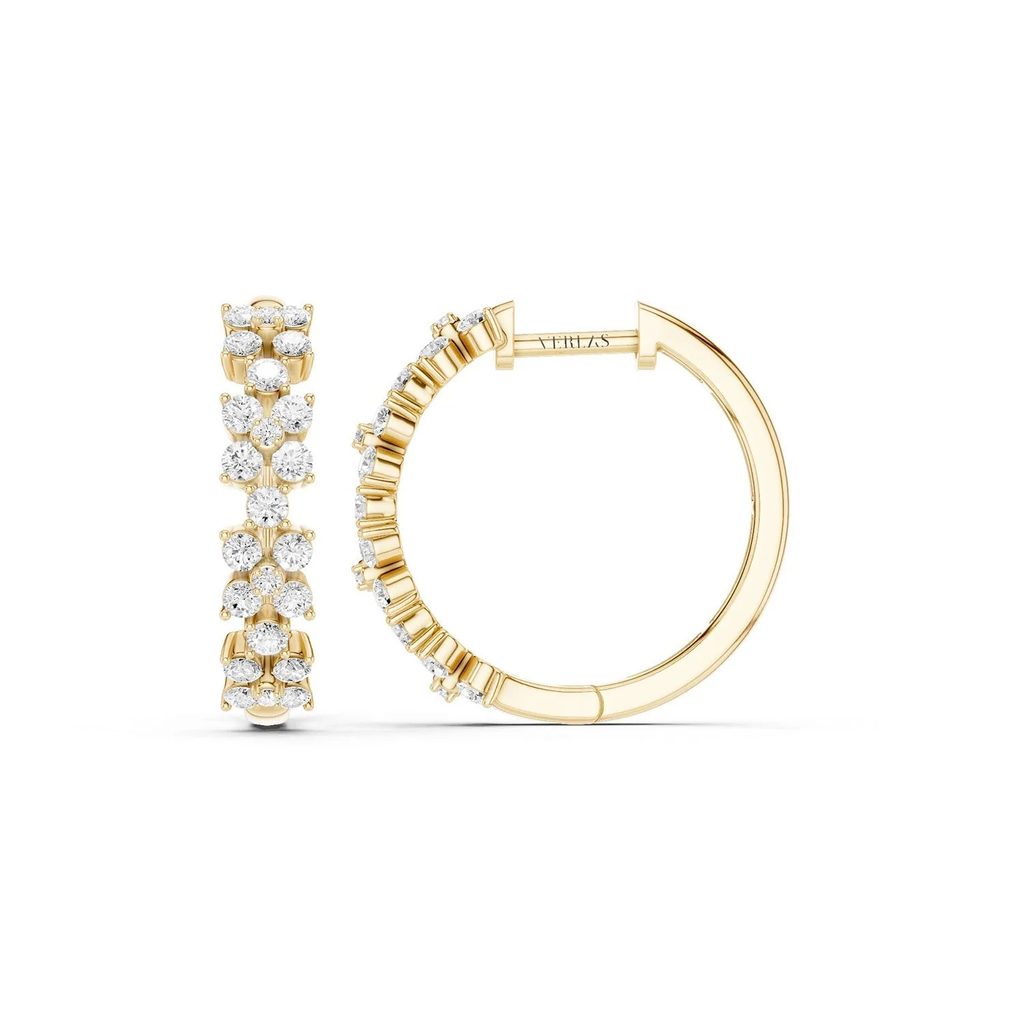
Among the highlights are the Alyssa Cuatro Floral Hoops, featuring five round lab-grown diamonds arranged in a delicate floret on a solid gold hoop. For a softer, more elegant look, these round-cut diamonds bring a classic appeal – perfect for those who prefer understated sparkle.
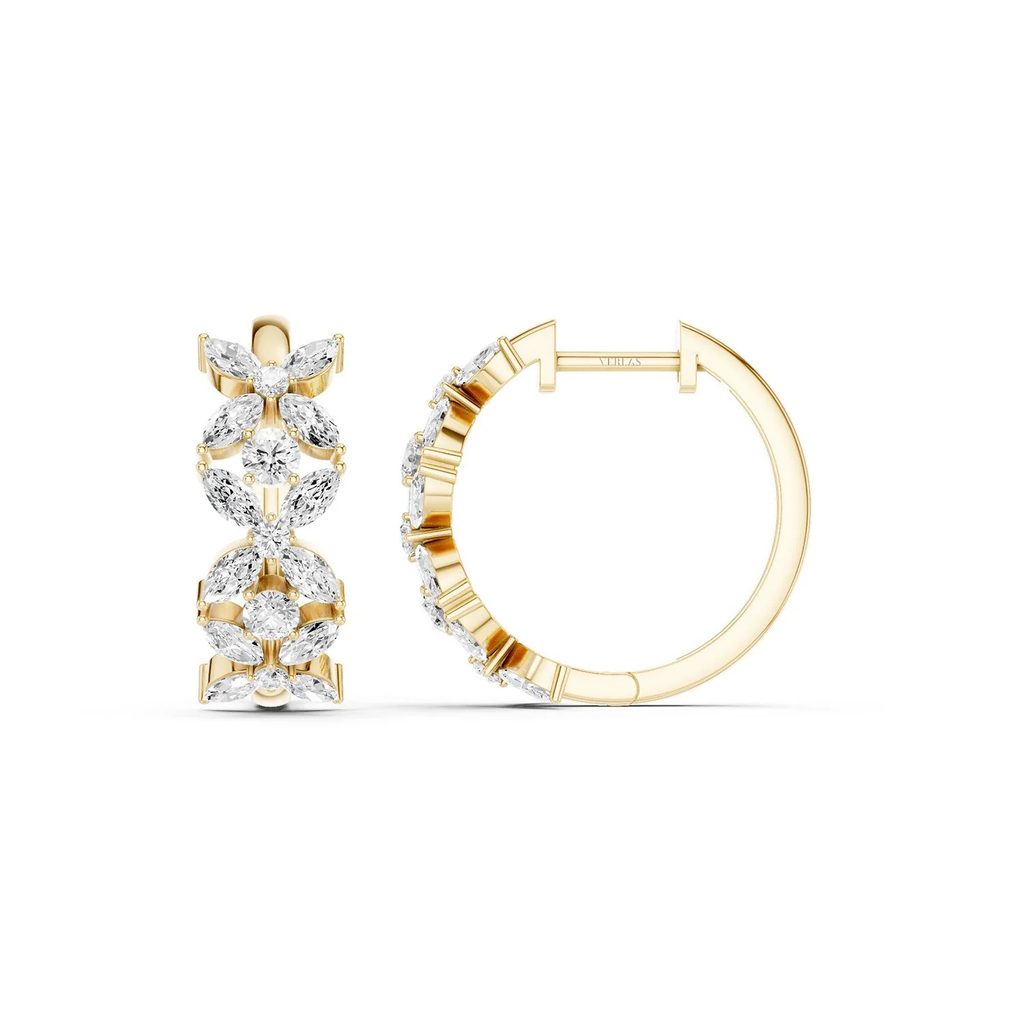
If bold and distinctive is more your style, the Alyssa Tres Marquise Diamond Huggies bring an elongated floral silhouette with marquise-cut diamond petals.
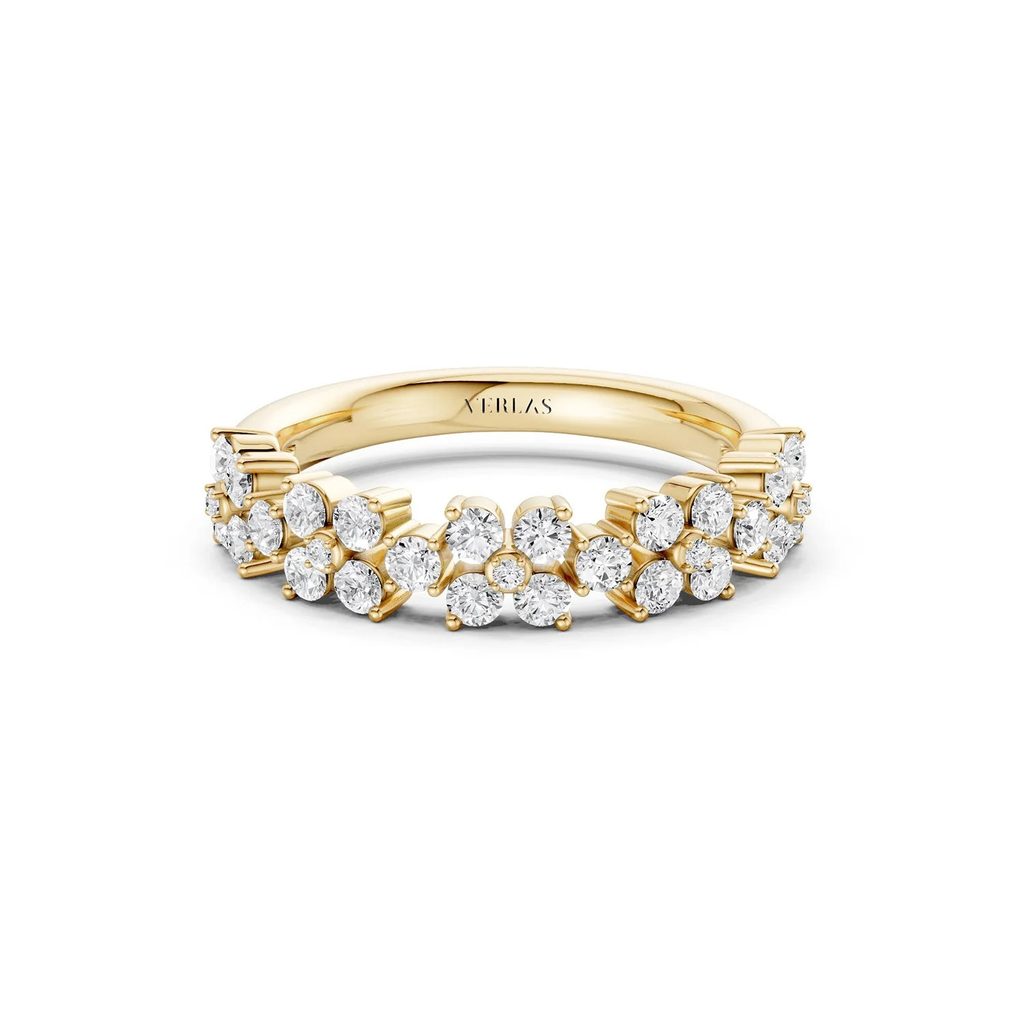
The Alyssa Radiant Bloom Ring offers another take on the floral motif, bringing together round-cut diamonds for a radiant, feminine look.
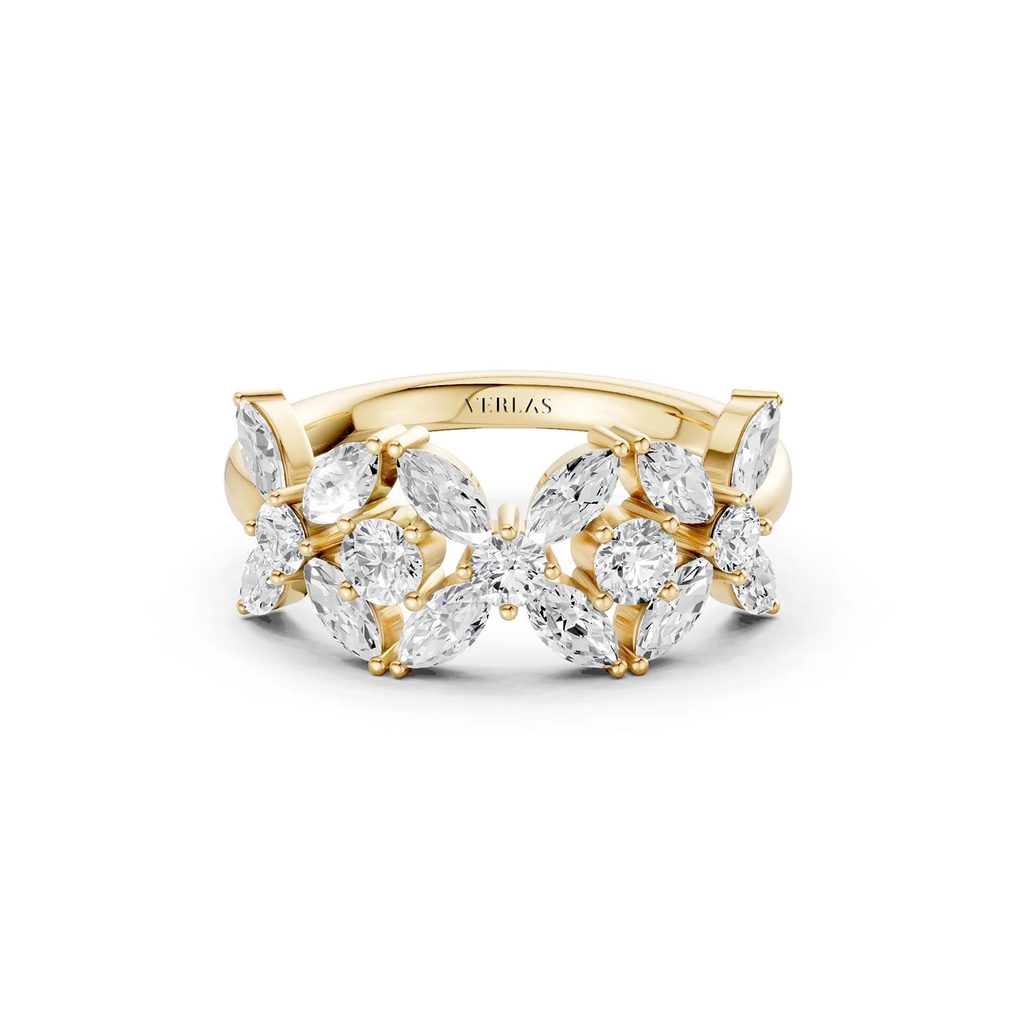
Meanwhile, the Alyssa Trio Marquise Bouquet Ring takes a bolder approach, featuring three diamond florets crafted with marquise diamond petals. Whether you lean towards the elegant simplicity of round cuts or the bolder character of marquise cuts, the Alyssa collection offers a floral style to match.
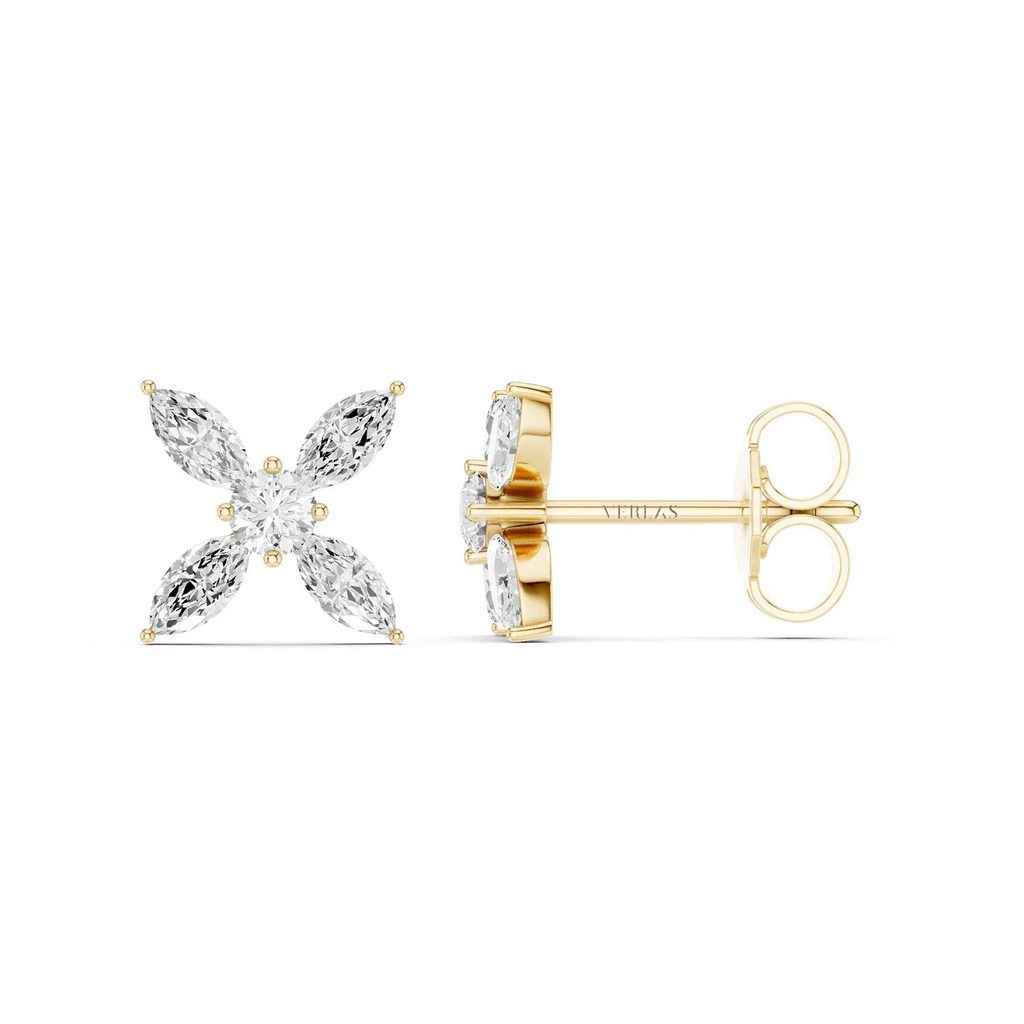
The Alyssa Marquise Studs bring a fresh take on florals, with marquise-cut diamonds forming an X-shaped motif around a round centre. Easy enough for everyday, yet special enough for evenings out, they’re the kind of pair you’ll keep reaching for.
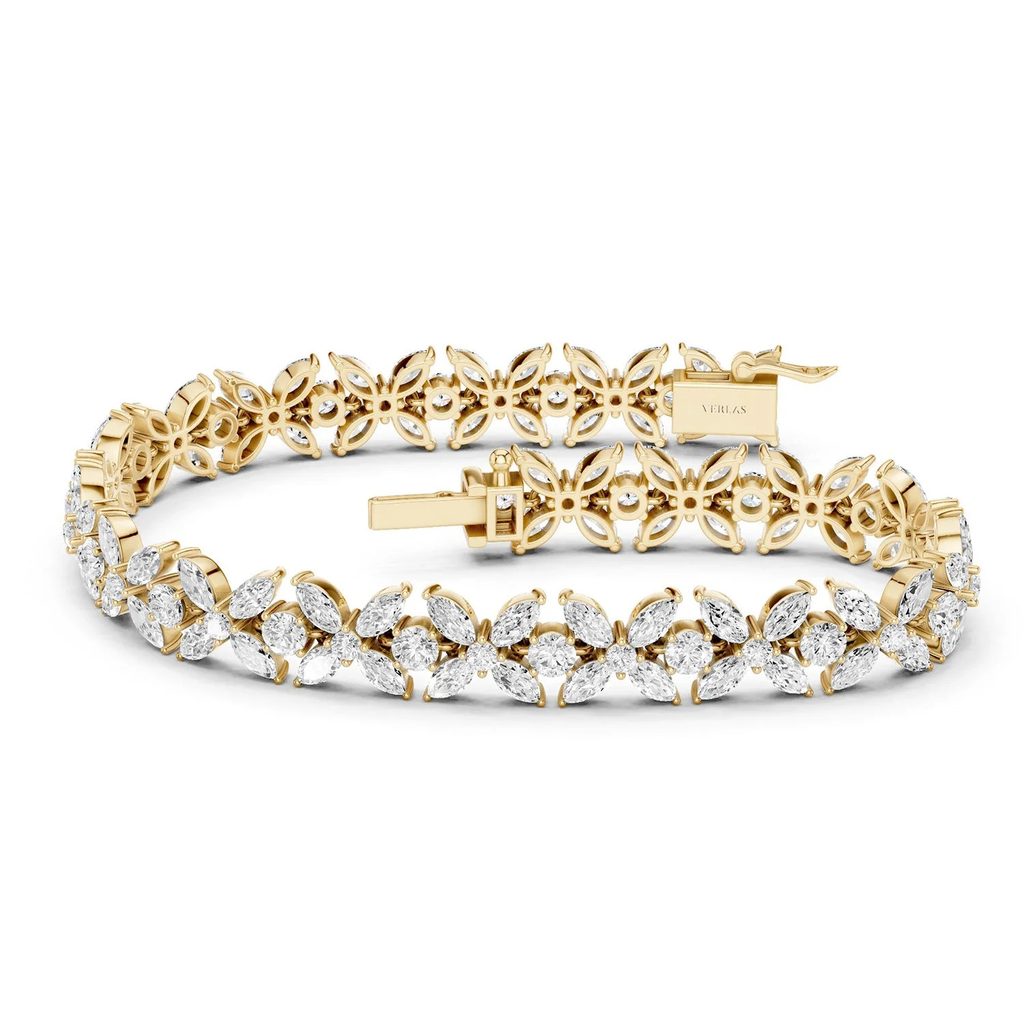
For a little more sparkle, the Alyssa Marquise-Cut Floral Tennis Bracelet makes a statement without feeling reserved for just one occasion. Its floral diamond motifs bring a touch of drama to wedding celebrations, festive evenings and everything in between.
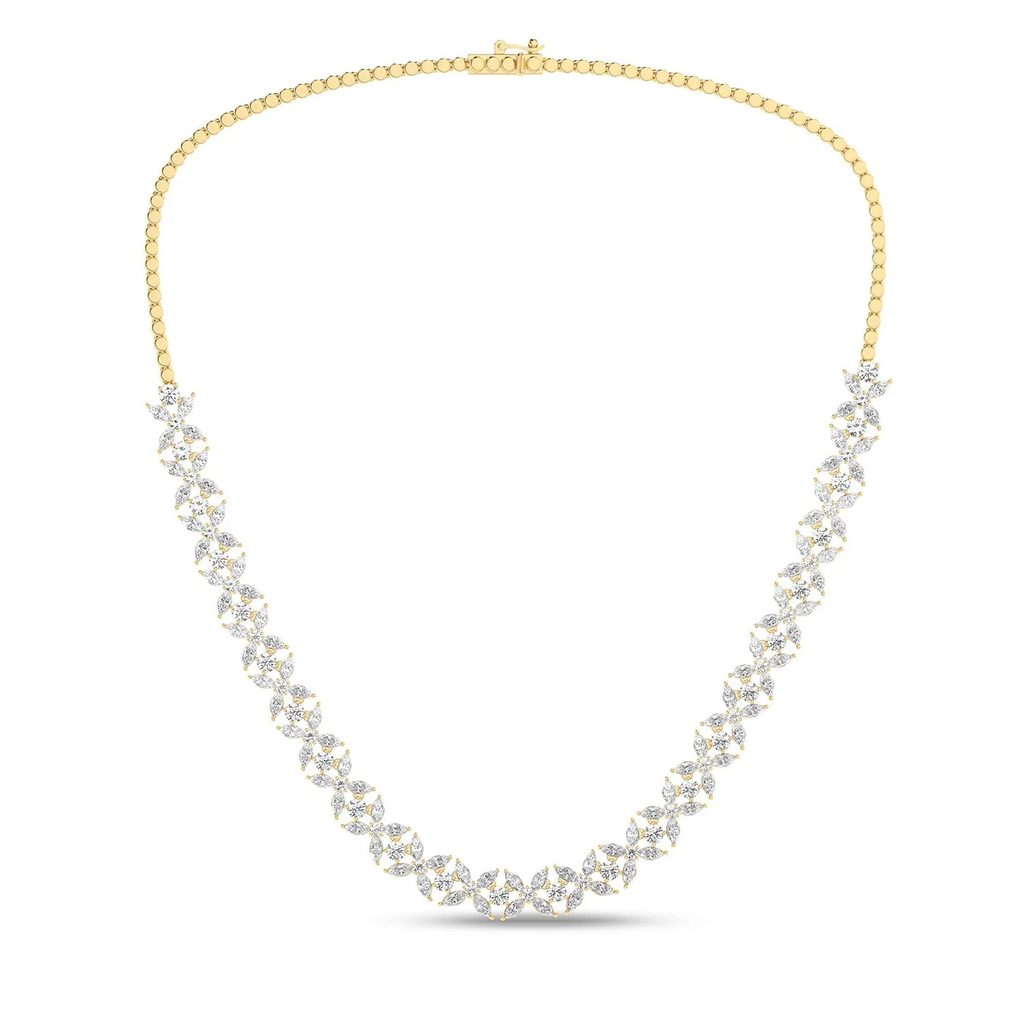
And when you’re ready to go all out, the Alyssa Marquise Radiant Tennis Necklace takes the floral story up a notch. With twenty-three diamond florets and a total weight of 13 carats, it brings together marquise-cut petals and round diamond centres for a look made to shine at the wedding, reception, or your next big celebration.
Available in white, yellow, and rose gold in 14K and 9K, the Alyssa collection reflects Verlas philosophy of creating jewelry that is beautiful, meaningful, and responsibly crafted. Perfect for elevating bridal looks and everyday romance alike.
With its growing presence in India, Verlas continues to bring its modern design and craftsmanship approach to fine jewelry to new audiences, combining considered design, conscious choice, and a more approachable jewelry experience.



Belgian Prime Minister Bart De Wever opens expanded HRD Antwerp laboratory in Mumbai

Verlas Introduces the ‘Alyssa’ Collection in India, Bringing Modern Luxe Floral-Inspired Design to Lab-Grown Diamond Jewelry Crafted in Fine Gold

Gold rebounds,Silver reclaims Rs 2.33 lakh mark

Limelight Lab Grown Diamonds Inaugurates Showroom In Kalyan, Its 8th Exclusive Store MMR
Verlas Introduces the ‘Alyssa’ Collection in India, Bringing Modern Luxe Floral-Inspired Design to Lab-Grown Diamond Jewelry Crafted in Fine Gold
Belgian Prime Minister Bart De Wever opens expanded HRD Antwerp laboratory in Mumbai
-
 National News2 days ago
Limelight Lab Grown Diamonds Inaugurates Showroom In Kalyan, Its 8th Exclusive Store MMR
-
 BrandBuzz24 hours ago
Verlas Introduces the ‘Alyssa’ Collection in India, Bringing Modern Luxe Floral-Inspired Design to Lab-Grown Diamond Jewelry Crafted in Fine Gold
-
 DiamondBuzz24 hours ago
Belgian Prime Minister Bart De Wever opens expanded HRD Antwerp laboratory in Mumbai
-
 National News1 day ago
Gold rebounds,Silver reclaims Rs 2.33 lakh mark
