
JB Insights
SILVER SURGE: From traditional commodity to a safe-haven asset amid economic turbulence.

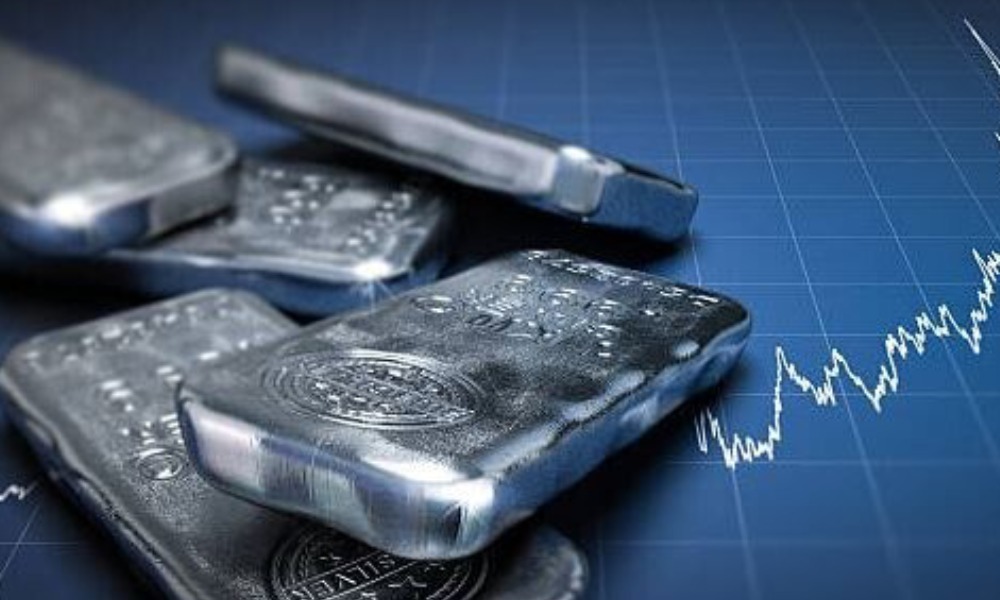
In July 2025, the Indian silver market experienced an unprecedented surge, with prices reaching a historic Rs 1.13 lakh per kilogram on July 15. This sharp rally marks a significant shift in silver’s role, transforming it from a traditional commodity to a modern safe-haven asset amid global economic turbulence. The surge—driven by a Rs 4,000 gain since mid-June—reflects powerful macroeconomic forces reshaping investor sentiment and commodity markets.
Several interconnected factors are fueling this dramatic rise. Chief among them are intensifying global trade tensions, which have triggered uncertainty in currency markets and investment flows. As trade disputes and tariff wars escalate, traditional financial assets face volatility, pushing investors towards precious metals like silver, which offer perceived stability and value preservation.
Monetary policy expectations, particularly regarding the U.S. Federal Reserve, further bolster silver’s appeal. Anticipation of interest rate cuts amid soft inflation and growth concerns has reduced the opportunity cost of holding non-yielding assets like silver. A weakening U.S. dollar, as a result of dovish Fed signals, also makes silver more accessible for global buyers, intensifying demand.
Beyond macroeconomics, structural supply-demand imbalances are at play. For the fifth consecutive year, the global silver market remains in deficit, with a projected shortfall of 117.6 million troy ounces in 2025. Increasing mining constraints and robust industrial demand—from electronics to renewable energy—have amplified this deficit, offering long-term price support.
India’s local market dynamics have magnified this global trend. A weakening rupee has made silver imports more expensive, further pushing domestic prices upward. Moreover, India’s cultural affinity for precious metals, especially during economic uncertainty, has spurred retail and institutional demand.
While this record-breaking rally presents lucrative opportunities, it also carries risks. The high price environment may lead to demand substitution or innovation to reduce silver usage, particularly in industrial applications. Additionally, the sustainability of the rally hinges on the persistence of its driving factors—trade disputes, interest rate trends, and supply disruptions.
In conclusion, silver’s meteoric rise in India symbolizes broader global economic anxieties and reflects the metal’s evolving role as both a hedge and a strategic investment. As markets remain volatile, silver stands as a critical indicator of investor sentiment and economic resilience.





JB Insights
Jewellers Expect Healthy Festive and Wedding Demand Amid Evolving Consumer Preferences
India’s jewellery industry is entering the festive and wedding season with cautious optimism, supported by positive consumer sentiment, relatively stable bullion prices and sustained demand for wedding-led purchases.
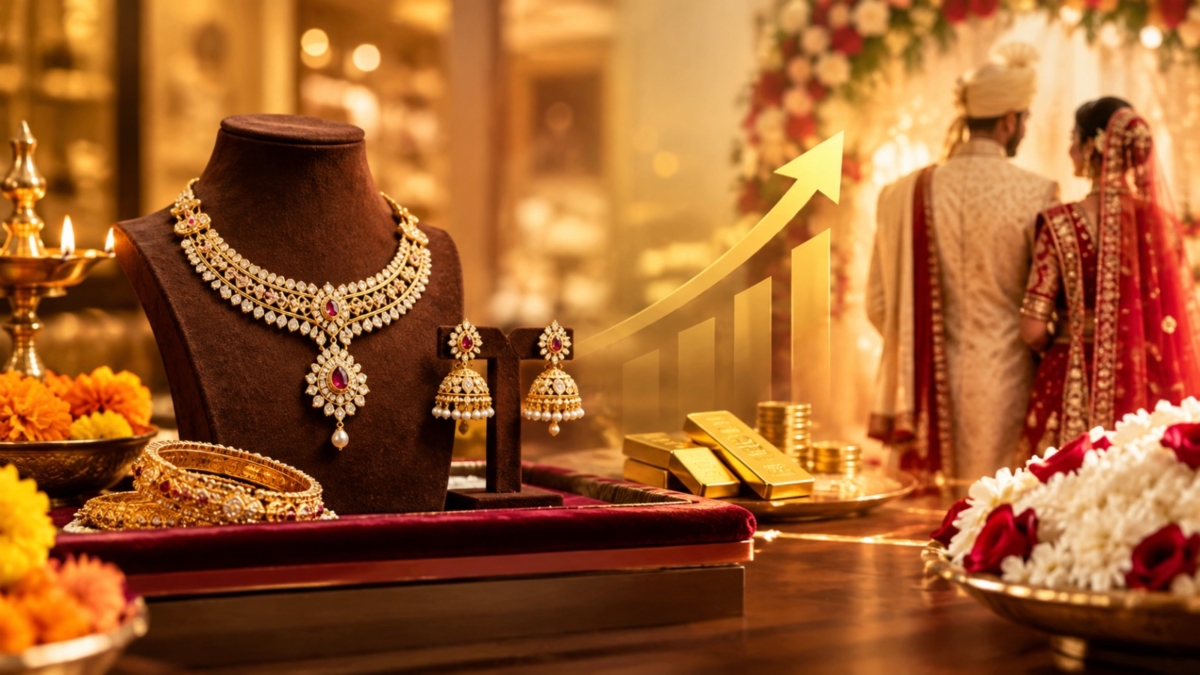
India’s jewellery industry is entering the festive and wedding season with cautious optimism, supported by positive consumer sentiment, relatively stable bullion prices and sustained demand for wedding-led purchases. While elevated gold prices are influencing buying behaviour, jewellers expect lightweight designs, contemporary styling, natural diamonds and innovative bridal collections to drive sales.
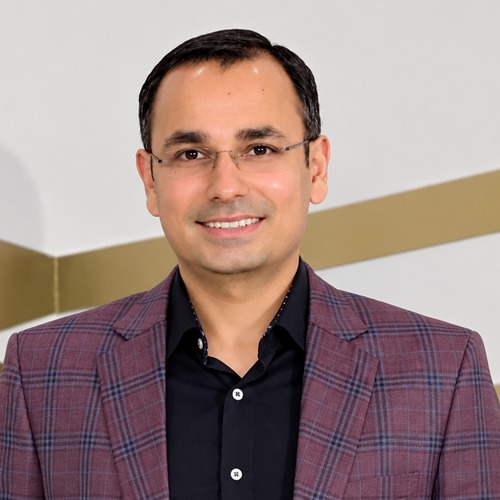
Vinay Bamalwa, Director, Nemichand Bamalwa and Sons, said consumer sentiment remains positive, with gold prices staying range-bound over the past three to four months. Sentiment towards natural diamonds has also improved over the last 12–18 months. The company’s 2026–27 Eden bridal collection has received an encouraging response, reinforcing expectations for the season.
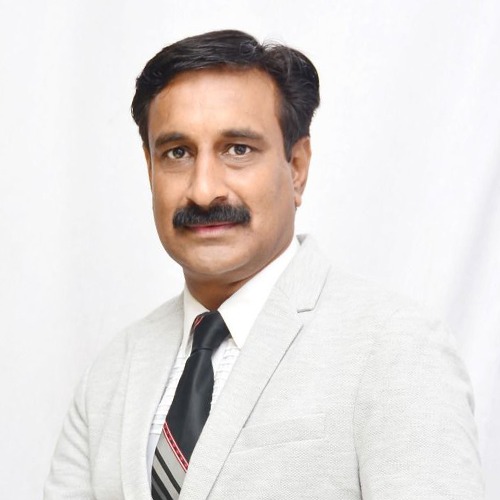
Anil Kataria, Director, DP Abhushan Ltd., see favourable conditions for jewellery sales. He cited positive consumer sentiment and conducive gold and silver prices as encouraging factors. We see a positive sentiment in consumers, and foresee healthy sales in the festive season. We are optimistic we will meet our targets this festive season.
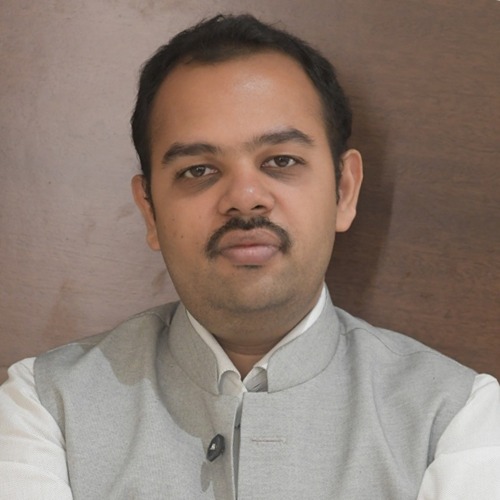
Vaibhav Saraf, Director, Aisshpra Gems & Jewels, expects healthy festive and wedding demand despite elevated gold prices, noting that customers are becoming more thoughtful and value-conscious. Lightweight, versatile jewellery is gaining preference, while bridal buyers increasingly seek statement pieces offering multiple styling options. The company has introduced Navni, a diamond bridal collection featuring innovative 9-in-1 jewellery designs, alongside contemporary and everyday-wear offerings.
Vastupal Ranka, Director, Ranka Jewellers, said current gold and silver prices are creating a favourable backdrop for jewellery sales. “We are seeing strong consumer sentiment and anticipate healthy demand leading into the festive season. While volume may see a slight dip, we remain confident that customers will continue to buy with optimism,” he said.
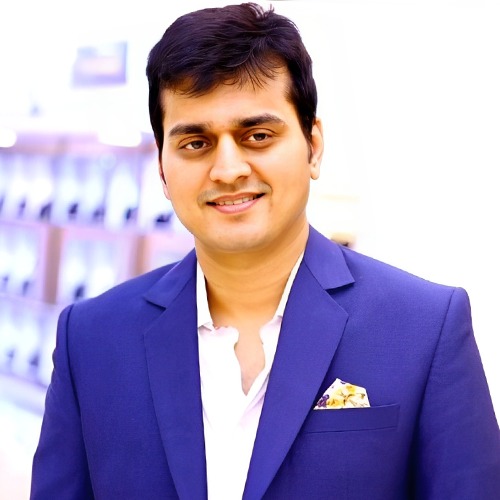
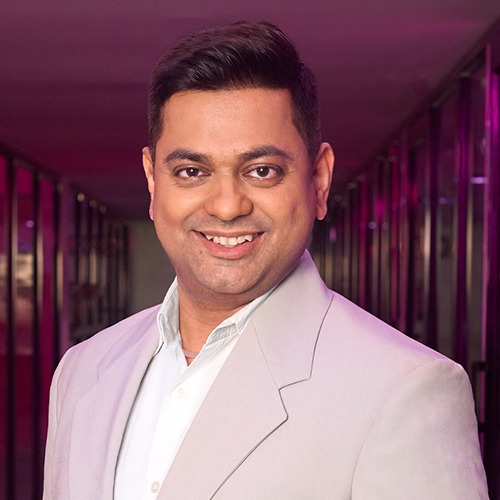
Darshan Chauhan, Whole-time Director, Sky Gold & Diamonds Ltd., expects wedding-led consumption, cultural traditions and demand for design-led, value-conscious jewellery to support the season. He highlighted the importance of inventory efficiency, faster stock rotation, consistent quality and market-relevant designs in helping retailers capture seasonal opportunities.
Vijay Pokharna, Founder, Pure Platinum Jewellery Pvt. Ltd., expects platinum jewellery to gain momentum as consumers increasingly favour premium, contemporary and meaningful purchases. Beyond traditional occasions, everyday luxury and self-purchase—particularly among younger consumers—present significant growth opportunities. He emphasised that innovation, accessible products, compelling designs and greater consumer awareness will be crucial to expanding the category.
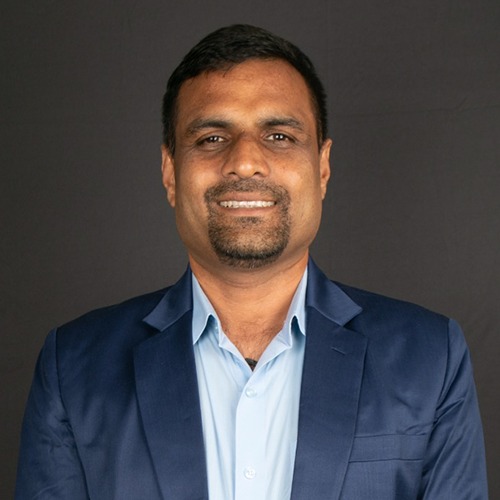
Overall, industry leaders expect a healthy festive and wedding season, with success increasingly dependent on design innovation, value perception, product differentiation and efficient inventory management. Rather than signalling a retreat in jewellery demand, changing consumer preferences are creating opportunities for brands and retailers to broaden their offerings and strengthen customer engagement.



Aisshpra Gems & Jewels Opens Four Stores in One Day, Takes Network to 20; Targets 30 Stores by March 2028

The Met Goes Desi: Inside Sabyasachi’s Showstopping Diwali Dhamaka in New York

Jewellers Expect Healthy Festive and Wedding Demand Amid Evolving Consumer Preferences

Dhanteras Shopping Guide 2026:Gold, Silver, Diamonds & Festive Jewellery Trends To Watch

Indriya, Aditya Birla Jewellery Unveiled India’s Largest Sustainable Jewellery Rangavalli

From Diya Puja To Diwali Soirées: Jewellery Designed To Go Beyond The Festive Season
-
 JB Insights2 days ago
Dhanteras Shopping Guide 2026:Gold, Silver, Diamonds & Festive Jewellery Trends To Watch
-
 National News2 days ago
Indriya, Aditya Birla Jewellery Unveiled India’s Largest Sustainable Jewellery Rangavalli
-
 BrandBuzz2 days ago
From Diya Puja To Diwali Soirées: Jewellery Designed To Go Beyond The Festive Season
-
 BrandBuzz2 days ago
The Solenne Collection: A Celebration Of Diwali By Bharti Bangur Fine Jewels
