

JB Insights
Providing guidance on ESG Compliance


Prepared by the CIBJO Sustainable Development Commission, headed by John Mulligan, this report examines ways in which jewellery companies can meet the growing demand to become compliant with responsible environmental, social and governance (ESG) principles.
Mulligan writes if the jewellery industry as a whole is to build and sustain consumer trust, it needs to avoid fragmented and potentially contradictory responses. “How then do we strive to encourage and support the global jewellery sector so that it might move in a relatively consistent or broadly convergent manner towards a set of common sustainability objectives?” he asks.
The CIBJO Sustainable Development Commission has been developing solutions, Mulligan reveals in the report, seeking to define a sectoral “ESG and sustainability” roadmap for jewellery market participants. “It is intended to provide clarity and direction for industry associations and companies across their supply chains. The objective of the resulting guidance document, and the resources it references, is to condense the vast array of ESG topics and sustainability objectives into a structured and prioritised framework, tailored to the specific needs and characteristics of the jewellery sector,” he states.






Feature
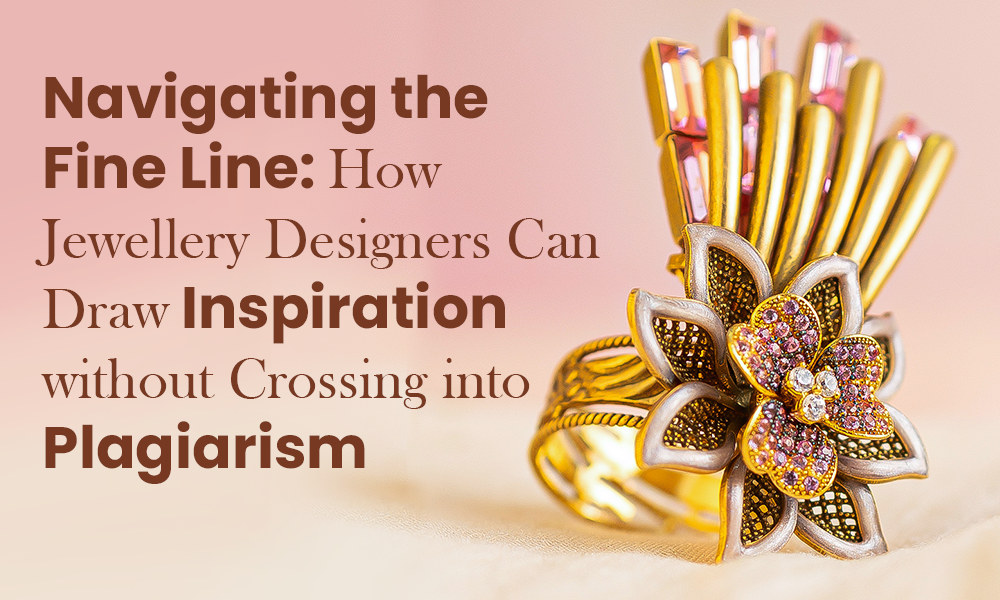
Navigating the Fine Line: How Jewellery Designers Can Draw Inspiration without Crossing into Plagiarism
We’ve all been there — scrolling through social media, spotting a stunning design, and thinking, “This is amazing, I could do something with this.” Maybe you even screenshot it for later. That moment of admiration is totally normal, and yes, it’s how creativity often works — one spark leads to another.
But here’s the tricky part: when does inspiration cross the line into imitation? There’s a difference between being creatively influenced and replicating someone else’s hard work. The quote “imitation is the sincerest form of flattery” may sound nice, but in design, it’s also a fast track to losing your credibility.
This issue is especially relevant in the Indian jewellery market, a diverse ecosystem that includes couture artisans, mass-market retailers, and indie designers — all coexisting alongside a booming imitation market. When original designs are copied and mass-produced, it damages the brand identity of the creator, dilutes the uniqueness of their work, and erodes the value of true craftsmanship.
Being inspired is natural — but respecting originality is essential.
Let us have a look at what ace Jewellery Designers/ Brands from the industry have to say about Plagiarsim & Inspiration in jewellery designs:
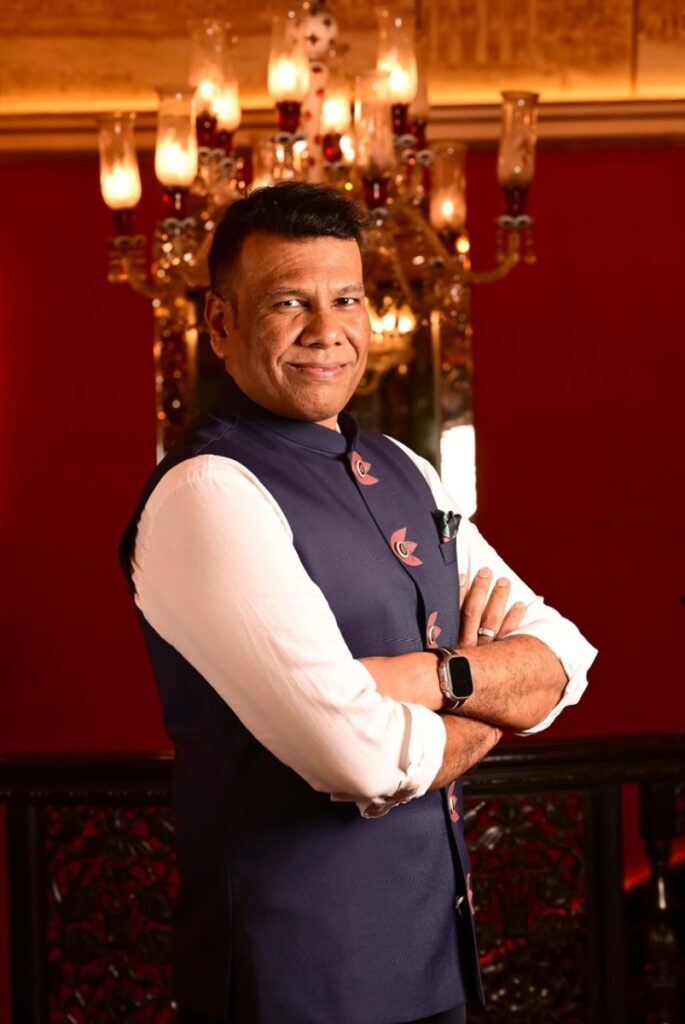
Avama Jewellers
Abhishek Kajaria, Founder and Owner
- How do you identify and cultivate your Unique Selling Proposition (USP) as a jewelry designer in a market full of competition?
At our luxury jewelry brand, our Unique Selling Proposition (USP) is rooted in innovative craftsmanship, attention to detail, and a deep understanding of our clients’ desires. We push the boundaries of design while staying true to our brand’s aesthetic..
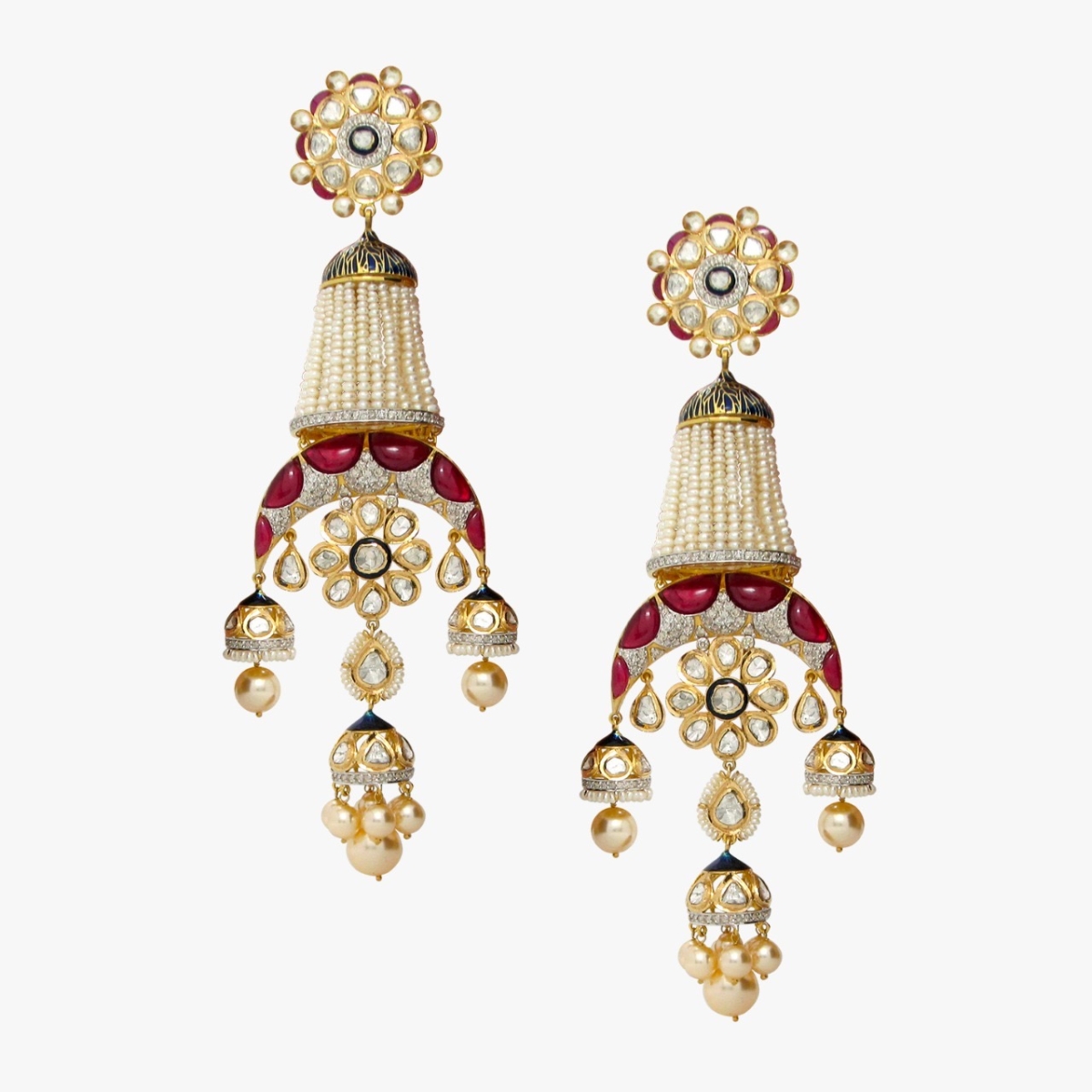
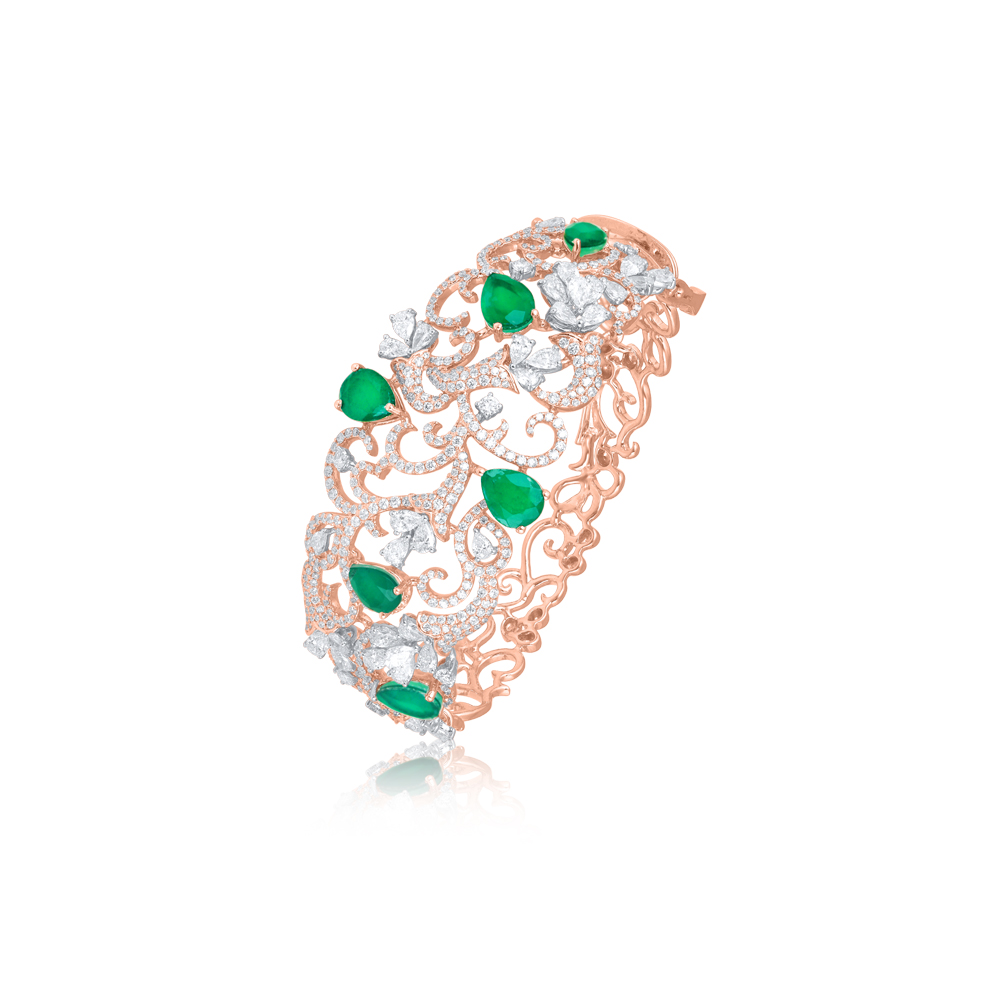
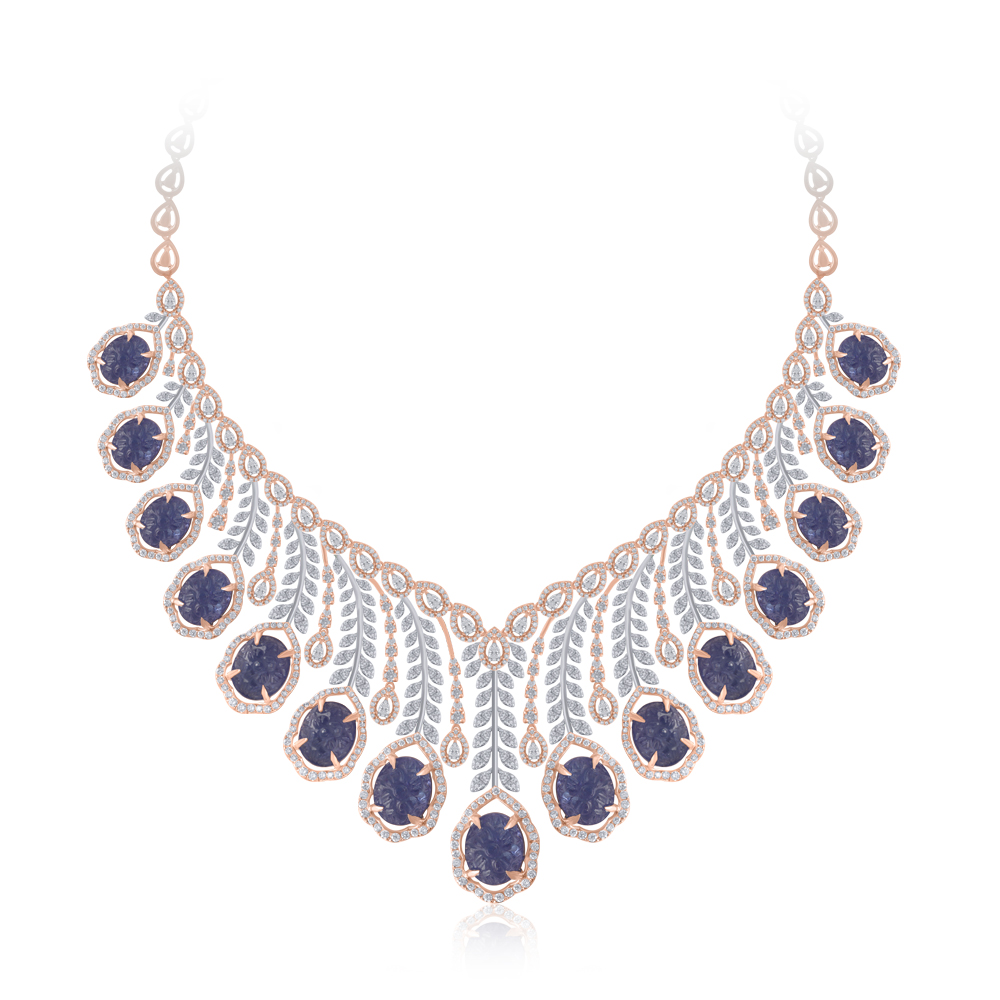
2. What steps can designers take to ensure they are drawing from a broad range of influences rather than just one or two sources, in order to create more original and diverse designs?
To create original and diverse designs, we encourage our designers to draw inspiration from various sources, including art, architecture, nature, and cultural heritage. We also foster a culture of collaboration and knowledge sharing among our team members, which helps to stimulate creativity and innovation.
3. What to do if your jewellery design is being copied? What are the legal implications to such plagiarism?
If we find our jewelry design is being copied, we promptly protect our rights by sending a cease-and-desist notice, seeking legal advice, or taking other actions to stop the infringement.
4. In your experience, how does acknowledging the influence of other designers in your work contribute to your growth as a designer, and how do you ensure that your own originality still shines through?
Recognizing the influence of other designers is vital for our growth. By acknowledging their contributions, we can learn from their experiences and create something original. We maintain our uniqueness by staying true to our brand’s vision and aesthetic.
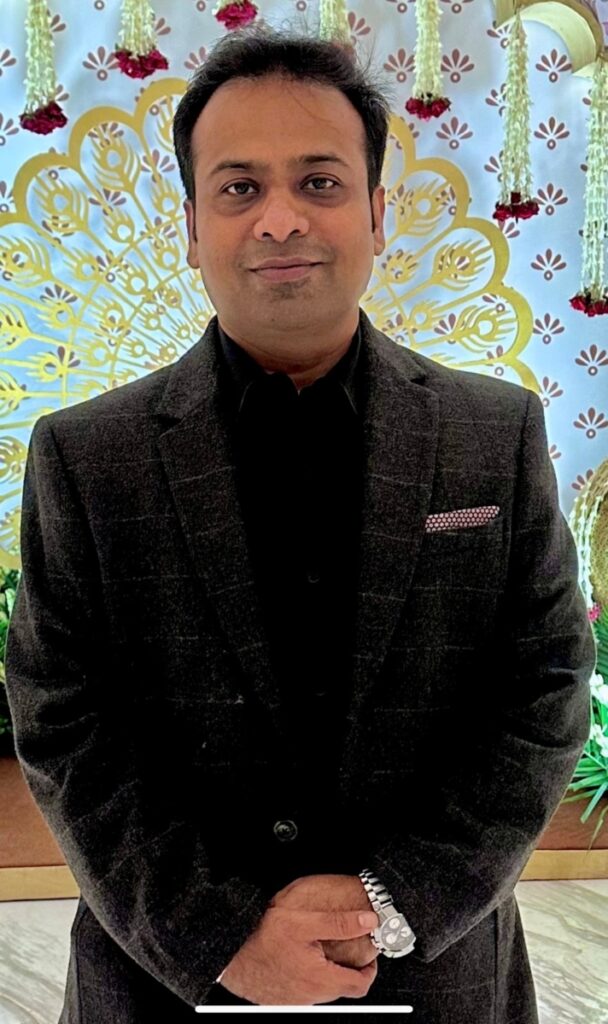
Mahabir Danwar Jewellers – Vijay Soni, Director
- How do you identify and cultivate your Unique Selling Proposition (USP) as a jewelry designer in a market full of competition?
At Mahabir Danwar Jewellers, our USP lies in the fusion of heritage craftsmanship, innovative design, and exclusivity. We stay true to our brand ethos—blending timeless elegance with modern creativity. Through research, trend awareness, and our signature design language, we ensure every collection tells a unique story and evokes a personal connection, setting us apart in a crowded market.
- What steps can designers take to ensure they are drawing from a broad range of influences to create original and diverse designs?
Originality comes from exploring beyond the obvious. Designers should:
• Draw from varied sources like architecture, nature, and fine arts
• Study global and historical craftsmanship
• Experiment with new materials and techniques
• Avoid trend-chasing and focus on building a personal voice
By broadening their creative lens, designers can avoid unintentional imitation and develop truly distinct designs.


- What to do if your jewelry design is being copied? What are the legal implications of such plagiarism?
To protect designs:
• Register copyrights, trademarks, or design patents
• Take legal action, such as sending cease-and-desist notices
• Document the design process for proof of originality
• Raise awareness through industry platforms
Proactive protection is key to preserving exclusivity and creative ownership.
- How does acknowledging the influence of other designers help your growth while maintaining originality?
Acknowledging others’ work promotes learning and innovation. However, we ensure originality by:
• Using inspiration as a base, not a blueprint
• Infusing personal storytelling and brand identity
• Innovating through design, materials, and craftsmanship
• Continuously evolving our creative voice
Respecting influence while transforming it ensures our work stays authentic and uniquely ours.

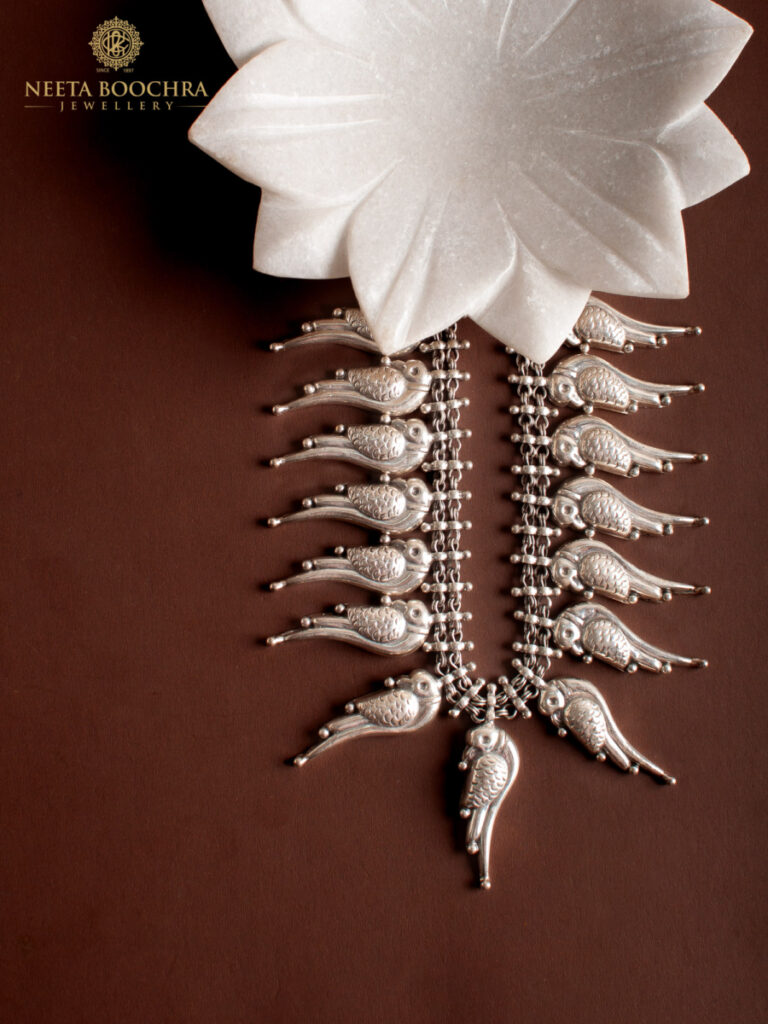
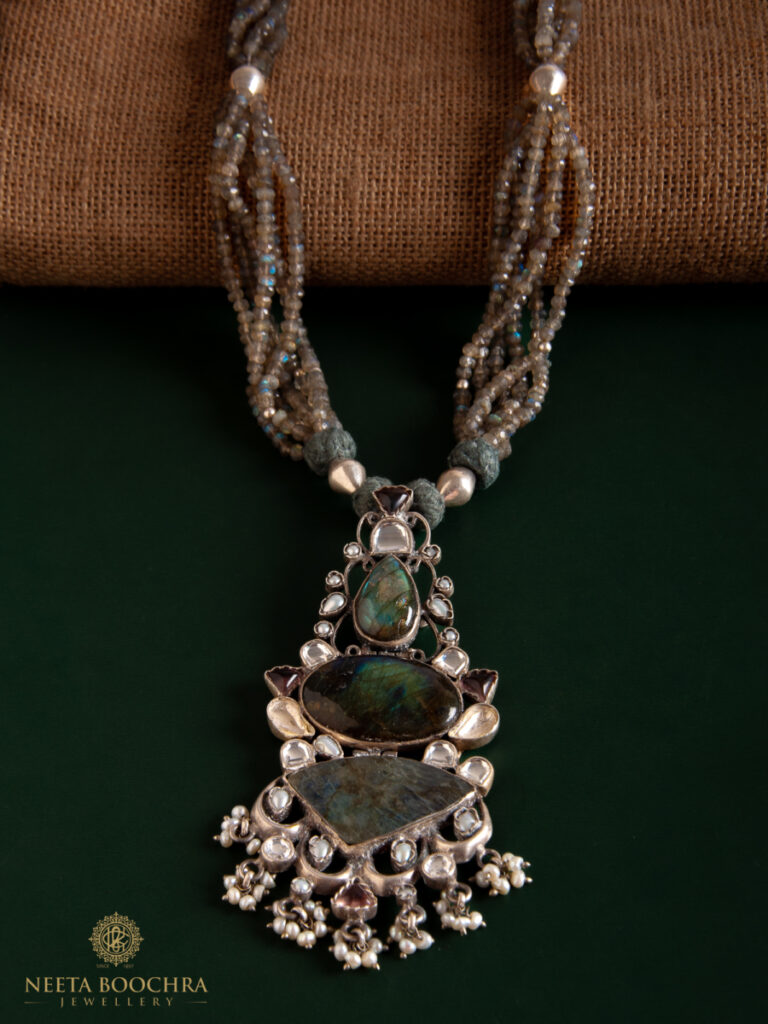
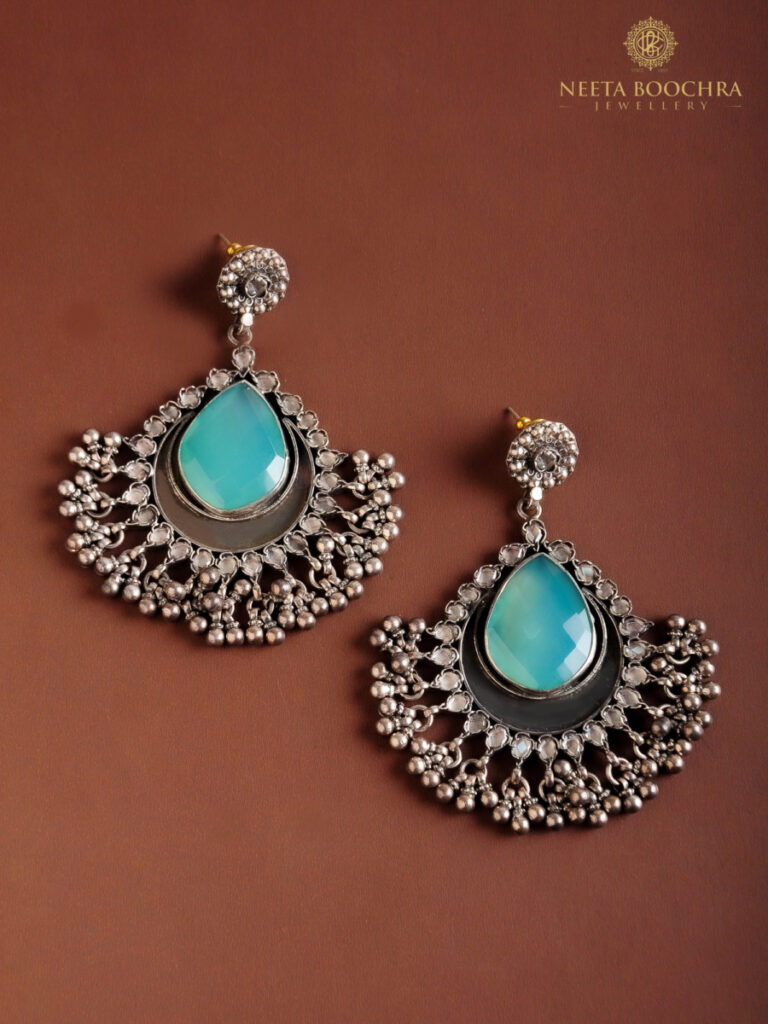
Neeta Boochra Jewellery
Neeta Boochra, Founder
1)What steps can designers take to ensure they are drawing from a broad range of influences rather than just one or two sources, in order to create more original and diverse designs?
Indian jewellery designers have access to a vast and layered cultural heritage, but relying too heavily on a few well-known motifs (like Mughal, temple, or tribal jewellery) can limit innovation. To ensure originality and a broader creative palette, Indian designers can take the following India-specific steps to diversify their influences and evolve their design language:

Explore Regional Diversity: Study lesser-known jewellery traditions from Northeast India, tribal areas, and rural crafts like Dokra, Bastar, or Manipuri designs.
Blend Tradition with Contemporary Indian Art: Take inspiration from modern Indian artists, textile patterns, or architectural forms like stepwells or temple carvings.
Use Indian Literature & Philosophy: Draw abstract concepts from epics, folktales, and philosophies (Hindu, Buddhist, Sufi) to deepen your narrative.
Tap into Natural and Urban Landscapes: Let India’s diverse geography and cityscapes inspire shapes, textures, and forms.
Reimagine Obscure Historical Styles: Revive and reinterpret jewellery from lesser-known dynasties or rare styles like Chettinad or Satavahana-era adornments.
Collaborate Across Crafts: Work with artisans from weaving, embroidery, pottery, or painting to bring fresh perspectives and techniques.

2. What to do if your jewellery design is being copied? What are the legal implications to such plagiarism?
If your jewellery design is being copied in India, you do have legal recourse, though the process depends on how you’ve protected your design. Here’s what you can do, along with the relevant legal implications under Indian law:
Collect Evidence
- Gather proof of your original design: sketches, CAD files, timestamps, emails, product photos, and public release dates.
- Take screenshots and purchase records of the copied designs for comparison.
Send a Legal Notice
- Through a lawyer, send a cease and desist notice to the infringing party demanding they stop production/sale immediately.
Take Civil or Criminal Action
- Civil remedies: You can seek injunctions, monetary damages, and destruction of copied goods.
3. In your experience, how does acknowledging the influence of other designers in your work contribute to your growth as a designer, and how do you ensure that your own originality still shines through?
Acknowledging the influence of other designers is not only a mark of integrity but also a powerful tool for personal growth
Promotes Humility and Learning: Recognizing others’ impact keeps you open to learning. It reminds you that design is a dialogue, not a solo performance.
Builds Deeper Understanding: When you consciously study and credit a designer’s work, you often uncover why it resonates with you—materials, philosophy, structure—helping you better refine your own preferences and style.
JB Insights
Birdhichand Ghanshyamdas Jewellers: Timeless legacy rooted in heritage, craftsmanship and luxury
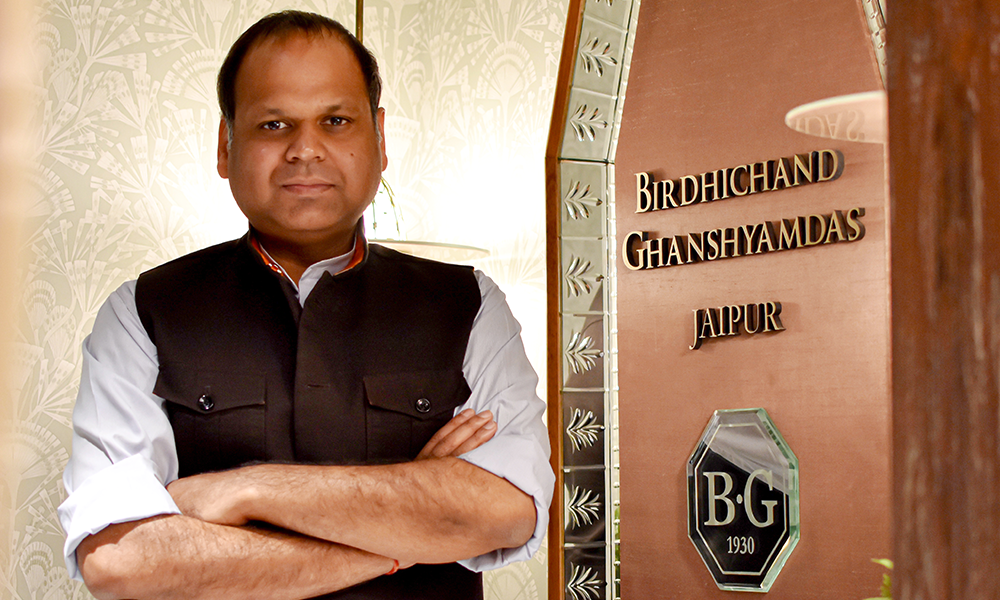
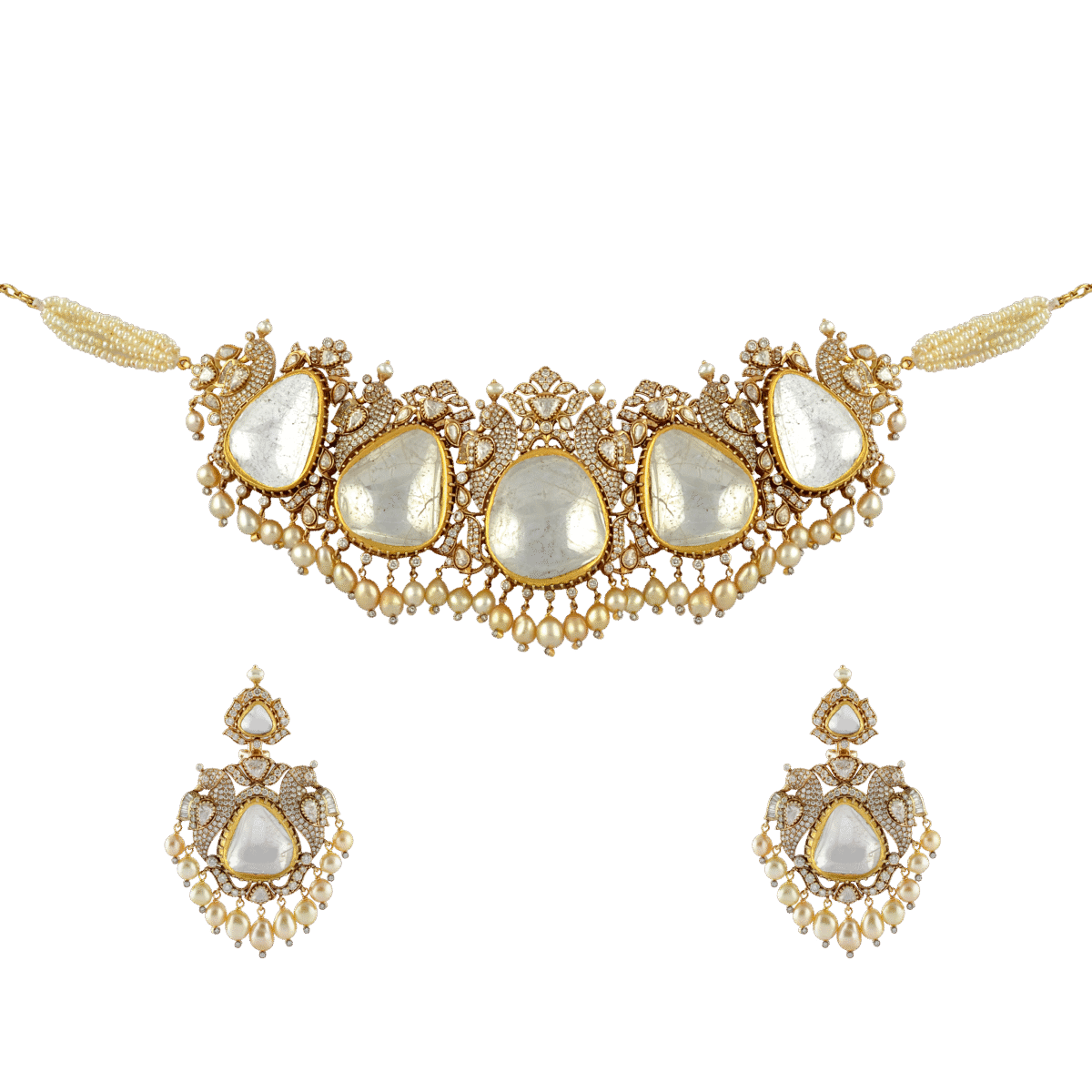
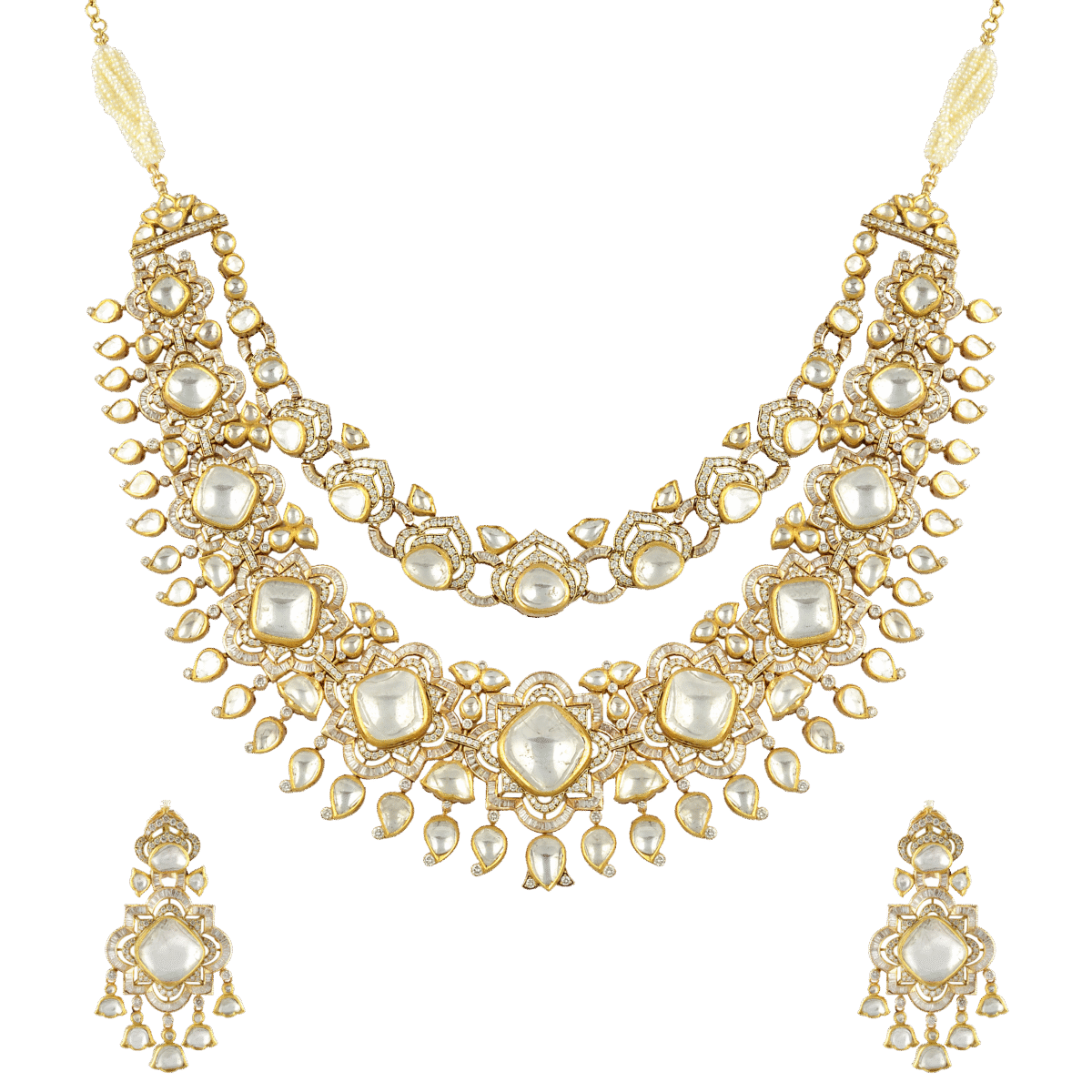
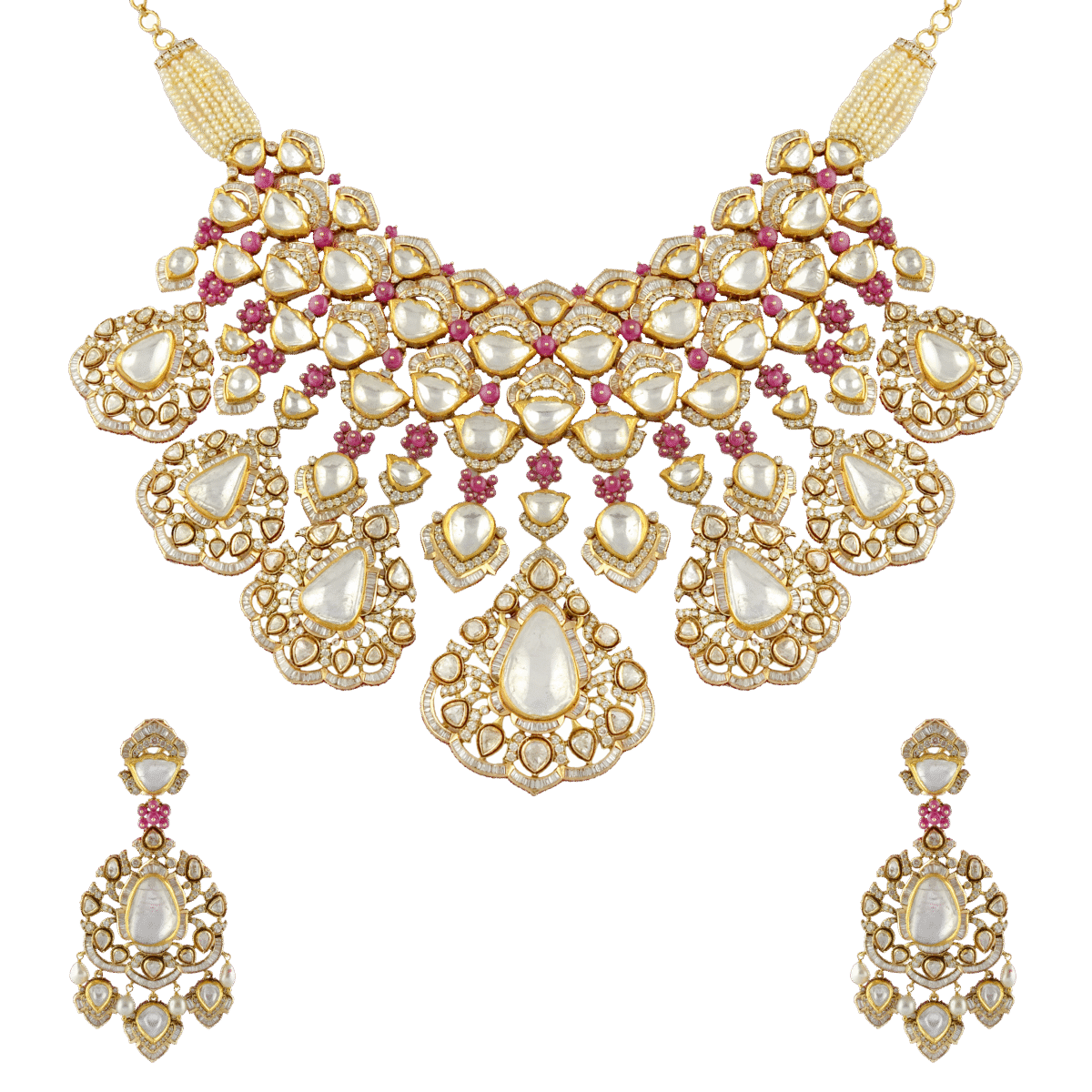
Birdhichand Ghanshyamdas Jewellers is a legacy rooted in decades of traditional jewellery-making, blending age-old craftsmanship with modern design sensibilities. Reflecting the grandeur of Indian luxury, each piece celebrates the rich heritage of Jaipur through intricate detailing, rare gemstones, and artistic excellence. The jewellery goes beyond ornamentation—it’s a reflection of identity, culture, and timeless style. Yash Agarwal – Creative Director – Birdhichand Ghanshyamdas Jewellers speaking to JewelBuzz underlines how by preserving tradition while embracing innovation, Birdhichand Ghanshyamdas creates heirlooms that echo India’s history and continue to inspire future generations.
How do you define the legacy of Birdhichand Ghanshyamdas Jewellers?
Birdhichand’s legacy is rooted in decades of traditional jewelry-making and craftsmanship. We’ve preserved our heritage by blending age-old techniques with modern designs, creating timeless pieces that reflect Indian luxury. Our legacy is about artisanal excellence, authenticity, and celebrating the rich history of Jaipur. Our pieces not just showcases style statement but a reflection of one’s identity, embodying the excellence of timeless Indian luxury.


Explain the USP of your brand.
Our USP lies in our intricate designs and unique craftsmanship which narrates a legacy in itself. From the bold polki patters to coloured gemstones and enamel work, every piece is a statement and represents Jaipur culture and the city’s vibrant history. Our jewellery is rich in heritage while also fashion forward for those looking for traditional pieces with a modern element.
What is your design philosophy?
At Birdhichand, our main philosophy is reviving our culture through our designs. India and Rajasthani architecture has been spoken about since ages and we wanted to relive those designs with our jewellery through meticulous craftsmanship, coloured and rare gems and bold statement pieces. Our aim is to create jewellery that our timeless and can be passed on through generations.
Kindly provide details of your product offerings, bridal & jewellery collections.
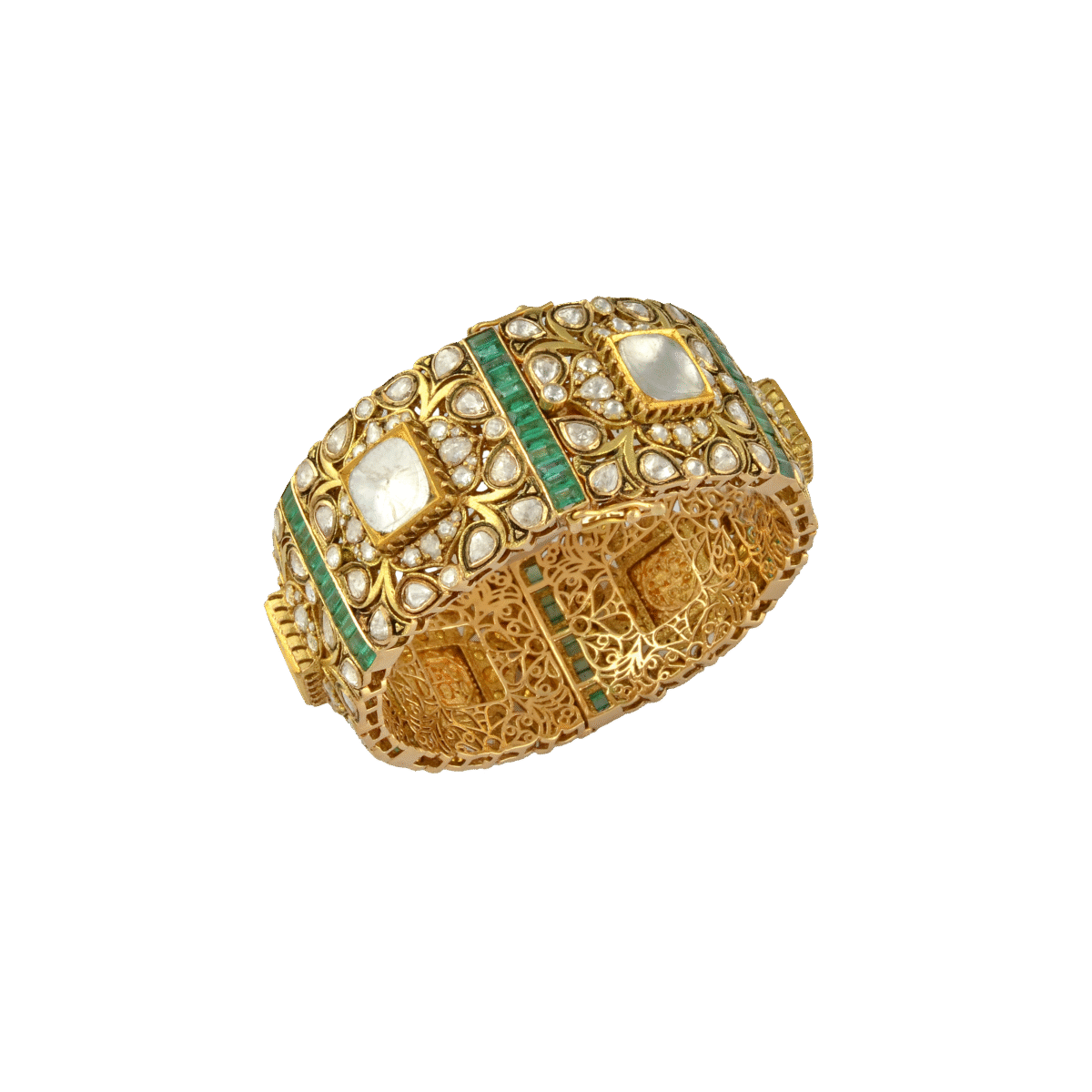
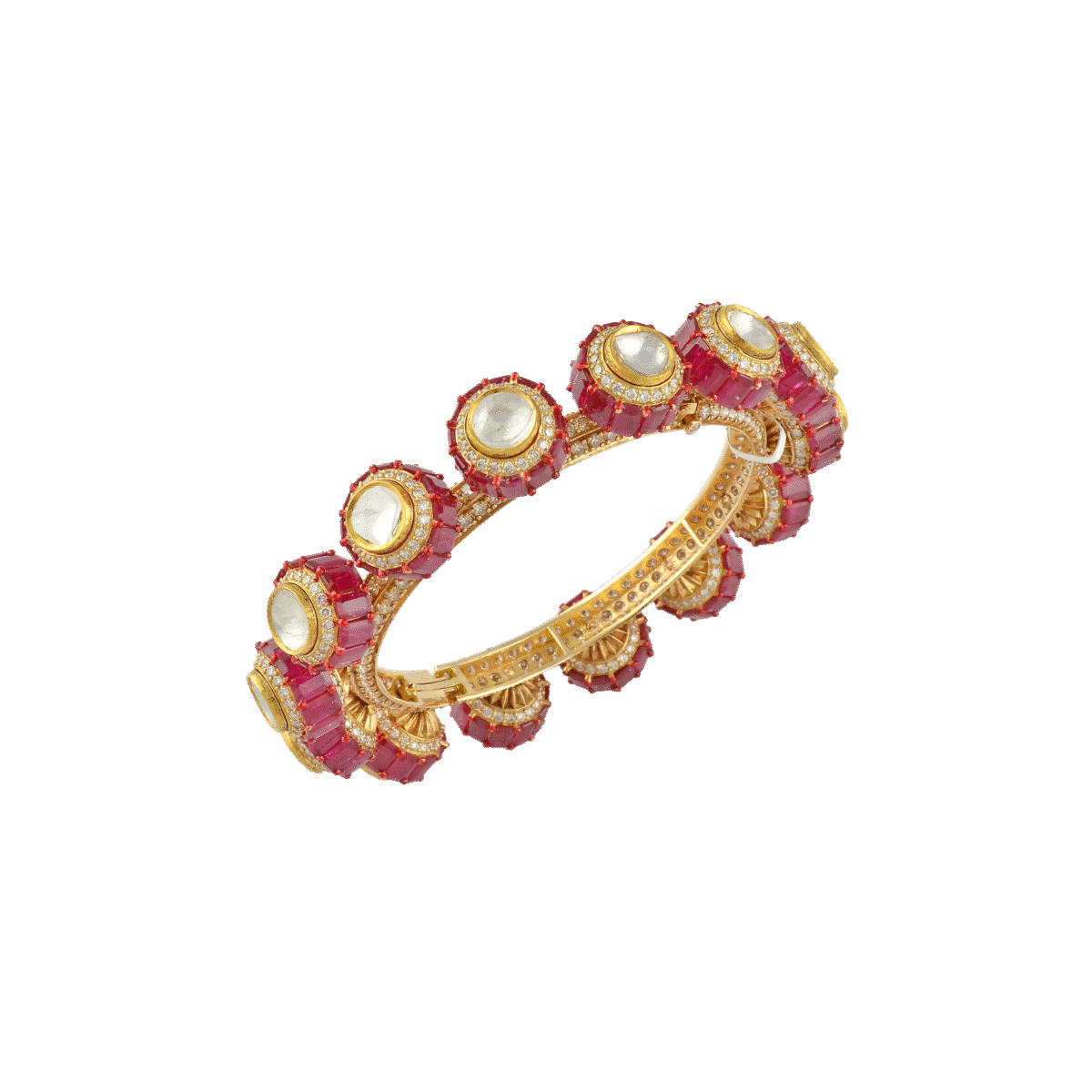
Our collections showcase exquisite bridal pieces and contemporary designs, blending traditional Indian heritage with modern designs. From intricately crafted polki jewelry to vibrant colored gemstones, our pieces range from statement-making occasion wear to versatile essentials. Our diverse offerings include earrings, hathphools, chokers, rings, and brooches – each beautifully curated to celebrate the richness of Indian craftsmanship with a modern twist.
How do you ensure that your jewellery designs reflect Jaipur’s cultural heritage while appealing to the evolving tastes of younger generations?
Our journey began in Jaipur, a city that has eternally inspired us with its vibrant culture and stunning architecture. We draw muse from the city’s intricate designs and majestic structures, reinterpreting them through a modern lens to create pieces that resonate with contemporary trends. Our designs seamlessly blend Jaipur’s rich legacy with bold, expressive sensibilities, reflecting the perfect harmony of tradition and modernity.
What role does sustainability play in your sourcing of materials and crafting processes for your jewellery collections?
Sustainability is a collective responsibility, not a choice. We’re committed to ethical sourcing and craftsmanship, ensuring our diamonds are not only beautiful but also responsibly sourced. Our skilled artisans, masters of Kundan and Meenakari techniques, carefully craft each piece as a timeless heirloom designed to last generations – a testament to our dedication to quality, tradition, and conscious luxury.
How does your brand differentiate itself from other traditional jewellery makers in Jaipur in terms of craftsmanship and innovation?
While many traditional jewellers focus on preserving legacy, Birdhichand seeks to balance heritage with innovation. We reimagine ancient architectural techniques through a modern lens, experimenting with color, pattern, and storytelling to create unique pieces. Every creation by our master artisans is a work of art, blending timeless tradition with contemporary flair.
What specific measures have you taken to make your jewellery accessible to a global audience without compromising its cultural authenticity?
We’ve taken a thoughtful approach to sharing our heritage with a global audience. Our aim is to reinvent traditional designs with modern elements, staying true to their authentic roots. Each piece tells a story, which we share through luxury exhibitions and digital platforms. This approach allows our audience to understand the heritage behind every creation, showcasing how our jewelry seamlessly blends modern sensibilities with timeless tradition. By leveraging both physical and digital channels, we’ve made our culturally rich jewelry accessible worldwide while preserving its authenticity.

How do you incorporate modern technology, such as AI, in jewellery designing?
AI and technology play a supporting role in our design process, augmenting the creativity of our skilled artisans. Rather than replacing traditional craftsmanship, AI serves as a tool to help build intricate design patterns, experiment with new ideas, and visualize complex geometries. Meanwhile, our artisans bring depth and storytelling to each piece, ensuring a perfect blend of tradition and innovation.
Where does Birdhichand Ghanshyamdas Jewellers see itself in the coming years? What is the roadmap?
Our vision is to transcend geographical boundaries, expanding our presence beyond Jaipur and Delhi to global markets. Through strategic pop-ups, exhibitions, and collaborations, we aim to create immersive experiences that showcase the richness of Indian craftsmanship. By fusing traditional designs with modern aesthetics, we aspire to establish Birdhichand as a global ambassador of Indian jewelry, sharing our heritage with audiences worldwide.
Where is Birdhichand Ghanshyamdas Jewellers’ presence beyond the Indian market?
While are roots remain in Jaipur, we have extended our presence internationally with clientele in UK, UAE, Bahrain, Singapore, and Riyadh. We have a strong retail presence in Doha and Dubai which allows us to engage with the international audience that values our Indian craftsmanship.
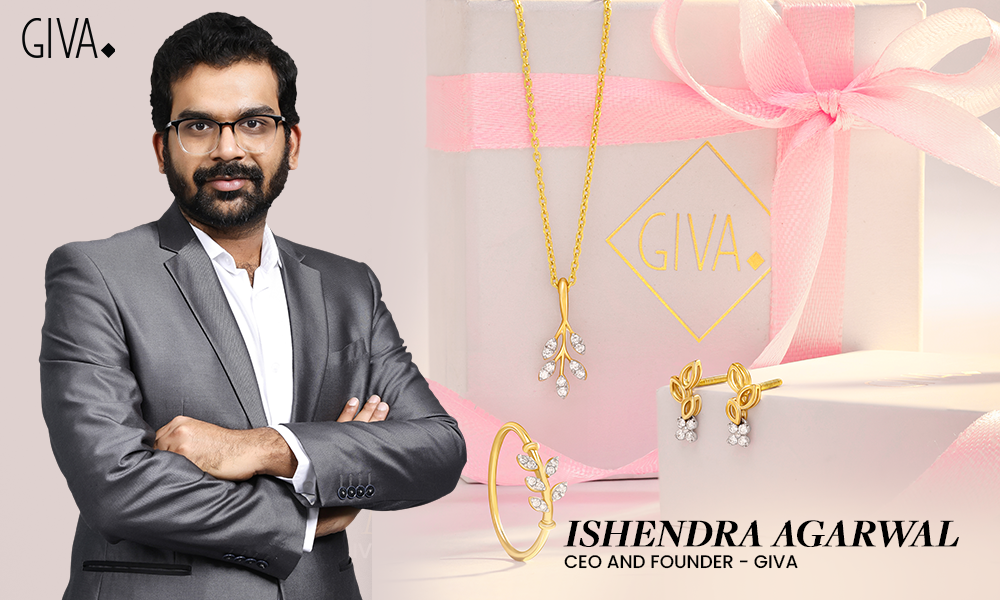
Over the past year, GIVA has witnessed a growing demand for LGDs, driven largely by millennials and Gen Z. Ishendra Agarwal, CEO and Founder, GIVA speaking to JewelBuzz underscores the fact that LGDs offer timeless beauty with lower environmental impact, aligning with modern values and redefining fine jewellery in India. GIVA is leveraging their flexibility and affordability to democratize aspiration, delivering high-quality, customizable designs. As LGDs gain traction, GIVA aims to lead the shift toward a more inclusive, responsible, and innovative jewellery future.

- Over the last year, consumer preferences have noticeably shifted toward conscious luxury. How is GIVA seeing this trend play out in terms of demand for lab-grown diamonds, especially among millennials and Gen Z?
We’re seeing a clear shift in the way younger consumers define luxury. Millennials and Gen Z are leaning into purpose-driven purchases, where beauty meets responsibility. Lab-grown diamonds (LGDs) align perfectly with this ethos, offering timeless clarity and shine with a conscious edge. At GIVA, the response has been phenomenal. We’re witnessing a steady rise in first-time fine jewellery buyers choosing LGDs because they reflect both their style and values.
Our Mother’s Day collection was met with a fantastic response, especially popular were our earrings and pendant sets, along with 18K rings and earrings that saw strong customer interest.
- Lab-grown diamonds are being touted as the next big thing in fine jewellery. What makes this category so exciting for GIVA, and how do you see it reshaping the future of the jewellery industry in India?
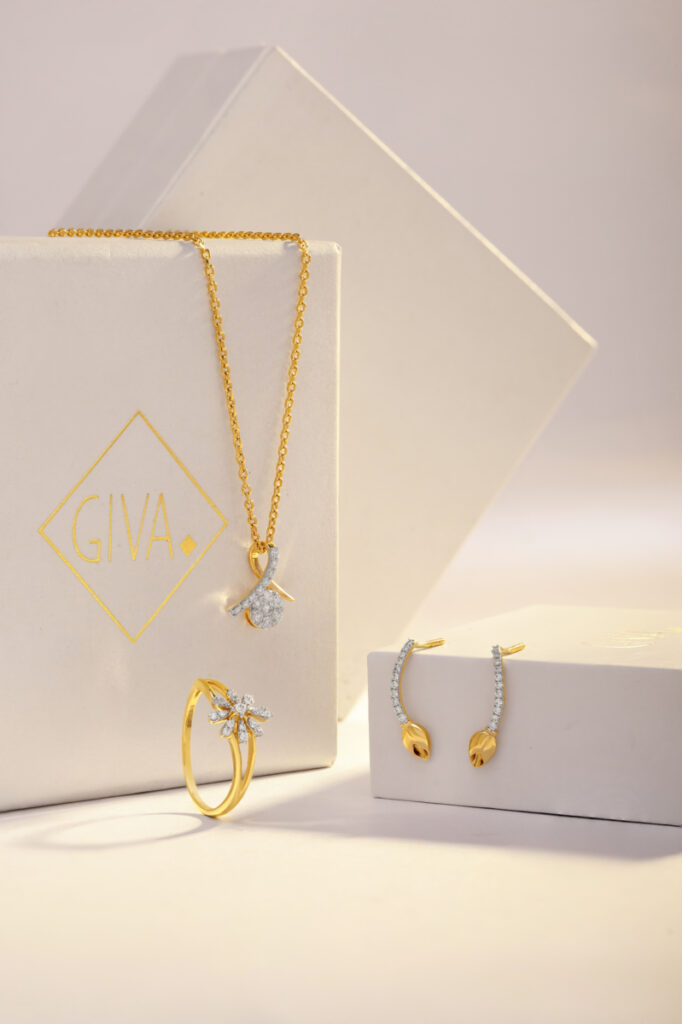
Lab-grown diamonds are more than a passing trend; they are fundamentally changing the definition and accessibility of luxury. GIVA is enthusiastic about their potential to merge innovation, ethical considerations, and elegance, appealing to today’s environmentally aware customers. LGDs provide greater design possibilities, promote sustainability, and offer more accessible price points, making fine jewelry more inclusive and forward-thinking. As their popularity increases, lab-grown diamonds are expected to significantly reshape India’s jewelry market.
- Lab-grown diamonds offer the charm of fine jewellery at a more accessible price point. How is GIVA using this to democratize aspiration, making premium design and craftsmanship available to a wider audience?
We’ve always believed that luxury should feel personal and not out of reach. Lab-grown diamonds allow us to deliver exceptional craftsmanship, meaningful design, and lasting brilliance at a price point that’s more accessible.
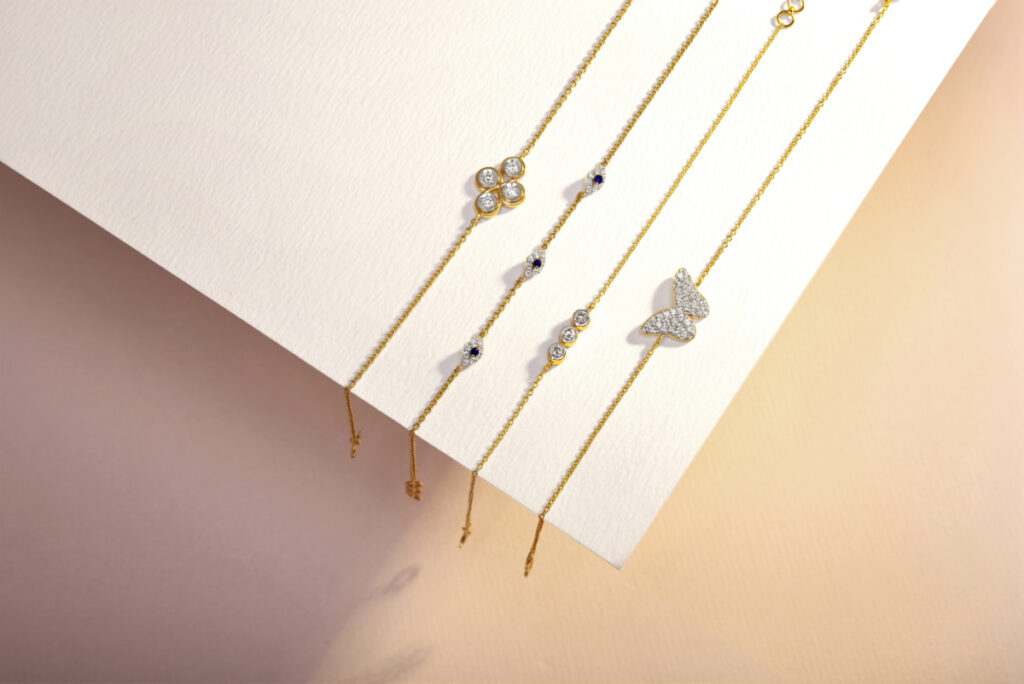
At GIVA, we’re not just offering jewellery; we’re creating opportunities for more people to celebrate life’s moments with pieces that reflect both value and values. Whether it’s a first fine jewellery purchase or a conscious choice for love, LGDs are helping us democratize aspiration without compromising on quality or emotion.
- Sustainability has become a buzzword across industries — but what does it mean in the context of lab-grown diamonds?
In the world of jewellery, sustainability means transparency, responsibility, and innovation. Lab-grown diamonds are created in controlled environments with significantly lower environmental impact. For GIVA, embracing LGDs is part of our commitment to a cleaner, kinder future, where beauty doesn’t come at the planet’s expense. And we’re committed to educating our customers about why that matters.
- With LGDs offering more flexibility in size, shape, and quality — how has this impacted GIVA’s approach to product design and innovation?
Lab-grown diamonds have unlocked a new dimension of design freedom for us at GIVA. With greater flexibility in size, shape, and quality, we at GIVA are able to now experiment with cuts and settings that were previously limited by cost or sourcing constraints.
This has led to bolder, more intricate designs and importantly, the ability to offer made-to-order pieces that reflect personal stories and preferences. From concept to creation, we’re able to deliver variety, brilliance, and customization at a pace and price that today’s consumer expects.
- Do you foresee lab-grown diamonds becoming mainstream in India? And what role will GIVA play in building this next chapter of modern jewellery?
Yes, we believe lab-grown diamonds are on the cusp of becoming mainstream in India. As awareness builds and barriers fall, LGDs will define a new era of jewellery that is aspirational yet ethical, premium yet personal. At GIVA, we see ourselves at the forefront of this change, driving education, expanding access, and building a brand that evolves with the modern consumer.
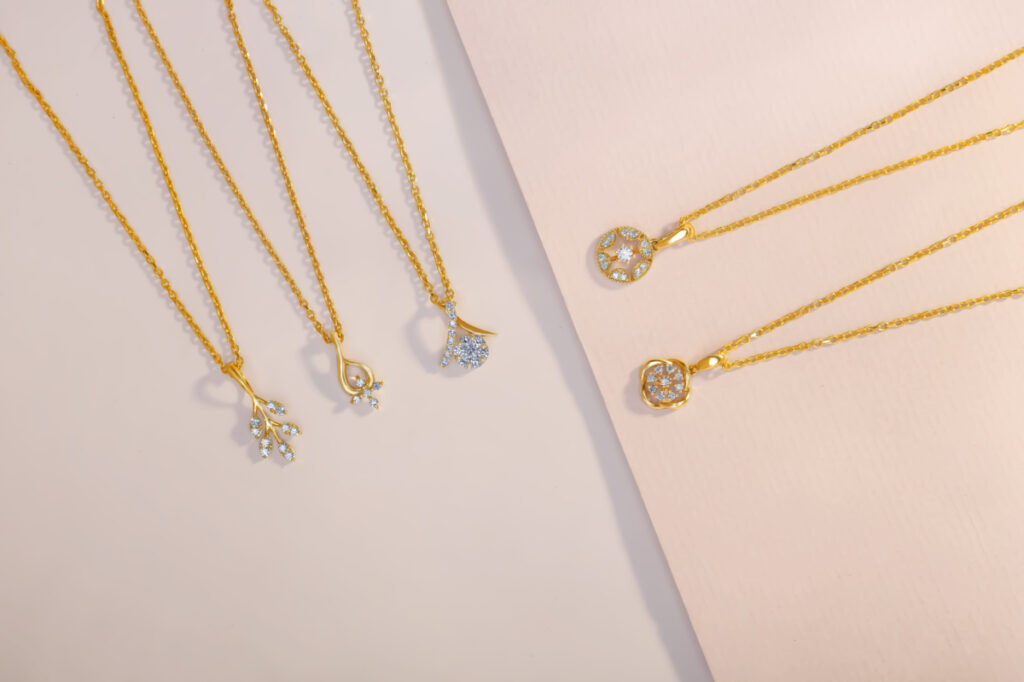
- Trade and industry needs to strictly adhere to the ethical guidelines of LGD declaration. What is the level of this compliance in industry and retail trade?
Transparency is the cornerstone of trust in the jewellery industry, especially with an emerging category like lab-grown diamonds. While awareness and compliance around LGD declaration are steadily improving, there’s still work to be done across both trade and retail.
Leading brands and responsible retailers are taking clear steps to label LGDs correctly and educate consumers about their origin, quality, and value. However, consistent industry-wide adherence to ethical guidelines is critical to protect consumer trust and ensure the category’s long-term credibility. As the market matures, we expect stricter self-regulation and more informed choices, both from sellers and buyers.



Deepika Padukone Honoured with Coveted Star on Hollywood Walk of Fame

Vummidi Bangaru Jewellers Partners with Ignition presented by Shiv Nadar Foundation, Chennai Edition

Kushal’s Fashion Jewellery launches ‘Everyday’ Collection: Effortless jewellery for every kind of day
Deepika Padukone Honoured with Coveted Star on Hollywood Walk of Fame
Vummidi Bangaru Jewellers Partners with Ignition presented by Shiv Nadar Foundation, Chennai Edition
Kushal’s Fashion Jewellery launches ‘Everyday’ Collection: Effortless jewellery for every kind of day
-

 National News2 months ago
Emmadi Silver Jewellery Launches First Karnataka Store with Grand Opening in Bengaluru’s Malleshwaram
-

 BrandBuzz3 months ago
Mia by Tanishq Unveils ‘Fiora’ Collection This Akshaya Tritiya: A Celebration of Nature’s Blossoms and New Beginnings
-

 GlamBuzz2 months ago
Gokulam Signature Jewels Debuts in Hyderabad with Glamorous Launch at KPHB
-

 DiamondBuzz2 months ago
De Beers CEO: confident the US will exempt diamonds from reciprocal tariffs
