
National News
NSE’s launches 10-gm gold futures, move will broaden participation in gold derivatives


The National Stock Exchange of India (NSE) has announced the launch of 10-gram gold futures contracts within its Commodity Derivatives segment, effective March 16, 2026. The initiative, undertaken with the approval of the Securities and Exchange Board of India (SEBI), represents a strategic effort to broaden participation in gold derivatives trading by introducing a smaller and more accessible contract size.
Under the framework outlined by the exchange, the contract—traded under the symbol GOLD10G—will have both the trading and delivery unit fixed at 10 grams of gold. By reducing the contract size, NSE aims to lower entry barriers for market participants, particularly smaller investors, jewellers, and hedgers who may find larger gold futures contracts capital intensive. This move aligns with a broader objective of deepening liquidity and enhancing price discovery in India’s commodity derivatives market.
Trading in the new contract will take place Monday through Friday, between 9:00 a.m. and 11:30 p.m. or 11:55 p.m., depending on the U.S. daylight saving schedule, reflecting the global integration of precious metals trading hours. The contract will be quoted per 10 grams, with a minimum tick size of Rs.1 per 10 grams, enabling precise price movements and facilitating efficient trading.
To manage market volatility, NSE has set a daily base price limit of 6 percent, which can be extended to 9 percent following a 15-minute cooling-off period if the initial limit is breached. This mechanism is designed to ensure orderly trading while allowing the market to respond to significant price movements in gold.
The contracts will follow a monthly futures cycle, with the last trading day falling on the final calendar day of the expiry month. If that day happens to be a holiday, trading will conclude on the preceding working day. This structure mirrors global commodity futures practices and provides predictable settlement timelines for participants.
In terms of settlement, the contract will be subject to compulsory physical delivery. The underlying asset will consist of 10 grams of gold with 999 purity, supplied by LBMA-approved refiners or other suppliers approved by the exchange. Each bar must be serially numbered and accompanied by a supplier’s quality certificate, ensuring traceability and quality assurance consistent with international bullion standards.
Delivery will be facilitated through designated clearing infrastructure located in Ahmedabad, reinforcing the operational ecosystem required for physical settlement in the derivatives market.
From a strategic perspective, the launch of the GOLD10G contract reflects NSE’s effort to strengthen India’s commodity derivatives landscape by aligning financial instruments with the practical needs of the domestic gold ecosystem.




National News
Kantilal Jewellers, Launches Flagship Showroom At Vastrapur, Ahmedabad
Marking Its First Expansion Outside Surat, The Massive Three-Story Space Is The Brand’s Largest Retail Destination To Date.

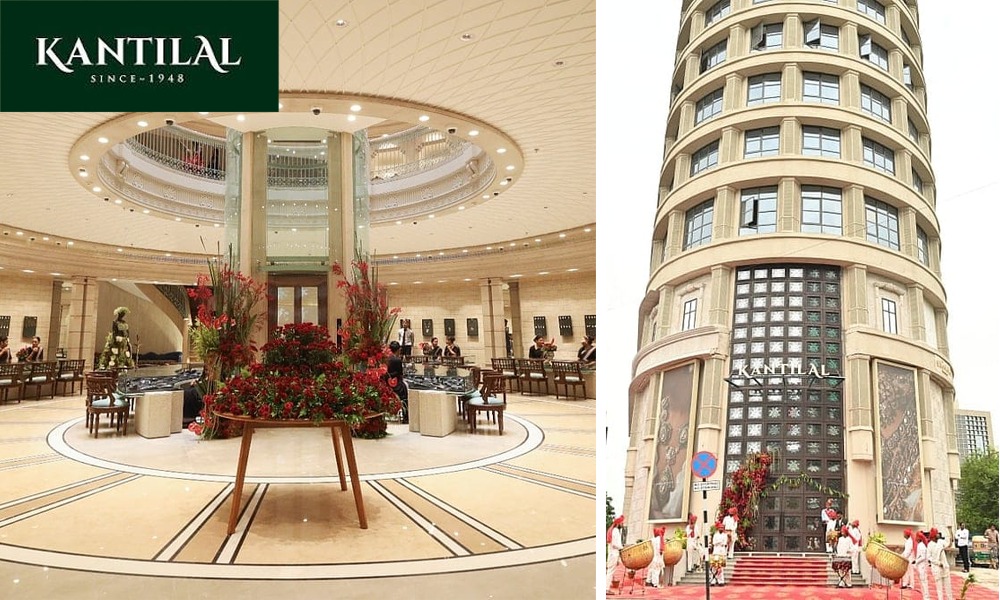
Surat-based Kantilal Jewellers, a legacy brand established in 1948, has expanded beyond its home base with the launch of a 28,000 sq. ft. flagship showroom at Keshavbaug Capital, Vastrapur, Ahmedabad.
Marking its first expansion outside Surat, the massive three-story space is the brand’s largest retail destination to date.
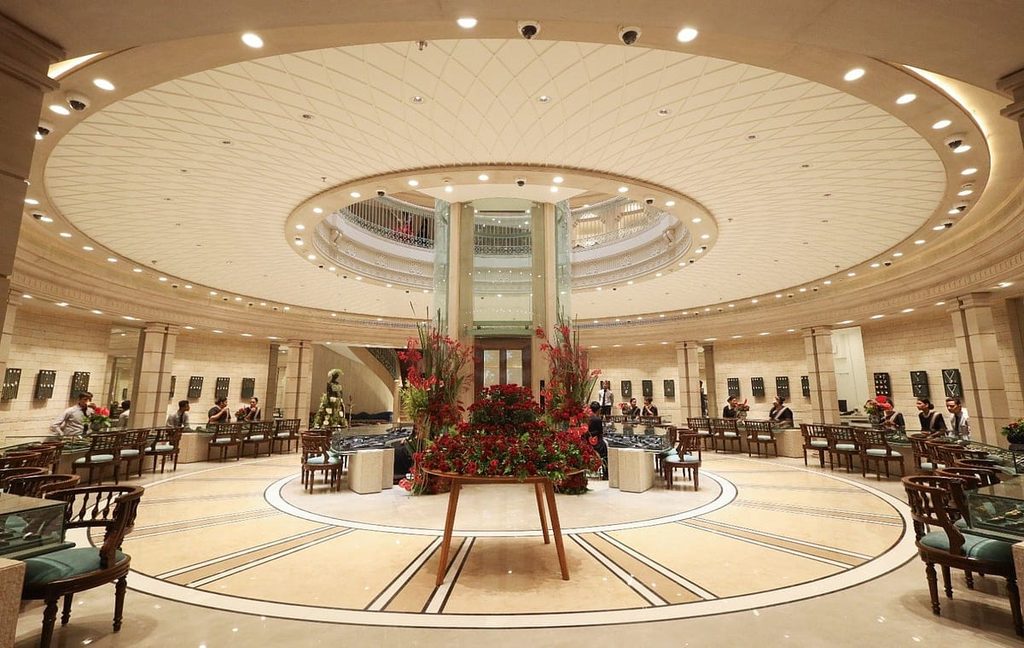
Palatial Architectural Concept: The store design takes inspiration from Jodhpur Palace, featuring Jharokha-style screens, marble passageways, domed skylights, chandelier lounges, and a central atrium linking all three levels.
Experiential Studio Retail: Departing from traditional counters, the showroom offers private studio spaces, VIP viewing areas, and dedicated experience centers.
Ambient Luxury: The shopping experience is elevated by live sitar and guitar performances alongside personalized consultation lounges.
Product Offering: The flagship showcases the brand’s signature gold, diamond, and bridal collections tailored for the Ahmedabad market.
Led by Director Jinay Choksi, this flagship rollout is a strategic move to establish a distinct, experiential luxury footprint across major Gujarat markets while preserving the heritage of the Kantilal brand.


-

 Special Reports1 day ago
Growth of the 925 Sterling Silver Gifting Segment
-

 ShowBuzz1 day ago
TRENDS @ SSI DELHI 3RD EDITION
-

 JB Insights2 days ago
Devotion, Heritage & Diversification: The defining trends of SSI Delhi’s 3rd Edition
-

 JB Insights2 days ago
Gold-plated silver jewellery is seeing explosive growth
