

By Invitation
Natural diamonds have to rediscover their relevance to a jaded consumer that wants to separate themselves from the past
By Edahn Golan

Martyn Charles Marriott, drawing on 45 years in the diamond industry, in a blog titled Co-Operation between African Diamond Producers on the IDMA website, advocates for a new era of co-operation among African diamond producers, seeing the current debate around De Beers’ future as an opportunity. He proposes forming a diamond “OPEC,” reminiscent of the stability once maintained by the Oppenheimers’ Central Selling Organization (CSO). The CSO, through a stockpile, quota system, and vast generic advertising historically benefited the entire industry. Marriott believes a collective entity involving nations like Botswana and Angola would be more stable and bankable than a single-country approach.
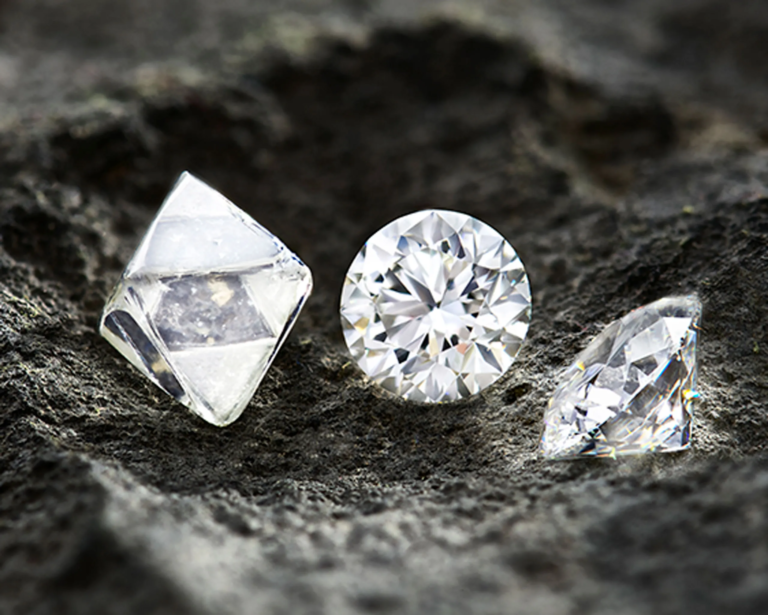
JewelBuzz spoke to noted diamond industry analyst Edahn Golanon his take on Marriott’s view and how practical and feasible this “ nostalgic yearning” was. This is what Edahn Golan has to say:
I don’t think that resurrecting a monopoly is possible, much less legal. I understand the nostalgic yearning for the ‘good old days,’ but that is not where the solution will be found. On the contrary, the industry at large – and De Beers in particular – needs to evolve and adapt. They both need to reinvent themselves.
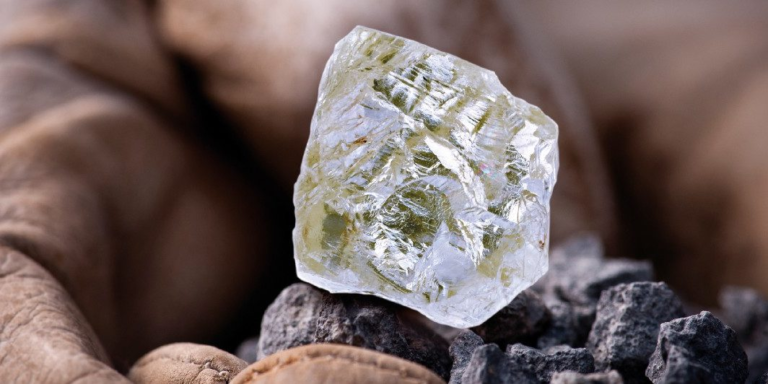
Natural diamonds have to rediscover their relevance to a jaded consumer that wants to separate themselves from the past, a consumer market that wants luxury that doesn’t shout bling. Most importantly, diamonds should stand for values that are relevant to today’s cultural norms.
That is where diamonds will find their future, not by reimposing tight control on the pipeline.
I also read Chaim Even-Zohar’s column. I worked with him for many years and hold deep respect for both him and his approach to the industry.
That said, I believe Botswana does not need to go all in on owning De Beers.The country already receives more than 75% of the diamond revenue generated locally, along with a portion of the revenue De Beers earns from its operations in Namibia, Canada, and South Africa. Expanding that share or seeking a larger cut from other countries would only deepen Botswana’s dependency on diamonds.
Instead, Botswana should diversify its income sources and invest more internally, a process it should have initiated more than a decade ago.
For example, if it channels investment into its international airport and succeeds in expanding tourism, the country would generate greater income, reduce its reliance on luxury sales, improve foreign currency inflows, and, in the process, expose more of the world to its diamonds.





By Invitation
A fun, practical New Year note for jewellery business owners
Wishing You a Healthier, Happier & Wiser 2026 – By Shivaram A
A new year arrives with a new set of—what else—New Year resolutions. And 2026 is no different.
Resolution makers, beware. Research says nearly 80% of New Year resolutions collapse by mid-February. There’s even a name for it: the second Friday of January is officially called Quitters’ Day.
So, here’s the uncomfortable question: Do you want 2026 to be any different, or should we just block your calendar till Quitters’ Day?
If your answer is a serious yes, then it boils down to two things:
- What exactly do you want?
- How badly do you want it?
Because let’s be honest intentions are cheap. Discipline is expensive.
If you’re still reading, congratulations. You haven’t quit yet.
Most business resolutions sound familiar: higher sales, higher profits (or much higher profits), more stores, more customers. And yes—higher gold and silver prices too. On that one, we have very little control… though prayers are always welcome!
But for 2026, let’s look beyond only business numbers and focus on three areas that quietly decide your long-term success.
1. A Healthier You in 2026
A typical day before 2025 (you may recognise this): Late wake-up. Late breakfast. Reaching the store by 11 am—or noon on a “busy” day. Vendor meetings. Lunch at 3 pm. Evening snacks at 6 pm. Endless cups of chai. Store closes at 9 pm. Dinner at 10:30 pm. Netflix or phone scrolling. Sleep well past midnight.
Not everything applies—but enough of it does to make you uncomfortable.
The result? Low energy, rising health reports, and a body that protests quietly… until it doesn’t.
Resolution for a Healthier 2026
Start with a complete health check-up. Think of it as your personal P&L statement—it shows your condition on one specific day.
Identify what I like to call “golden furniture” in the body—parts that have stopped moving but still occupy space.
Then act:
- Better food (not fancy diets)
- Regular movement (not heroic gym resolutions)
- Better sleep (yes, even for business owners)
Warning: Change will be uncomfortable. But so is ignoring the problem.
Set SMART health goals—Specific, Measurable, Achievable, Realistic, Time-bound.
2. A Happier You in 2026
Let’s admit it—becoming happier has rarely featured on a jeweller’s resolution list.

Resolution for a Happier 2026
Make happiness intentional, not accidental.
Start with something simple: one family dinner or friends’ meal every week.
According to the World Happiness Report (based on over 1,50,000 people), those who regularly eat with others report:
- Higher life satisfaction
- More positive emotions
- Fewer negative emotions
One strict rule: phones stay away. If the phone joins the table, happiness leaves early.
3. A Wiser You in 2026
You’ve built a successful business. The numbers prove it. Experience, instinct, and industry knowledge have served you well.
But the world is shifting—fast.
AI. Agentic AI. AI Agents. (And yes, everyone is still figuring out the difference.)

People deep in this space believe AI may have a bigger impact than the internet itself.
The real question is not whether AI will affect jewellery retail—but whether you’ll learn early or catch up late.
For traditional business owners, the willingness to learn and apply new tools is the new unfair advantage.
A Simple 2026 Resolution Action Plan
| Action Area | Example | Final Status – 31.12.2026 |
| Healthier | 30 minutes movement daily | Achieved / Not Achieved |
| Happier | Weekly family dinner | Achieved / Not Achieved |
| Wiser | One AI implementation | Achieved / Not Achieved |
No overthinking. No complex dashboards. Just honest tracking.
Ready to make 2026 different?
If you want help converting good intentions into clear action plans—for health, happiness, or business wisdom—I’m happy to help you think it through.
Let’s ensure you’re still on track after Quitters’ Day.
Here’s wishing you a Healthier, Happier & Wiser 2026.
Call or WhatsApp on 90360 36524
Email: RetailGurukul.com
Jb Exclusive : Digital View



Indriya, Aditya Birla Jewellery, crosses 50 Stores Nationwide

Candere expands Karnataka presence with Kengeri store opening

Priority Jewels Raises ₹15.67 Crore in Pre-IPO Placement; Invictus Continuum Fund I Leads Investment
-

 International News4 days ago
Oroarezzo 2026, with Italian Exhibition Group, Manufacturing Explores New Markets
-

 National News4 days ago
IIBS-11: Navigating the ‘New Gold Rush’ in a fragmenting global economy
-
 International News4 days ago
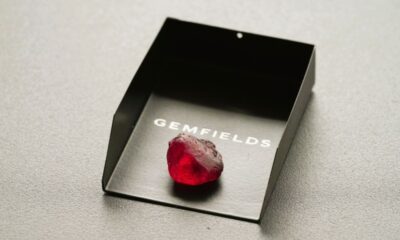
Gemfields nets $53m in Bangkok ruby auction
-

 New Premises4 days ago
Limelight Diamonds Unveils Exclusive Visakhapatnam Store in the Presence of Union Minister of Civil Aviation Shri Kinjarapu Ram Mohan Naidu
