
DiamondBuzz
Lost Florentine Diamond Resurfaces in Canada After a Century, Tracing Its Glittering Origins to India’s Golconda Mines
Once a royal treasure of the Medici and Habsburg dynasties, the 137.27-carat gemstone reemerges in a Montreal vault, reaffirming India’s Golconda as the cradle of the world’s most storied diamonds.

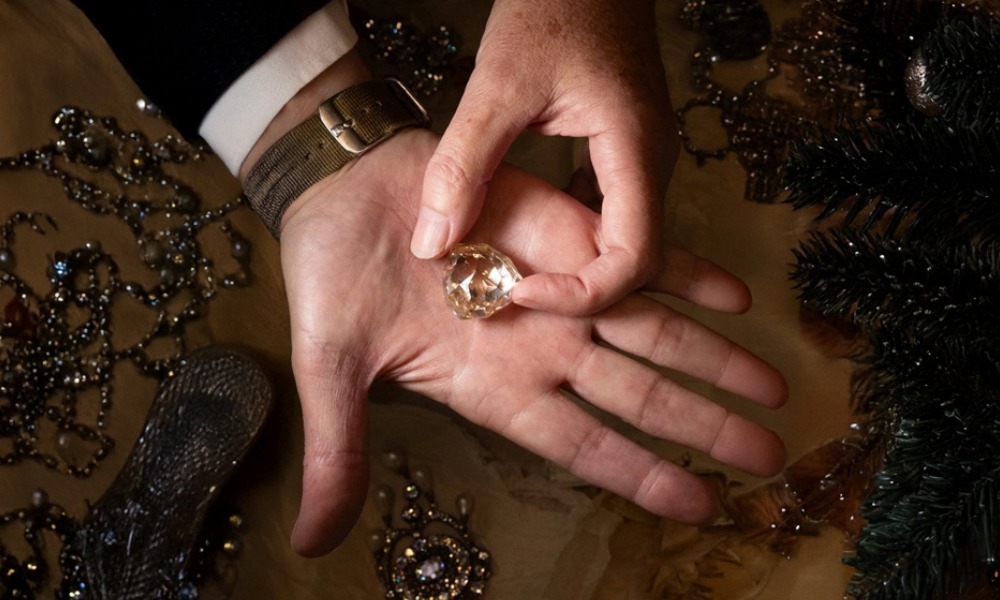
The legendary Florentine Diamond — a 137.27-carat light yellow gemstone believed to have originated from India’s famed Golconda mines — has been rediscovered in a Canadian bank vault, ending over a hundred years of intrigue surrounding its disappearance.
According to recent reports, the diamond—once among Europe’s most celebrated royal jewels—was located in a vault in Montreal, safeguarded for decades by descendants of the Austrian imperial Habsburg family. The gemstone vanished after the fall of the Austro-Hungarian Empire in 1918, following Emperor Charles I’s exile, sparking decades of speculation over its fate — whether it was stolen, lost, or secretly sold.
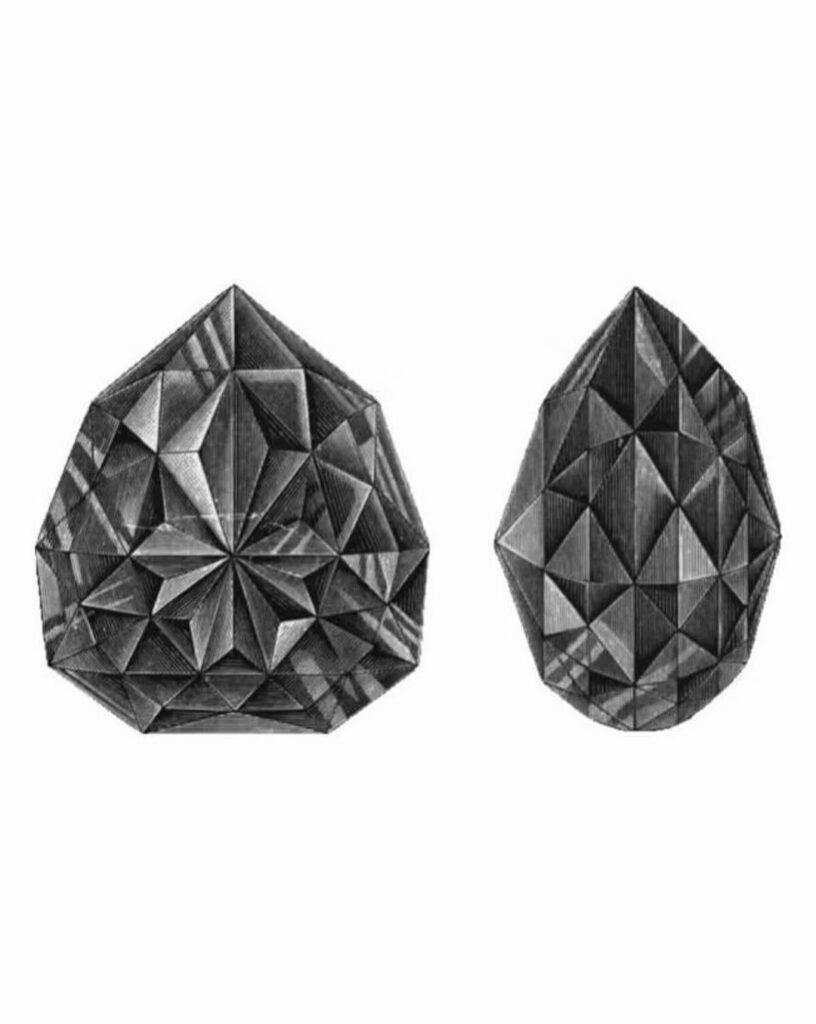
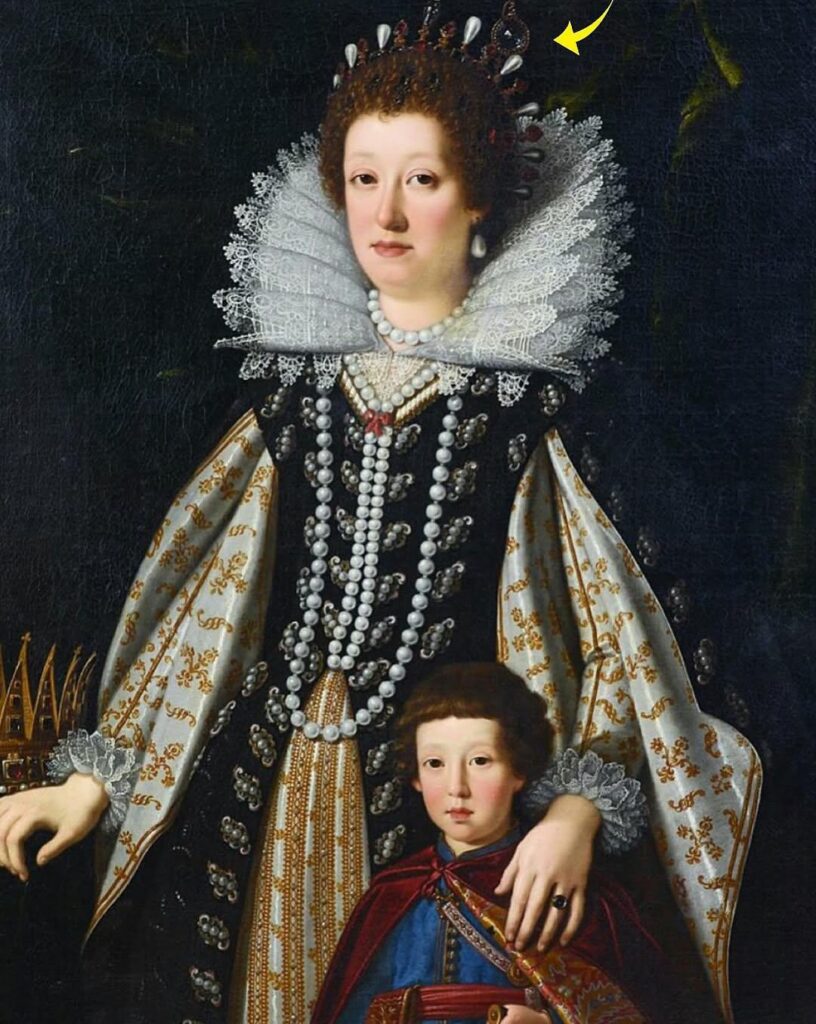
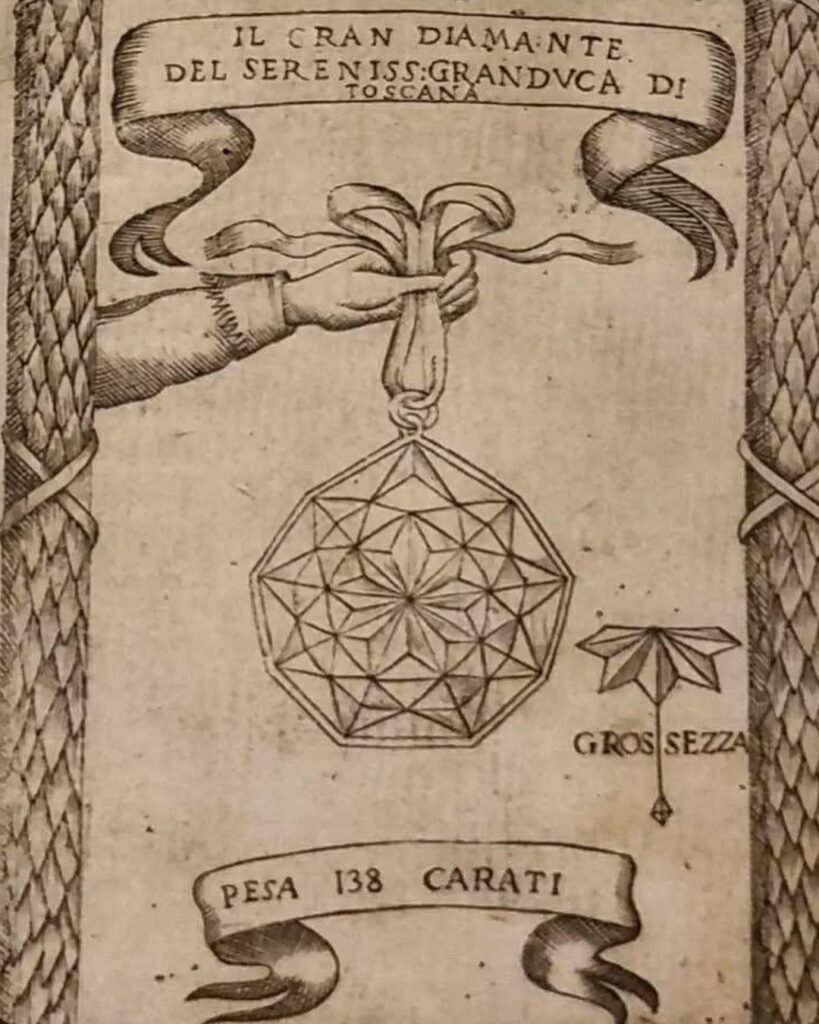
Historians now confirm that Empress Zita, widow of Charles I, discreetly transferred the diamond to Canada during World War II for safekeeping. Its authenticity was recently verified by a European jewellery house that historically served the Habsburg court, confirming the gem’s provenance and preservation.
Renowned for its pale yellow hue and unique double-rose cut with 126 facets, the Florentine Diamond boasts a storied history — from its origins in India’s Golconda mines, to the Medici treasury in Florence, and later as part of the Austrian Crown Jewels in Vienna.
Its rediscovery has reignited global fascination with India’s gem legacy, which gave birth to other iconic diamonds like the Koh-i-Noor, Hope, and Nassak. Experts say the find underscores the importance of provenance and gem heritage in an increasingly globalised jewellery market.
The Habsburg family has announced plans to publicly exhibit the diamond in Canada next year, with potential displays in Europe to follow.
After more than a century of obscurity, the reemergence of the Florentine Diamond not only restores a lost royal masterpiece but also revives India’s enduring connection to the world’s most illustrious jewels.


DiamondBuzz
Belgian Prime Minister Bart De Wever opens expanded HRD Antwerp laboratory in Mumbai
HRD Antwerp is increasing its research capacity in Mumbai by 30%. The official opening, which takes place as part of a two-day visit by Prime Minister Bart De Wever to India, marks an important next step in the growth of HRD Antwerp in India
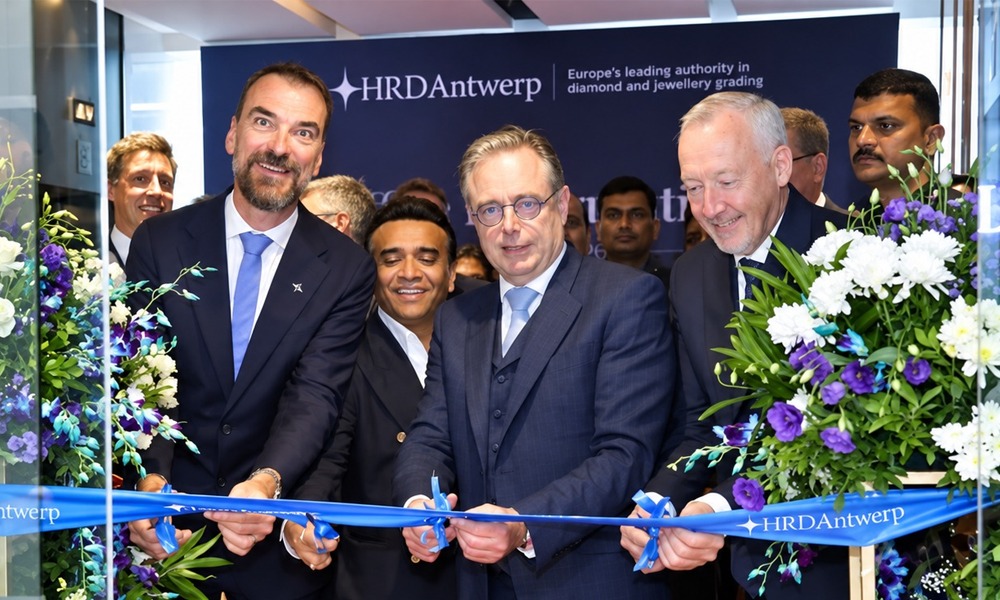
In the presence of Belgian Prime Minister Bart De Wever, HRD Antwerp, Europe’s leading authority in diamond and jewellery grading and a subsidiary of the Antwerp World Diamond Centre (AWDC), officially opened its renovated and significantly expanded laboratory in the Bandra Kurla Complex (BKC) in Mumbai, India. Thanks to the expansion, HRD Antwerp is increasing its research capacity in Mumbai by 30%. The official opening, which takes place as part of a two-day visit by Prime Minister Bart De Wever to India, marks an important next step in the growth of HRD Antwerp in India, one of the world’s leading centres for the trade and cutting of natural diamonds.
For HRD Antwerp, a grading report is not an administrative document but a guarantee of trust, transparency and authenticity. As an independent, neutral party between science, industry and consumer, HRD Antwerp is a worldwide guarantor of objective and reliable diamond and jewellery grading, a principle the organisation has upheld since its founding. HRD Antwerp was established in 1973 and has been active in India since 2012. Today it serves around 1,500 clients there, including jewellery manufacturers and retailers, as well as companies that produce and trade cut diamonds.
The Indian branch now accounts for 59% of HRD Antwerp’s total group revenue and is expected to grow by 15.4% this year, compared with a projected growth of 12.6% for the group as a whole. Jewellery grading is an important growth driver in this respect: as much as 47% of HRD Antwerp’s total revenue increase comes from that segment.
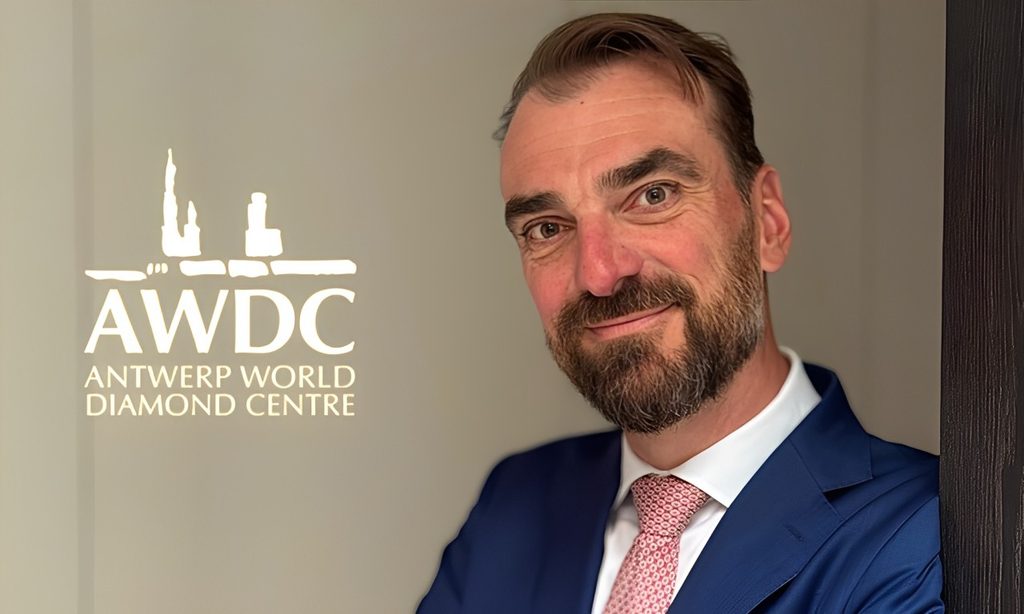
“As the authority in grading reports for natural diamonds and diamond jewellery, and in research into natural diamonds, we are already firmly established in India today”, says Paul De Wachter, CEO of HRD Antwerp. “India remains the world’s most important centre for diamond cutting. For a diamond laboratory such as HRD Antwerp, which provides cut natural diamonds with an independent and objective grading report, it is therefore essential to keep investing in this market.”
Thanks to the expansion, HRD Antwerp in Mumbai can now examine and grade up to 2,000 diamonds per day, a capacity increase of 30%. To support this additional capacity, HRD Antwerp is recruiting 40 additional employees to work full time. The investment underlines HRD Antwerp’s confidence in the Indian market and strengthens the longstanding cooperation between Belgium and India within the international diamond and jewellery sector.
During the opening, Prime Minister Bart De Wever was given a tour of the renovated office. He was shown the diamond grading process and was able to examine a diamond up close himself using a microscope. The demonstration was provided by HRD Antwerp’s Indian experts.
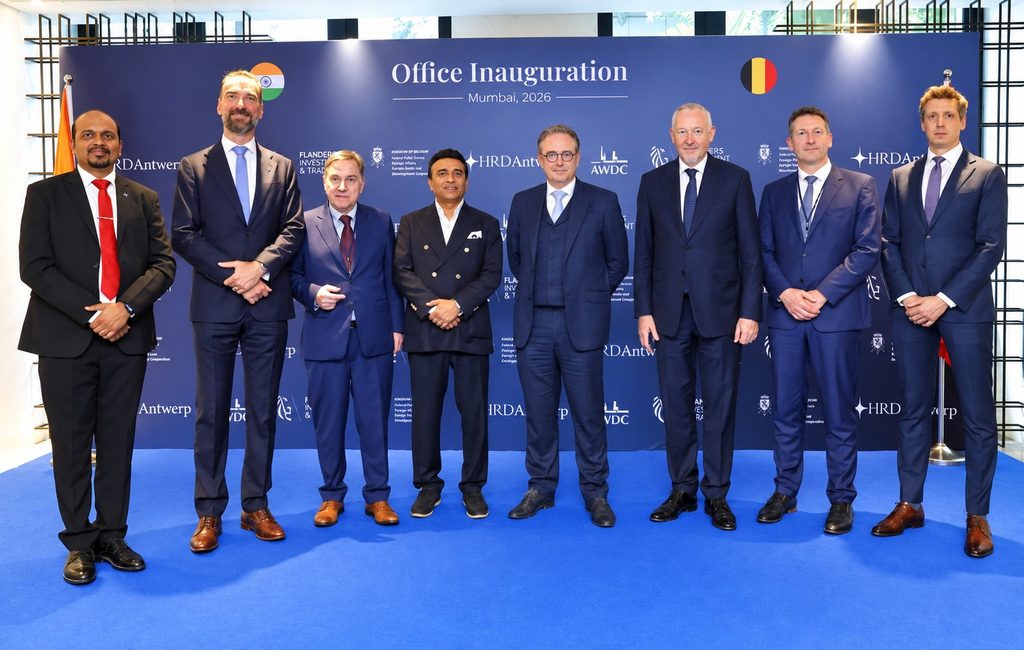
Alongside the Prime Minister, also present were Paul De Wachter, CEO of HRD Antwerp, Ramakant Mitkar, Managing Director of HRD Antwerp India, Chirag Shah, Vice Chairman of AWDC, Didier Vanderhasselt, Belgian Ambassador to India, and Frank Geerkens, Consul General of Belgium in Mumbai.
Paul De Wachter, CEO of HRD Antwerp: “The visit of our Prime Minister underlines the importance of cooperation between Belgium and India within the global diamond sector. India and Antwerp together form two indispensable links in the international diamond chain. With this expansion, we are investing not only in additional capacity, but above all in the future of our cooperation with the Indian diamond and jewellery sector.”
Bart De Wever, Prime Minister of Belgium wrote the following message in HRD Antwerp’s guestbook during his visit: ” Sicut adamas fulget, ita fiducia inter gentes monet. As a diamond shines, so trust endures between nations “



Belgian Prime Minister Bart De Wever opens expanded HRD Antwerp laboratory in Mumbai

Verlas Introduces the ‘Alyssa’ Collection in India, Bringing Modern Luxe Floral-Inspired Design to Lab-Grown Diamond Jewelry Crafted in Fine Gold

Gold rebounds,Silver reclaims Rs 2.33 lakh mark

Limelight Lab Grown Diamonds Inaugurates Showroom In Kalyan, Its 8th Exclusive Store MMR
Verlas Introduces the ‘Alyssa’ Collection in India, Bringing Modern Luxe Floral-Inspired Design to Lab-Grown Diamond Jewelry Crafted in Fine Gold
Belgian Prime Minister Bart De Wever opens expanded HRD Antwerp laboratory in Mumbai
-
 National News2 days ago
Limelight Lab Grown Diamonds Inaugurates Showroom In Kalyan, Its 8th Exclusive Store MMR
-
 BrandBuzz1 day ago
Verlas Introduces the ‘Alyssa’ Collection in India, Bringing Modern Luxe Floral-Inspired Design to Lab-Grown Diamond Jewelry Crafted in Fine Gold
-
 DiamondBuzz1 day ago
Belgian Prime Minister Bart De Wever opens expanded HRD Antwerp laboratory in Mumbai
-
 National News1 day ago
Gold rebounds,Silver reclaims Rs 2.33 lakh mark
