
By Invitation
Limelight Lab Grown Diamonds: Leading India’s Lab Grown Diamond Revolution
By Pooja Sheth Madhavan ,Founder & MD Limelight Lab Grown Diamonds.


The lab grown diamond category in India has moved from niche curiosity to mainstream retail opportunity and Limelight Lab Grown Diamonds sits squarely at the center of that transition. For franchise partners, retailers trade buyers and investors Limelight has become the benchmark for scale, sustainability and consumer trust in the CVD lab-grown space.
From awareness to scale: leadership that matters
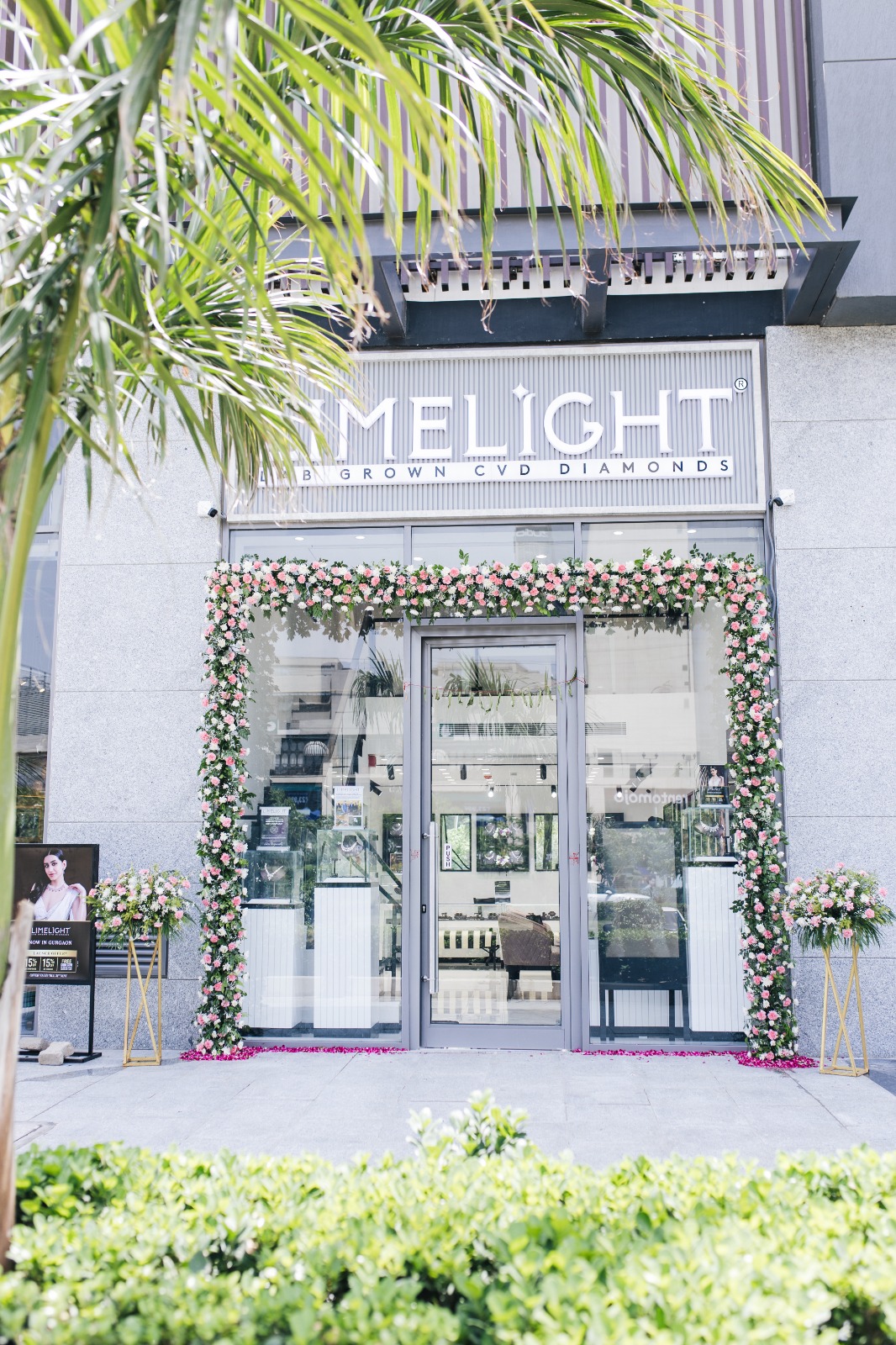
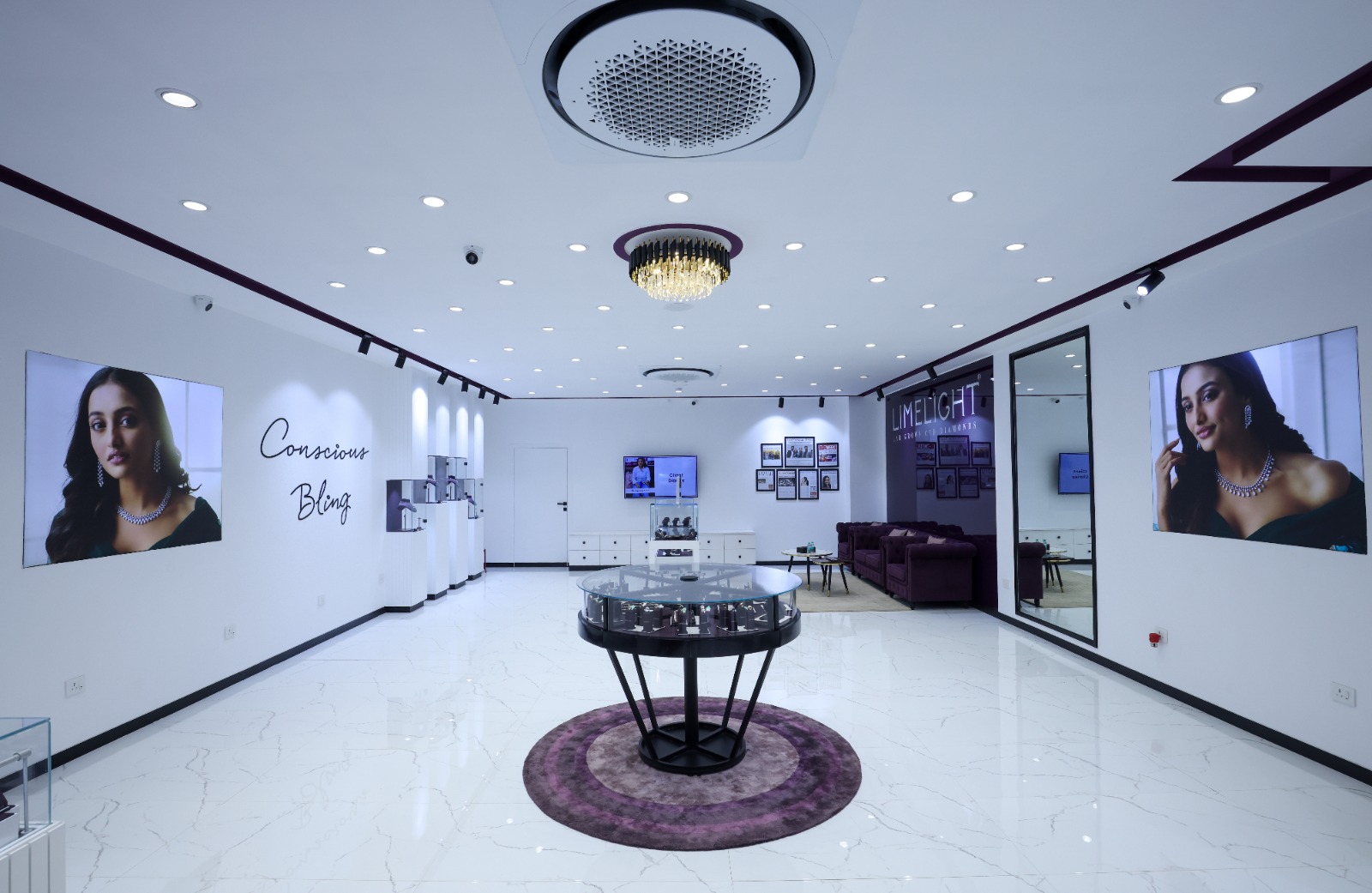
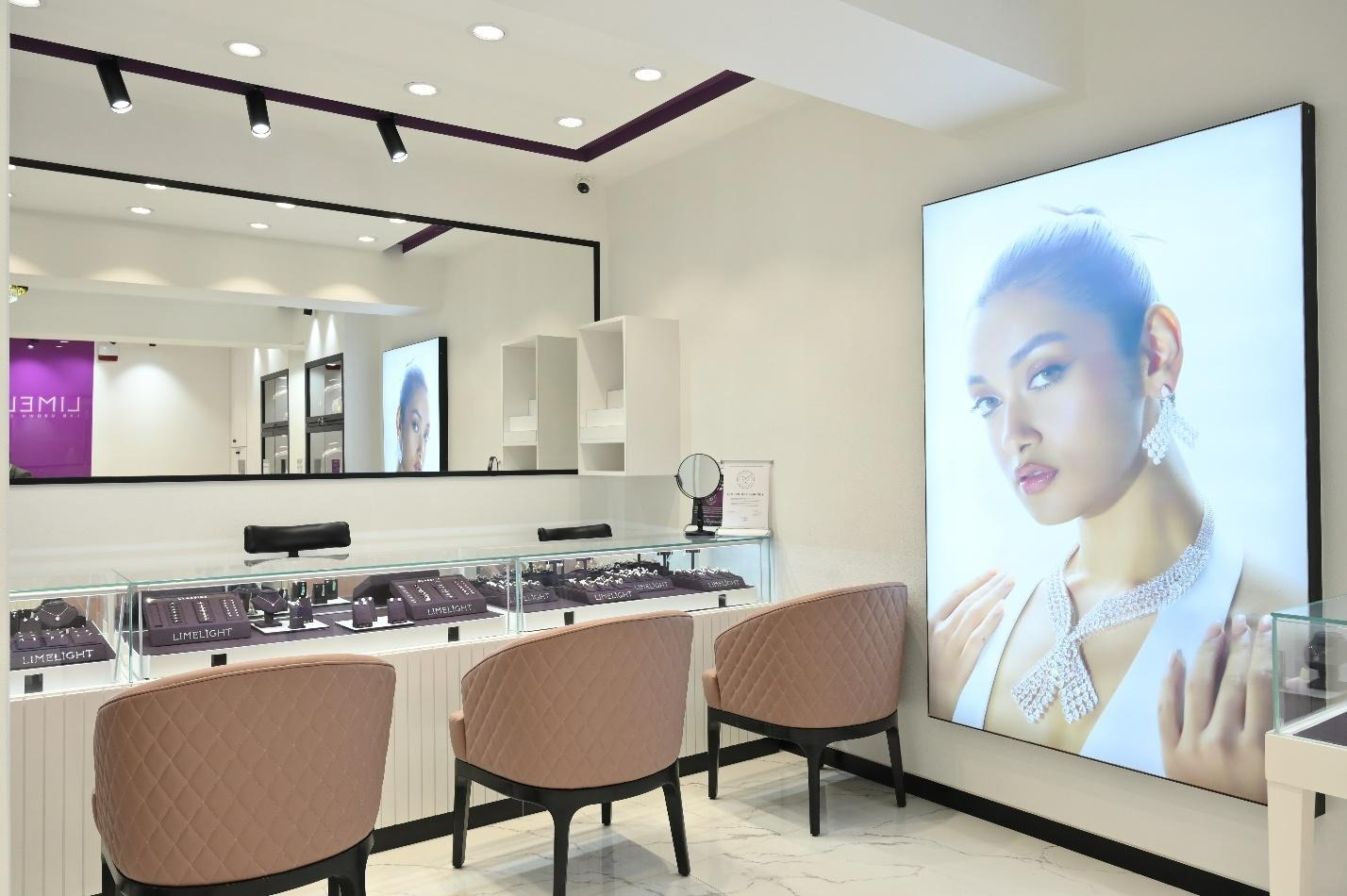
Limelight’s trajectory exemplifies how a focused strategy education, consistent branding and retail expansion can turn an emerging category into commercially viable retail real estate. The brand presents itself as India’s largest dedicated CVD lab grown diamond jewellery player, with a national retail footprint that now 50 plus exclusive stores and 45 plus shop-in-shops across the country. That physical presence gives trade partners immediate distribution reach and local market credibility.
For franchisees and retail partners this scale is important beyond headline counts. A national store network supports centralized design, inventory pooling, marketing scale, and predictable consumer flows factors that materially reduce the operating risk for a new store opening. Limelight’s ongoing store rollouts and the public announcements about new EBOs demonstrate pipeline momentum, which is reassuring to investors and property partners assessing lease economics and payback timelines.
Sustainability as a trade differentiator
Sustainability is no longer a CSR talking point it’s a category axis that changes purchase choice among younger and environmentally conscious shoppers. Limelight’s focus on CVD-grown diamonds (produced via Chemical Vapor Deposition) positions the brand on both environmental and ethical grounds. The brand has also won third-party recognition for its ESG credentials, an important signal for corporate buyers, multi-brand retailers and institutional partners evaluating brand risk and alignment with evolving consumer values. For retailers, stocking a brand with verified sustainability claims can elevate the entire jewellery assortment and create cross-sell opportunities with conscious consumers.
Product assurance and consumer confidence
One of the most frequent trade objections to LGDs is buyer apprehension around quality, certification and resale value. Limelight addresses those commercial pain points head-on with a combination of certifications by IGI and SGL, buyback/exchange policies and after-sales services concrete assurances that reduce the friction in both retail and wholesale channels. For jewellery buyers and franchise investors, these policies shorten the sales cycle and simplify the post-purchase lifecycle management that often burdens independent jewellers.
The franchise model: structured scalability for partners
Limelight’s franchise proposition is purpose-built for rapid market coverage. Trade listings and franchise portals indicate an investment band and an operating model designed to deliver strong unit economics in Indian retail contexts. For potential franchisees the headline numbers are a useful starting point for property and distribution partners, the clarity of a packaged franchise model means faster negotiation cycles and predictable unit openings. Franchise investors also benefit from the brand’s central services merchandising, marketing playbooks, and product training which reduce time-to-revenue and lower the management overhead for first-time retail entrepreneurs.

Relevance to today’s consumer
Indian consumers today are younger, digital-first, and value-conscious. They want premium aesthetics without the legacy costs financial, environmental or ethical associated with mined stones. Limelight’s proposition design-led jewellery, lower price points versus mined equivalents, and sustainability credentials resonates strongly with the urban millennial and Gen Z cohorts who are increasingly making jewellery purchases for self-expression, gifting and non-traditional bridal choices.
For trade partners this consumer alignment drives three practical B2B advantages:
- Higher conversion in store and online — shoppers who arrive with positive LGD awareness convert faster when presented with trusted certifications and a clear value proposition.
- Range and assortments that expand average ticket — contemporary designs that speak to office, party and bridal occasions enable upsell across price bands.
- Marketing lift through shared narratives — sustainability stories and “Let’s Get Real” messaging are content-rich themes that franchisees and retailers can localize, reducing marketing spend per outlet while increasing share of voice.
A pragmatic partner for a category in motion
Limelight Lab Grown Diamonds represents a mature, brand-led entry point into India’s lab grown diamond category. For B2B stakeholders franchise investors, multi-brand retailers, wholesale buyers and real estate partners Limelight offers a compelling combination of scale, sustainability credentials, product assurance and a structured franchise playbook. In a market where consumers increasingly equate provenance and impact with purchase worthiness, Limelight’s model reduces risk and accelerates time-to-value for trade partners willing to align with the LGD movement. For those evaluating where to place their next retail or supply-chain bet, Limelight is a pragmatic, growth-oriented choice that reflects both the commercial and cultural shifts reshaping jewellery consumption in India.




By Shivaram A
The Core Issue
The owner carries the entire risk of the business — investment, gold stock, working capital, loans, everything is in their name. The long-term asset also belongs to the owner — reputation, brand, the customer base built over years, often meant to pass to the next generation. But the moment that matters most — when the customer is standing at the counter, when trust is being built or broken — that moment is entirely controlled by the staff.
The person with the most risk is not present at the decisive moment. And the person with the least to lose holds the most power in that moment. This structural mismatch creates frustration on both sides — and it’s rarely discussed openly.
Making the Conflict Explicit
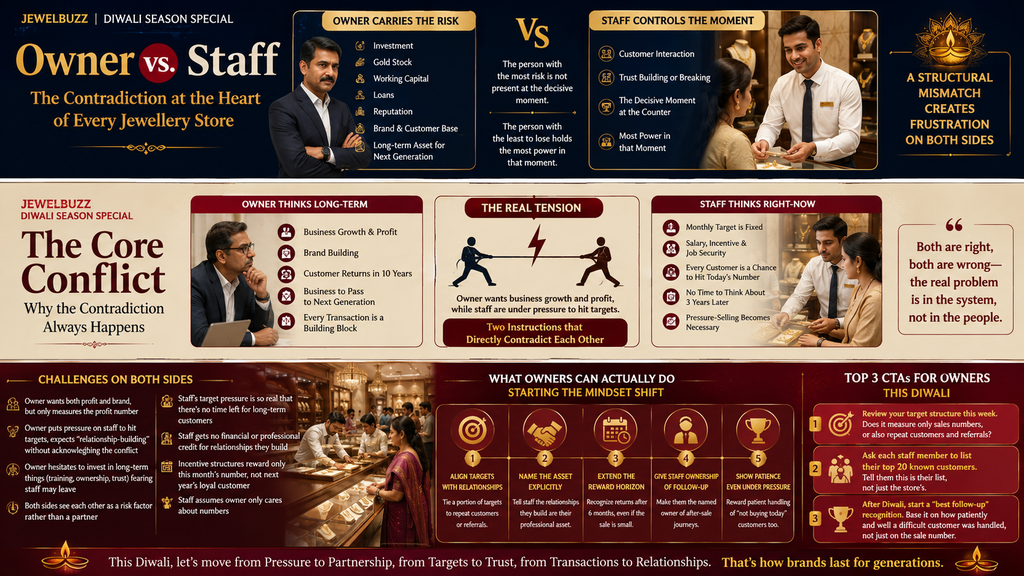
The real tension is this: the owner wants business growth and profit, while staff are under pressure to hit targets.
The owner thinks long-term — how does the brand grow, how does a customer come back after ten years, how does the business pass to the next generation. For the owner, every transaction is a building block toward something bigger.
The staff’s reality is completely different. Their monthly target is fixed. Their salary, incentive, and sometimes even job security depend on how much they sold this month, this Diwali. For staff, every customer is a chance to hit today’s number — right now, this moment. They cannot afford to think about whether this customer comes back in three years, because their performance is reviewed at month-end, not three years later.

So when the owner says “build the relationship, be patient,” and in the same breath increases the target by 20%, these two instructions directly contradict each other. Staff are not confused about what they should ideally do — they understand it perfectly. But they don’t have the choice. The target has to be met, so pressure-selling becomes necessary — even if it means pushing a customer slightly, or using lines like “buy today, rate will go up tomorrow” that create small cracks in trust.
These cracks don’t show up immediately. But after Diwali, when that customer doesn’t return a second time, the owner assumes it’s the staff’s fault. The staff believes the owner set an unrealistic target. Both are right, and both are wrong — because the real problem is in the system, not in the people.
The Challenges on Both Sides
- Owner wants both profit and brand, but only measures the profit number
- Owner puts pressure on staff to hit targets, then also expects “relationship-building” — without acknowledging the two often can’t coexist
- Owner hesitates to invest in long-term things (training, ownership, trust) due to fear that staff will leave anyway
- Staff’s target pressure is so real that there’s no time left to think about the long-term customer
- Staff gets no financial or professional credit for the relationships they build
- Incentive structures reward only this month’s number, not next year’s loyal customer
- Both sides see each other as a risk factor rather than a partner — the owner assumes staff will eventually leave, staff assumes the owner only cares about numbers
What Owners Can Actually Do — Starting the Mindset Shift
- Stop treating targets and relationships as separate — align them. Don’t set targets purely on sales numbers. Tie a small portion of the target to repeat customers or referrals, so staff know that long-term customers count too.
- Name the asset explicitly. Tell staff directly: the relationship you’re building with a customer is your professional asset, not just the store’s. This has to be shown in practice, not just said out loud.
- Extend the reward horizon. Don’t reward only Diwali-week sales — when a customer returns six months later and asks for that staff member by name, recognize that, even if the sale itself is small.
- Give staff ownership of the follow-up. Make each staff member the named owner of their customers’ after-sale journey — repairs, exchanges, the next occasion. This helps them feel the relationship is theirs, not just a transaction.
- Show patience even under pressure. If Diwali week only rewards closed sales, staff will only chase closing. If a staff member who handles a “not buying today” customer well is also appreciated, that’s when the mindset actually starts to shift — because staff notices what the owner actually rewards, not just what they say.
Top 3 CTAs for owners this Diwali
- Review your target structure this week. Does it only measure sales numbers, or does it also give weight to repeat customers and referrals? If not, try a small adjustment starting this Diwali.
- Ask each staff member to list their top 20 known customers. Tell them this is their list, not just the store’s. This builds a sense of ownership.
- After Diwali, start a “best follow-up” recognition. Base it not on the sale number, but on how patiently and well a difficult customer was handled. Staff need to see that patience is rewarded too, not just closing.
Shivaram A
Retail Gurukul



Belgian Consul General H. E. Mr. Pierre Stverlynck Graces BDB Annual Day

Limelight Lab Grown Diamonds Crosses 100 Stores Milestone This Dussehra: Targets 200 In 2027

Joyalukkas Opens Its 2nd Bengaluru Showroom in Jayanagar

US Holiday Shopping Expected To Top $1 Trillion For The First Time: NRF
Belgian Consul General H. E. Mr. Pierre Stverlynck Graces BDB Annual Day
Limelight Lab Grown Diamonds Crosses 100 Stores Milestone This Dussehra: Targets 200 In 2027
-
 International News18 hours ago
US Holiday Shopping Expected To Top $1 Trillion For The First Time: NRF
-
 National News12 hours ago
Belgian Consul General H. E. Mr. Pierre Stverlynck Graces BDB Annual Day
-
 National News12 hours ago
Limelight Lab Grown Diamonds Crosses 100 Stores Milestone This Dussehra: Targets 200 In 2027
-
 New Premises13 hours ago
Joyalukkas Opens Its 2nd Bengaluru Showroom in Jayanagar
