
JB Insights
Layered Gold, Done Right: How Modern Brides Are Redefining Wedding Jewellery
– By Aditya Modak, CFO & COO of P. N. Gadgil & Sons

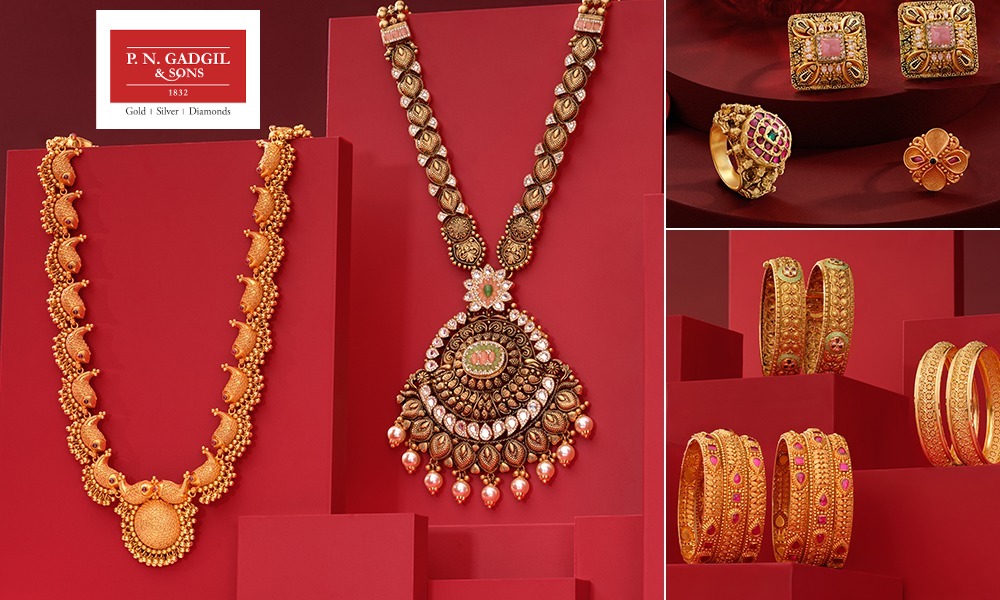
For decades, bridal gold in India followed a familiar formula. More was more. Heavier meant better. Jewellery was stacked to signal prosperity, lineage and permanence. Today, philosophy has evolved. The new bridal look isn’t about too much; it’s about how things go together.
The Shift from Volume to Vision
By using different textures and balanced proportions, gold chain layering is being reimagined. This adds depth without making the look too busy. If you go to a modern wedding, you’ll see a pattern. There is a statement piece that holds the look together, and it is frequently complicated and looks like something that has been passed down through generations. A mid-weight, thick chain gives structure and depth. There is also a simpler, finer thread that makes the whole thing softer and more flexible. Each element serves a purpose. Together, they create harmony.
This layered approach reflects a broader shift in how jewellery is being styled and purchased. Brides today are not selecting pieces only for a single ceremony. They are curating collections that can be reworked, restyled, and worn beyond the wedding day. A heavy necklace may be paired with a silk sari for the main ritual, while the simpler chain transitions seamlessly into festive or even formal wear later. The hefty item connects traditional and modern styles.
Intentional Layering as a Design Language
What is striking is the intentionality behind these choices. Layering is no longer accidental stacking. It is a thoughtful design. Proportions are carefully considered so that one piece does not overpower another. Textures are mixed deliberately, smooth with intricate, flat with rounded, antique finishes alongside polished gold. Even lengths are set up to add depth without making things look messy.
This evolution mirrors the modern Indian wedding itself. Ceremonies have become more curated, more personalised and more design-conscious. Bridal wardrobes are styled in chapters, from haldi to reception and jewellery follows suit. The layered look offers flexibility across functions while maintaining continuity. It also allows families to display heirloom objects in a modern setting, which retains the look of the past while still looking like the present.
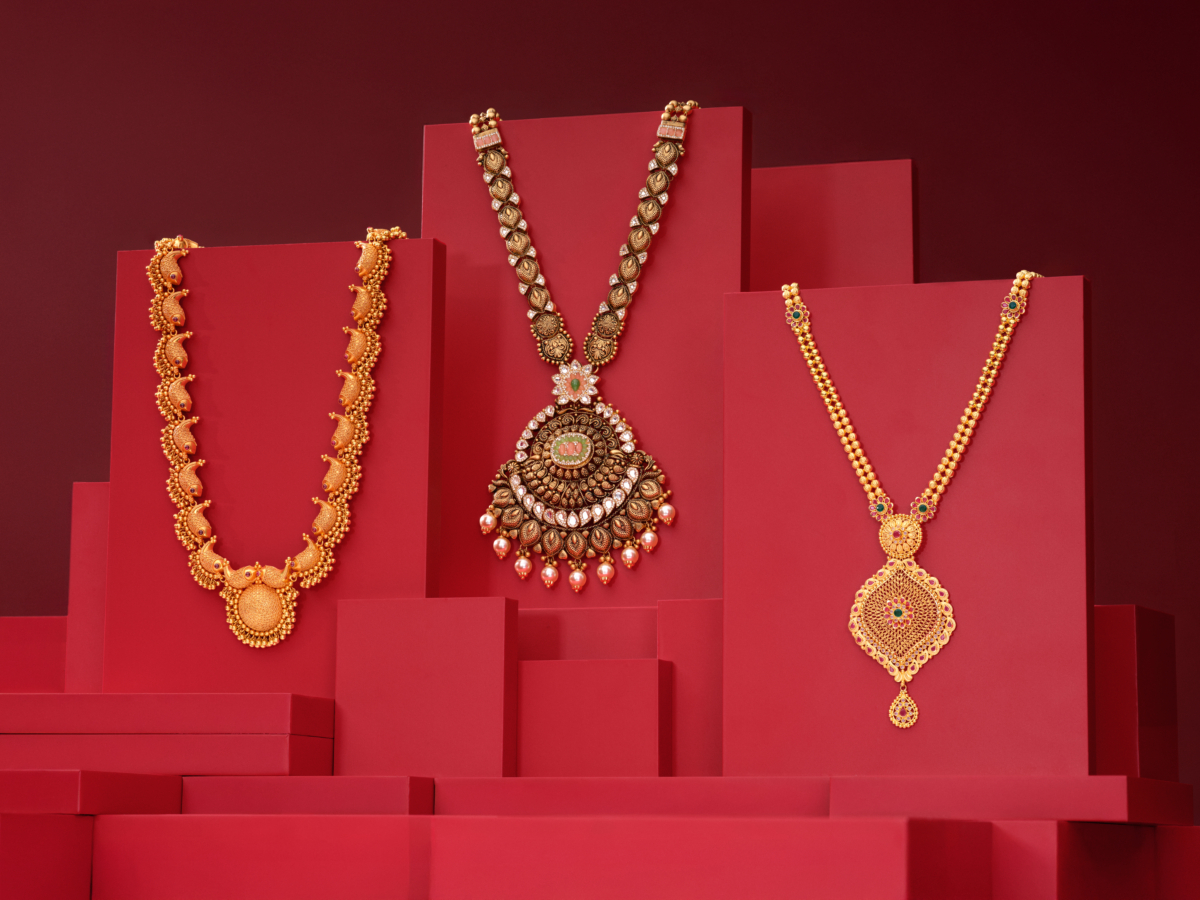
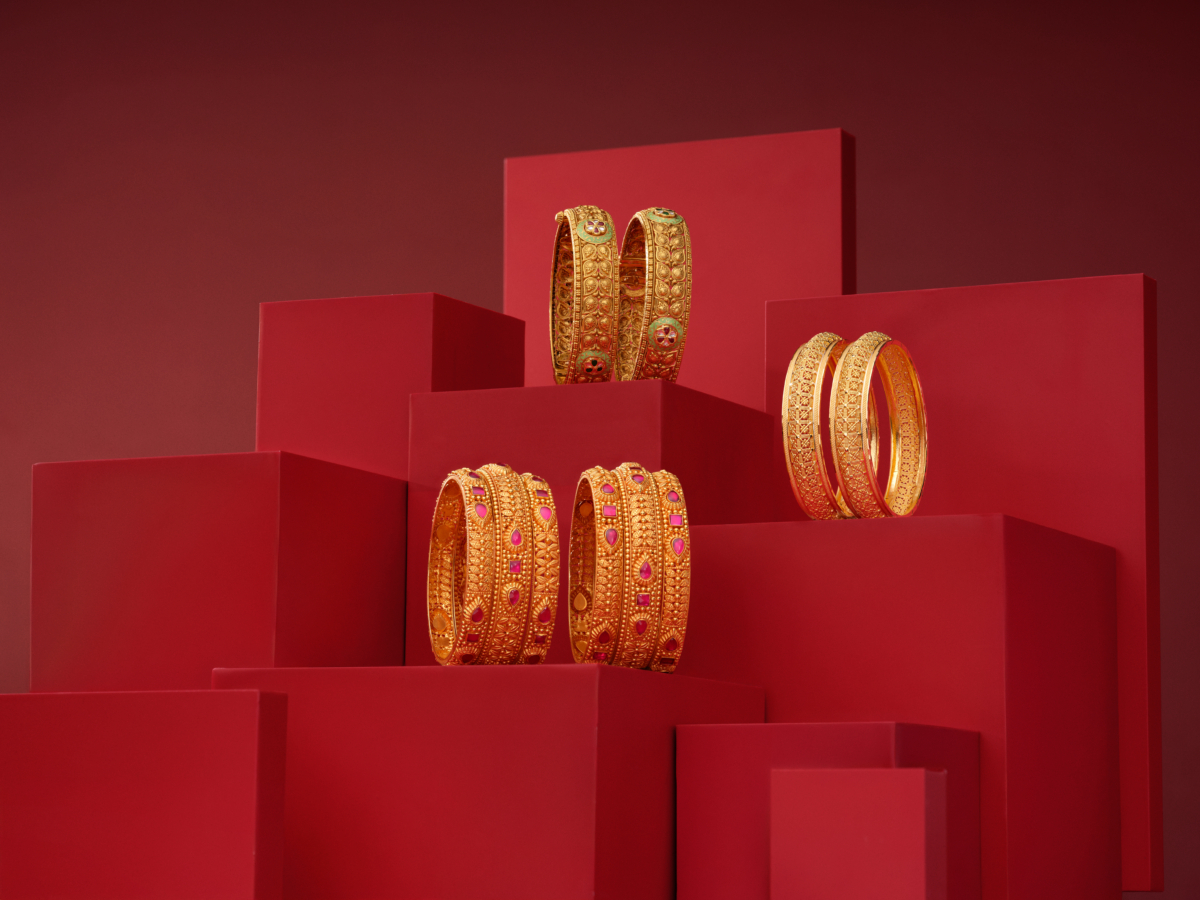
It’s interesting that this change in style has also changed how people buy things. Families are spreading their funds across several complimentary pieces instead of just one main necklace. The value stays the same, but the way it is said varies. Gold is still central, still symbolic, still enduring. The difference lies in how it is assembled.
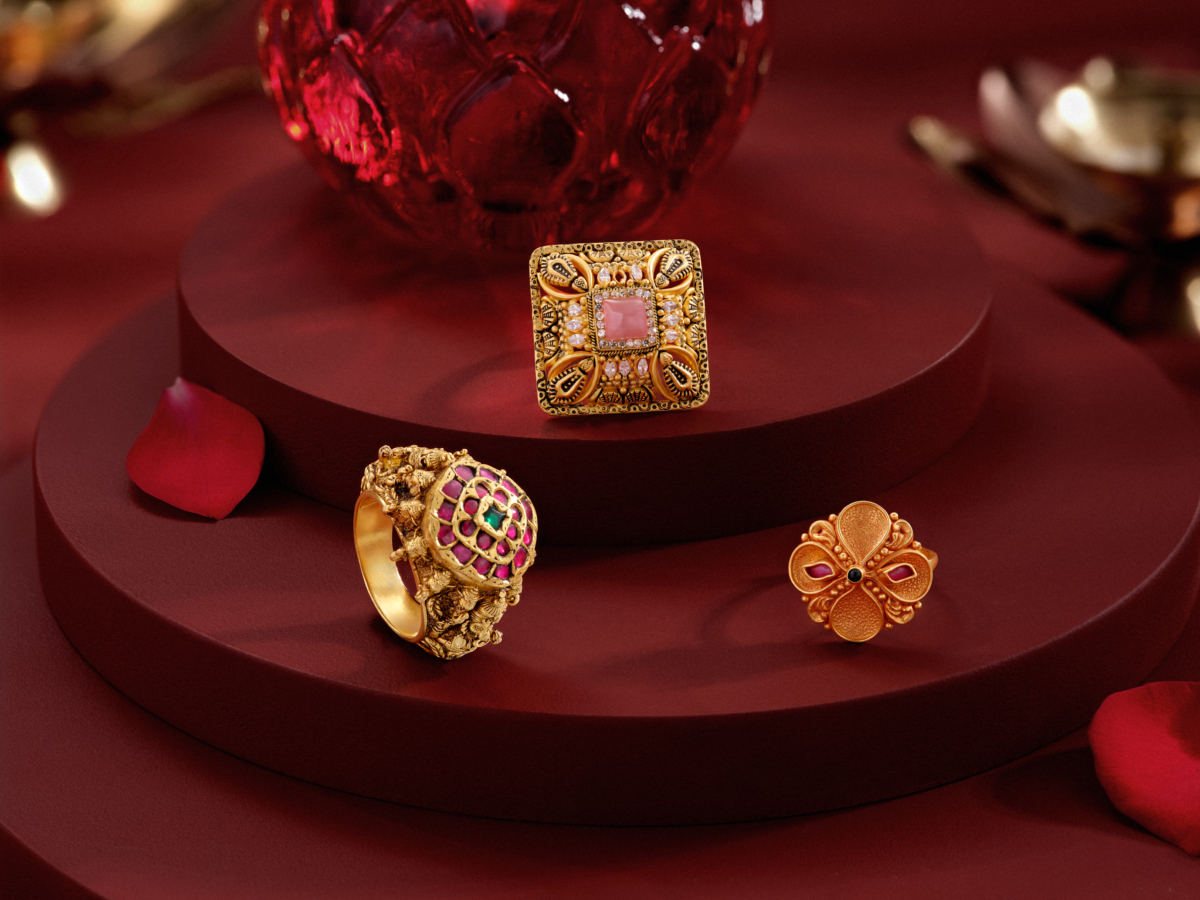
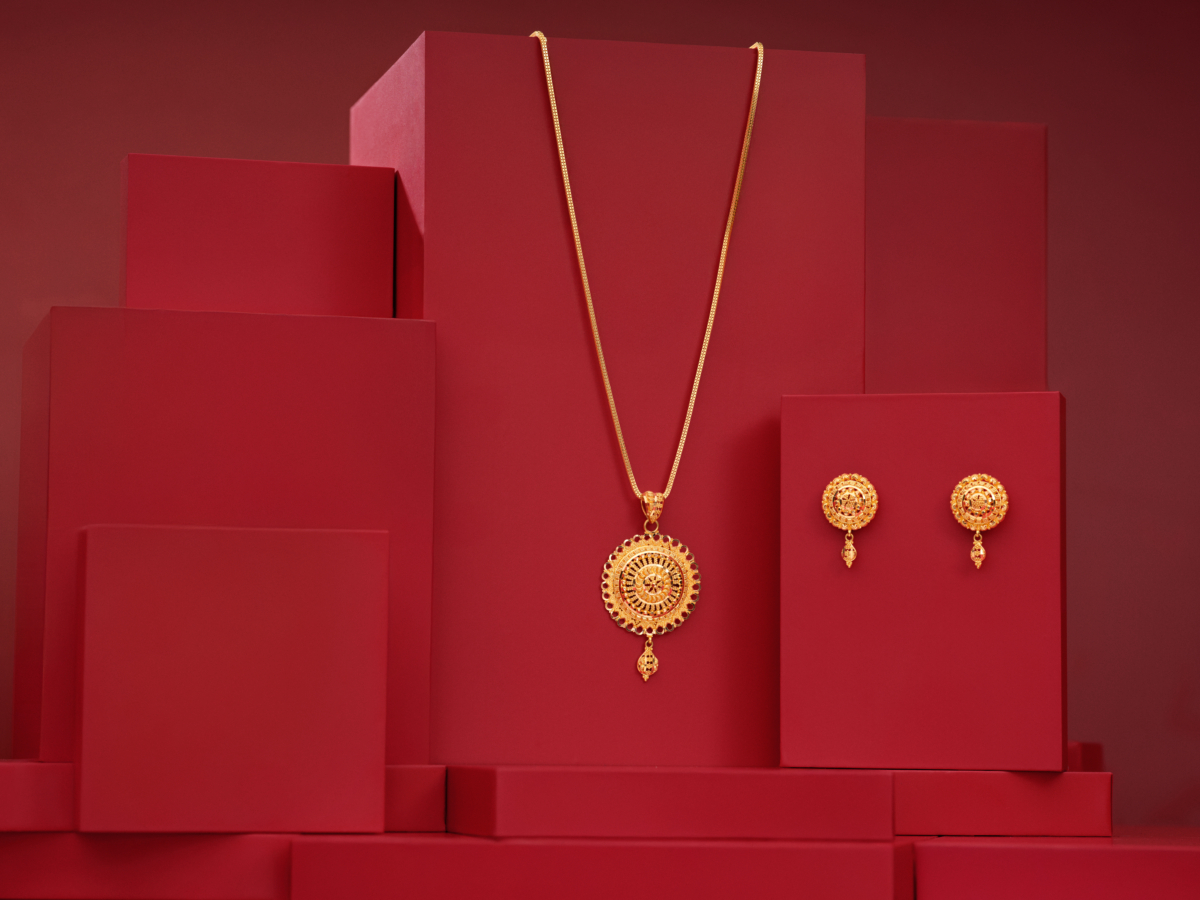
Layering, when done right, tells a story. The statement piece speaks of tradition. The chunky chain signals confidence. The simple strand introduces restraint. They make up a whole story that seems both fresh and familiar.
This is how weddings are going in many ways right now. Big events mixed with small, personal touches. Heritage mixed with her own style.
Source:Reva by P. N. Gadgil & Sons


JB Insights
Devotion, Heritage & Diversification: The defining trends of SSI Delhi’s 3rd Edition
From sacred artistry to lifestyle-driven expansion, how top exhibitors bridged timeless tradition with modern market demand.
Spirituality as a design anchor
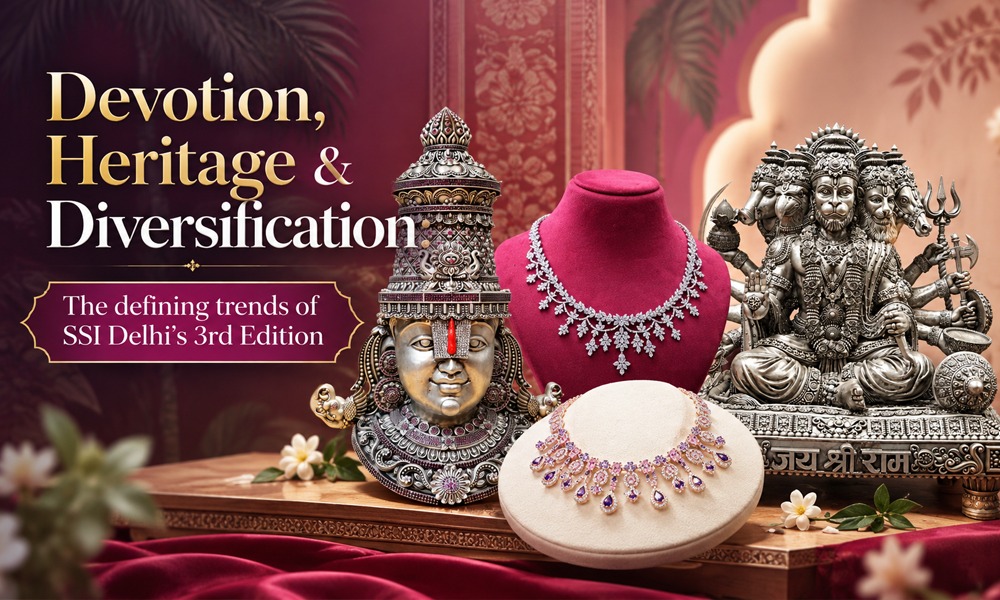
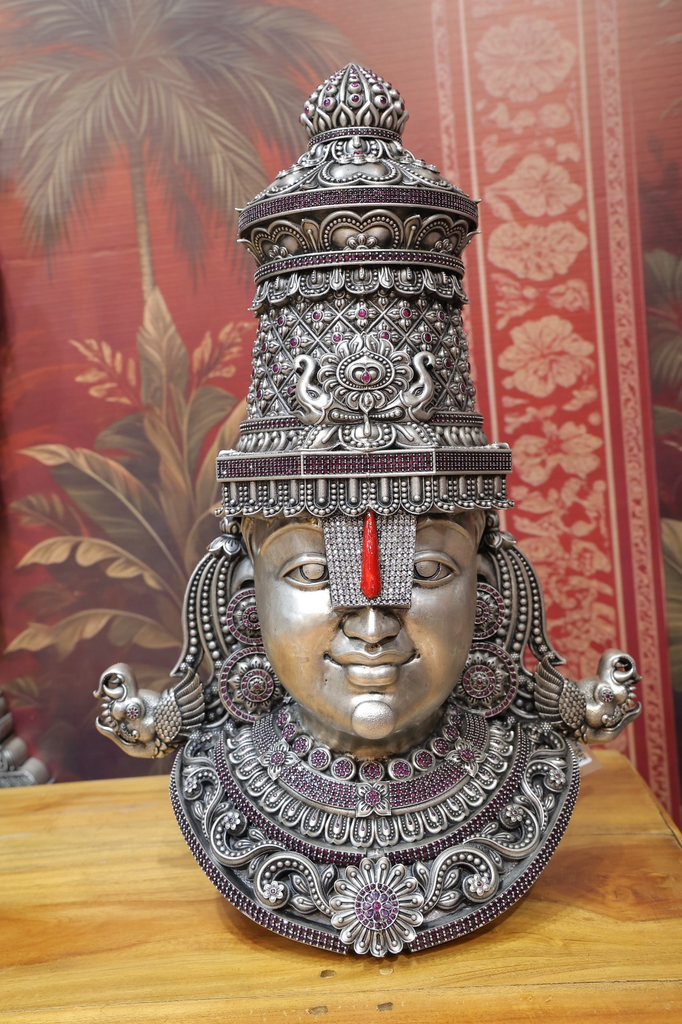
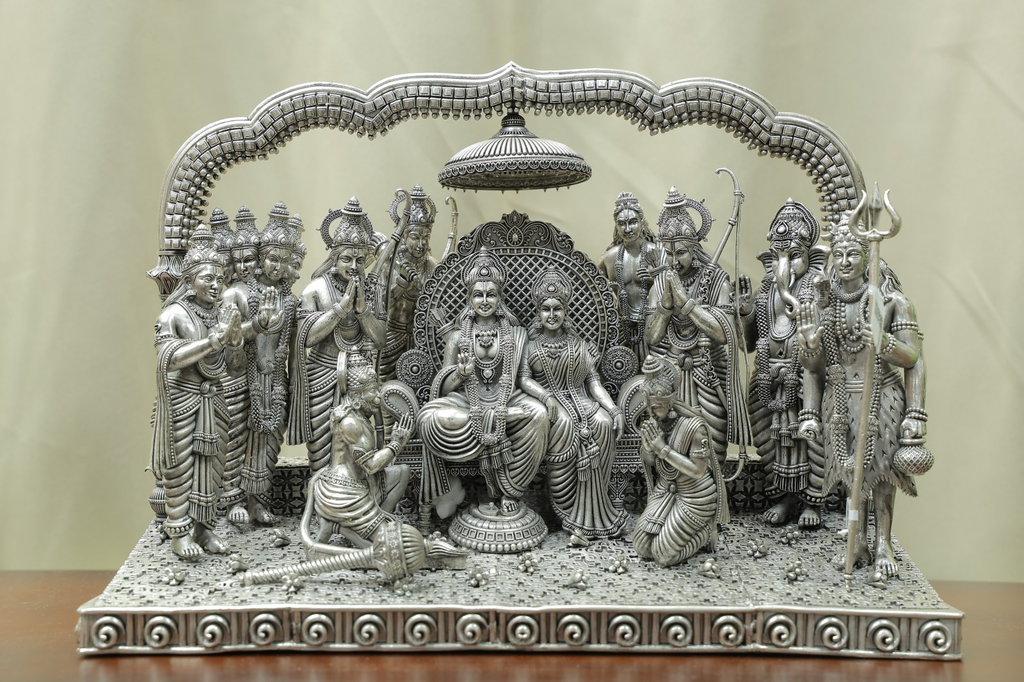
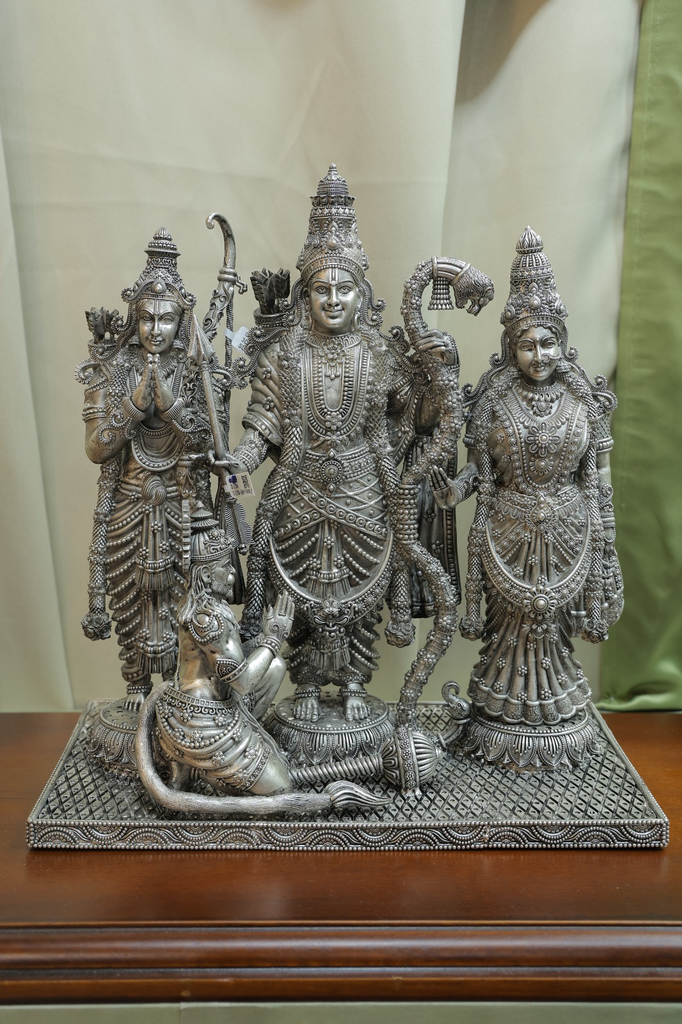
Devotional and spiritual artistry emerged as the single strongest thread of the show. Ricchezza’s Idols Collection, SILORA’s Shrinathji timepiece, Purple Jewels’ Balaji idols and Shiva Lingam, and Anmol Jewellers’ extensive range of silver and gold idols (Vishwarupa, Panchmukhi Hanuman, Ram Parivaar, and more) together show that sacred and devotional pieces are no longer a niche category but a mainstream, premium-positioned offering across exhibitors.
Antique, oxidized and heritage finishes
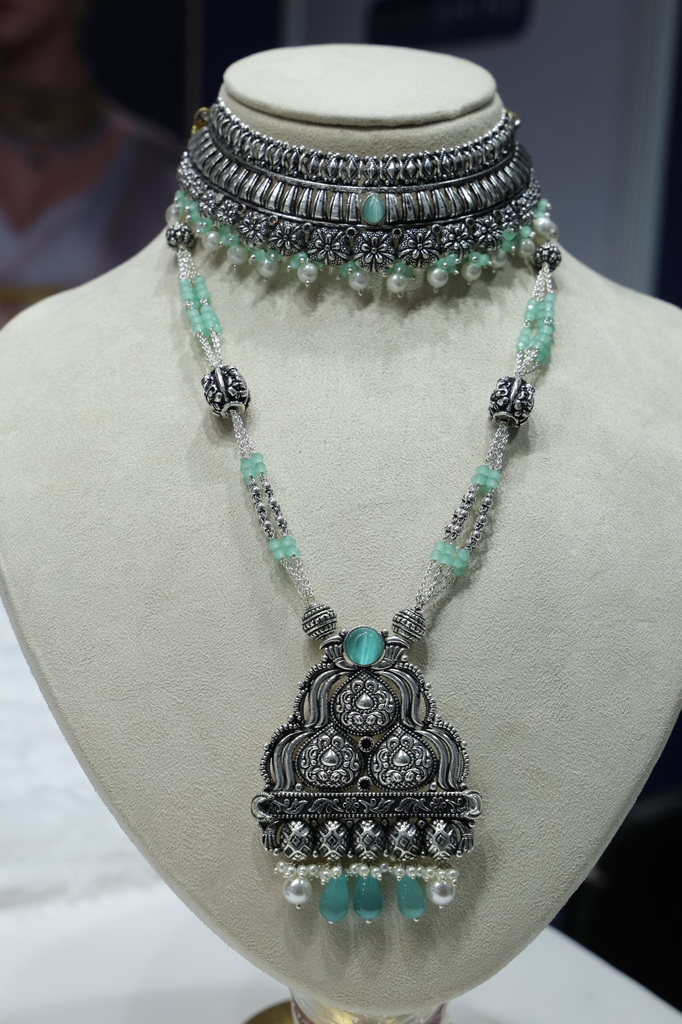
SILORA’s glorious Antique Finish Collection and Oxidized Silver Jewellery reflect a broader pull toward deep patina, folk-tribal textures, and traditional Indian artistry — a counterpoint to high-polish contemporary pieces and a signal that heritage aesthetics remain commercially strong.
Rose gold’s continued momentum
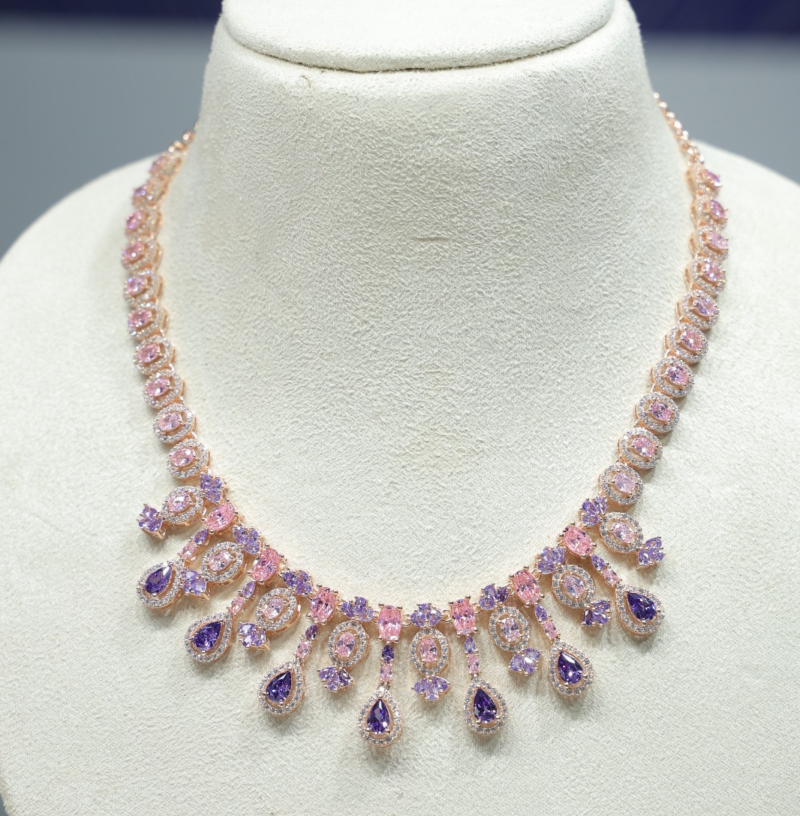
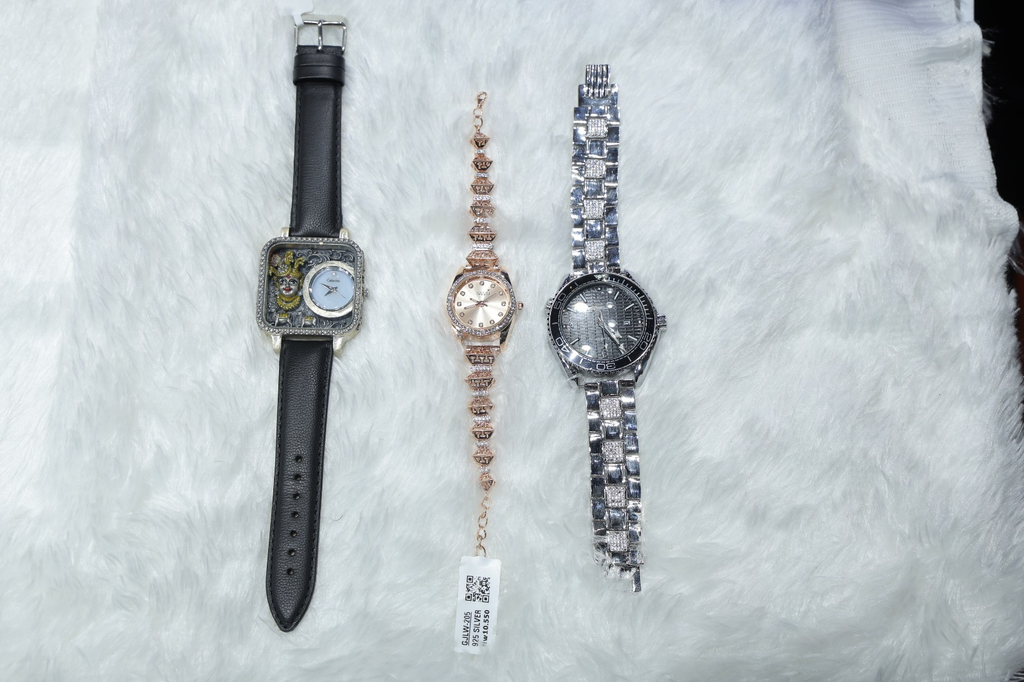
Rose gold surfaced across multiple product types — not just jewellery but also timepieces — as seen in SILORA’s Luxe Rose Gold Finish Jewellery and rose-gold-finished watches, reinforcing its position as a staple modern finish rather than a passing trend.
Category expansion beyond traditional jewellery
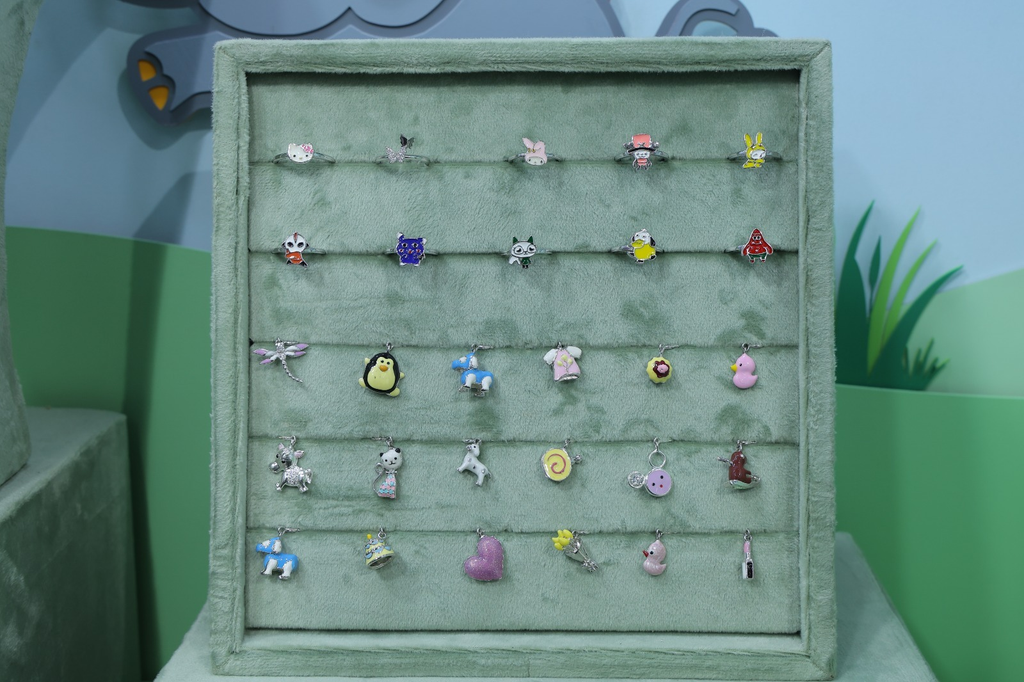
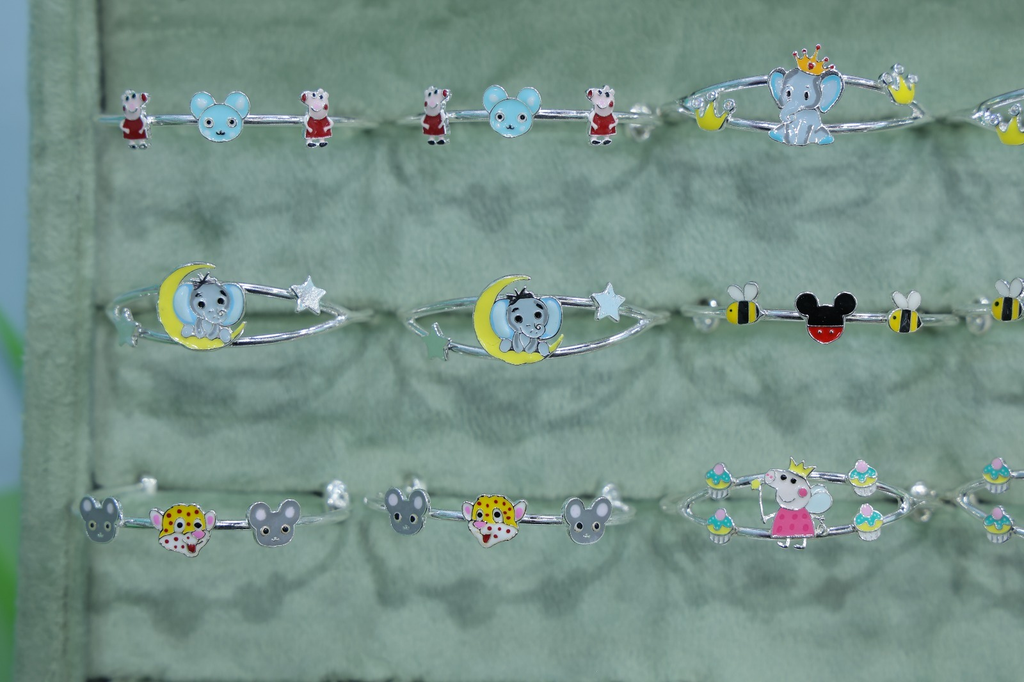
Exhibitors are widening their range beyond rings, chains, and bangles. Ricchezza’s Anamitra line targets infants, while SILORA’s Exclusive Timepieces extend a jewellery brand into horology — both pointing to lifestyle-driven diversification as a growth strategy.
Gender-Specific Design Lines
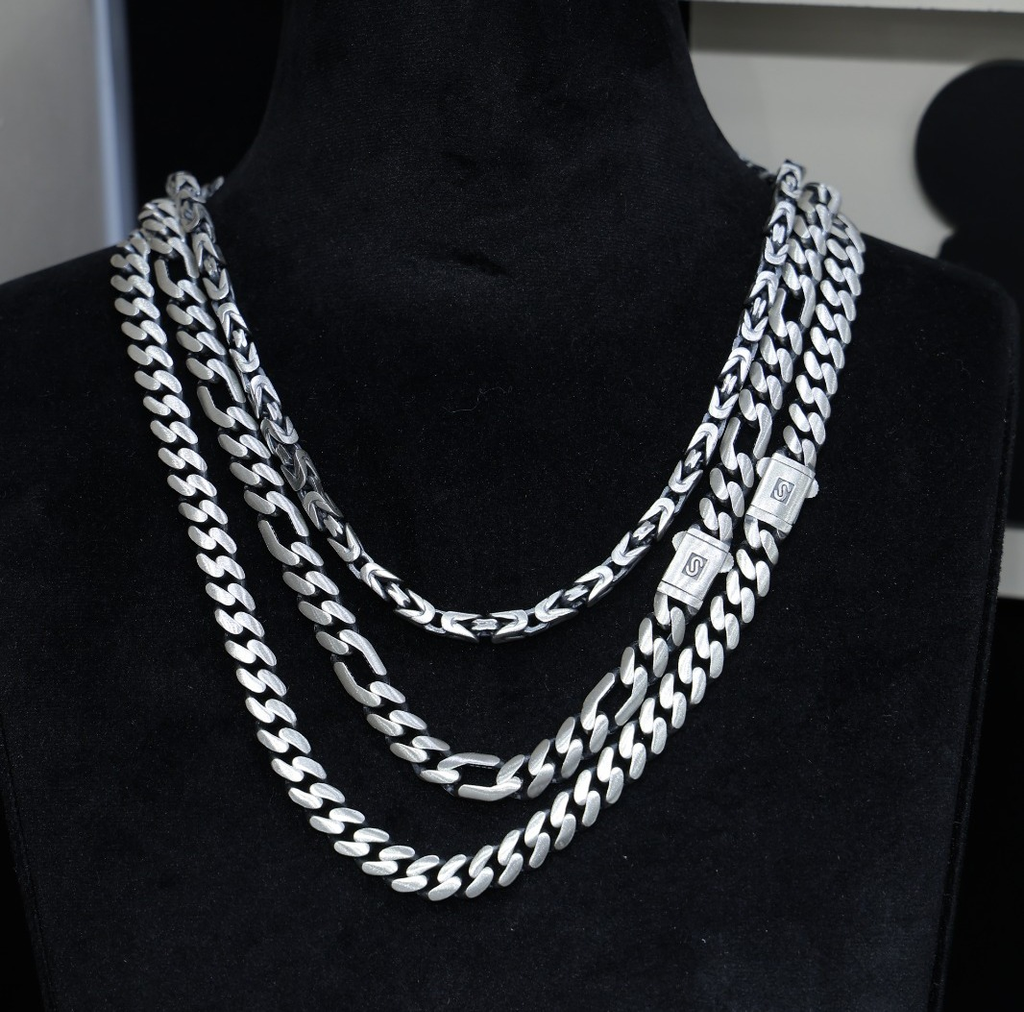
Distinct masculine and feminine lines were a notable feature, exemplified by Ricchezza’s Cuban Collection (bold, masculine) alongside Tixty (chic, feminine) — indicating that targeted, gender-specific collections continue to be a deliberate merchandising strategy rather than a one-size-fits-all approach.
Mastery in Silver Artefacts and Idols
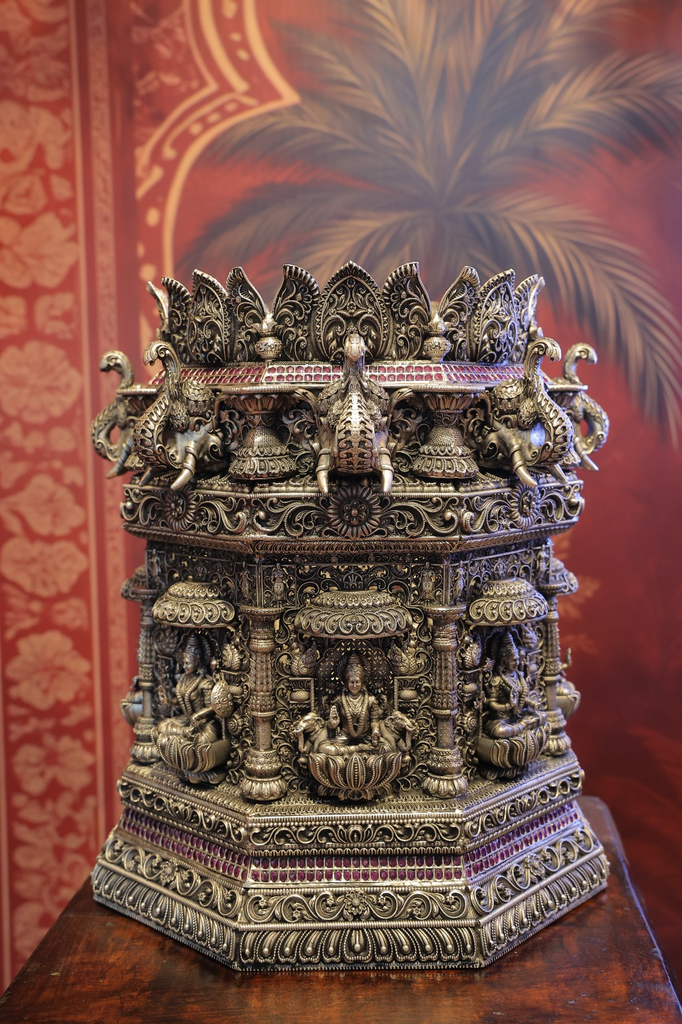
Both Purple Jewels and Anmol Jewellers demonstrated the depth of skill in silver idol-making, from the Saptashwa Vase’s mythological detailing to the technical complexity of Vishwarupa and Panchmukhi Hanuman forms, underscoring silver artefacts as a distinct and thriving craft category alongside wearable jewellery.
Balancing tradition and modernity
Taken together, the exhibitors at the 3rd edition of SSI Delhi painted a picture of an industry balancing tradition and modernity — where antique finishes and devotional artistry sit comfortably alongside rose gold sophistication, gender-targeted lines, and category extensions such as infant jewellery and timepieces. This blend of heritage craftsmanship and contemporary lifestyle relevance appears to be the defining character of the show.


-

 International News4 minutes ago
De Beers Assumes 100% Control Of Gahcho Kué Diamond Mine
-
 New Premises3 hours ago
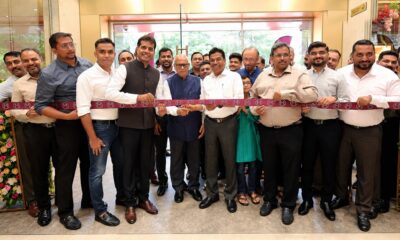
Malabar Gold & Diamonds Opens Its Second-Biggest Showroom In Goa
-
 National News10 minutes ago
Tanvi Exports Files DRHP For Proposed IPO
-

 National News19 minutes ago
Indian Gold, Silver Prices Edge Upward
