
JB Insights
Fine jewellery should be transparent, accessible, and designed for everyday joy

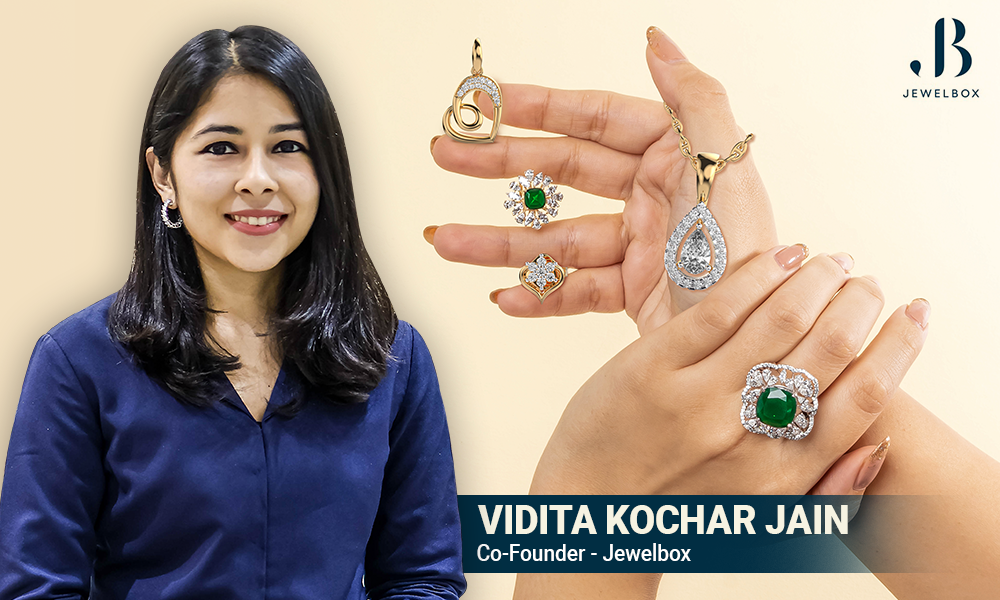
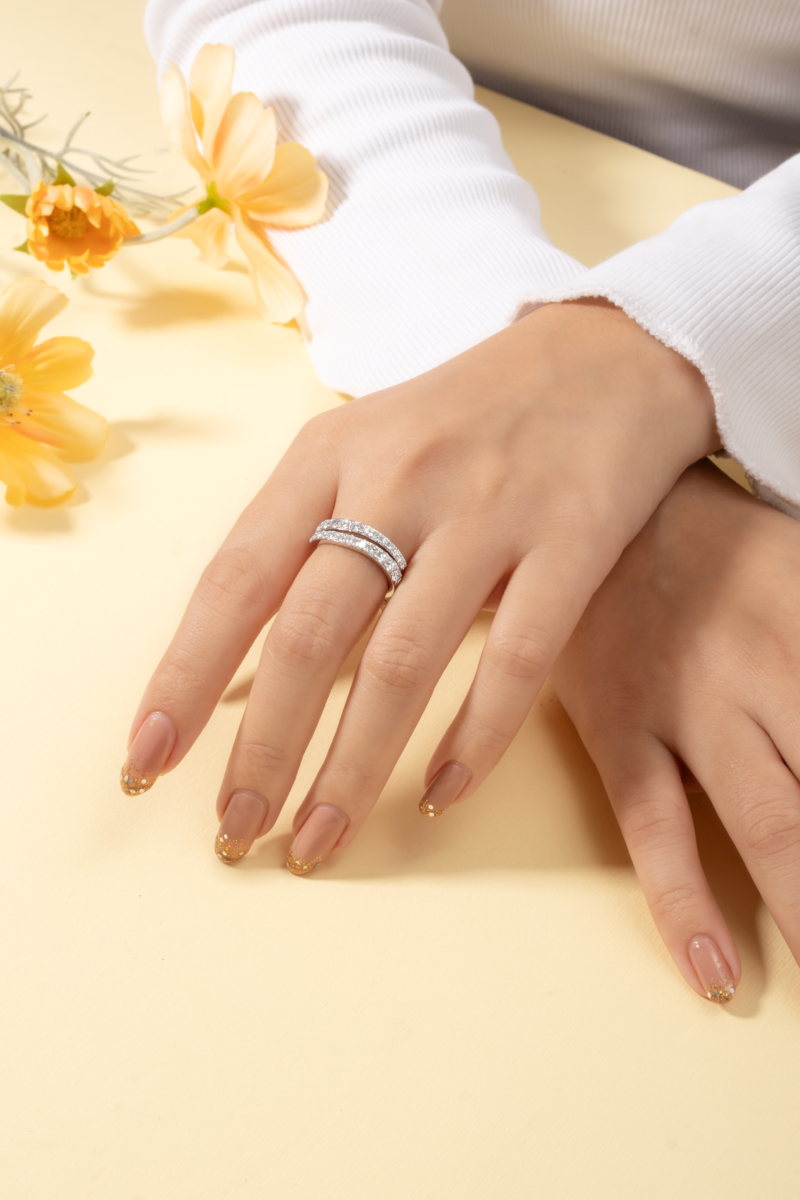
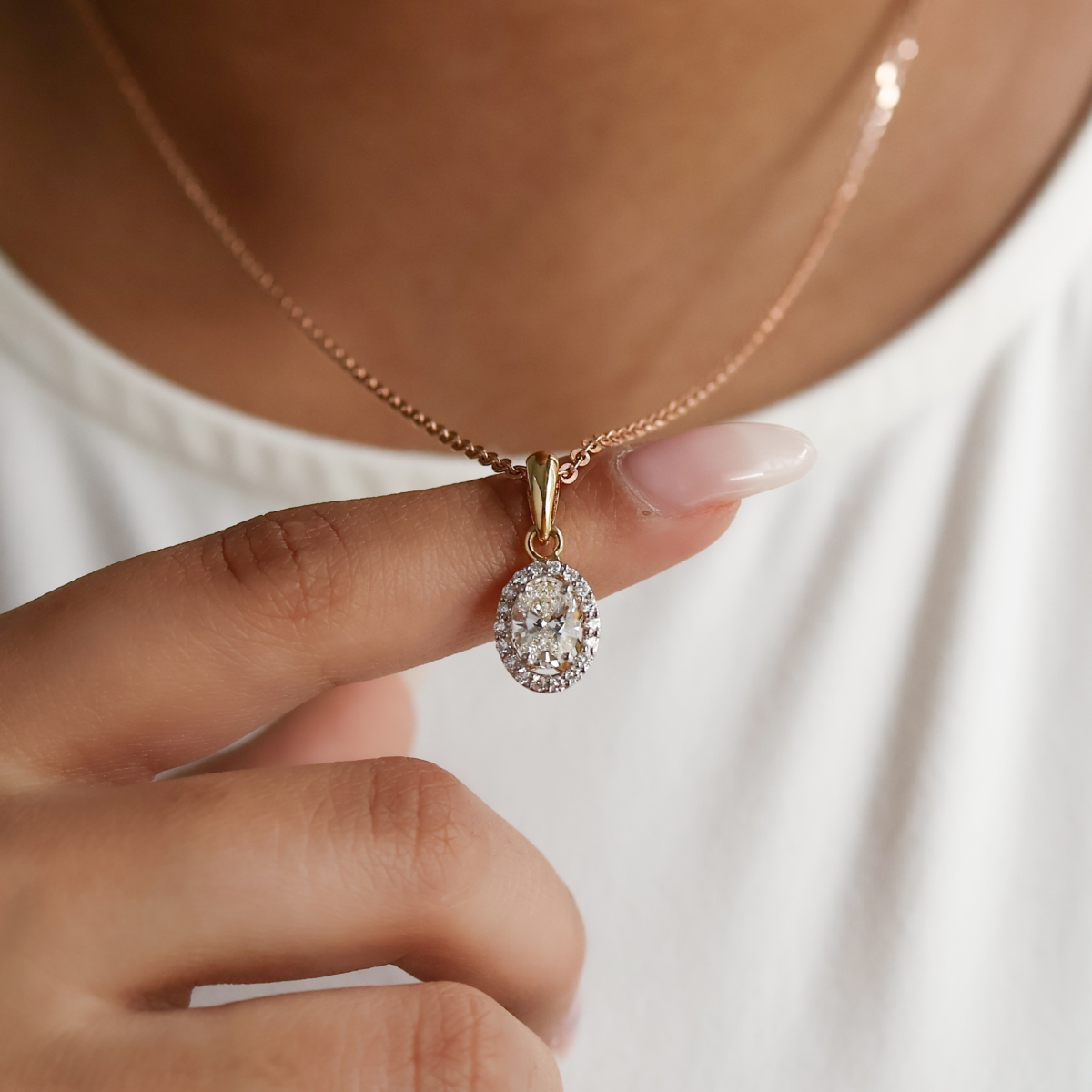
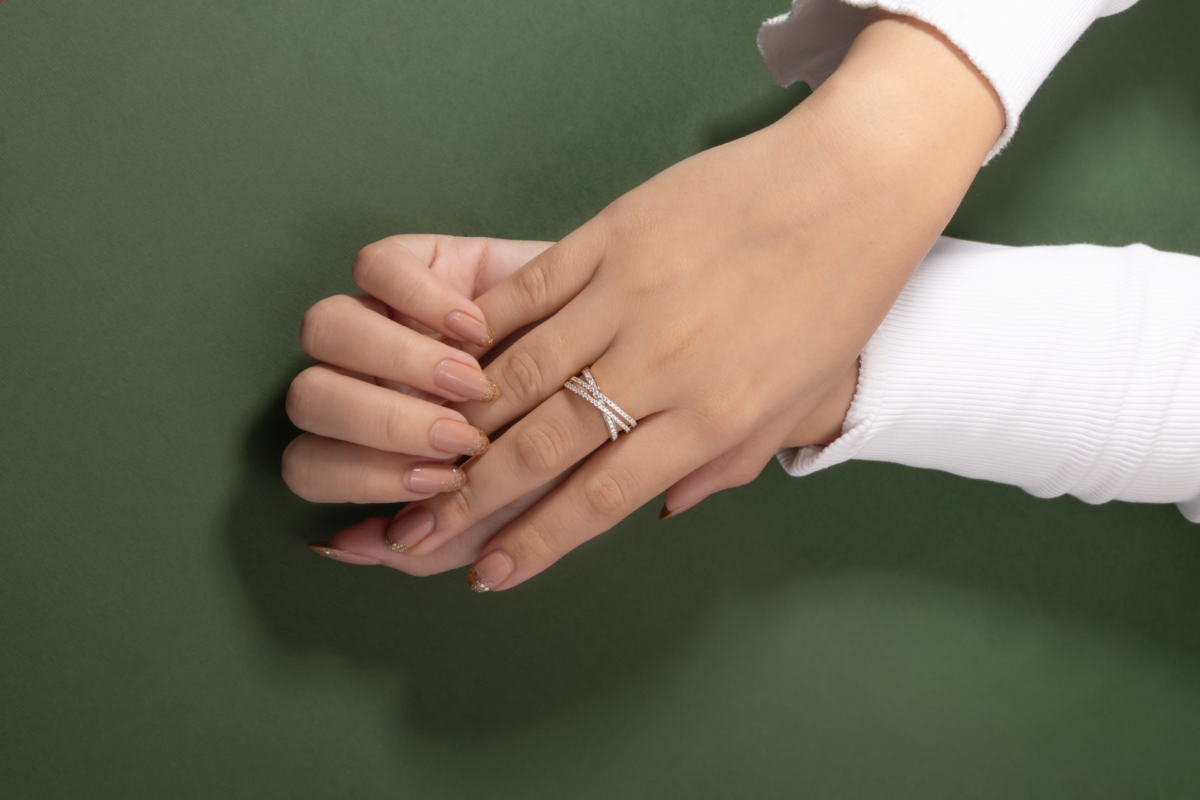
As India’s fine jewellery market undergoes a quiet but powerful transformation, lab-grown diamonds (LGDs) are emerging as a symbol of modern luxury—ethical, transparent, and effortlessly wearable. At the forefront of this shift is Jewelbox, a brand that has rapidly carved a niche by reimagining diamonds for everyday life.
In conversation with JewelBuzz, Vidita Kochar Jain, Co-Founder of Jewelbox, shares insights into the brand’s journey, the evolving consumer mindset, and how Jewelbox is shaping the future of sustainable fine jewellery through design, technology, and trust.
Jewelbox represents a new chapter in India’s fine jewellery landscape, emerging from a belief that diamonds should be transparent, accessible, and designed for everyday elegance. Vidita Kochar Jain, Co-Founder, Jewelbox speaking to JewelBuzz underscores the fact that as LGD gain momentum, the brand has carved a distinct identity by blending contemporary design with certified quality and ethical innovation.In this conversation, she reflects on its journey, the shifting consumer mindset, and the growing acceptance of sustainable luxury. From modern craftsmanship to digital storytelling and a sharp focus on customer experience, the brand discusses how it is shaping the future of LGD jewellery and preparing for a rapidly evolving market.
1. What inspired the start of Jewelbox, and how do you see the brand differentiating itself in the rapidly growing lab-grown diamond market in India?
Jewelbox was born from a simple but powerful belief that fine jewellery should be transparent, accessible, and designed for everyday joy. As the lab-grown diamond category grew globally, we saw a clear opportunity to build a brand rooted in trust and modern luxury.
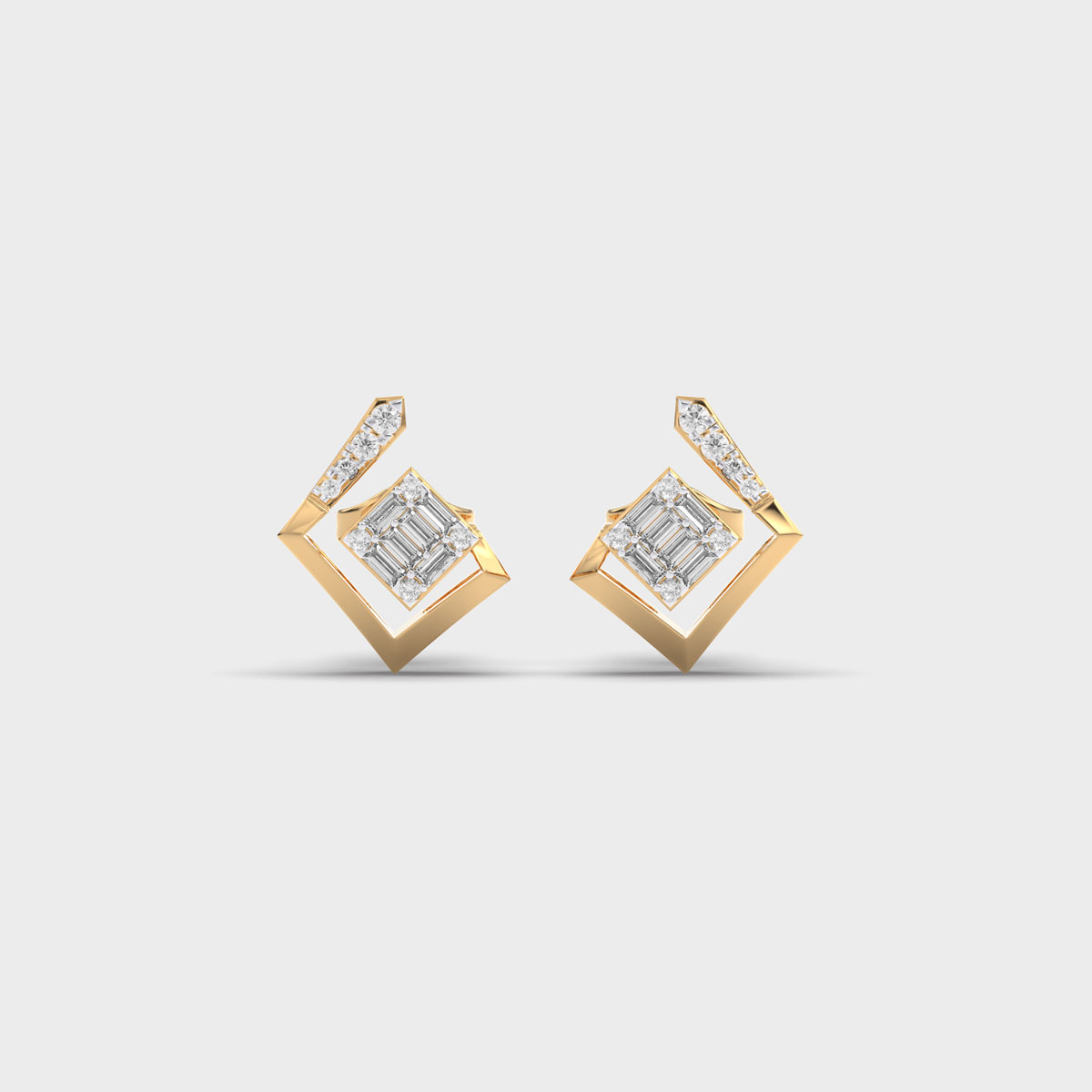
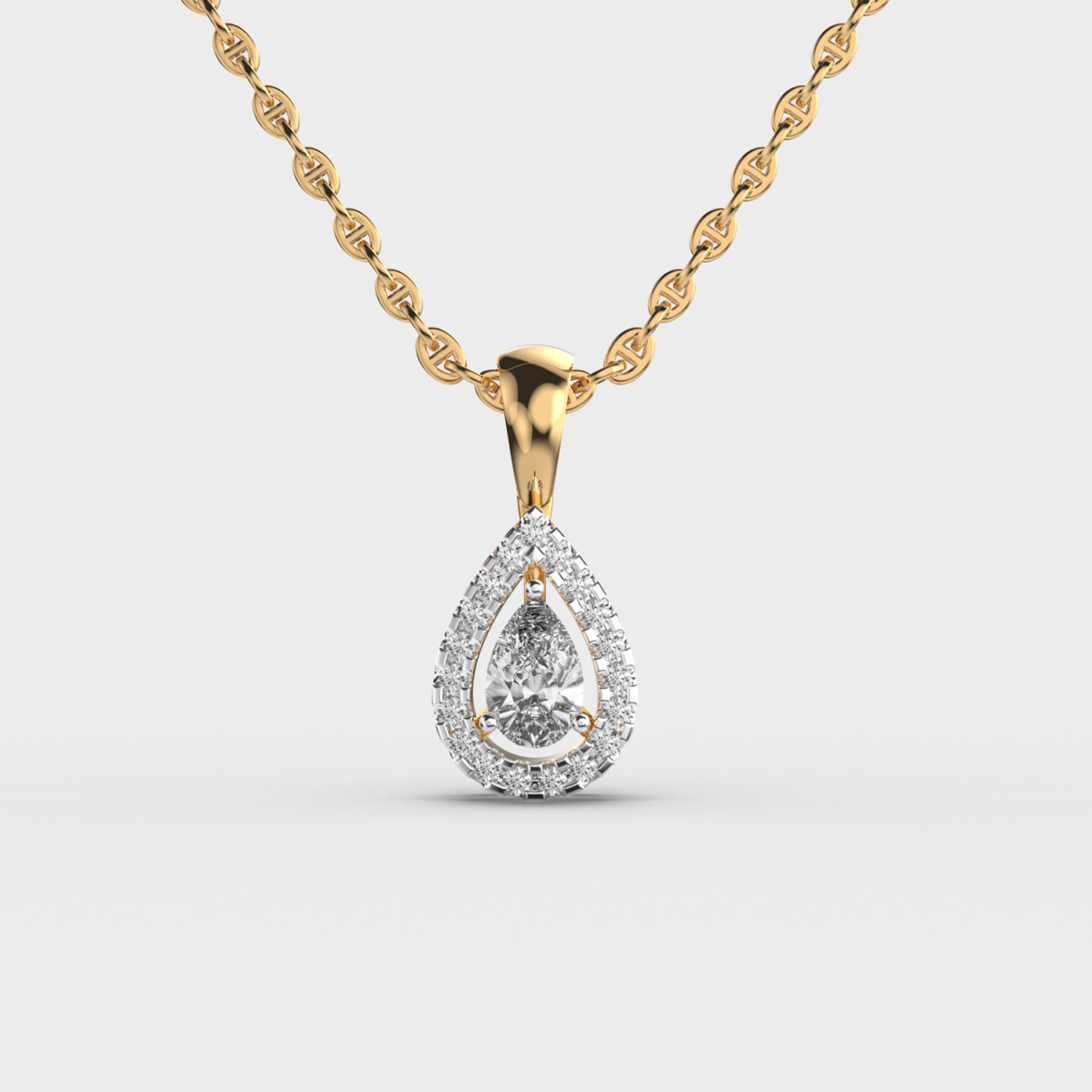
What sets Jewelbox apart is our design-first approach, our commitment to certified quality, and our focus on creating jewellery that fits naturally into the lifestyle of today’s consumer. We combine sustainability, technology, and contemporary aesthetics to position Jewelbox as the future of refined, responsible jewellery.
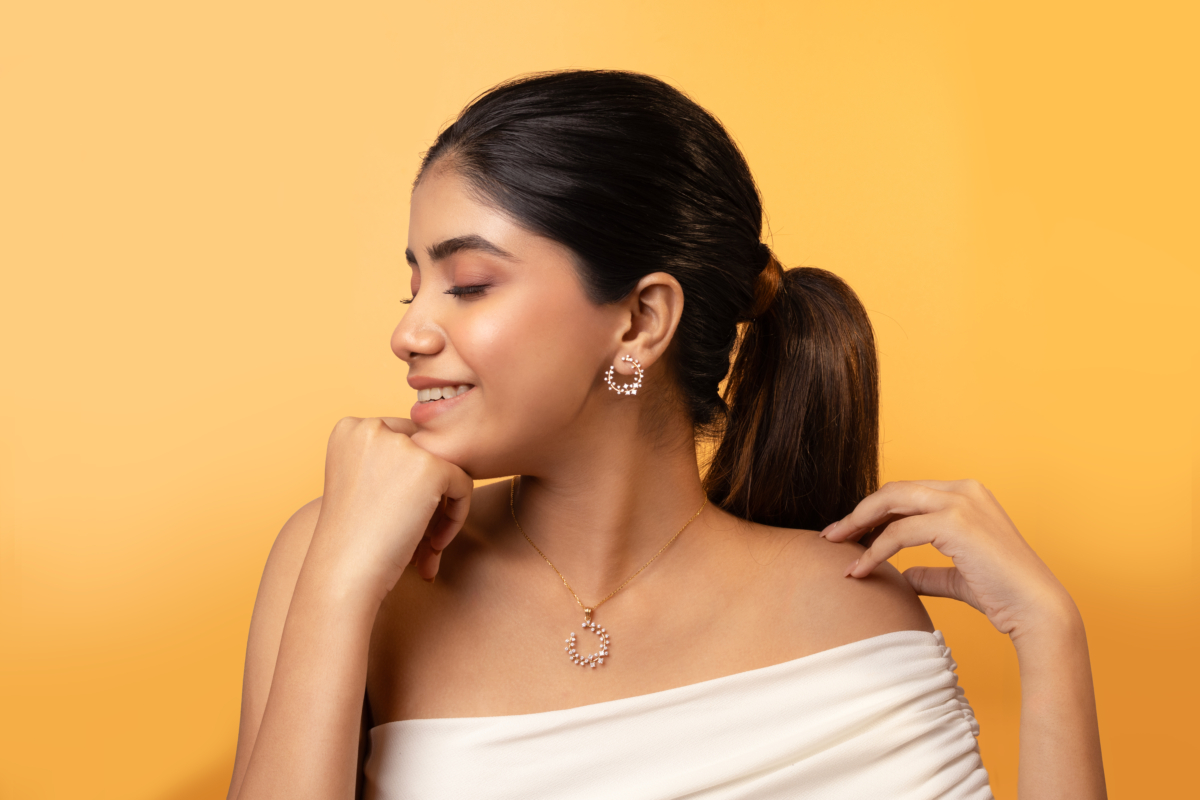
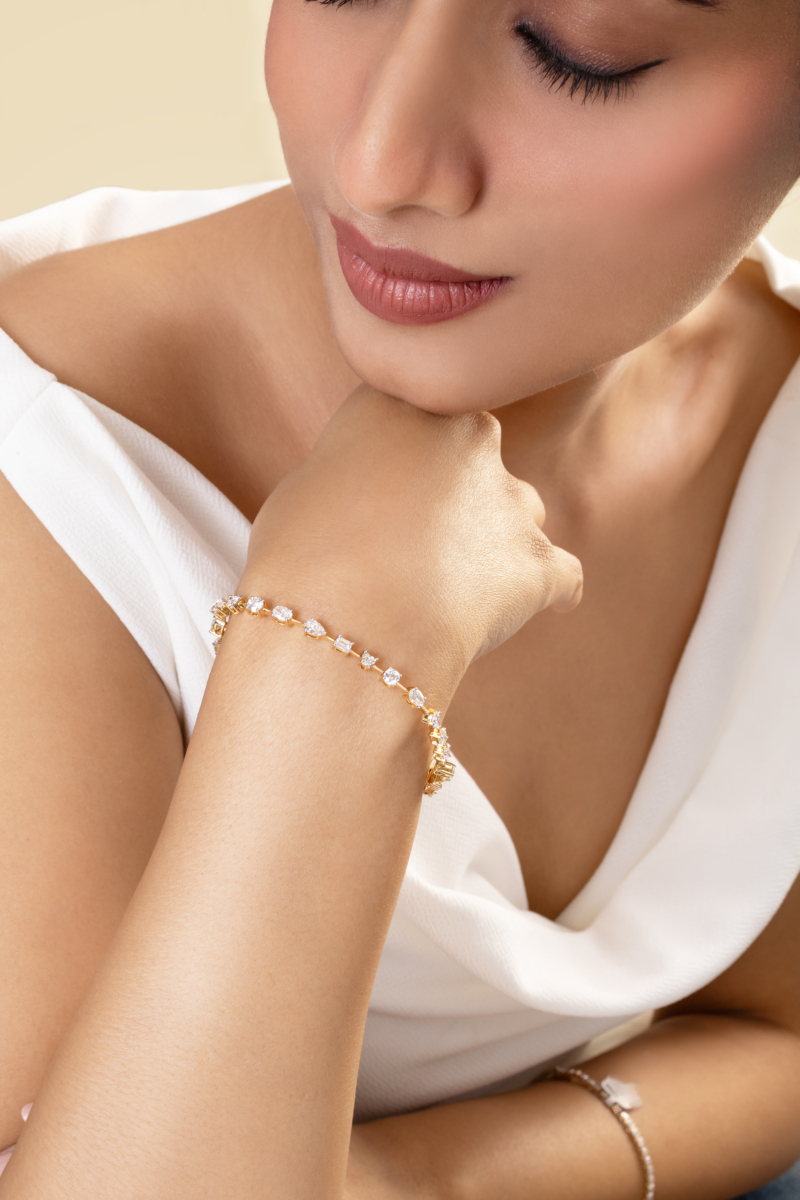
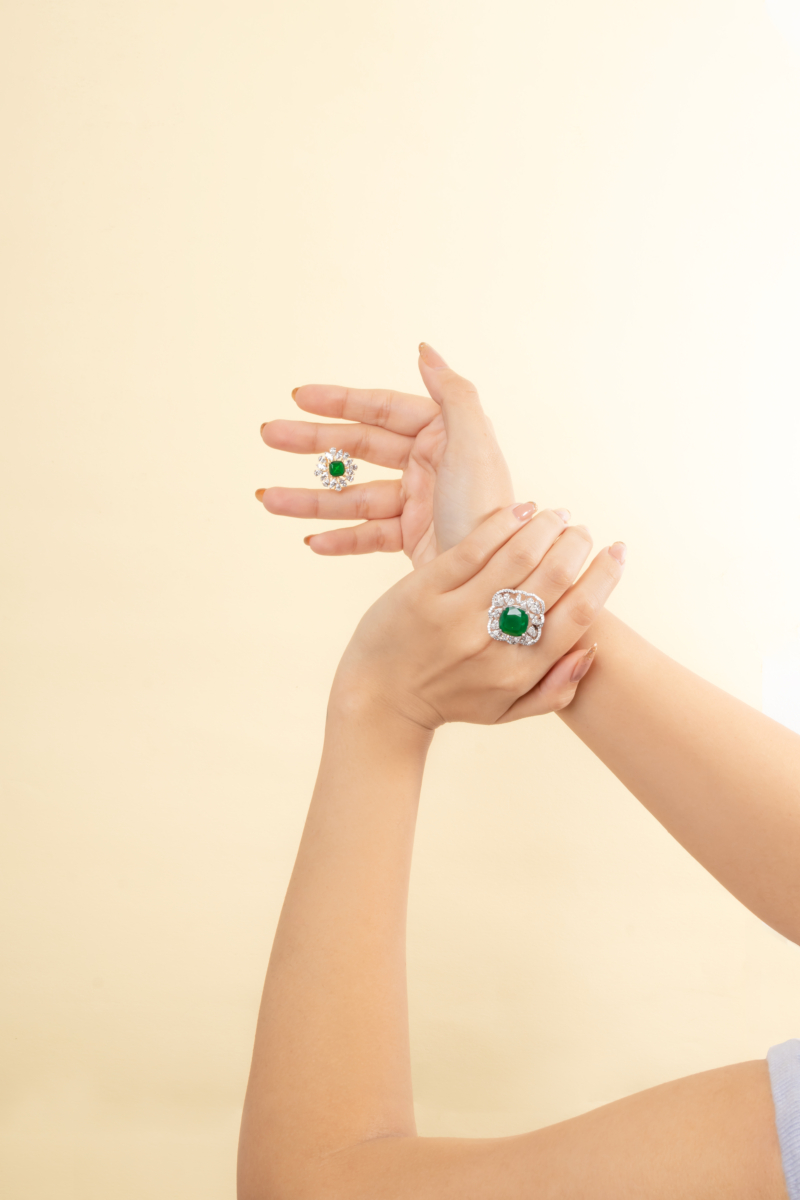
2. How has the consumer mindset towards lab-grown diamonds evolved, and what kind of customers does Jewelbox cater to?
The mindset shift has been remarkable. Indian consumers today are more aware, research-driven, and value-conscious. They want high-quality, durable jewellery they can wear freely, not pieces that sit in lockers.
Lab-grown diamonds have made this possible, offering the same brilliance and longevity without the traditional limitations.
Jewelbox primarily caters to modern consumers across age groups who appreciate design, transparency, and ethical choices. From young professionals buying their first diamond to families looking for wedding jewellery, our audience is united by the desire for meaningful luxury that aligns with their values.
3. Jewelbox is known for its contemporary designs — how do you balance innovation, craftsmanship, and affordability?
Our design philosophy is rooted in originality and wearability. Every collection begins with an idea that reflects current lifestyle aesthetics, while our in-house team ensures each piece is engineered for comfort and longevity.
By integrating advanced technology, efficient supply chains, and precision cutting, we make high-end craftsmanship accessible. The affordability comes naturally from lab-grown diamonds, without compromising on quality. For us, innovation means creating pieces that feel luxurious yet effortless, modern yet timeless.
4. How does Jewelbox communicate the sustainability advantage of lab-grown diamonds, and how important is it in purchasing decisions?
Sustainability is not a marketing angle for us;it is a core value. Consumers, especially younger buyers, increasingly prioritise conscious choices. While design and quality remain primary drivers, the fact that LGDs have a lower environmental footprint and transparent provenance plays a significant role in their confidence and decision-making.
5. With increasing retail expansion, what’s your approach to ensuring a consistent brand experience across locations?
For us, expansion is meaningful only when experience stays consistent. Every Jewelbox store, whether exclusive or a shop-in-shop, follows a unified design language, product display format, and service SOP.
We invest heavily in staff training, technology-enabled selling tools, and visual merchandising to ensure that the customer journey, from discovery to purchase, mirrors the same warmth and sophistication across cities. Our goal is to blend convenience with luxury while staying true to our brand promise.
6. How is Jewelbox leveraging e-commerce, social media, and digital storytelling to reach new-age consumers?
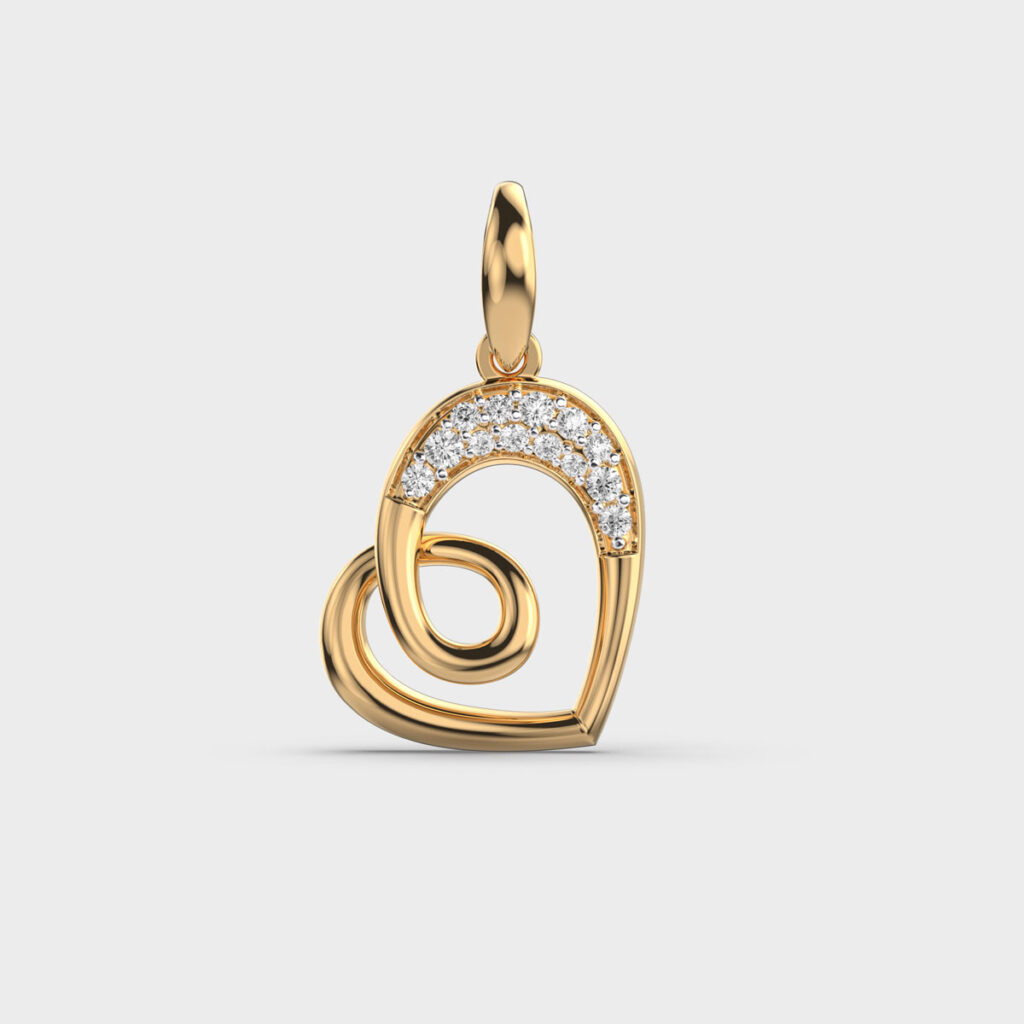
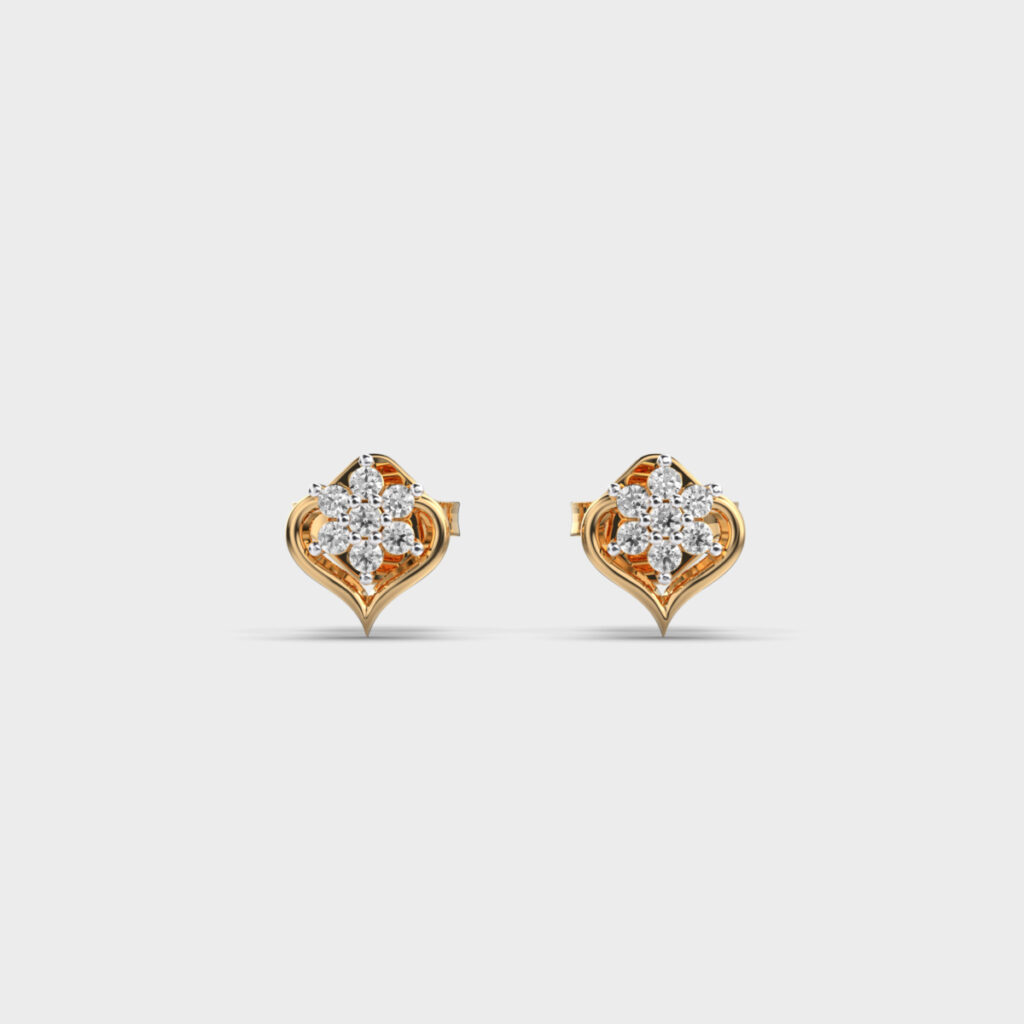
Digital is at the centre of our growth strategy. Our website offers a seamless shopping experience with transparent product information and certification. On social media, our storytelling focuses on real moments, relatability, and the modern relevance of lab-grown diamonds.
From influencer collaborations to awareness content and collection films, we personalise the journey for customers who value clarity and convenience. This multi-channel approach helps us connect deeply with digitally savvy consumers and strengthens trust before they walk into our stores.
7. Where do you see the lab-grown diamond market heading in the next 5–10 years, and how is Jewelbox preparing?
The next decade will be transformative. Lab-grown diamonds will move from being an emerging category to a mainstream choice for fine jewellery in India. Higher awareness, transparent pricing, and preference for wearable luxury will drive exponential growth.
Jewelbox is preparing by expanding retail presence, investing in design innovation, and building scalable, tech-enabled systems. Our focus remains on offering certified quality, sustainable sourcing, and collections that resonate with the tastes of a new generation.
8. What have been some of the biggest challenges in running a lab-grown diamond brand, and what lessons would you share with upcoming entrepreneurs?
The biggest challenge has been navigating early-stage scepticism and enlightening consumers about the authenticity and value of lab-grown diamonds. Awareness was low, which meant every conversation had to be rooted intransparency and trust.
The key lesson for entrepreneurs is simple: build processes before scale, listen closely to your customers, and prioritise authenticity over speed. A strong vision, ethical practices, and consistent innovation are non-negotiable in this evolving category.
Jewelbox’s journey reflects a broader shift in India’s fine jewellery narrative—one where luxury is no longer defined by excess, but by intention, transparency, and relevance. As lab-grown diamonds continue to gain acceptance, brands like Jewelbox are not just responding to change; they are actively shaping it. With a clear vision and a consumer-first approach, Jewelbox stands poised to redefine how India experiences diamonds—every day, effortlessly, and responsibly.
JbExclusive: Digital View


JB Insights
Devotion, Heritage & Diversification: The defining trends of SSI Delhi’s 3rd Edition
From sacred artistry to lifestyle-driven expansion, how top exhibitors bridged timeless tradition with modern market demand.
Spirituality as a design anchor
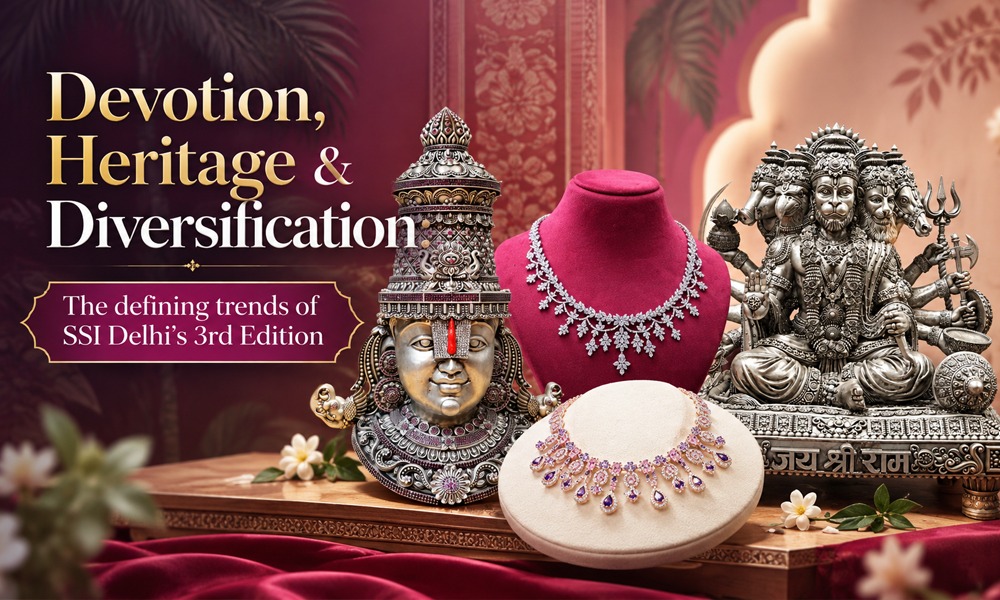
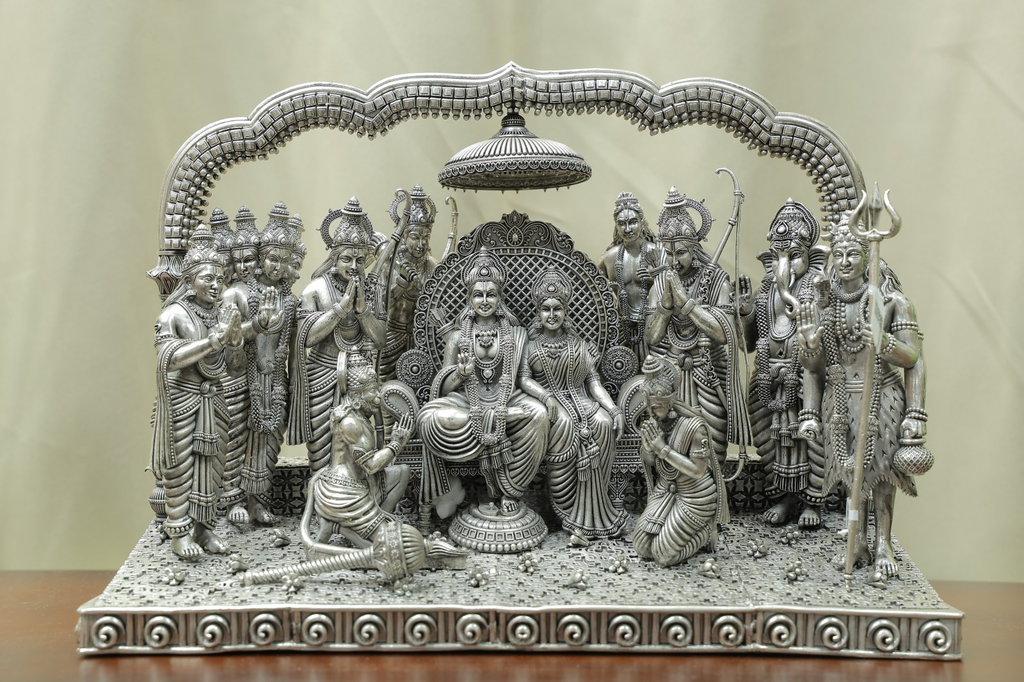
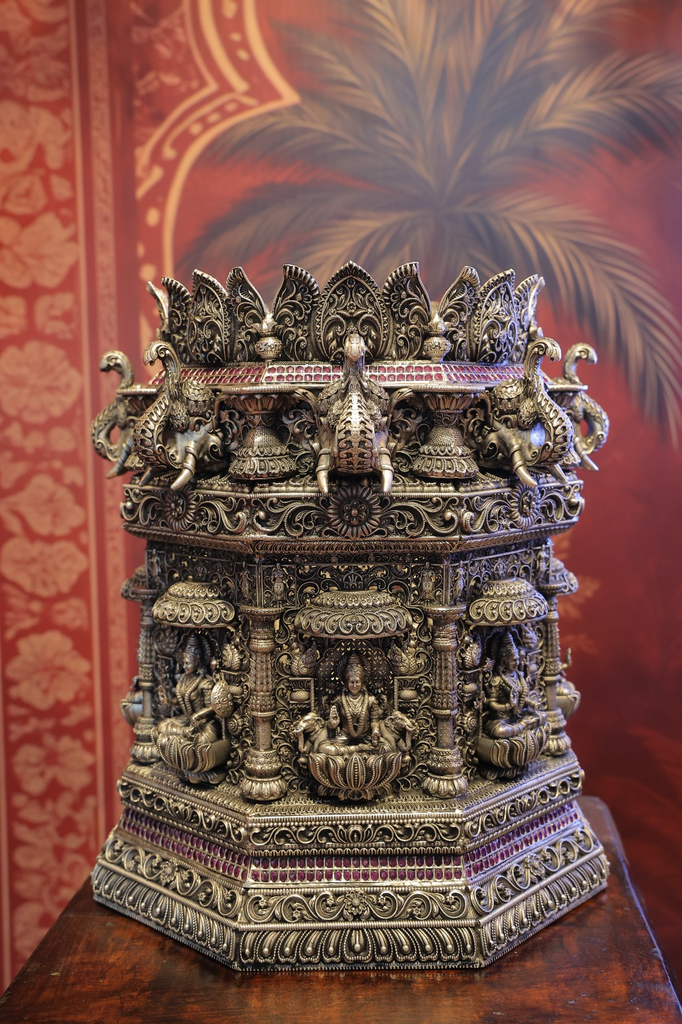
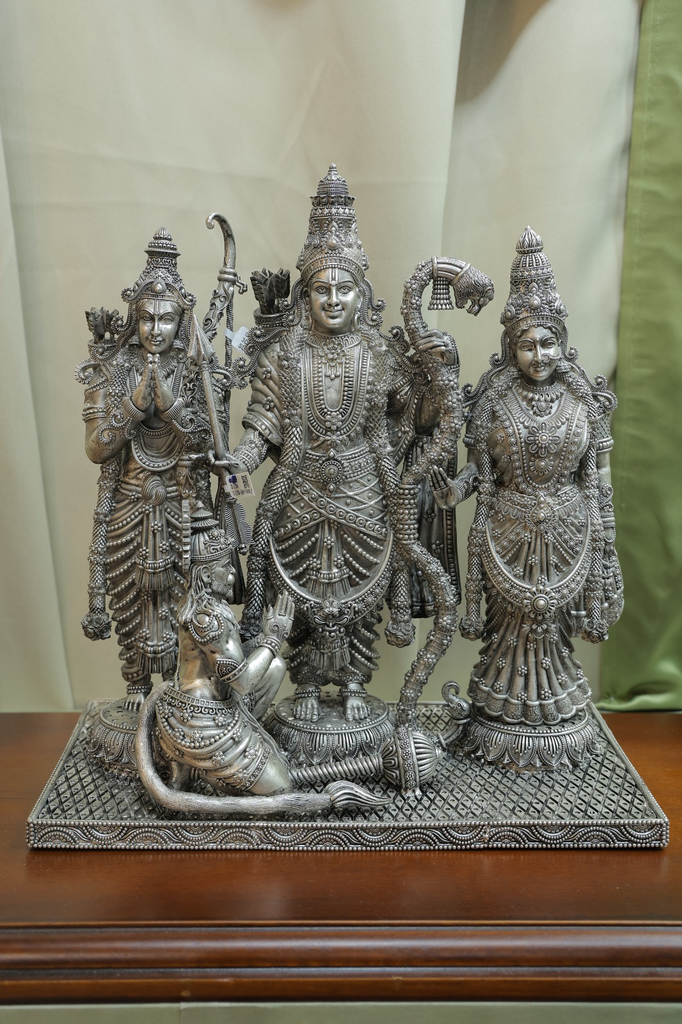
Devotional and spiritual artistry emerged as the single strongest thread of the show. Ricchezza’s Idols Collection, SILORA’s Shrinathji timepiece, Purple Jewels’ Balaji idols and Shiva Lingam, and Anmol Jewellers’ extensive range of silver and gold idols (Vishwarupa, Panchmukhi Hanuman, Ram Parivaar, and more) together show that sacred and devotional pieces are no longer a niche category but a mainstream, premium-positioned offering across exhibitors.
Antique, oxidized and heritage finishes
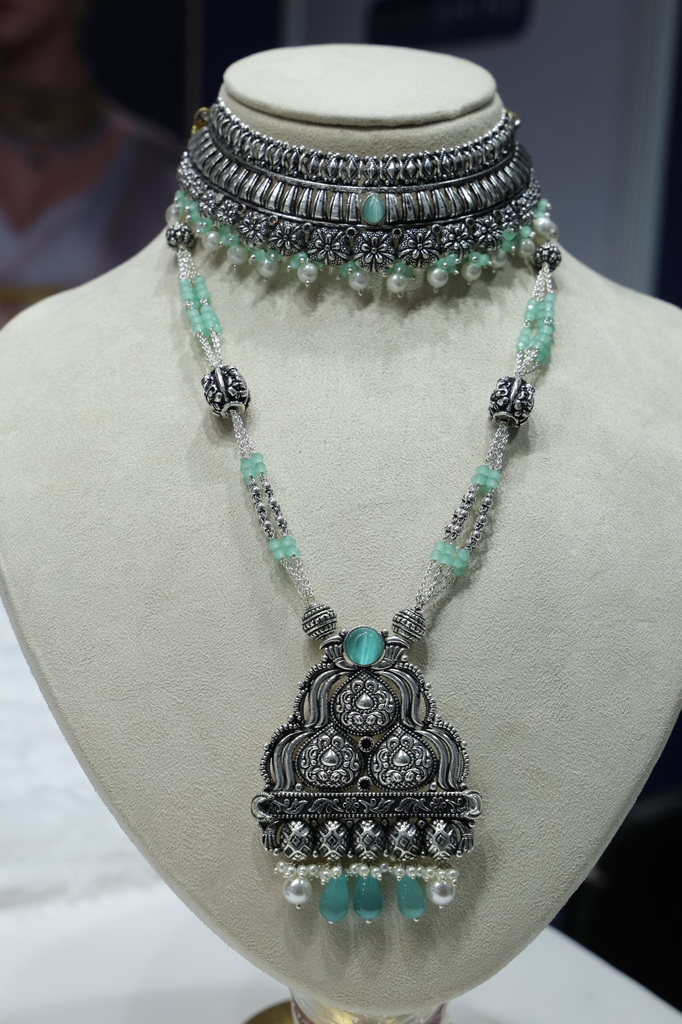
SILORA’s glorious Antique Finish Collection and Oxidized Silver Jewellery reflect a broader pull toward deep patina, folk-tribal textures, and traditional Indian artistry — a counterpoint to high-polish contemporary pieces and a signal that heritage aesthetics remain commercially strong.
Rose gold’s continued momentum
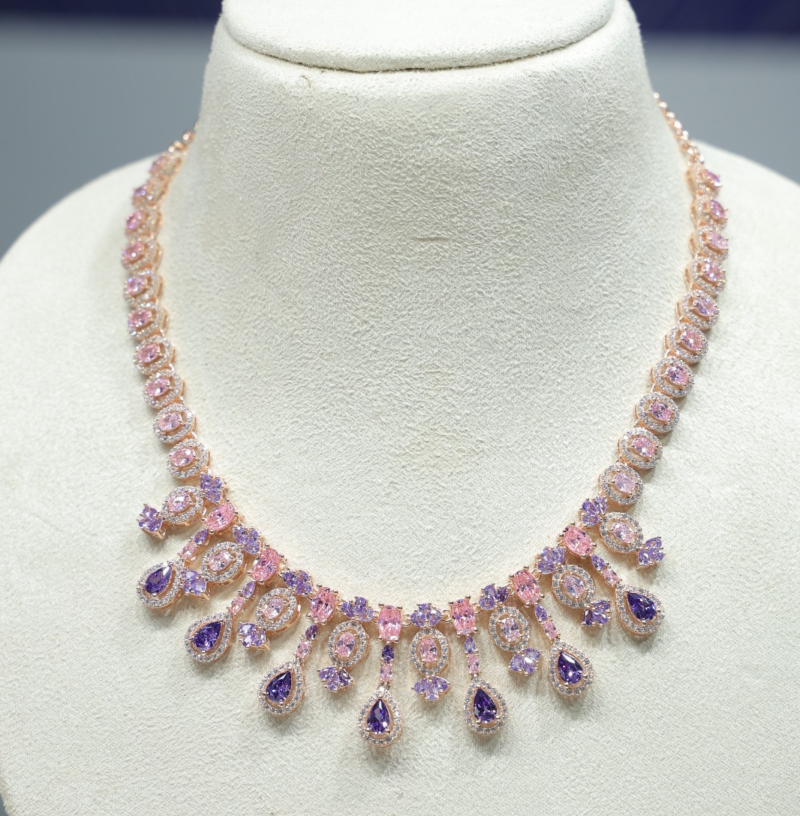
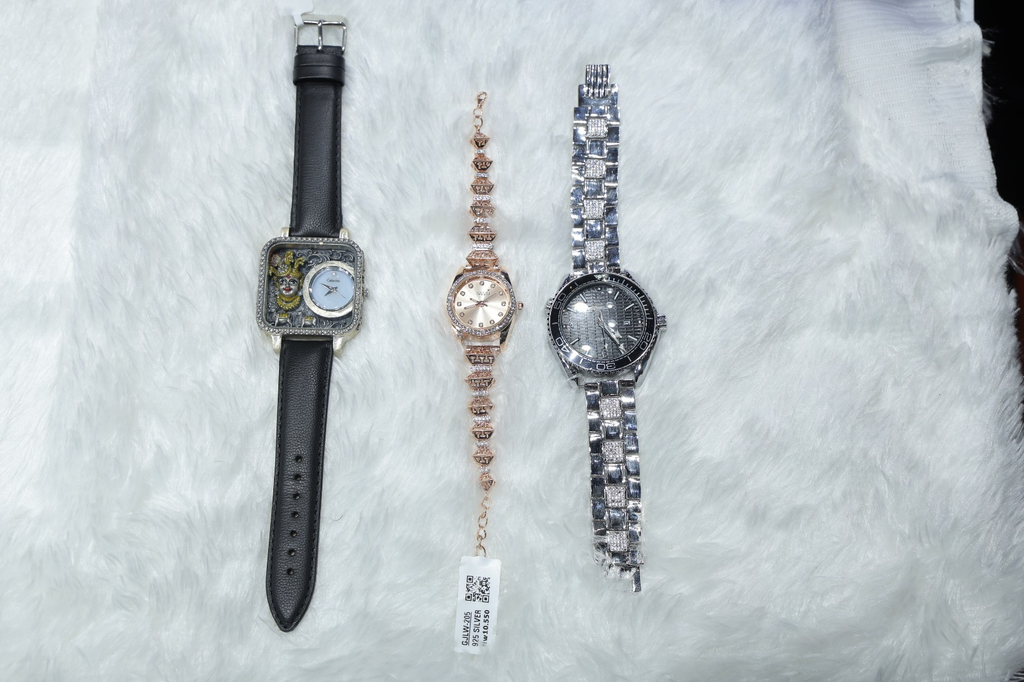
Rose gold surfaced across multiple product types — not just jewellery but also timepieces — as seen in SILORA’s Luxe Rose Gold Finish Jewellery and rose-gold-finished watches, reinforcing its position as a staple modern finish rather than a passing trend.
Category expansion beyond traditional jewellery
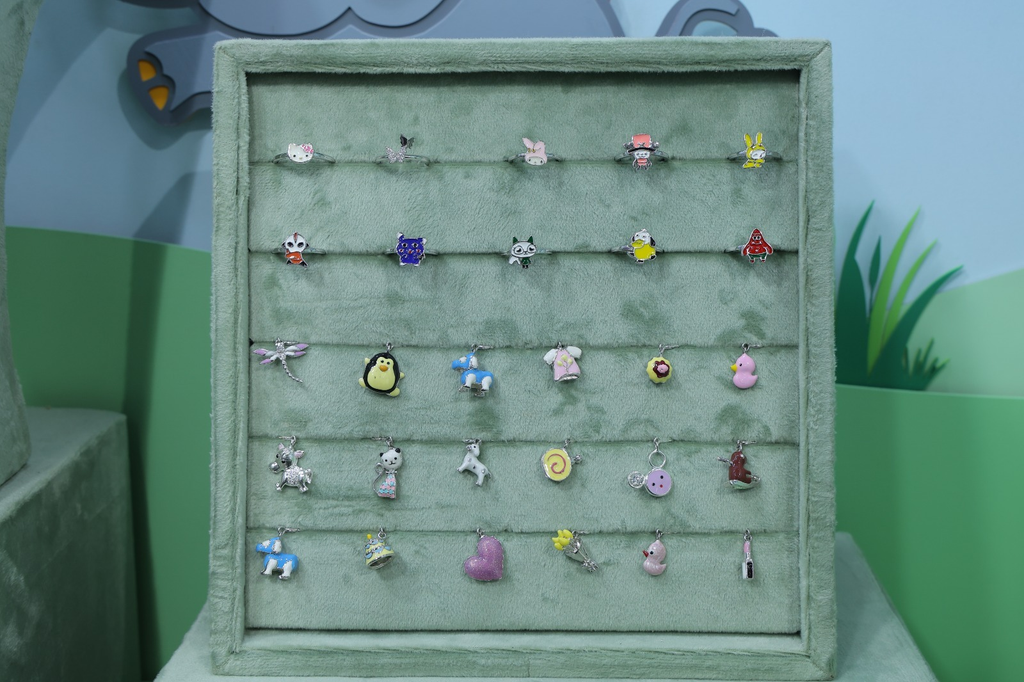
Exhibitors are widening their range beyond rings, chains, and bangles. Ricchezza’s Anamitra line targets infants, while SILORA’s Exclusive Timepieces extend a jewellery brand into horology — both pointing to lifestyle-driven diversification as a growth strategy.
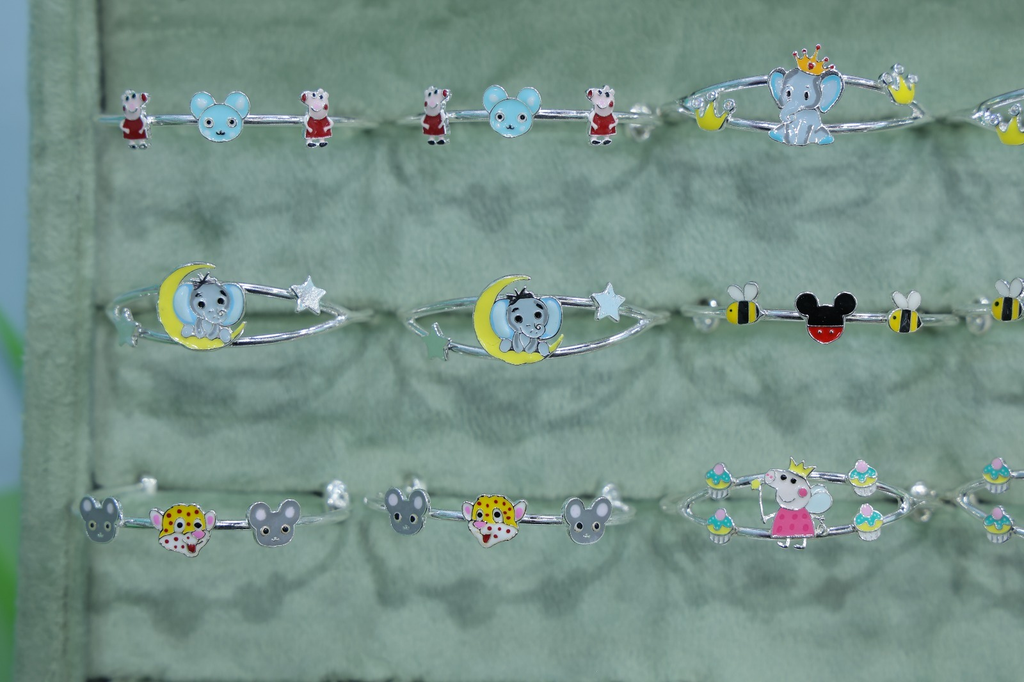
Gender-Specific Design Lines
Distinct masculine and feminine lines were a notable feature, exemplified by Ricchezza’s Cuban Collection (bold, masculine) alongside Tixty (chic, feminine) — indicating that targeted, gender-specific collections continue to be a deliberate merchandising strategy rather than a one-size-fits-all approach.
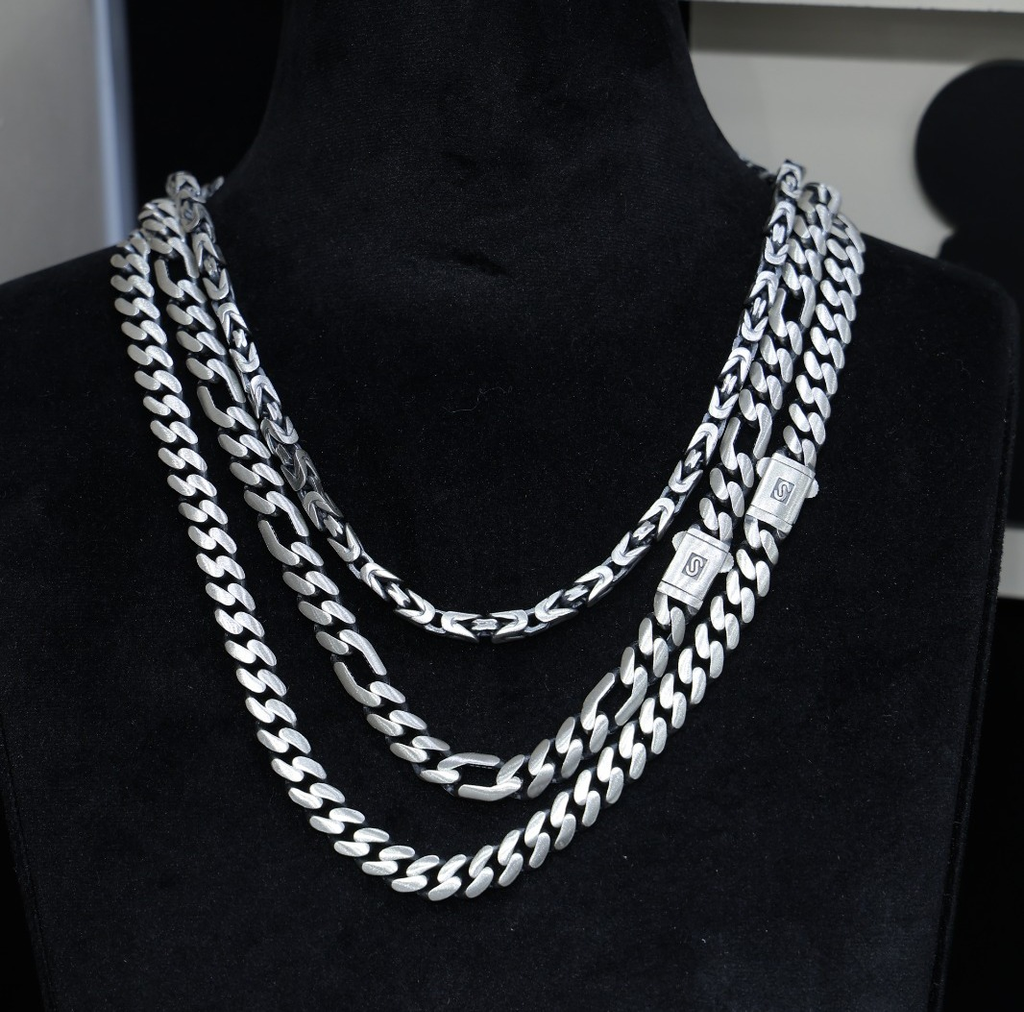
Mastery in Silver Artefacts and Idols
Both Purple Jewels and Anmol Jewellers demonstrated the depth of skill in silver idol-making, from the Saptashwa Vase’s mythological detailing to the technical complexity of Vishwarupa and Panchmukhi Hanuman forms, underscoring silver artefacts as a distinct and thriving craft category alongside wearable jewellery.
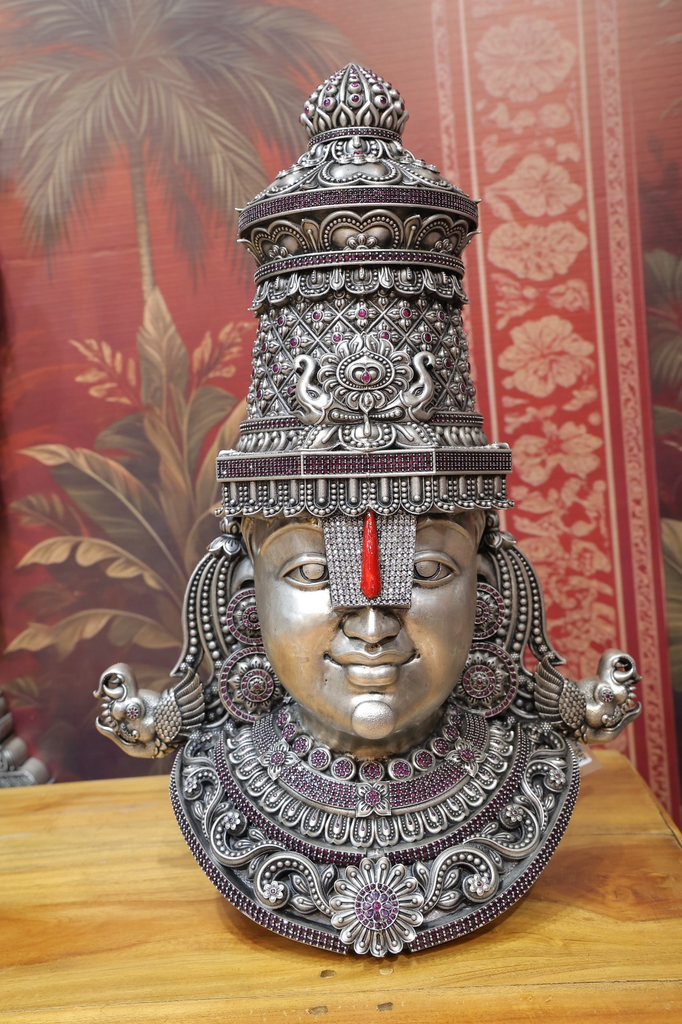
Balancing tradition and modernity
Taken together, the exhibitors at the 3rd edition of SSI Delhi painted a picture of an industry balancing tradition and modernity — where antique finishes and devotional artistry sit comfortably alongside rose gold sophistication, gender-targeted lines, and category extensions such as infant jewellery and timepieces. This blend of heritage craftsmanship and contemporary lifestyle relevance appears to be the defining character of the show.


-

 International News3 minutes ago
De Beers Assumes 100% Control Of Gahcho Kué Diamond Mine
-
 New Premises3 hours ago
Malabar Gold & Diamonds Opens Its Second-Biggest Showroom In Goa
-
 National News10 minutes ago
Tanvi Exports Files DRHP For Proposed IPO
-

 National News19 minutes ago
Indian Gold, Silver Prices Edge Upward
