
JB Insights
Gold Loans Fuel MSME Expansion
Industry Seminar Focuses On E-Commerce Growth, Logistics Solutions and Global Shipping Opportunities For The Gem and Jewellery Sector


Across India, gold loans are rapidly shifting from purely personal-finance products into a go-to source of working capital and business-expansion funding for MSMEs, with non-bank lenders such as Muthoot Finance playing a central role in this transition. Record-high gold prices and easier documentation, combined with short-term tenures and relatively quick disbursal, are making gold-loan collateral attractive for small manufacturers, traders, and services-sector entrepreneurs who struggle to access traditional bank credit.
Gold loans have become a key contributor to India’s consumption-loan growth, with originations surging amid slowing personal-loan and credit-card growth and elevated gold prices improving collateral coverage.
Rating agencies and brokers note that high gold prices not only allow larger loans against the same jewellery but also help maintain asset quality, as borrowers are more incentivised to repay rather than forfeit precious metal.
Why MSMEs are turning to gold loans
- Many MSME borrowers use family-held gold as collateral to finance working-capital gaps, inventory purchases, machinery upgrades, or local-market expansion, especially where cash-flow cycles are irregular or credit history is thin.
- Gold loans typically offer lower interest and faster processing than unsecured personal loans or credit cards, and the presence of a tangible asset (gold) makes lenders more comfortable with shorter-tenor, higher-ticket loans.
Role of organised lenders like Muthoot Finance
- Muthoot Finance and other large NBFCs explicitly position gold loans as flexible, short-term credit for “business-related” needs, including trade, small-scale manufacturing, and micro-retail, and have reported that a significant share of new disbursements go to self-employed professionals and small business-owners.
- Digital-first interfaces, branch-network expansion into semi-urban and Tier-2/3 towns, and features such as missed-call status checks and mobile-based payment reminders help MSME-type borrowers manage repayments without frequent visits to branches.
Regulatory and risk-management angle
- Regulators and rating agencies note that channeling gold-loan funds toward productive MSME activity can improve asset quality, as business cash flows often support repayment better than purely consumption-driven loans.
- At the same time, tighter supervision on re-pledging and stricter documentation—from April 2026 onward—are pushing MSME borrowers toward organised players, reducing reliance on informal pawn-shop-style lending and improving transparency in SME-oriented gold-loan portfolios.
Market-level impact
- With the organised gold-loan market expected to breach ₹15 lakh crore by March 2026, MSME-oriented lending is emerging as one of the key growth segments, particularly for NBFCs that combine branch-level trust with digital ease.
- This trend is encouraging gold-loan houses to design quasi-MSME packages—such as higher ticket-sizes, flexible moratoriums around festival seasons, and payment-tracking tools—while keeping the underlying product clearly tagged as a secured gold-loan.


JB Insights
Devotion, Heritage & Diversification: The defining trends of SSI Delhi’s 3rd Edition
From sacred artistry to lifestyle-driven expansion, how top exhibitors bridged timeless tradition with modern market demand.

Spirituality as a design anchor
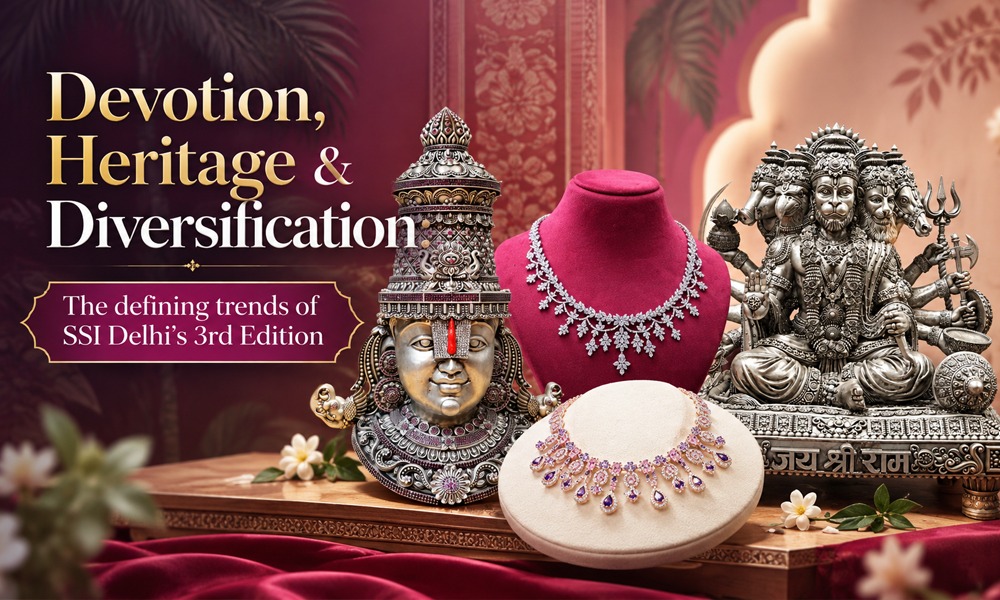
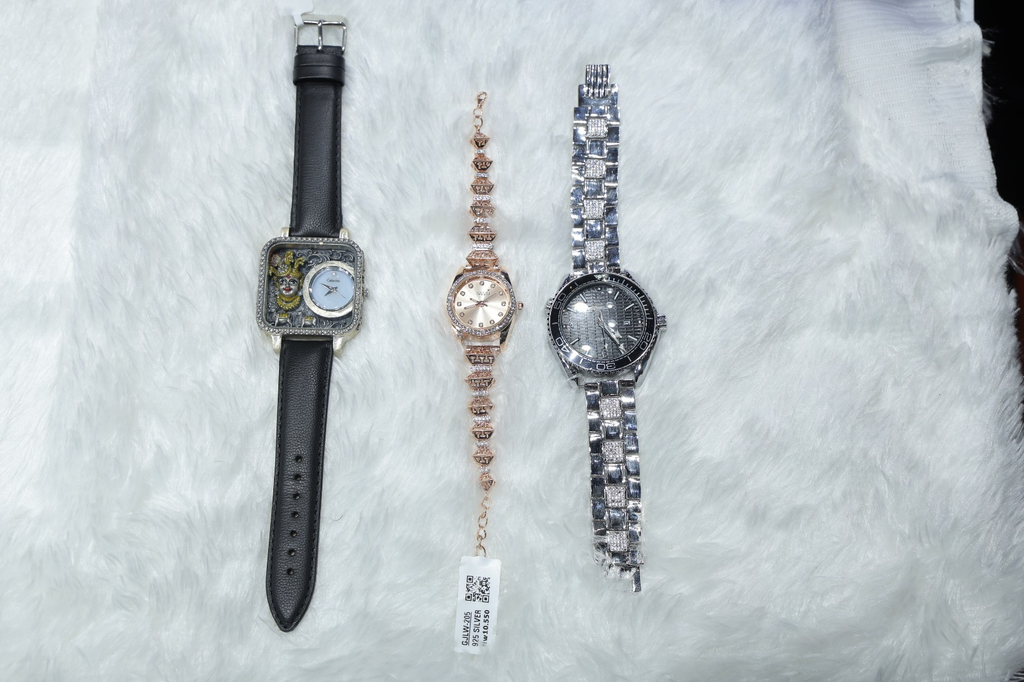
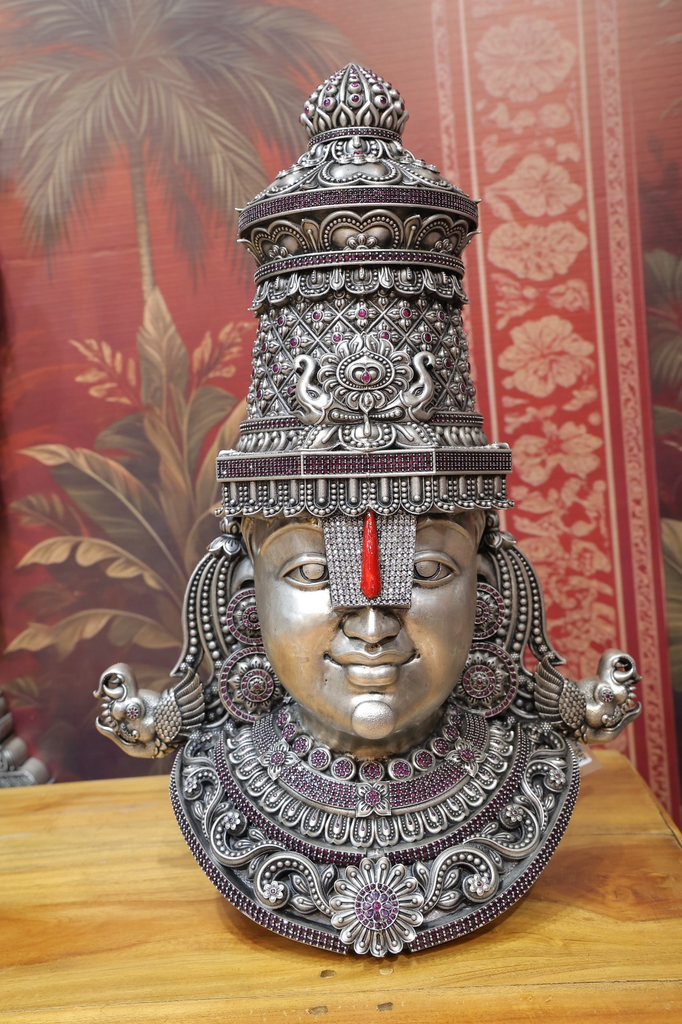
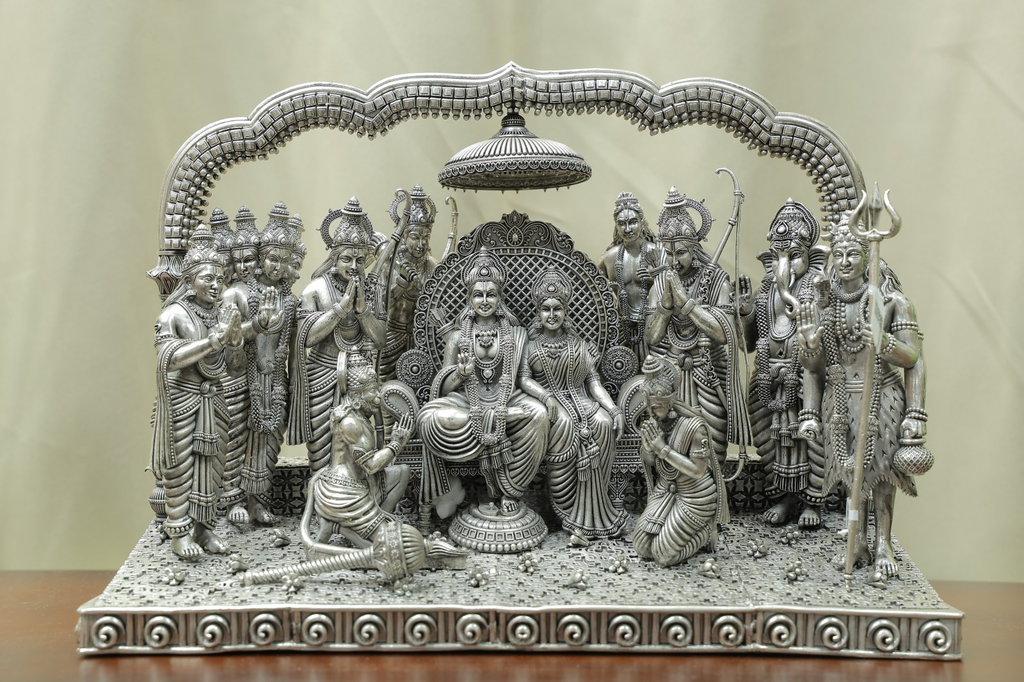
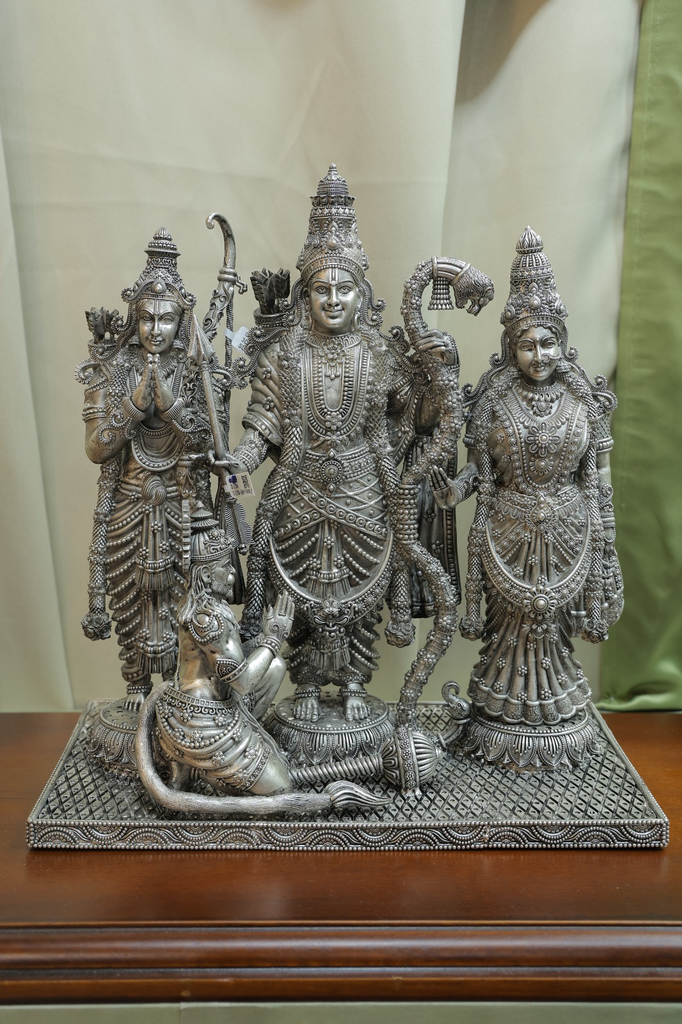
Devotional and spiritual artistry emerged as the single strongest thread of the show. Ricchezza’s Idols Collection, SILORA’s Shrinathji timepiece, Purple Jewels’ Balaji idols and Shiva Lingam, and Anmol Jewellers’ extensive range of silver and gold idols (Vishwarupa, Panchmukhi Hanuman, Ram Parivaar, and more) together show that sacred and devotional pieces are no longer a niche category but a mainstream, premium-positioned offering across exhibitors.
Antique, oxidized and heritage finishes
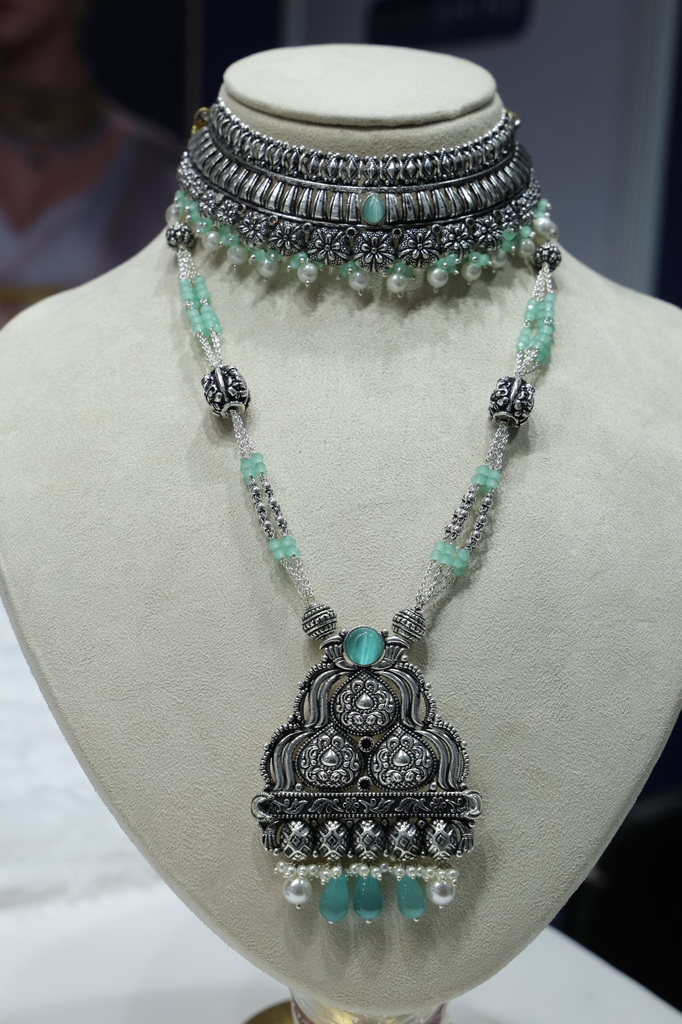
SILORA’s glorious Antique Finish Collection and Oxidized Silver Jewellery reflect a broader pull toward deep patina, folk-tribal textures, and traditional Indian artistry — a counterpoint to high-polish contemporary pieces and a signal that heritage aesthetics remain commercially strong.
Rose gold’s continued momentum
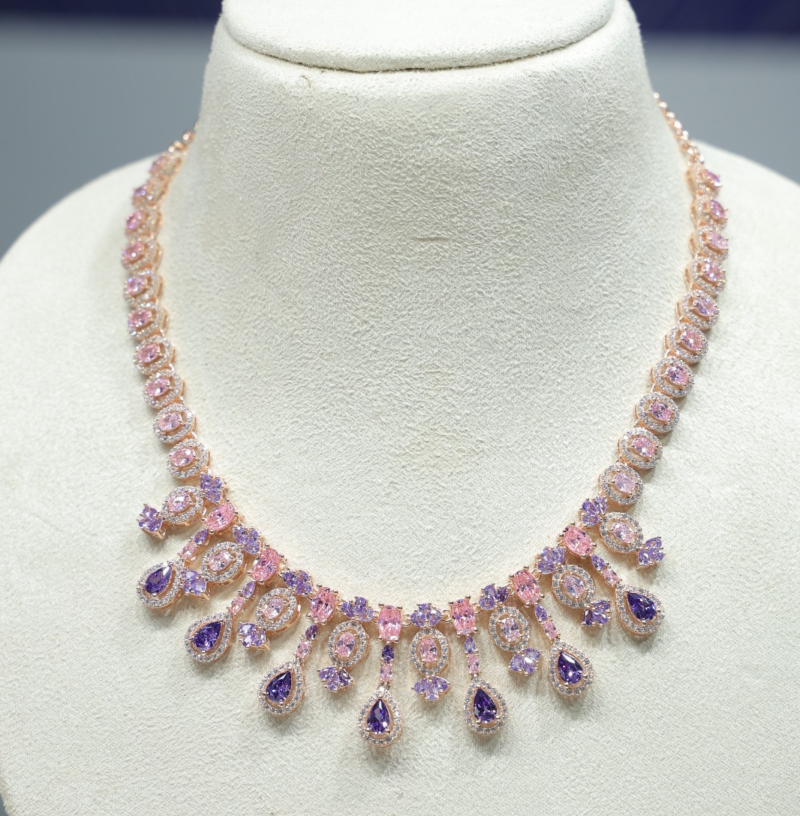
Rose gold surfaced across multiple product types — not just jewellery but also timepieces — as seen in SILORA’s Luxe Rose Gold Finish Jewellery and rose-gold-finished watches, reinforcing its position as a staple modern finish rather than a passing trend.
Category expansion beyond traditional jewellery
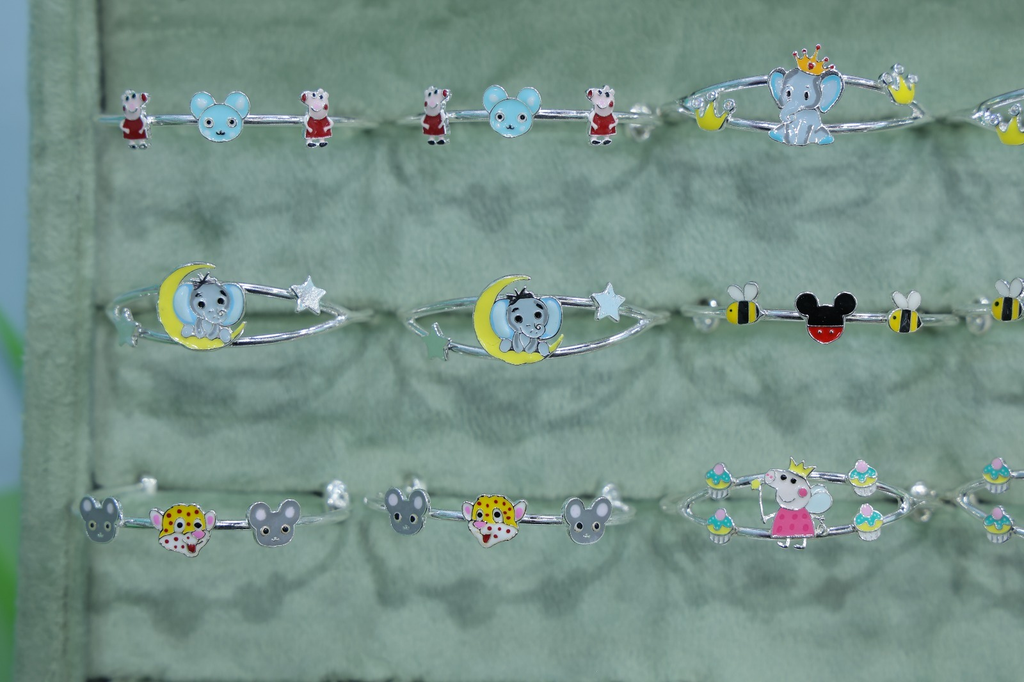
Exhibitors are widening their range beyond rings, chains, and bangles. Ricchezza’s Anamitra line targets infants, while SILORA’s Exclusive Timepieces extend a jewellery brand into horology — both pointing to lifestyle-driven diversification as a growth strategy.

Gender-Specific Design Lines
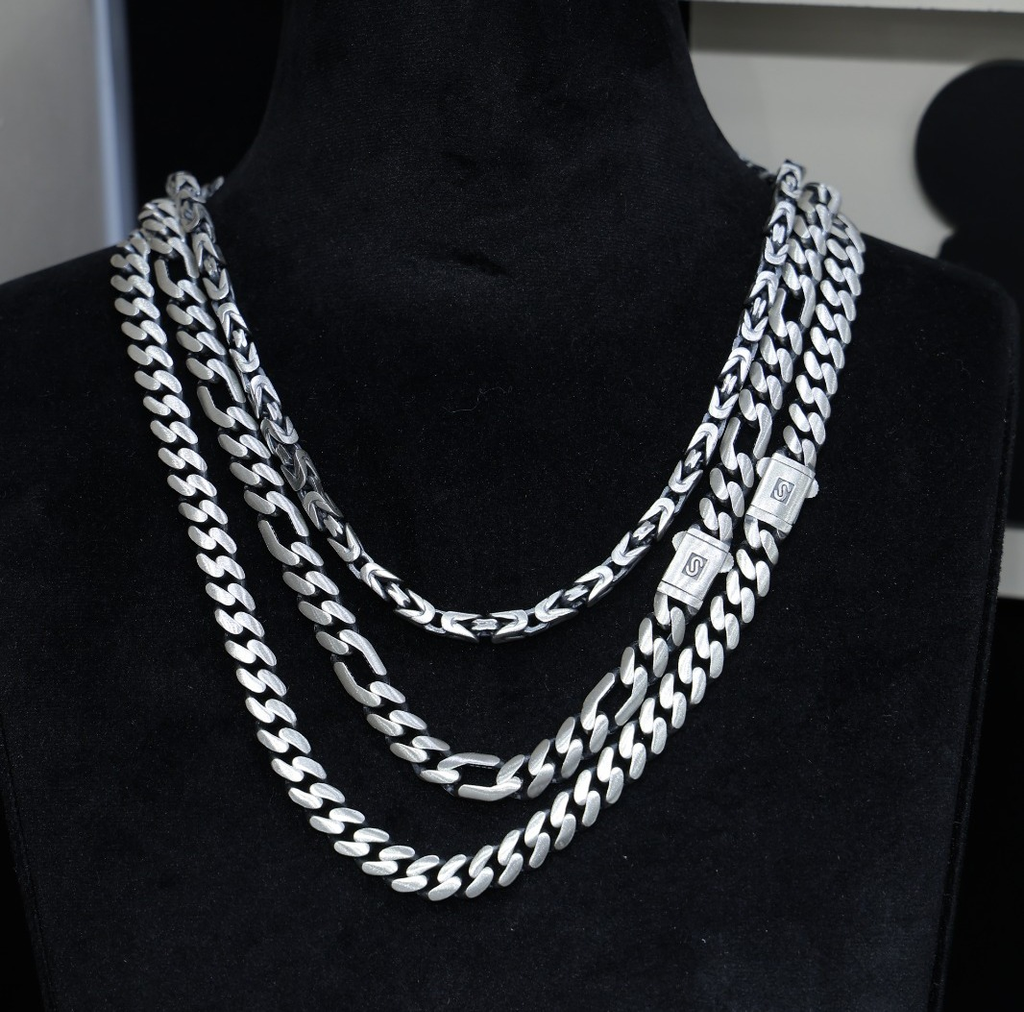
Distinct masculine and feminine lines were a notable feature, exemplified by Ricchezza’s Cuban Collection (bold, masculine) alongside Tixty (chic, feminine) — indicating that targeted, gender-specific collections continue to be a deliberate merchandising strategy rather than a one-size-fits-all approach.
Mastery in Silver Artefacts and Idols
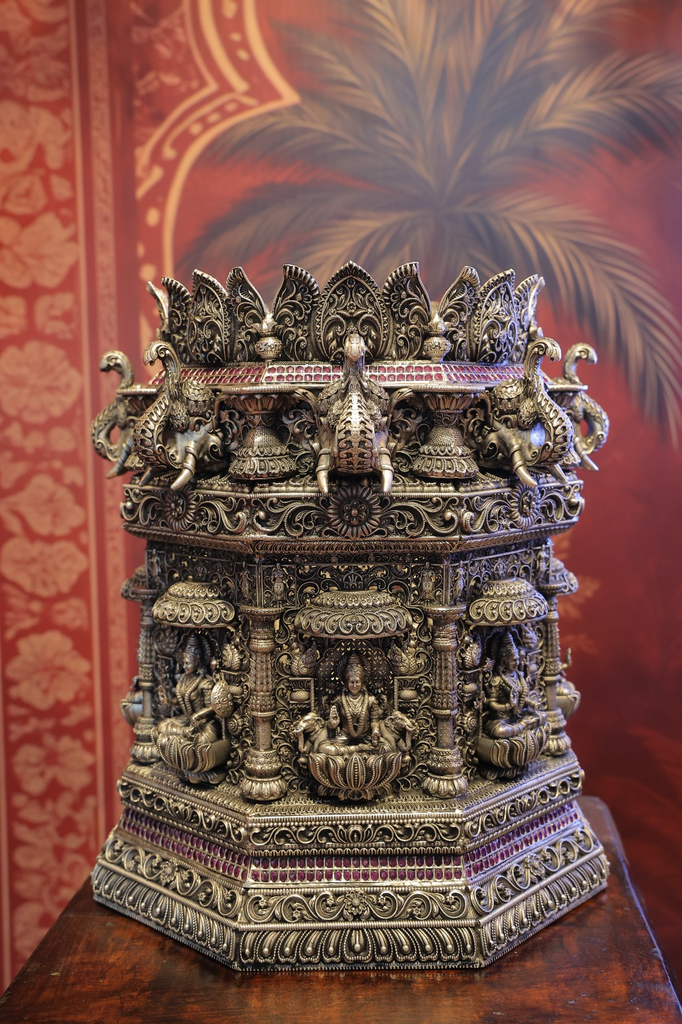
Both Purple Jewels and Anmol Jewellers demonstrated the depth of skill in silver idol-making, from the Saptashwa Vase’s mythological detailing to the technical complexity of Vishwarupa and Panchmukhi Hanuman forms, underscoring silver artefacts as a distinct and thriving craft category alongside wearable jewellery.
Balancing tradition and modernity
Taken together, the exhibitors at the 3rd edition of SSI Delhi painted a picture of an industry balancing tradition and modernity — where antique finishes and devotional artistry sit comfortably alongside rose gold sophistication, gender-targeted lines, and category extensions such as infant jewellery and timepieces. This blend of heritage craftsmanship and contemporary lifestyle relevance appears to be the defining character of the show.



GJS 2026 Diwali Edition Concludes On A High Note With Record Sales

GJEPC Launches UNNATI: Powering Women In GJ Sector To Drive Industry Growth Towards Viksit Bharat

Divine Solitaires and SGL Launch The Know Your Diamond Zone At GJS Diwali Edition 2026
GJEPC Launches UNNATI: Powering Women In GJ Sector To Drive Industry Growth Towards Viksit Bharat

KEYA By Adbhut Brings Wearable Art and Indian Craftsmanship To Delhi Art Weekend 2026

Titan, Kalyan, Malabar, Senco and Indriya Lead 54 Champions Crowned At The First India International Jewellery Awards
-
 National News1 day ago
GJEPC Launches UNNATI: Powering Women In GJ Sector To Drive Industry Growth Towards Viksit Bharat
-
 National News1 day ago
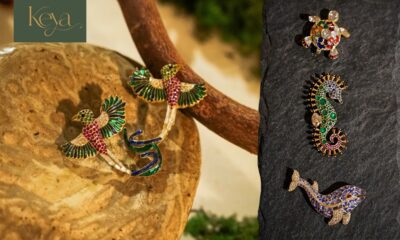
KEYA By Adbhut Brings Wearable Art and Indian Craftsmanship To Delhi Art Weekend 2026
-
 National News1 day ago
Divine Solitaires and SGL Launch The Know Your Diamond Zone At GJS Diwali Edition 2026
-
 National News1 day ago
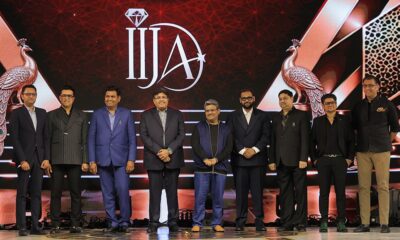
Titan, Kalyan, Malabar, Senco and Indriya Lead 54 Champions Crowned At The First India International Jewellery Awards
