News
Key advancements in XRF focus on using high-resolution synchrotron-based techniques for trace element analysis
The diamond market is seeing mixed activity across the globe, driven by holiday shopping in the US and traditional shutdowns in India.

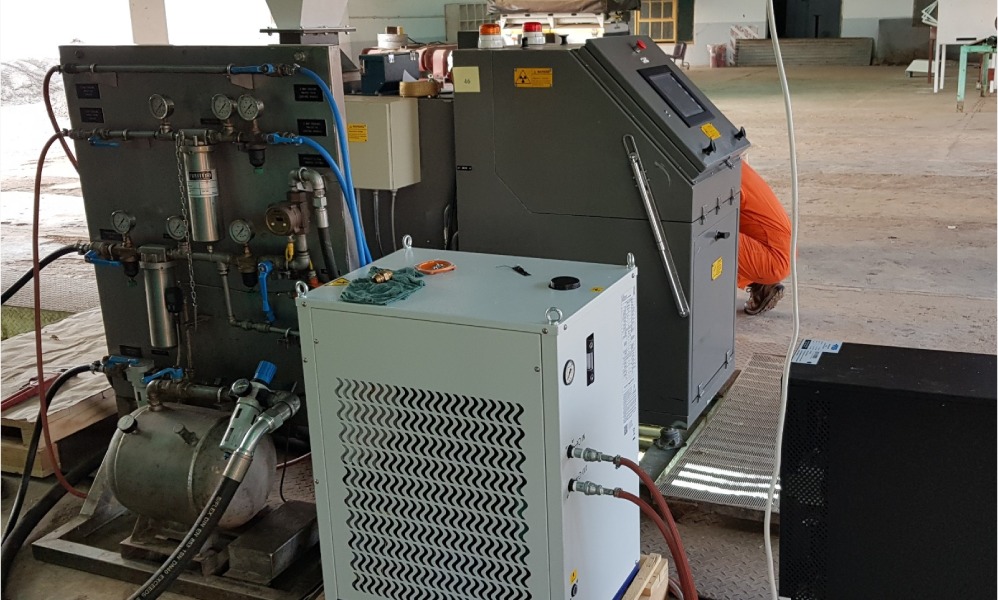
Recent advances in XRF in diamonds focus on using high-resolution, synchrotron-based techniques for trace element analysis, chemical state analysis of impurities, and identifying synthetic diamonds. Developments include using XRF with other techniques like X-ray absorption spectroscopy (XAS) for more complete analysis and using nanoprobes for spatial resolution down to 50 nm. Researchers are also creating methods to analyze trace elements in synthetic diamonds with high precision, sometimes achieving concentrations far greater than in natural diamonds.
Key advancements
- High-resolution spatial mapping:
Synchrotron XRF, especially with nanoprobe techniques, provides nanoscale mapping of elemental distributions within a diamond, revealing the relationship between elements and growth sectors.
Using techniques like XANES (X-ray Absorption Near Edge Structure) spectroscopy alongside XRF, researchers can determine the chemical state and site of impurities within the diamond lattice (e.g., the location of nickel atoms).
- Analysis of synthetic diamonds:
XRF is crucial for characterizing synthetic diamonds, including:
- Trace element analysis: Detecting and quantifying trace impurities (like Co and Mn) incorporated from metallic solvents used during synthesis.
- Synthetic vs. natural identification: Identifying synthetic diamonds based on their trace element composition, which differs from natural diamonds.
- Detecting intentional doping: Synthesizing and analyzing diamonds with specific doped atoms, like Europium (Eu), to achieve high concentrations (e.g., 51 ± 5 ppm) for specific properties.
- Integration with other techniques:
XRF is increasingly combined with other techniques like X-ray diffraction (XRD) and XAS to provide more comprehensive elemental and structural information about the sample.
- Gemological applications:
In the gemological industry, XRF is used to distinguish natural from synthetic diamonds and to detect treatments like fracture filling by showing the elemental composition of the filling agents.




National News
Kangana Ranaut Unveils PNG Jewellers New Showroom In Ayodhya~
The Store Is PNG Jewellers’ 81st Overall and Its Fifth In UP following Lucknow, Kanpur, Gorakhpur and Varanasi.


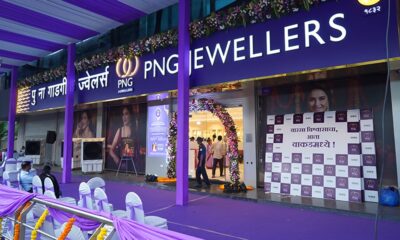
Member of Parliament and Indian film actor Kangana Ranaut inaugurated PNG Jewellers new store in Ayodhya. The store is PNG Jewellers’ 81st overall and its fifth in UP following Lucknow, Kanpur, Gorakhpur and Varanasi. Located next to Rikabganj Women Police Station, the new store gives Ayodhya customers access to PNG Jewellers’ products, collections, and quality service closer to home.
Dr. Saurabh Gadgil, CMD- PNG Jewellers, said:

“Opening a store in Ayodhya is a special moment for us. We have received an encouraging response from customers across Uttar Pradesh, and we are pleased to bring PNG Jewellers closer to people in and around Ayodhya. We look forward to being part of their weddings, festivals and family celebrations, while offering the legacy, trust and craftsmanship that our brand has stood for over generations.”
Kangana Ranaut added:
“Ayodhya holds a special place in the hearts of so many people, and I am delighted to be here for the opening of PNG Jewellers’ new store. Jewellery is closely woven into how we celebrate our traditions, weddings and important moments with family. I wish the PNG team every success in Ayodhya.’’

The occasion also marks the debut of Ram Katha, an exclusive collection inspired by the Ramayana and the historical, cultural and spiritual heritage of Ayodhya. Launched by Kangana Ranaut, the collection is being introduced in its initial phase across PNG stores in North India

The store also showcases a range of gold, diamond, temple and bridal jewellery for weddings, festive occasions and everyday wear. Customers can explore PNG Jewellers’ collections, including Saptam, Katha, Pratha, Eiina and Polmi, with designs crafted for local tastes.

Ayodhya, revered as the birthplace of Lord Shree Ram, draws people from across the country for its temples, festivals and deeply rooted traditions. Jewellery is closely tied to weddings, festivals and family celebrations in the city. The new store allows PNG Jewellers to serve local customers more conveniently while continuing its expansion in Uttar Pradesh. To celebrate the opening, the brand introduced limited-period inaugural offers of up to 50% off on gold jewellery making charges and up to 100% off on diamond jewellery making charges*, valid till 15th November, 2026.
Adding to the excitement of the festive season, PNG Jewellers brings together its brand ambassadors Madhuri Dixit-Nene and Ranbir Kapoor for the first time in a special festive television commercial. The campaign marks a significant moment, bringing together two of Bollywood’s most iconic stars in a celebration of tradition, elegance and contemporary appeal. This much-awaited collaboration also reflects PNG Jewellers’ vision of connecting its nearly two-century-old legacy with a new generation of consumers.



Kangana Ranaut Unveils PNG Jewellers New Showroom In Ayodhya~

GGJS 2026 Concludes With High-Volume Trade and Strategic Focus On Next-Gen Leadership

The Solitaire Festival Of India Concludes; Bumper Prize Winner At Ranka Jewellers Wins XUV 7XO
GGJS 2026 Concludes With High-Volume Trade and Strategic Focus On Next-Gen Leadership

ABARAN Commemorates The 125th Birth Anniversary Of Founder Shri Burde Sadananda Kamath With Special Gold Coin Launch

MCX Gold Silver Futures See Dip
-
 National News3 hours ago
GGJS 2026 Concludes With High-Volume Trade and Strategic Focus On Next-Gen Leadership
-
 National News8 hours ago
ABARAN Commemorates The 125th Birth Anniversary Of Founder Shri Burde Sadananda Kamath With Special Gold Coin Launch
-
 National News8 hours ago
MCX Gold Silver Futures See Dip
-
 National News3 days ago
P N Gadgil Jewellers Limited – Quarterly Update Q2FY27