
JB Insights
India Silver Conference 2025 Concludes with Record Participation and Fresh Innovations in Udaipur
Over 260 delegates and 33 speakers converge to explore strategies for sustaining silver demand amid high price regimes; New networking and engagement tools introduced.


The 3rd edition of the India Silver Conference, held from April 25 to 27, 2025, at the Radisson Blu Palace Resort & Spa, Udaipur, concluded on a high note, drawing more than 260 delegates, 28 sponsors and partners, 10 exhibitors, and 33 expert speakers from across the silver value chain. Organised by Eventell Global Advisory Private Limited, this year’s conference revolved around the timely theme, “Sustaining Demand During High Price Regime”, addressing critical challenges and strategies within the silver industry.

The three-day event stood out not only for its robust content and participation but also for the seamless integration of new technology platforms to enhance attendee experience. The launch of the MyEventell App empowered participants to connect with peers, access real-time agendas, interact with sponsors, and engage in interactive games—winners of which were rewarded with exciting prizes.
Another key innovation was the Premagic Gallery, offering live photo uploads throughout the event, making it easier for attendees to relive key moments and download memories instantly.
A central moment of the conference was the ISC Excellence Awards, with 22 accolades presented to recognise exemplary contributions across diverse segments of the silver ecosystem.
The event fostered a dynamic environment of learning, networking, and business development, with attendees lauding the high level of discourse, actionable insights, and collaborative spirit that defined the gathering.
Organisers have already set sights on the India Silver Conference 2026, promising an even more enriching experience for stakeholders across the silver industry.





JB Insights
Jewellery-Inspired Eyewear Emerges As Fashion’s Latest Luxury Statement
Crystal embellishments, sculptural silhouettes and gemstone-inspired details are redefining luxury eyewear as collectible fashion accessories.

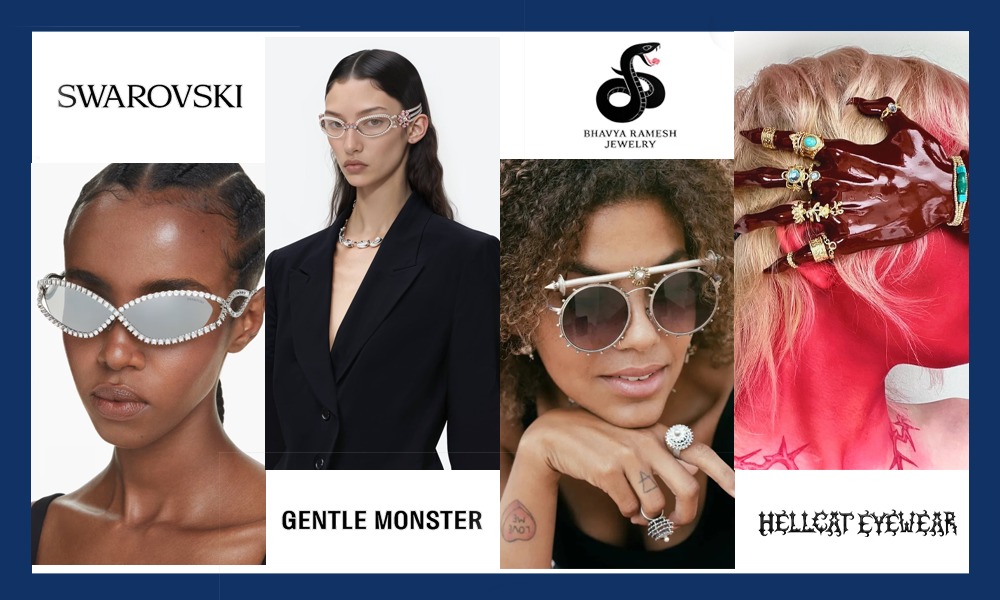
Jewellery-inspired eyewear is emerging as one of fashion’s biggest trends, with luxury sunglasses becoming statement accessories that go far beyond sun protection. Designed with crystal embellishments, sculptural silhouettes and jewellery-inspired detailing, these pieces are transforming everyday looks into standout style statements.
From weddings and brunches to holidays, race days and special occasions, statement eyewear is becoming an essential fashion investment. More than just accessories, these designs are meant to spark conversations, complement personal style and elevate any outfit.
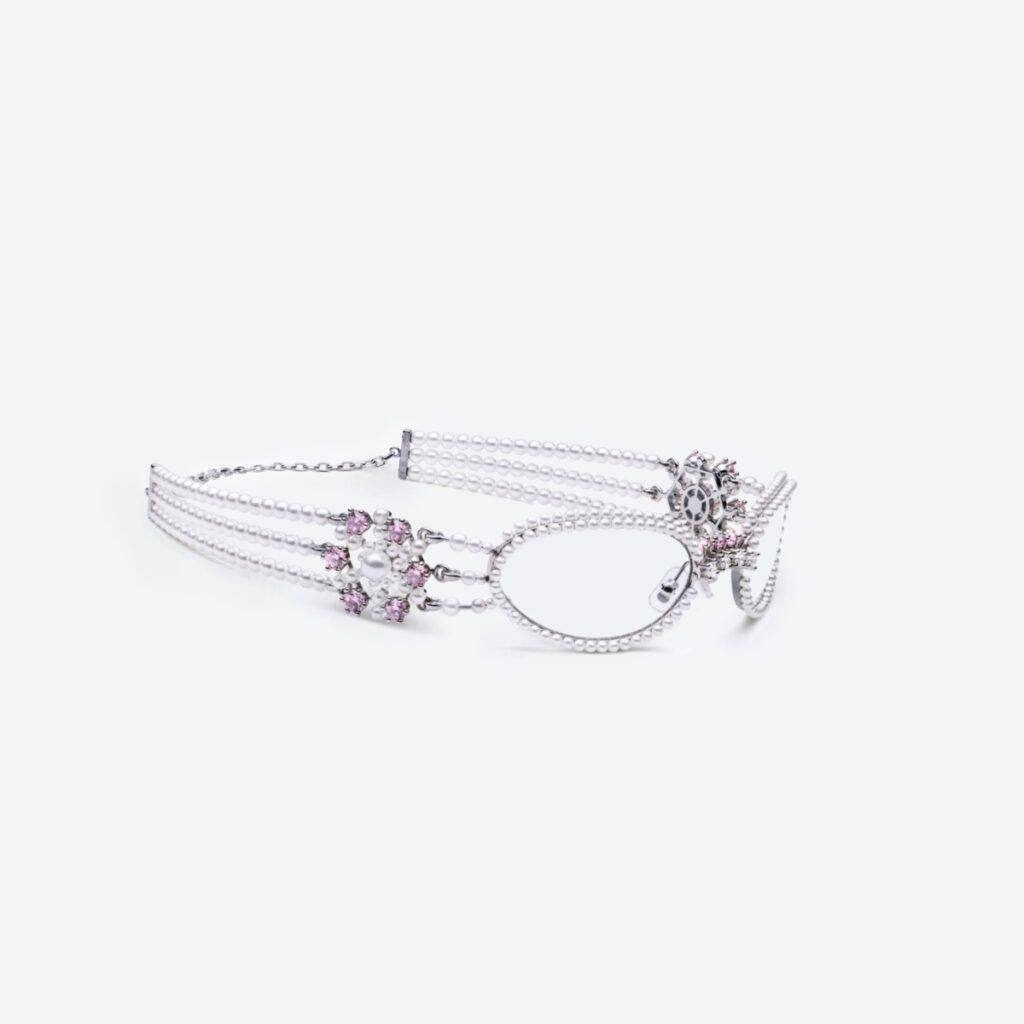
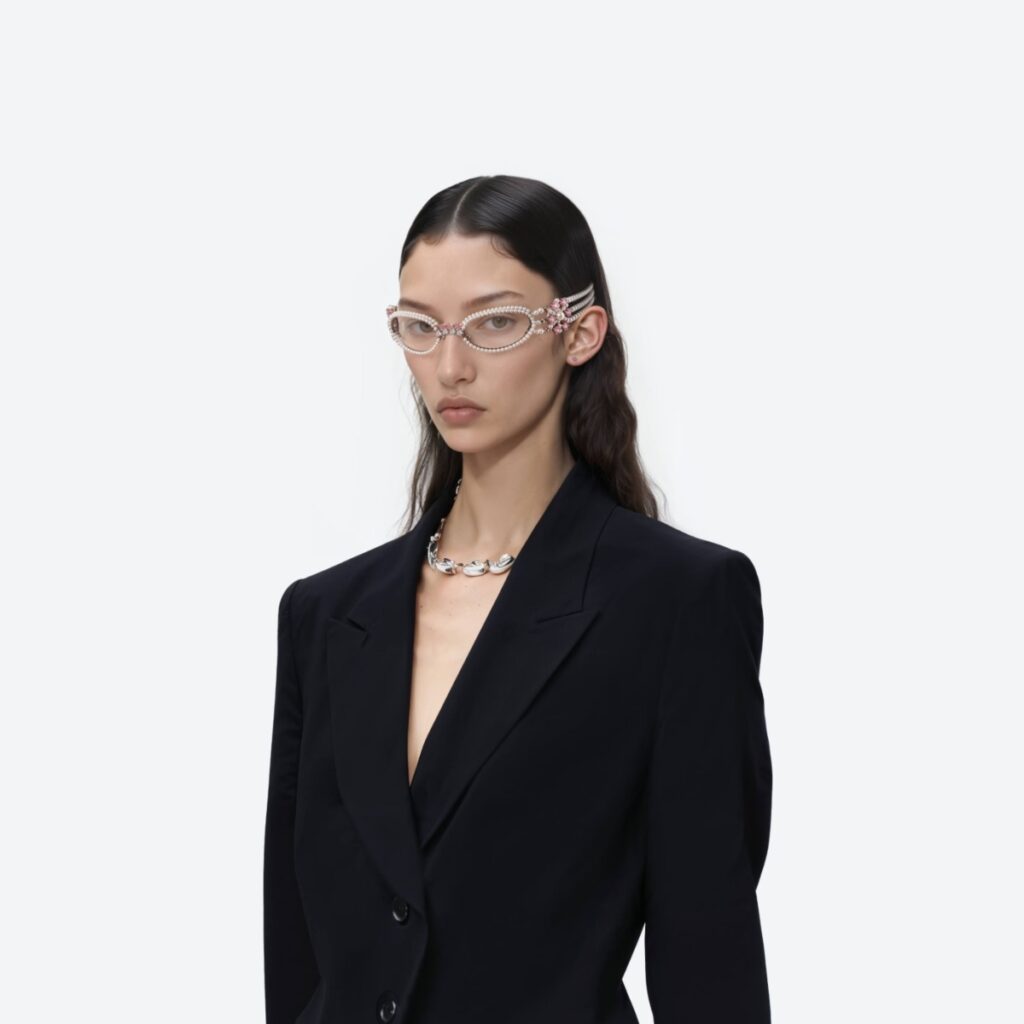
Among the standout names driving this trend is Gentle Monster, whose Bijou De 02 from its 2025 Jewelry Collection features an oval silver-metal frame inspired by precious jewellery. The collection reimagines eyewear as wearable jewellery with intricate structural detailing, making each piece both a fashion accessory and a design object.
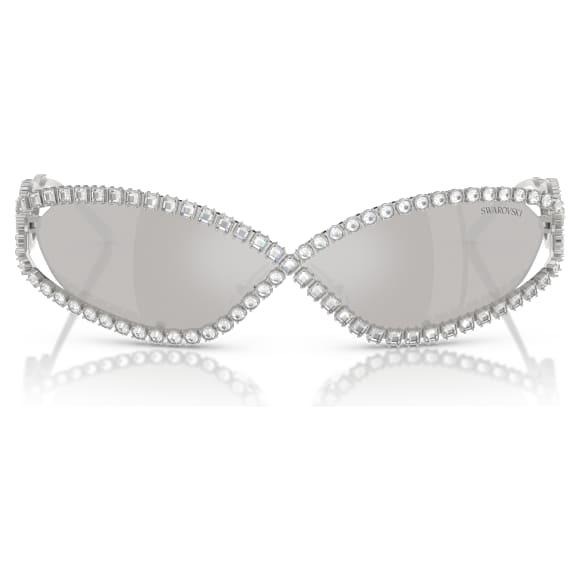
Swarovski continues to elevate crystal-studded eyewear with its Mask Shape SK7024, inspired by the brand’s Hyperbola jewellery family. The wraparound design incorporates flowing silver-tone curves adorned with round- and square-cut crystals, reflecting Swarovski’s signature approach to crystal craftsmanship.
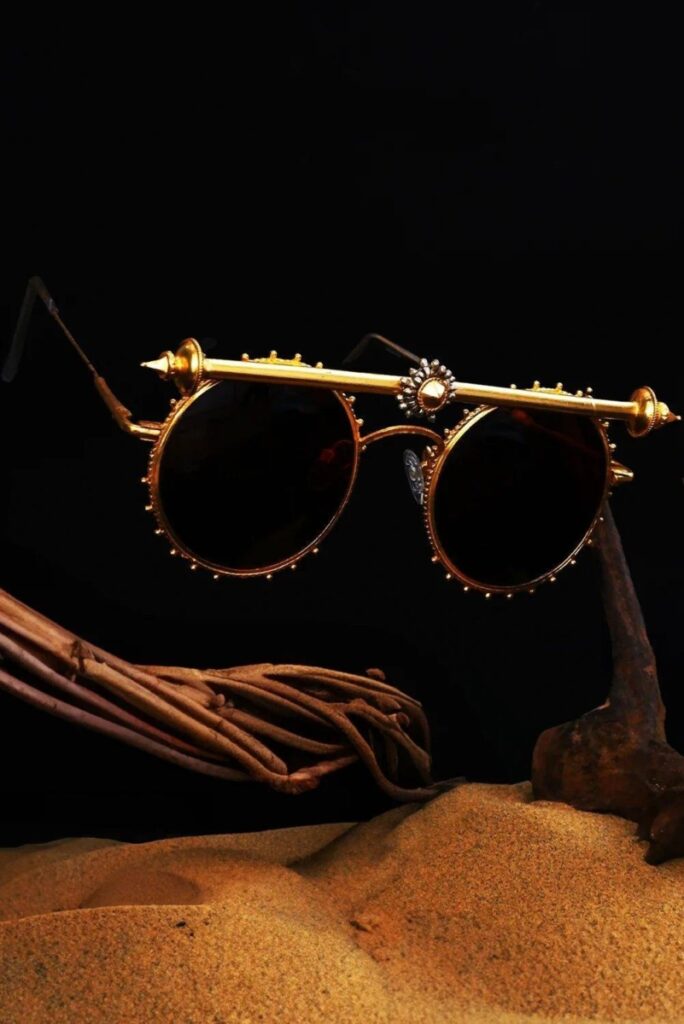
Indian designer Bhavya Ramesh brings handcrafted artistry into eyewear with the Hysteria Sunglasses, featuring sterling silver, tribal-inspired metalwork, brass ghungroos and intricate handcrafted detailing by Jaipur artisans. The design celebrates India’s jewellery-making traditions while offering a bold contemporary aesthetic.
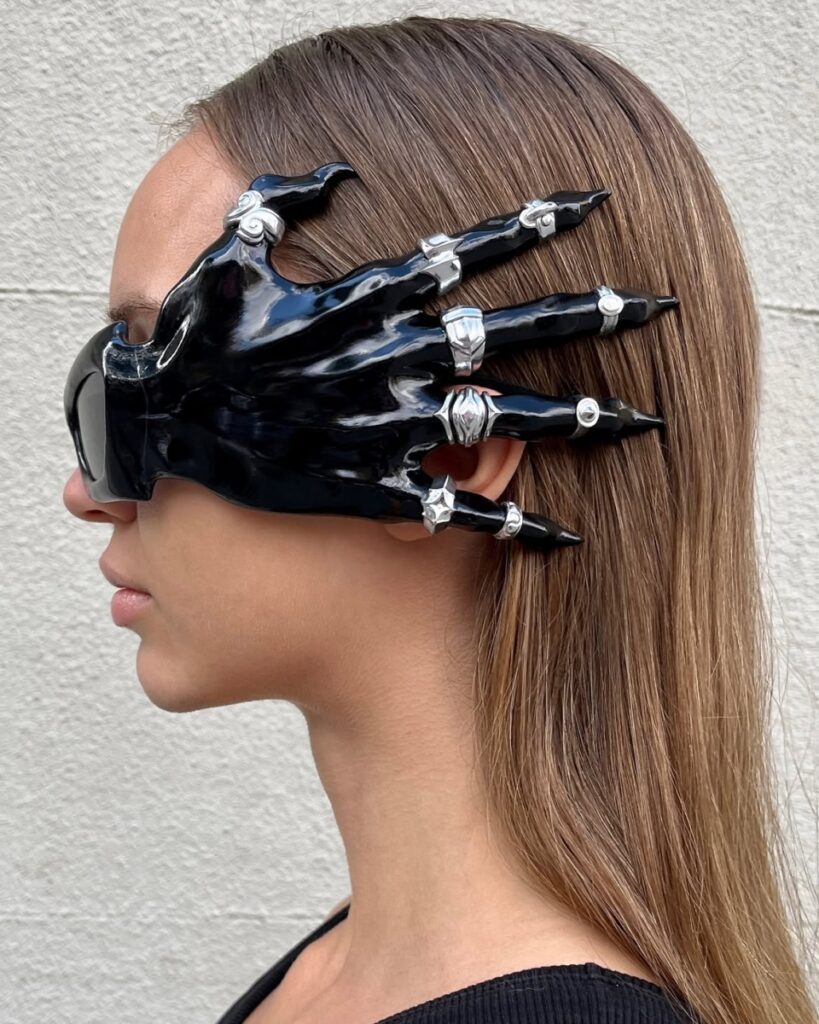
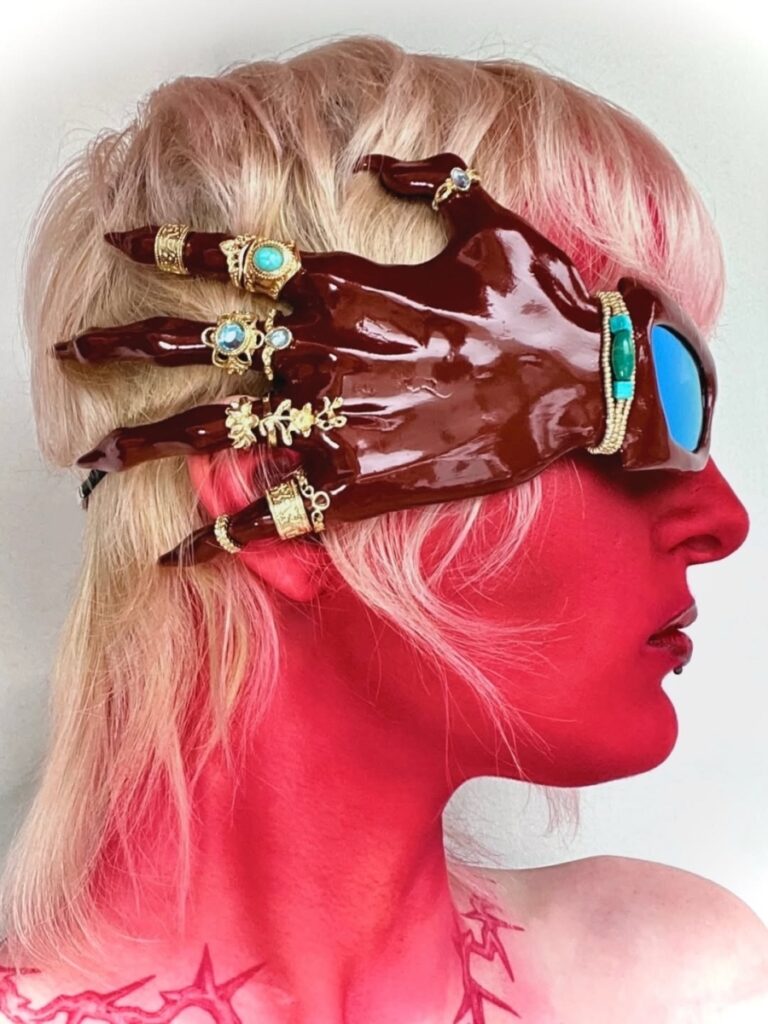
Hellcat Eyewear’s Red Hand Sunglasses embrace the growing trend of sculptural, jewellery-inspired frames with bold artistic detailing, reflecting fashion’s shift towards statement eyewear that doubles as wearable art.



MCX Gold, Silver Edge Higher, Comex Gold Moves To $23.30 To Reach $4,113.80/oz

NDC Unveils Consumer-First Global Strategy To Reignite Natural Diamond Demand

Jagannath Gangaram Pednekar Jewellers Celebrates 25-Store Milestone With Gold Exchange Festival

Master Chains N Jewels Files DRHP With SEBI For ₹400 Crore IPO

Kalyan Jewellers Unveils Akshaya Thanga Maligai (ATM) As Its First Regional Brand; Sivakarthikeyan Named Brand Ambassador
Jagannath Gangaram Pednekar Jewellers Celebrates 25-Store Milestone With Gold Exchange Festival
-
 National News1 day ago
Master Chains N Jewels Files DRHP With SEBI For ₹400 Crore IPO
-
 BrandBuzz4 days ago
Kalyan Jewellers Unveils Akshaya Thanga Maligai (ATM) As Its First Regional Brand; Sivakarthikeyan Named Brand Ambassador
-
 National News5 hours ago
Jagannath Gangaram Pednekar Jewellers Celebrates 25-Store Milestone With Gold Exchange Festival
-
 National News3 hours ago
MCX Gold, Silver Edge Higher, Comex Gold Moves To $23.30 To Reach $4,113.80/oz
