
National News
India Hosts Kimberley Process Intersessional Meeting 2026 In Mumbai
Kimberley Process Meeting Focuses On Monitoring, Compliance and Sustainable Diamond Trade

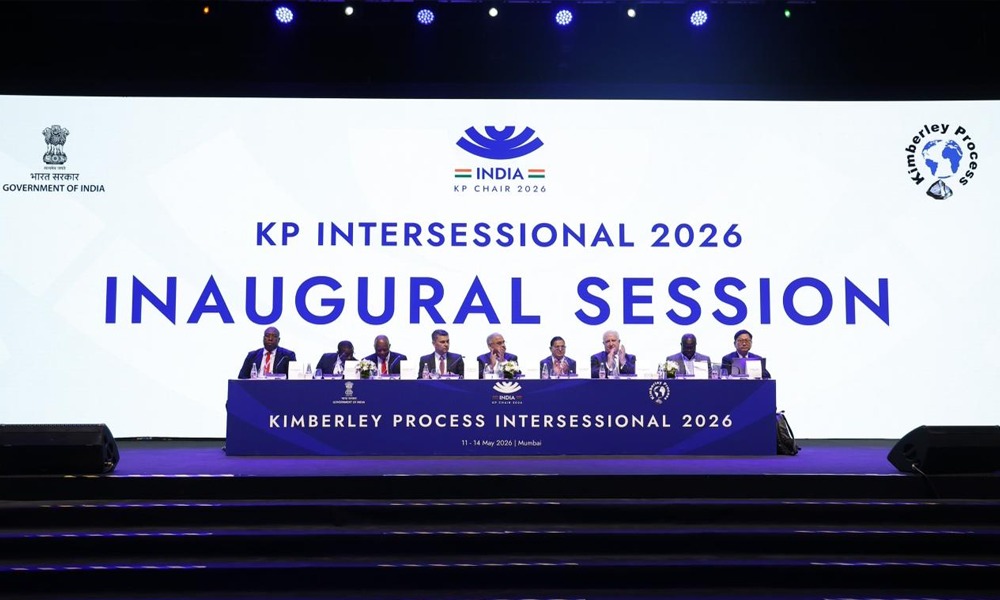
The Kimberley Process Intersessional Meeting 2026 commenced in Mumbai under India’s Chairship. The meeting, being held from May 11 to May 14, 2026, has brought together representatives from Kimberley Process Participants, Observers, and industry stakeholders from across the world to deliberate on key issues related to the global trade in natural diamonds.
Addressing the gathering, KP Chair 2026, Suchindra Misra, stated that the Kimberley Process has played an important role in supporting peace, protecting livelihoods, and strengthening legitimate diamond trade across producing nations. He emphasised the need to further strengthen trust in the system, enhance cooperation among participants, and ensure that the Kimberley Process remains relevant and effective in a changing global environment.
He also highlighted that natural diamonds represent a sustainable product and that the Kimberley Process continues to remain one of the most progressive certification systems globally.
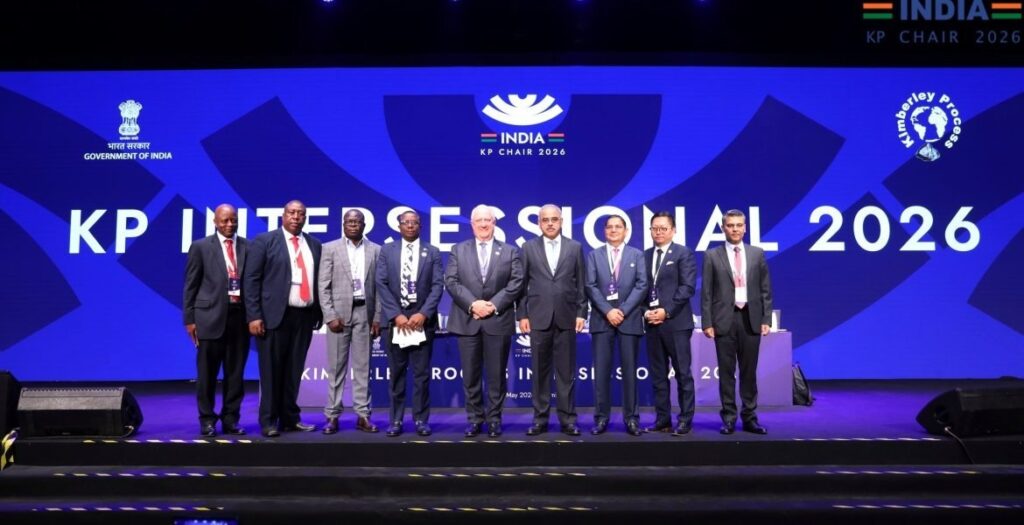
The Intersessional Meeting will include discussions and meetings of various Working Groups and Committees over the coming days. The deliberations will focus on implementation of the Kimberley Process Certification Scheme (KPCS), monitoring and compliance mechanisms, artisanal and alluvial diamond production, statistics, and measures aimed at strengthening trust in the natural diamond value chain. The proceedings of the Intersessional Meeting will continue till May 14, 2026.
The meeting is also expected to provide an opportunity for Participants and Observers to exchange views on emerging challenges and collaborative approaches for enhancing consumer confidence in ethically sourced natural diamonds.
Senior officials of the Department of Commerce, Government of India, representatives from Kimberley Process Participants, members of the World Diamond Council, Civil Society Coalition members, and other stakeholders are participating in the Intersessional Meeting.
Quote attributed to Kirit Bhansali, Chairman, GJEPC :
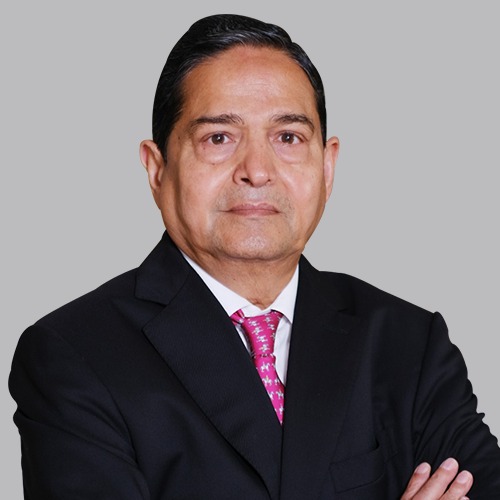
“India today stands at the heart of the global natural diamond industry, not only as the world’s largest cutting and polishing center, but also as one of the fastest-growing diamond jewellery markets globally. As an industry, we remain committed to strengthening consumer confidence, promoting transparency, and working together with global stakeholders to ensure that natural diamonds continue to remain a symbol of trust, aspiration, and shared prosperity across the world.
GJEPC, as co-organizer of the Intersessional under India’s Kimberley Process Chairship, is pleased to support this important global platform that will help strengthen confidence, enhance compliance, and reinforce the credibility of the global diamond ecosystem.”
India’s Chairship theme for 2026 focuses on the 3Cs — credibility, compliance, and consumer confidence in the natural diamond sector, with emphasis on strengthening the future of responsibly sourced natural diamonds through constructive dialogue and international collaboration.
The Kimberley Process Certification Scheme (KPCS), established pursuant to the United Nations General Assembly Resolution 55/56 (2000), is an international initiative aimed at preventing the flow of conflict diamonds into the legitimate diamond trade. At present, the Kimberley Process has 60 Participants representing 86 countries, with the European Union and its Member States participating as a single bloc.
India assumed the Chairship of the Kimberley Process on January 1, 2026, reaffirming its commitment to strengthening responsible sourcing, transparency, and sustainability in the global diamond sector. As one of the world’s leading centres for diamond cutting and polishing, India continues to play an important role in advancing the objectives of the Kimberley Process.


National News
Kantilal Jewellers, Launches Flagship Showroom At Vastrapur, Ahmedabad
Marking Its First Expansion Outside Surat, The Massive Three-Story Space Is The Brand’s Largest Retail Destination To Date.
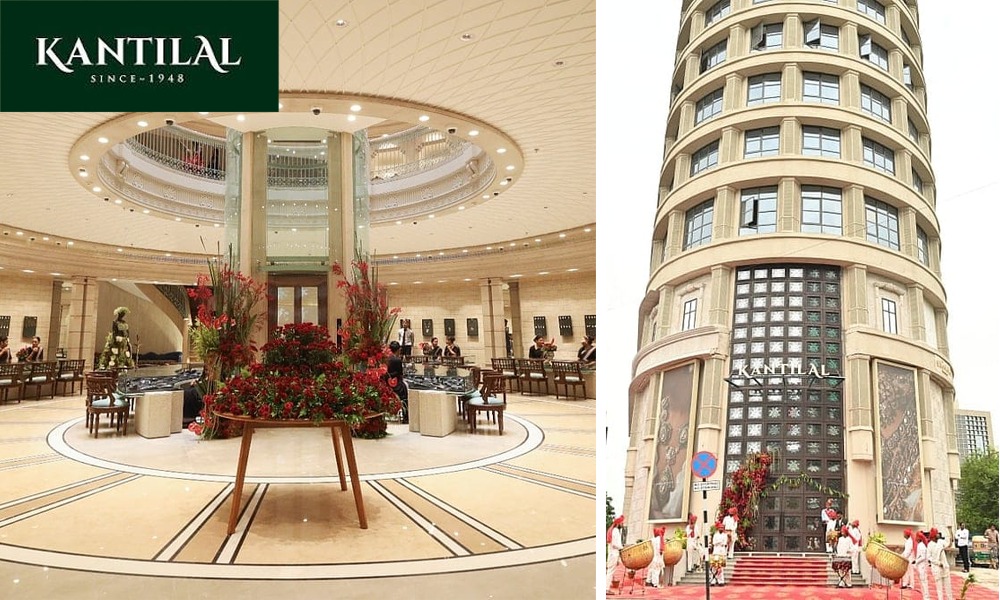
Surat-based Kantilal Jewellers, a legacy brand established in 1948, has expanded beyond its home base with the launch of a 28,000 sq. ft. flagship showroom at Keshavbaug Capital, Vastrapur, Ahmedabad.
Marking its first expansion outside Surat, the massive three-story space is the brand’s largest retail destination to date.
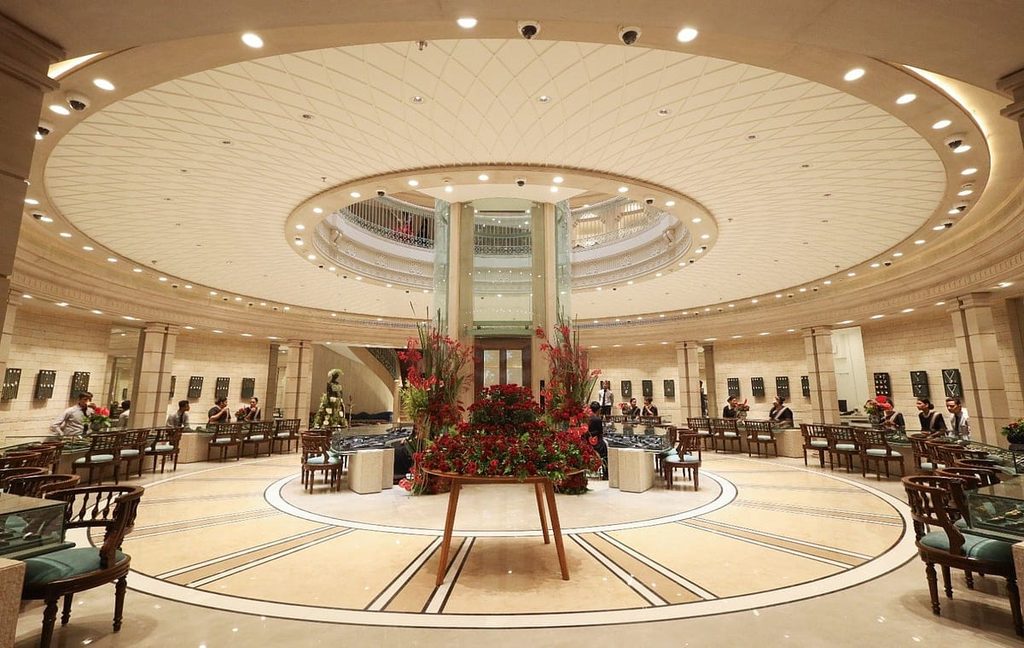
Palatial Architectural Concept: The store design takes inspiration from Jodhpur Palace, featuring Jharokha-style screens, marble passageways, domed skylights, chandelier lounges, and a central atrium linking all three levels.
Experiential Studio Retail: Departing from traditional counters, the showroom offers private studio spaces, VIP viewing areas, and dedicated experience centers.
Ambient Luxury: The shopping experience is elevated by live sitar and guitar performances alongside personalized consultation lounges.
Product Offering: The flagship showcases the brand’s signature gold, diamond, and bridal collections tailored for the Ahmedabad market.
Led by Director Jinay Choksi, this flagship rollout is a strategic move to establish a distinct, experiential luxury footprint across major Gujarat markets while preserving the heritage of the Kantilal brand.


-

 JB Insights8 hours ago
Devotion, Heritage & Diversification: The defining trends of SSI Delhi’s 3rd Edition
-

 JB Insights8 hours ago
Gold-plated silver jewellery is seeing explosive growth
-

 ShowBuzz22 hours ago
SSI 2026 SETS A BIGGER STAGE FOR SILVER
-

 ShowBuzz1 day ago
Silver Trends To Watch At SSI Delhi 2026
