
TechBuzz
Groundbreaking Collection Highlights Possibilities for 3D-Printed Platinum Jewellery Design
Platinum Guild International Leads Efforts to Expand Platinum’s Production Capabilities Using 3D Printing Technology with Tùsaire Collection by Maeve Gillies

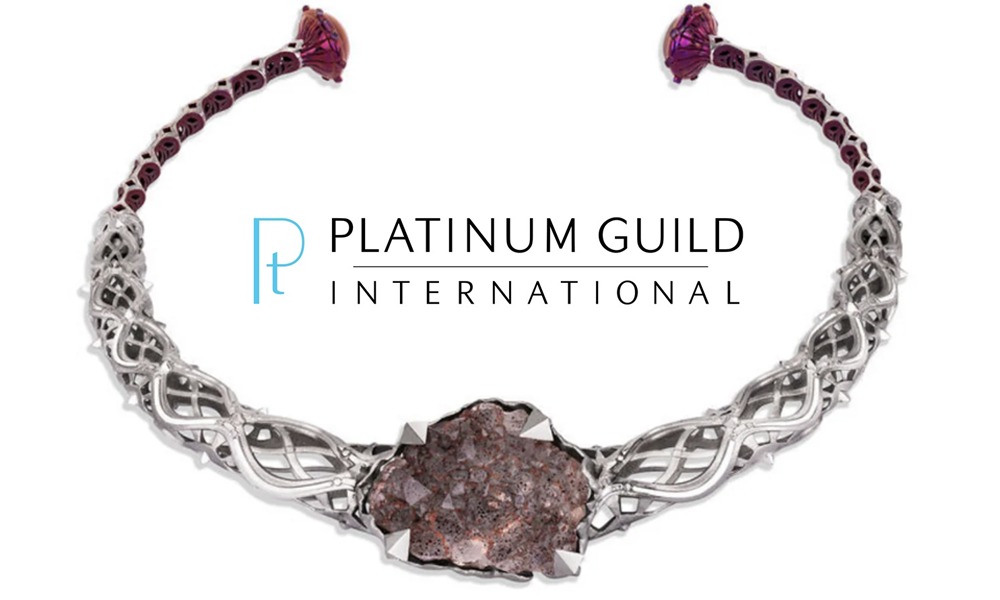
Platinum Guild International (PGI) continues to champion technological advancements in platinum jewellery design and fabrication with a ground-breaking development in 3D printing. The innovative Tùsaire collection, created by Scottish-American jewellery designer Maeve Gillies using 3D printing technology, is the first platinum-based collection of its kind to be launched commercially.
The Tùsaire Collection is named after the Scottish Gaelic word for “pioneer” and features jewellery made from platinum and titanium, including necklaces, bracelets, earrings, and rings that highlight the potential of 3D printed platinum in the realm of jewellery design and fabrication.

While sharing this latest development in the platinum jewellery market at ORIGINALLUXURY’s 5th Roundtable event in Geneva in May 2025, which brought together 150 luxury, technology and finance stakeholders, PGI’s CEO Tim Schlick explained, “We needed to put 3D printing of platinum to the test, to identify the advantages and challenges, in the hope of expediting the technology’s application in making precious jewellery and its ability to create novel designs and experiences. There is no doubt additive manufacturing will be very important for the future of jewellery as it unlocks so many new possibilities.”
While 3D printing was already an established technology for jewellery production, the launch of the Tùsaire collection beautifully demonstrates the decorative, scale and structural potential for 3D printed platinum jewellery. For example, the 3D printing and precious metal powder technology used have enabled the crafting of intricate, unique shapes that would be impossible to achieve otherwise, such as lattices, hollow structures and detailed textures. As Mr. Schlick noted during the workshop, “We are just beginning to understand how platinum can create new emotional and practical value in 3D printing, not only through how it looks, but how it is made, owned, and experienced.”
“This moment marks a pivotal opportunity for platinum to redefine its role in luxury through creativity, cross-sector collaboration, and future-ready innovation,” said Margot Stuart, co-founder of ORIGINALLUXURY and OriginAll S.A..


“As most of my work is in diamond bridal jewellery fabrication, I learned through experience that platinum is the ideal bridal metal due to its strength, resilience, and suitability for diamond design innovation. For this 3D-printed jewellery collection, my knowledge of platinum was invaluable in allowing me to design new solutions with the printing technology, helping to transform platinum into new jewellery looks and categories,” said Gillies about her experience designing and developing the 3D-printed jewellery.
The direct metal printing of the platinum pieces was completed by the Italian-based company ProGold, which utilises metal laser powder bed fusion and other technologies to develop and produce parts from precious metals for a range of industries.
“Due to platinum’s high tenacity, strength and high melting temperature, it enables the highest quality of structural integrity with precise heat control. Its good light absorption and low reflectivity also make platinum a comparatively energy-efficient metal for printing with lasers.” Tai Wong, Director of Innovations and Product Development at PGI shares. “Platinum’s metal attributes are superior for processes like laser powder bed fusion, and we found the best of platinum’s strength and shine are optimised by direct metal printing.”

The technology catapults platinum into new types of jewellery by enabling the creation of larger silhouettes that were previously impossible because platinum is traditionally a heavier, denser, and more expensive metal. However, platinum is currently highly desirable, partly because its price makes it more affordable than gold.
“This is such an interesting time in the industry because technologies are coming in thick and fast. At the same time, craft has never been more important for people to preserve and understand the process and the possibilities of new materials and new ways of expressing and pushing more towards what platinum can do,” added Ms. Gillies.







With gold prices continuing to rise, lightweight jewellery manufacturing has emerged as a key focus for the industry. Electroforming is gaining attention as an advanced manufacturing technology that enables jewellers to produce lightweight gold jewellery without compromising on design complexity and visual volume.
DOIT LOGO:
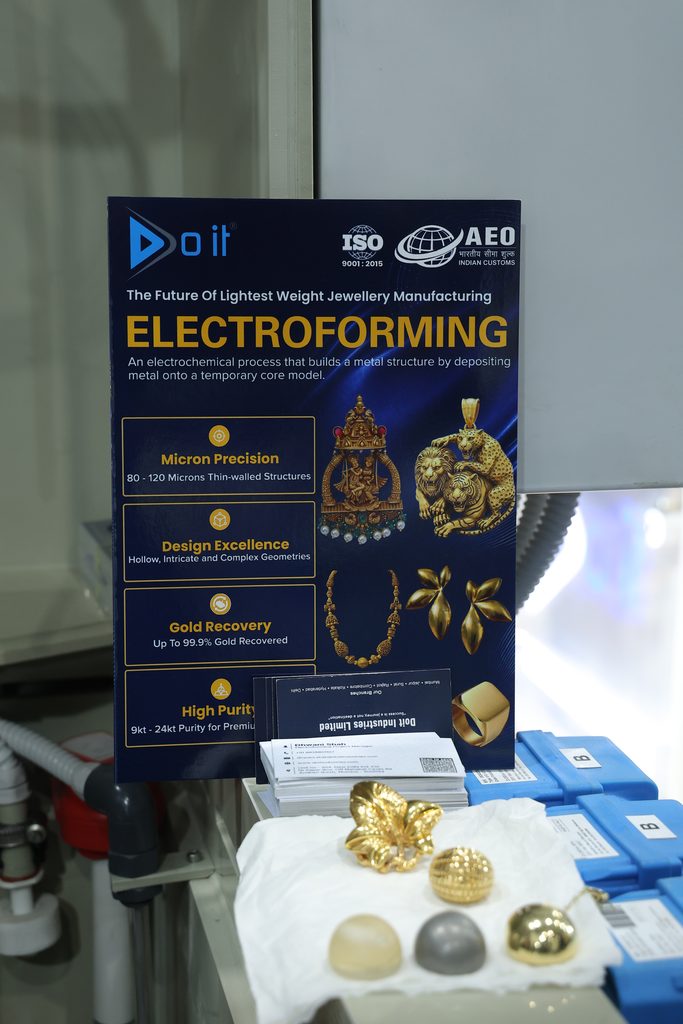
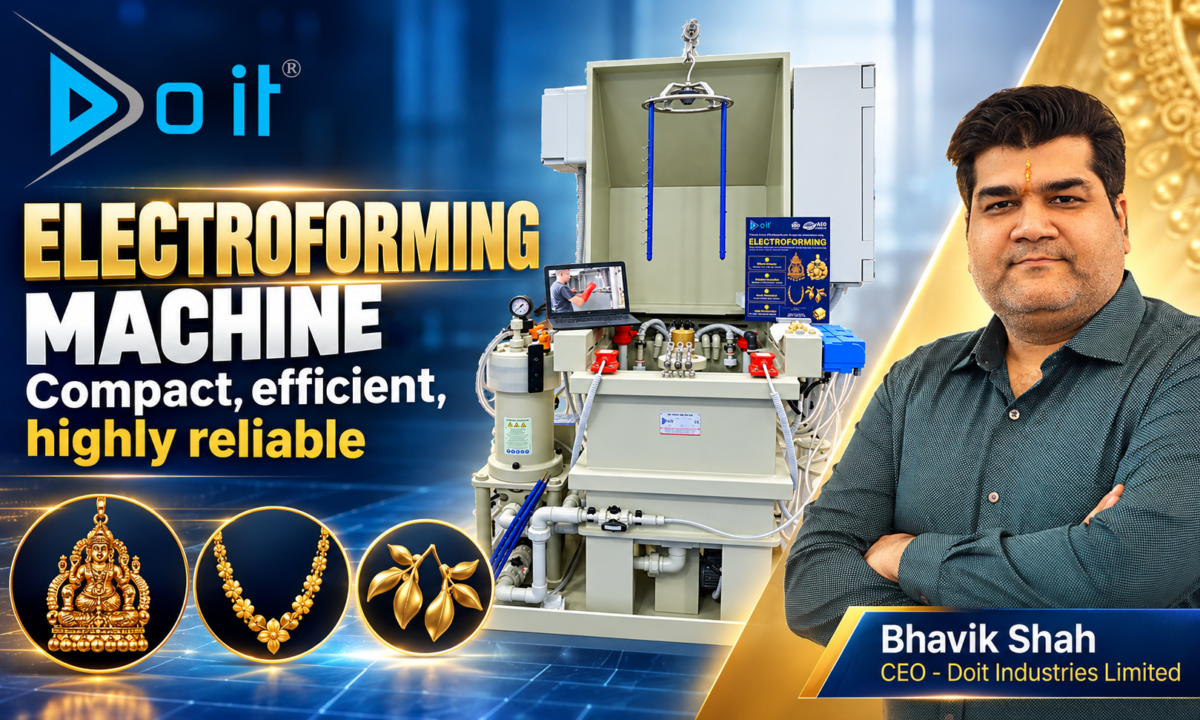
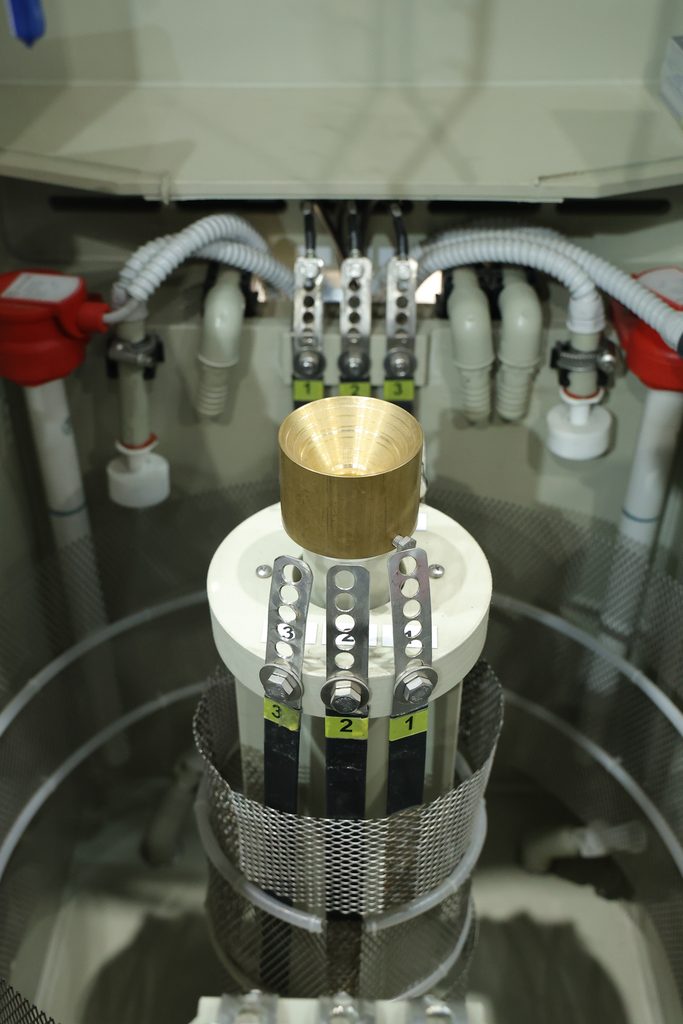
Doit Industries Limited offers Electroforming Semi Automatic Machine 130L that is a compact, efficient, and highly reliable unit designed for the electroplating of gold onto various base metals using advanced gold forming technology. This plant is suitable for small to medium- scale jewelry manufacturers, goldsmiths, and electroplating workshops. It combines energy-efficient heating, stable rectification, effective filtration, and precise dosing to ensure uniform deposition and high-quality output.
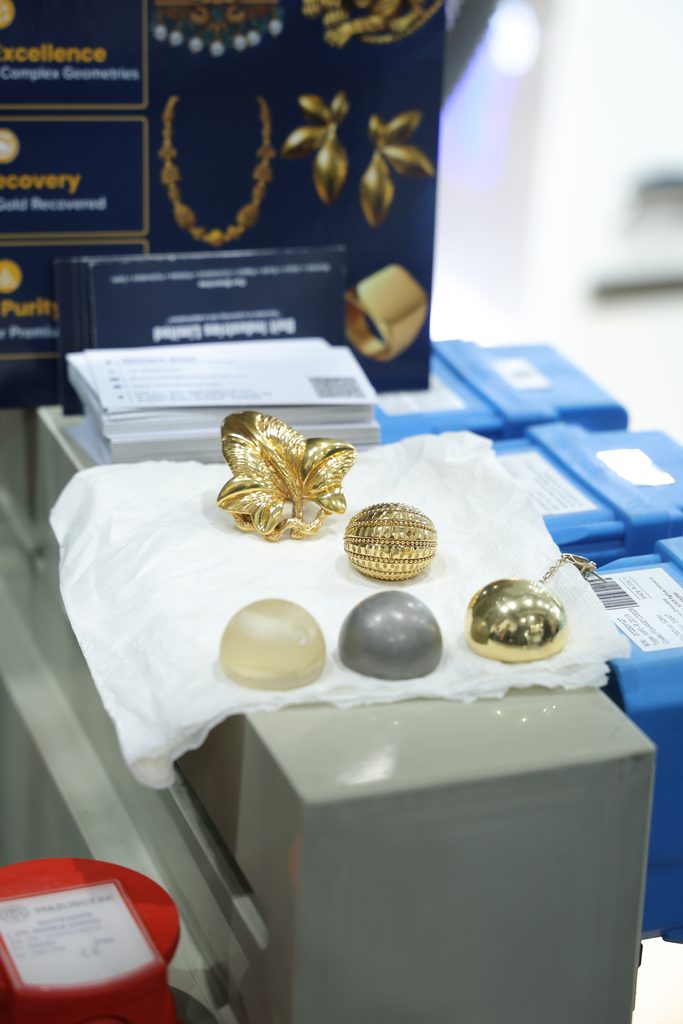
The technology also enables manufacturers to develop intricate and voluminous designs while significantly reducing the amount of precious metal required compared with conventional solid jewellery manufacturing.
image of electroforming machine:
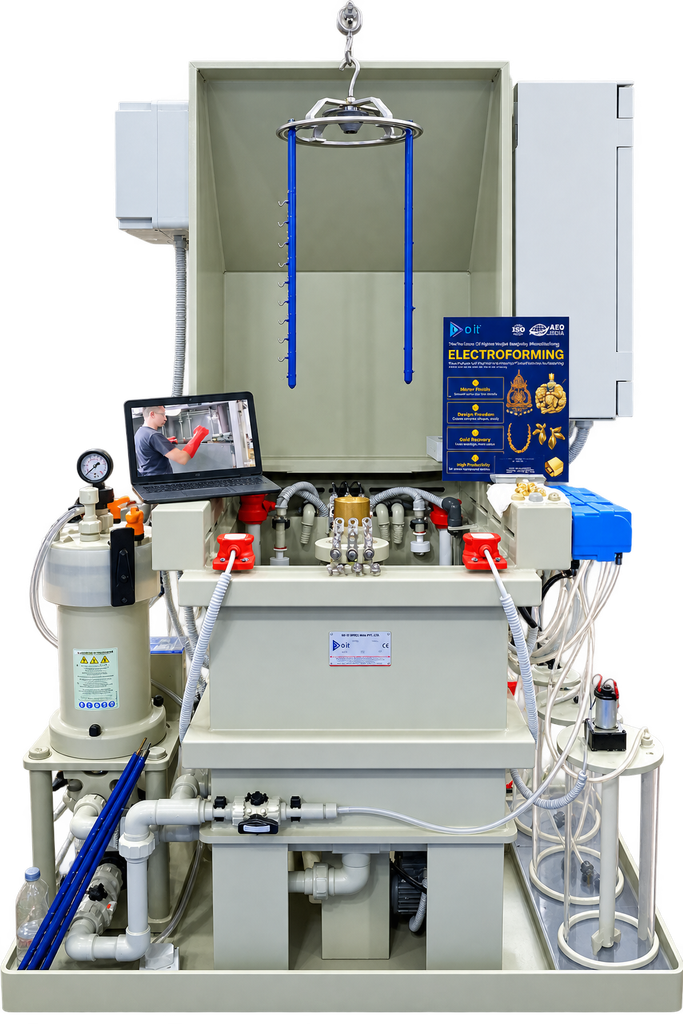
At the heart of the process is the electroforming machine, which controls the deposition process and helps achieve consistency in thickness, finish and product quality. The semi-automatic machines being showcased incorporate substantial indigenous engineering, with approximately 90% of the machine components and products manufactured in India by DOIT Industries Limited.
Bhavik Shah CEO:

For jewellery manufacturers, electroforming represents a combination of material efficiency, lightweight construction and design flexibility. As high gold prices accelerate the industry’s shift towards lighter jewellery, such technologies could play an increasingly important role in developing commercially viable, design-rich products for the modern consumer.
The semi-automatic machines being showcased by Doit Industries Limited incorporate substantial indigenous engineering, with approximately 90% of the machine components and products manufactured in India by Doit Industries Limited.



Kangana Ranaut Unveils PNG Jewellers New Showroom In Ayodhya~

GGJS 2026 Concludes With High-Volume Trade and Strategic Focus On Next-Gen Leadership

The Solitaire Festival Of India Concludes; Bumper Prize Winner At Ranka Jewellers Wins XUV 7XO
GGJS 2026 Concludes With High-Volume Trade and Strategic Focus On Next-Gen Leadership

ABARAN Commemorates The 125th Birth Anniversary Of Founder Shri Burde Sadananda Kamath With Special Gold Coin Launch

MCX Gold Silver Futures See Dip
-
 National News3 hours ago
GGJS 2026 Concludes With High-Volume Trade and Strategic Focus On Next-Gen Leadership
-
 National News8 hours ago
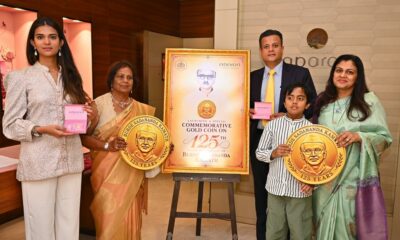
ABARAN Commemorates The 125th Birth Anniversary Of Founder Shri Burde Sadananda Kamath With Special Gold Coin Launch
-
 National News8 hours ago
MCX Gold Silver Futures See Dip
-
 National News3 days ago
P N Gadgil Jewellers Limited – Quarterly Update Q2FY27
