DiamondBuzz
GIA says it can’t comply with industry bodies’ request for nominal, grading-linked contribution mechanism”

A coalition of 15 major industry organizations recently petitioned the Gemological Institute of America (GIA) to implement a “grading-linked contribution mechanism.” The goal was to secure sustainable funding for the Natural Diamond Council (NDC) to revitalize consumer marketing. However, the GIA has officially declined the request, citing legal and structural constraints.
The initiative, led by the Diamond Manufacturers & Importers Association of America (DMIA), suggested a nominal, sliding-scale surcharge based on carat size for every diamond graded by the GIA.
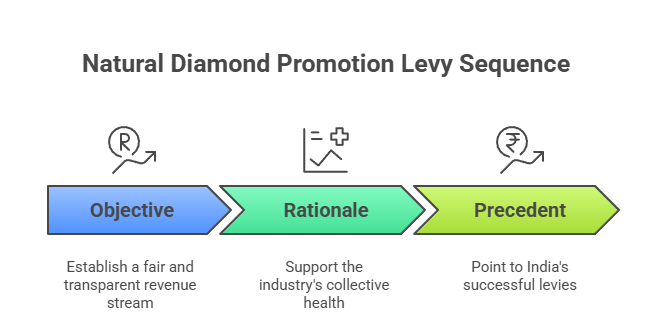
- Objective: To create a “fair, transparent, and scalable” revenue stream for natural diamond promotion.
- Rationale: Proponents argued that since every graded diamond benefits from GIA’s reputation, a small levy is a logical way to support the industry’s collective health.
- Precedent: The groups pointed to India’s successful implementation of small levies for industry promotion as a proof of concept.
3. GIA’s Official Stance
Despite the unified front of the 15 organizations (American Gem Trade Association, Antwerp World Diamond Centre, Bharat Diamond Bourse, CIBJO (World Jewellery Confederation), the Diamond Dealers Club of New York, the Dubai Multi Commodities Centre, the Gem & Jewellery Export Promotion Council, the Indian Diamond & Colorstone Association, the International Diamond Manufacturers Association, the Israel Diamond Manufacturers Association, Jewelers of America, United States Jewelry Council, World Diamond Council, and the World Federation of Diamond Bourses), the GIA has rejected the proposal
The GIA’s refusal to implement the proposed surcharge is rooted in its structural identity as a 501(c)(3) nonprofit organization. Under this legal designation, the GIA is strictly prohibited from diverted funds or collecting fees to benefit external, for-profit, or trade-specific marketing entities like the Natural Diamond Council (NDC).
Beyond the legal constraints, the organization maintains a firm boundary regarding its mission alignment; while industry groups seek to drive commercial demand, the GIA’s primary mandate is centered on consumer protection and rigorous scientific education. Engaging in commercial promotion could be perceived as a conflict of interest that undermines its role as an impartial arbiter of diamond quality.
Despite this rejection, the GIA has signaled a willingness for future support through collaborative efforts that fit within its educational purview. By focusing on “industry education” rather than “marketing,” the GIA can continue to fund internal initiatives that overlap with the NDC’s goals without violating its nonprofit status or compromising its reputation for objectivity.
The rejection by the GIA marks a significant hurdle for the NDC’s funding strategy. The industry now faces the challenge of creating a self-funded marketing engine without the “centralized gatekeeper” advantage that a grading lab surcharge would have provided.
Potential Alternative Paths:
- Implementing voluntary contribution models at the retail or wholesale level.
- Focusing on “educational” campaigns that GIA can legally support under its nonprofit status.
- Exploring government-backed levies in major diamond hubs (similar to the Indian model).


DiamondBuzz
Botswana Looks Beyond Rough Diamond Sales, Eyes U.S. Jewelry Market
The Duty Exemption By US Presents An Opportunity For Domestic Jewelry Manufacturers In Gaborone To Bypass Traditional Middle-Market Hubs and Establish A Direct Pipeline To American Consumers

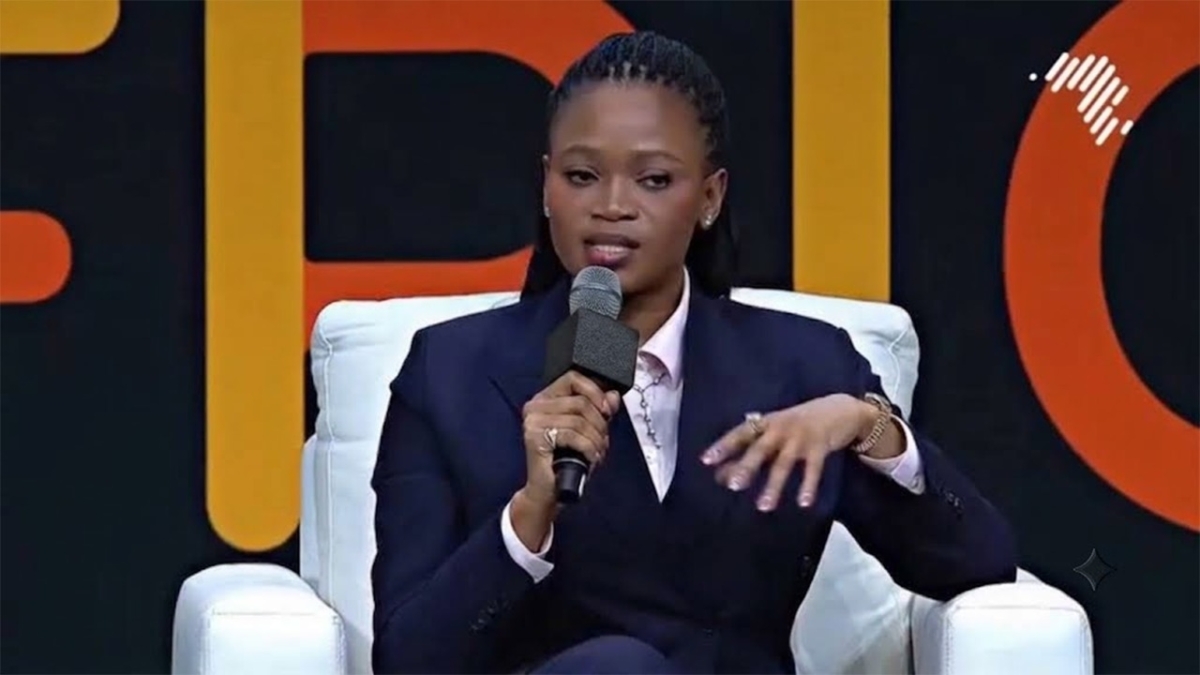
Grappling with a painful downturn in global rough-diamond demand, Botswana is pivoting its economic strategy: expanding up the supply chain directly into American retail shelves while leveraging its resource wealth to fund conservation and diversification.
Speaking on the sidelines of New York Climate Week, Bogolo Joy Kenewendo, Botswana’s Minister of Minerals and Energy, highlighted the southern African nation’s plan to capitalize on a 0% import-tariff rate to the U.S. market. The duty exemption presents an opportunity for domestic jewelry manufacturers in Gaborone to bypass traditional middle-market hubs and establish a direct pipeline to American consumers.
shift The push into value-added manufacturing comes as the world’s top diamond producer by value navigates a broader structural Diamond revenues have long formed the bedrock of Botswana’s post-independence balance sheet, underwriting universal secondary education and tuition-free university funding. However, recent market volatility has underscored the vulnerabilities of a mono-sectoral economy.
Under the Botswana Economic Transformation Programme (BETP)—an initiative spearheaded directly by President Duma Boko and his vice president—the government is directing resources toward manufacturing, agriculture, and broader mining sectors to reduce its heavy reliance on rough diamond sales.
To support its luxury exports, Botswana is recalibrating its brand narrative around origin, environmental stewardship, and social impact. The country recently announced a five-year extension of the “Okavango Eternal” partnership alongside De Beers Group and the National Geographic Society. The initiative aims to protect the ecological integrity of the Okavango River Basin while tying diamond purchases to conservation efforts.
With De Beers currently facing an impending ownership change, officials remain optimistic that any capital restructuring could bring additional funds into Botswana to accelerate its domestic economic transition.



GJS 2026 Diwali Edition Concludes On A High Note With Record Sales

GJEPC Launches UNNATI: Powering Women In GJ Sector To Drive Industry Growth Towards Viksit Bharat

Divine Solitaires and SGL Launch The Know Your Diamond Zone At GJS Diwali Edition 2026
GJEPC Launches UNNATI: Powering Women In GJ Sector To Drive Industry Growth Towards Viksit Bharat

KEYA By Adbhut Brings Wearable Art and Indian Craftsmanship To Delhi Art Weekend 2026
Divine Solitaires and SGL Launch The Know Your Diamond Zone At GJS Diwali Edition 2026
-
 National News14 hours ago
GJEPC Launches UNNATI: Powering Women In GJ Sector To Drive Industry Growth Towards Viksit Bharat
-
 National News16 hours ago
KEYA By Adbhut Brings Wearable Art and Indian Craftsmanship To Delhi Art Weekend 2026
-
 National News14 hours ago
Divine Solitaires and SGL Launch The Know Your Diamond Zone At GJS Diwali Edition 2026
-
 National News18 hours ago
Titan, Kalyan, Malabar, Senco and Indriya Lead 54 Champions Crowned At The First India International Jewellery Awards