
DiamondBuzz
De Beers Q4 production drops 35%

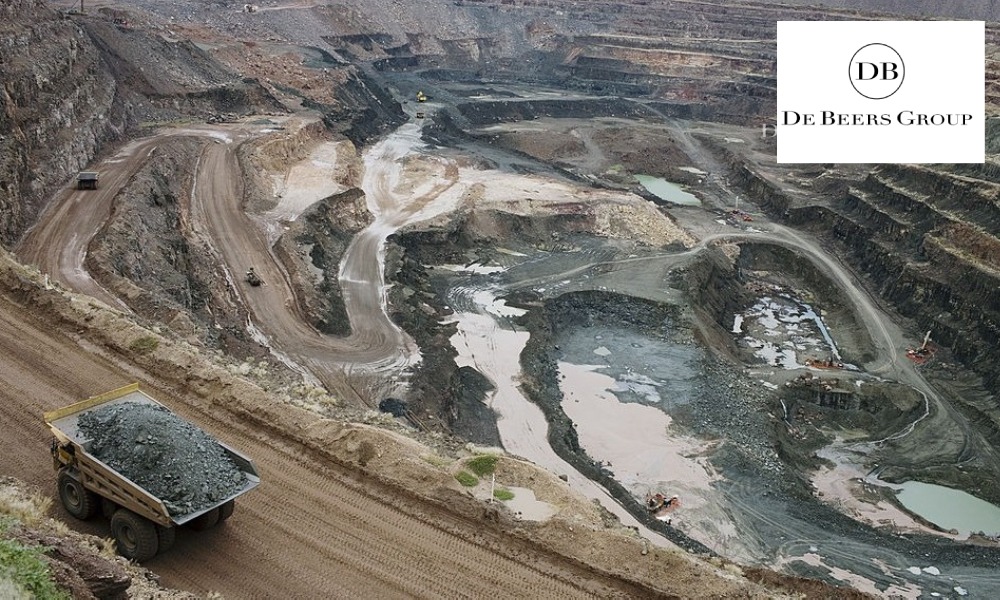
De Beers reported a staggering 35% drop in Q4 2025 production, recovering just 3.78 million carats. The primary culprit? A strategic retreat in Botswana, where output plunged 56% as the company kept the world-class Jwaneng and Orapa mines offline for maintenance.
Key Financial Takeaways:
- The Botswana Blackout: Jwaneng remained completely offline, a deliberate move to curb inventory buildup amidst sluggish global demand.
- A “Loss-Making” Year: Parent company Anglo American warned that De Beers will likely be in the red for FY2025, potentially triggering a third valuation impairment in three years.
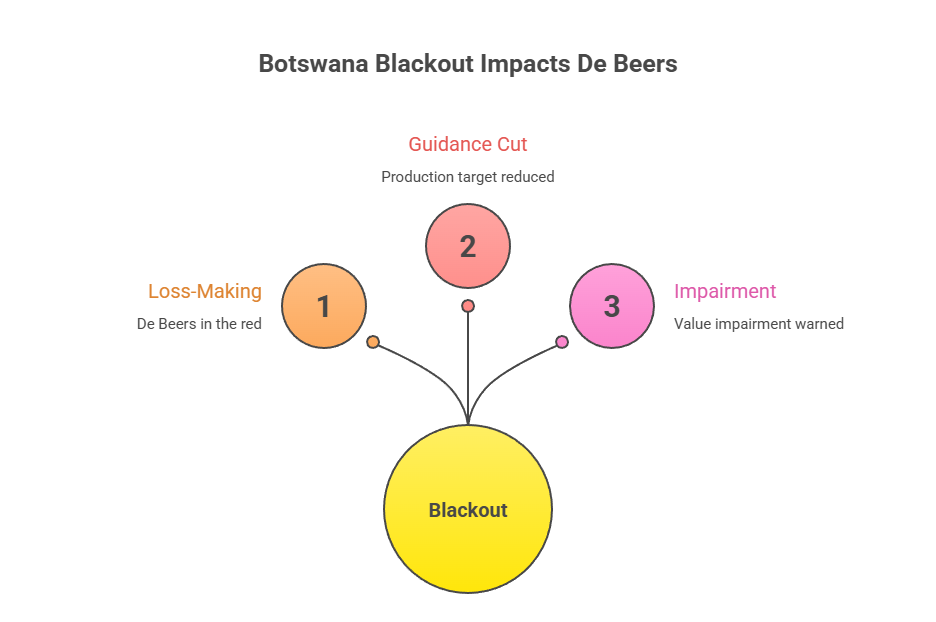
- Guidance Cut: Citing “geopolitical and tariff uncertainty,” De Beers slashed its 2026 production target to 21–26 million carats (down from ~29 million).
While Canada’s Gahcho Kué mine provided a rare spark (output doubled on high-grade ore), the broader picture is one of managed decline. Anglo American continues its push to divest its 85% stake, leaving the diamond titan in a high-stakes transition period. The prolonged downturn has prompted Anglo American to warn of a potential third impairment of De Beers’ value in three years. Anglo noted that De Beers is expected to be loss-making for the 2025 financial year.


DiamondBuzz
Divine Solitaires Named ‘Best Diamond Jewellery Brand’ At JewelZ South India 2026
The Recognition Acknowledges The Brand’s Approach To Quality Assurance, Standardised Pricing and Transparency In The Natural Diamond Solitaire Category.


Hyderabad, 25 September 2026: Divine Solitaires, India’s natural diamond solitaire brand, has been honoured with the ‘Best Diamond Jewellery Brand’ award at JewelZ South India 2026, recognising its efforts to bring greater consistency, transparency and quality assurance to the natural diamond solitaire buying experience. The award was presented on 22 September at Novotel, HICC, Hyderabad.
The recognition comes as the natural diamond solitaire category evolves, with consumers increasingly seeking greater clarity around certification, quality and pricing when making high-value jewellery purchases. Divine Solitaires has built its proposition around addressing these expectations through its 123-parameter Quality Guarantee and Nationwide Standard & Transparent Pricing, which are applied uniformly across its retail network.
With a presence through 200+ partner jewellers across 100+ cities in India, the brand offers a portfolio of 3,000+ designs, alongside consumer-focused initiatives and long-term value programmes, including buyback and upgrade options.
Commenting on the recognition, Jignesh Mehta, Founder and Managing Director, Divine Solitaires, said:

“The way consumers buy diamonds is evolving. A solitaire is a significant purchase, and today’s buyer wants greater clarity on what they are buying, how quality is evaluated and how the price is determined. At Divine Solitaires, our endeavour has been to bring greater structure and consistency to this journey through clearly defined quality parameters and transparent pricing. This recognition at JewelZ South India is encouraging because it reflects the industry’s growing focus on building trust through greater accountability and standardisation.”
Adding to the brand’s presence at the event, Jignesh Mehta participated in the panel discussion “How the Jewellery Moguls are Crafting the New Jewellery Era”, moderated by Ritu Marya, Editor-in-Chief, Retailer Media. The session brought together senior industry leaders to discuss evolving consumer expectations, trust-building and changing retail models.
Mehta’s participation focused on the evolving natural diamond solitaire category, particularly the importance of consistent quality assurance, transparency and standardisation in building consumer confidence around high-value jewellery purchases.
The recognition reinforces Divine Solitaires’ focus on creating a more structured and transparent solitaire-buying ecosystem, as the category continues to evolve alongside changing consumer expectations.


-

 ShowBuzz13 hours ago
Silver Trends To Watch At SSI Delhi 2026
-

 ShowBuzz9 hours ago
SSI 2026 SETS A BIGGER STAGE FOR SILVER
-

 ShowBuzz13 hours ago
Silver Show Of India- Delhi 3rd Edition Unveiled At Yashobhoomi, Delhi
-
 ShowBuzz16 hours ago
GJIIF 2026 Sets New Benchmarks As India’s Biggest-Ever Jewellery Trade Show Opens In Chennai
