
JB Insights
Forevermark stores: De Beers is rewriting the rulebook

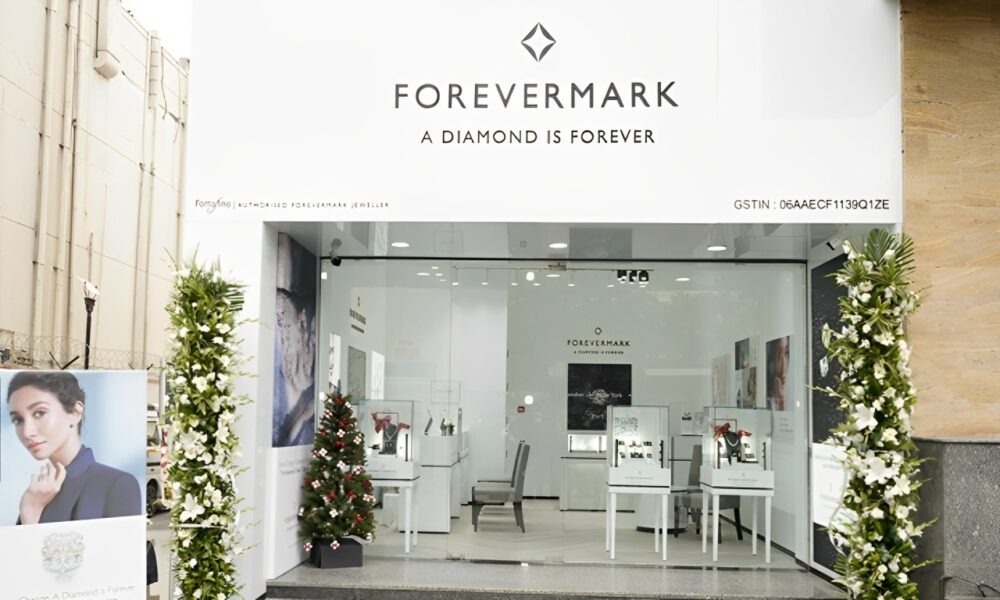
De Beers isn’t just playing the game anymore; they’re rewriting the rulebook. Forget the “shop-in-shop” clutter—the diamond giant is planting its flag in Indian soil with a strategy that’s as sharp as a princess cut.
By launching standalone Forevermark stores, De Beers is ditching the middleman and betting big on India as the ultimate test bed for high-octane luxury. Here’s how they’re turning the “traditional” jewelry market on its head:
The Strategy: High Stakes, Higher Value
De Beers has stopped trying to blend in. They’ve realized that to sell a dream, you need to own the room.
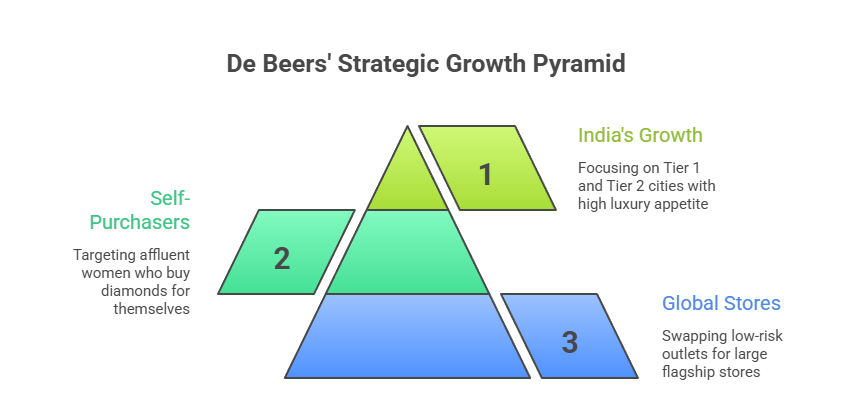
- The Blueprint: They’re swapping low-risk partner outlets for sprawling, 5,000 sq. ft. flagship “global” stores.
- The Target: No more waiting for a wedding invite. They’re hunting the “Self-Purchaser”—affluent women (ages 25–45) who buy diamonds because it’s Tuesday, not because they’re getting married.
- The Map: Forget the cooling markets in China or the “steady-as-she-goes” U.S. De Beers is laser-focused on India’s Tier 1 and Tier 2 cities, where the appetite for luxury is growing at a staggering 10–12% annually.
Why India? The Death of “Gold Only”
For decades, gold was the undisputed heavyweight champion of the Indian heirloom. Not anymore. India’s young, wealthy middle class is trading religious tradition for high-end aspiration.
Gold has long been the Old Guard of Indian jewellery—deeply rooted in tradition, trust, and legacy. Dominating heavy wedding sets and festive occasions, gold is typically purchased by families and patriarchs, valued as both adornment and secure investment. Its vibe is timeless, ceremonial, and culturally rich, symbolising stability and generational wealth. In contrast, diamonds represent the New Wave—light, versatile, and designed for everyday wear as much as special moments. Increasingly chosen by independent women, diamond jewellery reflects individuality and aspiration, evolving into a modern status symbol that blends personal expression with contemporary luxury.


JB Insights
Devotion, Heritage & Diversification: The defining trends of SSI Delhi’s 3rd Edition
From sacred artistry to lifestyle-driven expansion, how top exhibitors bridged timeless tradition with modern market demand.
Spirituality as a design anchor
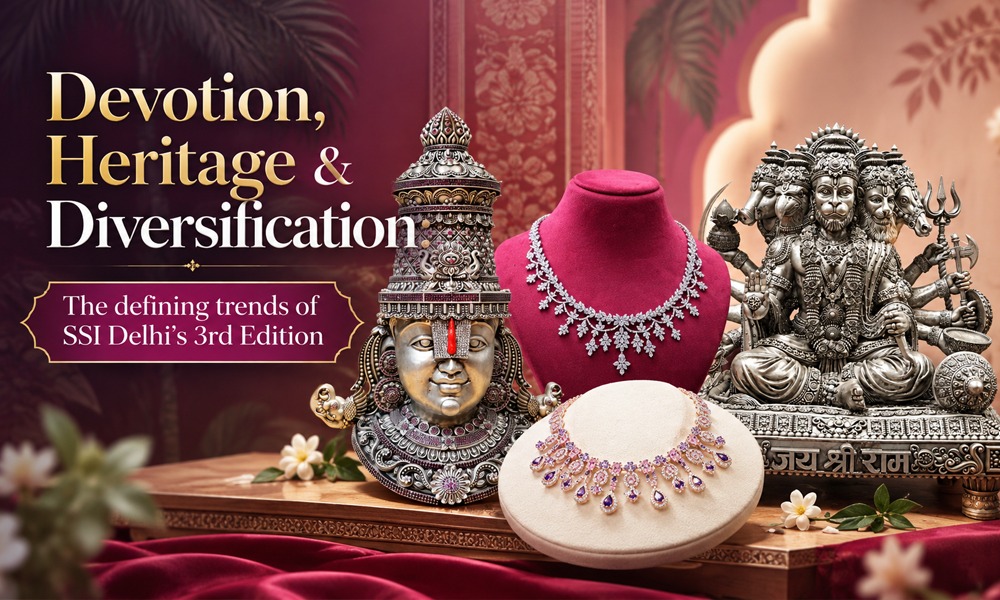
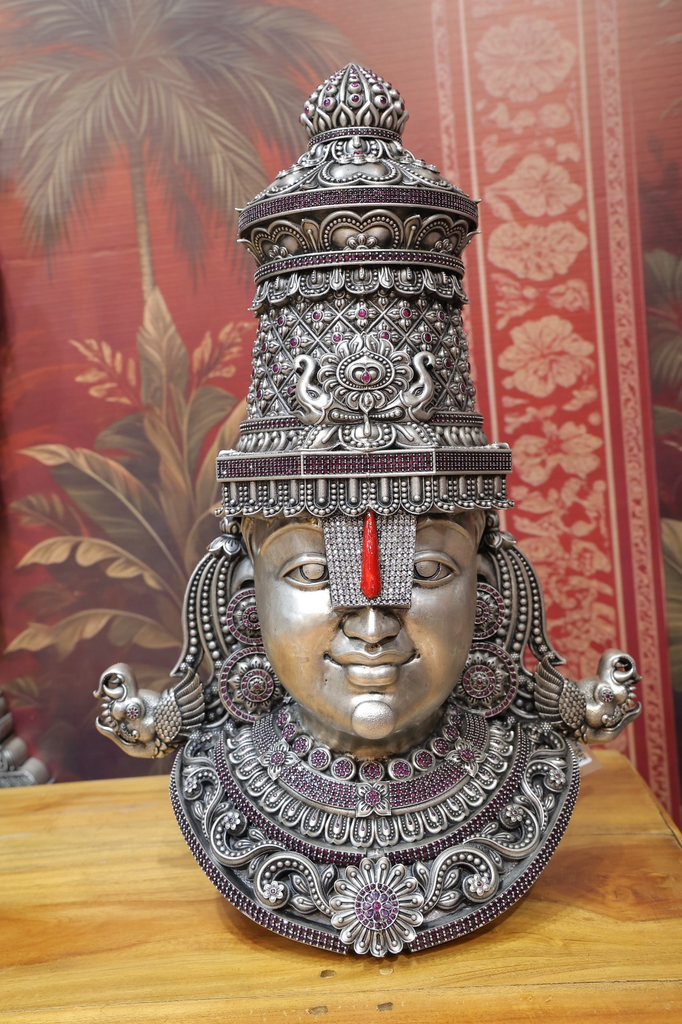
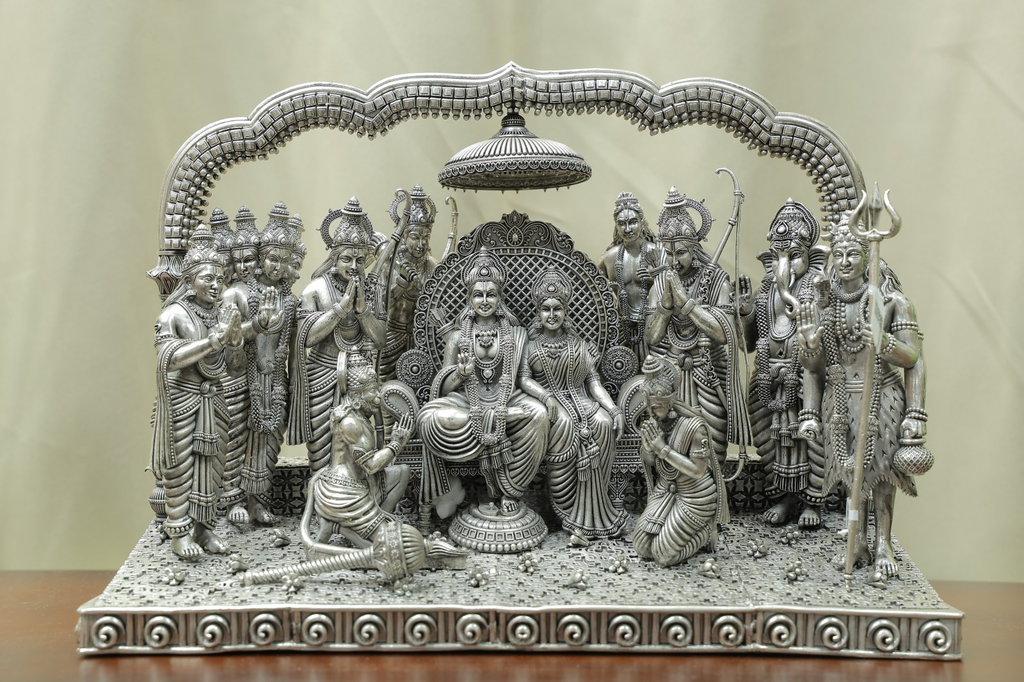
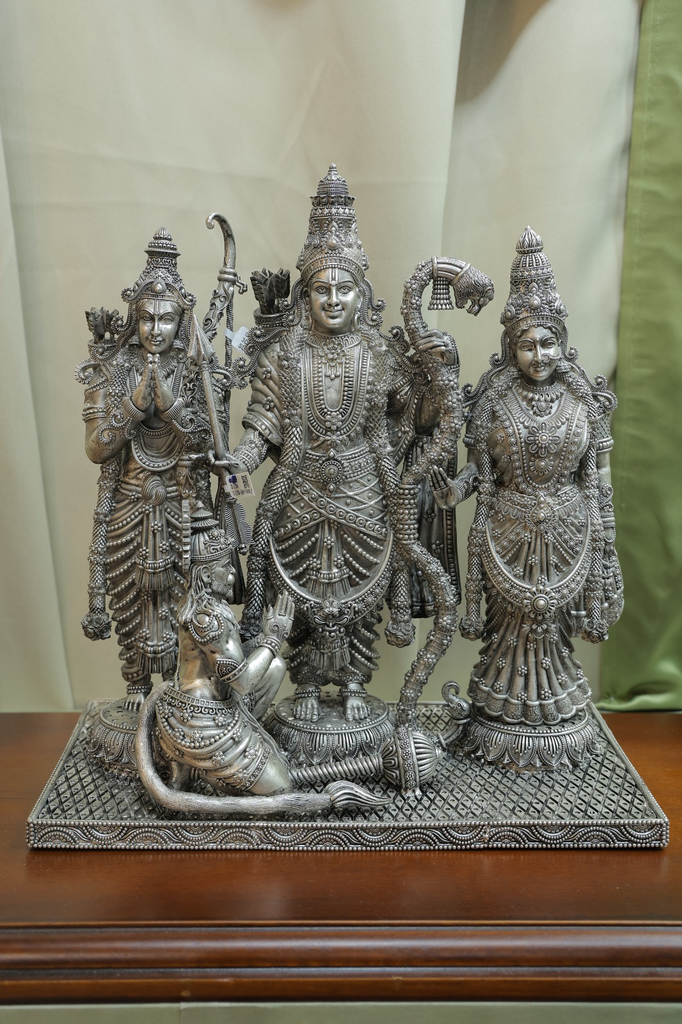
Devotional and spiritual artistry emerged as the single strongest thread of the show. Ricchezza’s Idols Collection, SILORA’s Shrinathji timepiece, Purple Jewels’ Balaji idols and Shiva Lingam, and Anmol Jewellers’ extensive range of silver and gold idols (Vishwarupa, Panchmukhi Hanuman, Ram Parivaar, and more) together show that sacred and devotional pieces are no longer a niche category but a mainstream, premium-positioned offering across exhibitors.
Antique, oxidized and heritage finishes
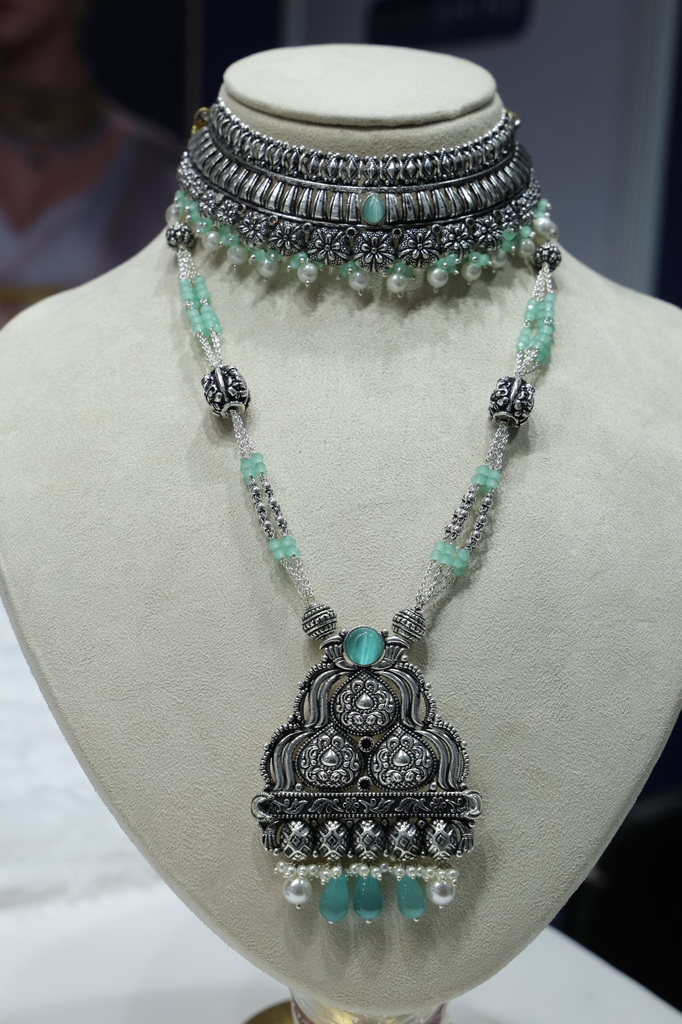
SILORA’s glorious Antique Finish Collection and Oxidized Silver Jewellery reflect a broader pull toward deep patina, folk-tribal textures, and traditional Indian artistry — a counterpoint to high-polish contemporary pieces and a signal that heritage aesthetics remain commercially strong.
Rose gold’s continued momentum
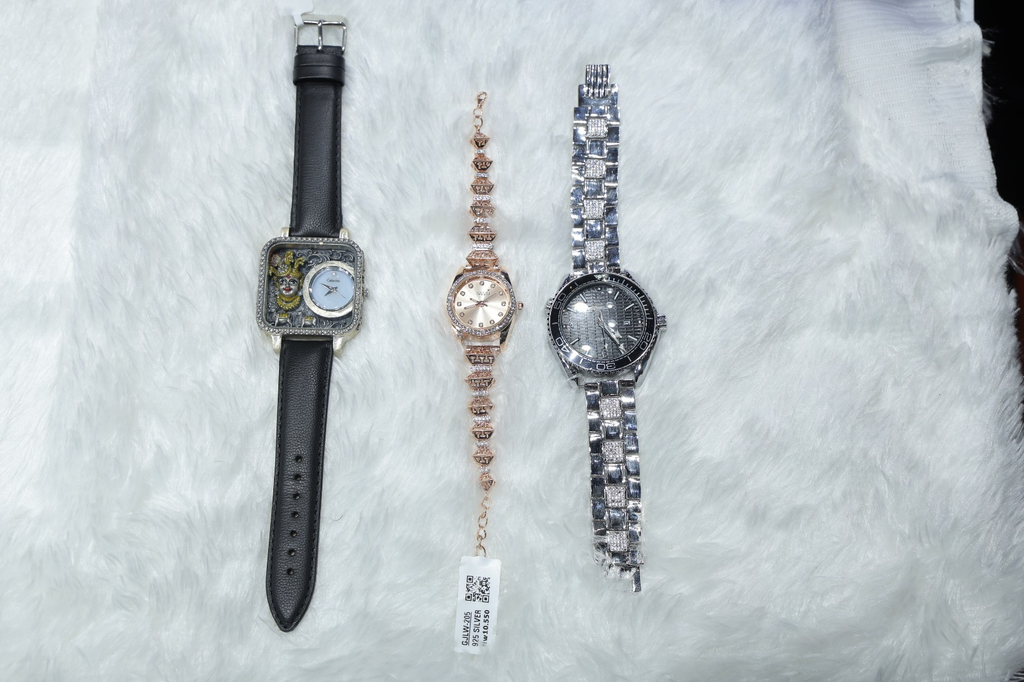
Rose gold surfaced across multiple product types — not just jewellery but also timepieces — as seen in SILORA’s Luxe Rose Gold Finish Jewellery and rose-gold-finished watches, reinforcing its position as a staple modern finish rather than a passing trend.
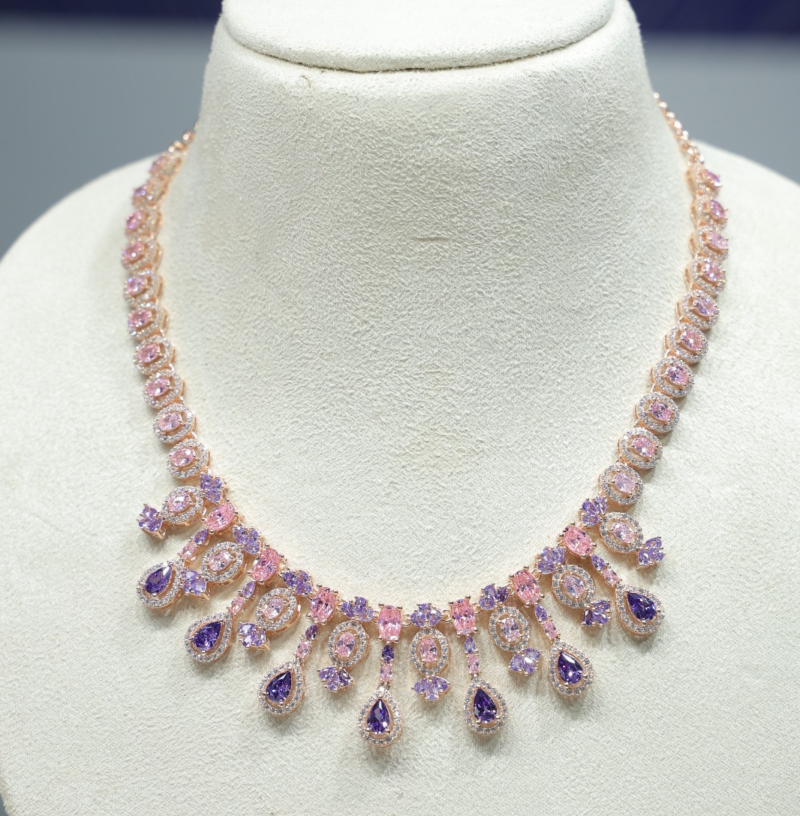
Category expansion beyond traditional jewellery
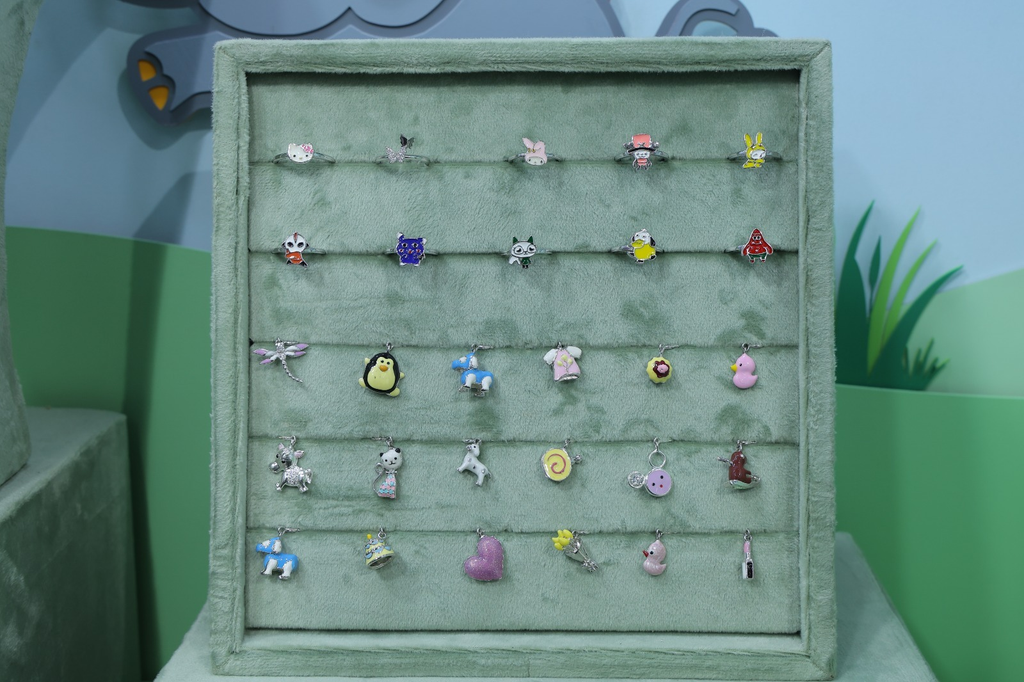
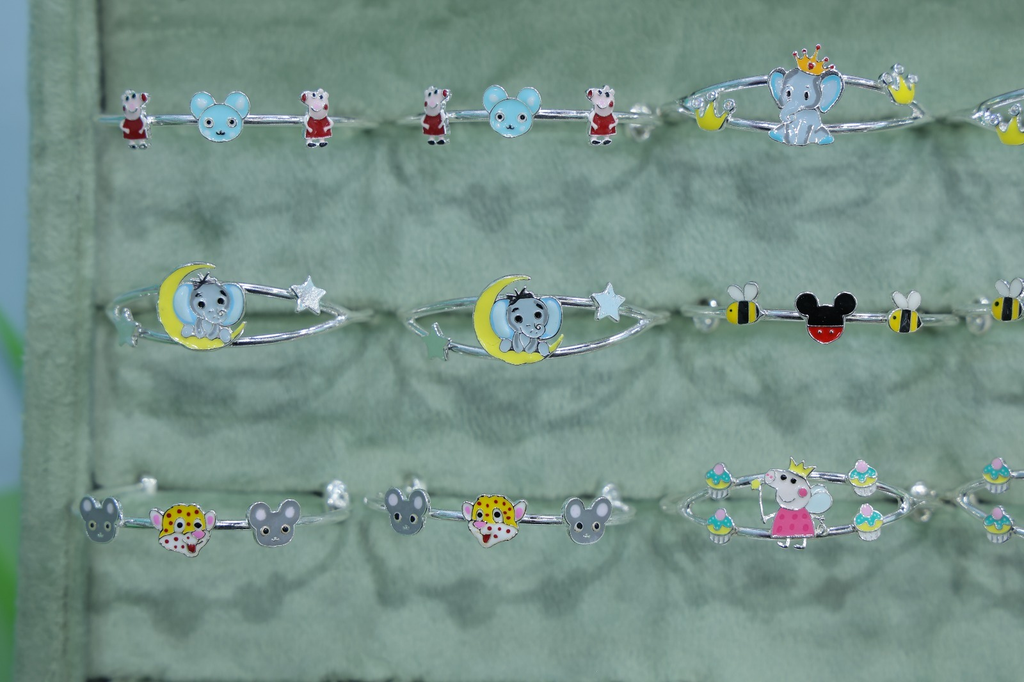
Exhibitors are widening their range beyond rings, chains, and bangles. Ricchezza’s Anamitra line targets infants, while SILORA’s Exclusive Timepieces extend a jewellery brand into horology — both pointing to lifestyle-driven diversification as a growth strategy.
Gender-Specific Design Lines
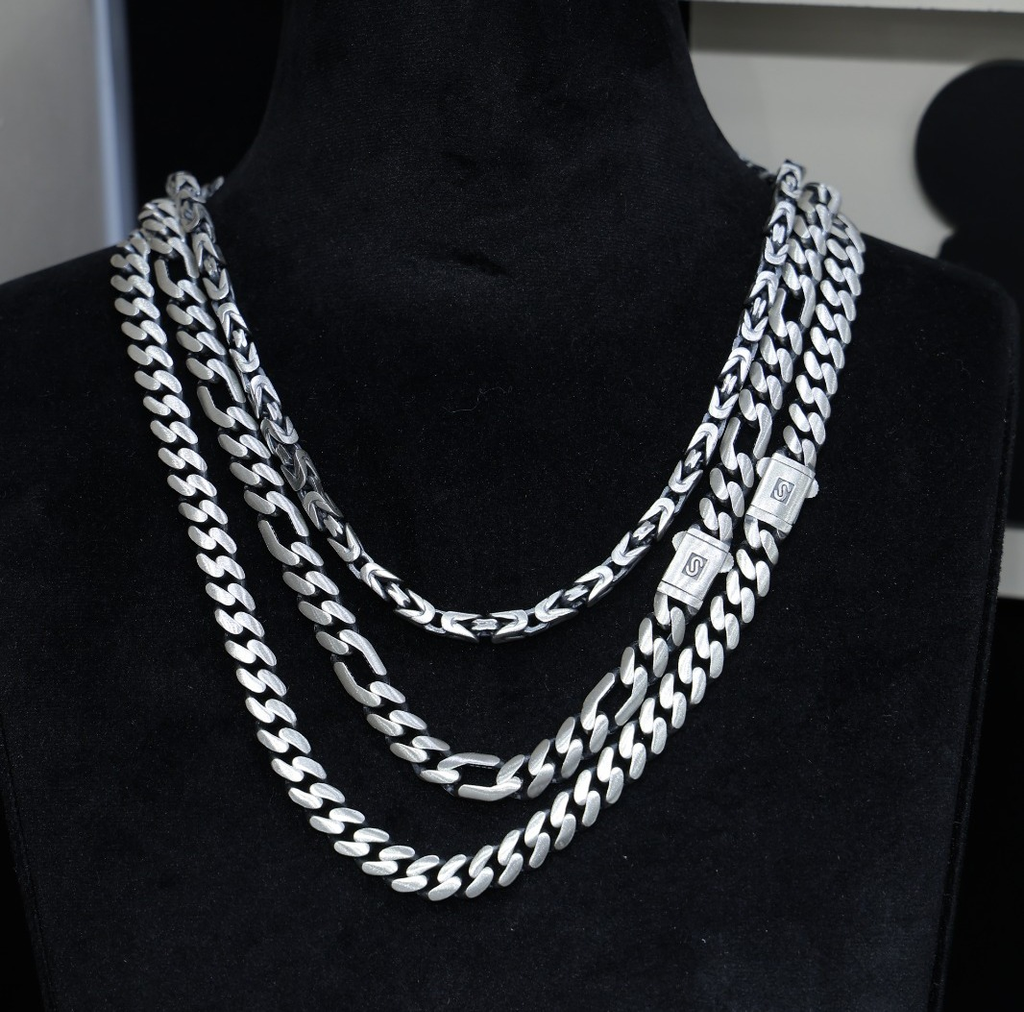
Distinct masculine and feminine lines were a notable feature, exemplified by Ricchezza’s Cuban Collection (bold, masculine) alongside Tixty (chic, feminine) — indicating that targeted, gender-specific collections continue to be a deliberate merchandising strategy rather than a one-size-fits-all approach.
Mastery in Silver Artefacts and Idols
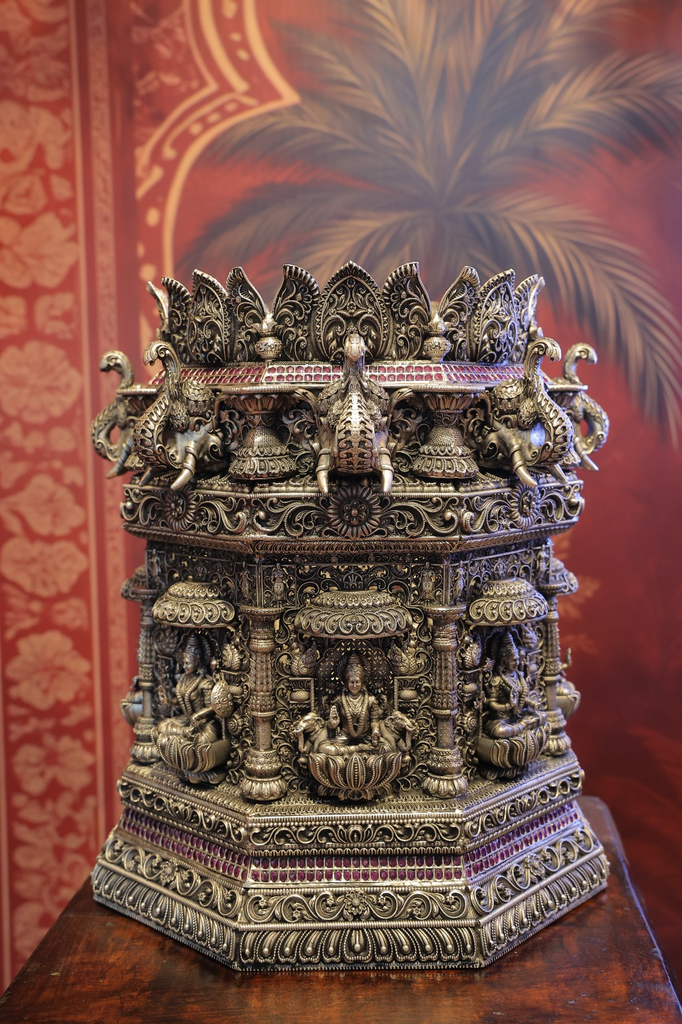
Both Purple Jewels and Anmol Jewellers demonstrated the depth of skill in silver idol-making, from the Saptashwa Vase’s mythological detailing to the technical complexity of Vishwarupa and Panchmukhi Hanuman forms, underscoring silver artefacts as a distinct and thriving craft category alongside wearable jewellery.
Balancing tradition and modernity
Taken together, the exhibitors at the 3rd edition of SSI Delhi painted a picture of an industry balancing tradition and modernity — where antique finishes and devotional artistry sit comfortably alongside rose gold sophistication, gender-targeted lines, and category extensions such as infant jewellery and timepieces. This blend of heritage craftsmanship and contemporary lifestyle relevance appears to be the defining character of the show.


-

 International News3 minutes ago
De Beers Assumes 100% Control Of Gahcho Kué Diamond Mine
-
 New Premises3 hours ago
Malabar Gold & Diamonds Opens Its Second-Biggest Showroom In Goa
-
 National News9 minutes ago
Tanvi Exports Files DRHP For Proposed IPO
-

 National News18 minutes ago
Indian Gold, Silver Prices Edge Upward
