
JB Insights
Case for customs duty hike on gold
G. CHANDRASHEKHAR, Advisor, ERTF

In July 2024, the government sharply reduced the total customs duty on gold import from a high of 15% to 6% (comprising 5% basic customs duty and 1% agri infra development cess) providing a major boost to import of the yellow metal.
The precious metals trade hailed the move as a major reform, although there was no official justification for the duty reduction that involved huge revenue sacrifice.
That gold is a demerit commodity is well recognized. India spends enormous amounts of precious foreign exchange every year to import gold. From 678.3 tons worth US$ 35 Billion in 2022-23, imports surged to 748.3 tons valued at $ 42.6 Billion the following year, and then on to set a new record of $ 58 Billion (757 tons) in 2024-25, the result of duty reduction.
In the first six months of 2025-26, gold import totaled 300 tons worth $ 26.5 Billion.
Interestingly, and in a way shockingly, India’s gold imports in October 2025 surged to $ 14.7 billion, nearly tripling from $ 4.9 billion in October 2024.
It was said to be driven by high festive season demand amid record global prices. This massive spike (165 tons) contributed to a record monthly merchandise trade deficit of $ 41.7 billion and put considerable pressure on the Rupee.
Anecdotal reports suggest a contraction in physical demand for gold for jewelry. Weak demand has forced many jewelers to sell gold ornaments at a discount to current prices. The obvious demand destruction follows rising gold prices in the global market and a rapidly depreciating Rupee that makes import more expensive.
One estimate suggests approximately 30% of gold demand is for jewelry and related items while as much as 70% is ‘investment’ demand, a euphemism for speculative investment. In other words, the average middle-class families that buy gold jewelry have suffered because of high prices, while ‘investors’ have benefited by treating gold as a financial instrument.
The government must feel concerned about the ballooning trade deficit and currency depreciation contributed by massive import of less-essential goods like gold.
In the upcoming Union Budget 2026-27, it is imperative for the Finance Minister to consider strategies to contain the expanding trade deficit, stabilize the currency, and focus on Debt to GDP.
One way to achieve these multiple objectives would be to restore status quo ante as far as gold import duty is concerned. Hiking import duty on gold back to 15% would be an easy win for the government. It will help fill the coffers with additional revenue for the exchequer. As a major importer of gold, India must use its import power.
Of course, there would be opposition to the duty hike. One favourite argument is that higher duty would encourage smuggling. This is a specious argument because our border control, surveillance and anti-smuggling initiatives are far more modern and technology-driven than they were a few decades ago. ‘Smuggling’ is a bogey the trade raises often. Those who claim smuggling must be asked to prove it.


JB Insights
Devotion, Heritage & Diversification: The defining trends of SSI Delhi’s 3rd Edition
From sacred artistry to lifestyle-driven expansion, how top exhibitors bridged timeless tradition with modern market demand.

Spirituality as a design anchor
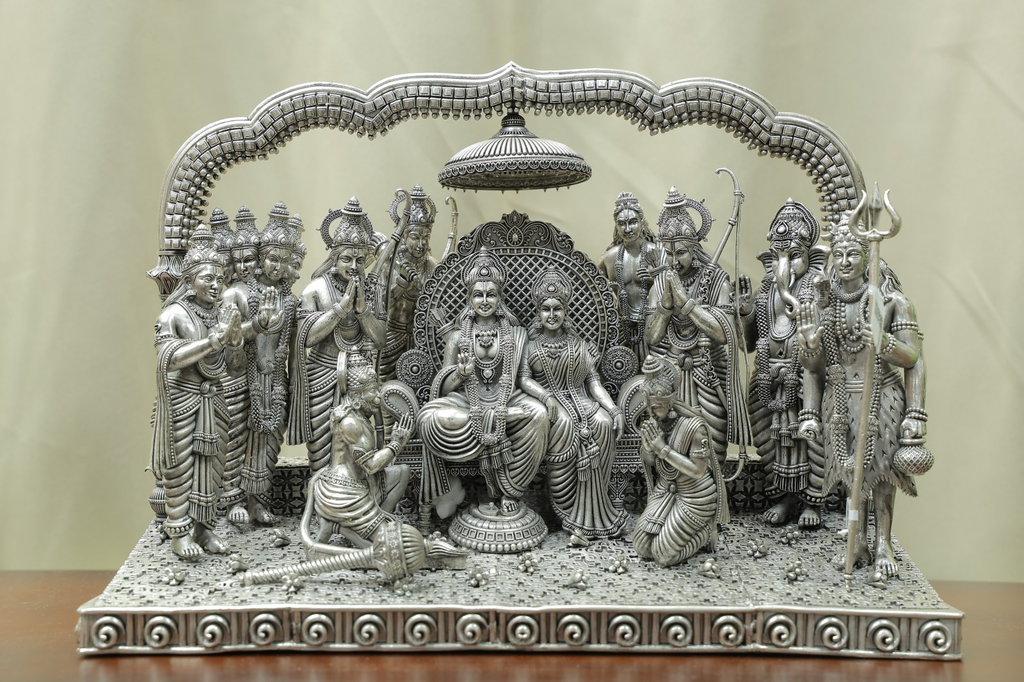
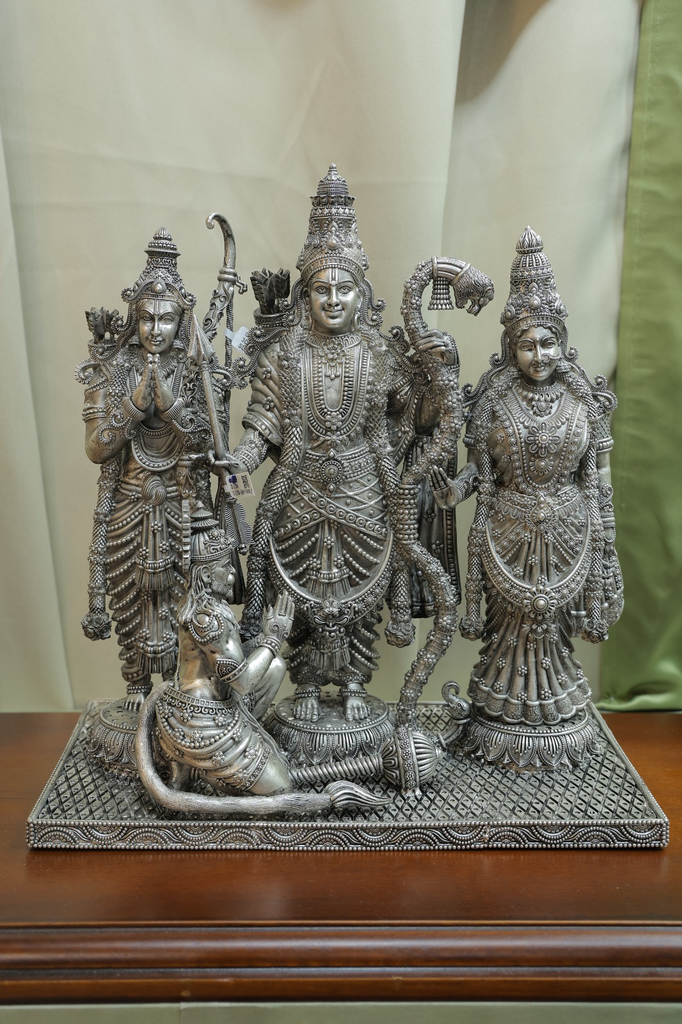
Devotional and spiritual artistry emerged as the single strongest thread of the show. Ricchezza’s Idols Collection, SILORA’s Shrinathji timepiece, Purple Jewels’ Balaji idols and Shiva Lingam, and Anmol Jewellers’ extensive range of silver and gold idols (Vishwarupa, Panchmukhi Hanuman, Ram Parivaar, and more) together show that sacred and devotional pieces are no longer a niche category but a mainstream, premium-positioned offering across exhibitors.
Antique, oxidized and heritage finishes
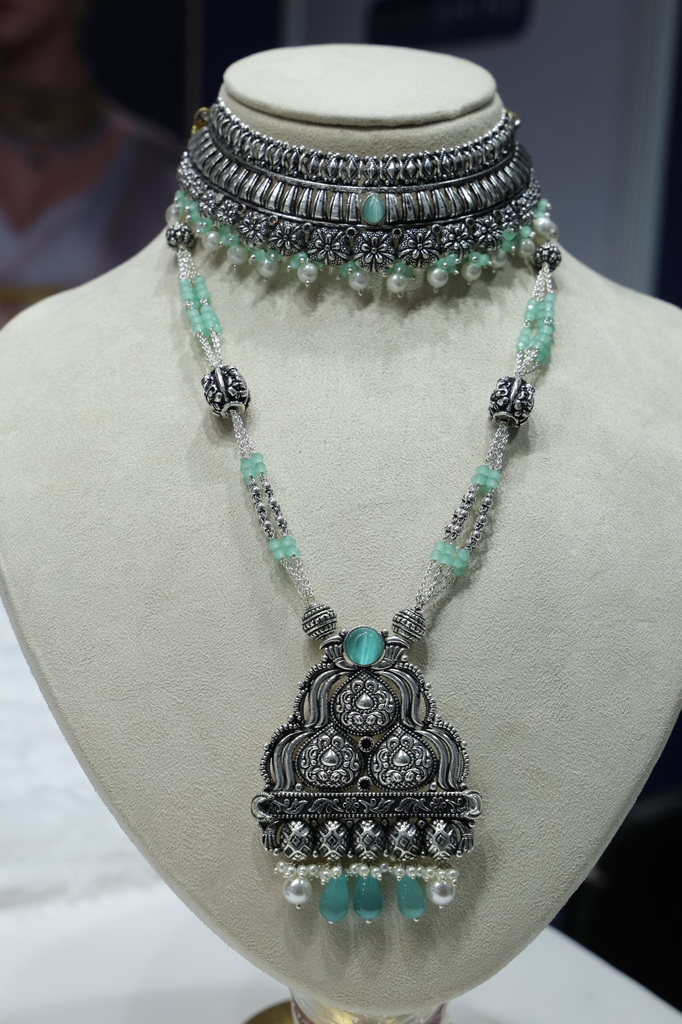
SILORA’s glorious Antique Finish Collection and Oxidized Silver Jewellery reflect a broader pull toward deep patina, folk-tribal textures, and traditional Indian artistry — a counterpoint to high-polish contemporary pieces and a signal that heritage aesthetics remain commercially strong.
Rose gold’s continued momentum
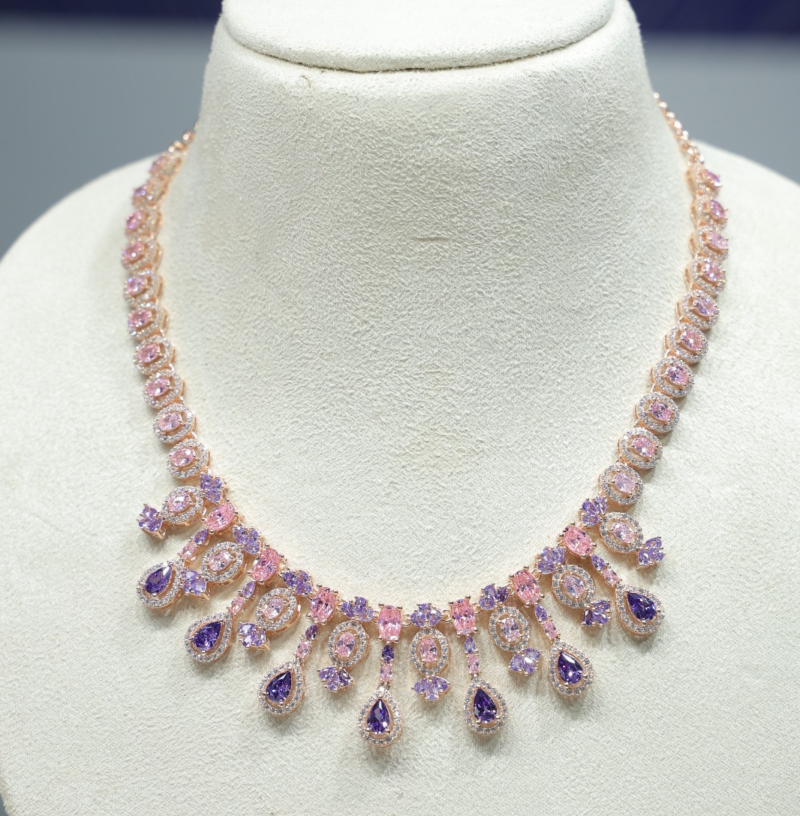
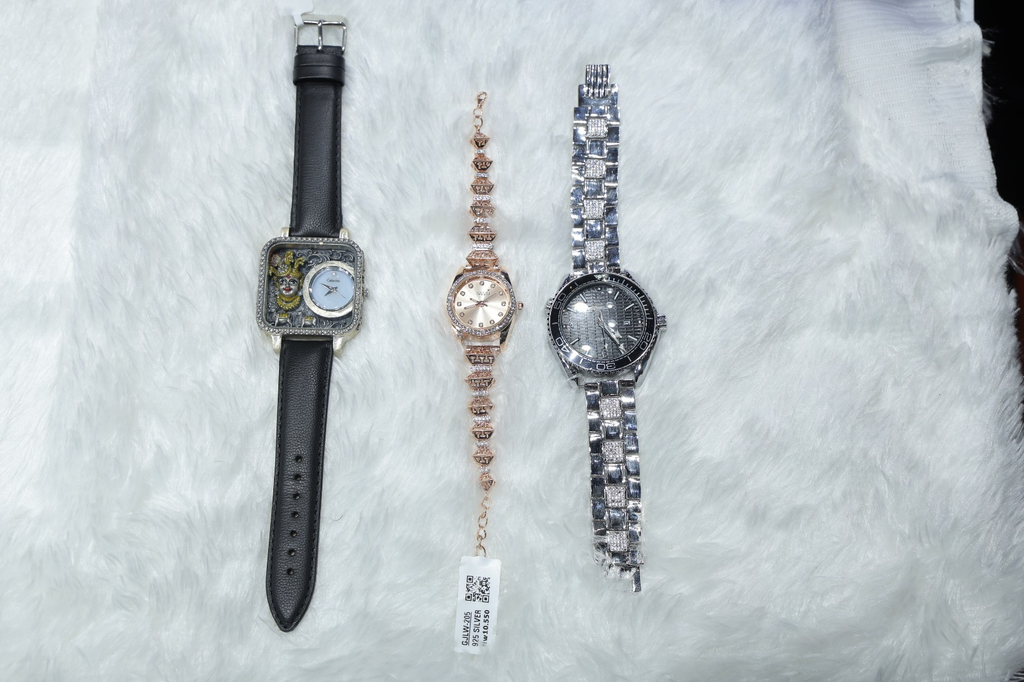
Rose gold surfaced across multiple product types — not just jewellery but also timepieces — as seen in SILORA’s Luxe Rose Gold Finish Jewellery and rose-gold-finished watches, reinforcing its position as a staple modern finish rather than a passing trend.
Category expansion beyond traditional jewellery
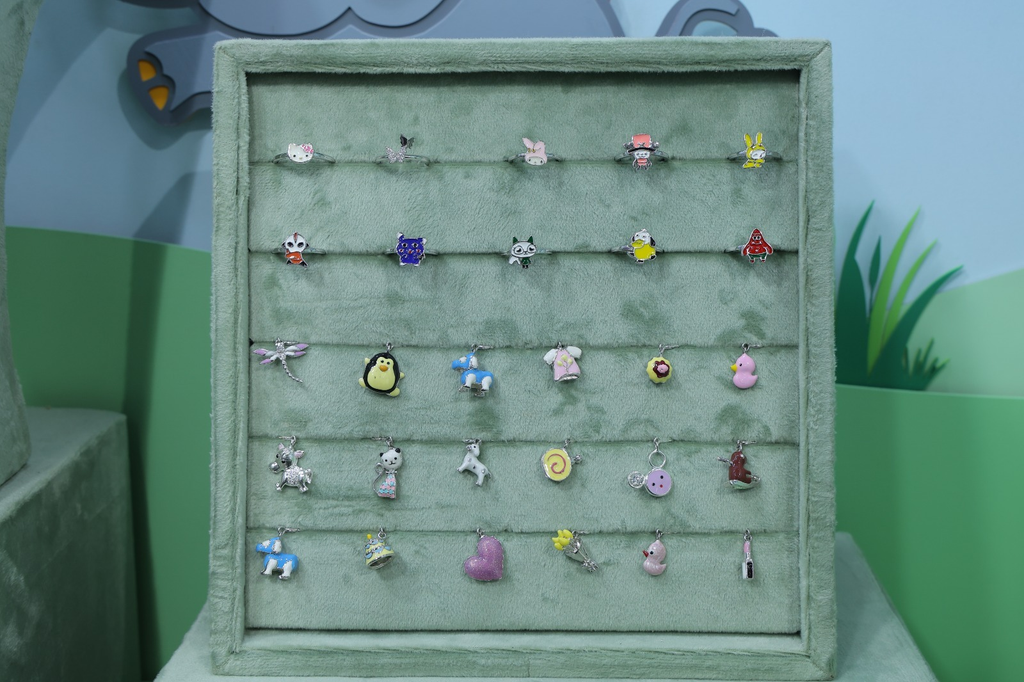
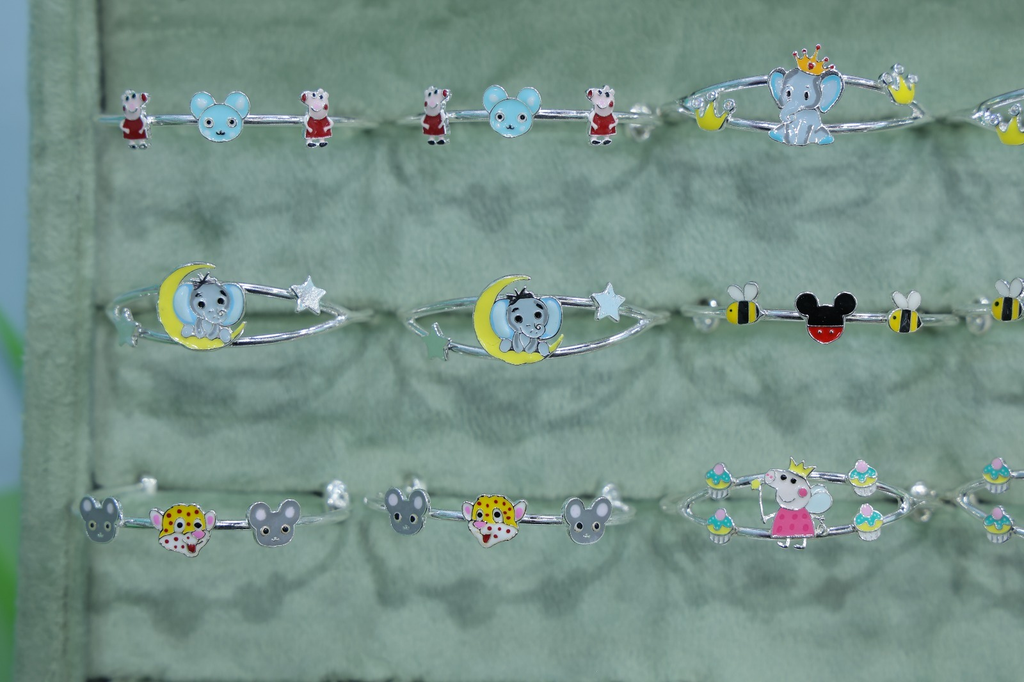
Exhibitors are widening their range beyond rings, chains, and bangles. Ricchezza’s Anamitra line targets infants, while SILORA’s Exclusive Timepieces extend a jewellery brand into horology — both pointing to lifestyle-driven diversification as a growth strategy.
Gender-Specific Design Lines
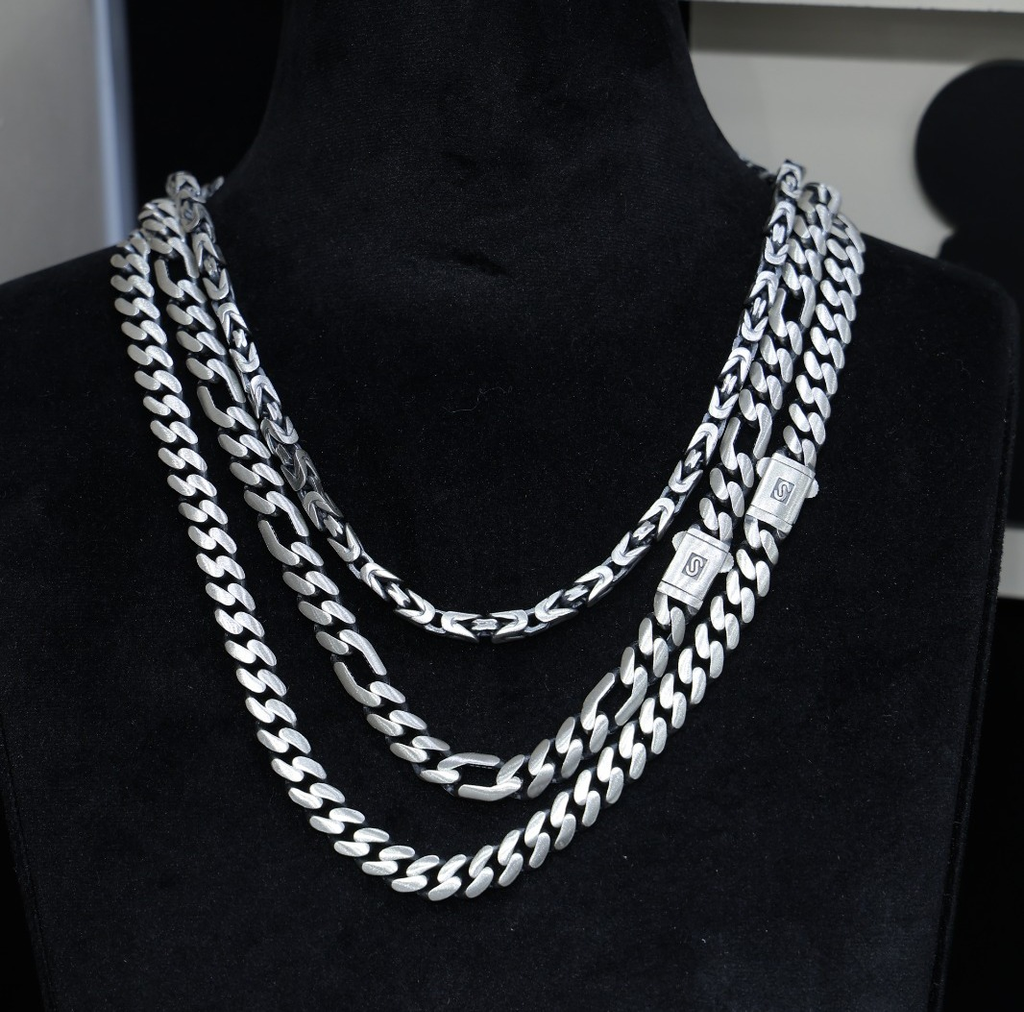
Distinct masculine and feminine lines were a notable feature, exemplified by Ricchezza’s Cuban Collection (bold, masculine) alongside Tixty (chic, feminine) — indicating that targeted, gender-specific collections continue to be a deliberate merchandising strategy rather than a one-size-fits-all approach.
Mastery in Silver Artefacts and Idols
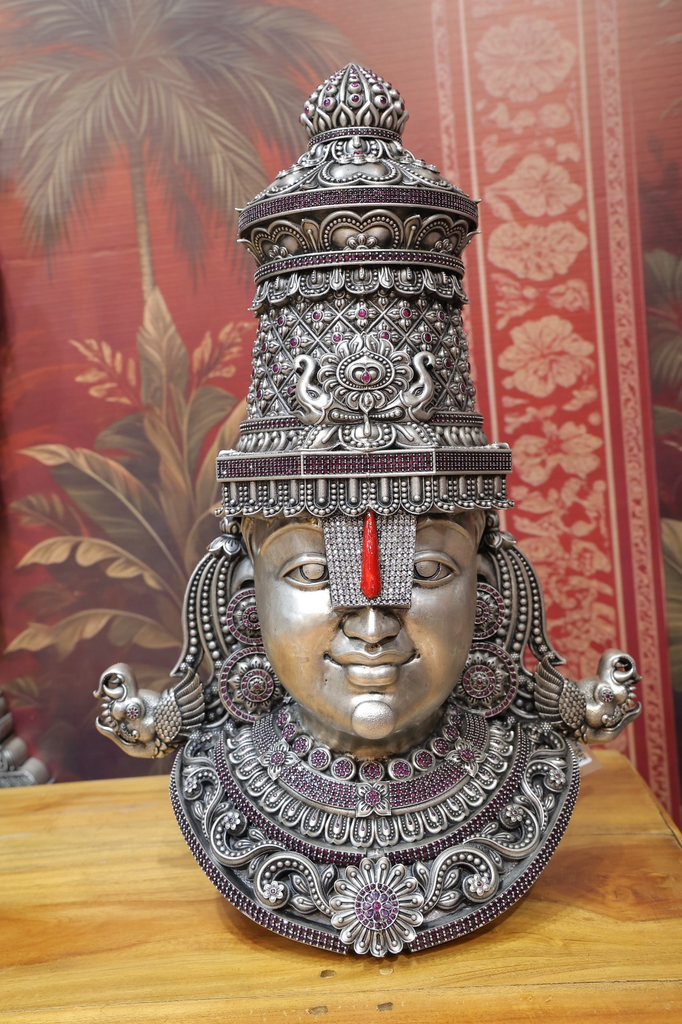
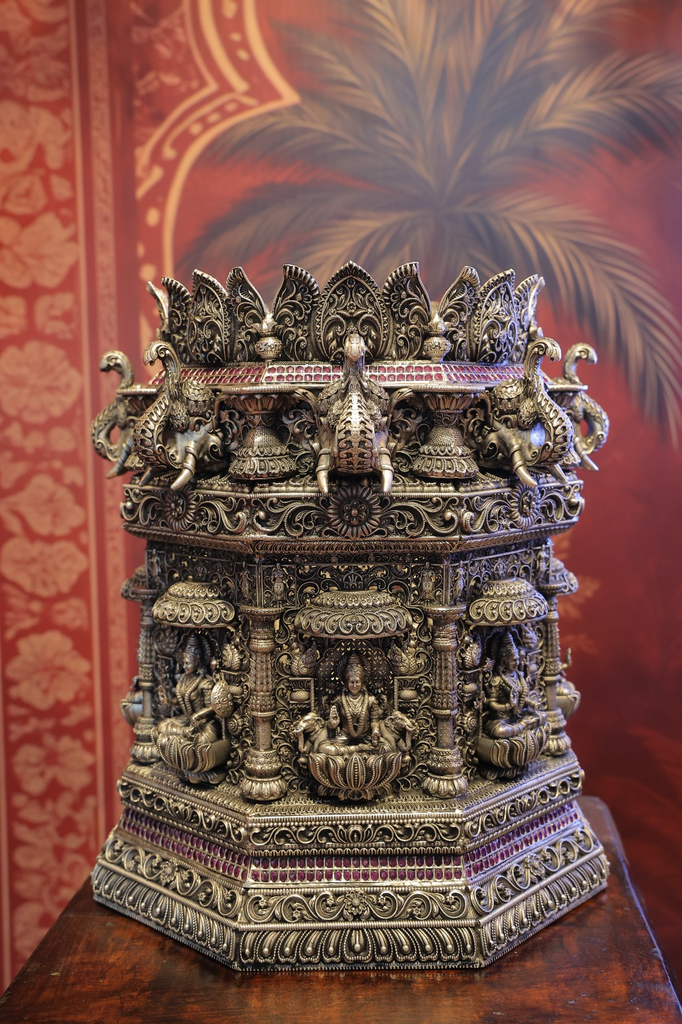
Both Purple Jewels and Anmol Jewellers demonstrated the depth of skill in silver idol-making, from the Saptashwa Vase’s mythological detailing to the technical complexity of Vishwarupa and Panchmukhi Hanuman forms, underscoring silver artefacts as a distinct and thriving craft category alongside wearable jewellery.
Balancing tradition and modernity
Taken together, the exhibitors at the 3rd edition of SSI Delhi painted a picture of an industry balancing tradition and modernity — where antique finishes and devotional artistry sit comfortably alongside rose gold sophistication, gender-targeted lines, and category extensions such as infant jewellery and timepieces. This blend of heritage craftsmanship and contemporary lifestyle relevance appears to be the defining character of the show.


-

 International News1 hour ago
De Beers Assumes 100% Control Of Gahcho Kué Diamond Mine
-

 National News52 minutes ago
Keemti Jewels Unveils Second Lagship Store In Mumbai At Borivali-West
-

 New Premises4 hours ago
Malabar Gold & Diamonds Opens Its Second-Biggest Showroom In Goa
-

 National News1 hour ago
Tanvi Exports Files DRHP For Proposed IPO
