
JB Insights
Ankitst Jewel Tools Pvt. Ltd. – Precision Refining for the Modern Age
Refinery machines, refinery plant solutions achieve better control over metal accounting and inventory

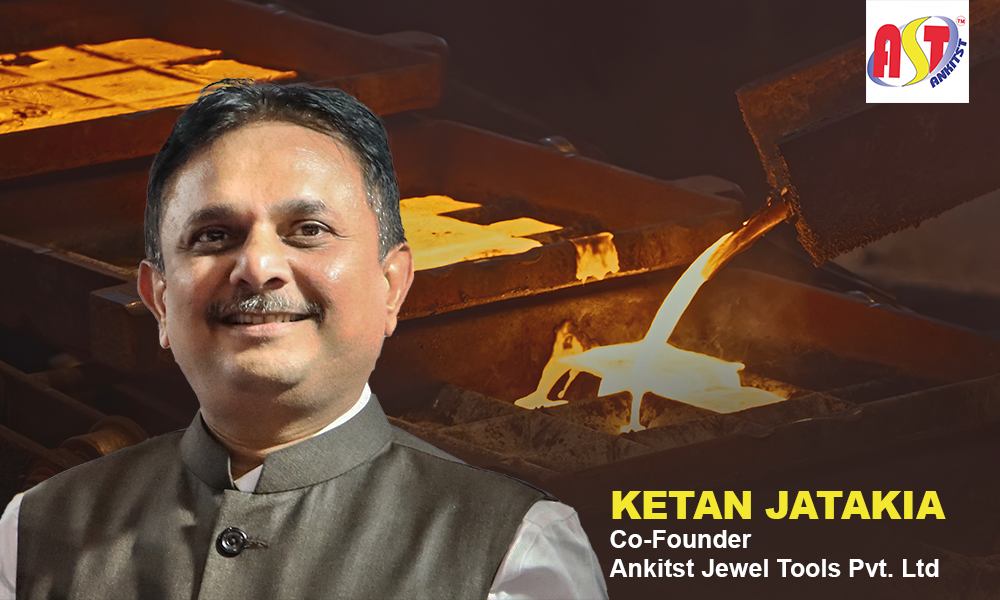
In the competitive world of jewellery production, the right technology defines the balance
between artistic vision and operational profitability. Ankitst Jewel Tools provides a
comprehensive ecosystem of solutions designed to enhance every stage of the manufacturing lifecycle—from the first digital stroke to the final refined grain.
Furnace
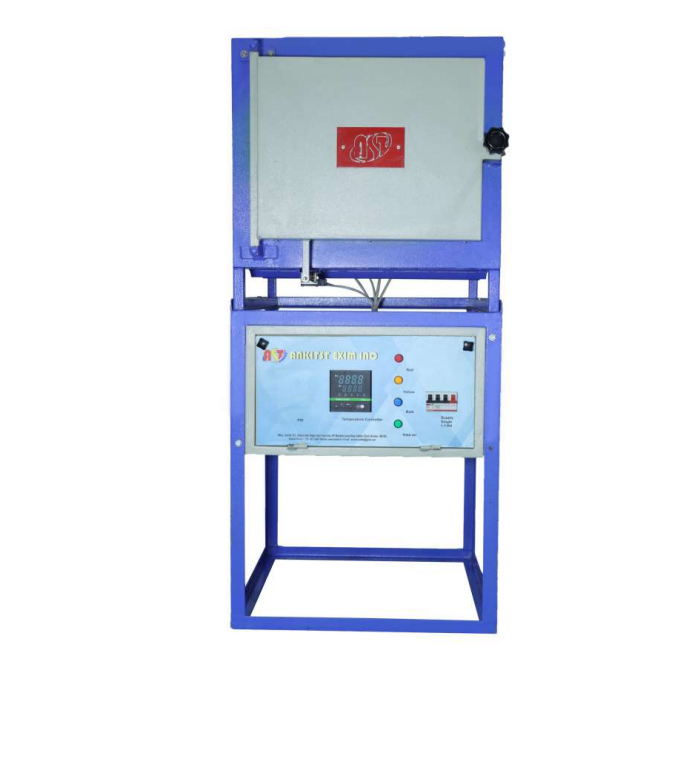
In jewellery manufacturing, the furnace plays a crucial role before casting. The flask must be
placed in the furnace to achieve an appropriate and symmetrical heating process, ensuring
uniform burnout and consistent internal temperatures. This controlled heating is essential to avoid casting defects and to achieve superior casting quality and structural integrity.
Refinery / Refinery Plant
Our refinery machines and refinery plant solutions ensure accurate recovery and purification of precious metals from scrap, filings, and residues. Designed for precision and transparency, these systems help jewellery manufacturers maximize recovery, maintain purity standards, and achieve better control over metal accounting and inventory.
DesignGold – 3D Jewellery CAD Software
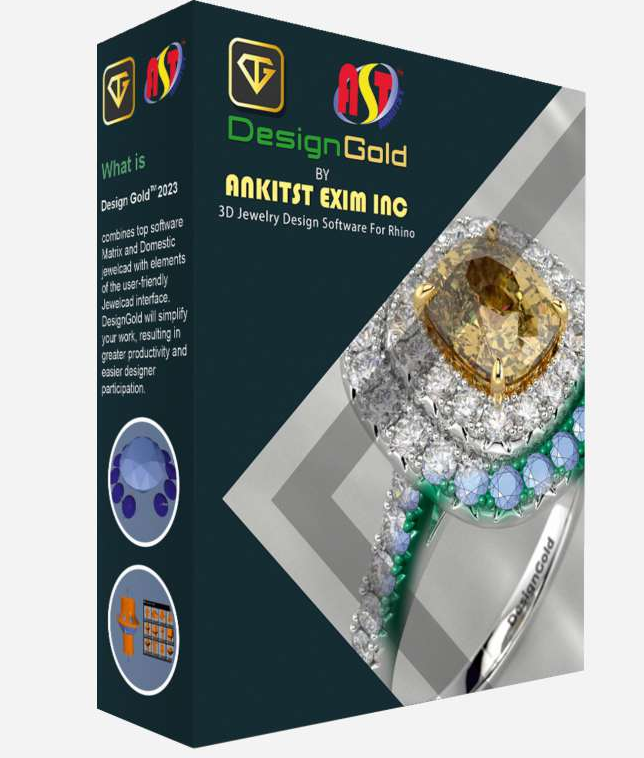
DesignGold significantly increases productivity and saves valuable design time when compared to other CAD software used in the jewellery industry. Its intuitive workflow, faster modelling tools, and production-oriented features enable designers to create complex jewellery designs with greater speed, accuracy, and repeatability—making it a powerful solution for modern jewellery manufacturing environments.
Polishing Table
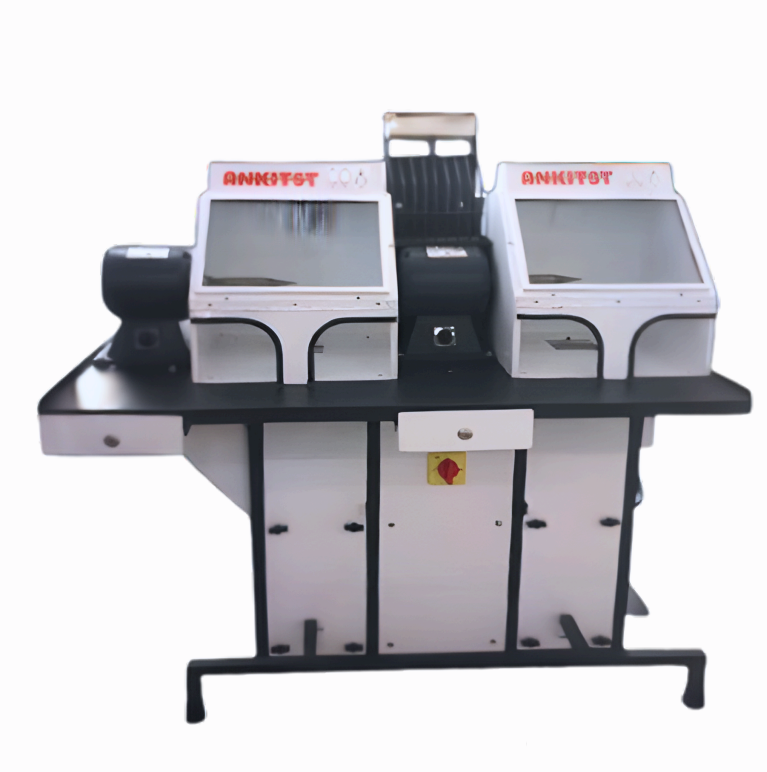
Our polishing table delivers the best metal recovery in its segment, ensuring minimal precious
metal loss during finishing operations. Engineered for efficiency, ergonomics, and dust control, it is widely regarded as one of the best polishing tables in the segment, helping manufacturers improve recovery, maintain a cleaner workspace, and enhance overall polishing productivity.
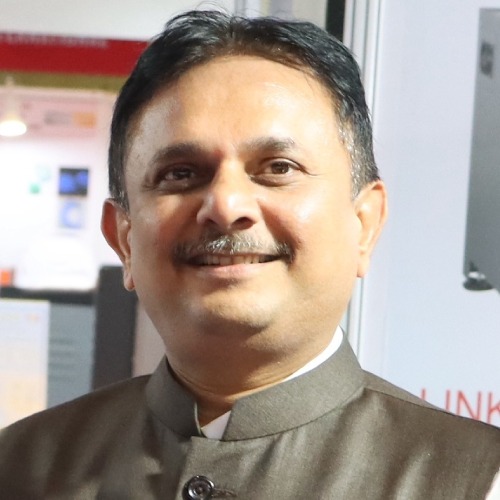
Ketan Jatakia,Co-Founder-Ankitst Jewel Tools Pvt. Ltd. commenting on Ankitst portfolio said, “Adopting the right technology across design, casting, finishing, and refining is essential for today’s jewellery manufacturers. Solutions that improve productivity, ensure accurate recovery,and maintain process consistency not only reduce losses but also strengthen overall operationalefficiency and profitability.”


JB Insights
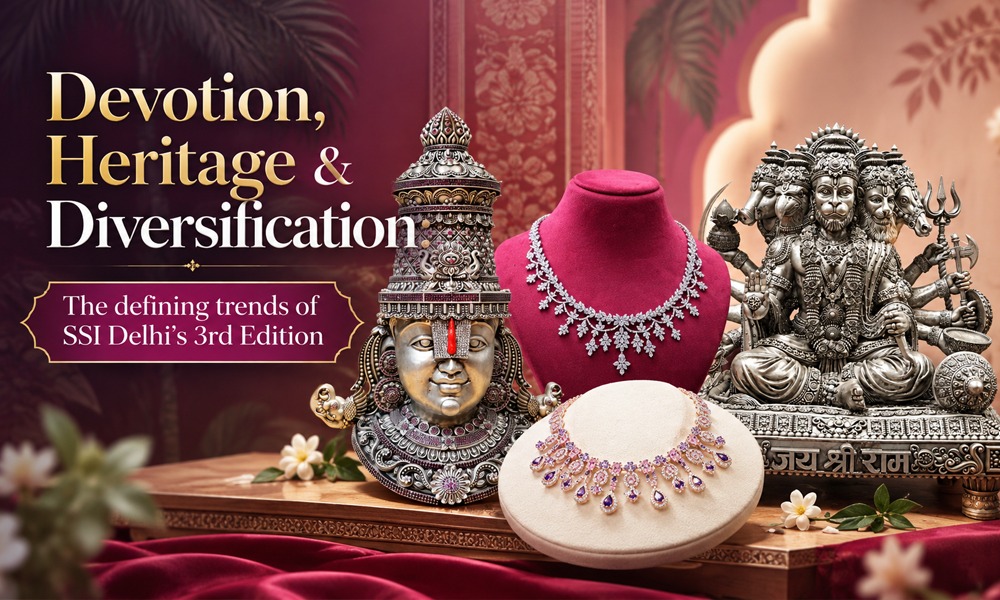
Devotion, Heritage & Diversification: The defining trends of SSI Delhi’s 3rd Edition
From sacred artistry to lifestyle-driven expansion, how top exhibitors bridged timeless tradition with modern market demand.
Spirituality as a design anchor
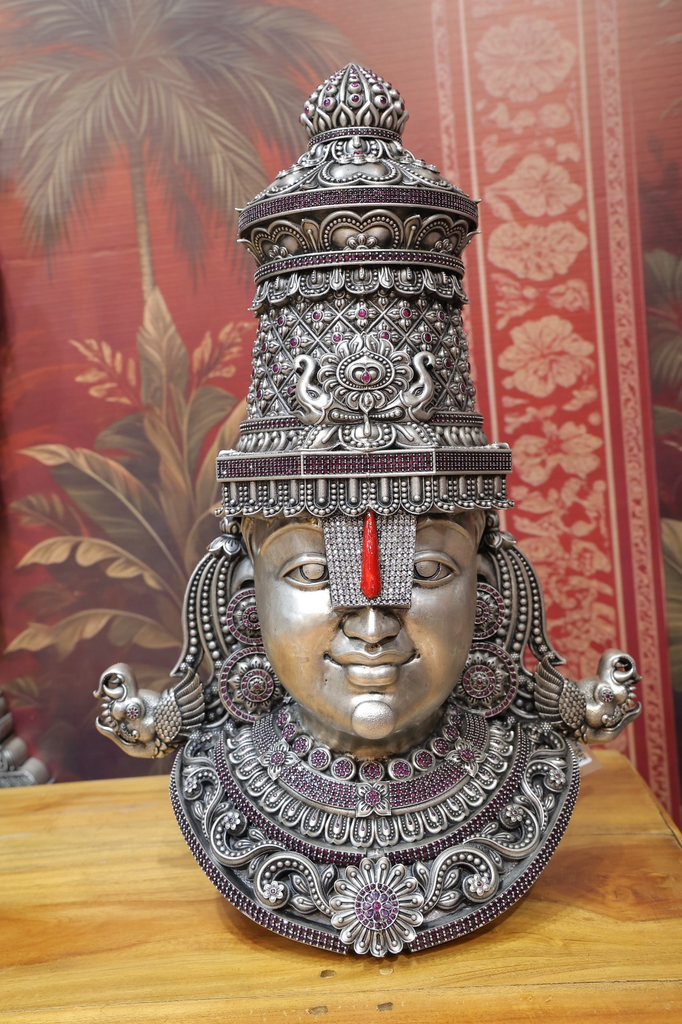
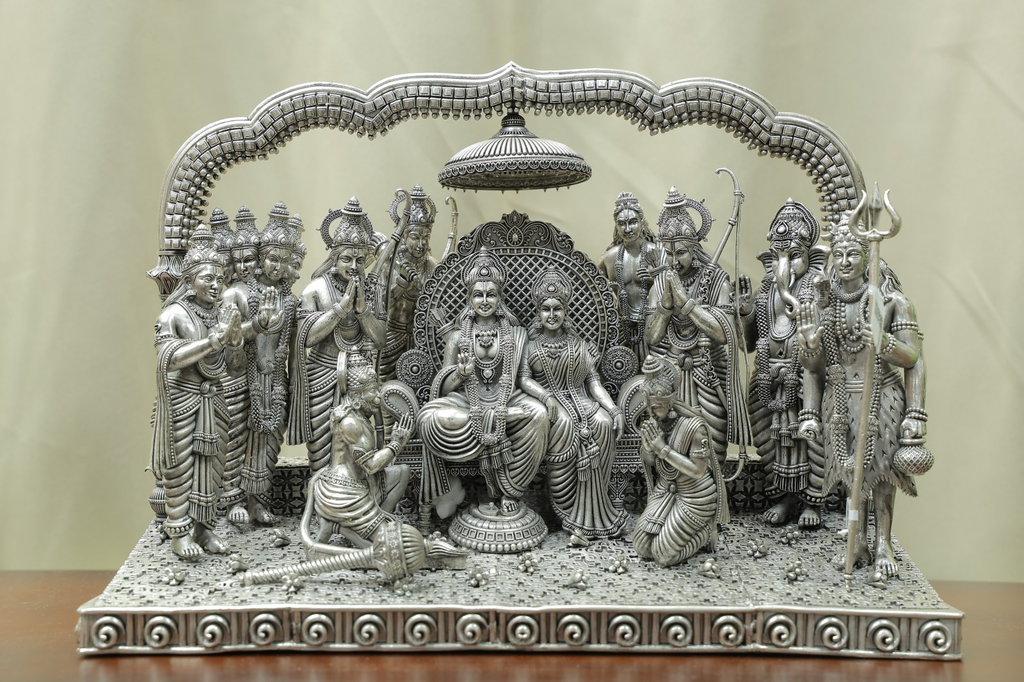
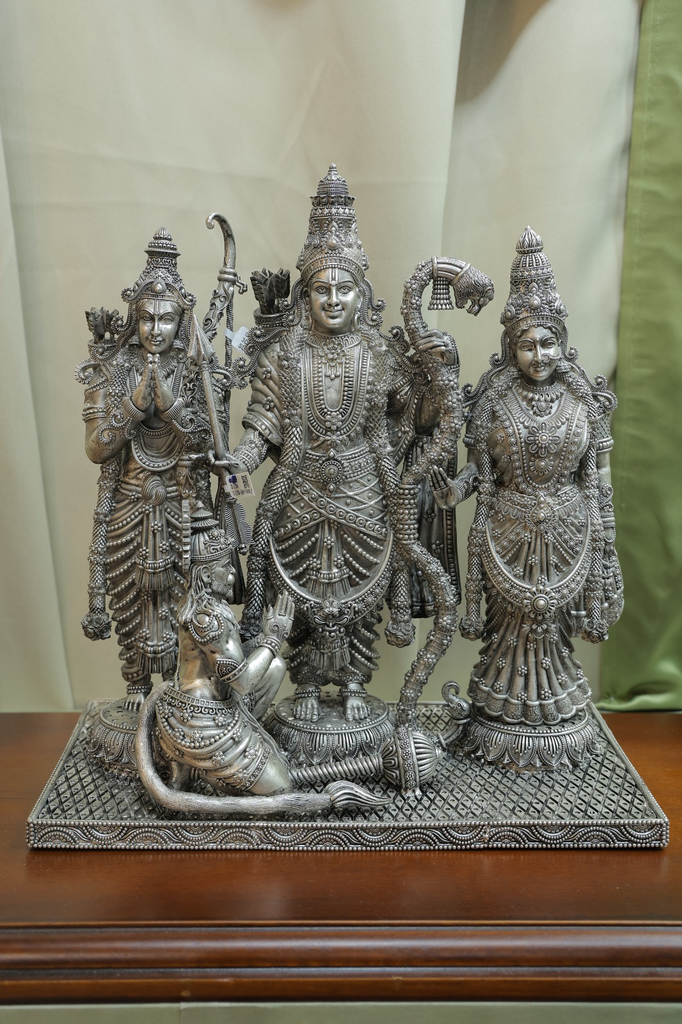
Devotional and spiritual artistry emerged as the single strongest thread of the show. Ricchezza’s Idols Collection, SILORA’s Shrinathji timepiece, Purple Jewels’ Balaji idols and Shiva Lingam, and Anmol Jewellers’ extensive range of silver and gold idols (Vishwarupa, Panchmukhi Hanuman, Ram Parivaar, and more) together show that sacred and devotional pieces are no longer a niche category but a mainstream, premium-positioned offering across exhibitors.
Antique, oxidized and heritage finishes
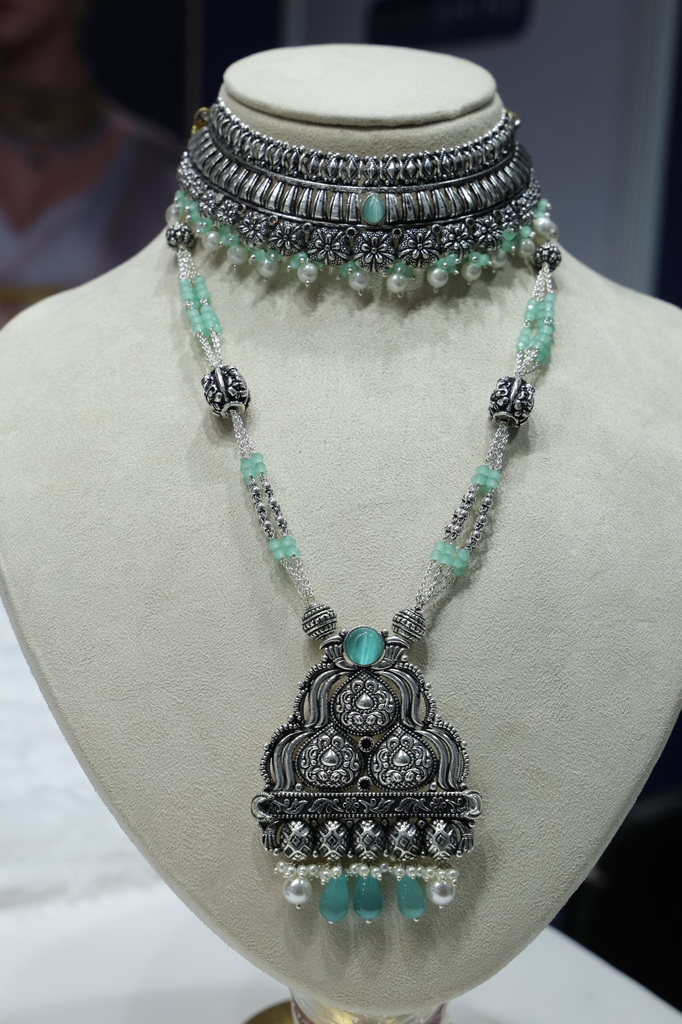
SILORA’s glorious Antique Finish Collection and Oxidized Silver Jewellery reflect a broader pull toward deep patina, folk-tribal textures, and traditional Indian artistry — a counterpoint to high-polish contemporary pieces and a signal that heritage aesthetics remain commercially strong.
Rose gold’s continued momentum
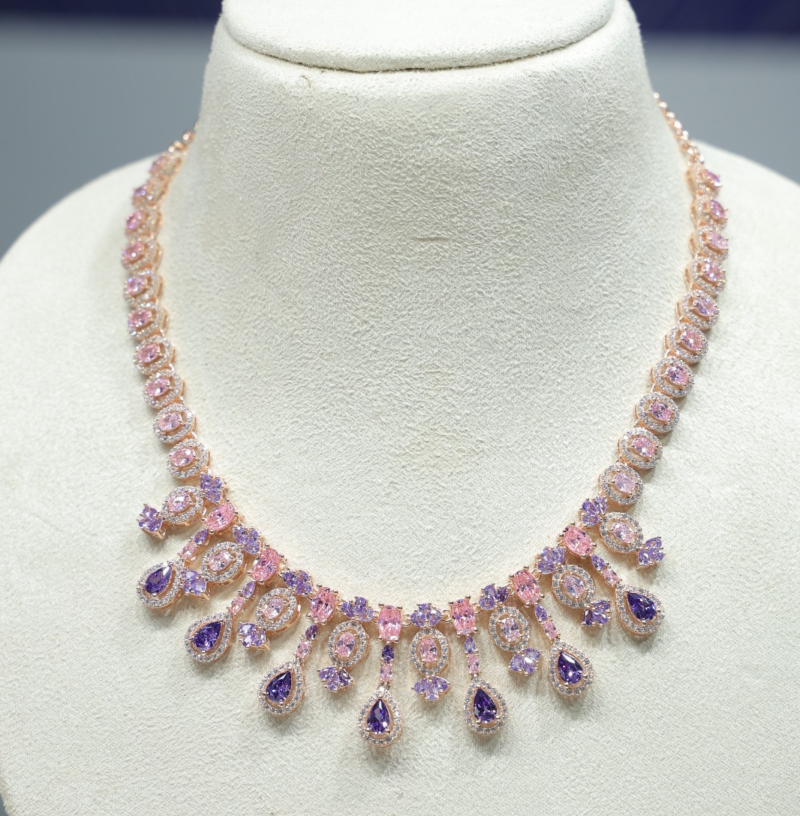
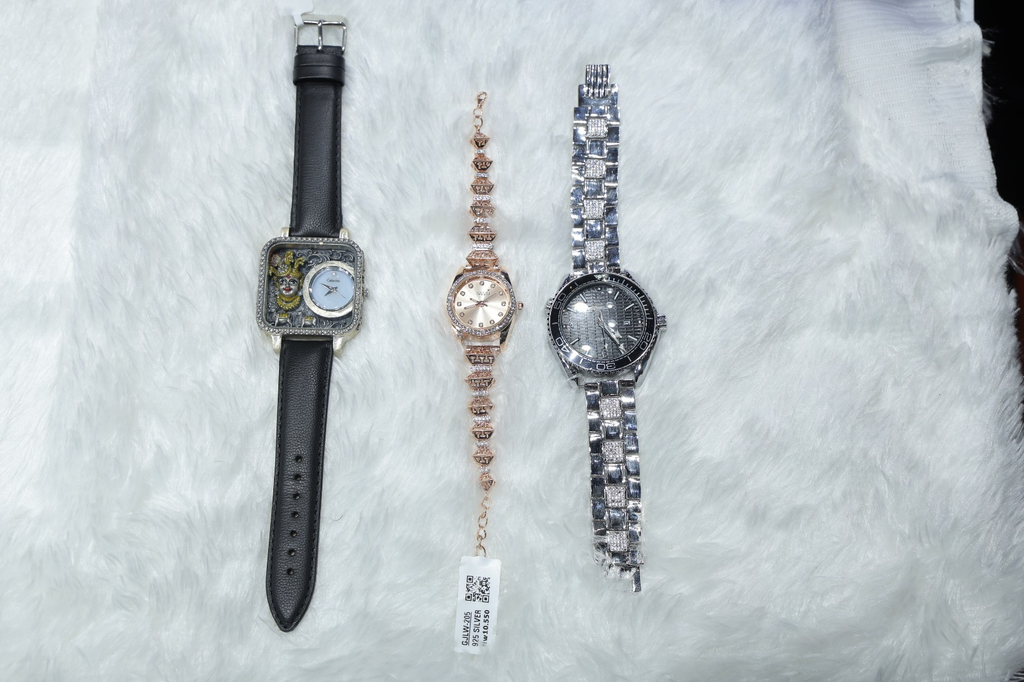
Rose gold surfaced across multiple product types — not just jewellery but also timepieces — as seen in SILORA’s Luxe Rose Gold Finish Jewellery and rose-gold-finished watches, reinforcing its position as a staple modern finish rather than a passing trend.
Category expansion beyond traditional jewellery
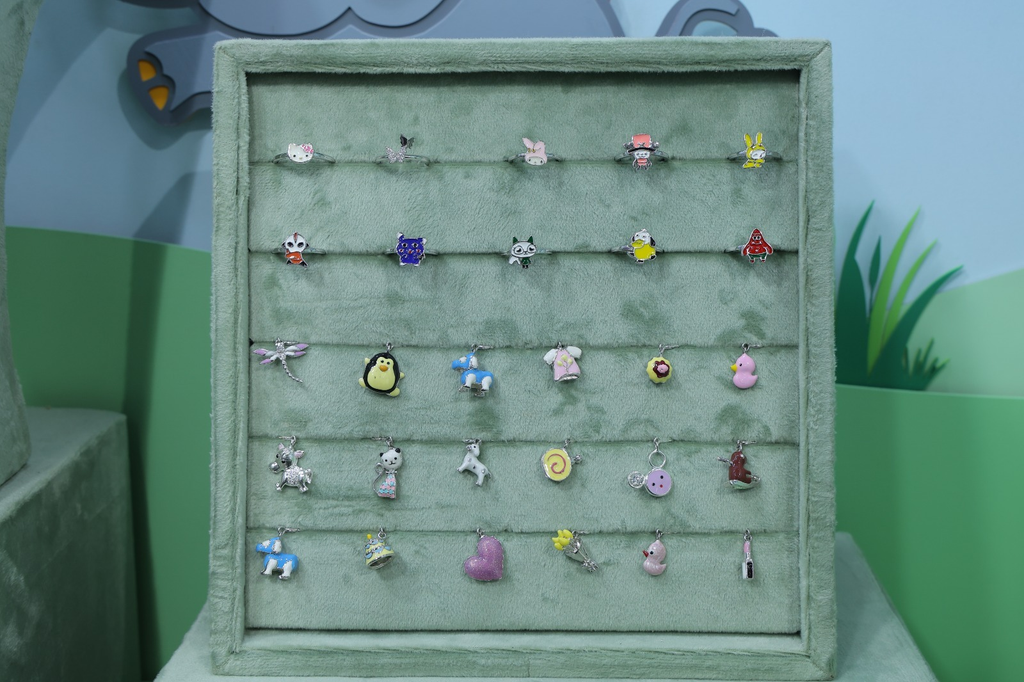
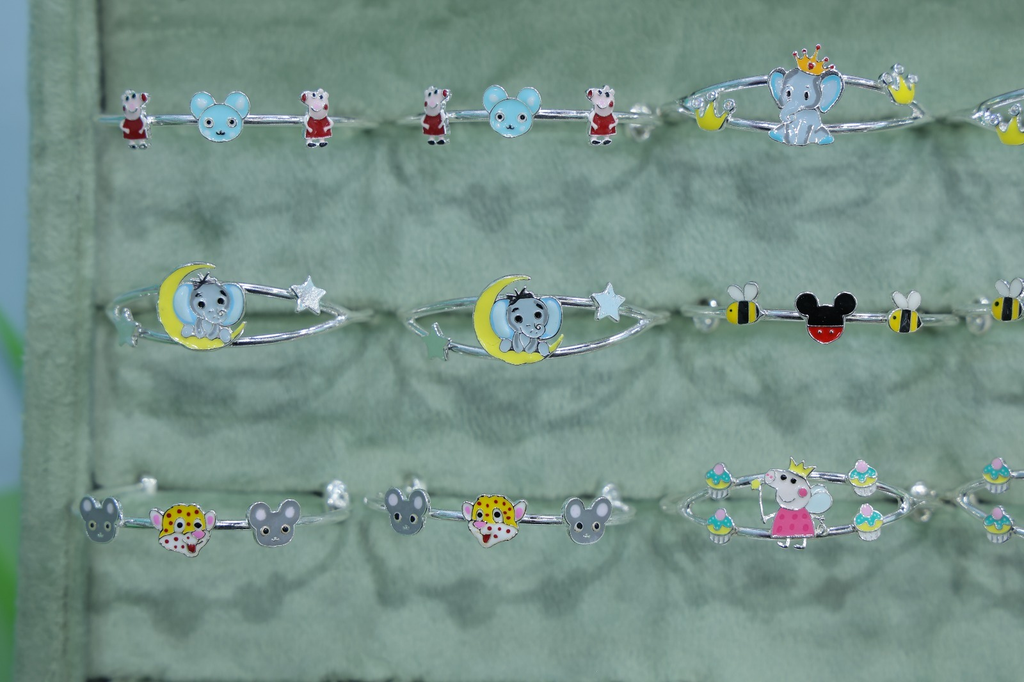
Exhibitors are widening their range beyond rings, chains, and bangles. Ricchezza’s Anamitra line targets infants, while SILORA’s Exclusive Timepieces extend a jewellery brand into horology — both pointing to lifestyle-driven diversification as a growth strategy.
Gender-Specific Design Lines
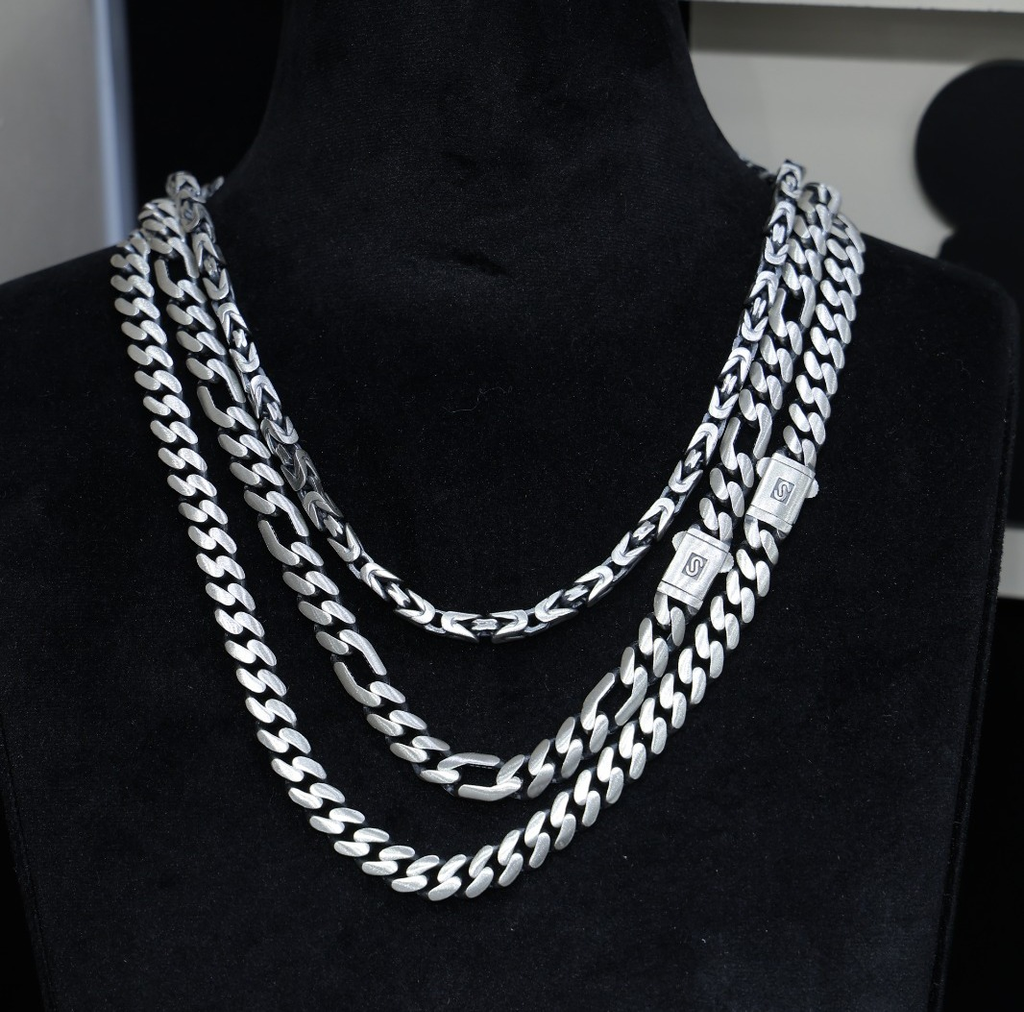
Distinct masculine and feminine lines were a notable feature, exemplified by Ricchezza’s Cuban Collection (bold, masculine) alongside Tixty (chic, feminine) — indicating that targeted, gender-specific collections continue to be a deliberate merchandising strategy rather than a one-size-fits-all approach.
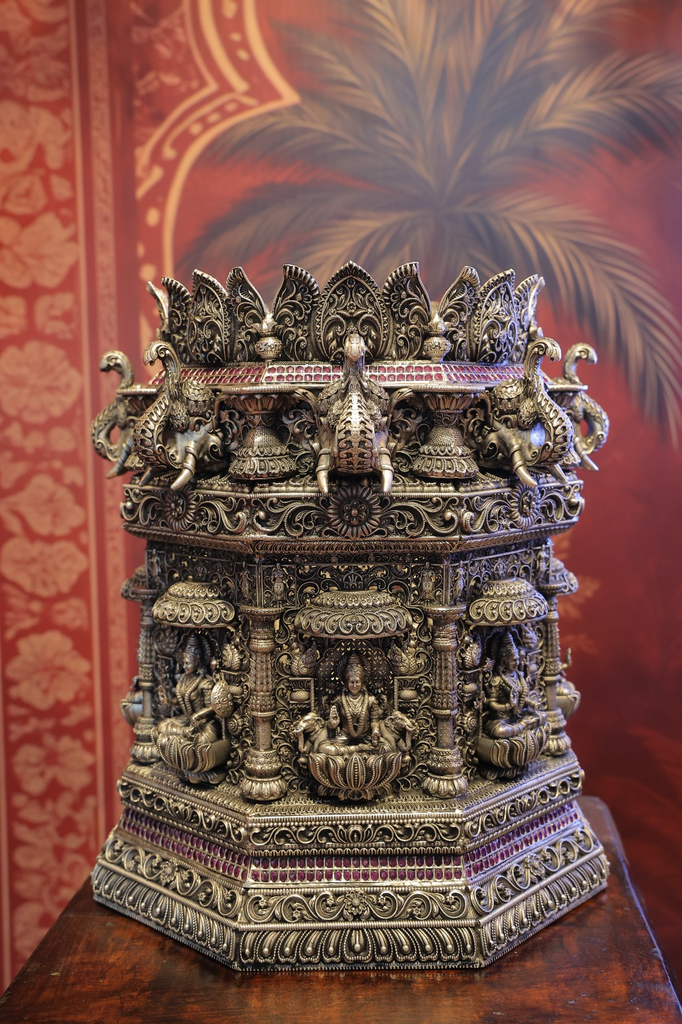
Mastery in Silver Artefacts and Idols
Both Purple Jewels and Anmol Jewellers demonstrated the depth of skill in silver idol-making, from the Saptashwa Vase’s mythological detailing to the technical complexity of Vishwarupa and Panchmukhi Hanuman forms, underscoring silver artefacts as a distinct and thriving craft category alongside wearable jewellery.
Balancing tradition and modernity
Taken together, the exhibitors at the 3rd edition of SSI Delhi painted a picture of an industry balancing tradition and modernity — where antique finishes and devotional artistry sit comfortably alongside rose gold sophistication, gender-targeted lines, and category extensions such as infant jewellery and timepieces. This blend of heritage craftsmanship and contemporary lifestyle relevance appears to be the defining character of the show.


-

 International News1 hour ago
De Beers Assumes 100% Control Of Gahcho Kué Diamond Mine
-

 National News52 minutes ago
Keemti Jewels Unveils Second Lagship Store In Mumbai At Borivali-West
-
 New Premises4 hours ago
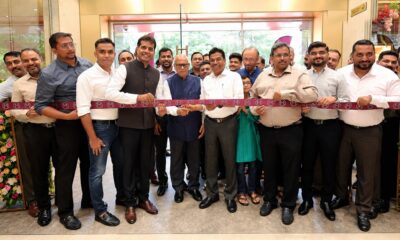
Malabar Gold & Diamonds Opens Its Second-Biggest Showroom In Goa
-
 National News1 hour ago
Tanvi Exports Files DRHP For Proposed IPO
