
By Invitation
Electroformed GOLD Bracelet


GIA has provided a service for validating mounted gemstones in jewellery for decades. Recently, these services have been expanded to include precious metal items (rings, necklaces, and bracelets) to ensure their authenticity and ensure the metal is as stated. The service is intended to protect both buyer and seller.
As part of this service, a gold bracelet measuring 8 inches in circumference and 1.25 inches wide and weighing 41 g was recently examined in the Carlsbad laboratory (figure 1). It was submitted as 14K solid gold, but initial observations raised suspicion. The bracelet felt too light and almost hollow, and there was a significant contrast in textures: a matte finish on the inside surface of the bracelet compared with the wavy, shiny exterior surface. The bracelet had a 14K hallmark, which appeared to be stamped or engraved onto a different metal piece that was glued or otherwise adhered to the bracelet (figure 2).
X-ray fluorescence (XRF) analysis of the shiny exterior surface gave a result of 17.99K gold, and no subsurface material was detected that would indicate plating. Additional testing of another smooth surface yielded a result of 22.47K. Further analysis under brighter lighting conditions revealed areas where gold plating had flaked off from the piece (figure 3). We believe this wavy texture of the gold was used intentionally to hide the poor quality of the finish and the flaking gold plating, as shadows can often mask imperfections on initial sight.
A wax or resin material was observed under the plating, and we concluded that the bracelet had been created using electrodeposition to electroform the piece. Electroforming is a method of adding a thick gold plating, sometimes as thick as 200 microns, to a wax, resin, ceramic, or organic material base. Thick plating and electroforming may not be detected by XRF methods alone, and additional testing may be necessary to detect the application of these processes. We believe this wax- or resin-filled electroformed bracelet was being sold as solid 14K gold with the intention to deceive the buyer. This example demonstrates the importance of testing and verification services such as GIA’s jewelry verification service.






By Invitation
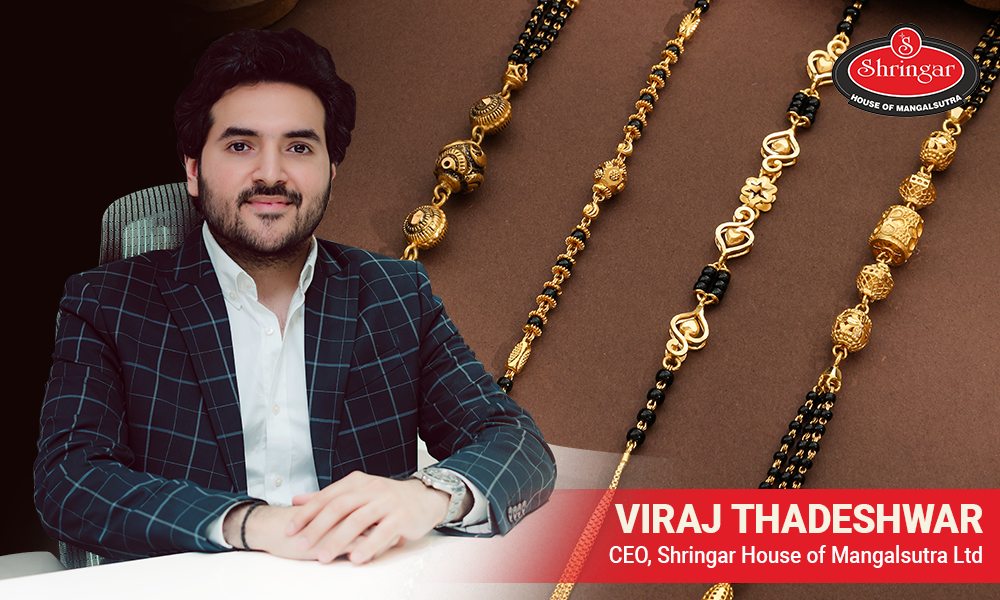
Mangalsutra Revival 2025–26: How India’s wedding boom is powering a new era of cultural jewellery
by Viraj Thadeshwar-CEO, Shringar House of Mangalsutra Ltd
A Historic Wedding Season Driving Jewellery Demand
India is entering one of the most robust wedding seasons in recent years, with a record number of auspicious dates and full-scale celebrations making a strong comeback. This renewed vibrancy is expected to fuel significant demand for bridal jewellery across the country.
Weddings continue to remain the single-largest consumption driver for gold and diamond jewellery in India, and 2025–26 is poised to be no different. Retailers are already reporting heightened customer interest and increased pre-bookings for bridal collections, signalling bullish sentiment for the months ahead.
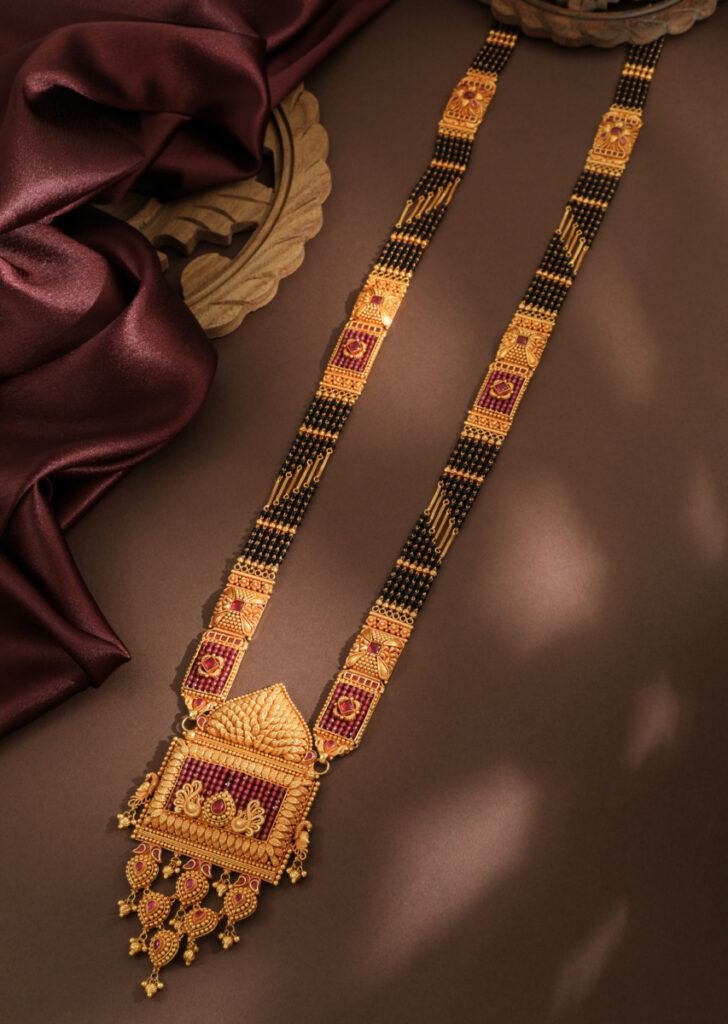
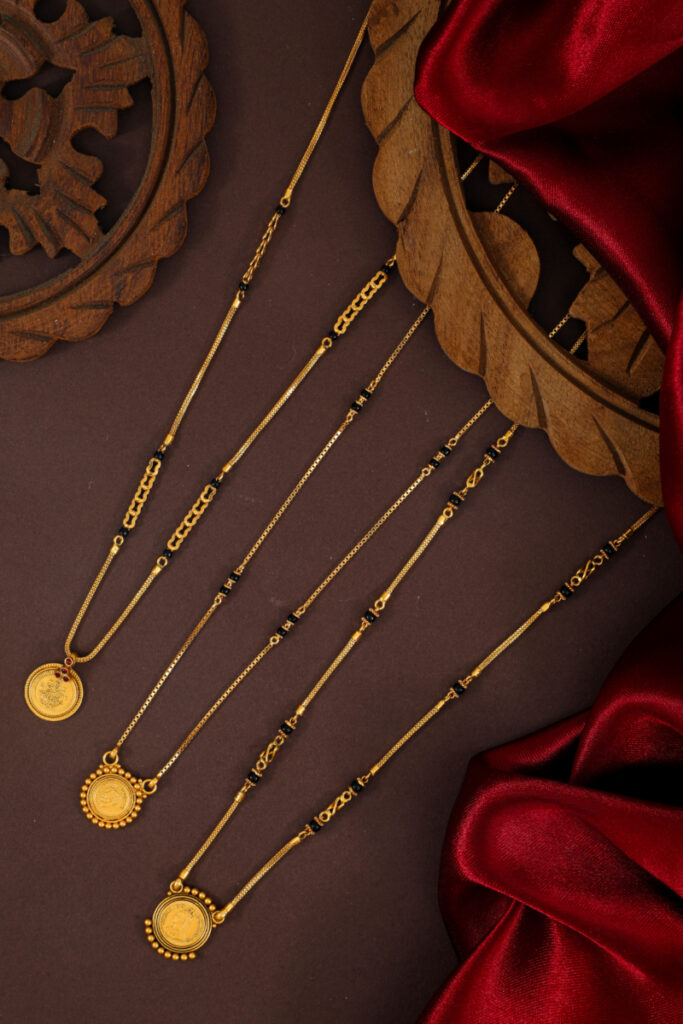
The Mangalsutra: A Timeless Symbol Strengthened by Tradition
At the core of this surge lies the most meaningful and culturally significant ornament in Hindu marriage — the mangalsutra.
More than a piece of jewellery, it is a sacred symbol of marital commitment, emotional connection, and lifelong partnership.
For generations, the mangalsutra has been considered non-negotiable in a bride’s trousseau. Even as tastes evolve, this deep-rooted sentiment remains unchanged. Every bride, regardless of region or style preference, views the mangalsutra as the ultimate expression of tradition and identity.
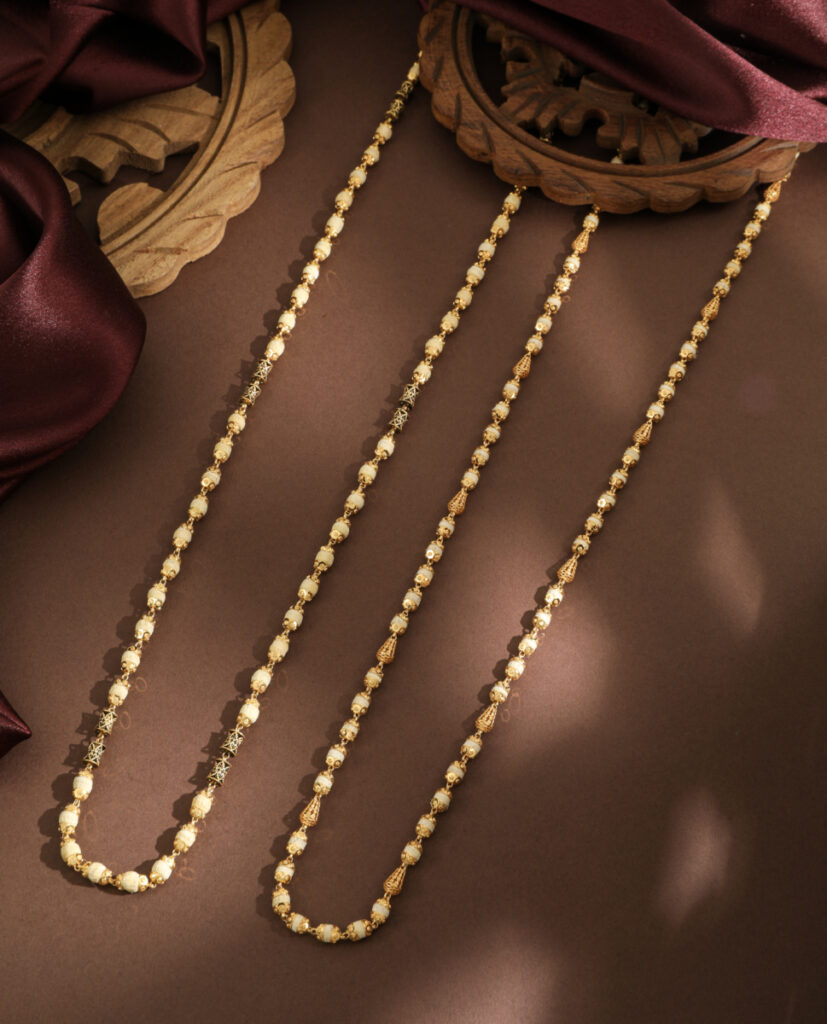
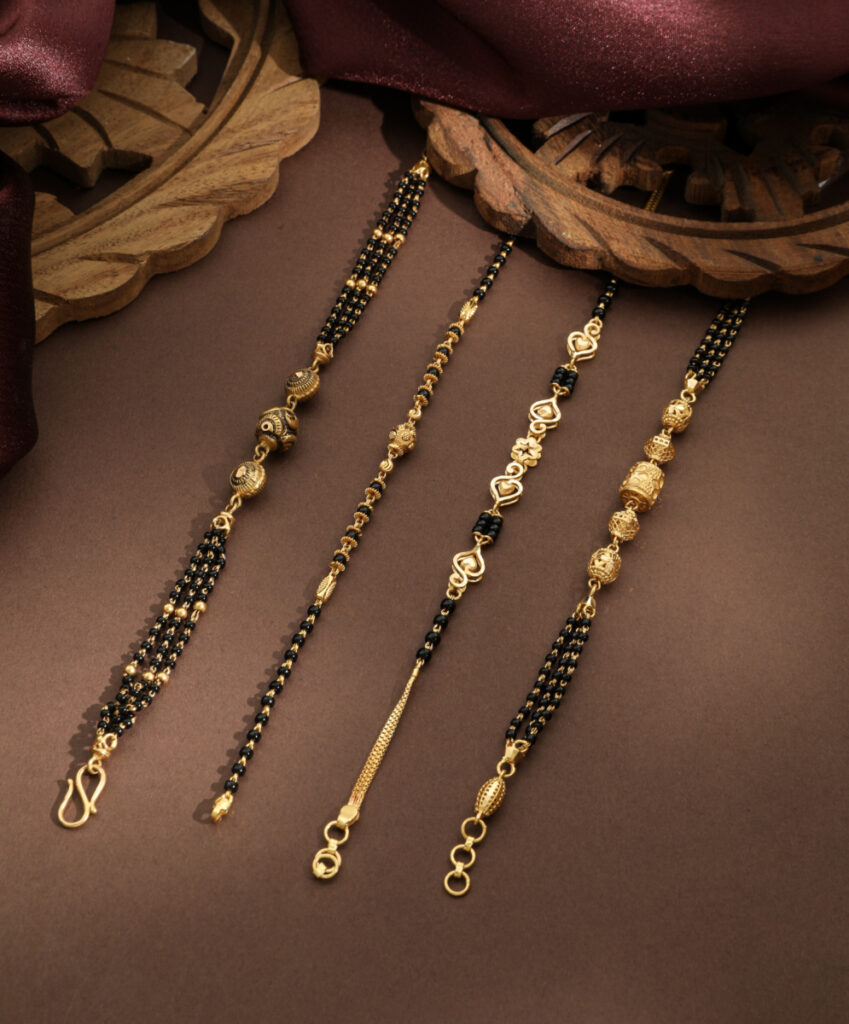
Renewed Traction as Weddings Return to Full Scale
With weddings regaining their pre-pandemic scale, the mangalsutra category is witnessing a strong revival. Retailers across India are expecting double-digit growth this season, driven by cultural significance, modern design innovation, and the desire for multiple variations of this essential ornament.
At Shringar House of Mangalsutra Ltd, this trend is even more pronounced. The brand is witnessing record retailer inquiries nationwide, indicating a clear shift toward curated mangalsutra assortments.
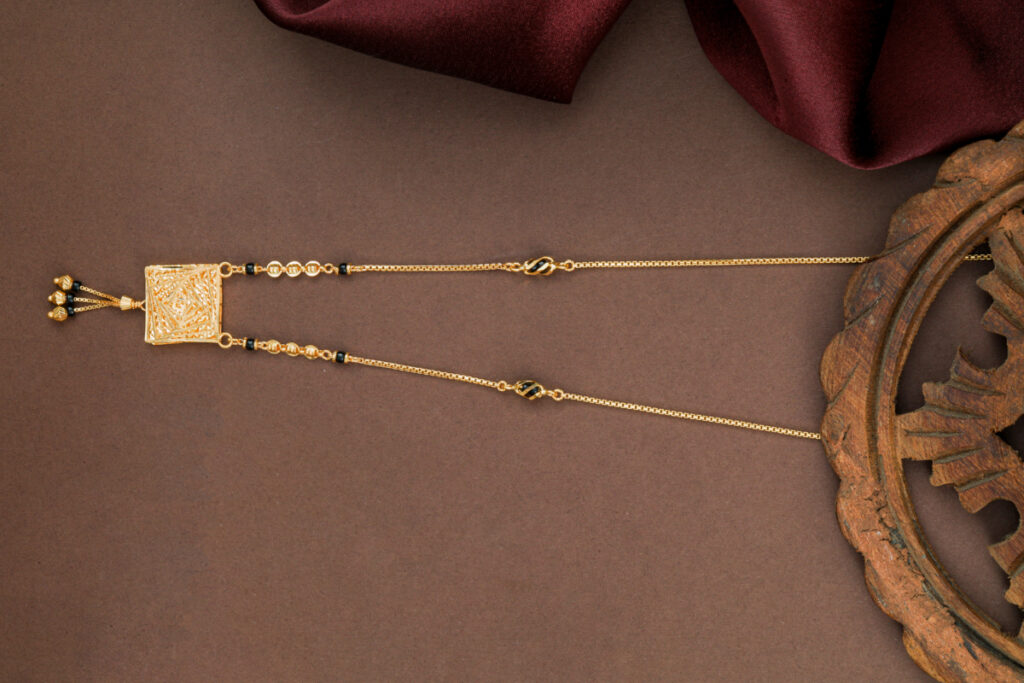
Modern Brides Want More Than One Mangalsutra
A key evolution shaping demand is the changing mindset of young brides. Today’s bride is both rooted in tradition and expressive in personal style, balancing heritage with contemporary fashion sensibilities.
Brides are increasingly purchasing three distinct types of mangalsutras:
- Traditional / Heavy Pieces — for rituals and wedding ceremonies
- Lightweight Daily-Wear Designs — prioritising comfort and practicality
- Occasion-Wear / Diamond Mangalsutras — designed to complement modern outfits
Versatility has become a major purchasing driver, with brides seeking jewellery suitable for both ethnic and western wear. Personal identity and styling preferences now play a stronger role in design decisions, making multi-category buying behaviour a significant growth contributor.
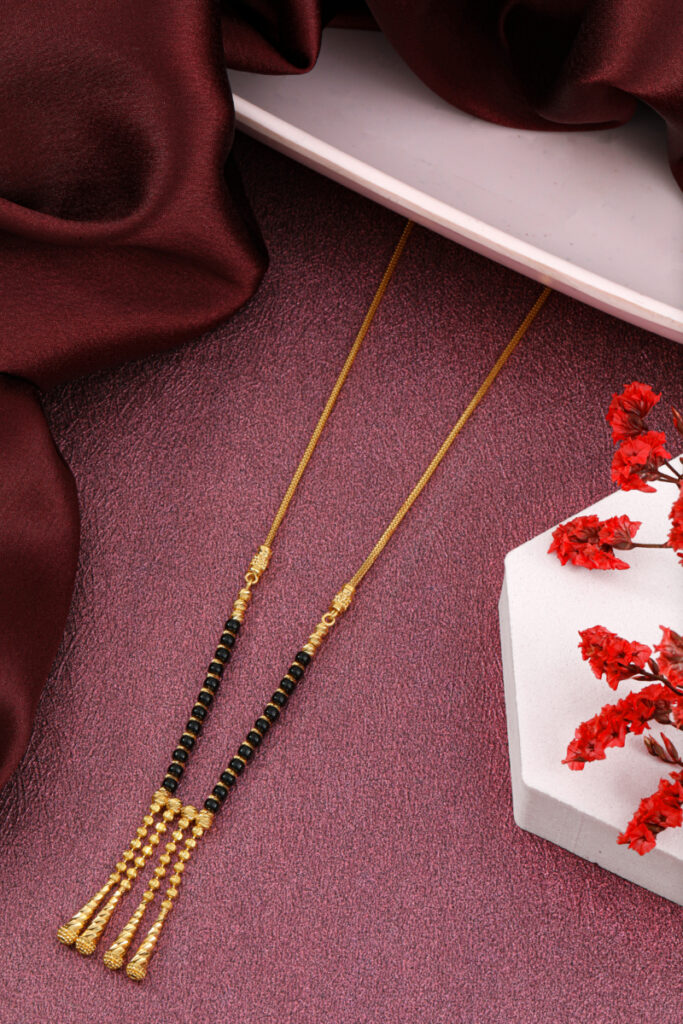
The Rise of Lightweight & Diamond-Styled Mangalsutras
Design trends are evolving rapidly, with rising demand for:
Lightweight, Minimalist Mangalsutras
Perfect for daily wear, these designs deliver elegance without heaviness. They are especially popular among working women and younger brides who prioritise comfort, versatility, and subtle sophistication.
Diamond-Studded Mangalsutras
This segment has emerged as the fastest-growing category. With refined brilliance and contemporary appeal, diamond mangalsutras are becoming a trousseau essential for fashion-conscious brides.
At Shringar, the design philosophy focuses on preserving the emotional essence of the mangalsutra while integrating global aesthetics, fine craftsmanship, and modern versatility.
A Powerful Moment for the Mangalsutra Category
As India embraces full-scale weddings supported by strong consumer sentiment, the mangalsutra stands at the centre of this resurgence — not merely as jewellery, but as a living cultural legacy growing stronger with every generation.
The upcoming season presents a tremendous opportunity for both retailers and manufacturers. For Shringar House of Mangalsutra Ltd, it marks a moment to celebrate heritage, drive design innovation, and strengthen its commitment to serving the emotional and cultural heartbeat of Indian weddings.


Divine Solitaires marks Gudi Padwa with a sparkling festive initiative

NSE’s launches 10-gm gold futures, move will broaden participation in gold derivatives

Swarovski Presents Second Capsule Collection with Ariana Grande

Precious Metals Face Macro Headwinds Amid Persistent Inflation and Geopolitical Uncertainty: AUGMONT BULLION REPORT

M P Ahammad, Chairman of Malabar Group, Conferred Maharashtrian of the Year Award 2026 by Maharashtra CM Devendra Fadnavis

GJEPC: India’s Gems Jewellery Exports Demonstrate Resilience, Rise 8.37% to Rs. 24,340.05 Crores in February
-
 International News5 days ago
Precious Metals Face Macro Headwinds Amid Persistent Inflation and Geopolitical Uncertainty: AUGMONT BULLION REPORT
-
 National News5 days ago
M P Ahammad, Chairman of Malabar Group, Conferred Maharashtrian of the Year Award 2026 by Maharashtra CM Devendra Fadnavis
-
 National News1 day ago
GJEPC: India’s Gems Jewellery Exports Demonstrate Resilience, Rise 8.37% to Rs. 24,340.05 Crores in February
-
 National News8 hours ago
GJC announces 9th Edition of GJS April 2026