

By Invitation
Diamond & Jewellery Industry: 2025 Review and Leadership View on 2026
By Akash Talesara, President : Sky Gold and Diamonds Ltd

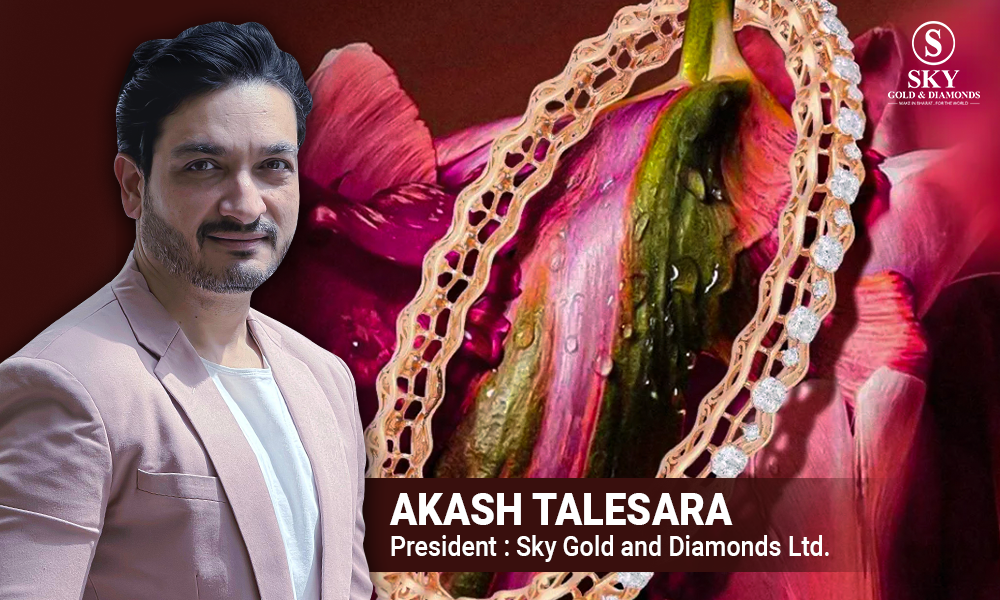
From a leadership standpoint, 2025 was a year of stabilization and disciplined execution for the diamond and jewellery industry. It was not a year of exuberant growth, but one that tested operational resilience, capital efficiency, and strategic clarity. The industry navigated a complex environment shaped by uneven demand recovery and external trade-related pressures, while continuing to adapt to changing consumer behavior.
2025: A Year of Consolidation and Control
The industry in 2025 moved through a phase of consolidation and gradual normalization. Key markets including India, the Middle East, and the U.S. showed selective recovery. India remained the strongest pillar of demand, driven by weddings, festivals, and sustained aspirational consumption.

However, trade policy uncertainty—particularly U.S. tariff-related developments—had a visible impact on sentiment and trade flows. Export-oriented businesses faced cautious ordering patterns, margin pressure, and delayed buying decisions. These conditions forced companies to recalibrate pricing, reassess supply chains, and tighten risk management. While the impact varied by segment, the overall message was clear: agility and discipline mattered more than scale.
Consumer preference during the year remained firmly aligned toward lightweight, design-led jewellery and value-conscious diamond offerings. Organized players continued to strengthen trust through branding, certification, and transparency. Across the value chain, focus areas were clear—inventory rationalization, cost optimization, and prudent working capital deployment. Volatility in gold prices and selective softness in discretionary spending reinforced the need for operational rigor.
2026: Clearer Visibility and Structural Shifts
Looking ahead to 2026, I am cautiously optimistic. With improving visibility on global trade policies and a relatively stable macroeconomic environment, confidence is expected to recover progressively.
One of the most important structural shifts gaining momentum is the move toward lower karatage gold—particularly 9KT and 14KT—across daily-wear and lifestyle jewellery. Affordability without compromising design or durability is becoming central to consumer decision-making. Lower karat gold supports higher purchase frequency, attracts younger consumers, and enables volume-led growth across domestic and export markets.
Design will be the key differentiator in 2026. As the industry moves away from purely occasion-driven consumption toward everyday relevance, design-led innovation in daily-wear, office-wear, and lifestyle jewellery will define winners.
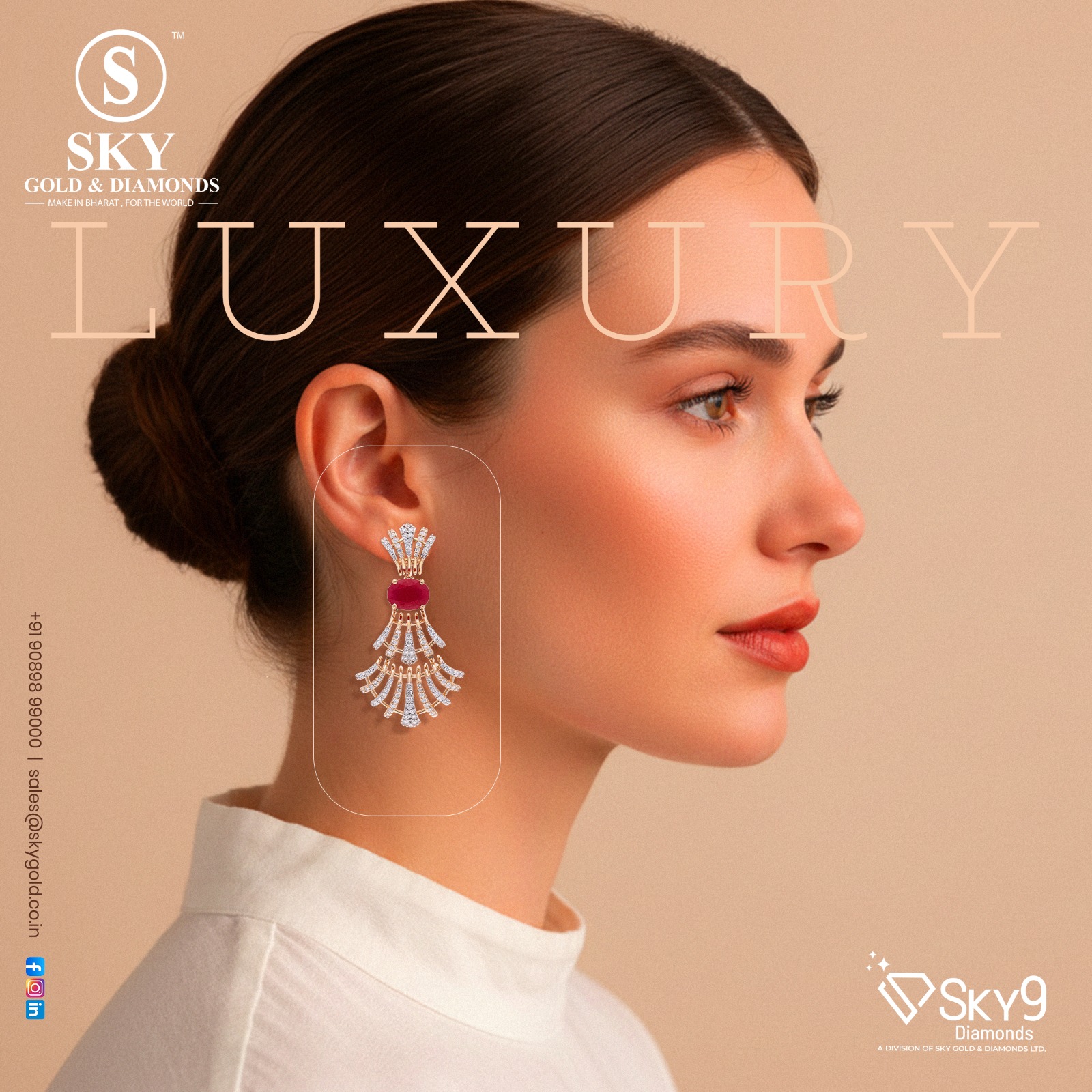
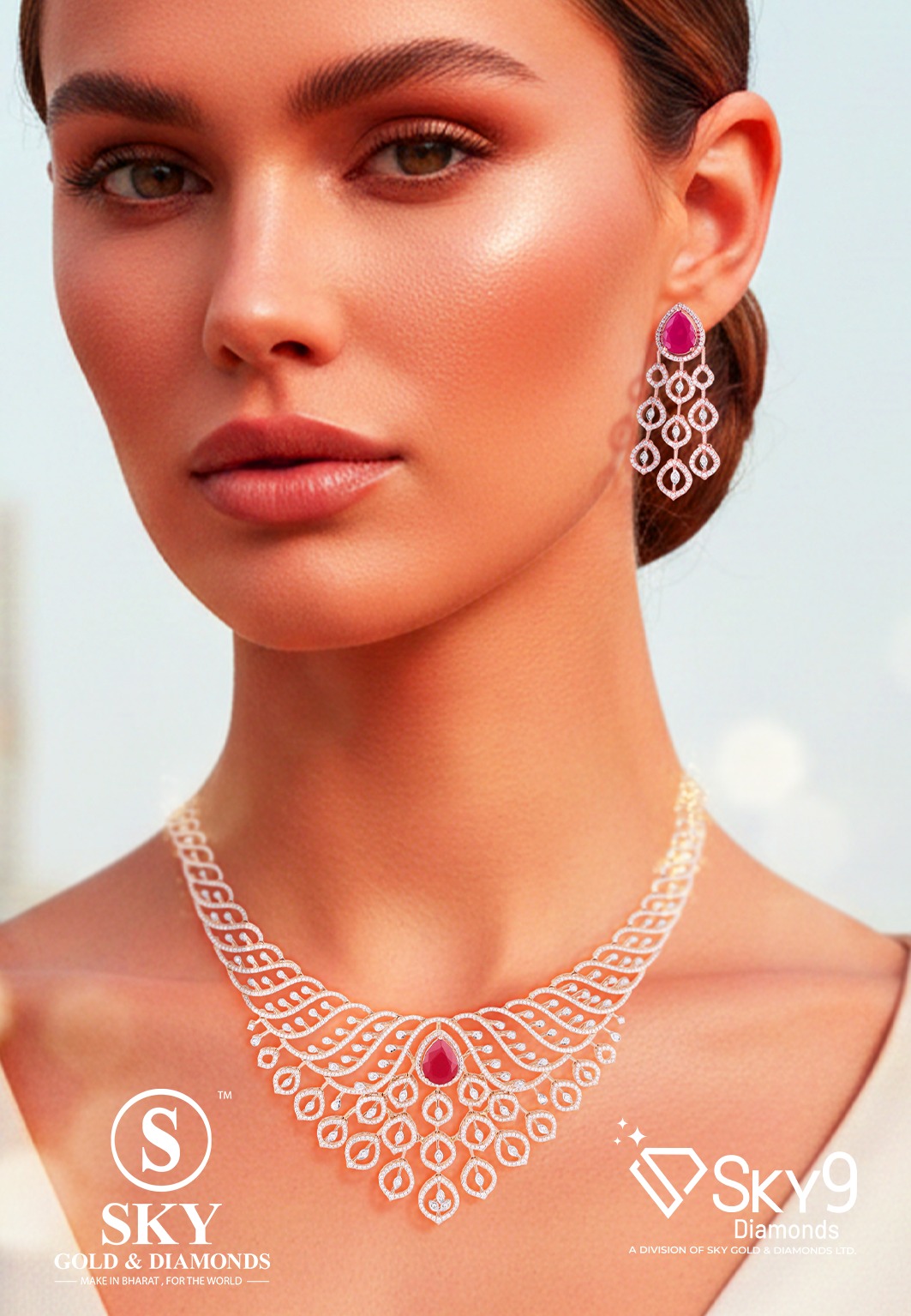
Today’s consumers are seeking jewellery that fits seamlessly into modern life—minimalist, lightweight, functional, and versatile. Pieces that can be worn comfortably throughout the day, layered easily, and aligned with contemporary aesthetics are increasingly preferred over traditional heavy formats. This shift is especially pronounced among urban and younger consumers, and it represents a long-term change in buying behavior, not a short-term trend.
Key Takeaway
The next phase of growth in the diamond and jewellery industry will be driven less by cyclical recovery and more by strategic execution—the right product mix, right pricing architecture, design differentiation, and disciplined capital management. Companies that align closely with evolving consumer expectations while maintaining operational efficiency will be best positioned to lead in 2026 and beyond.
Jb Exclusive: Digital view


By Invitation
India’s Next Decade in Jewellery Exports: Scale, Discipline & Global Positioning
By Darshan Chauhan, Director –

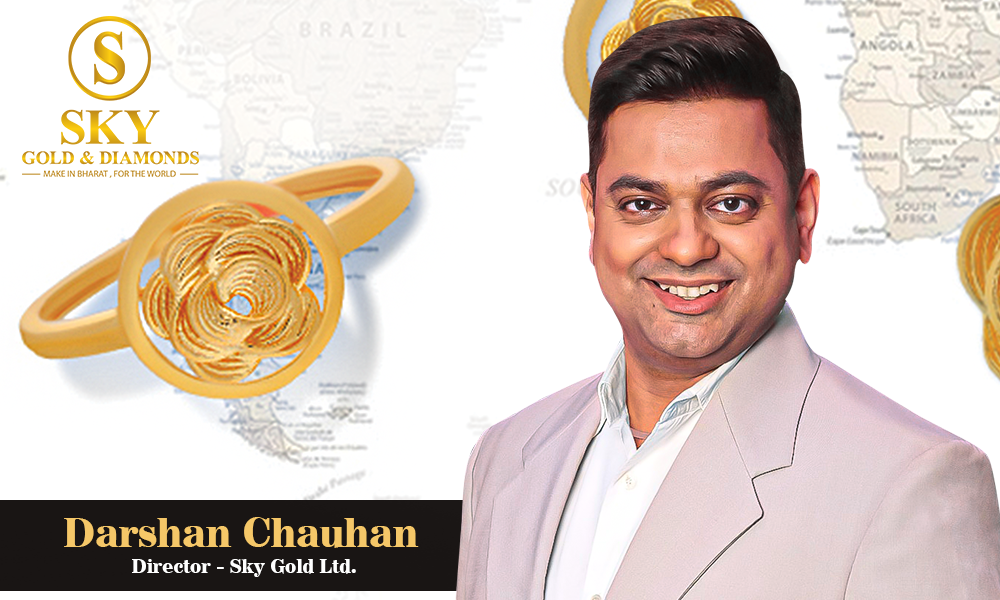
Sky Gold Ltd.
India’s jewellery export journey has been built on generations of craftsmanship, entrepreneurial resilience and an unmatched manufacturing ecosystem. From artisan-led workshops to technologically advanced facilities, the country has steadily earned global recognition as a reliable sourcing destination. Yet the coming decade represents a transition. The conversation is no longer only about producing more; it is about exporting smarter, operating with discipline and positioning India as a structured global partner rather than merely a manufacturing base.
The global jewellery trade itself is undergoing a quiet transformation. International buyers today evaluate suppliers through a wider lens. Design capability and competitive pricing remain important, but equal weight is now given to compliance, transparency, delivery consistency and financial stability. Export relationships are becoming long-term strategic partnerships rather than transactional buying arrangements.
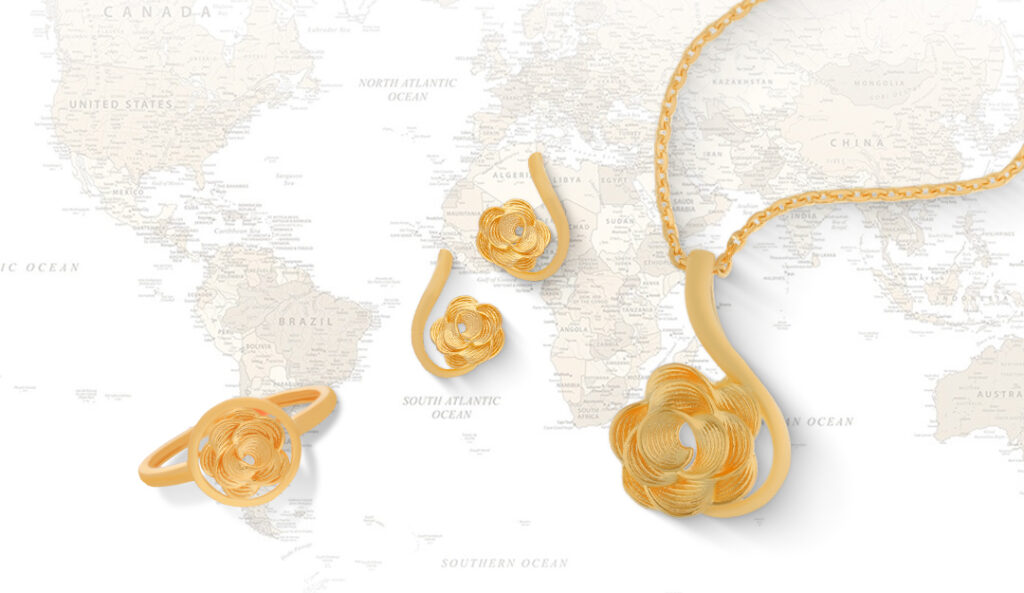
For Indian exporters, this shift presents both an opportunity and a responsibility.
One of the most significant changes ahead will be market diversification. The United States has historically driven a substantial share of India’s jewellery exports, and it will continue to remain a vital market. However, concentration in a single geography exposes businesses to currency fluctuations, economic cycles and regulatory shifts. The Middle East has emerged as a strong growth corridor, supported by trade agreements, logistical advantages and evolving consumer demand. At the same time, regions such as Australia and parts of Europe are opening opportunities for exporters willing to meet higher compliance standards.
Diversification, therefore, is not about expanding aggressively into every market. It is about building balanced exposure that enhances stability while protecting margins.
Alongside geographic expansion, compliance is becoming a defining factor in global positioning. Responsible sourcing practices, traceability systems and governance standards are increasingly shaping procurement decisions. International brands are consolidating supplier networks and partnering with exporters who demonstrate reliability beyond production capability. In this environment, compliance should not be viewed as an external obligation. It strengthens credibility and enables access to premium markets where trust carries measurable value.
Equally important is capital discipline. Jewellery exports operate within a high-value commodity framework where gold price volatility directly impacts profitability. Elevated gold prices amplify the cost of inefficiencies, whether through excess inventory, unhedged exposure or extended payment cycles. Export growth in the coming decade will depend on closer alignment between procurement, treasury management and production planning. Structured hedging practices, bullion banking relationships and disciplined working capital management will increasingly separate stable exporters from vulnerable ones.
Manufacturing evolution will also play a central role. India already possesses scale; the next step is precision. Technology adoption, including CNC manufacturing, advanced prototyping and integrated digital production systems, enhances consistency while reducing wastage. Global buyers value predictability as much as creativity. When craftsmanship is supported by
process-driven manufacturing, India’s competitive advantage becomes far more compelling.
At the same time, India must gradually move beyond being perceived solely as a cost-competitive supplier. Countries that have successfully strengthened their global positioning have invested in design identity, innovation and long-term brand perception. Indian exporters have the opportunity to shift the narrative toward reliability, creativity and manufacturing excellence. Building deeper partnerships with international buyers, rather than focusing only on order volumes, will help achieve this transition.
Sustainability is emerging as another critical dimension of export strategy. Renewable energy adoption, responsible sourcing and environmental accountability are becoming key evaluation criteria in developed markets. These initiatives are not merely ethical considerations; they are risk-management tools that safeguard long-term market access. Exporters who align early with global sustainability expectations will find themselves better positioned as international standards continue to evolve.
Domestic retail trends are also influencing export direction more than before. The growing demand for lightweight, versatile jewellery in India mirrors changing consumer preferences globally. Faster design cycles and data-led product planning are reshaping manufacturing strategies. Exporters who remain closely connected to consumer behaviour both domestically and internationally gain stronger foresight into demand patterns.
The next decade of Indian jewellery exports will therefore be defined by alignment: scale supported by systems, creativity supported by discipline and growth supported by governance. India already has the foundation, skilled artisans, manufacturing depth and strong global relationships. The opportunity now lies in strengthening operational maturity.
If approached with clarity and intention, India can transition from being viewed primarily as the world’s jewellery workshop to being recognised as a trusted global partner in design, manufacturing and supply chain excellence. The future of exports will not depend solely on how much we produce, but on how confidently global markets rely on us.
In that shift lies the true potential of India’s next decade in jewellery exports.



1,500 Offices Projected to be Operational at the SDB Within the Next 12 Months

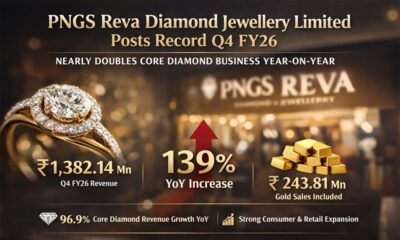
PNGS Reva Diamond Jewellery Limited Posts Record Q4 FY26, Nearly Doubles Core Diamond Business Year-on-Year

Precious Metals Rally On US-Iran Ceasefire: Gold Tops $4,850, Silver Jumps To $76
PNGS Reva Diamond Jewellery Limited Posts Record Q4 FY26, Nearly Doubles Core Diamond Business Year-on-Year

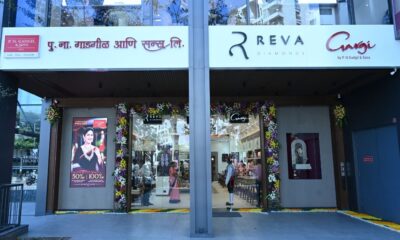
P. N. Gadgil & Sons Expands in Pune with New Store at Tribeca Highstreet; Launches 9KT Collection
Precious Metals Rally On US-Iran Ceasefire: Gold Tops $4,850, Silver Jumps To $76
-
 National News37 minutes ago
PNGS Reva Diamond Jewellery Limited Posts Record Q4 FY26, Nearly Doubles Core Diamond Business Year-on-Year
-
 New Premises21 hours ago
P. N. Gadgil & Sons Expands in Pune with New Store at Tribeca Highstreet; Launches 9KT Collection
-
 International News56 minutes ago
Precious Metals Rally On US-Iran Ceasefire: Gold Tops $4,850, Silver Jumps To $76
-
 DiamondBuzz35 minutes ago
1,500 Offices Projected to be Operational at the SDB Within the Next 12 Months
