
JB Insights
Jewellery machinery is vital investment for global competitiveness

JBExlusive
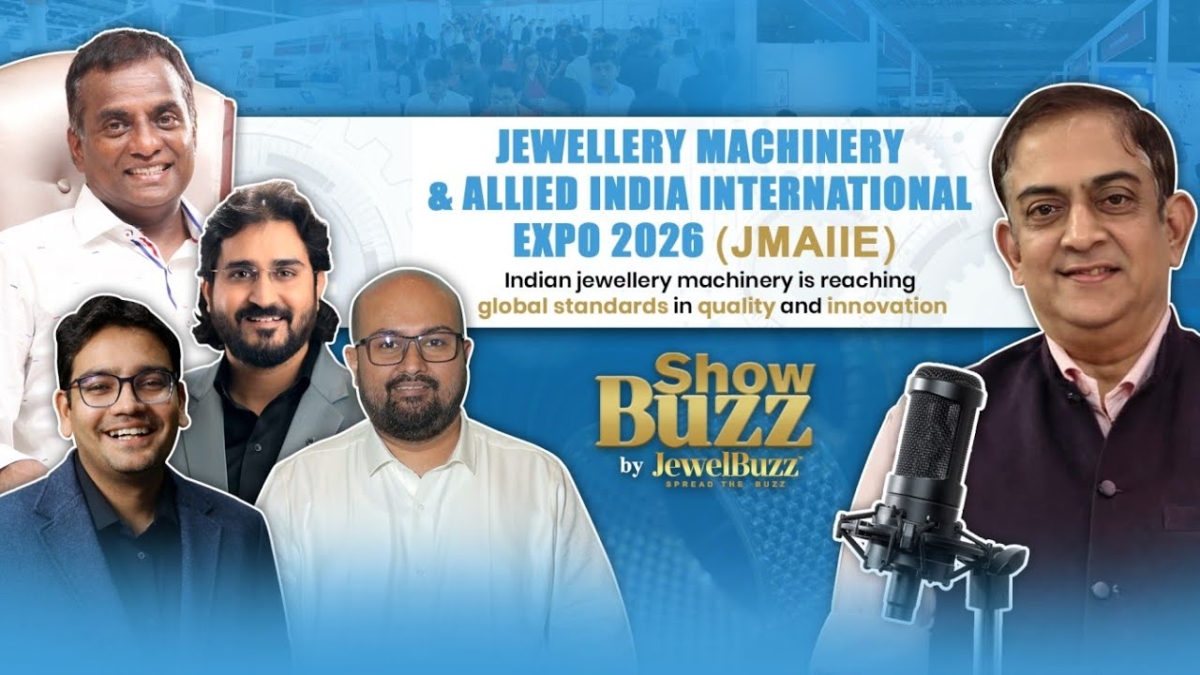
Jewel Buzz recently hosted a high-level panel featuring the titans of the jewelry manufacturing industry to discuss the significance of the JMAIIE 2026. The Panel of Stalwarts comprised :K Srinivasan: Chairman, Emerald Group,Dr. Chetan Kumar: CMD, Lakshmi Diamonds, Bengaluru Nitesh Jain, MD, Purple Jewels Private Limited,Nikhil Ranavat: Director, AR Gold Private Limited & Director, Swarnshilp Chains and Jewels Pvt Ltd
The discussion highlighted how technology is no longer an optional expense but a vital investment for global competitiveness. The importance of machinery was summed by said K Srinivasan: Investing in machinery is not an expenditure; it is an investment.
Key Objectives for JMAIIE 2026
The leaders identified several critical reasons for attending the expo, emphasizing that the “machinery-only” focus of JMAIIE allows for deep concentration without the distractions of finished jewelry.
- Technology Upgradation: K Srinivasan emphasized that with 41 years in the field, he views quality machinery as the foundation for working with all gold purities (from 9k to 22k) and silver. Continuous updating is required to stay relevant.
- Cost & Loss Reduction: Nikhil Ranawat pointed out that with rising gold prices, the priority is minimizing manufacturing losses. Even recovering an extra 1% of gold through better technology significantly impacts the bottom line.
- Weight & Aesthetics: Dr. Chetan Kumar noted the industry’s shift toward both ultra-lightweight and complex fashionable jewelry, both of which require advanced precision tools.
- Production Efficiency: Nitesh Jain highlighted the need for robust, “non-breakdown” machines to keep manufacturing costs low for the end consumer.
The State of “Make in India” Machinery
The panel offered a candid assessment of domestic vs. international machinery standards:
| Strengths of Indian Machinery | Areas for Improvement |
| Outstanding quality in Enameling, Casting Furnaces, and Buffing Machines. | Chain-making technology still lags behind global standards. |
| Excellence in CAD/CAM software and implementation. | Need for more robust, long-term durability to match Italian/Western builds. |
| High value-for-money and improving after-sales service. | Consistency in high-end finishing for luxury products. |
Future Outlook
The industry leaders called for a strategic shift to align with the Atmanirbhar Bharat (Self-Reliant India) vision.
- Technology Hubs: Dr. Chetan Kumar said government support was imperative and proposed the creation of a dedicated Technology Park for the jewelry industry where manufacturers and AI researchers can collaborate on new machinery.
- Skill Development: Nitesh Jain warned that high-tech machines are useless without a skilled workforce trained to operate them. A cultural shift from traditional handmade methods to tech-driven manufacturing is essential.
- Global Ambitions: With the conclusion of various FTAs (Free Trade Agreements), the panel believes that superior technology will allow India to truly become the “Jeweler to the World.”
Conclusion
JMAIIE 2026 stands as a pivotal platform for the industry. The consensus is clear: the future of Indian jewelry lies in the marriage of traditional hand-craftsmanship and cutting-edge technology.


JB Insights
Devotion, Heritage & Diversification: The defining trends of SSI Delhi’s 3rd Edition
From sacred artistry to lifestyle-driven expansion, how top exhibitors bridged timeless tradition with modern market demand.
Spirituality as a design anchor
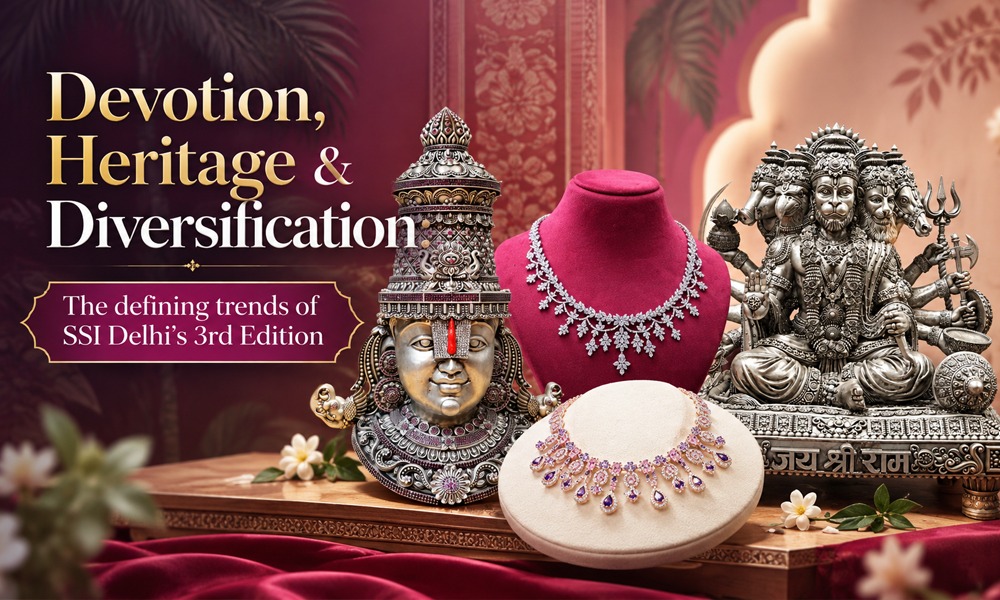
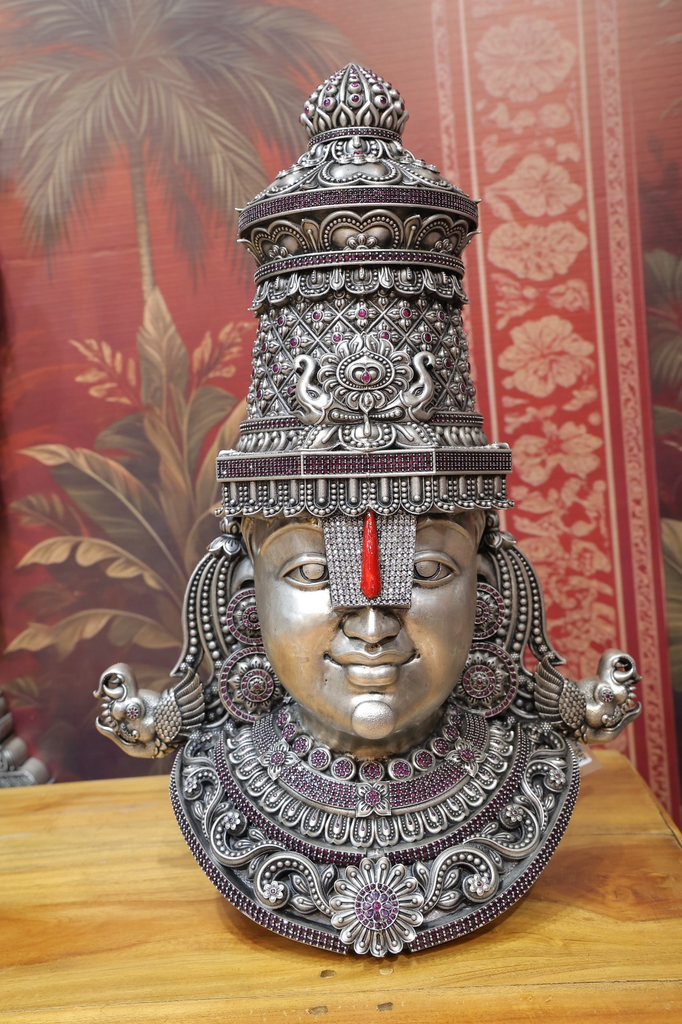
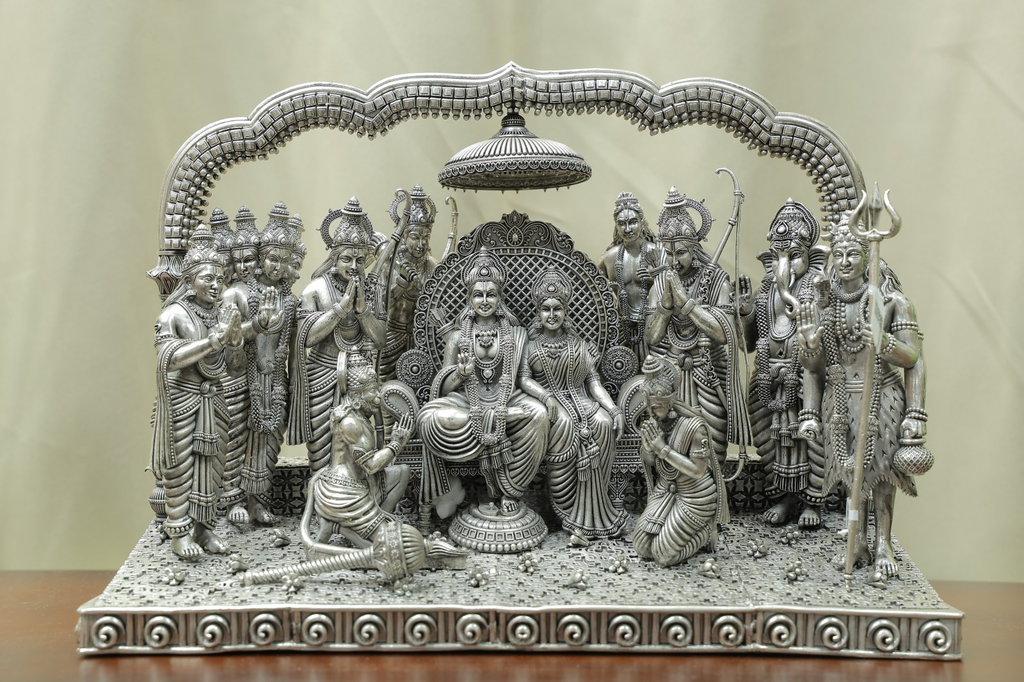
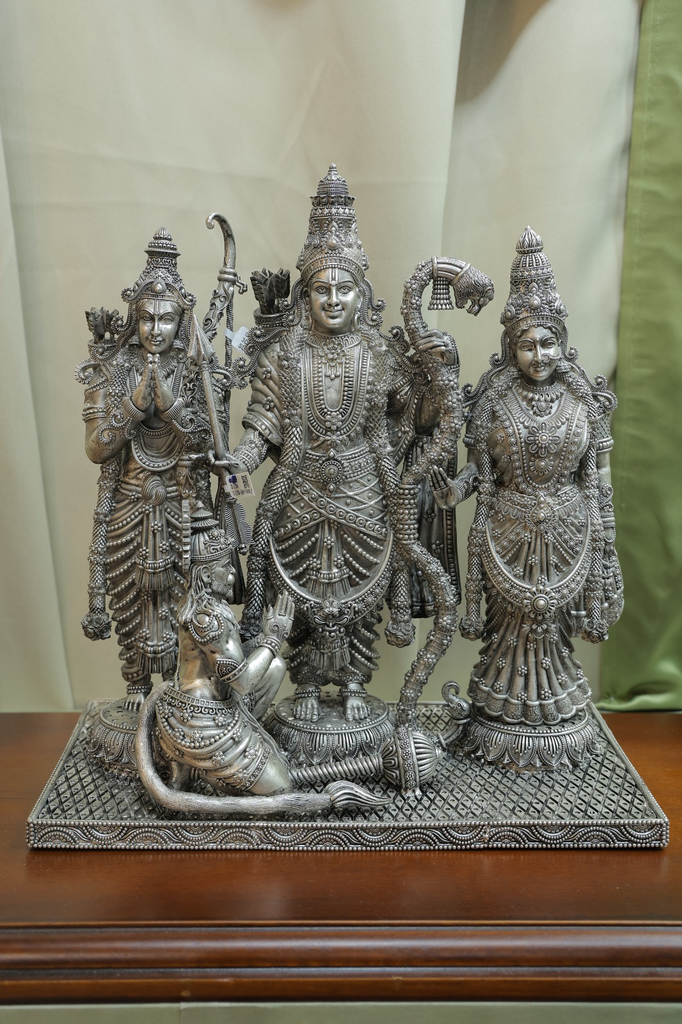
Devotional and spiritual artistry emerged as the single strongest thread of the show. Ricchezza’s Idols Collection, SILORA’s Shrinathji timepiece, Purple Jewels’ Balaji idols and Shiva Lingam, and Anmol Jewellers’ extensive range of silver and gold idols (Vishwarupa, Panchmukhi Hanuman, Ram Parivaar, and more) together show that sacred and devotional pieces are no longer a niche category but a mainstream, premium-positioned offering across exhibitors.
Antique, oxidized and heritage finishes
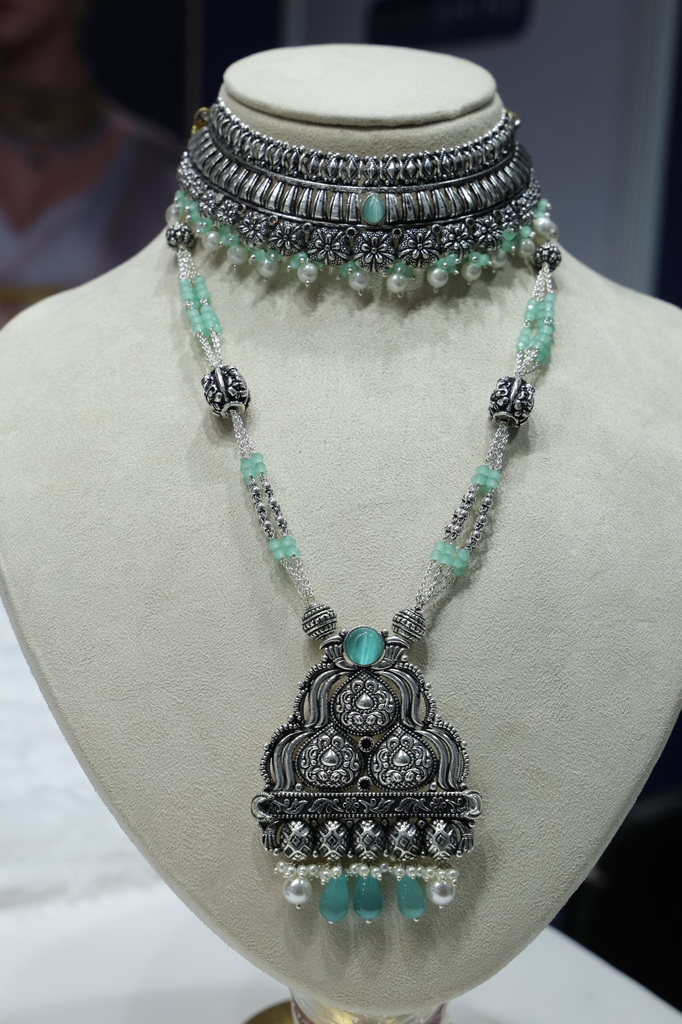
SILORA’s glorious Antique Finish Collection and Oxidized Silver Jewellery reflect a broader pull toward deep patina, folk-tribal textures, and traditional Indian artistry — a counterpoint to high-polish contemporary pieces and a signal that heritage aesthetics remain commercially strong.
Rose gold’s continued momentum
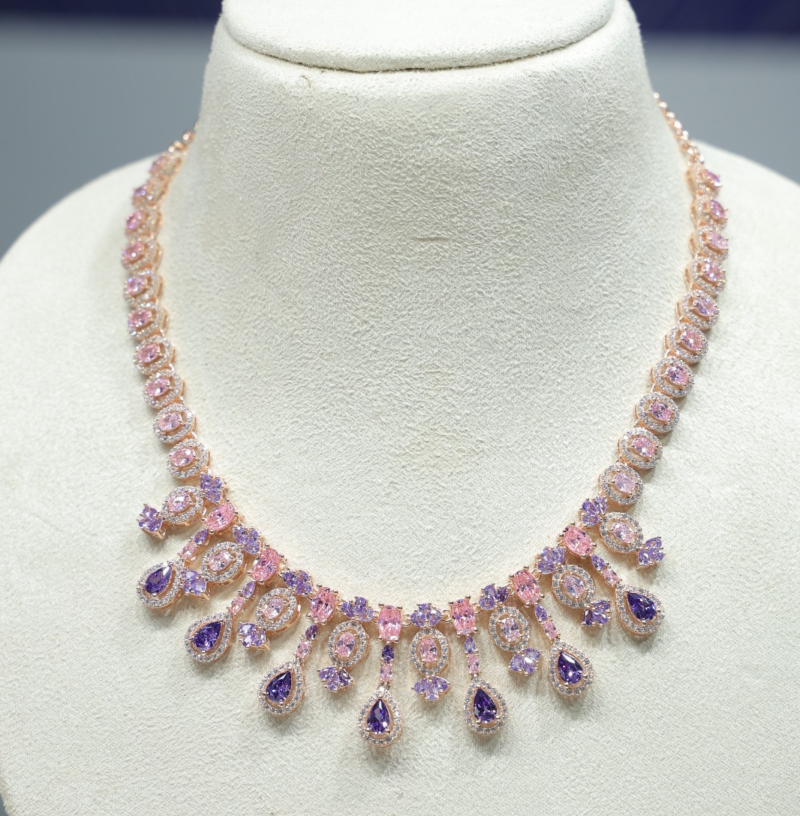
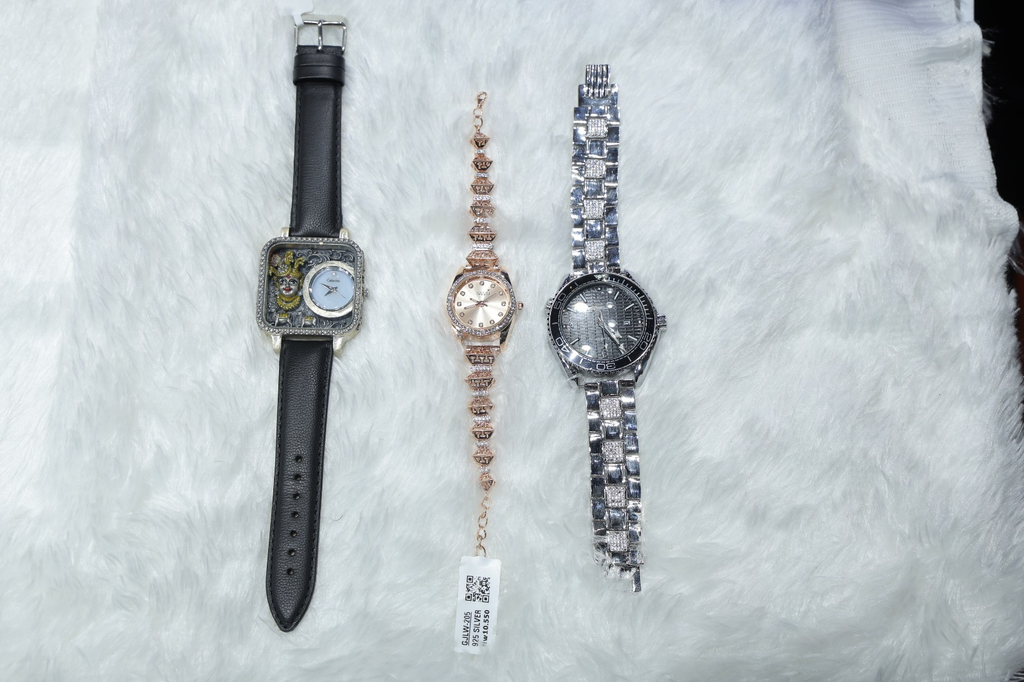
Rose gold surfaced across multiple product types — not just jewellery but also timepieces — as seen in SILORA’s Luxe Rose Gold Finish Jewellery and rose-gold-finished watches, reinforcing its position as a staple modern finish rather than a passing trend.
Category expansion beyond traditional jewellery
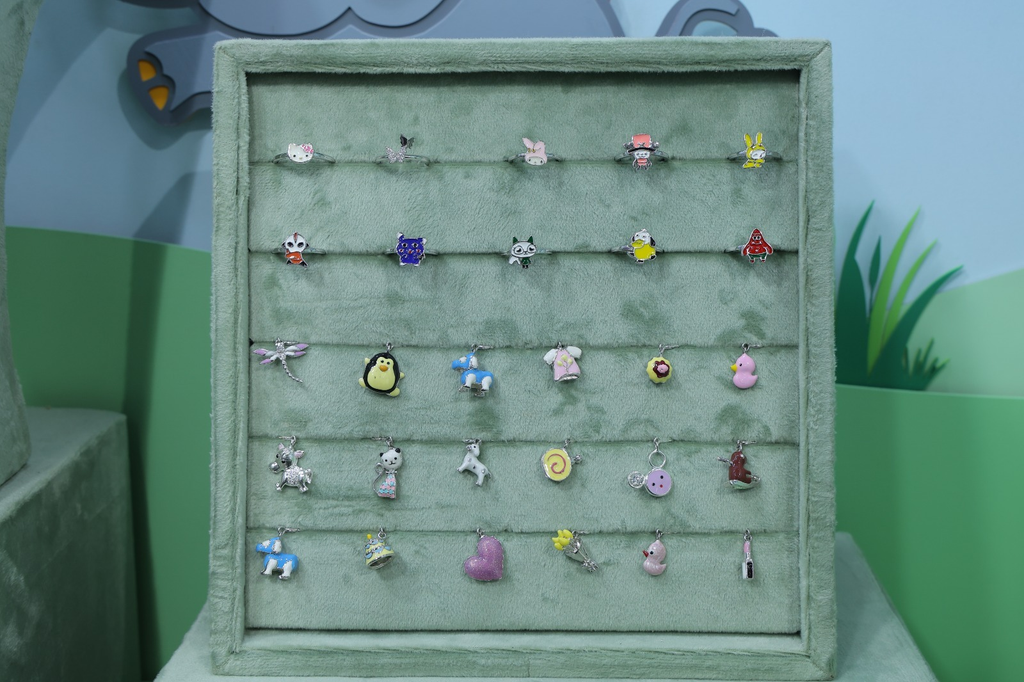
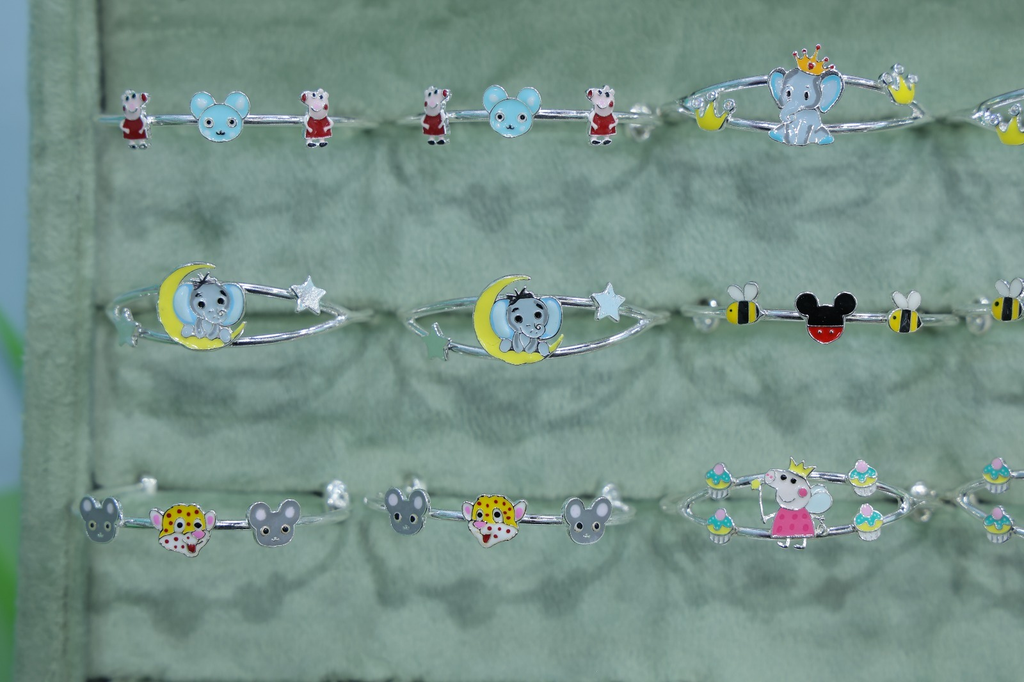
Exhibitors are widening their range beyond rings, chains, and bangles. Ricchezza’s Anamitra line targets infants, while SILORA’s Exclusive Timepieces extend a jewellery brand into horology — both pointing to lifestyle-driven diversification as a growth strategy.
Gender-Specific Design Lines
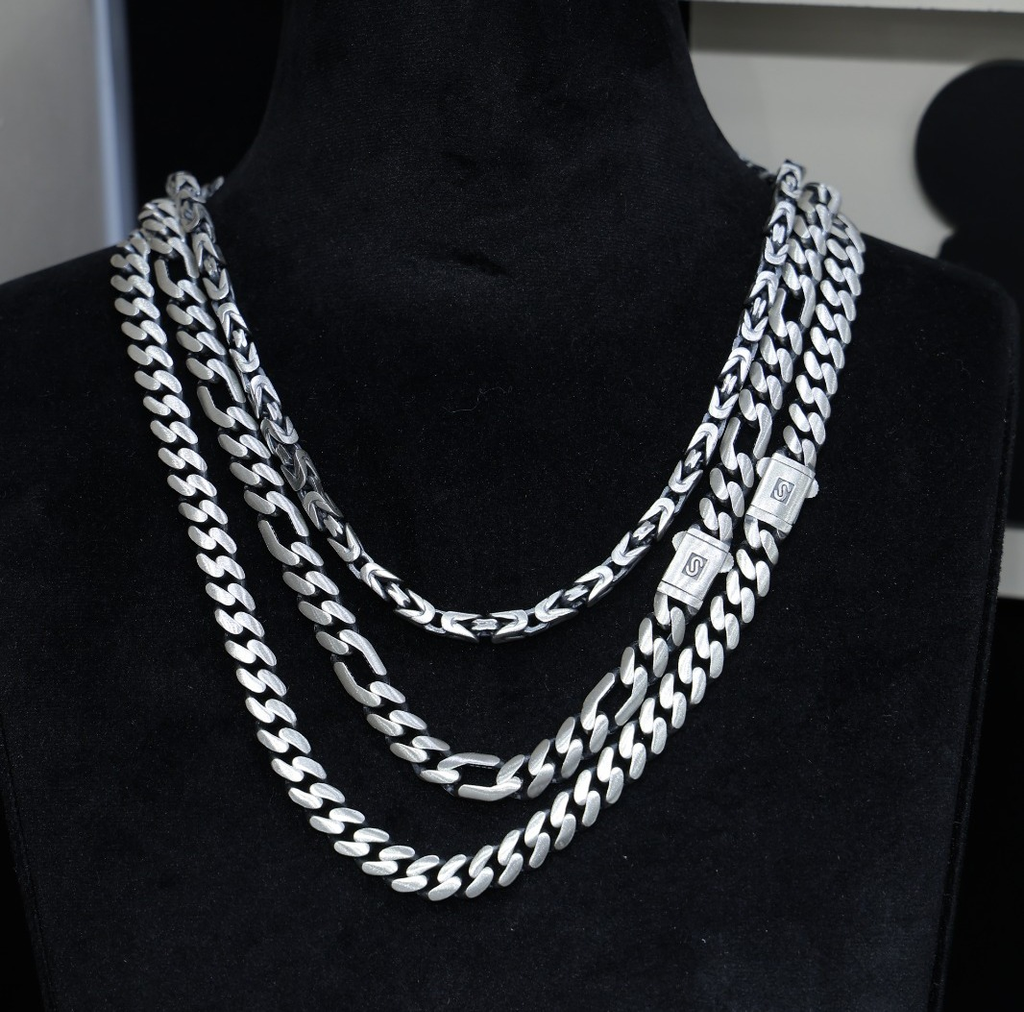
Distinct masculine and feminine lines were a notable feature, exemplified by Ricchezza’s Cuban Collection (bold, masculine) alongside Tixty (chic, feminine) — indicating that targeted, gender-specific collections continue to be a deliberate merchandising strategy rather than a one-size-fits-all approach.
Mastery in Silver Artefacts and Idols
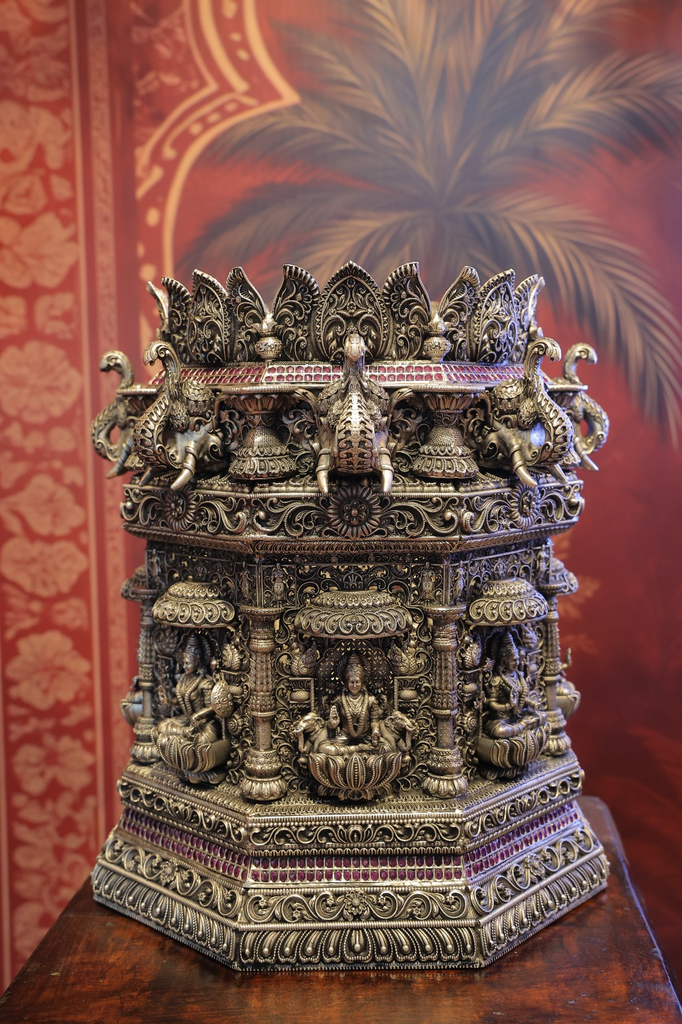
Both Purple Jewels and Anmol Jewellers demonstrated the depth of skill in silver idol-making, from the Saptashwa Vase’s mythological detailing to the technical complexity of Vishwarupa and Panchmukhi Hanuman forms, underscoring silver artefacts as a distinct and thriving craft category alongside wearable jewellery.
Balancing tradition and modernity
Taken together, the exhibitors at the 3rd edition of SSI Delhi painted a picture of an industry balancing tradition and modernity — where antique finishes and devotional artistry sit comfortably alongside rose gold sophistication, gender-targeted lines, and category extensions such as infant jewellery and timepieces. This blend of heritage craftsmanship and contemporary lifestyle relevance appears to be the defining character of the show.



A Simple Guide To Silver Investing

Place Images Of Silver Jewellery Stalls and Silver Jewellery and Overhead Shots Of SSI

NSPL Season 2 Launched At SSI DELHI 3rd Edition Featuring SSI As Title Sponsor Season 2 Builds Upon The Inaugural Edition’s Success By Bringing Together Sports, Youth Engagement, and Trade Community Networking
NSPL Season 2 Launched At SSI DELHI 3rd Edition Featuring SSI As Title Sponsor Season 2 Builds Upon The Inaugural Edition’s Success By Bringing Together Sports, Youth Engagement, and Trade Community Networking
A Simple Guide To Silver Investing
Place Images Of Silver Jewellery Stalls and Silver Jewellery and Overhead Shots Of SSI
-
 JB Exclusive2 hours ago
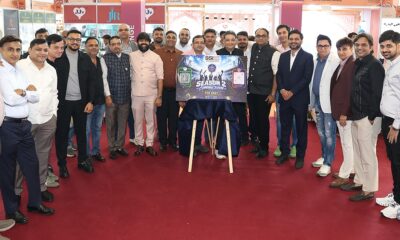
NSPL Season 2 Launched At SSI DELHI 3rd Edition Featuring SSI As Title Sponsor Season 2 Builds Upon The Inaugural Edition’s Success By Bringing Together Sports, Youth Engagement, and Trade Community Networking
-
 Special Reports9 minutes ago
A Simple Guide To Silver Investing
-
 Special Reports2 hours ago
Place Images Of Silver Jewellery Stalls and Silver Jewellery and Overhead Shots Of SSI
-
 Special Reports2 days ago
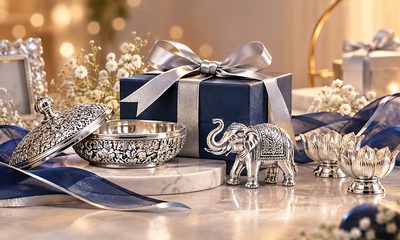
Growth of the 925 Sterling Silver Gifting Segment
