
JB Insights
I believe in crafting pieces that not only showcase aesthetic beauty but also carry meaningful stories and emotions – By Sankesh Surana


Sankesh Surana, Co-Founder & Head of Design-Sankesh Surana, is a visionary. The brand Sankesh Surana is renowned for its exceptional craftsmanship and innovative designs. As the co-founder of the Sankesh Surana atelier, Sankesh Surana is not only an award-winning jewellery designer but also an artist, lifestyle designer, jewellery and educator.
Sankesh Surana speaks to JEWELBUZZ on his design philosophy, inspiration, learnings from life….and more.


Take us through your journey into jewellery designing: your inspiration, your beginnings, and your evolution into a renowned designer.
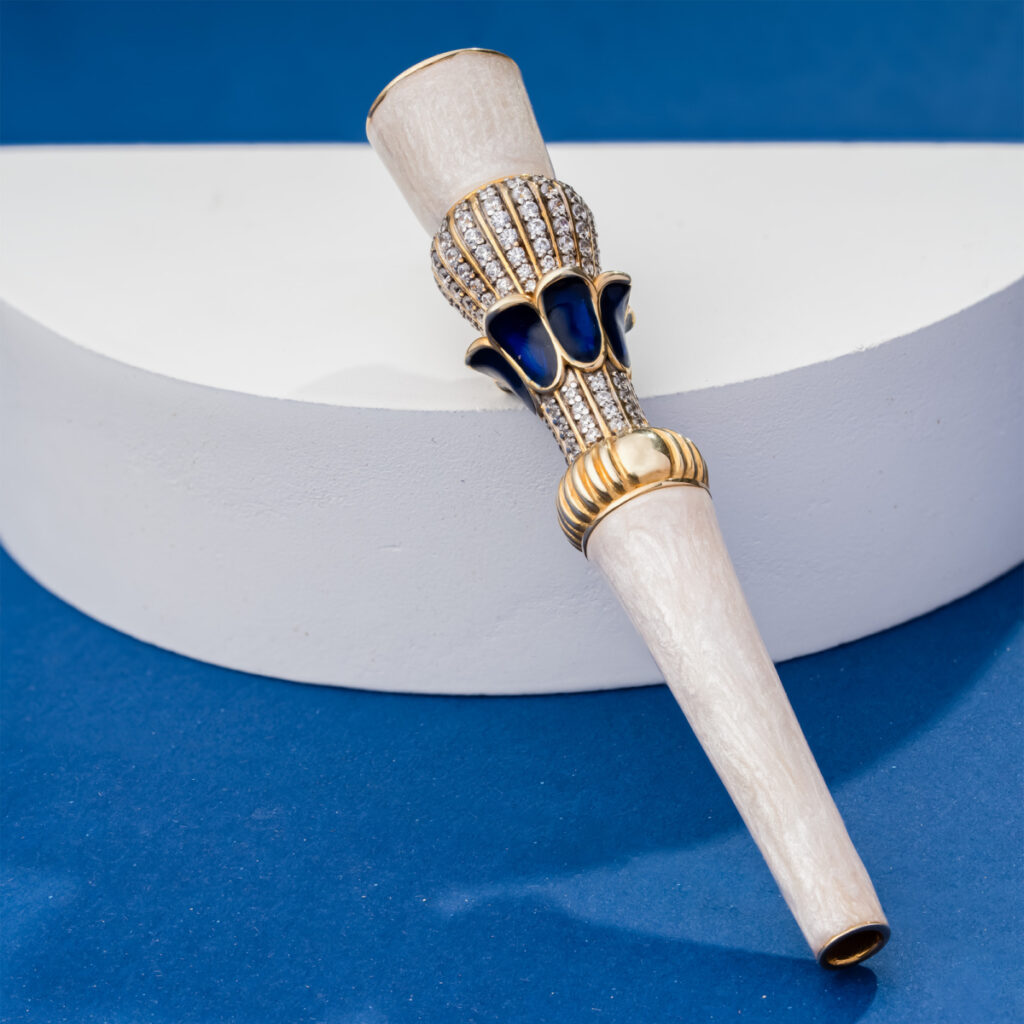
My journey into jewellery designing began with a love for creativity and expression. I started my career by selling gemstones, and thanks to the keen interest I had in jewellery, I gradually started crafting jewellery, making custom-made products for my clients based on their life stories, and so on. Eventually, I expanded into designing luxury lifestyle products like scarves, crockery, and perfumes. After designing for renowned manufacturers, corporate brands, elite clients, and collaborations with other designers, my sister, Preethi Chopda, and I opened our flagship retail store in Jayanagar, Bangalore, in the year 2022, after catering to our clients for over 8 years. Alongside, I also founded an art school to share my passion and experiences with aspiring designers. It’s been a fulfilling journey of exploring creativity and learning numerous new and exciting things.


What is your design philosophy?
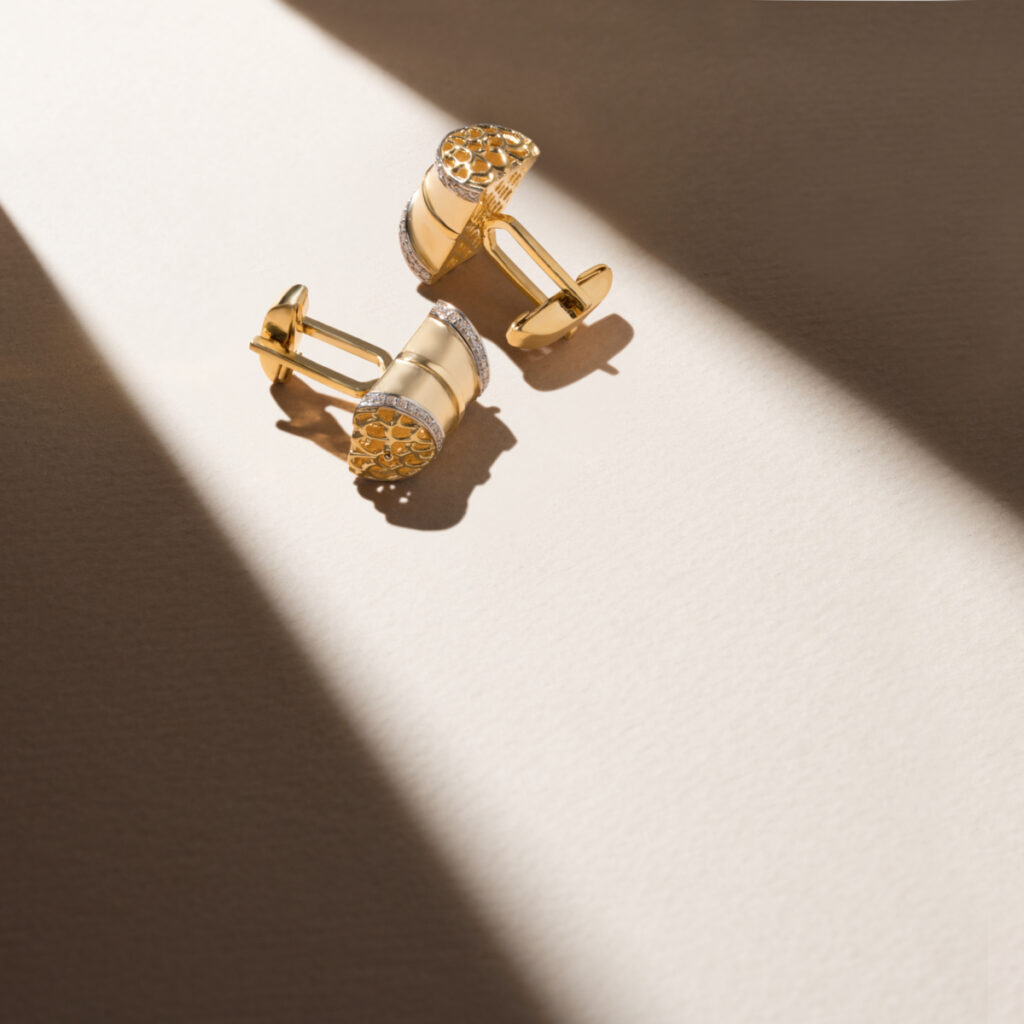
My designs revolve around personal expression and personal connection. I believe in crafting pieces that not only showcase aesthetic beauty but also carry meaningful stories and emotions. Whether it is jewellery or lifestyle products, I strive to infuse each creation with artistic elements and attention to detail. I draw inspiration from nature, culture and individual stories, incorporating them into my designs, I also enjoy the revival of patterns and techniques of the past, blending them with jewellery to make it suited for the contemporary world.
As an entrepreneur, what are the lessons you have learnt in establishing a business, strategy for growth, brand positioning etc. How does one balance creativity with commercial viability and fluctuating consumer preferences?

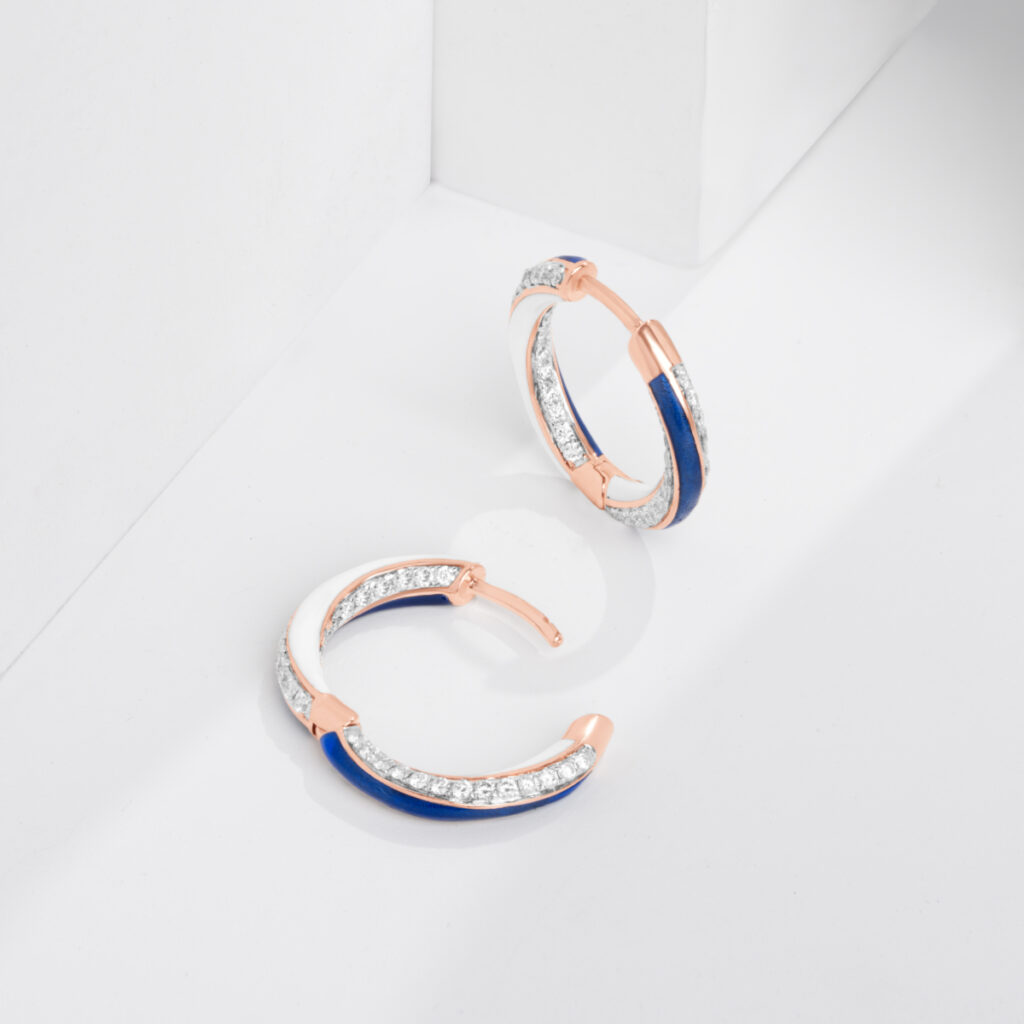

As an entrepreneur, I’ve learned invaluable lessons in establishing and growing a business. One of the most crucial aspects is continuous adaptation to market trends and consumer preferences and delivering products that our clients are highly satisfied with, consumer satisfaction is the backbone of any business, our clients love being a part of our process and love adding their personal touch to their products, they then stand as our biggest brand ambassadors, promoting and growing our business.
Finding the right balance between creativity and commercial viability is essential. While creativity fuels innovation and sets us apart from competitors, we must also ensure that our products resonate with our target audience and meet their needs. Here, the biggest advantage we have is that being a designer gives us a lot of flexibility, and adjusting to customer preferences is much easier.


Your comments on the current jewellery designing segment in India? What is the standing and brand positioning of India’s jewellery designers on the global stage?
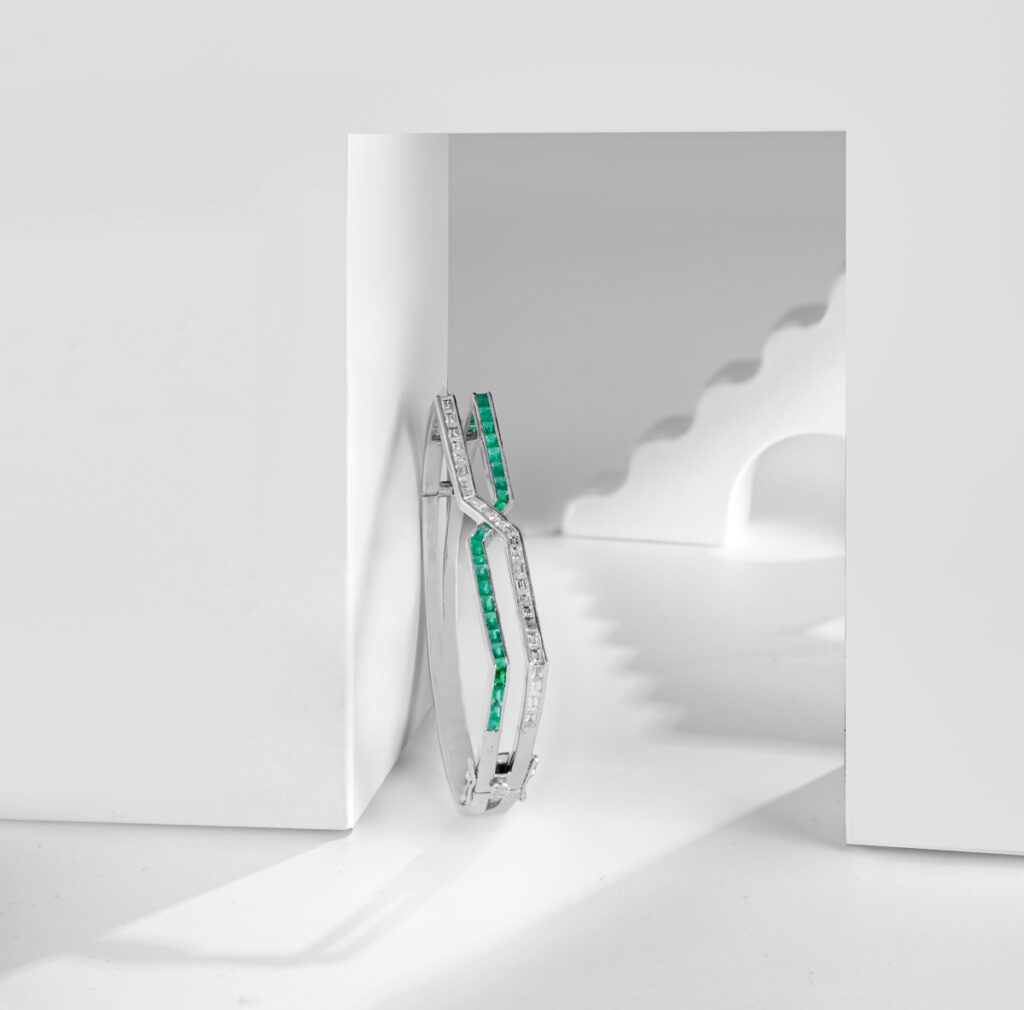
The current jewellery designing segment in India is blooming now more than ever. Consumers want to stand out from the crowd and own something that is more personalized, which has increased the need for good jewellery designers globally. India’s jewellery designers have carved a niche for themselves by offering a diverse range of designs to cater to a global clientele. Today, Indian jewellery designers are renowned for their intricate designs, rich cultural inspirations, and mastery of techniques passed down through generations. Other industries, especially the fashion and entertainment industry, and their portrayal of Indian jewellery, have further increased the demand for Indian jewellery on a global scale.


What’s your message for aspiring, as well as practicing, jewellery designers?
Based on my own experiences, my message for aspiring designers is to stay curious, keep learning, and try new things. Don’t stop learning; it helps you develop expertise and find your own style. Stay updated on industry changes. Growth may take time, so be patient and persistent. Everyone’s journey is unique, but learning from successes and setbacks is key to personal and professional growth. And above all, always stay true to your artistic vision and let it shine through in your work. We all share a common love for all things bling, and there is a huge opportunity for all of us. We can all grow and succeed if we embrace our innate creativity and learn and deliver consistently.






JB Insights
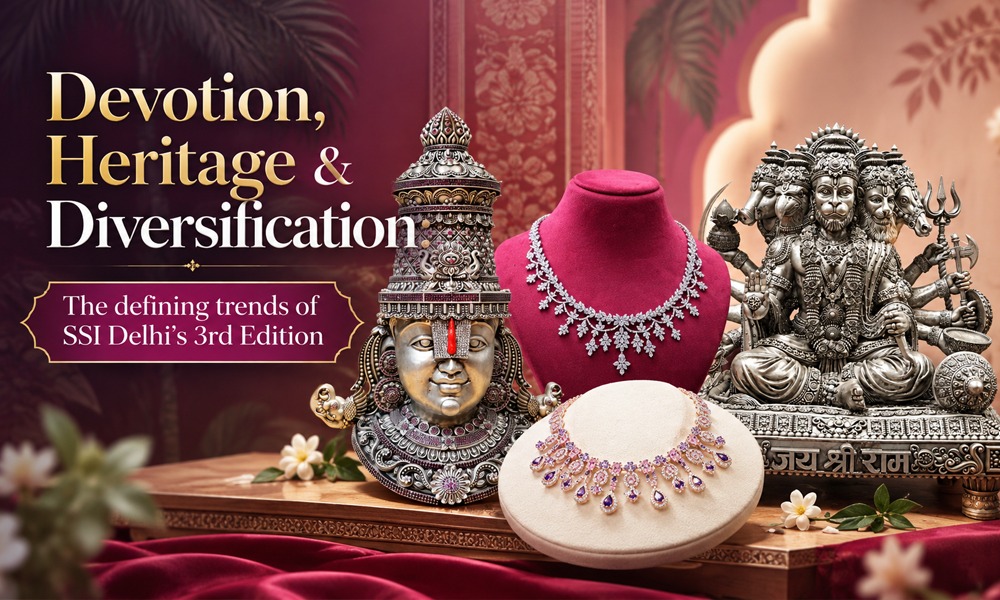
Devotion, Heritage & Diversification: The defining trends of SSI Delhi’s 3rd Edition
From sacred artistry to lifestyle-driven expansion, how top exhibitors bridged timeless tradition with modern market demand.
Spirituality as a design anchor
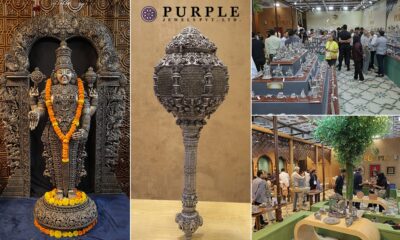
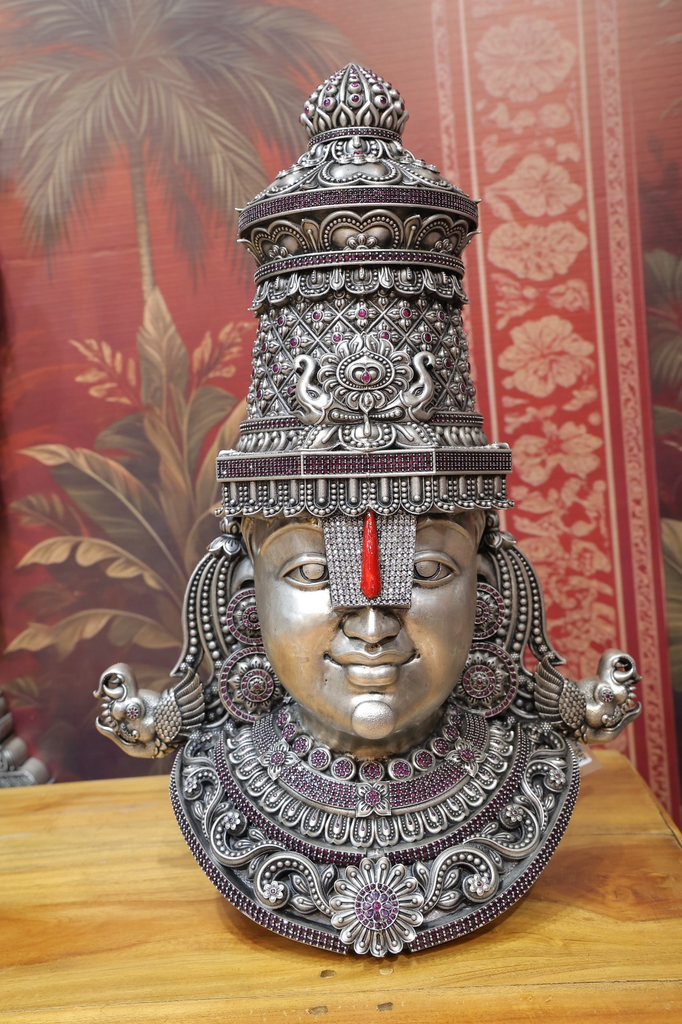
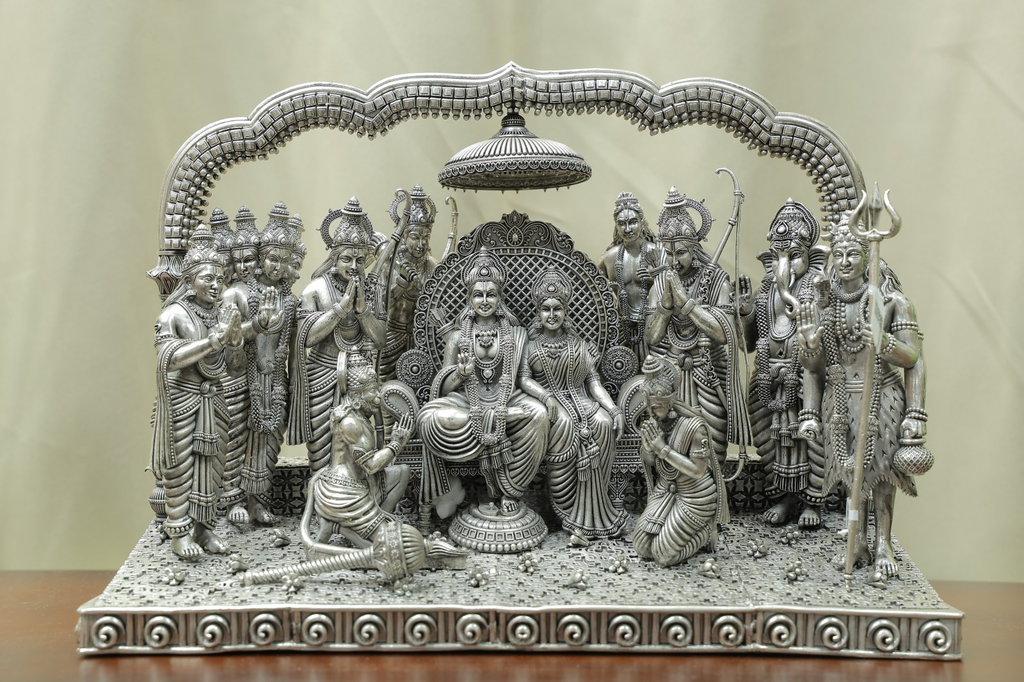
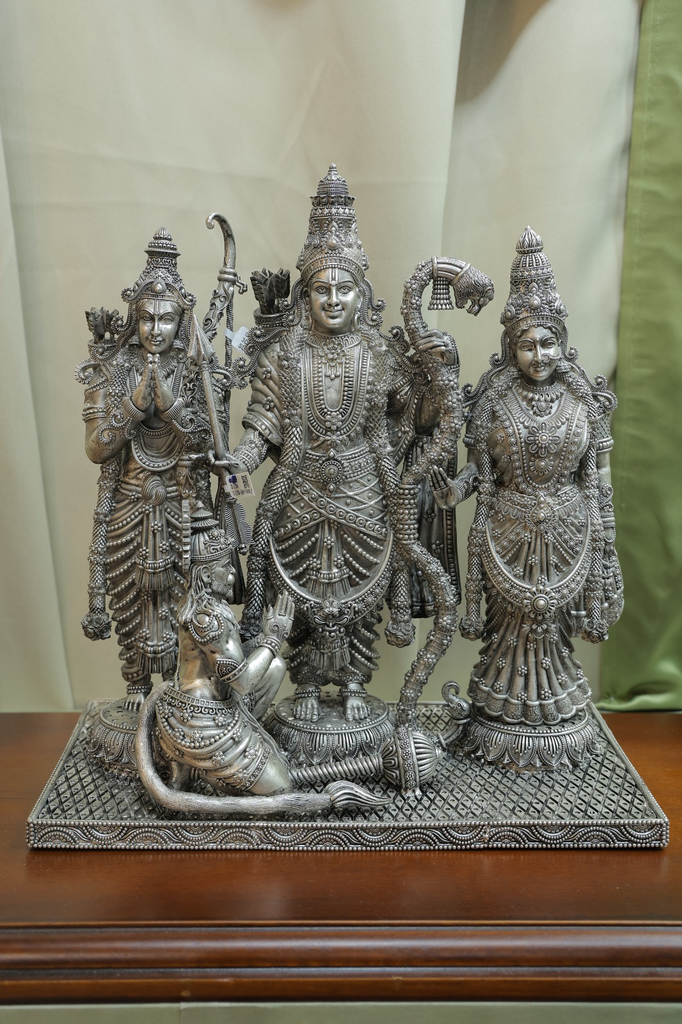
Devotional and spiritual artistry emerged as the single strongest thread of the show. Ricchezza’s Idols Collection, SILORA’s Shrinathji timepiece, Purple Jewels’ Balaji idols and Shiva Lingam, and Anmol Jewellers’ extensive range of silver and gold idols (Vishwarupa, Panchmukhi Hanuman, Ram Parivaar, and more) together show that sacred and devotional pieces are no longer a niche category but a mainstream, premium-positioned offering across exhibitors.
Antique, oxidized and heritage finishes
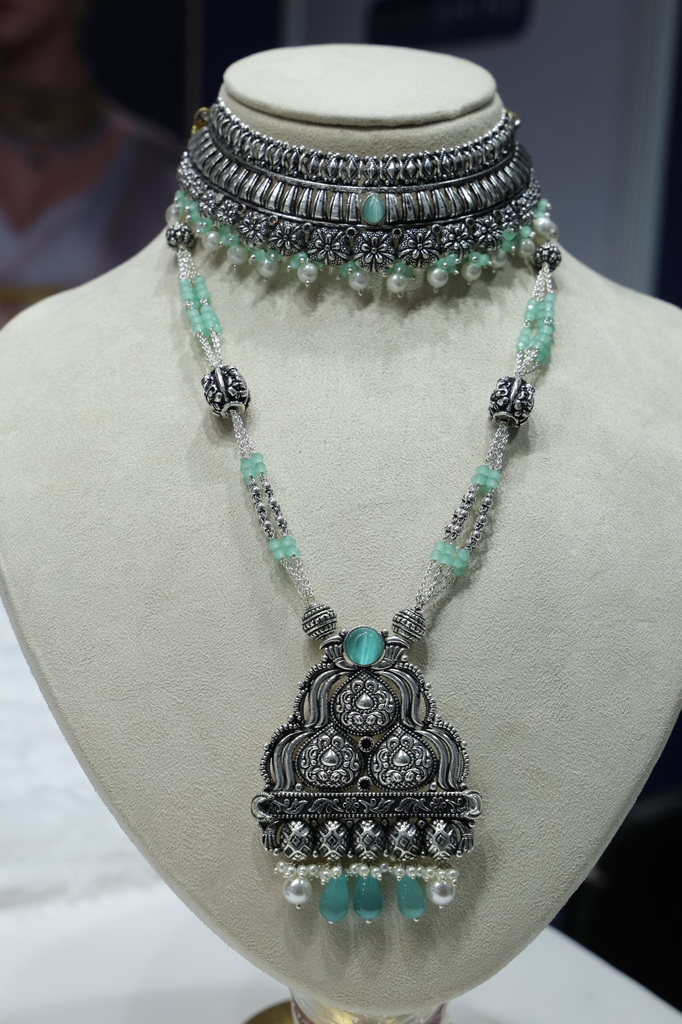
SILORA’s glorious Antique Finish Collection and Oxidized Silver Jewellery reflect a broader pull toward deep patina, folk-tribal textures, and traditional Indian artistry — a counterpoint to high-polish contemporary pieces and a signal that heritage aesthetics remain commercially strong.
Rose gold’s continued momentum
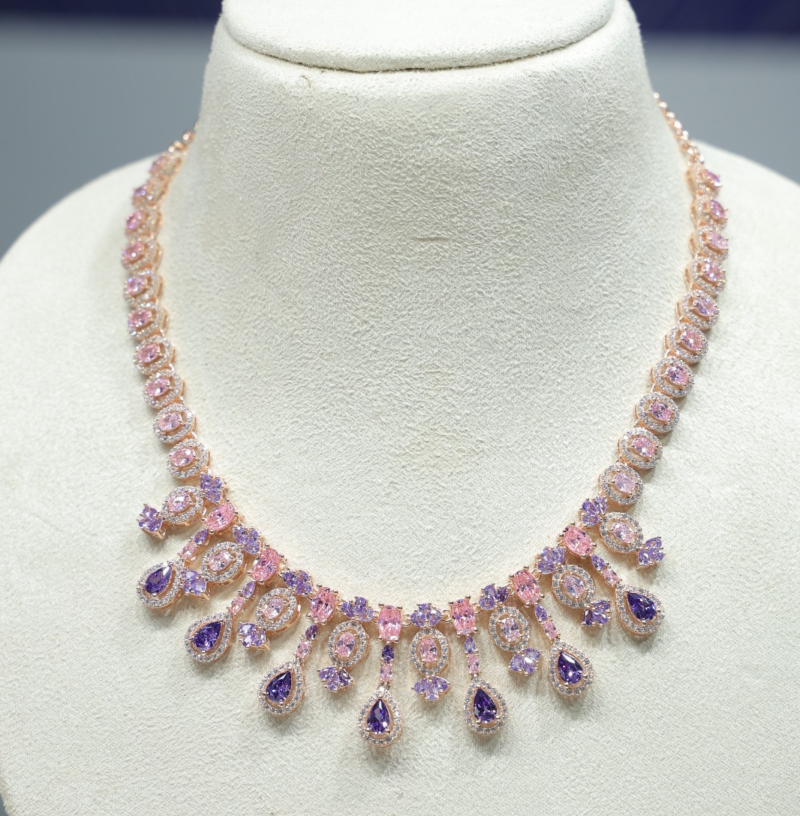
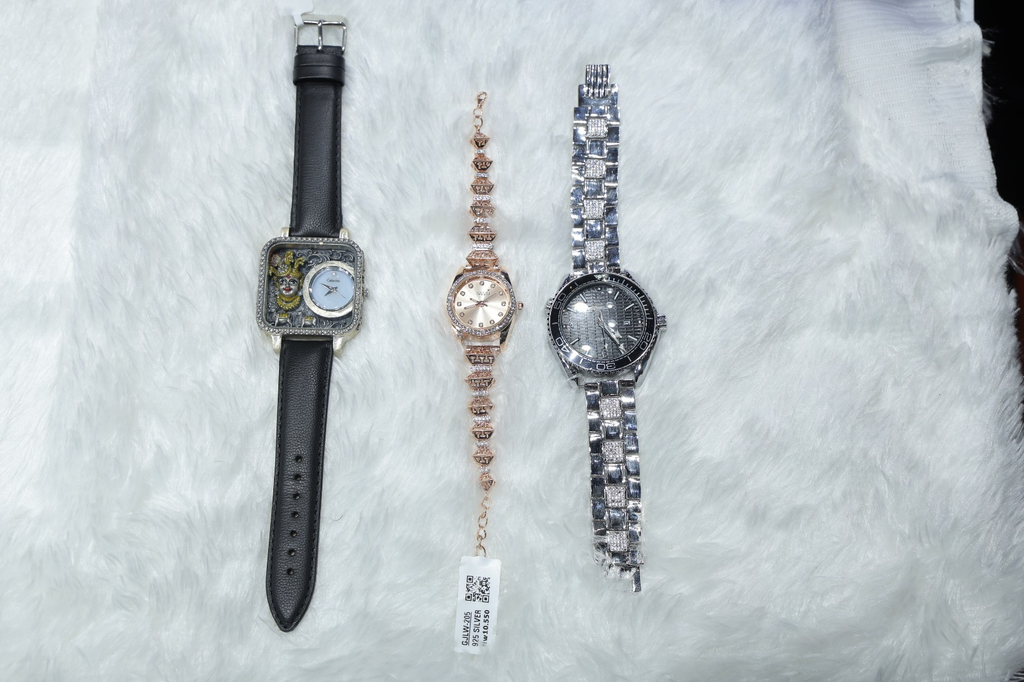
Rose gold surfaced across multiple product types — not just jewellery but also timepieces — as seen in SILORA’s Luxe Rose Gold Finish Jewellery and rose-gold-finished watches, reinforcing its position as a staple modern finish rather than a passing trend.
Category expansion beyond traditional jewellery
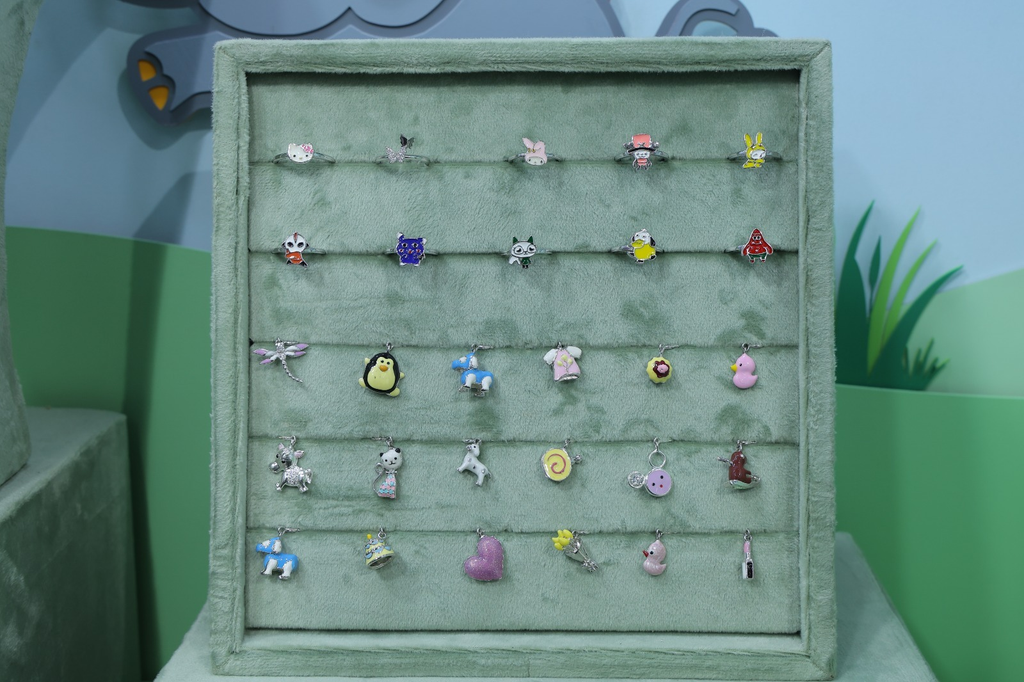
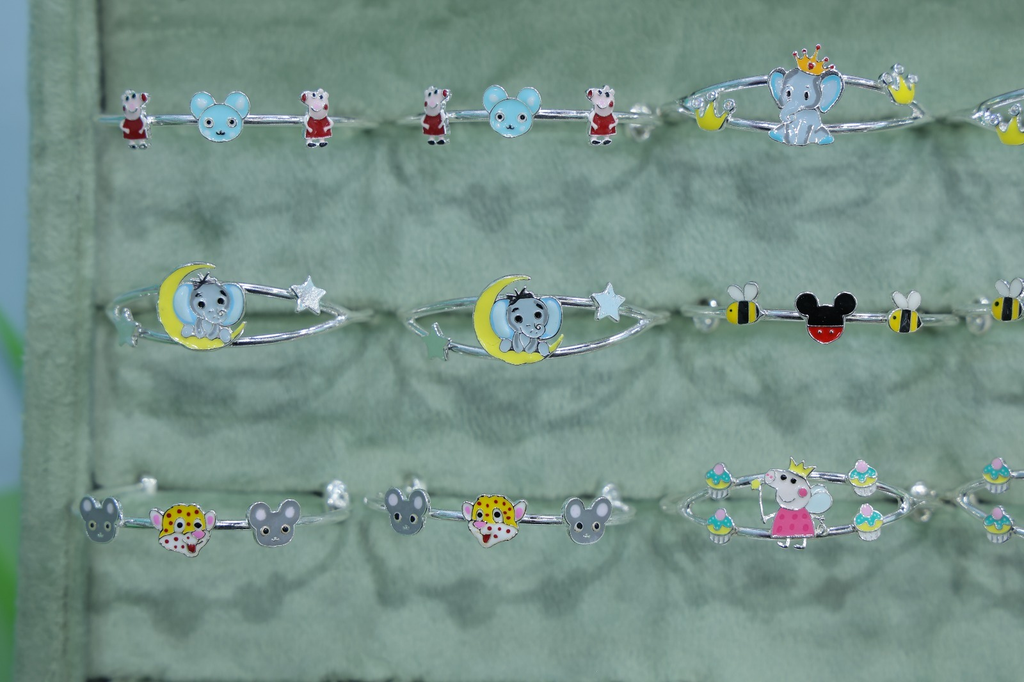
Exhibitors are widening their range beyond rings, chains, and bangles. Ricchezza’s Anamitra line targets infants, while SILORA’s Exclusive Timepieces extend a jewellery brand into horology — both pointing to lifestyle-driven diversification as a growth strategy.
Gender-Specific Design Lines
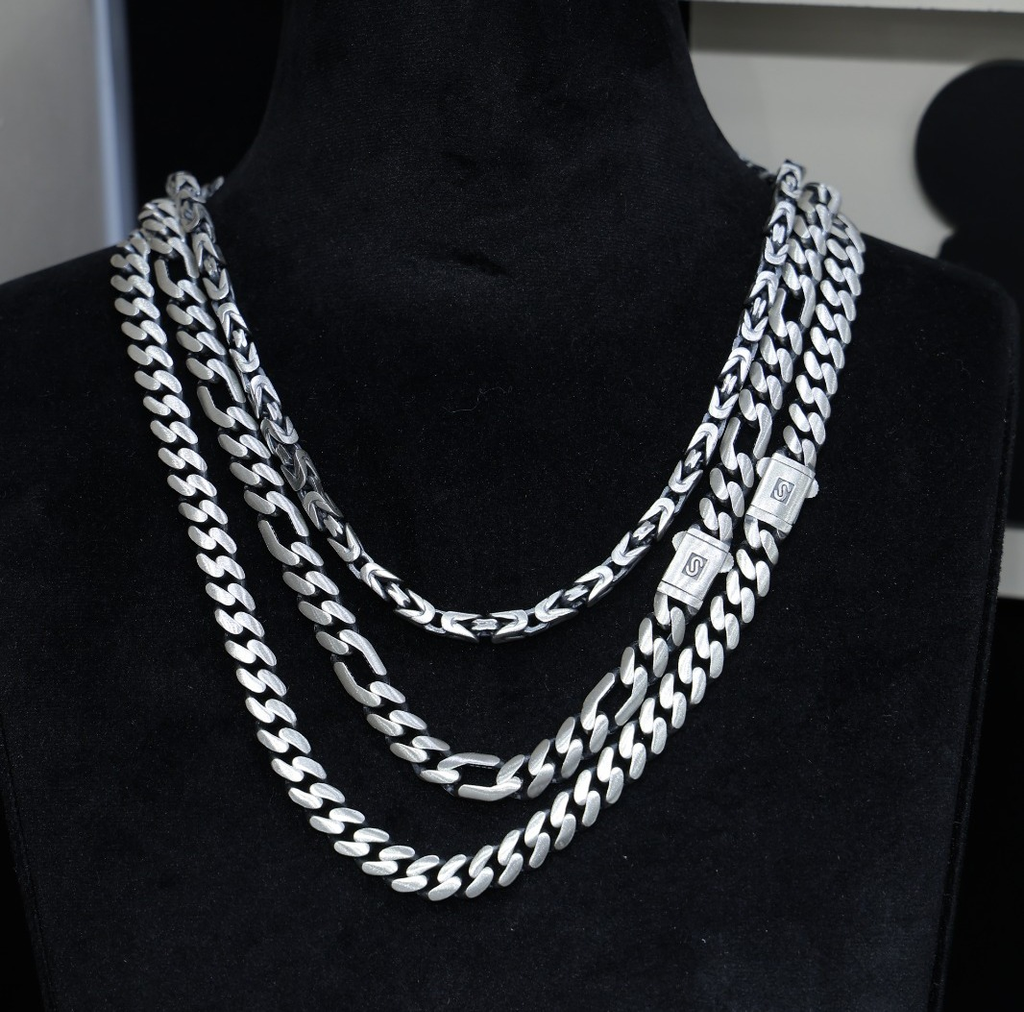
Distinct masculine and feminine lines were a notable feature, exemplified by Ricchezza’s Cuban Collection (bold, masculine) alongside Tixty (chic, feminine) — indicating that targeted, gender-specific collections continue to be a deliberate merchandising strategy rather than a one-size-fits-all approach.
Mastery in Silver Artefacts and Idols
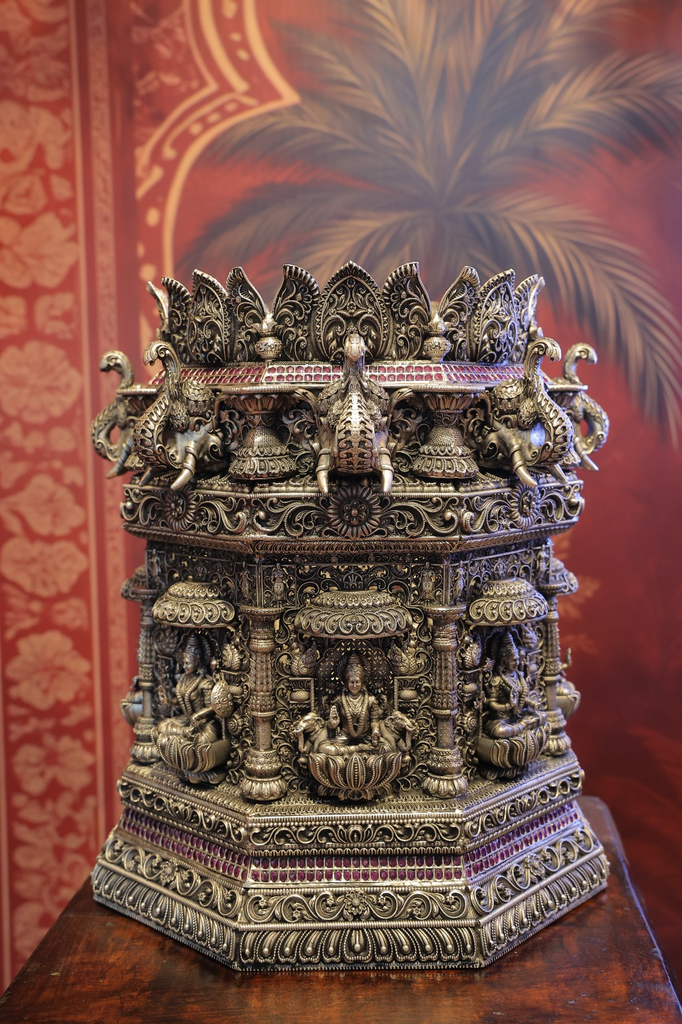
Both Purple Jewels and Anmol Jewellers demonstrated the depth of skill in silver idol-making, from the Saptashwa Vase’s mythological detailing to the technical complexity of Vishwarupa and Panchmukhi Hanuman forms, underscoring silver artefacts as a distinct and thriving craft category alongside wearable jewellery.
Balancing tradition and modernity
Taken together, the exhibitors at the 3rd edition of SSI Delhi painted a picture of an industry balancing tradition and modernity — where antique finishes and devotional artistry sit comfortably alongside rose gold sophistication, gender-targeted lines, and category extensions such as infant jewellery and timepieces. This blend of heritage craftsmanship and contemporary lifestyle relevance appears to be the defining character of the show.


-
 National News22 minutes ago
KEYA By Adbhut Brings Wearable Art and Indian Craftsmanship To Delhi Art Weekend 2026
-

 International News2 hours ago
De Beers Assumes 100% Control Of Gahcho Kué Diamond Mine
-
 National News2 hours ago
Keemti Jewels Unveils Second Lagship Store In Mumbai At Borivali-West
-
 New Premises5 hours ago
Malabar Gold & Diamonds Opens Its Second-Biggest Showroom In Goa
