
JB Insights
Diamond ETF: The path to reinvigorate natural diamond sales

The natural diamond industry is at a critical juncture, as prices continue to plummet. The spread of cheap lab-grown diamonds is undermining the value and reputation of natural diamonds, confusing consumers who mistakenly assume that lab-grown diamonds are equivalent – just cheaper, and even more ethical.
The truth is that lab-grown diamonds mimic natural diamonds and leverage their reputation, but are not scarce and contribute relatively little to the economy. The deception threatens millions of jobs, and the value of every diamond already owned by consumers, retailers and the midstream.
If this challenge is not addressed, natural diamonds will permanently lose value. The industry needs to clearly differentiate natural diamonds from lab-grown to reinvigorate demand. Many propose to increase advertising, without identifying a source of funding. But category marketing could easily backfire in this new age of social media backlash. Consumers reject hype.
The good news is that diamond vendors and mines can restore the reputation and demand for natural diamonds by supporting an exchange traded fund (ETF) – and Diamond Standard already has approval. An ETF will quickly position diamonds as an investment asset, and unlock more sources of demand: Diamonds are the ideal asset to support Islamic finance – which prohibits the lending of money with interest – and a digital commodity currency.
This is where Diamond Standard steps in: Diamond Standard has approval to file a diamond ETF. Only one ingredient is needed – $200 million of initial assets to meet listing requirements and achieve the size needed to attract institutional investors.
The proposal: to form the initial AUM (Assets Under Management), Diamond Standard is purchasing excess inventory from mines, manufacturers and dealers in exchange for ETF shares. Post IPO, the ETF will purchase a projected $3 billion of diamonds from participating vendors.
Diamond Standard is already making diamonds an investable asset class for individuals and institutions with four different investment products including its Diamond Standard Coins, pictured above, all backed by physical natural diamonds.
The challenges facing the diamond industry today are falling demand and excess supply. Even if consumer demand improves, vendors will struggle for years as excess inventory destroys profits. By investing a small fraction of inventory into an ETF, we can unlock new demand (from investors, consumers and others) and increase the value of everyone’s remaining inventory.
For the first time ever, institutional investors can allocate to diamonds like gold and silver. Both metals were in a severe slump, and their ETFs led to an increase in prices. A diamond ETF can do the same. Investor demand is especially attractive to the diamond market – it is not seasonal like jewelry, and is proportional across all the various diamond qualities. The ETF assets can’t return to the market since investors sell their shares instead of selling diamonds. This ensures price stability and creates lasting demand.






JB Insights
Devotion, Heritage & Diversification: The defining trends of SSI Delhi’s 3rd Edition
From sacred artistry to lifestyle-driven expansion, how top exhibitors bridged timeless tradition with modern market demand.
Spirituality as a design anchor
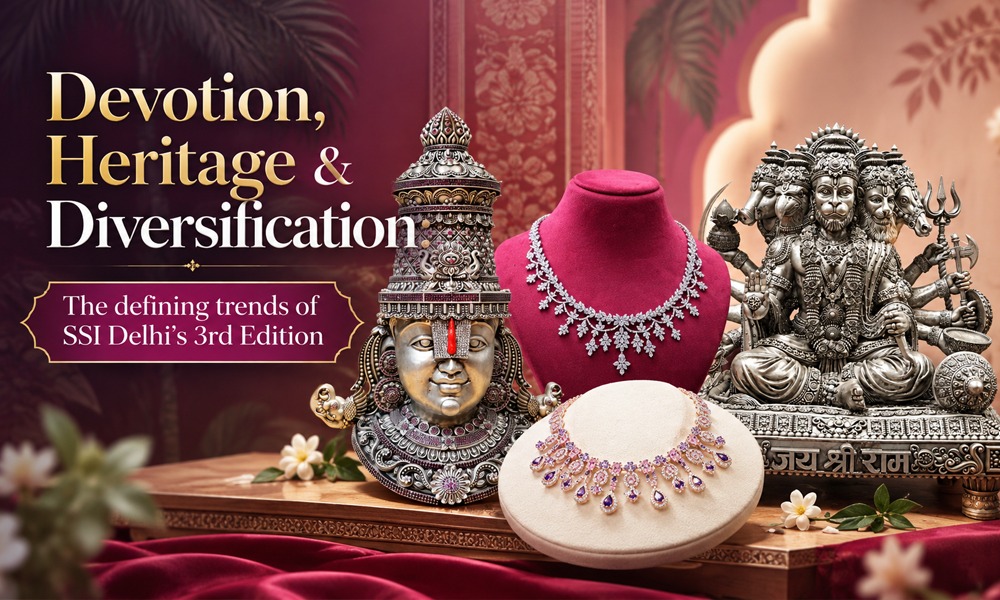
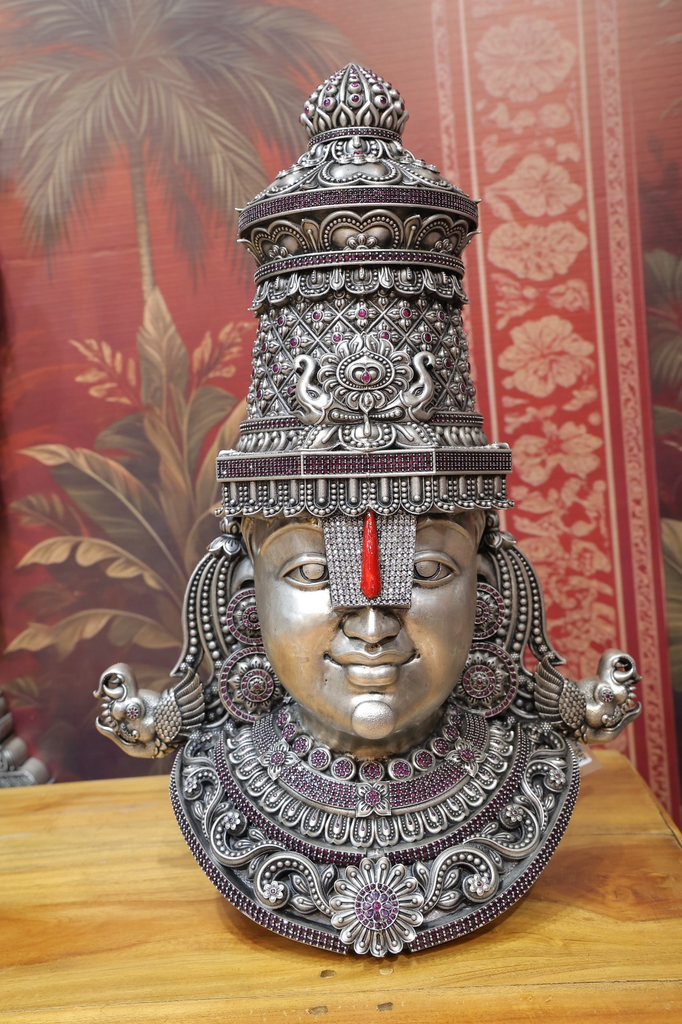
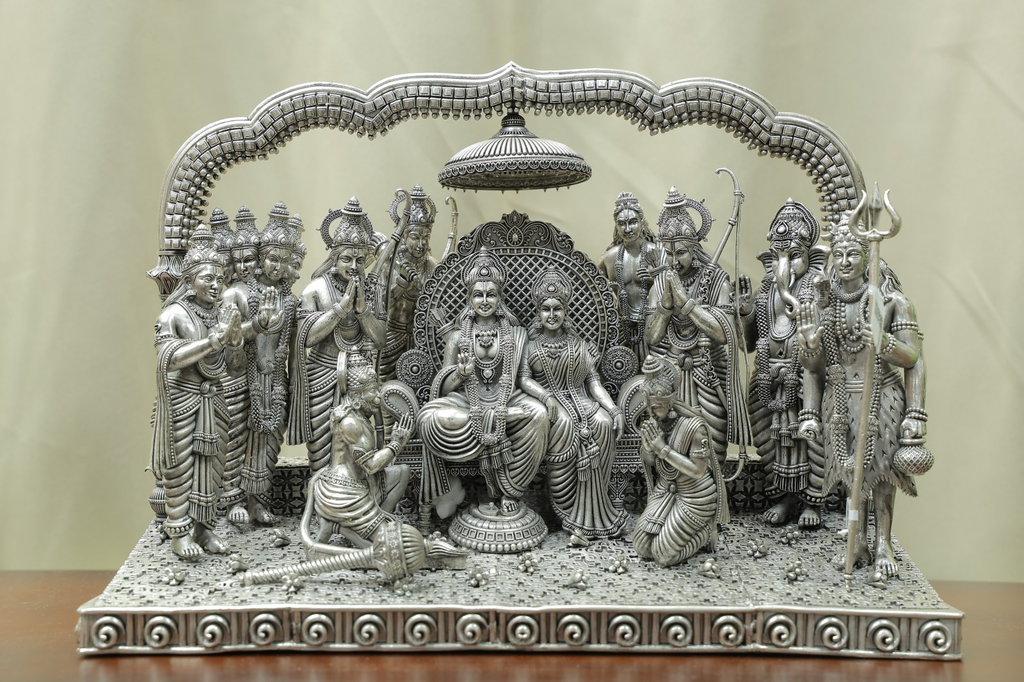
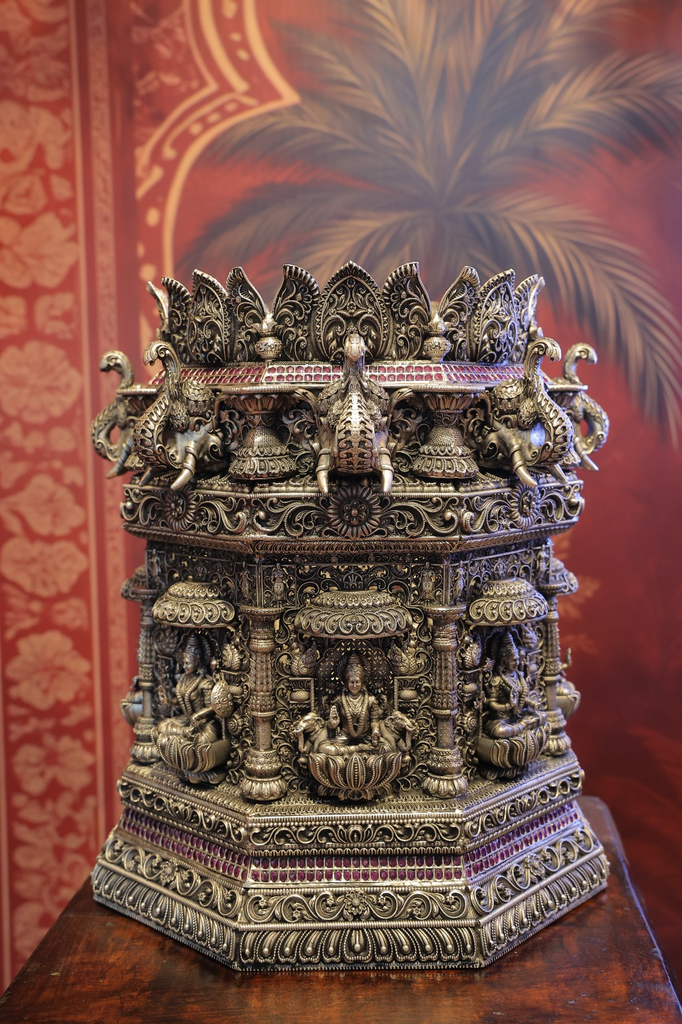
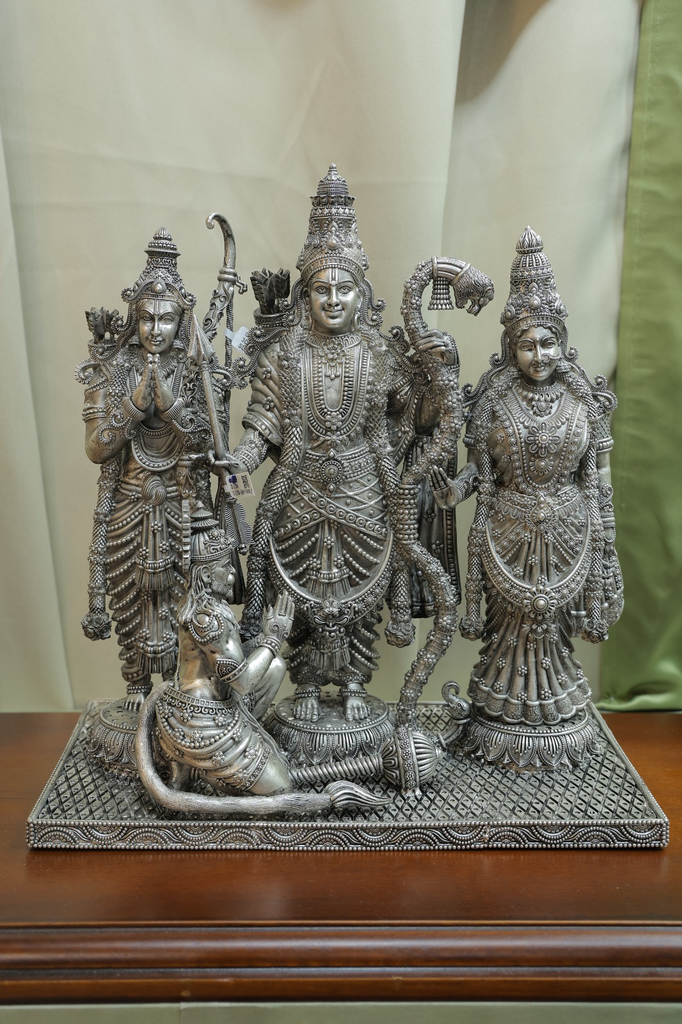
Devotional and spiritual artistry emerged as the single strongest thread of the show. Ricchezza’s Idols Collection, SILORA’s Shrinathji timepiece, Purple Jewels’ Balaji idols and Shiva Lingam, and Anmol Jewellers’ extensive range of silver and gold idols (Vishwarupa, Panchmukhi Hanuman, Ram Parivaar, and more) together show that sacred and devotional pieces are no longer a niche category but a mainstream, premium-positioned offering across exhibitors.
Antique, oxidized and heritage finishes
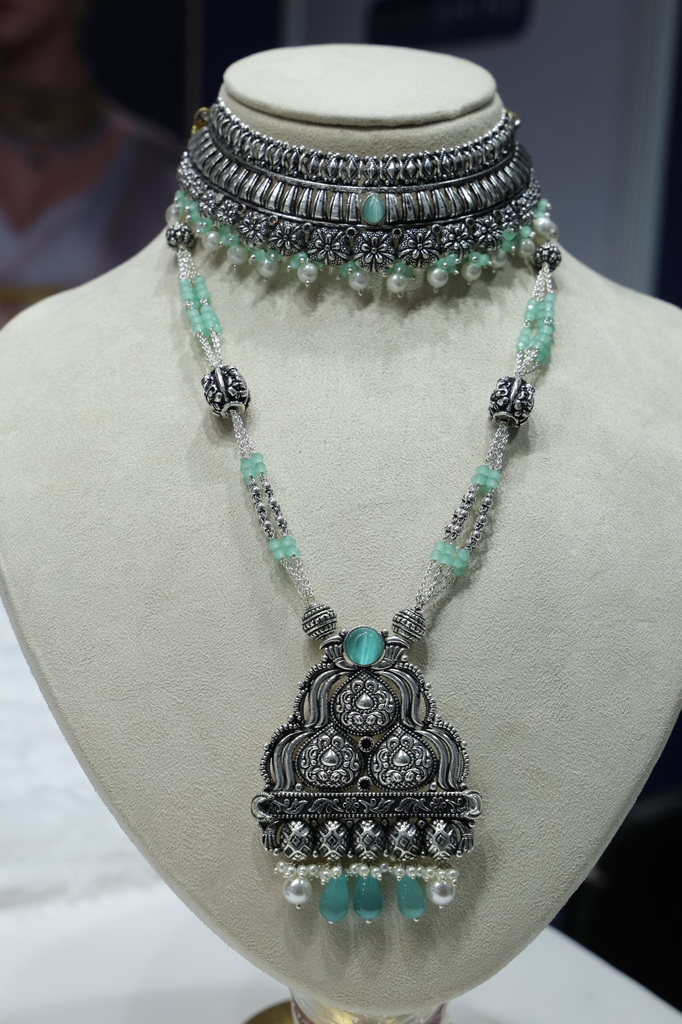
SILORA’s glorious Antique Finish Collection and Oxidized Silver Jewellery reflect a broader pull toward deep patina, folk-tribal textures, and traditional Indian artistry — a counterpoint to high-polish contemporary pieces and a signal that heritage aesthetics remain commercially strong.
Rose gold’s continued momentum
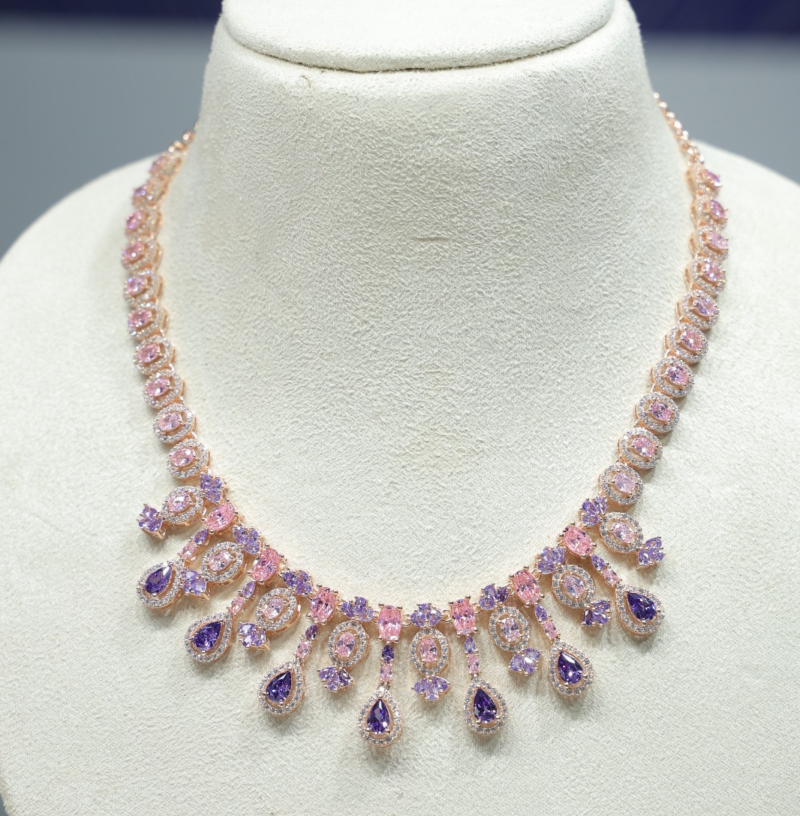
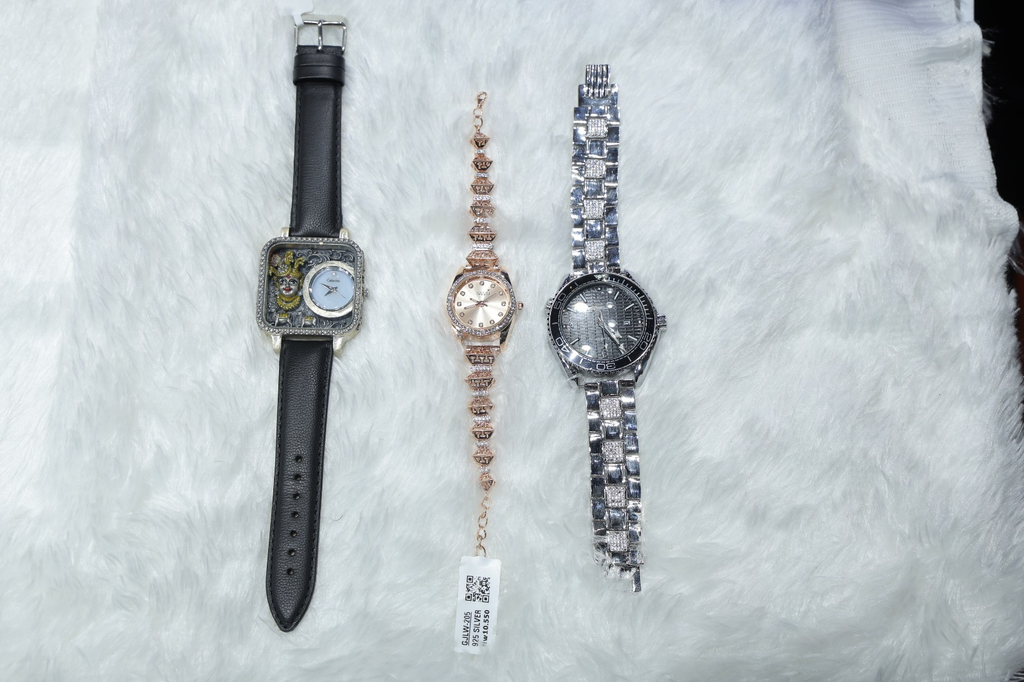
Rose gold surfaced across multiple product types — not just jewellery but also timepieces — as seen in SILORA’s Luxe Rose Gold Finish Jewellery and rose-gold-finished watches, reinforcing its position as a staple modern finish rather than a passing trend.
Category expansion beyond traditional jewellery
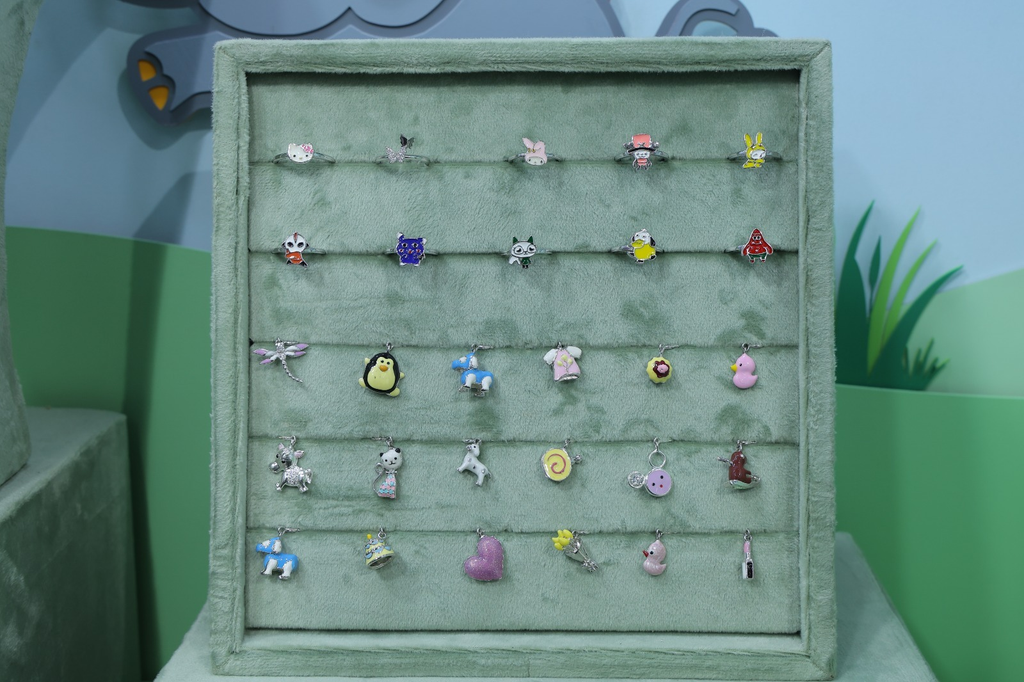
Exhibitors are widening their range beyond rings, chains, and bangles. Ricchezza’s Anamitra line targets infants, while SILORA’s Exclusive Timepieces extend a jewellery brand into horology — both pointing to lifestyle-driven diversification as a growth strategy.
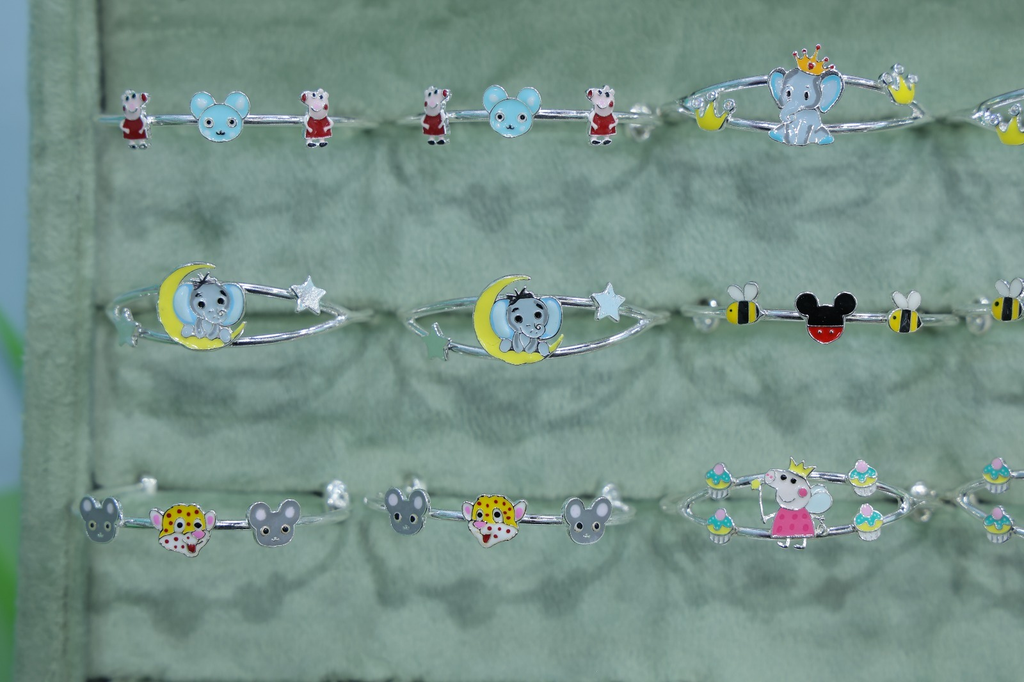
Gender-Specific Design Lines
Distinct masculine and feminine lines were a notable feature, exemplified by Ricchezza’s Cuban Collection (bold, masculine) alongside Tixty (chic, feminine) — indicating that targeted, gender-specific collections continue to be a deliberate merchandising strategy rather than a one-size-fits-all approach.
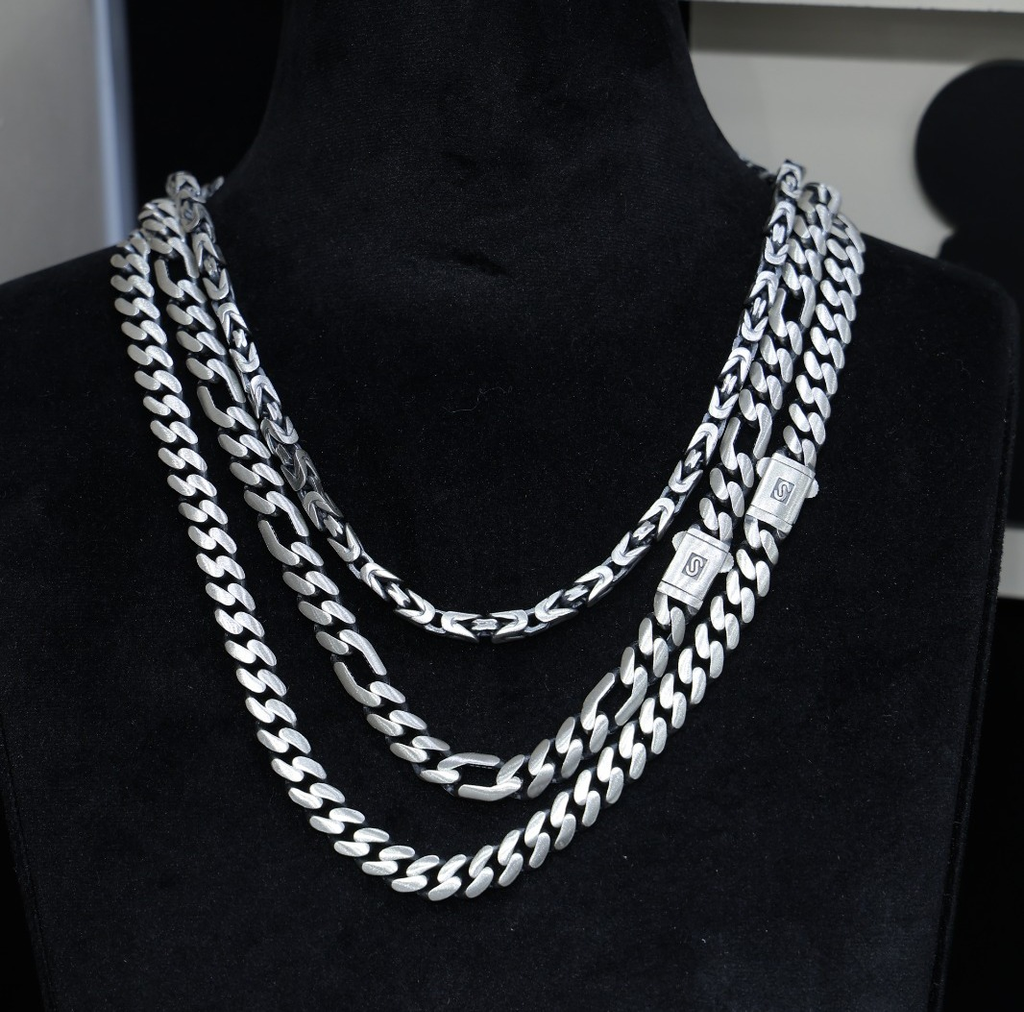
Mastery in Silver Artefacts and Idols
Both Purple Jewels and Anmol Jewellers demonstrated the depth of skill in silver idol-making, from the Saptashwa Vase’s mythological detailing to the technical complexity of Vishwarupa and Panchmukhi Hanuman forms, underscoring silver artefacts as a distinct and thriving craft category alongside wearable jewellery.
Balancing tradition and modernity
Taken together, the exhibitors at the 3rd edition of SSI Delhi painted a picture of an industry balancing tradition and modernity — where antique finishes and devotional artistry sit comfortably alongside rose gold sophistication, gender-targeted lines, and category extensions such as infant jewellery and timepieces. This blend of heritage craftsmanship and contemporary lifestyle relevance appears to be the defining character of the show.


-

 National News1 day ago
Palmonas Unveils The Palmonas X Tanya Ghavri Collection
-

 BrandBuzz1 day ago
De Beers India Introduces ‘Love, From Hubby’, A New Ritual For A Second Season Of Love
-

 National News1 day ago
Precious Metals Prices Remain Broadly Steady
-
 National News2 days ago
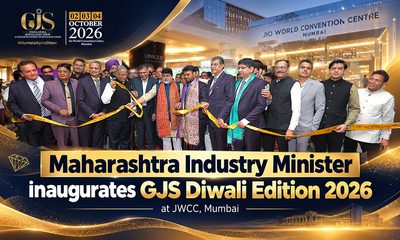
Maharashtra Industries Minister unveils GJC Diwali Edition 2026 at JWCC, Mumbai
