
JB Insights
De Beers divestment: A strategic pivot amid diamond industry decline

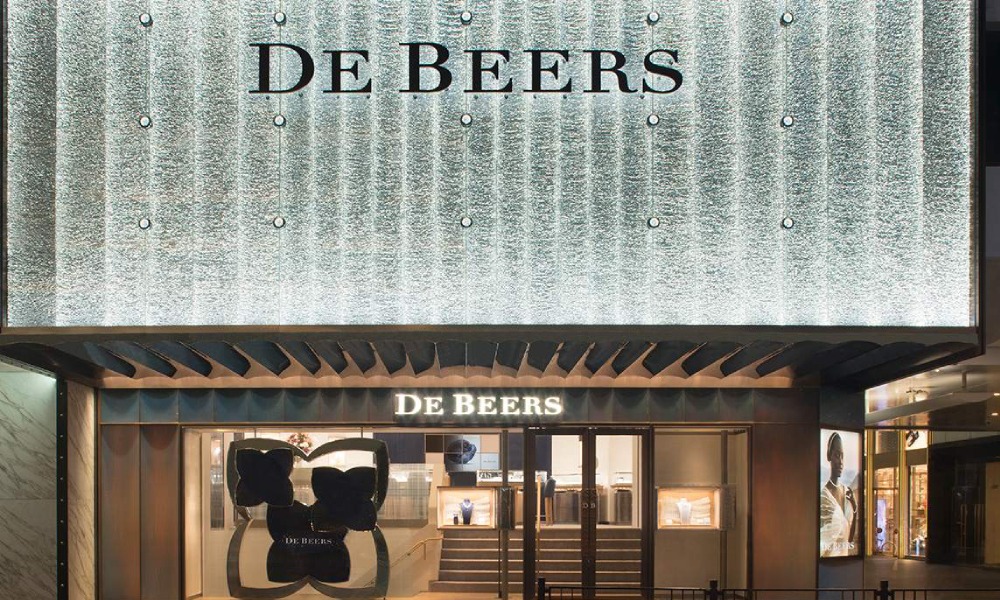
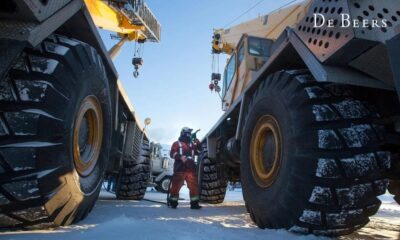
Anglo American is poised to formally initiate the sale of its troubled diamond division, De Beers, within weeks, marking the end of an era for one of the world’s most iconic luxury brands. According to Financial Times reports, the mining giant may have to accept approximately $2.5 billion for the asset—roughly half of its current $4.9 billion book value and a dramatic decline from the $7.6 billion valuation recorded in December 2023.
This precipitous value erosion reflects the severe structural challenges plaguing the natural diamond industry. The sector faces a perfect storm of weakened global luxury demand, persistent economic uncertainty, and the rapid ascendancy of lab-grown diamonds. These synthetic alternatives, chemically identical to natural stones but produced in weeks rather than millennia, have captured significant market share while offering consumers similar aesthetics at substantially lower prices.
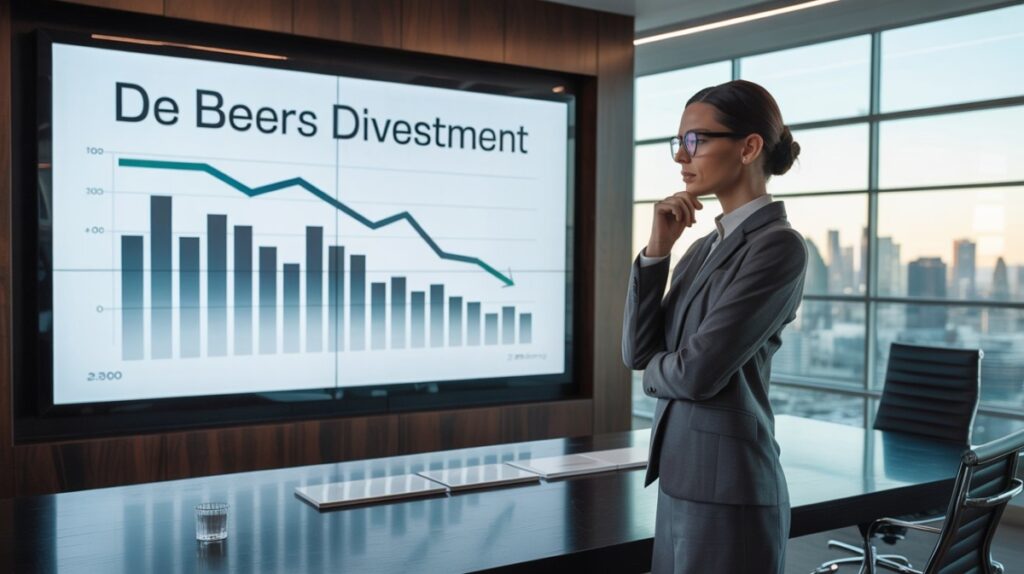
The urgency behind Anglo’s divestment stems from CEO Duncan Winblad’s commitment to complete the sale by end-2025, but more fundamentally from the company’s strategic transformation following BHP’s failed acquisition attempt. Having already divested steelmaking coal, nickel, and platinum operations, De Beers represents the final piece of Anglo’s portfolio restructuring. The company is pivoting toward assets with stronger long-term fundamentals, particularly copper, which benefits from electrification and renewable energy trends.

De Beers’ own adaptation efforts have proven insufficient. Its controversial entry into the lab-grown market through the Lightbox brand failed to stem declining profitability, while the traditional “A Diamond is Forever” positioning becomes increasingly difficult to maintain against cost-effective synthetic alternatives focused on value and ethical sourcing.
The challenge for Anglo extends beyond finding a buyer willing to pay $2.5 billion—it requires identifying an acquirer with a credible turnaround strategy for a structurally challenged business. Private equity firms might pursue leveraged restructuring opportunities, while sovereign wealth funds could view diamond assets as portfolio diversifiers. However, any serious buyer will demand significant operational improvements and cost reductions that could fundamentally reshape De Beers’ business model.
This divestment reflects broader mining industry trends, with companies increasingly prioritizing assets aligned with energy transition demands while shedding sectors facing structural headwinds. The diamond industry’s struggles serve as a cautionary tale about technological disruption’s capacity to rapidly erode even the most established market positions.
Whether Anglo achieves its $2.5 billion target or settles for less, the transaction represents pragmatic acknowledgment of changed market realities and demonstrates the importance of strategic flexibility over emotional attachment to legacy assets in an era of rapid transformation.







Education
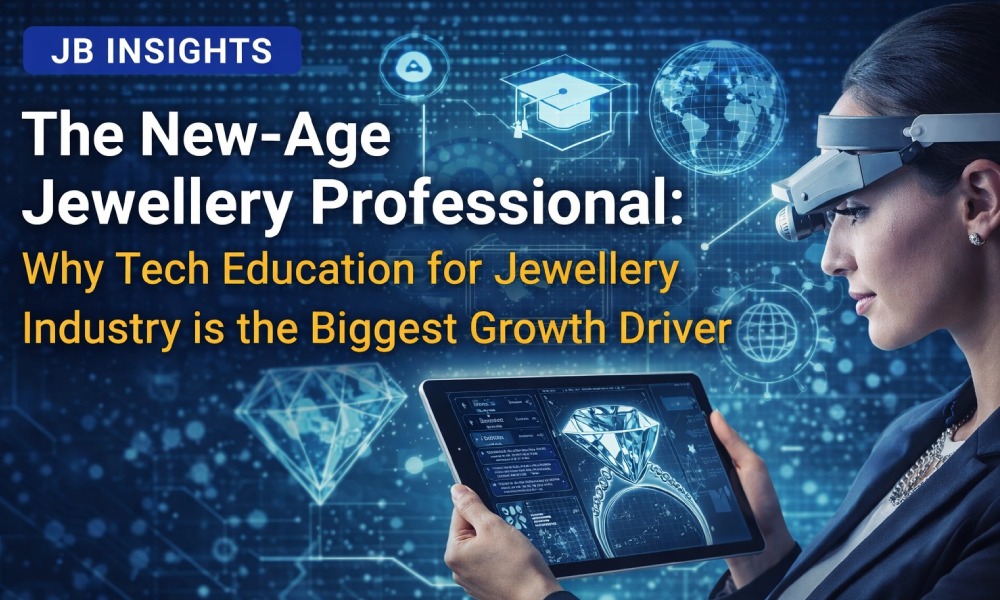
The New-Age Jewellery Professional: Why Tech Education for Jewellery Industry is the Biggest Growth Driver
#JbExclusive
The jewellery industry is no longer defined by craftsmanship alone. Today, it sits at the intersection of design, technology, sustainability, finance, branding, and global trade. As consumer expectations evolve and competition intensifies, structured education and continuous skill development are emerging as the most powerful growth catalysts for the sector.
For a dynamic industry like India’s jewellery market, education is not optional — it is strategic.
From Karigar to Knowledge Professional
For decades, the backbone of the industry has been generational craftsmanship. While this legacy remains invaluable, modern jewellery businesses now demand professionals who understand:
- Gemology and diamond grading
- CAD and 3D jewellery design
- Retail management and consumer psychology
- Digital marketing and brand storytelling
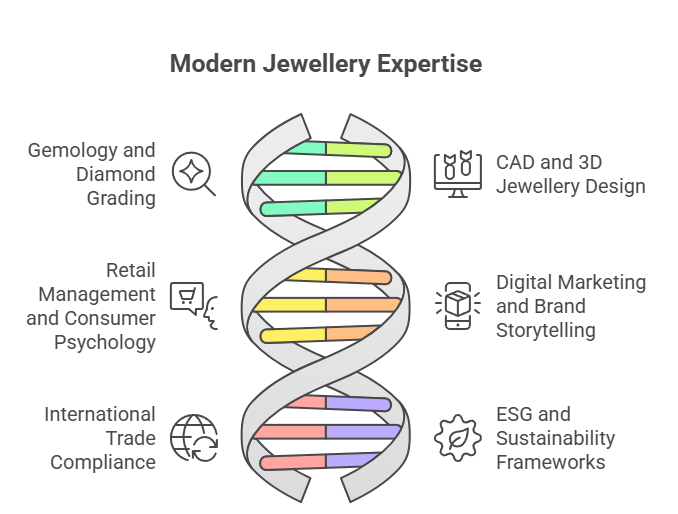
- International trade compliance and tariffs
- ESG and sustainability frameworks
Institutions such as the Gemological Institute of America and the Indian Institute of Gems and Jewellery have played a key role in formalising education pathways, helping transform traditional artisans and retailers into globally competitive professionals.
Trend Watch: Rise of Tech-Integrated Learning
One of the strongest education trends shaping the industry is technology integration.
- CAD & CAM Training: Digital prototyping reduces costs and speeds up product development cycles.
- AI in Retail Forecasting: Data-driven inventory planning is replacing intuition-based buying.
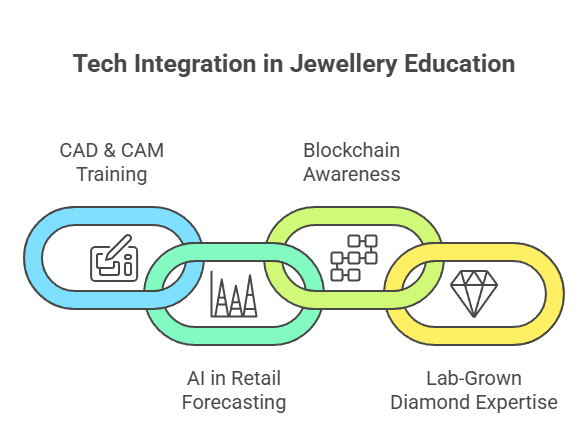
- Blockchain Awareness: Traceability in diamonds and coloured gemstones is becoming a compliance requirement rather than a luxury.
- Lab-Grown Diamond Expertise: As lab-grown diamonds gain market share, understanding grading, pricing dynamics, and consumer positioning has become critical.
Educational programs now increasingly blend online modules with hands-on workshops, enabling faster upskilling for working professionals.
The Bridal Economy & Consumer Education
India’s bridal jewellery segment continues to drive demand, but the modern bride is informed and research-oriented. She compares:
- Natural vs lab-grown diamonds
- Hallmarking standards
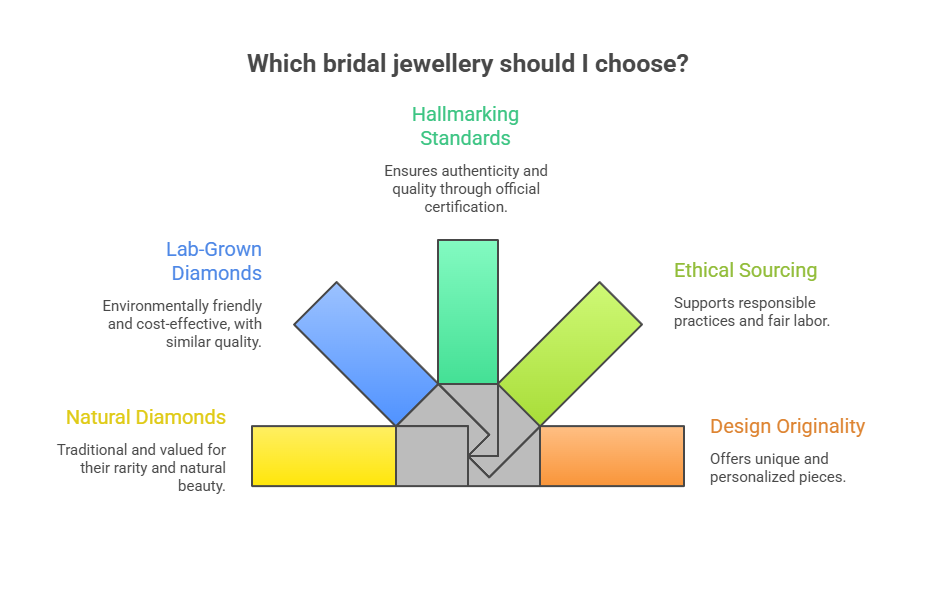
- Ethical sourcing claims
- Design originality
Retailers who invest in staff education see higher trust conversion rates. Well-trained sales professionals are no longer “salespeople” — they are consultants guiding life-defining purchases.
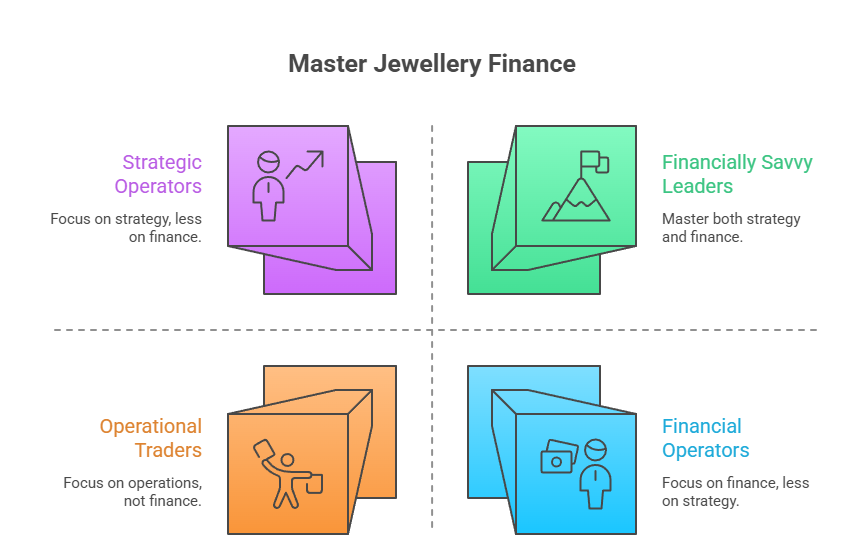
Financial Literacy in Jewellery
Another emerging area is financial education within the industry itself. With gold functioning as both adornment and asset, professionals must understand:
- Gold monetisation frameworks
- Hedging strategies
- Commodity price cycles
- Working capital management
Structured knowledge helps businesses move from being inventory-heavy traders to strategically managed enterprises.
Sustainability & Responsible Sourcing
Global buyers increasingly demand proof of ethical sourcing and environmental compliance. Education around responsible mining practices, supply-chain transparency, and ESG reporting is becoming central to export competitiveness.
Industry bodies such as the Gem & Jewellery Export Promotion Council regularly conduct seminars and workshops to align Indian exporters with evolving global standards.
The Future: Hybrid Skills Will Win
The next generation jewellery professional will not be defined by a single skill. The future belongs to those who combine:
- Design sensibility
- Technical expertise
- Business acumen
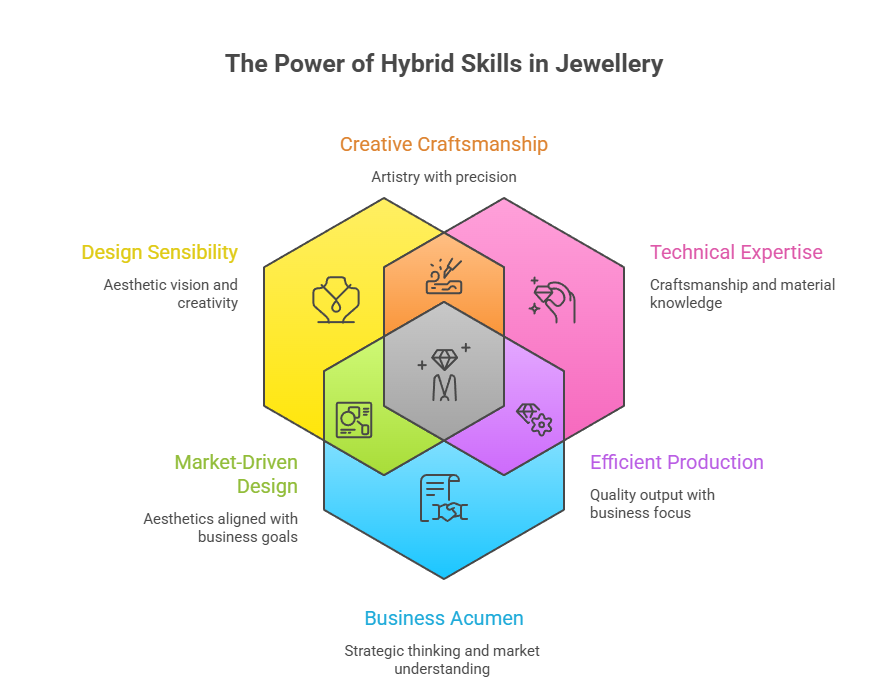
- Digital fluency
- Ethical awareness
For a sector contributing significantly to India’s exports and employment, education is the bridge between heritage and high growth.
Knowledge is the new luxury. As the jewellery industry transitions into a more organised, tech-enabled, and globally integrated ecosystem, continuous learning will determine who leads and who lags. The sparkle of the future will not just come from diamonds — it will come from informed minds shaping the industry.


Gold, silver regain ground after a sharp fall on renewed safe-haven demand

American Gem Society Announces Conclave 2026

The HK International Diamond, Gem & Pearl Show opens today; The HK International Jewellery Show starts Wednesday
Gold, silver regain ground after a sharp fall on renewed safe-haven demand
American Gem Society Announces Conclave 2026

India International Bullion Summit 2026: A Defining Platform Shaping India’s Bullion & Jewellery Ecosystem
-
 International News22 minutes ago
Gold, silver regain ground after a sharp fall on renewed safe-haven demand
-
 International News1 hour ago
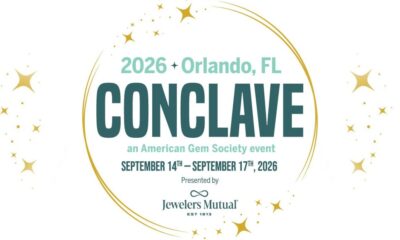
American Gem Society Announces Conclave 2026
-
 ShowBuzz4 days ago
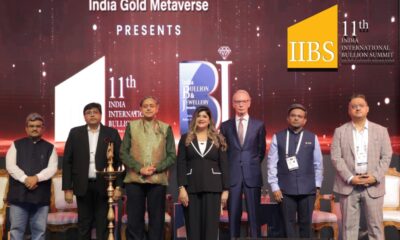
India International Bullion Summit 2026: A Defining Platform Shaping India’s Bullion & Jewellery Ecosystem
-
 International News2 days ago
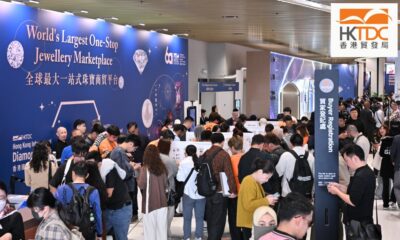
The HK International Diamond, Gem & Pearl Show opens today; The HK International Jewellery Show starts Wednesday