
JB Insights
GJC’s 8th Edition of India Gem & Jewellery Show (GJS2025) Opens Today with Grand Inauguration at Jio World Convention Centre, Mumbai

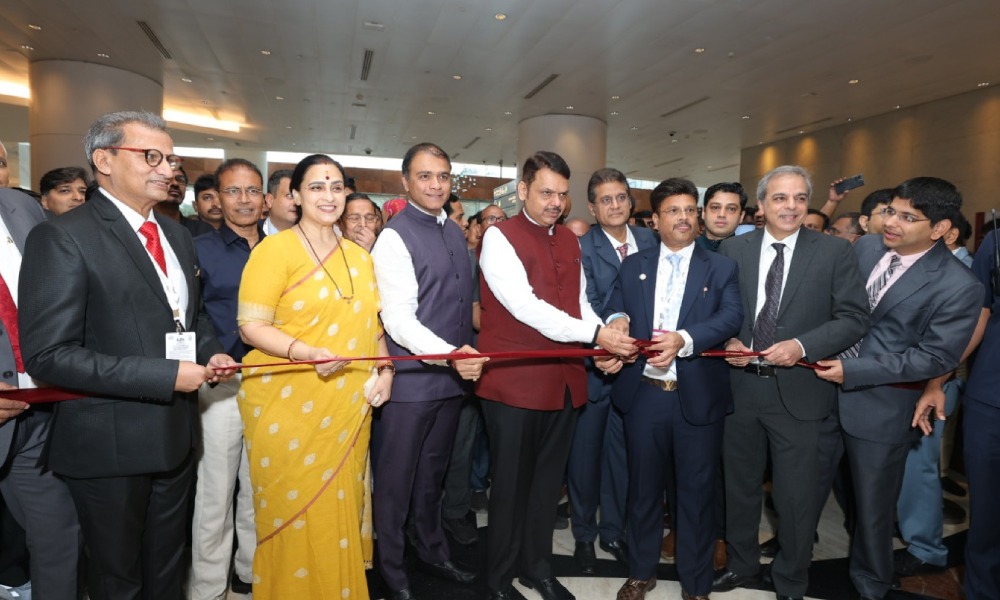
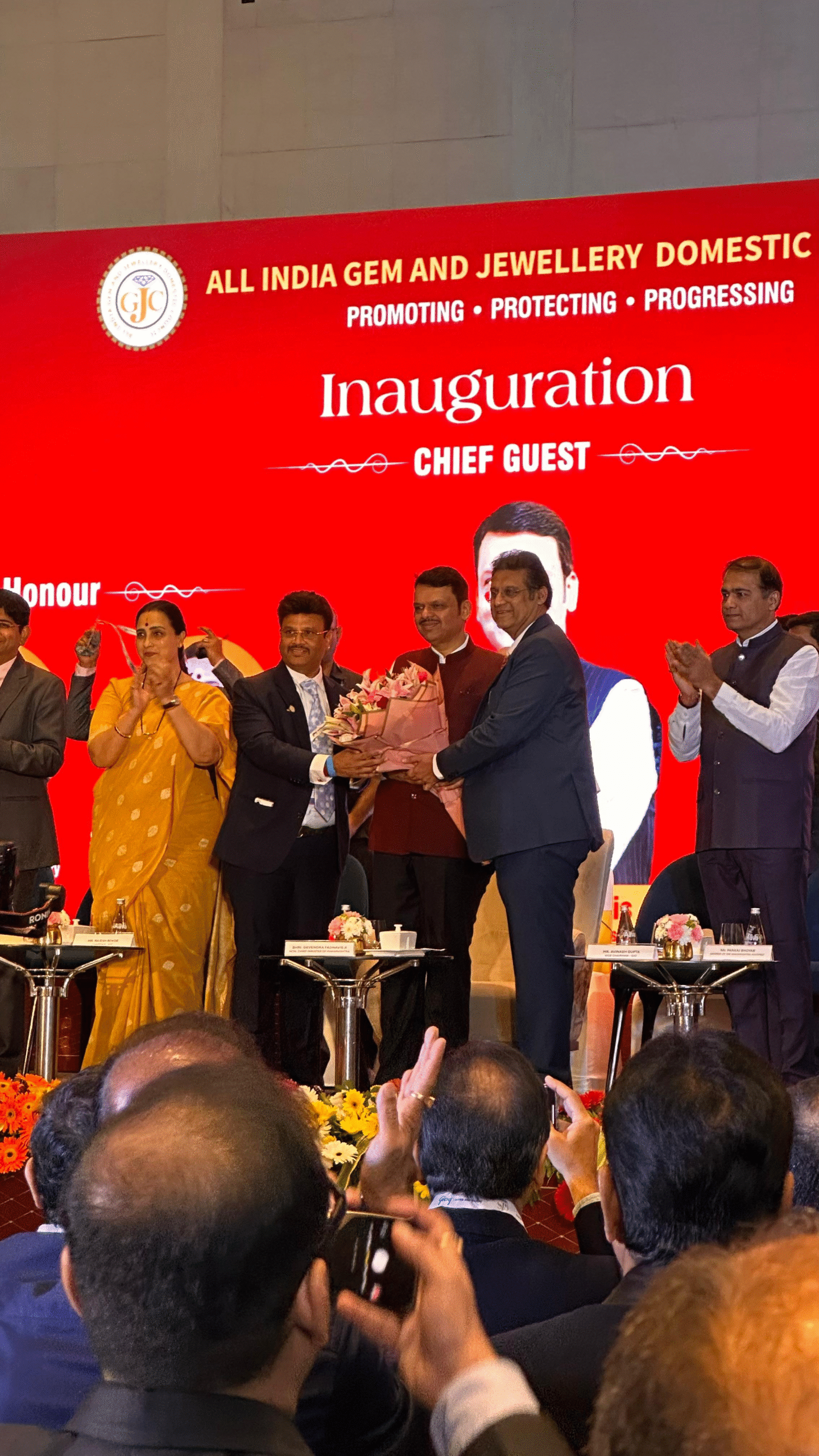
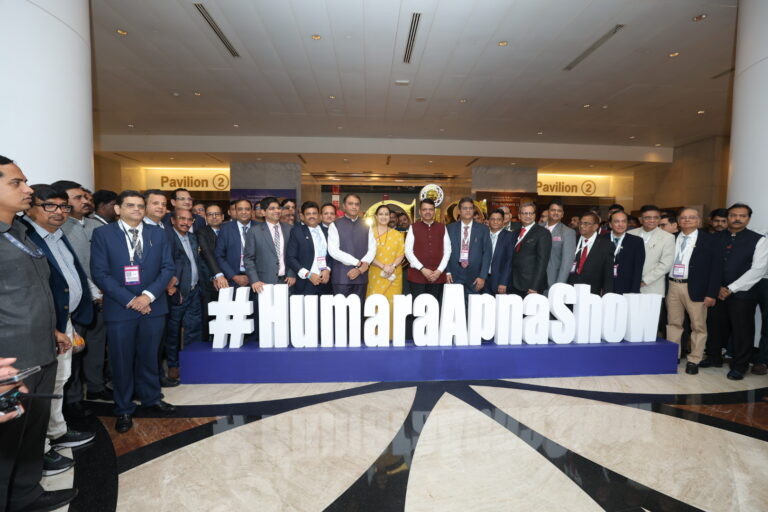
The India Gem & Jewellery Show (GJS2025) – Diwali Edition officially opened today with a grand inauguration ceremony at the Jio World Convention Centre, Mumbai. The prestigious event was inaugurated by Hon’ble Chief Minister of Maharashtra, Shri Devendra Fadnavis Ji, who attended the #HamaraApnaShow as Chief Guest, marking a proud moment for the Indian gem and jewellery industry.
Also graced by the presence of Shri Pankaj Bhoyar (Honourable Minister of State for Home (Rural), Housing, School Education, Cooperation and Mining, Government of Maharashtra) and Smt. Chitra Kishor Wagh (Member of the Maharashtra Legislative Council). The ceremony was further attended by key industry leaders including Kirit Bhansali (Chairman, Gem & Jewellery Export Promotion Council – GJEPC), Dr. B. Govindan (Chairman, Bhima Jewellers), and Sandeep Kohli (CEO, Novel Jewels, Aditya Birla Group & Indriya – Aditya Birla Jewellery). Special guests included Rajiv Jain (Secretary, Jaipur Jewellery Show) and Prithviraj Kothari (National President, IBJA – India Bullion and Jewellers Association).
Organised by the All India Gem and Jewellery Domestic Council (GJC), the four-day exhibition runs from 16th to 19th September 2025, GJS2025 brings together 350+ exhibitors, with more than 750 booths, 10,000+ visitors, and 2,000+ hosted buyers from across India, offering unmatched networking and sourcing opportunities.
The GJS2025 Diwali Edition opened with a dazzling showcase of jewellery, ranging from traditional bridal pieces to modern, fashion-forward designs. Themed “Tyohar Bharat Ke, Show Humara Apna”, the exhibition features over 400 exhibitors Visitors can explore exquisite designed and innovative jewellery, perfectly timed for the upcoming festive and wedding season.
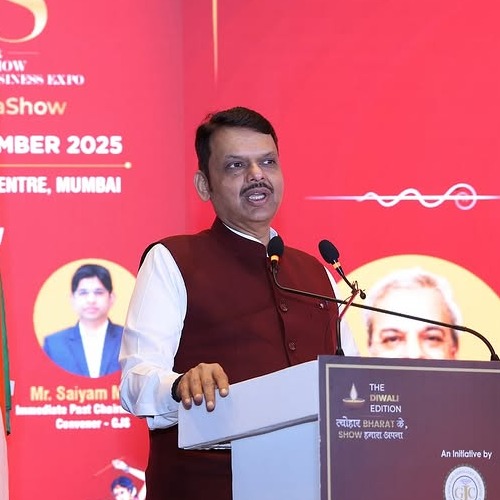
Addressing the gathering, the honourable Chief Minister of Maharashtra Shri Devendra Fadnavis ji said, “The gems and jewellery industry is a vital sector for India as a whole, and for Maharashtra in particular. It is not only a significant contributor to our economy but also an important generator of employment. The tradition of gems and jewellery in our culture dates back to the Indus Valley Civilization and even earlier, with a history of over 10,000–12,000 years.
GJC’s efforts to bring more players into the organised sector are truly commendable. The Council invite to work with the government by presenting a comprehensive framework for certification and other key initiatives. GJC to enhance the availability of skilled manpower for the gems and jewellery industry through Skill universities
Rajesh Rokde, Chairman, All India Gem & Jewellery Domestic Council (GJC)
“It is indeed an honour and a historic moment for GJC. Nine years ago, in 2016, we were privileged to have our industry addressed by the Hon’ble Prime Minister at Vigyan Bhavan, Delhi, and today we feel the same pride. I extend heartfelt thanks to our Hon’ble Chief Minister. With 30 states contributing, Maharashtra alone accounts for nearly 25% of GST collections — truly remarkable.
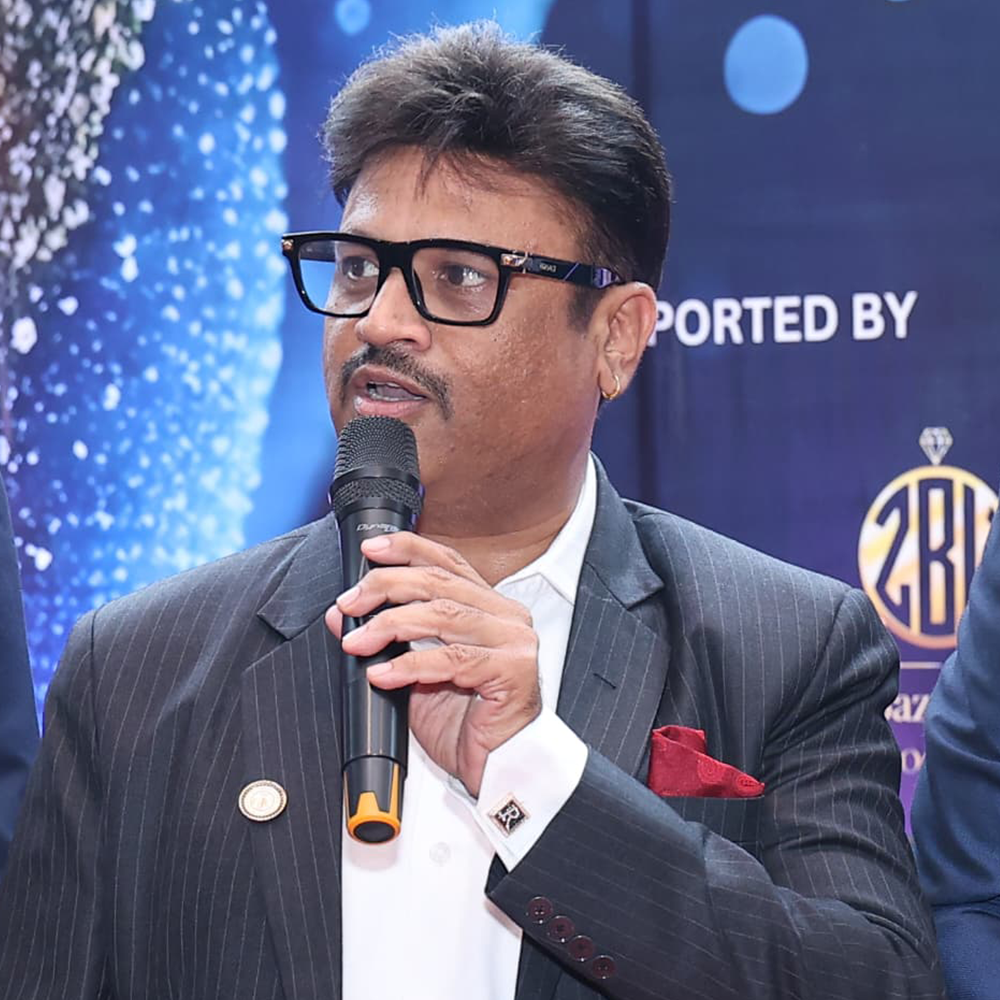
Over the past 20 years, GJC has built a legacy of pride, becoming a trusted bridge between the government and the trade. Whether it is income tax, hallmarking, import–export, GST, PMLA, or budget recommendations — GJC has always represented the voice of jewellers. Through initiatives like Labham, we continue to empower jewellers with knowledge, education, and awareness. The clarity brought by BNS 317 has been a guiding light for jewellers across Maharashtra. On behalf of GJC, I thank our Hon’ble CM and Shri Pankaj Bhoyar for their continuous support.”
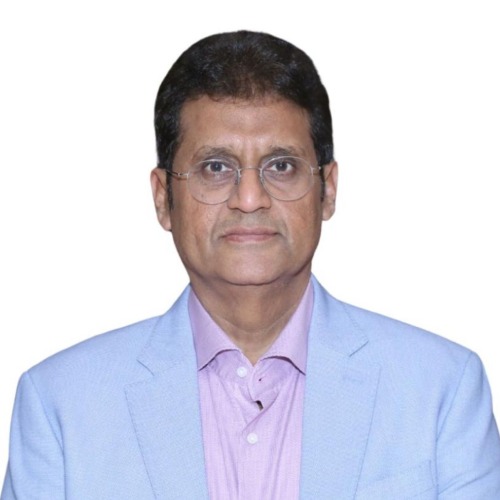
Avinash Gupta, Vice Chairman, GJC, said: “We sincerely thank the Government for its continued support in strengthening business and skill development for our industry. GJC, together with the Government, will form committees to work hand in hand for the sector’s growth. Even with 50% tariff implementation, our industry has the unique ability to turn challenges into opportunities. The next two years will bring even greater achievements for India’s gems and jewellery sector. We stand firmly with the Government in this journey and extend our heartfelt gratitude to the Hon’ble Chief Minister for his vision and support.”
Chitra Kishor Wagh,Member of the Maharashtra Legislative Council
“Earlier, IPC 411 posed several challenges, but with its transition into BNS 317, greater clarity has been achieved. The Hon’ble Chief Minister has assured that instead of a recovery officer, only an investigating officer will handle such matters — a significant relief for our industry. Maharashtra has once again set an example, being the first and only state with 36 districts to witness such a development.
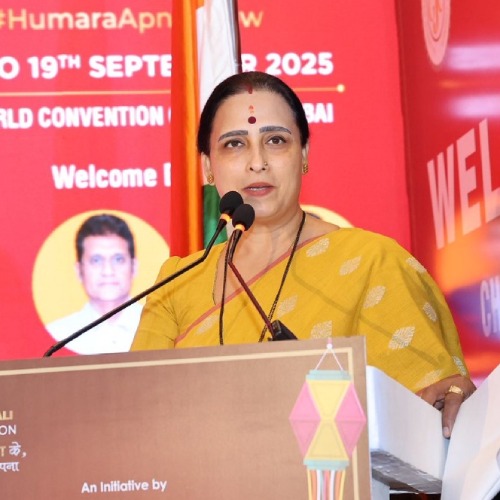
The formation of the Vigilance Committee, under the guidance of Shri Pankaj Bhoyar and with the support of our Hon’ble Chief Minister, is historic. Maharashtra truly stands as a ‘Sonya Sarkkha Soneri Maharashtra’ – a golden state for jewellers.”
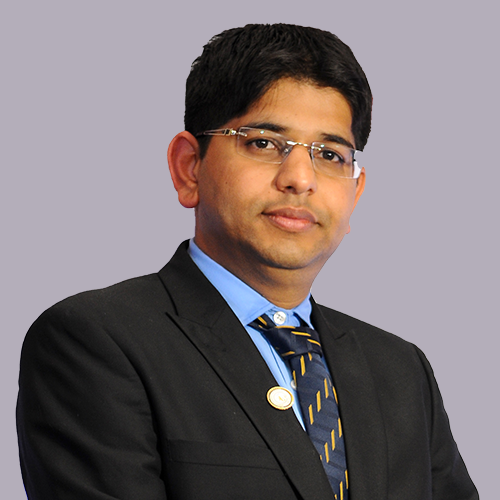
Saiyam Mehra – Convenor – GJS – welcoming the CM of Maharashtra as Chief Guest stated “It is an honour to welcome Hon’ble Chief Minister Shri Devendra Fadnavis Ji to the inauguration of GJS2025. His presence reinforces the significance of our industry and the strength of Humara Apna Show. With over 350 exhibitors and thousands of buyers, we anticipate a business turnover of approximately Rs.32,000 crore over the next four days. GJS continues to be a catalyst for growth, innovation, and global recognition of India’s jewellery”




JB Insights
US Holiday Sales Will See 5.5% Growth For 2026 : Mastercard Economics Institute
This Resilience Reflects A Robust Labor Market, Rising Household Wealth, and Broad-Based Consumer Demand Across Income Cohorts. Overall, The 2026 Holiday Season Showcases An Adaptable U.S. Consumer Using Digital and AI Tools To Maximize Value While Continuing To Drive Broader Economic Momentum.

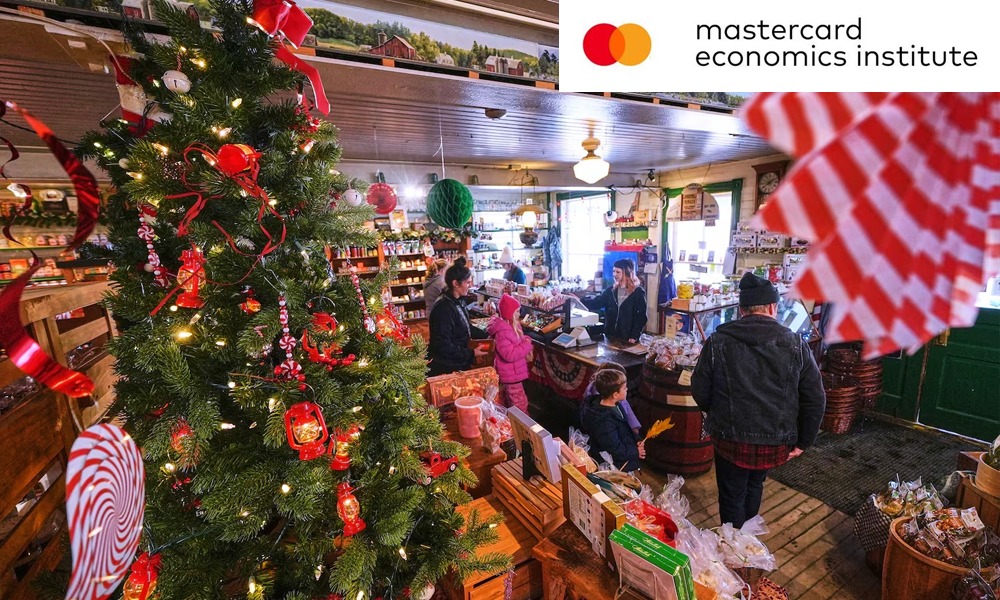
The Mastercard Economics Institute (MEI) forecasts a strong 2026 U.S. holiday shopping season (November 1–December 24), projecting retail sales excluding gas and autos to grow 5.5% year-over-year (YoY). This resilience reflects a robust labor market, rising household wealth, and broad-based consumer demand across income cohorts.
Key Drivers and Growth Channels
- Channel Performance: E-commerce continues to lead with an expected 11% YoY growth, but in-store sales are set to grow 3.6%—their strongest pace since 2022. This highlights the critical role of omnichannel strategies.
- Inflation Dynamics: Inflation accounts for 2.8 percentage points of the total 5.5% growth. Unlike last year’s tariff pressures, current price increases are driven by elevated energy/diesel costs and the massive AI infrastructure buildout.
- Calendar Shifts: A late Thanksgiving compresses the shopping window, pushing retailers toward early promotions. Additionally, Cyber Monday falling in November will shift significant online volume into the month.
The Role of Artificial Intelligence
AI is reshaping both prices and consumer behavior:
- Tech Inflation: High demand for memory chips and data infrastructure components has driven a 12.2% YoY increase in prices for info-processing equipment. Consequently, the consumer electronics category is projected to post outsized nominal sales growth (+10.7% YoY).
- AI Power Users: Consumers with paid AI subscriptions demonstrate distinct “optimization” habits. Data shows these users plan early, shop across a wider variety of boutique and specialty merchants, and aggressively target promotions during Thanksgiving weekend before transitioning to experience and hospitality spending in December.
Last-Minute Shopping Behavior
The final rush to Christmas offers key operational insights for retailers:
- In-Person and Malls: The final week before Christmas sees heavy physical store foot traffic, especially in enclosed shopping malls where consumers can complete multi-category purchases. Climate also plays a role: warmer-state residents (e.g., Florida, Nevada) are far more likely to make last-minute in-store runs than those in colder states.
- Transaction Value Trends: Average order values for children’s items peak near Black Friday, while premium categories—such as jewelry, cosmetics, luxury handbags, and department stores—see transaction values climb steadily from December 15, peaking on Christmas Eve as procrastinating shoppers pay a premium for convenience.
AI tools lower search costs for consumers, making price transparency higher than ever. Retailers must capture early November demand through targeted promotions before comparison tools push shoppers toward alternative or boutique brands.
Last-minute shoppers are price-inelastic and seeking speed. Malls and physical stores should maximize inventory for high-margin, rush-gift items (jewelry, cosmetics, designer goods, gift cards) in the final 10 days, leveraging store availability over promotional discounting.
Overall, the 2026 holiday season showcases an adaptable U.S. consumer using digital and AI tools to maximize value while continuing to drive broader economic momentum.



Kangana Ranaut Unveils PNG Jewellers New Showroom In Ayodhya~

GGJS 2026 Concludes With High-Volume Trade and Strategic Focus On Next-Gen Leadership

The Solitaire Festival Of India Concludes; Bumper Prize Winner At Ranka Jewellers Wins XUV 7XO
GGJS 2026 Concludes With High-Volume Trade and Strategic Focus On Next-Gen Leadership

ABARAN Commemorates The 125th Birth Anniversary Of Founder Shri Burde Sadananda Kamath With Special Gold Coin Launch

MCX Gold Silver Futures See Dip
-
 National News2 hours ago
GGJS 2026 Concludes With High-Volume Trade and Strategic Focus On Next-Gen Leadership
-
 National News6 hours ago
ABARAN Commemorates The 125th Birth Anniversary Of Founder Shri Burde Sadananda Kamath With Special Gold Coin Launch
-
 National News6 hours ago
MCX Gold Silver Futures See Dip
-
 National News3 days ago
P N Gadgil Jewellers Limited – Quarterly Update Q2FY27
