
TechBuzz
CAD Usage Among Indian Jewellery Manufacturers

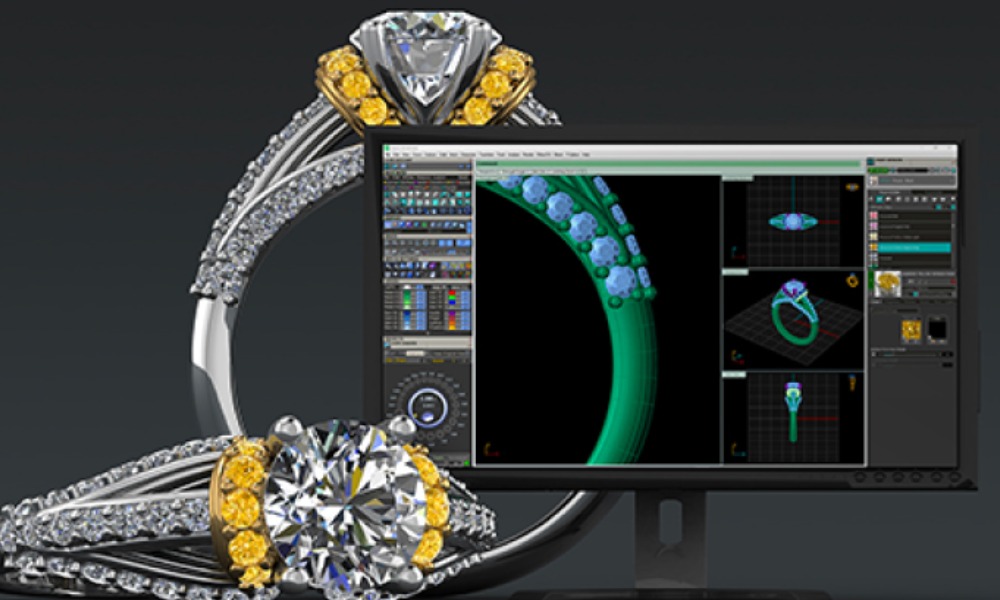
While there is no widely published recent study that gives a full quantitative breakdown of CAD adoption (in the style of “X% of manufacturers use CAD”) in India, several reports, articles and case-studies provide useful signals. Below are key findings, patterns, and gaps:
What the Data Shows
- Growing Use of CAD / CAM & Digital Tools
- Many manufacturers (especially medium to large exporters or those serving overseas markets) now use CAD software (e.g. MatrixGold, RhinoGold) as part of their design workflow.
- CAD is frequently combined with 3D printing or rapid prototyping for producing models before casting.
- Firms emphasise that CAD allows greater precision, fine detail, reduced waste of precious metal, and better finish.
- Variation by Firm Size, Export vs Domestic
- Larger, organised units / exporters are much more likely to invest in CAD/CAM, modern machinery, CNC, etc. Smaller artisanal workshops are slower to adopt.
- Some smaller design houses are using CAD for custom orders, or combining hand-craftsmanship with digital design tools to stay competitive.
- Manufacturing Landscape & Capacity
- The sector is still very fragmented: many small workshops, a large number of artisans / karigars, many informal units.
- Organised large-scale factories are increasing in number (from under 10% of units to around 15–20%), and such units are more likely to have capacity for CAD, CNC, modern casting, etc.
- Technology Levels and Process Adoption
- According to a cluster/technology mapping study (NCAER, 2019): among the “machine-made jewellery” segment, a non-trivial percentage of enterprises report using advanced tech for certain processes, including CAD designing as well as wax setting, laser welding, quality control etc.
- Many still rely on more “basic” or “average” technology for other parts of jewellery work, especially in semi-precious stones, traditional ornamentation, or handmade work.
- Software & Tools in Use
- Commonly mentioned design software in India include: MatrixGold, RhinoGold, Jewelry CAD Dream, ZBrush, AutoCAD, etc.
- Some manufacturers also report investing in 3D printers, CNC machines, laser machines, casting machines, etc.


TechBuzz
C4i4 Team Explores AI, Industry 4.0 Applications At IIGJ, Mega CFC
The Visit Focused On Identifying Opportunities To Apply AI and Industry 4.0 Technologies Across Jewellery Manufacturing, Skills Development and Cluster Infrastructure

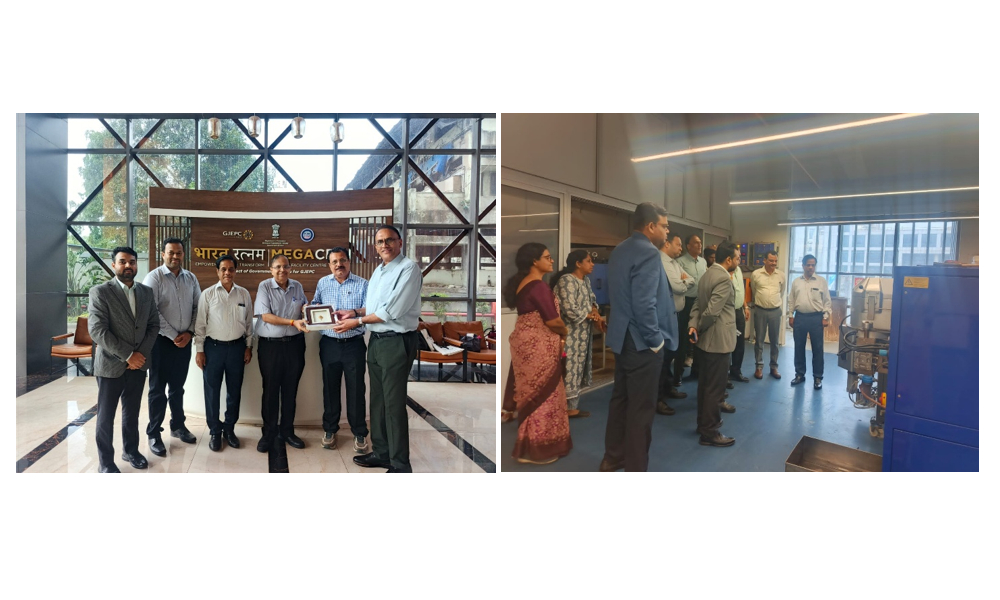
The Centre for Industry 4.0 (C4i4), Pune, which works with Indian manufacturers to support the adoption of advanced digital and smart manufacturing technologies, visited the Indian Institute of Gems & Jewellery (IIGJ) and Mega Common Facility Centre (Mega CFC), Mumbai, on 8 September to explore applications of Artificial Intelligence (AI) and Industry 4.0 in jewellery manufacturing and skilling.
The C4i4 team comprised Dattatraya Navalgundkar, Bilal Ahmed and Sunil Bhatambrekar. At IIGJ, Siddhartha H., COO, GJEPC, provided an overview of the institute, while Dr. Anju Singh, Dean (Academics), IIGJ Mumbai, briefed the team on its curriculum and academic programmes. Koushik S.V., Head – Skill Development Division, IIGJ Udupi, shared details of skilling initiatives, including the PM Vishwakarma scheme and its relevance to artisans and traditional skills. Discussions also covered jewellery valuation programmes conducted for Customs and GST officials.
Ravi Menon, CEO, Mega CFC, outlined the centre’s establishment and facilities, while Mithilesh Pandey, Senior Director, GJEPC, briefed the delegation on cluster development initiatives and the role of common facilities in strengthening the jewellery manufacturing ecosystem.
The visit focused on identifying opportunities to apply AI and Industry 4.0 technologies across jewellery manufacturing, skills development and cluster infrastructure.



Belgian Prime Minister Bart De Wever opens expanded HRD Antwerp laboratory in Mumbai

Verlas Introduces the ‘Alyssa’ Collection in India, Bringing Modern Luxe Floral-Inspired Design to Lab-Grown Diamond Jewelry Crafted in Fine Gold

Gold rebounds,Silver reclaims Rs 2.33 lakh mark

Limelight Lab Grown Diamonds Inaugurates Showroom In Kalyan, Its 8th Exclusive Store MMR
Verlas Introduces the ‘Alyssa’ Collection in India, Bringing Modern Luxe Floral-Inspired Design to Lab-Grown Diamond Jewelry Crafted in Fine Gold
Belgian Prime Minister Bart De Wever opens expanded HRD Antwerp laboratory in Mumbai
-
 National News2 days ago
Limelight Lab Grown Diamonds Inaugurates Showroom In Kalyan, Its 8th Exclusive Store MMR
-
 BrandBuzz1 day ago
Verlas Introduces the ‘Alyssa’ Collection in India, Bringing Modern Luxe Floral-Inspired Design to Lab-Grown Diamond Jewelry Crafted in Fine Gold
-
 DiamondBuzz1 day ago
Belgian Prime Minister Bart De Wever opens expanded HRD Antwerp laboratory in Mumbai
-
 National News1 day ago
Gold rebounds,Silver reclaims Rs 2.33 lakh mark
