
By Invitation
Build your own tribe of loyal customers
Seth Godin, a well-known marketing guru, talks about the power of creating a tribe for your business in “Tribes: We Need You to Lead Us”. What’s a tribe, though? Imagine a group of people who share a passion.


They’re tied together by common beliefs, interests, or goals. Like traditional tribes, they have their own way of doing things, from what they eat to how they celebrate. They’re united by their likes, dislikes, and ways to tackle challenges. And every tribe has a leader who guides them.
Why is forming a tribe around your business a smart move? Take the opening of a new Apple store, for example. When one opened in Delhi, the line was huge, hours before it even opened. This isn’t just about loving iPhones. It’s about being part of the Apple tribe. This kind of loyalty isn’t limited to Apple. It’s seen in Starbucks fans and Harley-Davidson riders too.
Creating a tribe means your customers don’t just buy; they become your biggest fans. They talk about your products, share their experiences, and effectively do your marketing for you. Think about it: when was the last time you saw an ad for Apple or Tesla? They don’t need traditional ads because their tribes spread the word for them. This approach can transform your business.
How to build a tribe around your business?
Building a tribe isn’t just for the big names. Take Haldiram’s, for instance. It started small and grew big in India by creating a tribe of loyal customers. You can do the same for your business. You don’t need a massive tribe. Even a small group of 20, 50, or 100 members can make a big difference. Here’s how to start building your own tribe:
Focus on a small niche
Focusing on a small niche is crucial for building a tribe. Consider how successful brands have honed their focus: Dominos with pizza, Haldiram’s with vegetarian Indian street food, McDonald’s with burgers, Tesla with electric vehicles, and Nike with sports shoes. Apple excels by offering computer and mobile technology that combines a smooth, easy-to-use, and attractive interface for those willing to pay a premium. What sets you apart? Identify your unique offering, something your competitors lack. Reflect on feedback from customers who have been particularly enthusiastic about a certain product or service. That could be your niche. Building a tribe is challenging if you’re trying to appeal to everyone. Focus on attracting more customers who are passionate about what you specialize in.

Provide unmatched quality
Deliver unmatched quality in every aspect, from your product to your service. Aim to give your customers an outstanding experience, even if it means focusing on a smaller group. Excellence should be evident in your product, packaging, and after-sales service. Be extraordinary. It doesn’t matter if your product is affordable; what matters is fulfilling your promise. The experience customers have with your business is what cultivates loyalty.

Communicate constantly
Keep the lines of communication open with your customers to ensure they always remember you. Think about how McDonald’s outlets are often positioned at the entrance of shopping centers, making them hard to overlook. Apply a similar strategy for visibility. Stay engaged on social media, reach out through emails without overdoing it, and send polite updates about new products or services. Don’t forget to acknowledge special occasions. Whenever possible, go the extra mile to assist them. This level of attention strengthens the connection between your business and your customers.

Encourage community building
Encourage your customers to connect with each other by setting up spaces for them to communicate, like chat groups, online forums, or mobile apps. Motivate them to share their experiences and reward them with loyalty points they can use for future purchases.
If you’re already engaging with your community through social media, blogs, and email newsletters, you’re on your way to building a tribe. Keeping this community thriving requires continuous effort. You want to keep your current customers loyal and attract new ones. It’s about creating an environment where everyone feels they belong and are valued.









By Invitation
Artisan Perspectives: Rethinking Craft In The Age Of Lab-Grown Stones
Prapanjj S K Kota
Founder & CEO at Réia Diamonds


- Traditionally, diamond value was driven by rarity, origin, and size, with craftsmanship playing a secondary role.
- With the rise of lab-grown diamonds, abundance is shifting focus from rarity to design and craftsmanship.
- Jewellery-making is returning to a craft-first approach, placing artisans at the core of value creation.
- Skill, precision, and finishing quality are becoming primary differentiators.
The rarity of diamonds has historically dictated their market value, and most of the conversation surrounding a diamond’s value has revolved around where (and how rare) it came from, and how large it was. While craftsmanship has always been important, it has often remained secondary, simply supporting the diamond rather than receiving the buyer’s focus.
As lab-grown diamonds begin to enter the market in greater numbers, the conversation surrounding them is also changing. With an increasing supply of diamonds, being a differentiating factor in jewellery becomes much more about design, craftsmanship, and the quality of work than about rarity.
For artisans, this shift means that the focus of making jewellery has returned to the craft itself.
From a technical perspective, lab-grown diamonds do not affect the fundamentals of jewellery making. They will continue to have the same hardness, brilliance, and structural properties that natural diamonds do; therefore, using traditional setting techniques, including precision settings, pavé work, micro-setting, and polishing, will be just as essential. While the tools may be more modern, the knowledge to work with diamonds continues to be based on many years of training and experience.
The major change comes with the new opportunities presented by working with lab-created stones.
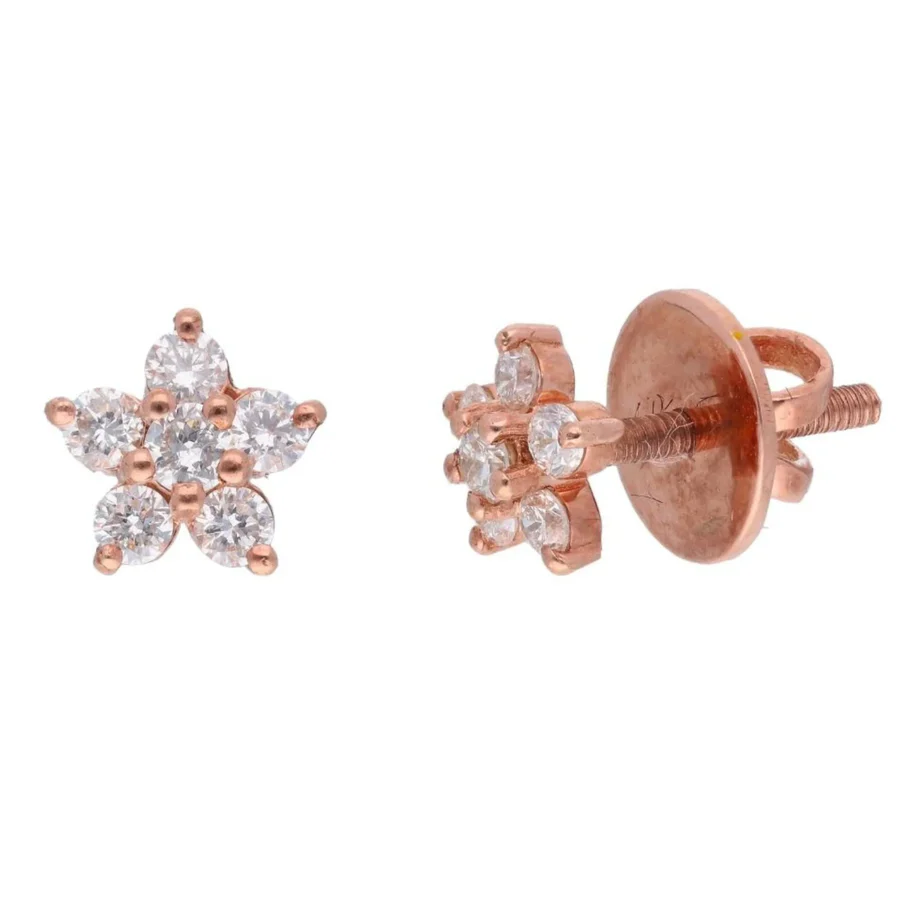
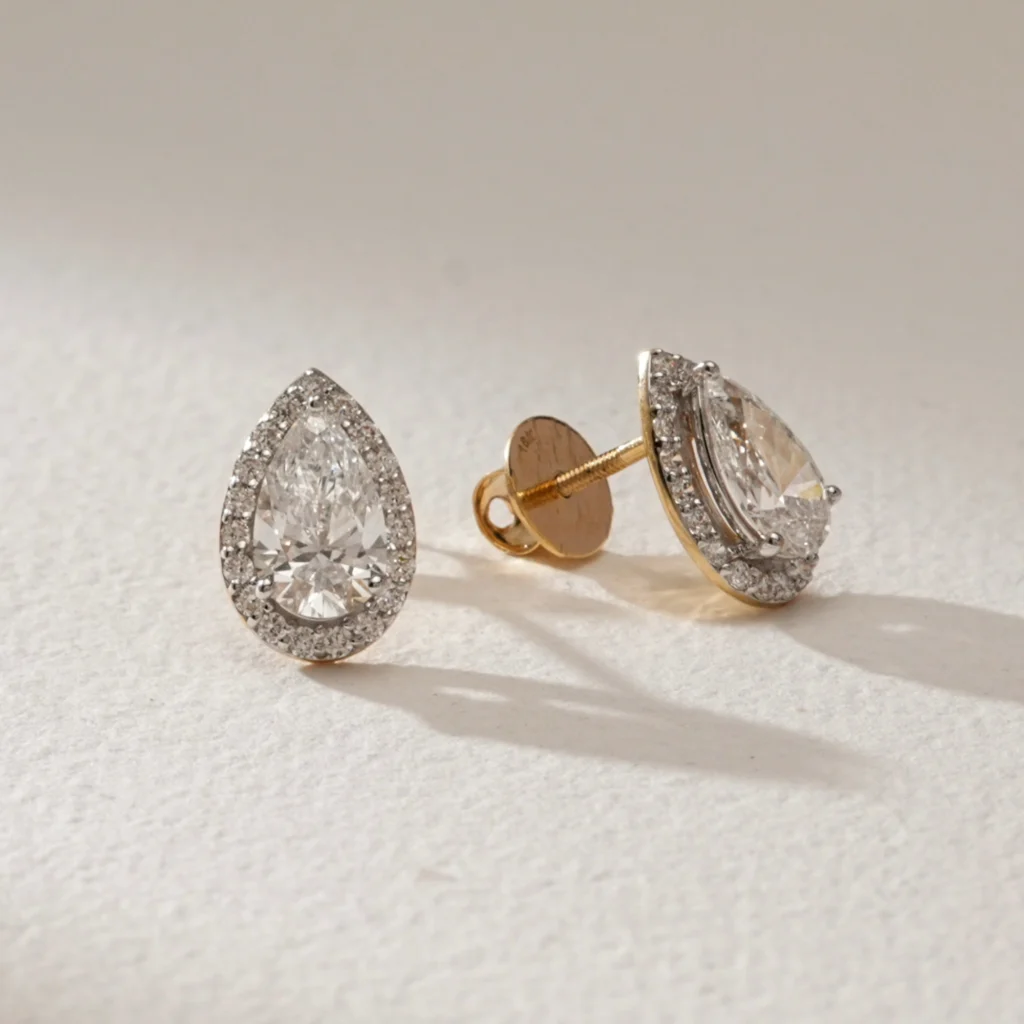
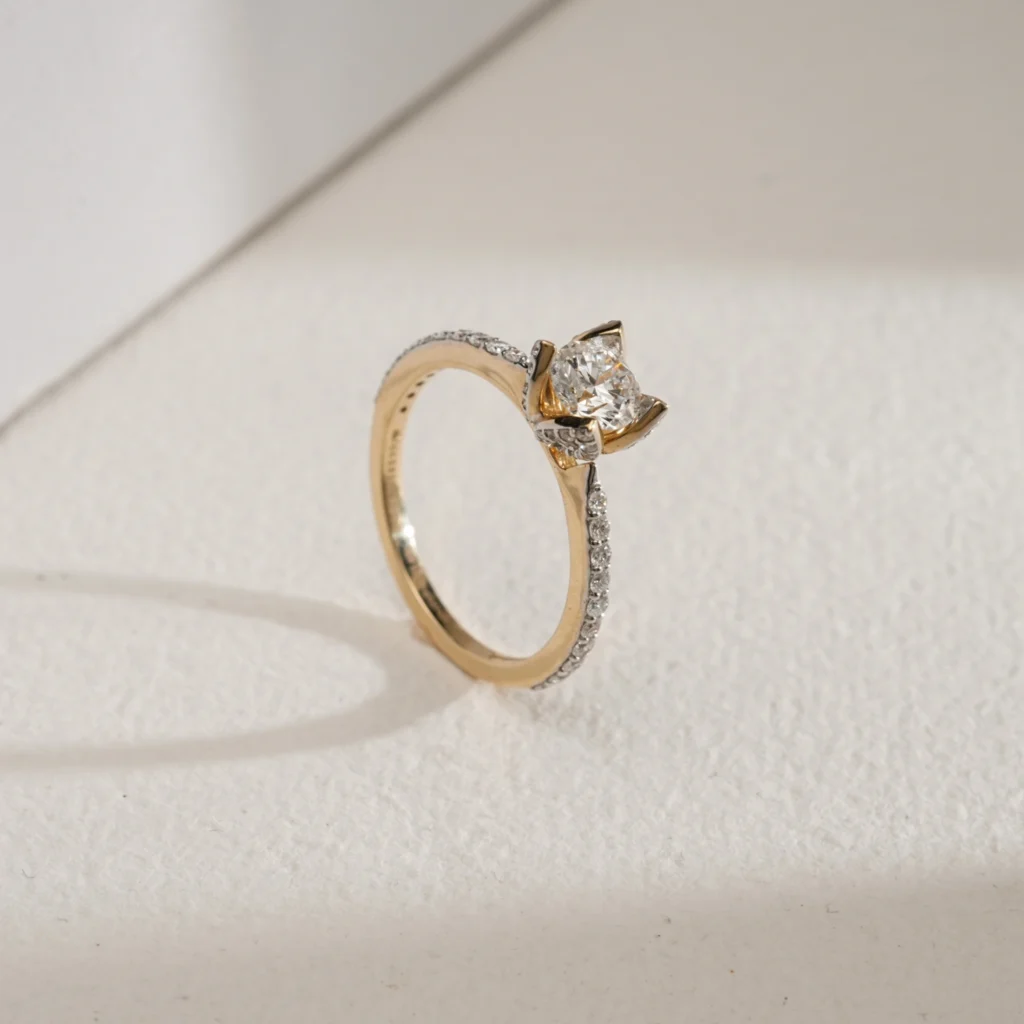
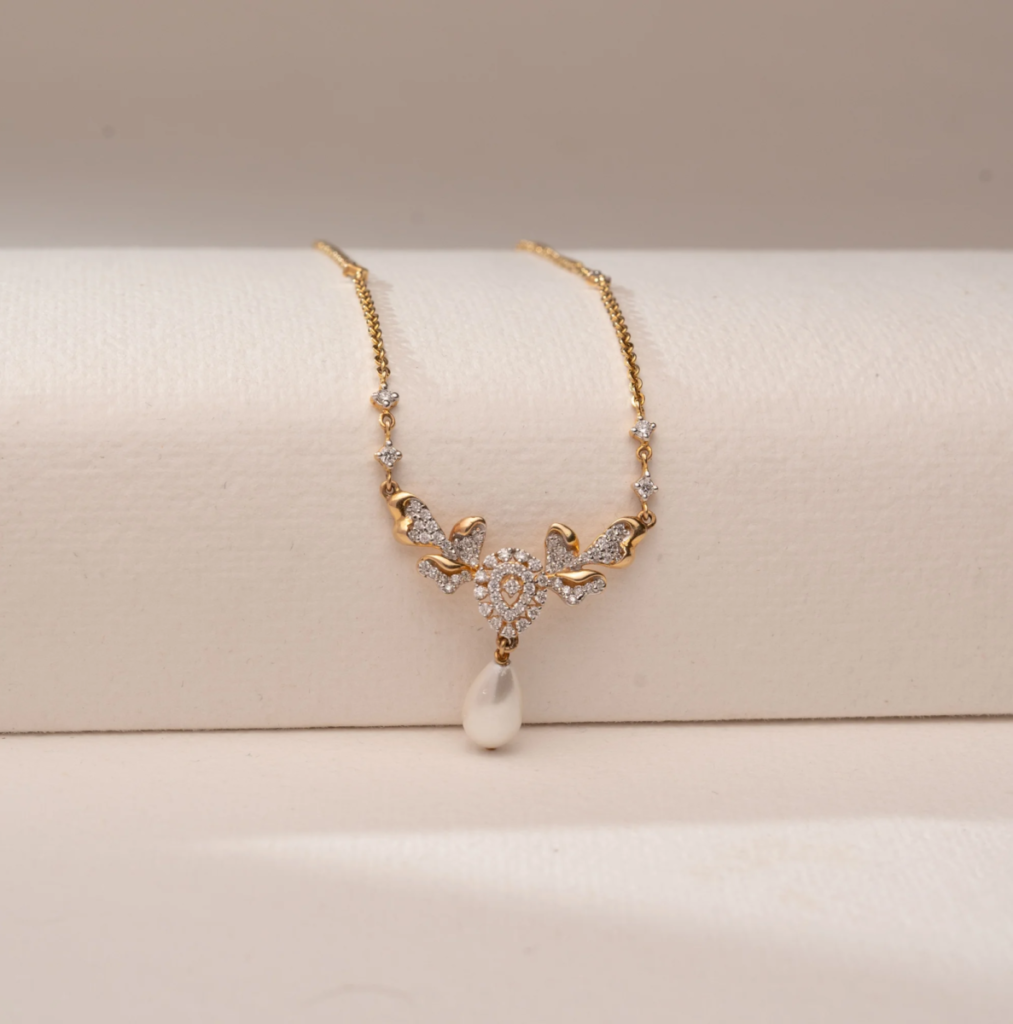
Designers are utilising the increased access to stones to try new layouts incorporating a greater focus on symmetry, scale and intricate detail. As jewellery changes, so does its craftsmanship. Today, with designs that involve numerous stones, layered settings, and modern silhouettes, artisans must have an intentional focus on the structural integrity and balance of the pieces being created, elevating their role more than ever before.
As we see craftsmanship play a supporting role to design when jewellery becomes design-centric, the specifics of how stones are aligned, how strong the setting is, and how well metal surfaces are finished will have an impact on how a piece looks, feels, and holds up over time; and therefore, they cannot be replicated with technology alone.
This change also highlights the importance of India’s historical craft traditions. Surat’s experience in the production of diamonds has established it as a leading force in the world of fine jewellery. This industry relies heavily on a team of talented craftsmen and manufacturing expertise, which plays a very important role in the overall development of jewellery that uses natural as well as lab-grown diamonds.
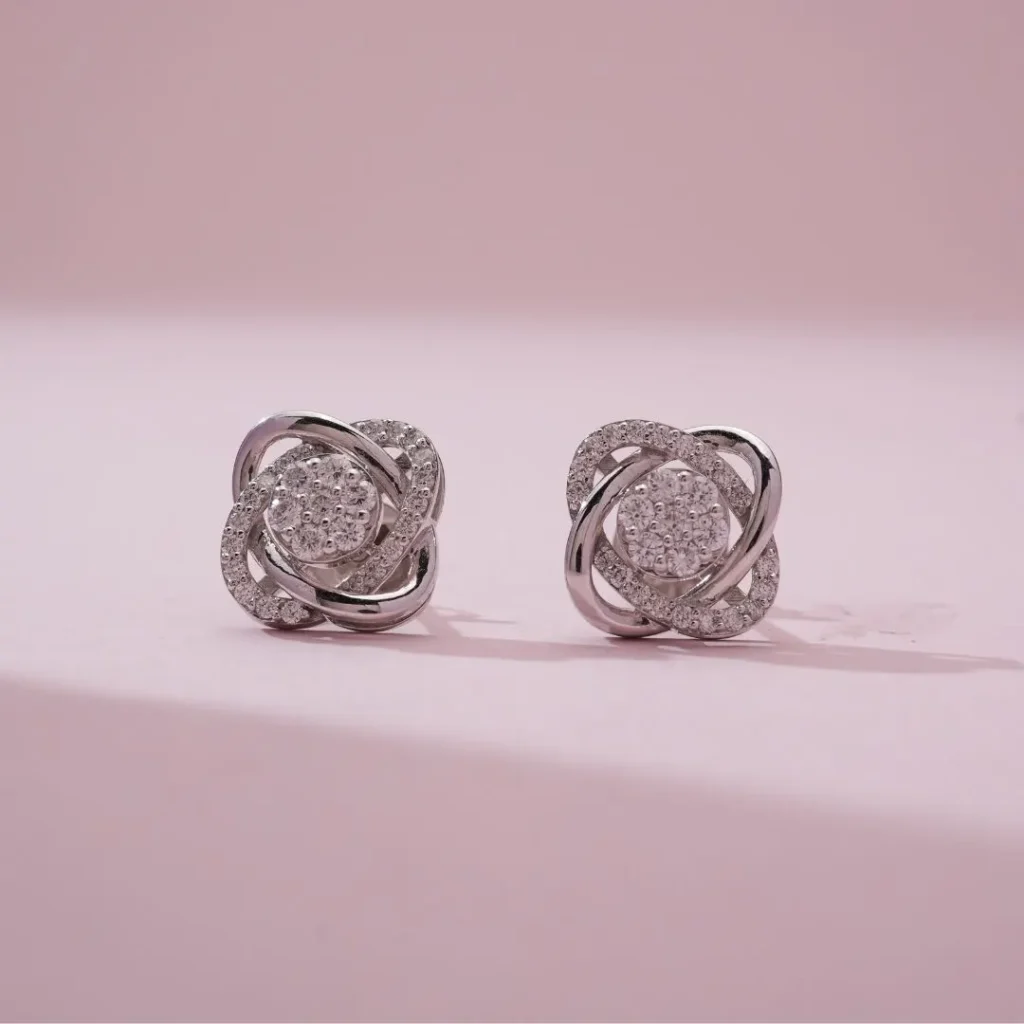


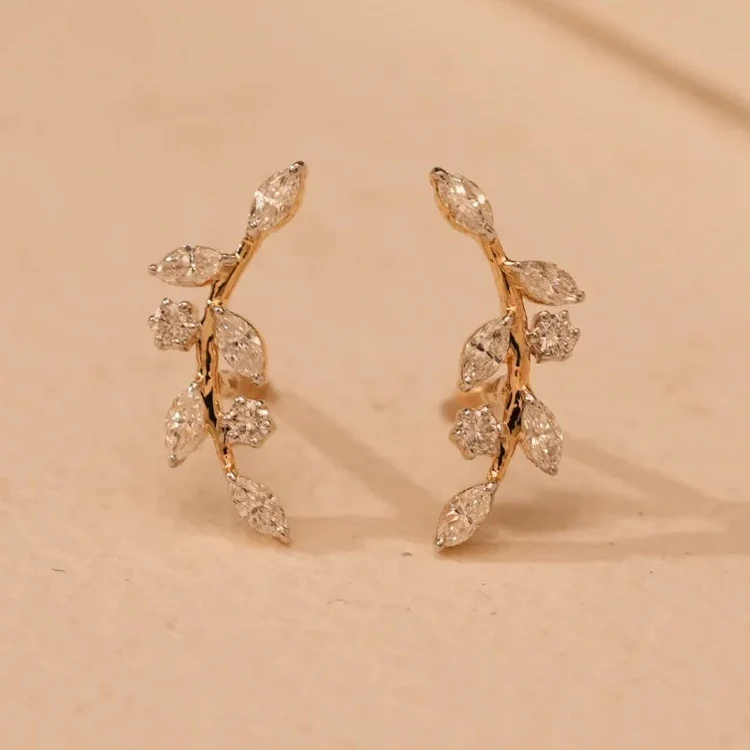
The introduction of lab-grown diamonds offers a fresh new direction for many artisans, as well as introducing something new into the world of fine jewellery. As it becomes less critical to know where a stone comes from, knowing the quality of the craftsmanship around a piece of jewellery will become increasingly essential. Design integrity, structural engineering, and finishing standards will all contribute to defining the real value of a finished piece.
Therefore, there is an opportunity for artisans; thoughtful design with precise execution requires a high level of technical proficiency. The better the craft, the more evident the difference is.
With the rise of lab-grown diamonds, the discussion about value will slowly evolve to include what has always been considered great jewellery: the skill, time, and craftsmanship it takes to create a piece of art from a design.



WGC Gold Market Commentary: Hiking Up A Volcano

Lesotho’s Kao Diamond Mine To Halt Operations Amid Industry Slump

MCX Gold Higher On Ceasefire Hopes, Crude Oil Price Dip

Harit Zaveri Jewellers Celebrates A Bride’s Royal Spirit In An Indian Wedding With Its New Polki Collection

Ekta Kapoor Turns Investor, Targets India’s $70 Billion Jewellery Opportunity With Ekatra Jewels
WGC Gold Market Commentary: Hiking Up A Volcano
-
 National News2 days ago
Harit Zaveri Jewellers Celebrates A Bride’s Royal Spirit In An Indian Wedding With Its New Polki Collection
-
 GlamBuzz2 days ago
Ekta Kapoor Turns Investor, Targets India’s $70 Billion Jewellery Opportunity With Ekatra Jewels
-
 International News22 hours ago
WGC Gold Market Commentary: Hiking Up A Volcano
-

 National News2 days ago
Treasures By Tiara Unveils Mumbai Flagship and Café Concept At Cumballa Hill
