

DiamondBuzz
Australian LGD retailer Secrets Shhh collapses just before Christmas


As the holiday season approaches, one ofAustralia’s recognizable jewelry retailers finds itself navigating troubled waters. Secrets Shhh, a well-established chain that has become familiar to shoppers across the country, now faces an uncertain future after its parent company entered voluntary administration in the weeks leading up to Christmas—traditionally the busiest and most crucial period forretail businesses.
The collapse of Secrets Shhh, an Australian retailer specializing in lab-grown diamonds, arriving just weeks before Christmas represents more than the failure of a single business. It signals potential trouble for an industry that has positioned itself as the future of diamond retail. As administrators from FTI Consulting work to salvage what remains of the company, the broader implications for the lab-grown diamond sector demand careful examination.
The crisis exemplifies the challenges facing brick-and-mortar specialty retailers in the contemporary marketplace. Jewelry stores, while offering products with enduring appeal, must contend with changing consumer habits, online competition, economic pressures, and shifting shopping patterns. When these forces converge, even established brands with years of market presence can find themselves struggling to remain viable.


DiamondBuzz
GIA Celebrates World Diamond Day Highlighting Iconic Gems
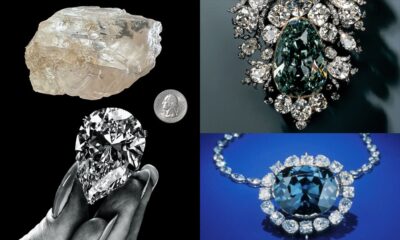
Institute Spotlights Historic Diamonds Like the Hope, Dresden Green, Winston Red, Taylor Burton, Motswedi

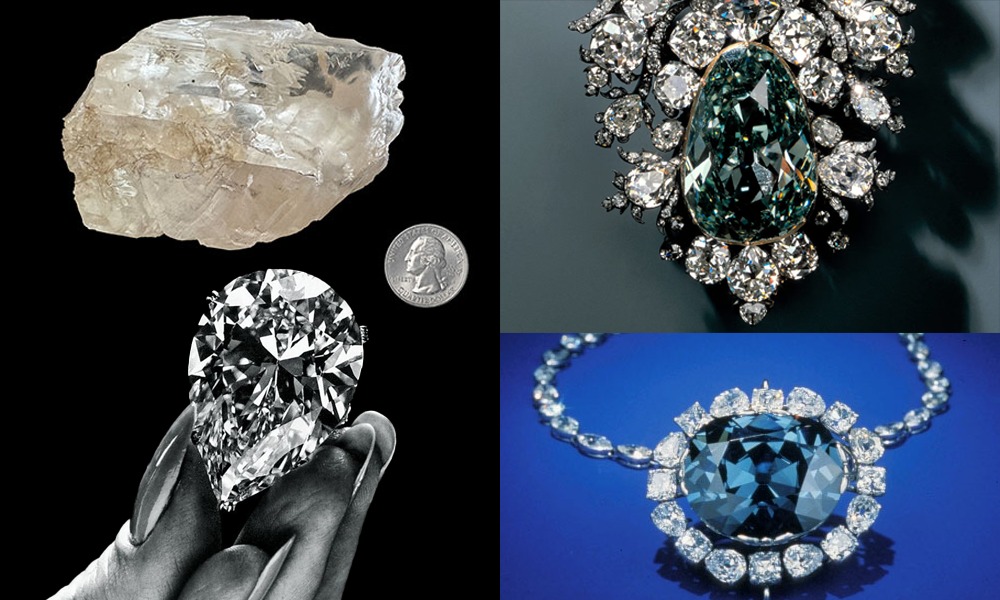
The Gemological Institute of America (GIA) marked World Diamond Day on 8th April by highlighting a selection of historically significant precious stones it has examined, underscoring their rarity, scientific importance and cultural legacy.
Below is a concise analytical breakdown of the stones and their significance from a trade, scientific, and storytelling angle:
Key diamonds highlighted
- Hope Diamond (45.52 ct, Fancy Deep greyish blue)
Traced to Golconda‑type deposits in India, this stone passed through French royalty before entering private and then museum collections, and today sits at the Smithsonian. Its combination of intense blue colour, provenance, and storied “curse” lore has made it one of the most‑recognised diamonds in the world, frequently used as a reference point in colour‑diamond marketing and exhibitions. - Dresden Green (~41 ct natural green)
The largest known natural green diamond, with an even green hue produced by natural ionising radiation in the crust. Its high purity and Saxon–European royal‑court history make it a benchmark for both rarity and the link between gemstones and political‑dynastic symbolism. - Winston Red (2.33 ct Fancy red)
A rare old‑mine‑cut Fancy red stone, of which only about 0.04% of fancy colour diamonds attain such a grade. As the only Fancy red diamond on public display, it is a key reference for dealers and collectors benchmarking the value of red‑dominant fancy colours. - Taylor‑Burton Diamond
A 68‑carat pear‑shaped D‑colour stone cut from a 240‑carat rough from South Africa’s Premier‑type deposit, later made famous by Richard Burton and Elizabeth Taylor. Its celebrity‑driven glamour elevated high‑colour‑clarity white diamonds into pop‑culture icons, reinforcing the “diamond as romance” narrative that still dominates bridal jewellery advertising. - Motswedi Diamond (2,488.32 ct rough)
Recovered in Botswana in 2024, this is the second‑largest gem‑quality diamond ever discovered and a high‑purity Type IIa crystal. Its size and purity allow scientists to study how carbon crystallises under extreme pressures deep in the Earth, making it a research‑grade specimen as well as a commercial headline‑maker. - Several stones—Hope, Dresden Green, Taylor Burton, and Winston Red—carry strong narratives of royalty, curses, Hollywood romance, and extreme rarity.
- GIA’s highlighting of these gems on World Diamond Day is a strategic blend of education and soft branding:
- It positions diamonds as objects of history and art, not just commodities.
- It reminds buyers, retailers, and media that GIA sits at the centre of authenticating and contextualising these legendary stones.gia+1
Beyond these diamonds, GIA has documented historic and royal artefacts such as the Marie Thérèse Pink diamond and the Mughal era “Mughal Spectacles,” helping to codify their gemmological and provenance data. This work reinforces its positioning as both a research institute and a preserver of the cultural heritage layer of gemmology, bridging ancient craftsmanship with modern scientific verification.



P N Gadgil Jewellers Limited – Quarterly Update Q4 FY26

Gargi by P. N. Gadgil & Sons Posts 30.27% Revenue Growth in Q4FY26

GIA Celebrates World Diamond Day Highlighting Iconic Gems

Precious Metals Rally On US-Iran Ceasefire: Gold Tops $4,850, Silver Jumps To $76
Gargi by P. N. Gadgil & Sons Posts 30.27% Revenue Growth in Q4FY26

MMTC-PAMP Launches Industry’s First Organized Silver Buyback for Coins, Bars, and Jewellery
-
 International News1 day ago
Precious Metals Rally On US-Iran Ceasefire: Gold Tops $4,850, Silver Jumps To $76
-
 National News7 hours ago
Gargi by P. N. Gadgil & Sons Posts 30.27% Revenue Growth in Q4FY26
-
 BrandBuzz1 day ago
MMTC-PAMP Launches Industry’s First Organized Silver Buyback for Coins, Bars, and Jewellery
-
 DiamondBuzz8 hours ago
GIA Celebrates World Diamond Day Highlighting Iconic Gems
