
DiamondBuzz
Alrosa expects to produce 29.7 million carats in 2025

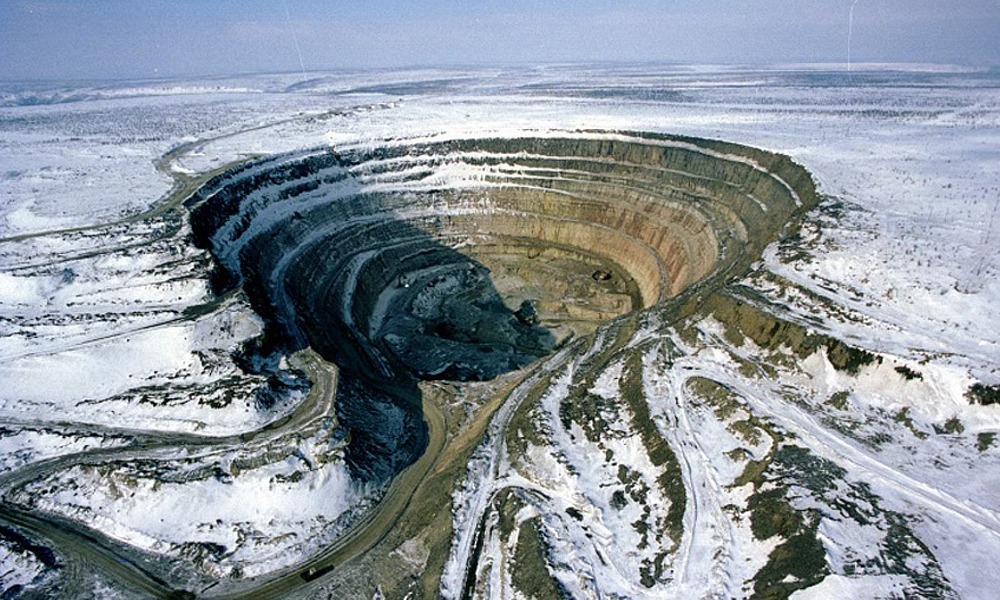
Production Performance Alrosa expects to produce 29.7 million carats in 2025, meeting its annual mining plan despite the prolonged global diamond market downturn. The Russian miner retains its position as the world’s largest diamond producer, representing approximately one-third of global output.
Financial Resilience Director General Pavel Marinychev emphasized the company’s financial stability and continued profitability while competitors face pressure from weak demand and sanctions. This positions Alrosa as an outlier in a struggling sector.
Infrastructure Development The company advanced critical projects including gasification of the Udachninsky GOK and Nakynskaya production site while maintaining social commitments in Yakutia, according to regional Head Aisen Nikolaev.
Resource Expansion Geological exploration during 2025 increased reserves at major deposits, refined resources in the Mirny area, and strengthened prospects in placer and greenfield zones. These efforts are designed to sustain operations for 25-30 years.
Long-Term Strategy Alrosa is investing heavily in underground mining to extend deposit lifespans. The Udachnaya underground project targets production through 2055, while development continues on the Mir-Deep underground mine and Jubilee pipe.
Bottom Line: Alrosa demonstrated operational consistency in a difficult year, balancing immediate production goals with long-term capacity building through infrastructure investment and resource base expansion.




DiamondBuzz
Richemont and Signet Jewelers Could Join Global Diamond Consortium In Bid For De Beers
Richemont, Signet Would Connect The Consortium To Key Global Growth Vectors Spanning Luxury High Jewelry and Mass-Market Retail.


The Global Diamond Consortium (GDC)
Richemont and Signet Jewelers are reported to be in talks about joining the Global Diamond Consortium (GDC), the preferred bidder for De Beers according to a Bloomberg News report.
GDC was selected in July 2026 as one of Anglo American’s preferred bidders for De Beers as part of Anglo American’s ongoing corporate restructuring.
The potential inclusion of Richemont—owner of luxury Maisons including Cartier and Van Cleef & Arpels—and Signet Jewelers—the world’s largest retailer of diamond jewelry, operating brands such as Kay Jewelers, Zales, and Jared—would connect the consortium to key global growth vectors spanning luxury high jewelry and mass-market retail.
Strengthening the Natural Diamond Ecosystem: Participation by major luxury brands and global retail leaders reinforces commitment across the entire value chain—from responsible mining and manufacturing to consumer engagement.
Balanced Governance Structure: Discussions center on potential minority equity positions that would support long-term category growth while maintaining appropriate separation between ownership and commercial strategy.
Broad Stakeholder Participation: The consortium continues to advance talks with host governments, including discussions with the Government of Botswana regarding a potential increase in its equity share in De Beers from 15% to approximately 25%, alongside participation from private investors and southern African host nations.
Discussions between GDC, Richemont, Signet, and participating government stakeholders remain ongoing. Terms of any potential participation, including the size of equity interests, have not been finalized and remain subject to regulatory approvals and definitive documentation.



NPCI Defers Rollout Of UPI Merchant Discount Rate Until After Diwali

Mutual Engagement Ring-Wearing On The Rise, Insurance Lagging: Jewelers Mutual Group 2026 Engagement Ring Study

GJEPC Partners With The Leela To Offer Exclusive Hospitality Benefits To Members
-
 National News3 hours ago
GJEPC Partners With The Leela To Offer Exclusive Hospitality Benefits To Members
-

 JB Insights3 hours ago
CIBIL Score Plays A Key Role In Festive Financing
-

 DiamondBuzz3 hours ago
Richemont and Signet Jewelers Could Join Global Diamond Consortium In Bid For De Beers
-

 National News3 hours ago
MCX Gold, Silver Surge Ahead On US Inflation Data, Crude Price Dip
