
JB Insights
ASHTH : The LGD Revolution Redefining Luxury
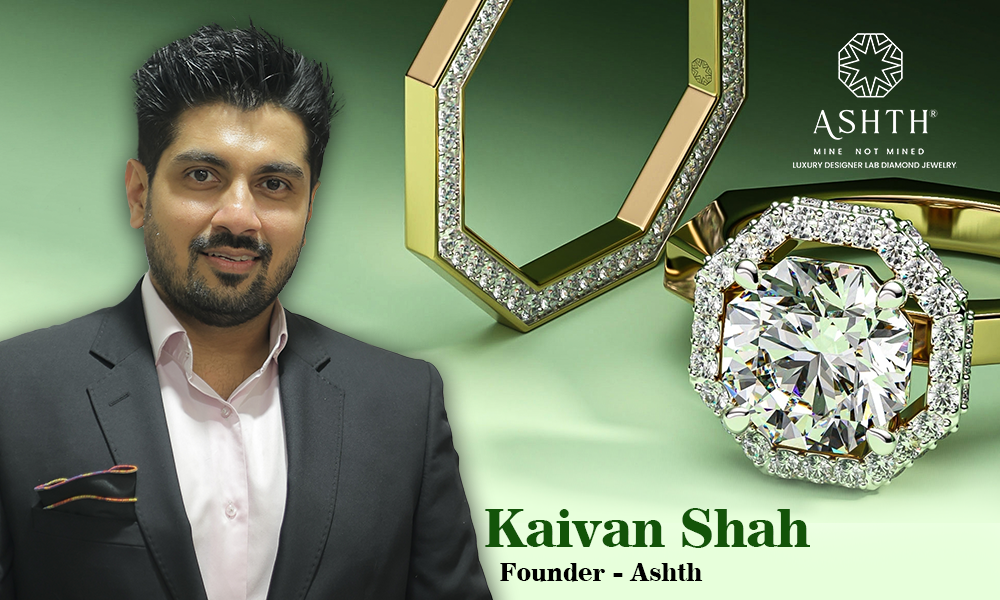
In a candid conversation with JewelBuzz, Kaivan Shah, founder of luxury LGD brand Ashth, reveals how the lab-grown diamond sector is fundamentally reshaping consumer behavior, pricing dynamics, and India’s global positioning in the jewelry market.

The New Luxury Paradigm
Kaivan challenges conventional wisdom about luxury, arguing that the industry is experiencing a tectonic shift from scarcity-based value to design-driven premiumization. “Old luxury was scarcity. New luxury is all about the new designs,” he states. “Diamond is just a medium to the artistry that we bring.”
This philosophical repositioning has significant business implications. Rather than competing on exclusivity or natural origin, lab-grown diamond brands are staking their competitive advantage on craftsmanship, innovation, and emotional resonance with consumers.
Debunking the Affordability Myth
One of the most striking revelations concerns market segmentation. Industry observers have long characterized lab-grown diamonds as products for lower-income consumers. Kaivan dismantles this narrative entirely.
“Billionaires are the first ones to actually shift themselves to the lab-grown industry,” he asserts, citing value-consciousness rather than affordability constraints as the driver. The democratization of access—where both billionaires and middle-class consumers purchase lab-grown jewelry—signals a fundamental market maturation beyond price-point positioning.
This cross-spectrum adoption validates lab-grown diamonds as a mainstream category rather than a budget alternative, with profound implications for marketing strategies and retail positioning.
The Gen Z Value Proposition
Consumer behavior analysis reveals generational fault lines. Kaivan identifies Gen Z buyers as “even more aware about the ethics, where the thing is coming from, where the diamond is sourced.” This group eschews jewelry as social signaling—a departure from previous generations who selected pieces to demonstrate status.
Instead, modern consumers prioritize personal alignment and ethical considerations. They recognize diamonds as non-investment purchases where “the only people who are making money are the person selling the diamonds, not the one who’s purchasing.”
This sophisticated buyer understanding eliminates the investment mystique that historically supported natural diamond pricing premiums, creating headwinds for traditional players while accelerating lab-grown adoption.
Design Innovation as Competitive Moat
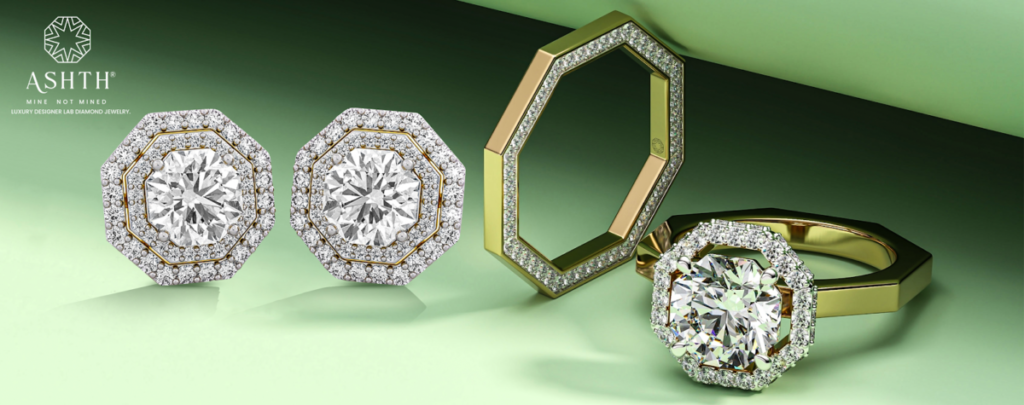
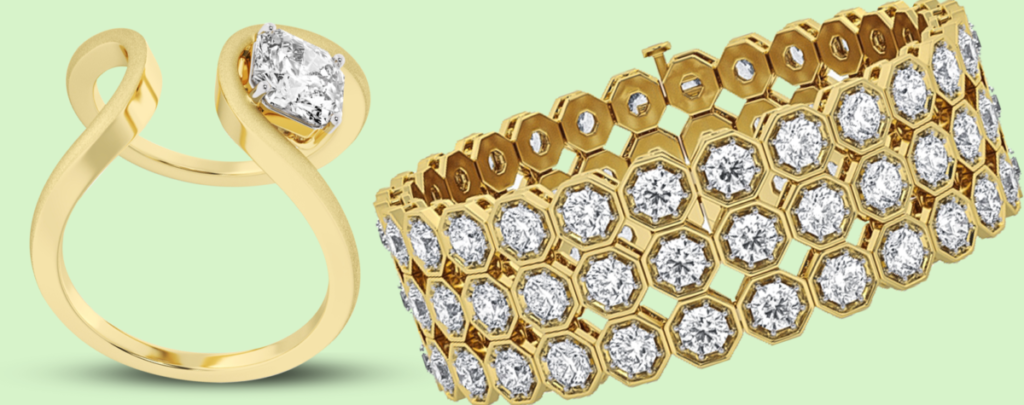
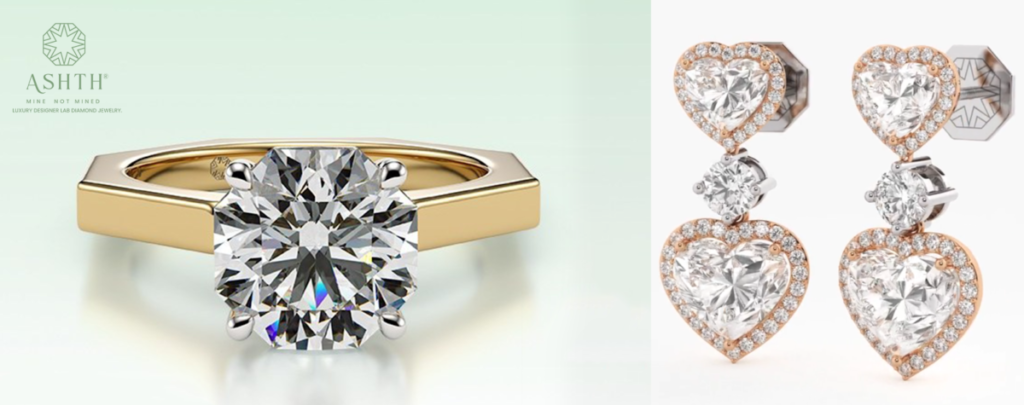
Kaivan’s product showcase illustrates how lower price points enable unprecedented design experimentation. Examples include:
- A 97-facet signature “Ashth cut” ring representing proprietary intellectual property
- Detachable earrings offering multiple wearing configurations
- Rose-cut pieces with black rhodium finishes for cocktail wear
- Solitaire-within-solitaire conceptual designs
The affordability of larger lab-grown stones permits design complexity previously economically unfeasible with mined diamonds. This creates differentiation opportunities beyond the commodity characteristics of the stones themselves.
India’s Strategic Opportunity
Perhaps the most ambitious claim addresses India’s global positioning. Kaivan argues that India possesses the cultural richness, craftsmanship heritage, and manufacturing scale to become “the design capital of the world” in jewelry.
“We are not here just as laborers to cut the diamonds. We are here to define these diamonds and make India the capital of designing—have a Cartier, Tiffany at that level,” he contends.
This vision requires transcending India’s historical role as a low-cost manufacturing hub to establish premium design houses with global brand equity. The lab-grown sector, with its rapid growth trajectory and Indian manufacturing dominance, provides the platform for this repositioning.
Market Maturation Imperatives
Kaivan issues a call to action for industry consolidation: “It’s time we make it a little more organized. It’s time we let the world know the capabilities that we all as a combined unit bring as a force together.”
This recognition of fragmentation challenges suggests the sector remains in early-stage development despite rapid growth. Organizational maturity, collective marketing, and unified quality standards will determine whether lab-grown diamonds achieve sustained premium positioning or commoditize into a race-to-the-bottom price war.
Strategic Implications
For industry stakeholders, several strategic priorities emerge:
For Established Jewelers: The threat extends beyond pricing to fundamental value propositions. Scarcity messaging appears increasingly obsolete with value-conscious, ethically-minded consumers. Design excellence and brand storytelling become critical differentiators.
For Lab-Grown Entrants: First-mover advantages in design innovation and premium positioning remain available, but industry fragmentation poses risks. Collective action on standards and marketing may determine category-level success.
For Investors: The cross-demographic adoption pattern and manufacturing scale in India present growth opportunities, though market organization and brand differentiation will separate winners from casualties in an inevitably consolidating sector.
For Policy Makers: Supporting India’s transition from manufacturing commodity to design leadership requires investments in design education, intellectual property protection, and global brand development infrastructure.
Conclusion
The lab-grown diamond sector represents more than technological disruption or pricing arbitrage. It embodies a fundamental reconceptualization of luxury—from exclusivity to accessibility, from scarcity to creativity, from social signaling to personal expression.
Whether this revolution elevates India to global design leadership or fragments into commoditization depends on the industry’s ability to organize, innovate, and articulate a compelling value proposition beyond price. The tools are available; execution will determine outcomes.


JB Insights
Devotion, Heritage & Diversification: The defining trends of SSI Delhi’s 3rd Edition
From sacred artistry to lifestyle-driven expansion, how top exhibitors bridged timeless tradition with modern market demand.

Spirituality as a design anchor
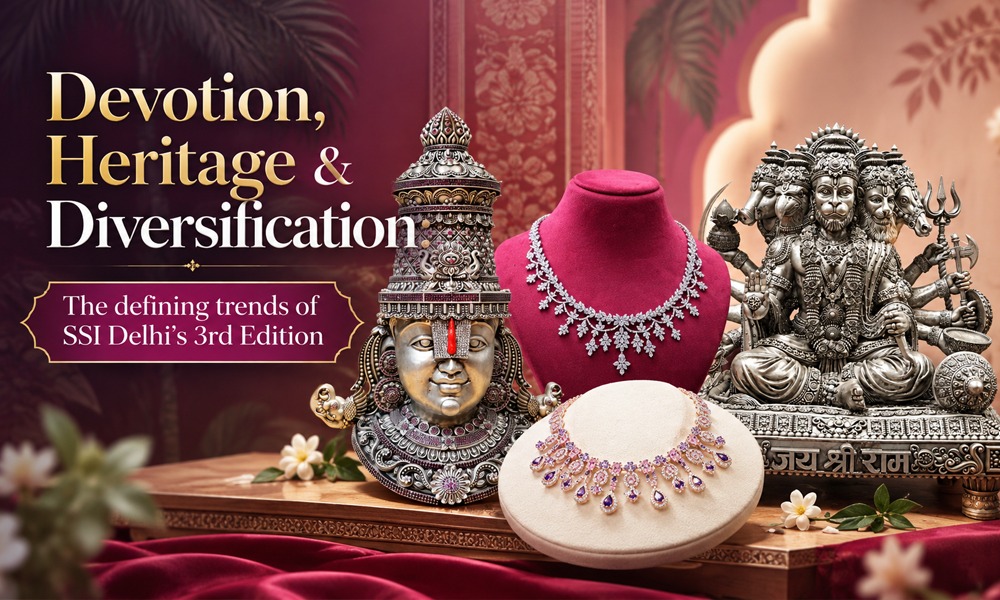
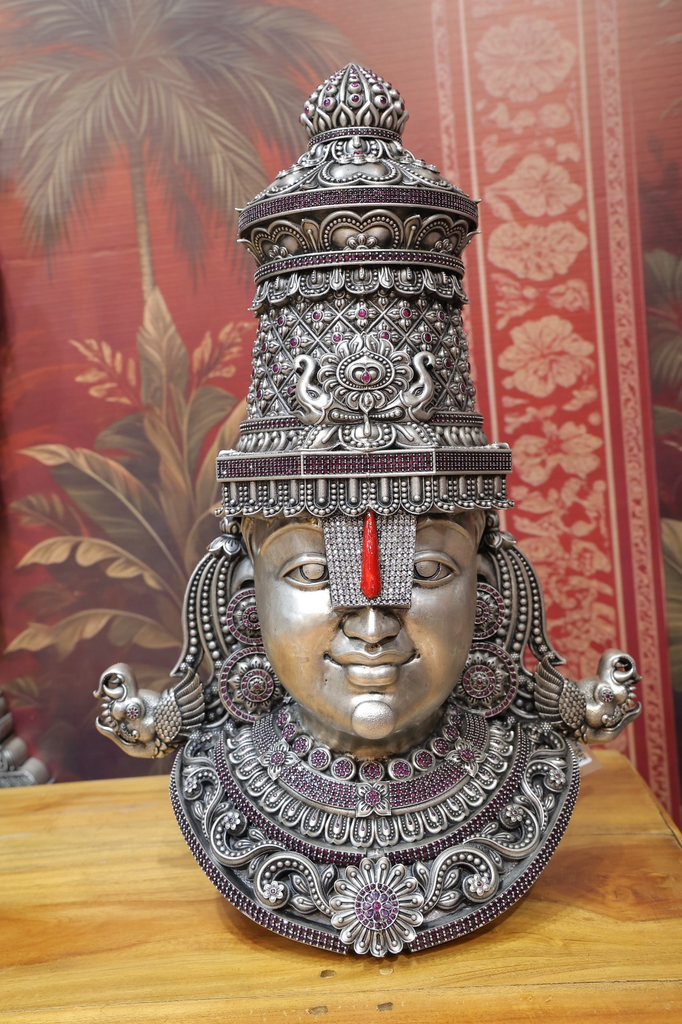
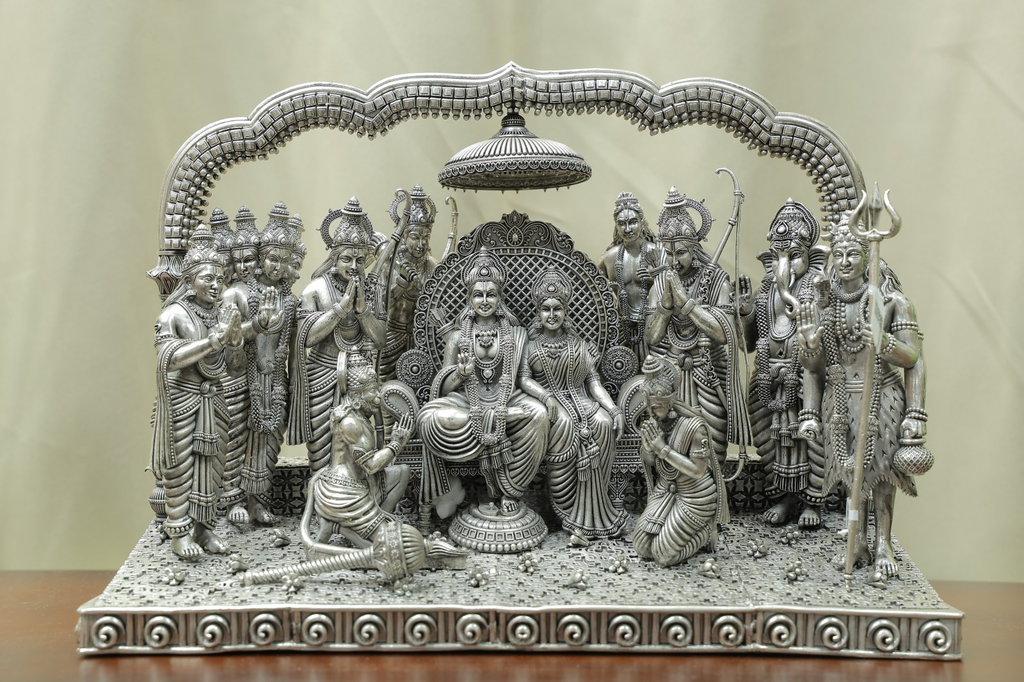
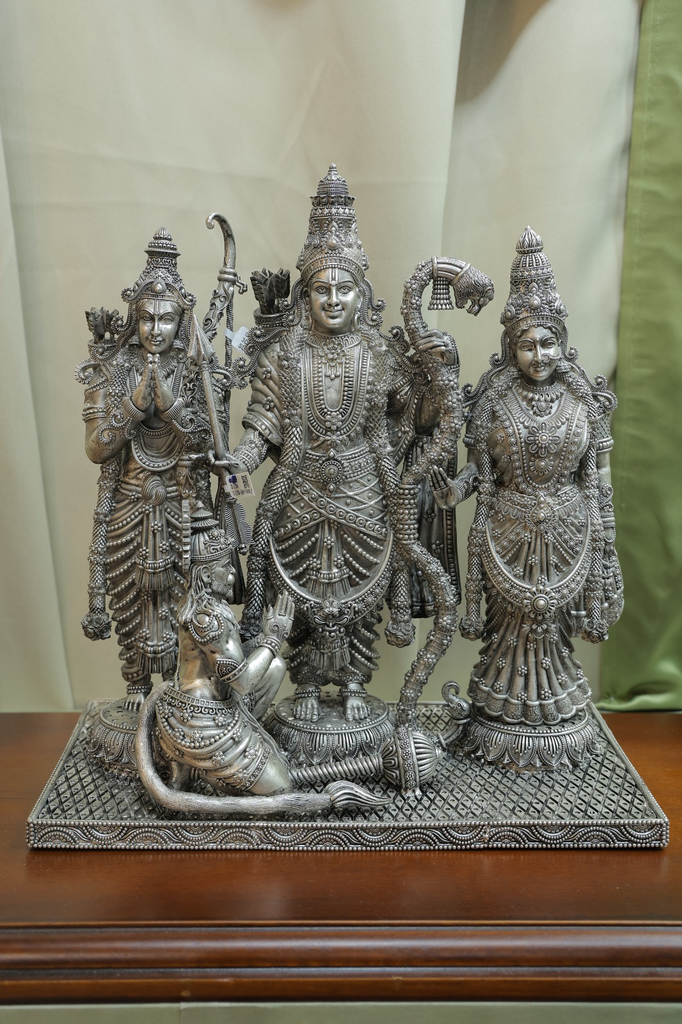
Devotional and spiritual artistry emerged as the single strongest thread of the show. Ricchezza’s Idols Collection, SILORA’s Shrinathji timepiece, Purple Jewels’ Balaji idols and Shiva Lingam, and Anmol Jewellers’ extensive range of silver and gold idols (Vishwarupa, Panchmukhi Hanuman, Ram Parivaar, and more) together show that sacred and devotional pieces are no longer a niche category but a mainstream, premium-positioned offering across exhibitors.
Antique, oxidized and heritage finishes
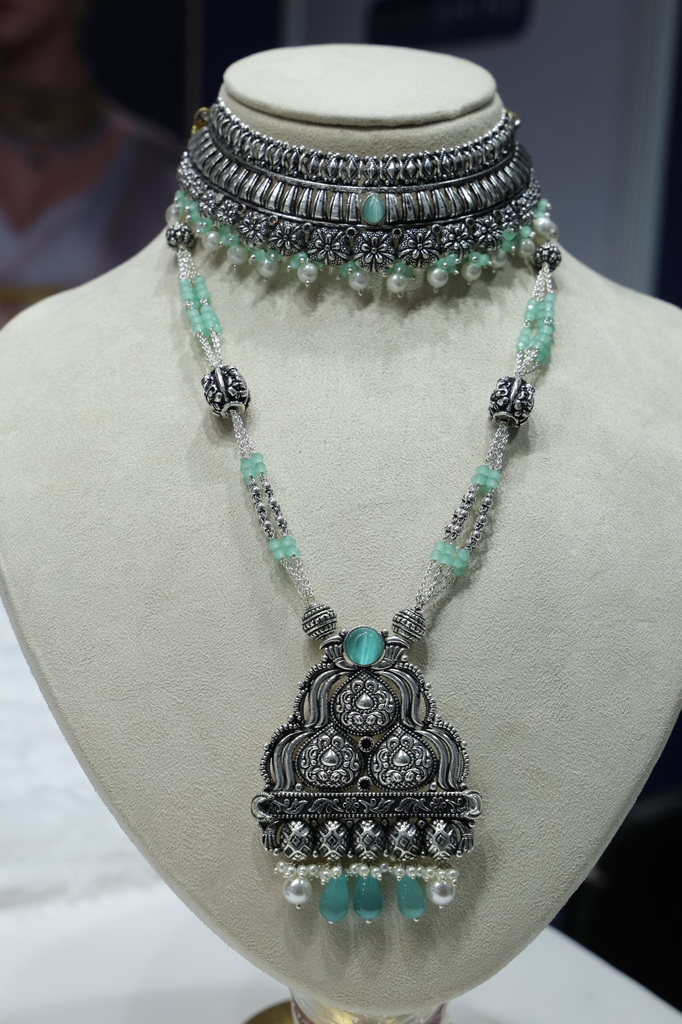
SILORA’s glorious Antique Finish Collection and Oxidized Silver Jewellery reflect a broader pull toward deep patina, folk-tribal textures, and traditional Indian artistry — a counterpoint to high-polish contemporary pieces and a signal that heritage aesthetics remain commercially strong.
Rose gold’s continued momentum
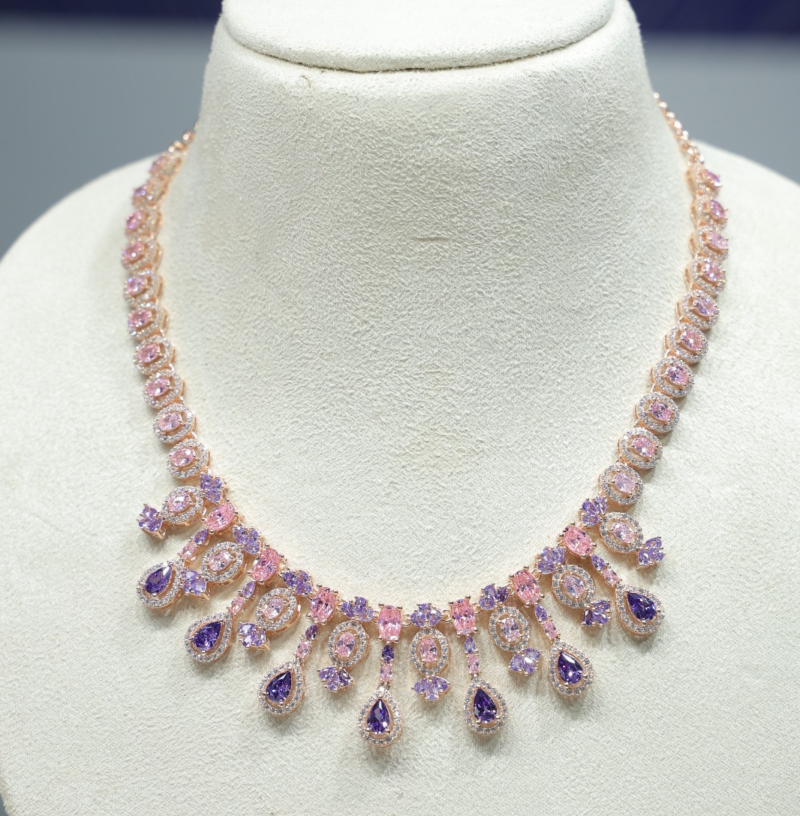
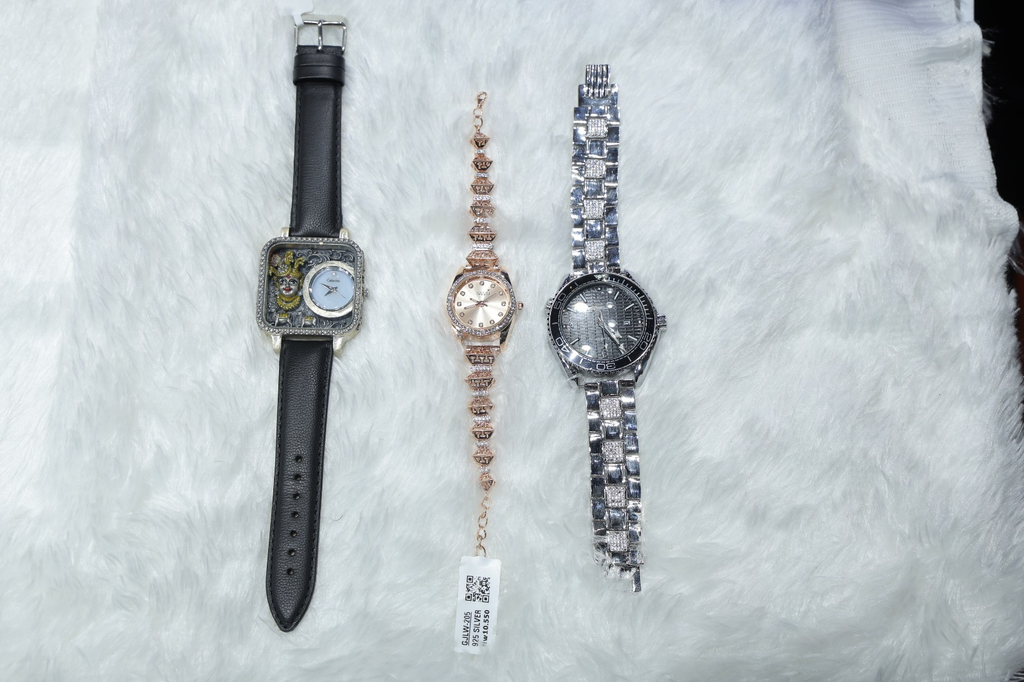
Rose gold surfaced across multiple product types — not just jewellery but also timepieces — as seen in SILORA’s Luxe Rose Gold Finish Jewellery and rose-gold-finished watches, reinforcing its position as a staple modern finish rather than a passing trend.
Category expansion beyond traditional jewellery
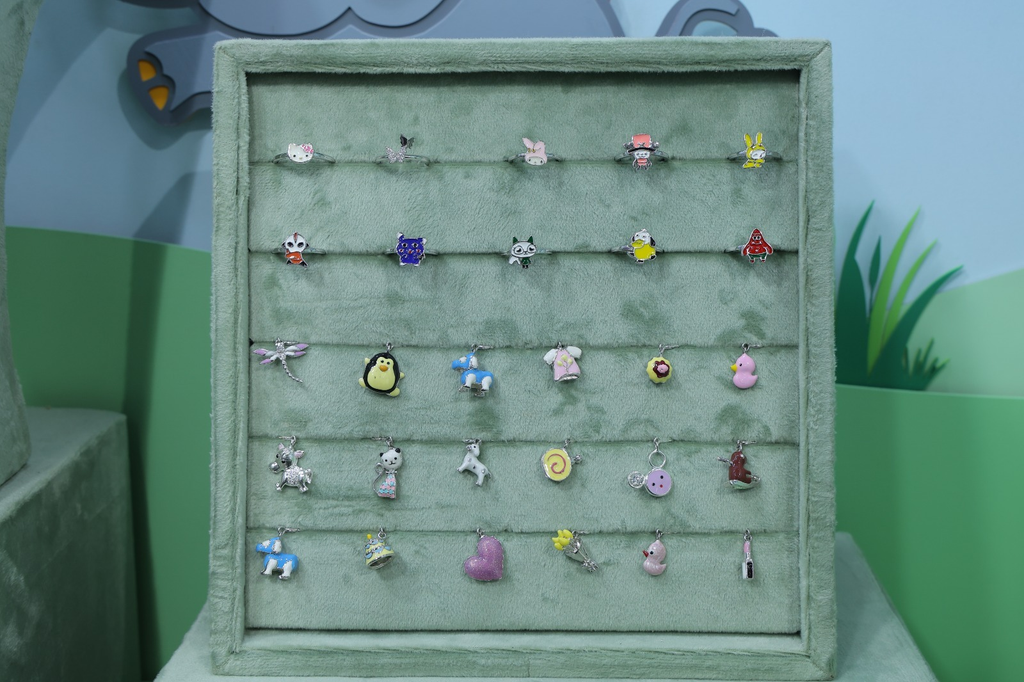
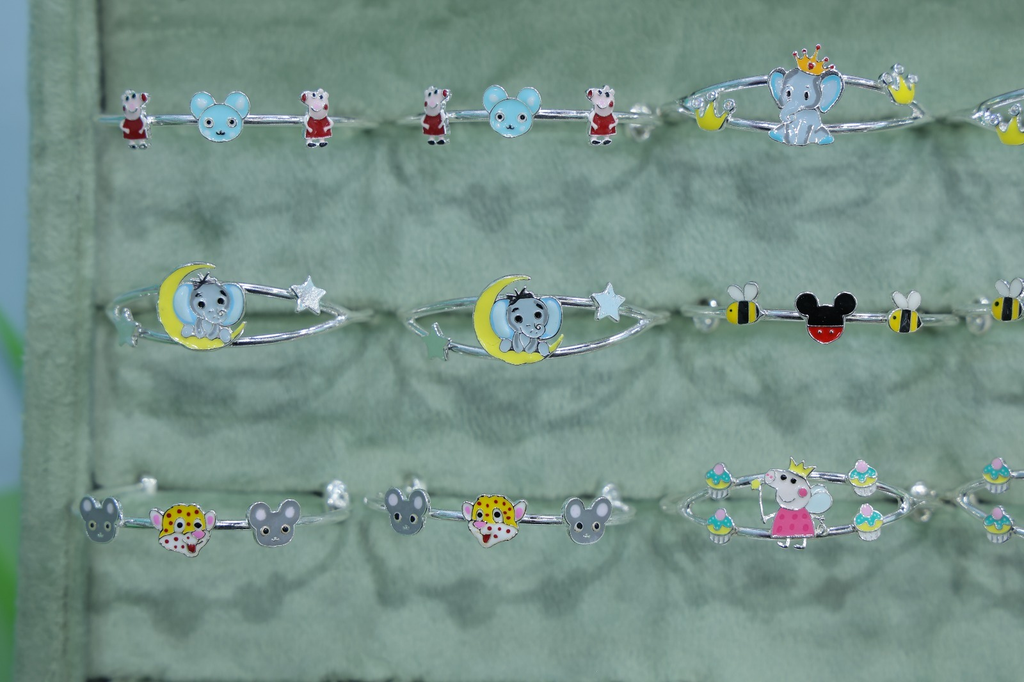
Exhibitors are widening their range beyond rings, chains, and bangles. Ricchezza’s Anamitra line targets infants, while SILORA’s Exclusive Timepieces extend a jewellery brand into horology — both pointing to lifestyle-driven diversification as a growth strategy.
Gender-Specific Design Lines
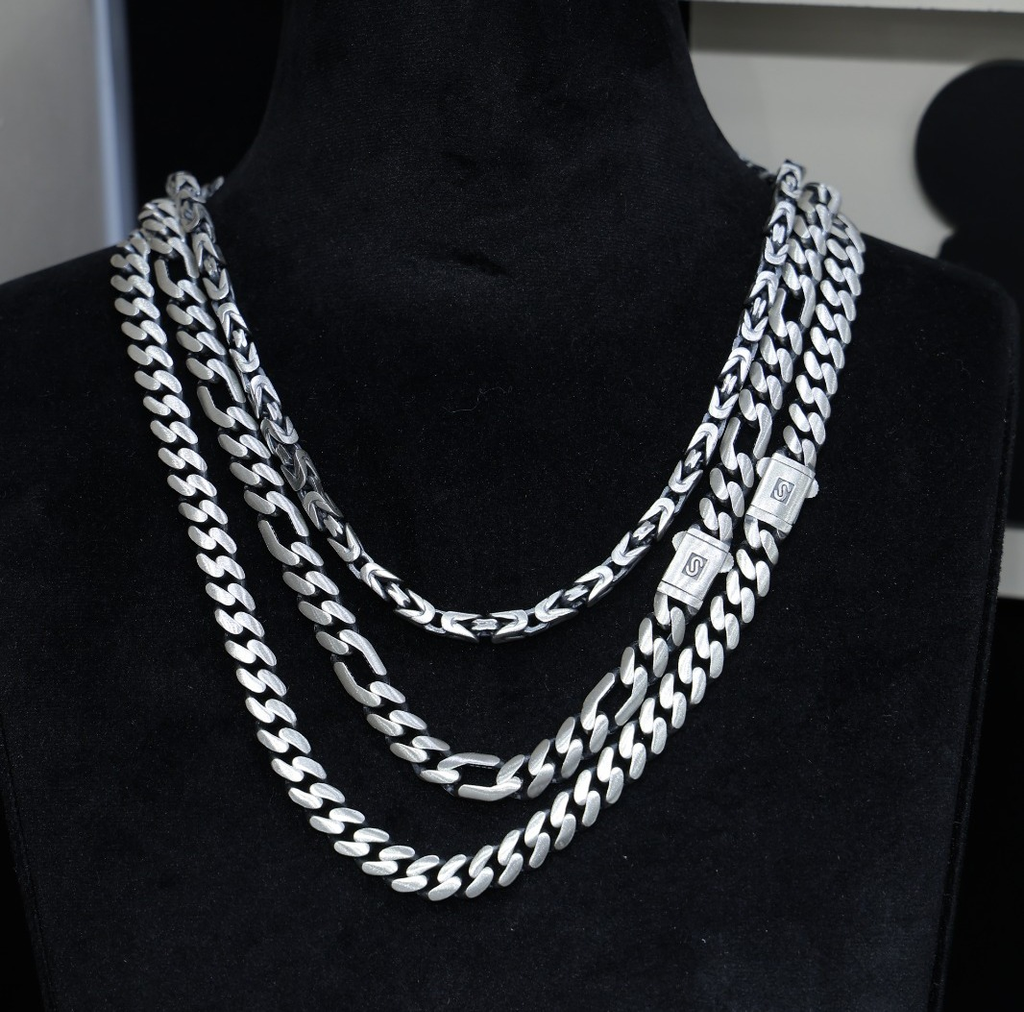
Distinct masculine and feminine lines were a notable feature, exemplified by Ricchezza’s Cuban Collection (bold, masculine) alongside Tixty (chic, feminine) — indicating that targeted, gender-specific collections continue to be a deliberate merchandising strategy rather than a one-size-fits-all approach.
Mastery in Silver Artefacts and Idols
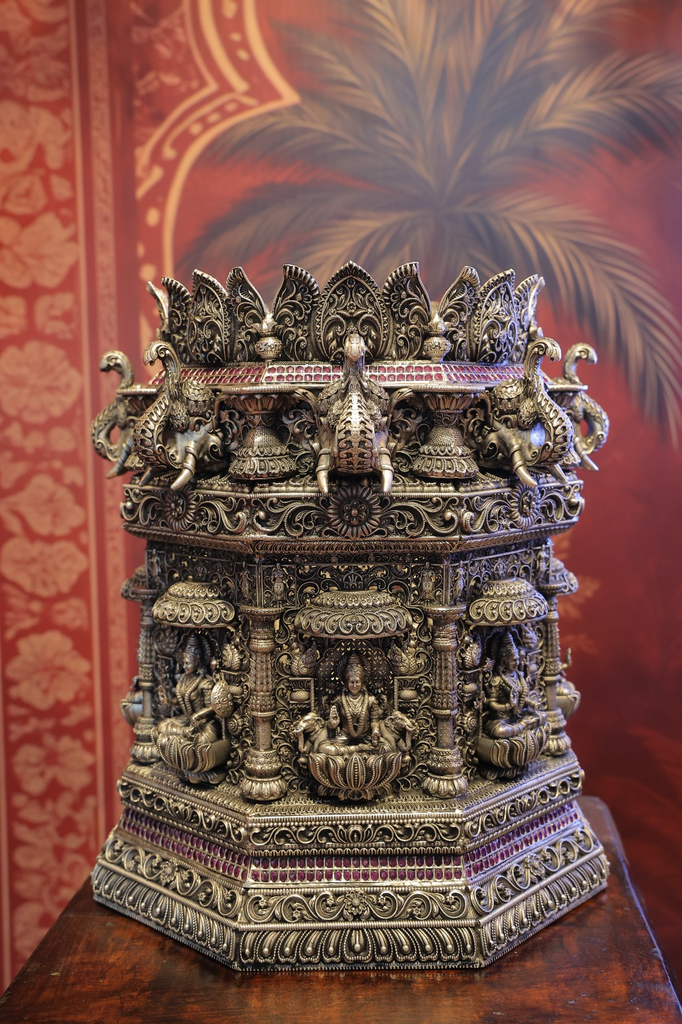
Both Purple Jewels and Anmol Jewellers demonstrated the depth of skill in silver idol-making, from the Saptashwa Vase’s mythological detailing to the technical complexity of Vishwarupa and Panchmukhi Hanuman forms, underscoring silver artefacts as a distinct and thriving craft category alongside wearable jewellery.
Balancing tradition and modernity
Taken together, the exhibitors at the 3rd edition of SSI Delhi painted a picture of an industry balancing tradition and modernity — where antique finishes and devotional artistry sit comfortably alongside rose gold sophistication, gender-targeted lines, and category extensions such as infant jewellery and timepieces. This blend of heritage craftsmanship and contemporary lifestyle relevance appears to be the defining character of the show.


-

 International News2 minutes ago
De Beers Assumes 100% Control Of Gahcho Kué Diamond Mine
-

 New Premises3 hours ago
Malabar Gold & Diamonds Opens Its Second-Biggest Showroom In Goa
-
 National News9 minutes ago
Tanvi Exports Files DRHP For Proposed IPO
-

 National News18 minutes ago
Indian Gold, Silver Prices Edge Upward
