
JB Insights
Zen Diamond’s design sensibilities and craftsmanship are perfectly suited for the young Indian consumer


Neil Sonawala, MD- Zen Diamond India, speaking to JewelBuzz explains that Zen Diamond enters India at a time of economic growth and rising aspirations, targeting young, globally aware consumers. He underscores the fact that Zen Diamond’s design sensibilities and craftsmanship are perfectly suited for the young Indian consumer .Confident in India’s growth potential, Neil Sonavala urges the trade to remain positive despite global challenges.

Zen Diamond is an international brand. Why enter India now?
India is at a key inflection point. The economy is growing, the consumers are young and aspirational, and they are exposed to global trends. Indians today travel widely, seek international designs, and expect a high level of customer service. Zen Diamond’s design sensibilities and craftsmanship are perfectly suited for the young Indian consumer, which made this the right time for our entry.
What differentiates Zen Diamond in terms of product design and retail innovation?
- Global Design Access – We work with top designers, especially from Europe, giving us a vast pool of concepts that appeal to customers worldwide.
- High-Quality Craftsmanship – Our finishing levels match the highest international standards.
- Distribution Network – We are building a strong presence in India, starting with key cities and prime retail locations.
Jewellery design is now globalised; what works in one market often works in others. This helps us bring relevant designs to India while maintaining a strong global identity.

Tell us about your entry and expansion strategy in India.
We started in Mumbai last year, choosing prime locations. Our first store is at Turner Road, Bandra – a top jewellery hub – followed by Sky City Mall in Borivali. Two stores in Bangalore are next, located in premium malls. We will then look at North India and later tier-2 cities. The focus is on high-visibility locations before scaling further.
What’s your branding, marketing, and promotion strategy?
Today’s consumers are digital-savvy. We’re focusing heavily on social media marketing via Instagram and Facebook, supported by PR activities and collaborations.
- We will soon launch our e-commerce platform.
- We have partnered with Pernia’s Pop-Up Shop for shop-in-shop formats in cities like Delhi, Hyderabad, and Mumbai.
- Initially, we will expand to 10–20 stores using our own strategy, after which we will also explore franchising.
Is there still strong appetite for natural diamonds among Indian consumers?
Absolutely. We are at a starting point here, and consumers remain keen on buying natural diamond jewellery. For the young generation, it’s more about design, in-store experience, and service rather than choosing between gold or diamond. If the design resonates, they go for it.
How is the diamond industry performing globally post-pandemic?
Post-COVID, there was a sales boom, followed by a slowdown—mainly due to economic factors like US interest rate hikes and China’s slowdown, not because of lab-grown diamonds.India is now the second-largest diamond jewellery market in the world (though from a smaller base) and has huge growth potential.Markets like China grew from India’s current size to four times bigger in 15 years. India can follow a similar path, leading to a boom in consumerism and stronger distribution networks enabling brands like Zen Diamond to reach consumers more effectively.
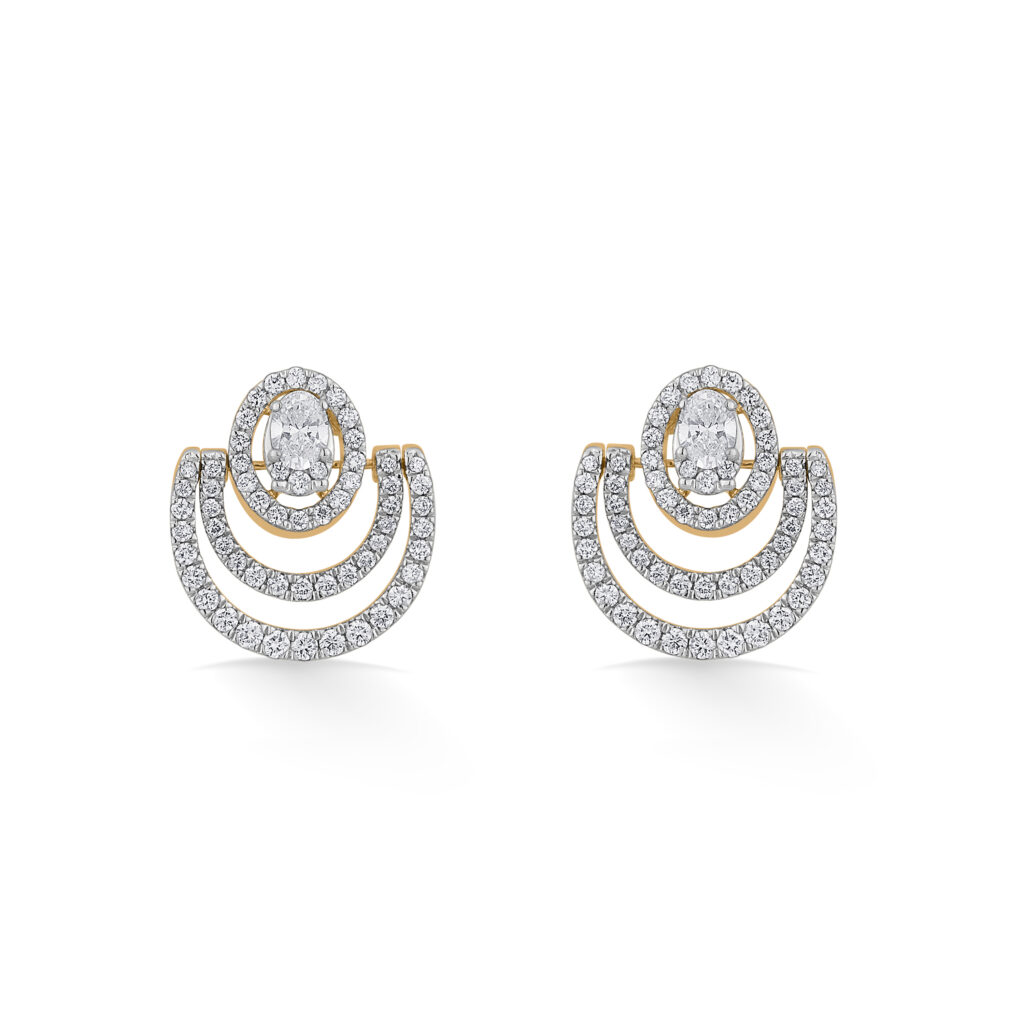
Your perspective on the natural vs. lab-grown diamond debate?
- Lab-grown diamond prices are falling, while natural diamonds have largely stabilised after correction.
- I see lab-grown diamonds moving into fashion and lifestyle categories beyond jewellery—like accessories, clothing, or even footwear.
- Both will coexist. Lab-grown offers an earlier entry point for younger consumers into the diamond world, while natural diamonds remain a long-term symbol of rarity, value, and heritage.
Does the jewellery sector face competition from travel and electronics?
Yes, consumers spend on holidays and gadgets, but jewellery still holds emotional and personal value. Trends have shifted towards smaller, everyday wear pieces instead of large sets. We cater to this with designs for daily wear, evening wear, and gifting, along with accessories like perfumes, ties, and pens.
How important is affordability in your India strategy?
Very important. Affordable luxury and “silent luxury” are key parts of our positioning here.
The industry is facing global challenges—tariffs, geopolitics, changing preferences. What’s your advice to the Indian diamond trade?
- Don’t panic or become overly pessimistic. Challenges are temporary.
- India’s diamond market will grow rapidly in the next 5–10 years.
- We must stay mindful, positive, and forward-looking.
- Global markets like the US will rebound, and India will continue to rise as a major consumer market.




JB Insights
US Holiday Sales Will See 5.5% Growth For 2026 : Mastercard Economics Institute
This Resilience Reflects A Robust Labor Market, Rising Household Wealth, and Broad-Based Consumer Demand Across Income Cohorts. Overall, The 2026 Holiday Season Showcases An Adaptable U.S. Consumer Using Digital and AI Tools To Maximize Value While Continuing To Drive Broader Economic Momentum.

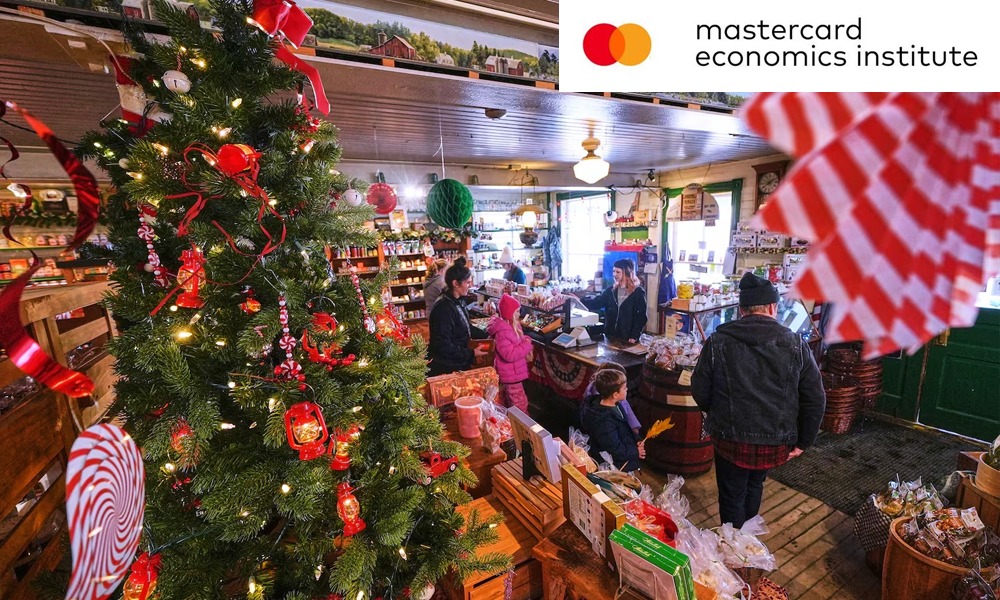
The Mastercard Economics Institute (MEI) forecasts a strong 2026 U.S. holiday shopping season (November 1–December 24), projecting retail sales excluding gas and autos to grow 5.5% year-over-year (YoY). This resilience reflects a robust labor market, rising household wealth, and broad-based consumer demand across income cohorts.
Key Drivers and Growth Channels
- Channel Performance: E-commerce continues to lead with an expected 11% YoY growth, but in-store sales are set to grow 3.6%—their strongest pace since 2022. This highlights the critical role of omnichannel strategies.
- Inflation Dynamics: Inflation accounts for 2.8 percentage points of the total 5.5% growth. Unlike last year’s tariff pressures, current price increases are driven by elevated energy/diesel costs and the massive AI infrastructure buildout.
- Calendar Shifts: A late Thanksgiving compresses the shopping window, pushing retailers toward early promotions. Additionally, Cyber Monday falling in November will shift significant online volume into the month.
The Role of Artificial Intelligence
AI is reshaping both prices and consumer behavior:
- Tech Inflation: High demand for memory chips and data infrastructure components has driven a 12.2% YoY increase in prices for info-processing equipment. Consequently, the consumer electronics category is projected to post outsized nominal sales growth (+10.7% YoY).
- AI Power Users: Consumers with paid AI subscriptions demonstrate distinct “optimization” habits. Data shows these users plan early, shop across a wider variety of boutique and specialty merchants, and aggressively target promotions during Thanksgiving weekend before transitioning to experience and hospitality spending in December.
Last-Minute Shopping Behavior
The final rush to Christmas offers key operational insights for retailers:
- In-Person and Malls: The final week before Christmas sees heavy physical store foot traffic, especially in enclosed shopping malls where consumers can complete multi-category purchases. Climate also plays a role: warmer-state residents (e.g., Florida, Nevada) are far more likely to make last-minute in-store runs than those in colder states.
- Transaction Value Trends: Average order values for children’s items peak near Black Friday, while premium categories—such as jewelry, cosmetics, luxury handbags, and department stores—see transaction values climb steadily from December 15, peaking on Christmas Eve as procrastinating shoppers pay a premium for convenience.
AI tools lower search costs for consumers, making price transparency higher than ever. Retailers must capture early November demand through targeted promotions before comparison tools push shoppers toward alternative or boutique brands.
Last-minute shoppers are price-inelastic and seeking speed. Malls and physical stores should maximize inventory for high-margin, rush-gift items (jewelry, cosmetics, designer goods, gift cards) in the final 10 days, leveraging store availability over promotional discounting.
Overall, the 2026 holiday season showcases an adaptable U.S. consumer using digital and AI tools to maximize value while continuing to drive broader economic momentum.



Kangana Ranaut Unveils PNG Jewellers New Showroom In Ayodhya~

GGJS 2026 Concludes With High-Volume Trade and Strategic Focus On Next-Gen Leadership

The Solitaire Festival Of India Concludes; Bumper Prize Winner At Ranka Jewellers Wins XUV 7XO
GGJS 2026 Concludes With High-Volume Trade and Strategic Focus On Next-Gen Leadership

ABARAN Commemorates The 125th Birth Anniversary Of Founder Shri Burde Sadananda Kamath With Special Gold Coin Launch

MCX Gold Silver Futures See Dip
-
 National News2 hours ago
GGJS 2026 Concludes With High-Volume Trade and Strategic Focus On Next-Gen Leadership
-
 National News6 hours ago
ABARAN Commemorates The 125th Birth Anniversary Of Founder Shri Burde Sadananda Kamath With Special Gold Coin Launch
-
 National News6 hours ago
MCX Gold Silver Futures See Dip
-
 National News3 days ago
P N Gadgil Jewellers Limited – Quarterly Update Q2FY27
