
JB Insights
SILVER SHOW OF INDIA: A Revolutionary Platform Empowering India’s Silver Manufacturing and Retail Ecosystem

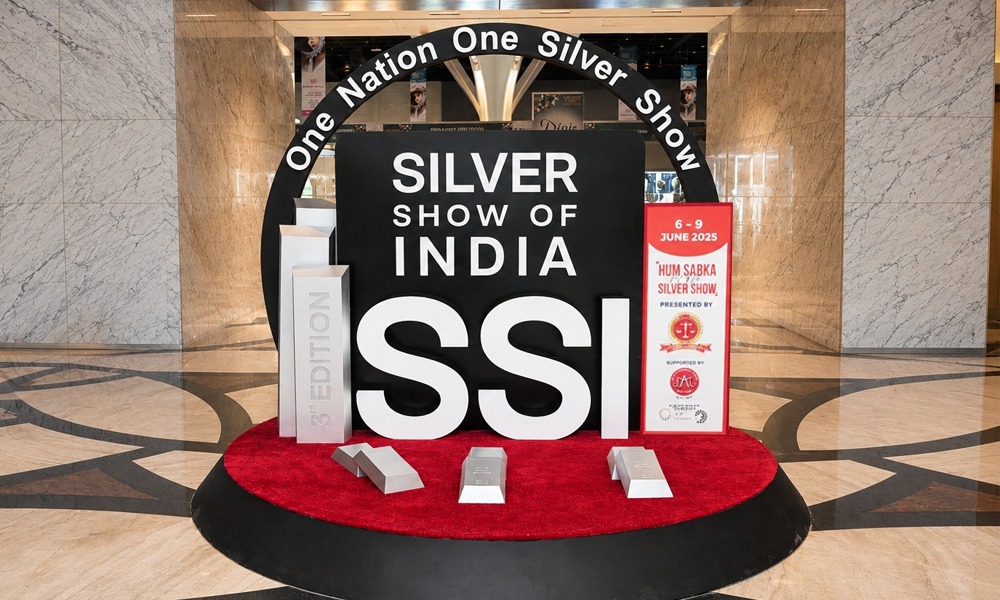
Historically, India’s silver jewellery manufacturers operated on the periphery of the major trade exhibition circuit. Despite their rich craftsmanship, they lacked a dedicated, high-profile national stage. To bridge this gap, GES India Incorporated launched the Silver Show of India (SSI) in June 2022. Designed as a structured response to a long-standing industry demand, SSI has rapidly evolved from a foundational spark into one of the country’s most consequential specialized jewellery trade exhibitions.
From Regional Roots to a Pan-India Powerhouse
The trajectory of SSI reflects a story of deliberate, strategic scaling:
- The Bangalore Beginnings : The inaugural show drew 74 participants, a number that nearly doubled to 133 by the second edition in December 2022, signaling growing trade acceptance.
- The Mumbai Strategic Pivot : Moving the exhibition to the premium Jio World Convention Centre in Mumbai was a deliberate move to elevate silver to the same status as fine gold and diamond jewellery. The June 2023 edition validated this choice, drawing 173 companies, 435 stalls, and a record 10,800 trade visitors, transforming SSI into a truly pan-India platform.
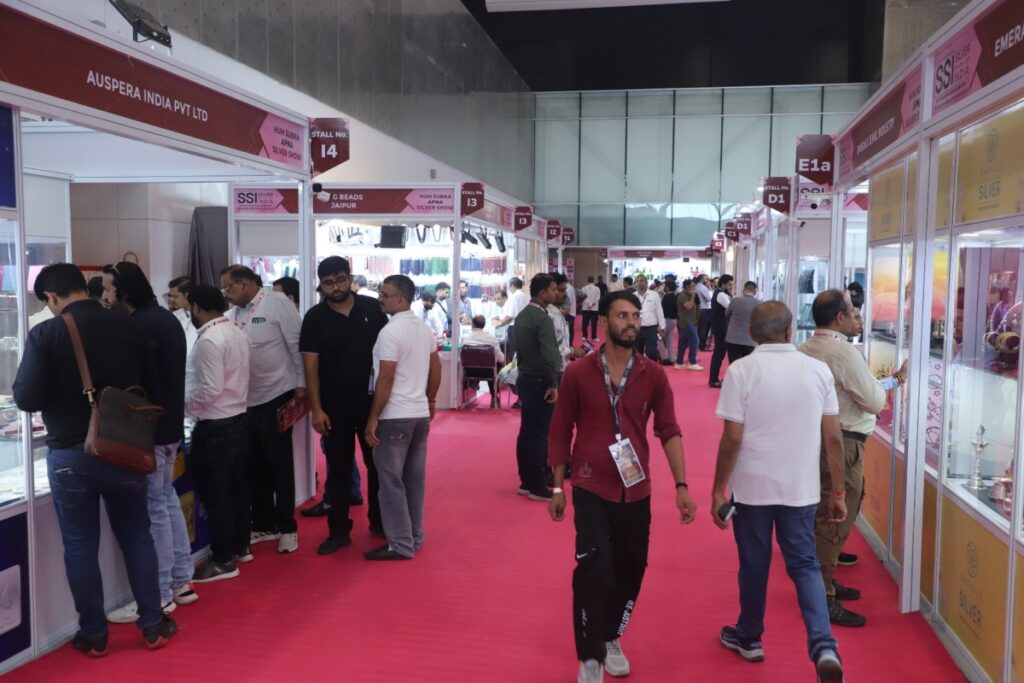
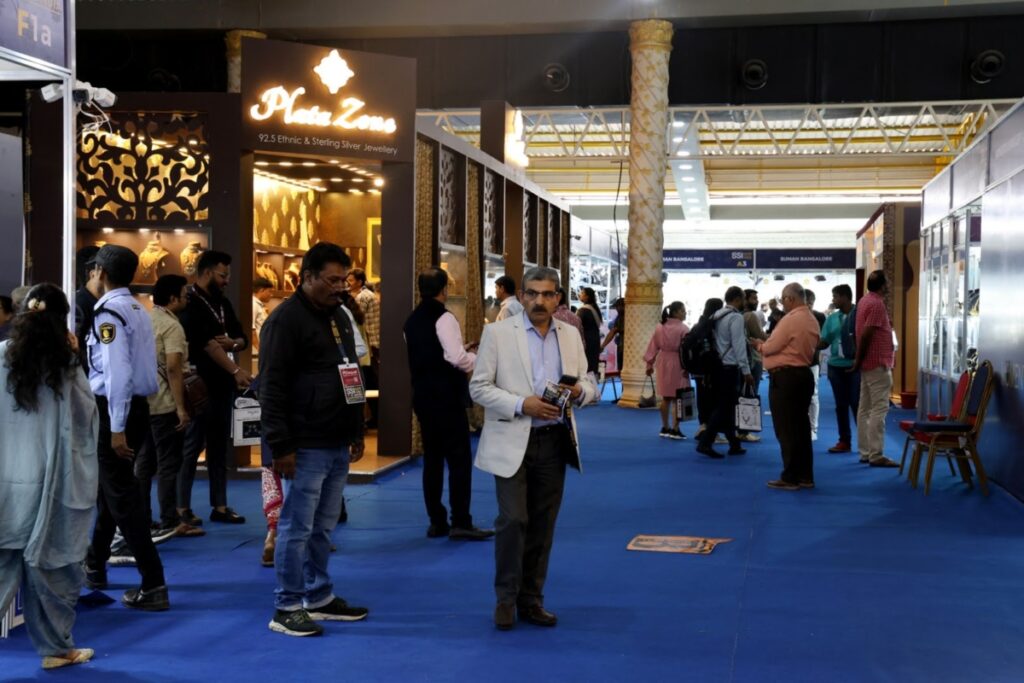
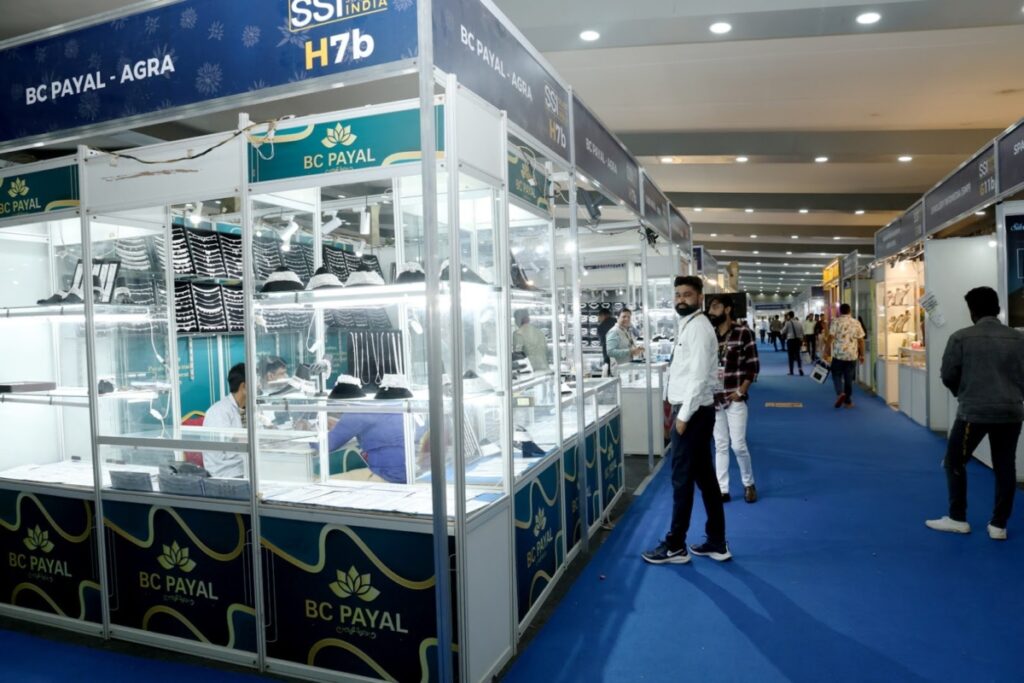
- SSI Mumbai 4th Edition at JWCC features over 495 exhibiting companies across 1400 stalls, spanning 150,000 sq ft.
Institutional Backing and Strategic Alliances
SSI’s industry credibility is heavily reinforced by partnerships with premier trade bodies. The IBJA has been a steadfast national partner in elevating the Mumbai show’s stature. Crucially, SSI has secured the formal alignment of major trade associations from Agra , Rajkot and major silver hubs—bringing invaluable community networks, authenticity, and trade clout to the platform.
Extensive Marketing and Global Footprint
The organizers executed an aggressive, door-to-door outreach campaign encompassing over 500 districts across India, targeting markets frequently overlooked by larger trade bodies. This is supported by deep digital engagement across LinkedIn, WhatsApp, and specialized trade networks. Internationally, the show is drawing buyers from Nepal, Malaysia, Thailand, and the USA. To cater to a premium audience, the organizers have integrated a curated buyer-engagement model, hosting buyers with 1,000 room nights at luxury hotels like Sofitel and Trident.
Market Impact and Future Outlook
The success of SSI correlates directly with a measurable revitalization of the silver sector:
- Logistics partners report a massive 300% increase in the volume of silver goods transported over the past two years.
- Corporate retail groups are actively expanding their dedicated silver floor space, with a Southeast-based corporate establishing exclusive silver showrooms.
- High-end designs typically reserved for gold and diamonds are increasingly being reinterpreted in silver.
Looking ahead, SSI is implementing a robust three-city architecture: Mumbai will anchor the pan-India edition, Bangalore will serve the South Indian market, and a new Delhi edition will capture the North Indian market.



JB Insights
US Holiday Sales Will See 5.5% Growth For 2026 : Mastercard Economics Institute
This Resilience Reflects A Robust Labor Market, Rising Household Wealth, and Broad-Based Consumer Demand Across Income Cohorts. Overall, The 2026 Holiday Season Showcases An Adaptable U.S. Consumer Using Digital and AI Tools To Maximize Value While Continuing To Drive Broader Economic Momentum.
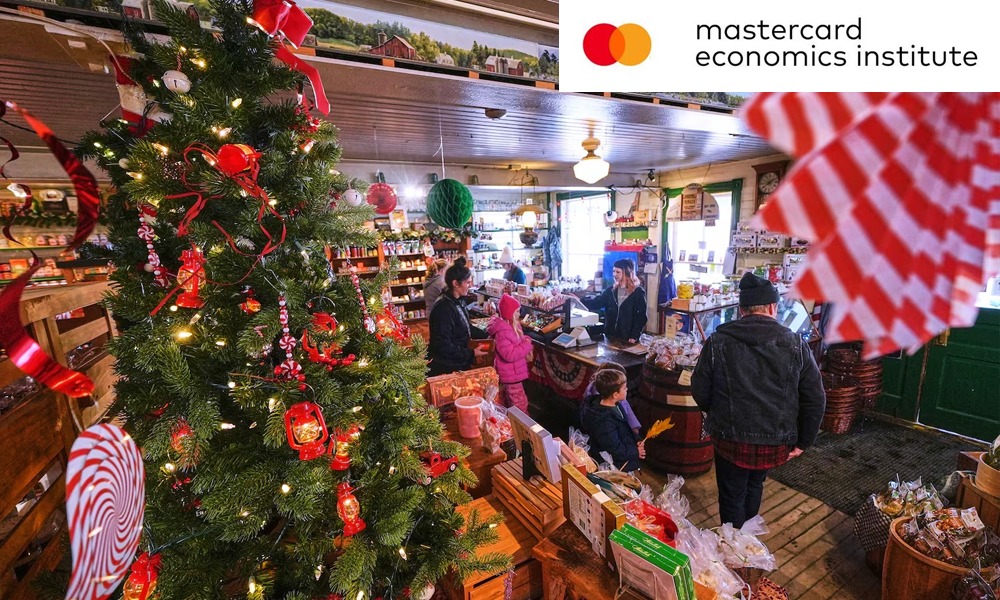
The Mastercard Economics Institute (MEI) forecasts a strong 2026 U.S. holiday shopping season (November 1–December 24), projecting retail sales excluding gas and autos to grow 5.5% year-over-year (YoY). This resilience reflects a robust labor market, rising household wealth, and broad-based consumer demand across income cohorts.
Key Drivers and Growth Channels
- Channel Performance: E-commerce continues to lead with an expected 11% YoY growth, but in-store sales are set to grow 3.6%—their strongest pace since 2022. This highlights the critical role of omnichannel strategies.
- Inflation Dynamics: Inflation accounts for 2.8 percentage points of the total 5.5% growth. Unlike last year’s tariff pressures, current price increases are driven by elevated energy/diesel costs and the massive AI infrastructure buildout.
- Calendar Shifts: A late Thanksgiving compresses the shopping window, pushing retailers toward early promotions. Additionally, Cyber Monday falling in November will shift significant online volume into the month.
The Role of Artificial Intelligence
AI is reshaping both prices and consumer behavior:
- Tech Inflation: High demand for memory chips and data infrastructure components has driven a 12.2% YoY increase in prices for info-processing equipment. Consequently, the consumer electronics category is projected to post outsized nominal sales growth (+10.7% YoY).
- AI Power Users: Consumers with paid AI subscriptions demonstrate distinct “optimization” habits. Data shows these users plan early, shop across a wider variety of boutique and specialty merchants, and aggressively target promotions during Thanksgiving weekend before transitioning to experience and hospitality spending in December.
Last-Minute Shopping Behavior
The final rush to Christmas offers key operational insights for retailers:
- In-Person and Malls: The final week before Christmas sees heavy physical store foot traffic, especially in enclosed shopping malls where consumers can complete multi-category purchases. Climate also plays a role: warmer-state residents (e.g., Florida, Nevada) are far more likely to make last-minute in-store runs than those in colder states.
- Transaction Value Trends: Average order values for children’s items peak near Black Friday, while premium categories—such as jewelry, cosmetics, luxury handbags, and department stores—see transaction values climb steadily from December 15, peaking on Christmas Eve as procrastinating shoppers pay a premium for convenience.
AI tools lower search costs for consumers, making price transparency higher than ever. Retailers must capture early November demand through targeted promotions before comparison tools push shoppers toward alternative or boutique brands.
Last-minute shoppers are price-inelastic and seeking speed. Malls and physical stores should maximize inventory for high-margin, rush-gift items (jewelry, cosmetics, designer goods, gift cards) in the final 10 days, leveraging store availability over promotional discounting.
Overall, the 2026 holiday season showcases an adaptable U.S. consumer using digital and AI tools to maximize value while continuing to drive broader economic momentum.



GGJS 2026 Concludes With High-Volume Trade and Strategic Focus On Next-Gen Leadership

The Solitaire Festival Of India Concludes; Bumper Prize Winner At Ranka Jewellers Wins XUV 7XO

GJEPC Promotes Key Trade Events At IGI Dubai Event
-
 National News3 days ago
P N Gadgil Jewellers Limited – Quarterly Update Q2FY27
-
 National News44 minutes ago
GGJS 2026 Concludes With High-Volume Trade and Strategic Focus On Next-Gen Leadership
-
 National News5 hours ago
ABARAN Commemorates The 125th Birth Anniversary Of Founder Shri Burde Sadananda Kamath With Special Gold Coin Launch
-

 National News5 hours ago
MCX Gold Silver Futures See Dip
