loader image
Connect with us

JB Insights

Lucira Jewelry stems from a desire to bring innovation, sustainability, and accessibility to the traditional diamond industry

Published

on

1,876 Views

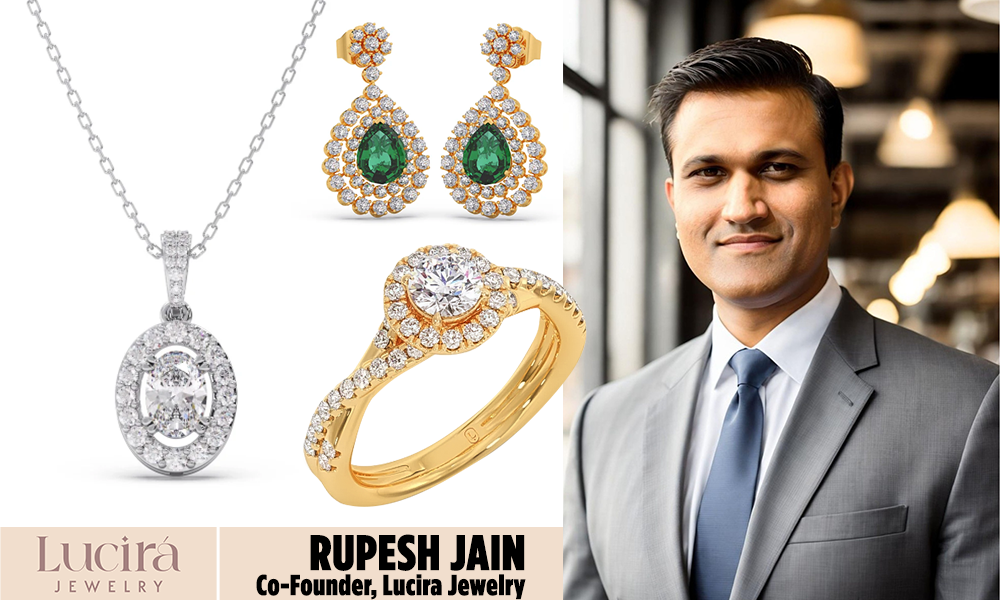
Lucira Jewelry was founded to bring innovation, sustainability, and accessibility to the diamond industry, catering to ethically conscious consumers says Rupesh Jain, Co-Founder, Lucira Jewelry speaking to JewelBuzz. Its philosophy blends quality craftsmanship, transparent practices, and personalized service to build trust and emotional connection. Targeting discerning buyers aged 25–50, Lucira dispels myths about lab-grown diamonds, showcasing them as real, high-quality, and customizable. With India emerging as a global LGD hub, Lucira leverages technology, modern design trends, and education to drive acceptance and redefine luxury jewellery.
What was the inspiration behind launching Lucira Jewelry?

The inspiration behind launching Lucira Jewelry stems from a desire to bring innovation, sustainability, and accessibility to the traditional diamond industry. Recognizing the growing demand for lab grown diamonds and a shift toward ethical luxury, Lucira was born to cater to a new generation of consumers. With lab grown diamonds becoming more accessible and affordable, Lucira aims to offer high-quality diamond jewelry that blends contemporary design, personal expression, and everyday wearability.

 How would you define Lucira’s core philosophy, and what sets it apart in the lab-grown diamond space?

Lucira’s philosophy is all about creating a strong brand built on quality craftsmanship, ethical sourcing, and great customer service. Every piece of jewellery is carefully made with attention to detail and high-quality materials. The brand prioritizes personalized service, fostering lasting relationships, and providing outstanding after-sales support. Lucira fosters trust and emotional bonds through its USP, authentic values, and transparent practices. Committed to fair trade, ethical labour, and innovation, it delivers meaningful, sustainable jewellery that resonates with customers and enhances their special moments.
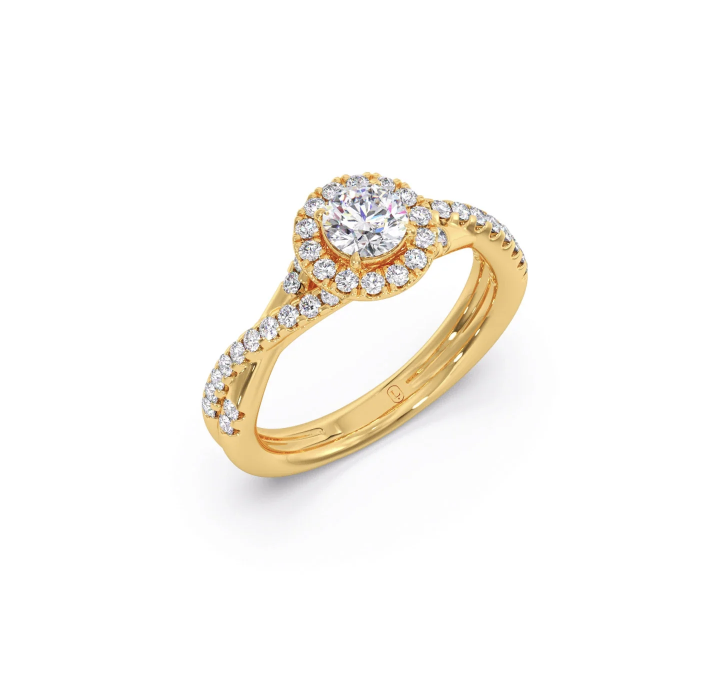
What kind of consumer are you targeting with Lucira, and how has that evolved?

Lucira targets discerning consumers aged 25 – 50 who appreciate the beauty of diamonds but seek a smarter, more conscious choice. This includes those who already own diamonds but value ethical, eco-friendly materials; those who find mined diamonds an unnecessary expense but still desire the luxury and experience of wearing them; and those looking for lightweight and minimalist pieces suited for daily wear. Over time, our audience has evolved from occasional buyers discovering lab grown diamonds to informed, style-driven consumers embracing them as their primary choice for both special occasions and everyday adornment.

 What are some common myths or misconceptions about lab-grown diamonds you’d like to address?

Firstly, I’d like to address the common misconception that lab grown diamonds aren’t “real” diamonds. A good analogy would be of an IVF baby, conceived outside of the natural process yet biologically identical to one born naturally. Similarly, lab grown diamonds are created in a lab but are chemically and physically identical to those formed in the Earth. Some believe they are of lesser quality, when in fact they’re actually equal to or superior to natural diamonds. With fewer inclusions and imperfections from a controlled process, they can even be customized with unique cuts and designs for a truly personalized experience.

 How do you see the future of lab-grown diamonds in India versus international markets?

India is quickly becoming a global hub for LGD manufacturing, contributing around 15% to global production and growing at an impressive annual rate of 55%. While the Asia-Pacific region leads in production, North America and Europe have an increased consumer acceptance of lab grown diamonds driven by education, sustainability concerns, and cost-effectiveness. At Lucira, we aim to bridge this gap by focusing on both education and design, helping Indian consumers better understand the value, quality, and ethical advantages of lab-grown diamonds.
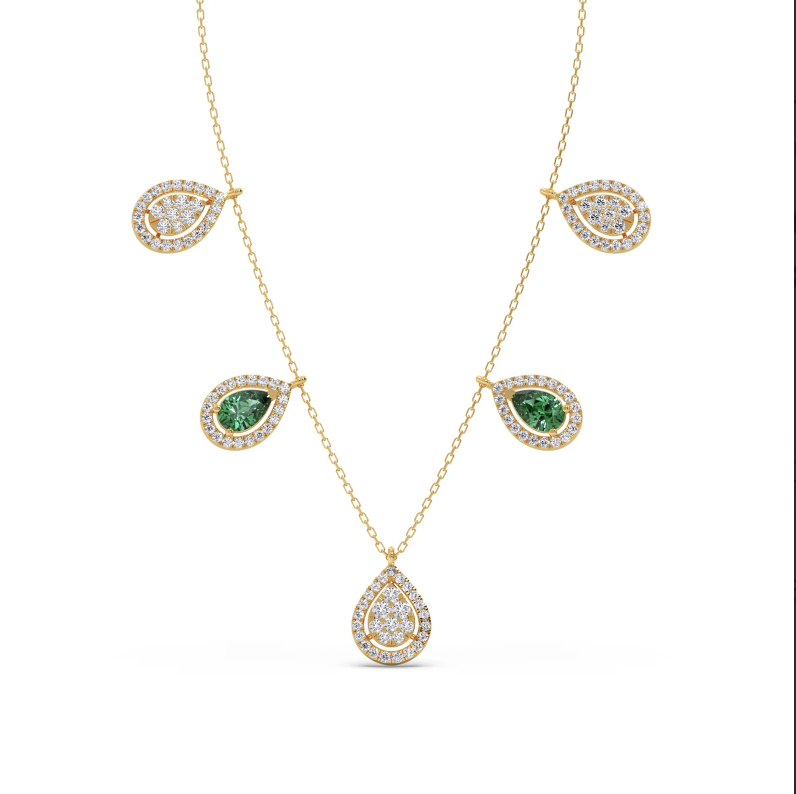
Are today’s consumers more open to lab-grown diamonds than they were 3 – 5 years ago?

Consumer acceptance of lab-grown diamonds has grown sharply in recent years, led by Gen Z’s focus on sustainability, transparency, and affordability. However, Indian millennials remain cautious, valuing mined diamonds for their rarity and prestige. While adoption is rising, India’s acceptance still lags behind global levels due to cultural traditions.

Have you noticed differences in urban vs non-urban acceptance of lab-grown diamond jewellery?

In urban India, younger, educated consumers increasingly embrace lab-grown diamonds as sustainable, affordable luxury. Non-urban markets remain loyal to mined diamonds due to tradition and lower incomes. As awareness and accessibility grow, this gap is expected to narrow, driving wider adoption and reshaping diamond perceptions nationwide over time.

What design trends are dominating Lucira’s collections right now?

Lucira’s collections are currently dominated by design trends that highlight modern luxury and delicate aesthetics. Key trends include:

  1. Minimalist Designs: Clean, sleek lines and subtle settings that emphasize the diamond’s beauty, marking a shift towards understated luxury over traditional, ornate designs.
  2. Bezel Settings: A rising trend for bezel settings, offering a modern, sleek look with enhanced durability, making them perfect for everyday wear.
  3. Classic Rings: Traditional solitaire and engagement rings remain our most sought-after pieces, reflecting timeless elegance with a contemporary twist. 

Are lab-grown diamonds changing the way designers create jewellery, especially with size and shapes being more accessible?

Lab-grown diamonds are transforming jewellery design by offering greater flexibility in size, shape, and availability. Unlike mined diamonds, which are often limited in larger or unconventional cuts, lab-grown stones provide designers with more options at lower costs. This accessibility enables experimentation with unique, custom designs and the creation of larger, statement pieces without prohibitive pricing. The result is more intricate, personalised, and innovative jewellery that was once challenging to produce with natural diamonds, opening new creative possibilities in the industry.

Could you share insights into how Lucira blends technology and artistry in its jewellery making?

Lucira combines advanced CAD modelling, laser precision, and expert craftsmanship to create intricate, comfortable jewellery. By integrating customer preferences, trends, and ergonomic design, each piece achieves a balance of beauty and practicality, reflecting both modern technology and timeless artistry.

What’s your retail and distribution strategy? Are you focusing more on D2C, physical stores, or partnerships?

Lucira aims to be an omnichannel brand, balancing equal focus on physical stores and online presence. After establishing a strong online footprint, the brand’s expansion will progress in phases, starting with 2 stores this year, followed by 6 stores in major metros in the second year, 16 in the third, and 32 more in the fourth year. Our first store will open in Chembur, Mumbai, in September 2025, allowing us to engage directly with customers and refine the experience. While we will explore marketplaces like Amazon, our priority will remain on strengthening our D2C platform and expanding offline. By next year, we anticipate a 50-50 split between online and offline sales, which is expected to shift to 80% offline and 20% online over as we progress.

Are you seeing growing interest in Lucira from Tier 2 and Tier 3 cities?

Lucira is attracting growing interest from Tier 2 and Tier 3 cities, driven by rising work-from-home and freelancing incomes among younger consumers. Increased savings, affordability of lab-grown diamonds, and expanding digital access are enabling them to purchase quality luxury jewellery online. This shift reflects evolving aspirations and greater accessibility to premium products in emerging markets.

How do you balance affordability with the aspirational luxury positioning of diamonds?

Lucira blends affordability with aspirational luxury by offering lab-grown diamonds of equal brilliance and durability to mined stones, at accessible prices. With a focus on craftsmanship, unique designs, and timeless-meets-modern aesthetics, the brand delivers high-value jewellery that feels special, aligning with contemporary consumers’ desire for quality within budget.

Do you think lab-grown diamonds have truly disrupted the diamond pricing model?

Lab-grown diamonds have disrupted traditional pricing by offering equal quality at lower costs through sustainable, controlled production. Eliminating mining overheads and environmental impact enables competitive pricing and wider accessibility. While mined diamonds retain some prestige, lab-grown options are reshaping industry pricing and appealing to a broader consumer base.

Where do you see Lucira in the next 5 years?

Lucira’s vision for the next 5 – 6 years is to become the Tiffany of lab grown solitaires through innovation, not imitation. We aim to lead the solitaire jewellery market with customizable rings, engraved solitaires, and stackable sets, all enhanced by 3D design, AI-driven recommendations, and blockchain-backed provenance.

Our growth will include lightweight solitaires, casual luxury pieces, and convertible designs for all occasions. We plan to open 80-100 stores across India, starting in metro cities and expanding to Tier 2 and 3 cities. Our international expansion will begin from the US via an exclusive online channel, followed by physical stores as we gain traction.

How do you see lab-grown diamonds shaping the future of Indian bridal jewellery?

In India, lab-grown diamonds are popular for gifting but face resistance in bridal jewellery due to traditional preferences for mined stones. With technological advances, affordability, and design versatility, they are set to transform the bridal market within 5–7 years, offering luxury, sustainability, and individuality akin to Western trends.

Do you think India will become a global leader in lab-grown diamond innovation and branding?

India’s strong manufacturing base, design heritage, and focus on sustainability position it to become a global leader in lab-grown diamond innovation and branding. Combining cost-effectiveness with cutting-edge technology, India is poised to dominate both production and branding, meeting the rising global demand for affordable, ethical luxury.

What’s your personal favourite piece of jewellery from the Lucira collection?

The Triple Solitaire and Accent Diamond Mangalsutra Bracelet stands out to me for its perfect balance of tradition and modern design. Another piece that I really love is the Sleek Emerald Cut Bezel Ring. It has clean lines, a secure bezel setting, and a timeless sophistication.


Continue Reading
Advertisement JewelBuzz Banner
Click to comment
Subscribe
Notify of
guest
0 Comments
Oldest
Newest Most Voted
Inline Feedbacks
View all comments

JB Insights

Akshaya Tritiya 2026: Industry Outlook and Expectations from India’s Jewellery Trade

Expectations From The Indian Jewellery Trade and Industry

Published

on

1,810 Views

As India approaches Akshaya Tritiya on April 19, 2026, the gold jewellery market stands at a fascinating confluence of tradition, price volatility, and evolving consumer preferences. With gold prices displaying volatility amidst geopolitical tensions, the industry is navigating uncharted territory while remaining anchored by the profound cultural and emotional significance of the occasion.

Industry leaders, jewellers, and market observers across India present a picture of cautious optimism: footfalls are expected to remain steady, value growth is anticipated to outpace volume growth, and the enduring auspiciousness of Akshaya Tritiya continues to drive purchase intent even as ticket sizes moderate. The consensus across the trade is that gold’s role as a safe-haven asset, an investment vehicle, and a cultural cornerstone remains undiminished—even as the profile of what buyers choose is changing rapidly.

Key themes emerging from industry voices include: a decisive shift toward lightweight and design-led jewellery; growing traction for lab-grown diamonds and digital gold; the resilience of wedding and festive demand; and the rising influence of younger, more design-conscious buyers who view gold as both an aspirational adornment and a prudent investment. Heads of trade bodies

This report synthesizes insights from manufacturers, retailers, leading jewellers, heads of trade bodies, and market experts to present a comprehensive picture of Akshaya Tritiya 2026.

1. MARKET CONTEXT: GOLD PRICES & MACROECONOMIC BACKDROP

The gold market in 2026 has been defined by exceptional price levels driven by a complex interplay of geopolitical uncertainty, global safe-haven demand, and domestic festive cycles. For Indian consumers—the world’s largest gold-consuming nation—these elevated prices have reshaped buying behaviour in meaningful ways, even as the cultural imperative to purchase on auspicious occasions like Akshaya Tritiya remains deeply entrenched.

1.1 Geopolitical Pressures & Bullion Dynamics

Global gold prices have been buffeted by intermittent geopolitical shocks in the run-up to Akshaya Tritiya 2026. The world gold market has witnessed renewed safe-haven buying as tensions across multiple geographies have injected volatility into bullion markets worldwide. Yet, analysts observe that prices have also seen phases of stability and mild correction, offering a more balanced entry point for retail consumers—particularly as the calendar approaches the festive buying window.

— Sachin Jain, Regional CEO, India – World Gold Council

Recent geopolitical tensions have driven intermittent volatility, reinforcing gold’s safe-haven appeal. However, prices have seen phases of stability and mild correction, offering a balanced entry point for retail consumers, with an upward trend expected towards the end of April.

The broader macroeconomic context is one of heightened uncertainty but also resilient domestic demand. India’s deep cultural relationship with gold acts as a structural buffer against purely price-driven demand destruction. Even as international markets respond to geopolitical shocks, Indian consumers continue to regard gold as the pre-eminent store of value and the most auspicious gift one can purchase on occasions like Akshaya Tritiya.

— Rhea Poddar Loyalka, Creative Director – Deshya by Ma Passion

Geopolitical uncertainty has shaken the bullion market worldwide. However, given our cultural relationship with gold, India remains the largest consumer of the metal in the world. The skyrocketing prices have catalyzed a more investment-driven approach to gold buying in the form of coins and bars instead of gold jewellery.”

1.2 Price Levels & Consumer Adaptation

With gold prices projected near Rs 1,40,000 per 10 grams and some market segments witnessing rates approaching Rs 1.6 lakh per 10 grams, the impact on consumer behaviour has been pronounced but not catastrophic. Indian consumers, culturally habituated to viewing gold as a long-term repository of value, have adapted by recalibrating their purchase choices rather than deferring them altogether.

— Rajesh Mehta, Chairman & Joint MD – Khazanchi Jewellers Ltd

Currently, prices are nearing Rs 1.6 lakh per 10 grams amid geopolitical tensions. In the current situation, festive demand remains resilient, as gold is increasingly viewed not just as an adornment but also as a reliable safe-haven investment asset. Despite high volatility in gold prices, the jewellery segment is witnessing steady demand ahead of Akshaya Tritiya 2026.

Industry insiders confirm that the adaptation is primarily manifesting as a shift in product mix: consumers are not abandoning gold purchases, but are opting for lighter pieces, lower ticket sizes, and more affordable formats such as coins, studs, and chain jewellery. The traditional heavy bridal set—once the centrepiece of Akshaya Tritiya buying—is giving way to a more diversified and considered approach to gold acquisition.

2. CONSUMER SENTIMENT: CAUTIOUS OPTIMISM MEETS CULTURAL CONVICTION

Across the spectrum of industry voices surveyed for this report, a consistent theme emerges: consumer sentiment for Akshaya Tritiya 2026 is best described as cautiously optimistic. The cultural and emotional gravity of the occasion continues to underpin strong purchase intent, even as elevated prices introduce greater deliberation into buying decisions.

2.1 The Enduring Auspiciousness of Akshaya Tritiya

For Indian consumers, Akshaya Tritiya is not merely a shopping occasion but a deeply auspicious moment believed to confer enduring prosperity on purchases made during its span. This cultural conviction acts as a powerful demand driver that transcends purely rational price considerations. Jewellers across segments report steady footfall expectations and anticipate that the festive and wedding calendar—which overlaps significantly with this period—will provide additional momentum.

— Joy Jain Director – Sales & Production, Padmavati Chains & Jewels

Akshaya Tritiya continues to hold strong emotional and cultural significance for jewellery buyers, and in 2026, we expect positive consumer sentiment driven by rising preference for lightweight, wearable, and investment-oriented gold jewellery.

— Chetan Thadeshwar, CMD – Shringar House of Mangalsutra

Akshaya Tritiya has always been one of the most significant buying occasions for the gold jewellery industry, driven by cultural sentiment and the long-term value associated with gold. This year, despite volatile gold prices, we are witnessing steady and strong customer interest.

2.2 Price Sensitivity Without Demand Abandonment

The price sensitivity being observed in 2026 is nuanced and must be understood carefully. Consumers are not exiting the gold jewellery market; they are reshaping their engagement with it. Multiple industry leaders note that buyers continue to view gold as a safe-haven asset and an auspicious purchase—but record-high prices are redirecting them towards lighter jewellery pieces, lower ticket sizes, and digital gold options.

— Abhishek Kajaria, Founder & Owner – Avama Jewellers

Consumer sentiment for Akshaya Tritiya 2026 remains cautiously optimistic. Buyers continue to regard gold as a safe-haven and an auspicious purchase; however, record-high prices are directing them towards lighter jewellery pieces, lower ticket sizes, and digital gold options. Jewellers report an increase in footfall and anticipate double-digit growth in value, even if volume remains unchanged.

This is a critical distinction for understanding the 2026 market: value growth is expected to outpace volume growth. The industry anticipates that the aggregate value of gold jewellery purchased will increase even as the physical quantum of gold changing hands may moderate. Promotional offers on making charges, old gold exchange programmes, and advance booking incentives are expected to further facilitate the conversion of positive sentiment into actual sales.

— Deepak Seth, Partner – S K Seth Jewellers

Indian consumers exhibit resilient sentiment towards gold jewellery despite elevated prices projected near Rs 1,40,000 per 10 grams by Akshaya Tritiya on April 19, 2026, viewing it as an eternal symbol of prosperity and financial security.

2.3 Wedding Season as a Sustained Demand Pillar

The confluence of Akshaya Tritiya with the peak wedding season in 2026 provides a structural tailwind for jewellery demand. Wedding-related purchases tend to be less deferrable and less price-elastic than discretionary jewellery buying, providing jewellers with a reliable base of demand even as other consumer segments moderate their spending.

— Pratik Dugar, Director – Indian Gem & Jewellery Creation

Consumer sentiment for Akshaya Tritiya 2026 remains positive, driven by the enduring cultural significance of gold purchases, even as elevated prices influence buying behaviour. We anticipate steady footfalls and healthy value growth, supported by wedding season demand and festive sentiment.

— Rohit Hudke CEO & Founder – Rings & I

While the cultural affinity for gold and diamonds holds steady, there is a visible shift towards more personal and thoughtful purchases. Despite price fluctuations, purchase intent remains consistent, further supported by the ongoing wedding season.

3. SHIFTING CONSUMER PREFERENCES: DESIGN, WEIGHT & PURPOSE

Perhaps the most consequential structural shift observed in the 2026 Akshaya Tritiya market is the decisive movement away from heavy, traditional ornaments towards lightweight, design-led, and multi-utility jewellery. This trend, accelerated by elevated gold prices but rooted in deeper lifestyle and demographic shifts, is reshaping both what consumers buy and how jewellers design and market their offerings.

3.1 The Lightweight Revolution

Across all market segments and price points, industry voices converge on a single observation: consumers are gravitating towards lighter jewellery. This is not a compromise born of necessity alone—it reflects a fundamental evolution in how jewellery fits into modern Indian lives. Daily-wear gold jewellery is gaining prominence as consumers seek pieces that can be worn across occasions rather than reserved for grand ceremonies.

— Sandeep Soni, Director – Mahabir Danwar Jewellers

There is a clear trend towards lighter, intricately designed jewellery and increased interest in 18kt and wearable pieces that combine affordability with elegance. Additionally, investment-driven buying—such as gold coins—continues to gain traction alongside traditional jewellery purchases.

— Sachin Jain, Regional CEO, India – World Gold Council

We are seeing consumers continue to support traditional jewellery demand, while younger buyers are increasingly gravitating towards lightweight, contemporary 22k and 18k gold jewellery as both an aspirational and accessible investment choice.

3.2 Design Consciousness & Contemporary Aesthetics

The 2026 consumer is notably more design-conscious than previous generations. Buyers are seeking jewellery that reflects their individual sensibility, fits seamlessly into everyday lifestyles, and offers a sense of distinctiveness. This has elevated the importance of craftsmanship, customization, and contemporary styling in jewellers’ offerings—while transparency around purity and making charges has become a non-negotiable expectation.

— Joy Jain, Director – Sales & Production, Padmavati Chains & Jewels

Customers today are more design-conscious and value transparency, purity, and contemporary styling along with traditional buying sentiment. We anticipate steady to strong sales this Akshaya Tritiya, with higher demand in daily-wear gold jewellery, studded pieces, and customized designs, especially from younger buyers and gifting segments.

— Yogesh Soni, Director – Punamchad Jewellers

With evolving consumer preferences, there is a clear shift towards more contemporary and design-led jewellery pieces, reflecting a growing inclination for modern aesthetics. A notable correction in gold prices, coupled with attractive discounts on making charges across the industry, is expected to drive stronger purchase intent.

3.3 Thoughtful & Purpose-Driven Purchasing

A deeper philosophical shift is also underway: the 2026 Akshaya Tritiya consumer is buying with greater intentionality. Purchases are increasingly driven by meaning—emotional resonance, investment rationale, and personal significance—rather than by volume or weight of gold alone. Jewellers who understand this shift are repositioning their narratives to emphasize heritage, story, and lasting value.

— Samyak Kishorkumar Shah, MD – Chandukaka Saraf

The occasion is evolving beyond mere gold accumulation to thoughtful jewellery selection. Shoppers now balance traditional beliefs with contemporary needs, choosing pieces that serve both as auspicious investments and practical accessories, with a growing preference for customizable, design-forward options over conventional heavy ornaments.

— Bharti Bangur, Founder – Bharti Bangur Fine Jewels

This Akshaya Tritiya, consumer expectations are evolving toward thoughtful and design-centric purchases rather than purely volume-driven buying. There is also a noticeable inclination towards diamond and coloured gemstone pieces that offer distinctiveness.

— Raghav Dhir, MD – Dhirsons Jewellers, Dhiraj Dhir Group (Delhi)

Akshaya Tritiya has always been a key moment for gold buying in India, but today’s consumer is also seeking meaning and long-term value. Through our ‘Sone Ka Rishta’ campaign, we are reinforcing our commitment to offering jewellery that is not only timeless in design but also significant in emotion—something that truly stays with you across generations.

4. INVESTMENT-DRIVEN BUYING: GOLD AS A FINANCIAL ASSET

Alongside the aesthetic and cultural dimensions of Akshaya Tritiya buying, 2026 is witnessing a notable intensification of the investment rationale for gold purchases. Elevated and rising gold prices, paradoxically, reinforce the asset’s appeal as a store of value—and consumers are increasingly blending jewellery purchases with explicit investment intent, while also exploring newer formats for gold ownership.

4.1 Coins, Bars & the Investment Gold Segment

The shift towards investment-grade gold formats—coins, bars, and lighter jewellery pieces that double as portable wealth—is one of the defining characteristics of the 2026 buying season. This trend reflects a maturing gold consumer who is comfortable evaluating gold through an investment lens alongside its traditional role as adornment and cultural marker.

— Rhea Poddar Loyalka, Creative Director – Deshya by Ma Passion

The skyrocketing prices have catalyzed a more investment-driven approach to gold buying in the form of coins and bars instead of gold jewellery. Such a trend will continue on auspicious days such as Akshaya Tritiya. However, once gold prices stabilize and wedding and festive demand surges, gold jewellery will in turn see a rise in demand.

— Dhruv Jhaveri, Director – Madanji Meghraj Jewellers

Akshaya Tritiya 2026 is expected to witness balanced consumer sentiment, shaped by both tradition and economic considerations. Many buyers are also exploring exchange schemes and advance bookings to optimize value. We foresee consistent demand, particularly in entry-level and daily-wear categories.”

4.2 Digital Gold & ETFs: The New Frontier

Digital gold and gold ETFs have emerged as a meaningful and growing segment of Akshaya Tritiya buying, particularly among younger and more digitally-native consumers. These instruments offer the cultural validity of gold ownership without the logistical and security considerations of physical jewellery, and their growth signals a broadening of what it means to ‘buy gold’ on an auspicious occasion.

— Sachin Jain, Regional CEO, India – World Gold Council

We are also expecting continued growth in digital gold and gold ETFs, reflecting evolving investment preferences. Overall, we anticipate positive momentum in gold buying this Akshaya Tritiya.

4.3 Long-Term Appreciation as the Investment Case

Jewellers are increasingly articulating the investment case for jewellery to price-sensitive consumers: over the long term, the appreciation in gold prices has often more than compensated for making charges, making jewellery a competitive form of gold investment. This narrative is proving effective in converting cautious browsers into committed buyers.

— Rajesh Mehta, Chairman & Joint MD – Khazanchi Jewellers Ltd

Jewellery continues to remain an attractive purchase, as long-term price appreciation often compensates for making charges, reinforcing its investment appeal. Despite high volatility in gold prices, the jewellery segment is witnessing steady demand ahead of Akshaya Tritiya 2026.

5. EMERGING CATEGORIES: LAB-GROWN DIAMONDS & ALTERNATIVE JEWELLERY

While gold remains the undisputed centrepiece of Akshaya Tritiya buying, 2026 is witnessing the emergence of compelling alternative and complementary categories—most notably lab-grown diamonds—that are capturing the imagination of younger, value-conscious, and design-forward consumers. These segments represent both a response to gold price pressure and a genuine shift in consumer aspiration.

5.1 Lab-Grown Diamonds: Conscious Luxury

Lab-grown diamonds have rapidly transitioned from a niche curiosity to a mainstream consideration for Akshaya Tritiya shoppers, particularly among younger buyers and first-time investors. Offering the visual and emotional appeal of natural diamonds at a significantly lower price point, lab-grown diamonds align perfectly with the 2026 consumer’s emphasis on value, design distinctiveness, and informed purchasing.

— Ricky Vasandani, CEO & Co-Founder – Solitario Diamonds

We are witnessing strong momentum toward conscious luxury, with lab-grown diamonds gaining significant traction among younger buyers and first-time investors. Consumers today are not just buying jewellery—they are making informed, future-forward choices, and we expect this Akshaya Tritiya to reflect that shift strongly.

5.2 Diamond & Coloured Gemstone Jewellery

Beyond lab-grown diamonds, there is a broader and growing appetite for jewellery that incorporates diamonds and coloured gemstones—pieces that offer visual distinctiveness and a sense of occasion that pure gold jewellery may not provide. This trend reflects the 2026 consumer’s desire for jewellery that is personal, expressive, and design-forward rather than purely weight-driven.

— Bharti Bangur, Founder – Bharti Bangur Fine Jewels

There is a noticeable inclination towards diamond and coloured gemstone pieces that offer distinctiveness. Despite fluctuating gold prices, sentiment remains optimistic, with consumers willing to invest in meaningful purchases.

6. SALES OUTLOOK & GROWTH PROJECTIONS

The aggregate picture that emerges from industry voices is one of cautious but genuine optimism. While volume growth may be moderate, value growth is expected to remain healthy, supported by a combination of elevated gold prices, strong wedding season demand, retailer incentives, and the enduring pull of Akshaya Tritiya as a buying occasion.

6.1 Value Growth to Lead Volume

The most consistent projection across industry participants is that value growth will outpace volume growth in 2026. Double-digit value growth is anticipated by several segments of the trade, even as the physical quantum of gold purchased may remain broadly stable or see mild moderation. This dynamic reflects both higher gold prices and a shift towards more considered, higher-value individual purchases.

— Colin Shah, Founder & MD – Kama Jewelry

We are likely to witness about 10% to 12% spike in sales-led demand this Akshaya Tritiya with equal fervour among investors as well as the consumer class. While the traditional investment-led purchases of bullion and heavy 22k jewellery will be there, the shift towards daily-wear lightweight jewellery made in 9k to 18k gold will strengthen.

6.2 Retailer Strategies: Incentives & Exchange

Jewellers are deploying a range of strategies to convert positive consumer sentiment into sales in a high-price environment. Old gold exchange programmes, making charge waivers, advance booking schemes, and festive promotional offers are all being activated to reduce the financial barrier for consumers and provide additional value that makes the purchase feel prudent even at elevated gold prices.

Promotional offers on making charges are expected to further facilitate the conversion of positive sentiment into sales. A preference is emerging for a variety of smaller items such as chains, studs, and coin-style jewellery rather than heavy bridal sets.
— Abhishek Kajaria, Founder & Owner – Avama Jewellers

Festive and wedding buying on this auspicious day is expected to sustain sales through old gold exchanges and retailer incentives, blending tradition with modern preferences for ethnic gold designs.”— Deepak Seth Partner – S K Seth Jewellers

6.3 Footfall & Conversion Expectations

Multiple jewellers report expectations of sustained or increased footfall despite price concerns, with conversion rates expected to be healthy given the combination of festive intent, wedding demand, and retailer promotions. The emphasis for most players is on the quality of transaction rather than sheer volume, with higher average transaction values anticipated even if the number of individual pieces sold does not dramatically increase.

This Akshaya Tritiya presents a win-win situation for both customers and jewellers alike. These favourable factors are likely to boost footfall and conversions, and we remain optimistic about witnessing robust business performance during the festive period.
— Yogesh Soni Director – Punamchand Jewellers

7. SEGMENT SPOTLIGHT: MANGALSUTRA & WEDDING JEWELLERY

The mangalsutra category merits special attention in the context of Akshaya Tritiya 2026. As a jewellery type that straddles the boundary between cultural symbol and daily-wear accessory, the mangalsutra is particularly well-positioned to benefit from the current trend towards lightweight, contemporary, and meaningful jewellery. Leading players in this segment are seeing strong traction for designs that modernize the traditional form factor.

We anticipate strong traction for lightweight and contemporary mangalsutra designs, which resonate with evolving tastes and lifestyle preferences of the consumers. Moreover, buyers are increasingly prioritizing quality, trust, and organized suppliers, ensuring their purchases are secure and meaningful.”
— Chetan Thadeshwar, CMD – Shringar House of Mangalsutra

The mangalsutra’s evolution mirrors the broader jewellery market’s trajectory: consumers want pieces that honour tradition while fitting seamlessly into contemporary life. The category is also benefiting from the premium placed on trust and organized retail in the current environment, where the security of purchasing from reputable suppliers is a growing priority for gold buyers.

8. CONCLUSIONS & OUTLOOK

Akshaya Tritiya 2026 arrives at a moment of genuine transformation in India’s gold jewellery market. The fundamentals that have sustained this occasion for centuries—cultural reverence for gold, the auspiciousness of the day, and gold’s role as a store of generational wealth—remain entirely intact. What is changing, rapidly and irrevocably, is the form that this affection takes in the marketplace.

The industry is navigating a nuanced environment where price sensitivity coexists with purchase intent, where lightweight coexists with luxury, and where investment rationale coexists with emotional and aesthetic motivation. The jewellers, brands, and market leaders who thrive in this environment will be those who can speak to all of these dimensions simultaneously—offering product ranges, buying experiences, and brand narratives that meet the 2026 consumer where they are.

The overarching outlook for Akshaya Tritiya 2026 is one of measured optimism. Value growth of double digits is achievable across segments. The wedding calendar provides a reliable demand base. Younger buyers are entering the gold market with fresh preferences that are reshaping product development. And gold’s fundamental appeal as a safe-haven, investment, and cultural asset remains undimmed.

The metal will remain a safe-haven asset for Indians as it always has. Once gold prices stabilize and wedding and festive demand surges, gold jewellery will in turn see a rise in demand.
— Rhea Poddar Loyalka, Creative Director – Deshya by Ma Passion
“We are likely to see an uptick in demand this year, given the significant correction in gold prices along with the enormous buying appetite of Indians. Additionally, with signs of geopolitical tensions settling down, sentiment is steadily picking up momentum, and buyers are expected to make the most of this opportunity.”
— Colin Shah, Founder & MD – Kama Jewelry

As India’s gold jewellery industry looks ahead, the themes of conscious luxury, design innovation, investment intelligence, and cultural continuity will define the next chapter of Akshaya Tritiya and beyond. The occasion continues to be, above all, a celebration of the timeless human desire to invest in something that endures.

Continue Reading

Trending

JewelBuzz is Asia’s First Digital Jewellery Media & India’s No.1 B2B Jewellery Magazine, published by AM Media House. Since 2016, we’ve been the trusted source for jewellery news, market trends, trade insights, exhibitions, podcasts, and brand stories, connecting jewellers, retailers, and industry professionals worldwide.

We would like to hear from you...

GET WHATSAPP NEWS ALERTS

0
Would love your thoughts, please comment.x
()
x