
DiamondBuzz
Fluorescent Diamonds: GIA to Introduce Clearer Guidance
According to GIA, around 25% to 35% of all diamonds show some level of fluorescence. Greater transparency about this significant segment of the market could help improve confidence among both consumers and the jewellery trade.

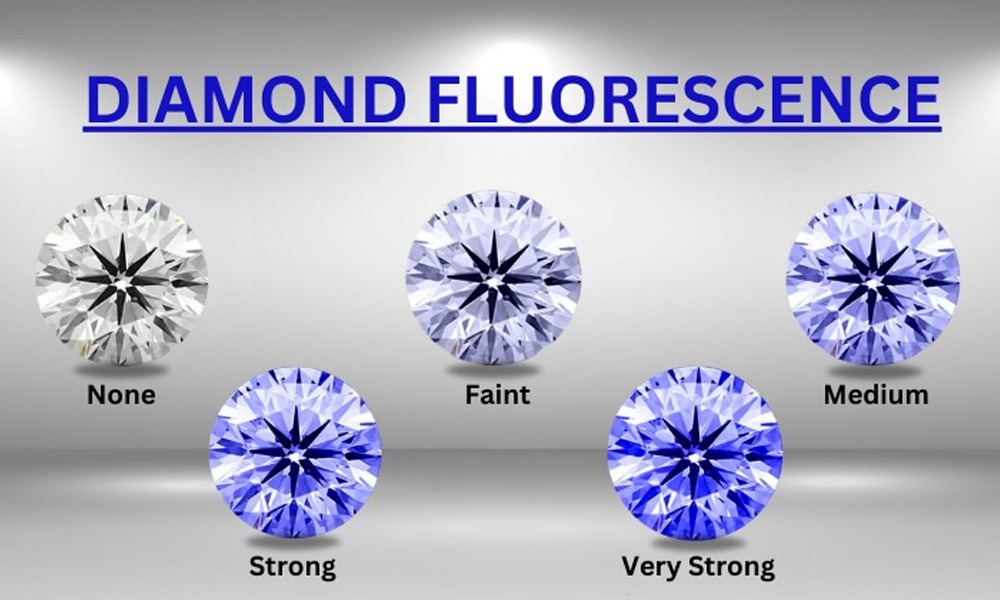
Later this year, the Gemological Institute of America (GIA) will introduce new wording in its diamond grading reports to reduce confusion about fluorescent diamonds. The update, expected in the fourth quarter, is one of the most important steps taken by a grading laboratory to explain this feature more clearly to both the jewellery trade and consumers.
Rapaport Intelligence Report explores what this change could mean for the diamond market. Fluorescence has had a long and complicated history. In the past, fluorescent diamonds often sold at premium prices. However, attitudes changed during the diamond boom of the 1970s and again after a grading controversy in South Korea in the early 1990s. Although later gemological research helped improve confidence in fluorescent diamonds, many buyers still view them negatively, and they often sell at discounted prices.
The report also looks at how these discounts have changed over the past six years through both strong and weak market conditions. In addition, the report explains two key questions: how fluorescence affects a diamond’s appearance and whether it influences its color grade. It also considers whether GIA’s new report comments could change how buyers view fluorescent diamonds.
The report revisits a long-debated issue—does fluorescence really affect a diamond’s beauty, or are today’s concerns mainly based on old perceptions that continue to influence buying decisions?
According to GIA, around 25% to 35% of all diamonds show some level of fluorescence. Greater transparency about this significant segment of the market could help improve confidence among both consumers and the jewellery trade.




DiamondBuzz
De Beers Cuts Diamond Production But Sees Sales Rise
The Main Reasons For The Drop Were Planned Repair Work In Botswana and Slower Operations At Its Venetia Mine In South Africa. Demand For Diamonds Grew In The US and India.
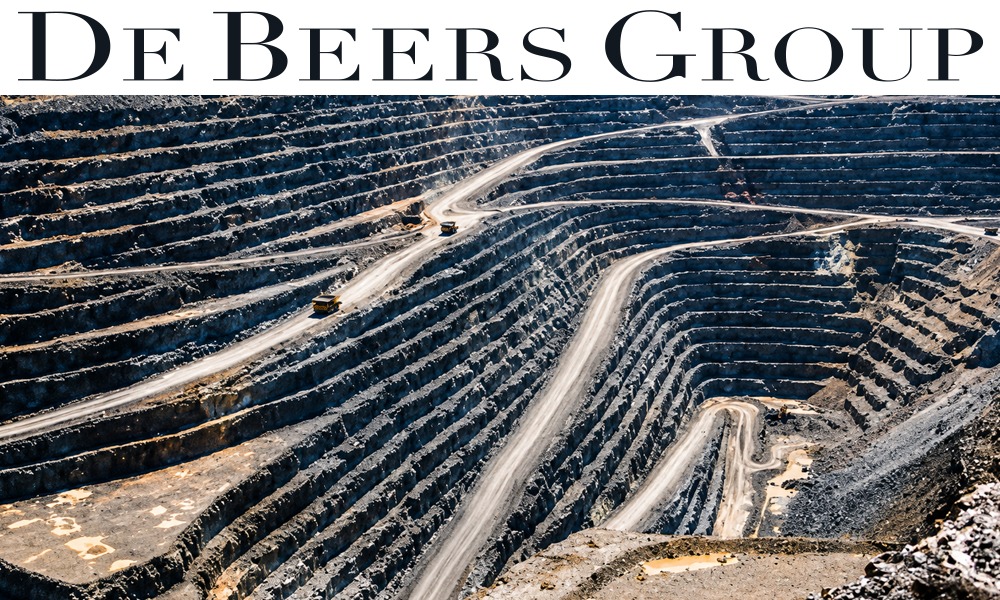
De Beers produced 11% fewer diamonds in the third quarter of 2026 compared to last year, bringing total production down to 6.8 million carats. The main reasons for the drop were planned repair work in Botswana and slower operations at its Venetia mine in South Africa before it temporarily pauses production for two years.
Despite lower production, overall diamond trading improved. Demand for diamonds grew in the US and India, and the market became better balanced. However, lab-made diamonds continued to hurt sales of cheaper natural diamonds.
Production Highlights by Country
Botswana: Down 20% to 4.8 million carats due to maintenance at the Orapa mine.
South Africa: Down 37% to 418,000 carats as the Venetia mine slowed down.
Namibia: Up 8% to 495,000 carats.
Canada: More than doubled to 1.06 million carats because the Gahcho Kué mine processed higher-quality ore.
On October 16, De Beers took full ownership of Canada’s Gahcho Kué mine after taking over its partner Mountain Province’s 49% share. Starting in the fourth quarter, De Beers will report all production from this mine on its own books. This will raise De Beers’ official production numbers, but it will not change the overall amount of diamonds in the world market.
Sales Revenue: Reached $731 million for the quarter, up 4% from $700 million last year.
Sales Volume: Nearly doubled to 8.7 million carats, up from 4.6 million carats a year ago.
Even though sales volume went up, the average price De Beers received per carat so far this year fell 37% to $97. This was caused by an 18% drop in overall rough diamond prices and the fact that De Beers sold a higher proportion of cheaper diamonds this year.
Because De Beers now owns 100% of the Gahcho Kué mine, it raised its full-year 2026 production target to 25–28 million carats (up from 21–26 million). It also lowered its expected production cost from $80 to about $70 per carat. The company said it will keep watching market demand and adjust its production as needed.



Aisshpra Gems & Jewels Opens Four Stores in One Day, Takes Network to 20; Targets 30 Stores by March 2028

The Met Goes Desi: Inside Sabyasachi’s Showstopping Diwali Dhamaka in New York

Jewellers Expect Healthy Festive and Wedding Demand Amid Evolving Consumer Preferences

Dhanteras Shopping Guide 2026:Gold, Silver, Diamonds & Festive Jewellery Trends To Watch

Indriya, Aditya Birla Jewellery Unveiled India’s Largest Sustainable Jewellery Rangavalli

From Diya Puja To Diwali Soirées: Jewellery Designed To Go Beyond The Festive Season
-
 JB Insights2 days ago
Dhanteras Shopping Guide 2026:Gold, Silver, Diamonds & Festive Jewellery Trends To Watch
-
 National News2 days ago
Indriya, Aditya Birla Jewellery Unveiled India’s Largest Sustainable Jewellery Rangavalli
-
 BrandBuzz3 days ago
From Diya Puja To Diwali Soirées: Jewellery Designed To Go Beyond The Festive Season
-

 BrandBuzz3 days ago
The Solenne Collection: A Celebration Of Diwali By Bharti Bangur Fine Jewels
