
JB Insights
US couples spent 5% less on engagement rings in 2024 : The Knot
Rise in demand for LGD is reducing costs, influencing the size of center stones


In recent years, the engagement ring market has witnessed significant changes, particularly in consumer spending and gemstone preferences. According to a report by The Knot, U.S. couples spent approximately 5% less on engagement rings in 2024 compared to the previous year. The average cost of an engagement ring fell from $5,500 in 2023 to $5,200 in 2024, marking a 10% decline from 2022 and a 13% decrease from 2021. This trend aligns with the increasing preference for lab-grown diamond center stones, which, for the first time, accounted for more than half of all engagement rings purchased. The shift towards synthetic diamonds has surged by 40% since 2019, contributing significantly to the downward trend in overall spending on engagement rings.
The rise in demand for lab-grown diamonds is not only reducing costs but also influencing the size of center stones. While the average cost of a natural diamond engagement ring remains at $7,600, couples who opt for lab-grown alternatives tend to select larger stones. In 2024, the average engagement ring center stone measured 1.7 carats, an increase from the 1.5-carat average in 2021. This shift suggests that couples are prioritizing carat size while seeking more affordable alternatives to mined diamonds. Additionally, shape and metal preferences have remained relatively stable, with round and oval cuts being the most popular, and white and yellow gold accounting for over 70% of engagement ring settings. Notably, yellow gold has increased in popularity by 5% year-over-year, while white gold has declined by 3%.
Beyond gemstone and metal choices, setting styles are also evolving. Prong settings continue to dominate, with 35% of respondents selecting this classic option. However, the hidden halo setting—a cluster of diamonds encircling the base of the center stone—has gained traction, capturing 18% of the market and surpassing the traditional halo setting, which saw a decline to 13%. This trend reflects a shift in aesthetic preferences among modern couples who seek a balance between timeless elegance and contemporary design. Moreover, the engagement ring purchasing process has become more meticulous. Over half of proposers spent between one and four months researching and selecting a ring, with a quarter taking even longer. The increase in shopping duration correlates with a rise in the number of jewelers visited. On average, proposers explored five stores in 2024, compared to just two in 2022 and 2023, underscoring the importance of in-person evaluation before making a purchase.
The engagement ring industry continues to adapt to evolving consumer behavior, as financial considerations, ethical concerns, and aesthetic trends shape purchasing decisions. With lab-grown diamonds offering an affordable yet visually identical alternative to natural diamonds, the shift in spending and preferences is likely to persist. As couples become more discerning and invested in the selection process, the future of the engagement ring market may see further innovations and adjustments to meet the needs of modern consumers.








JB Insights
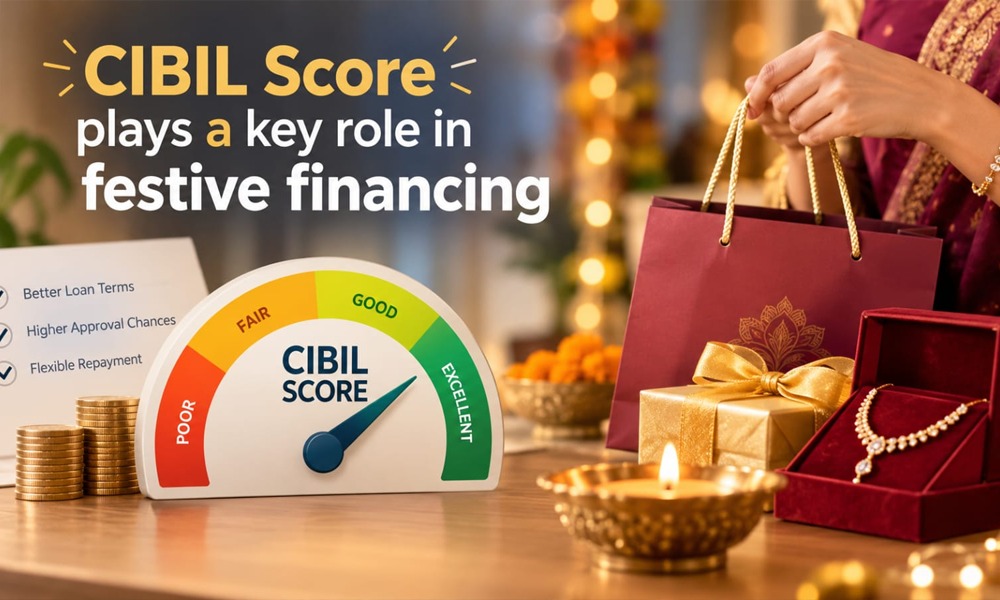
CIBIL Score Plays A Key Role In Festive Financing
A Consumer’s CIBIL Score and Report Play A Decisive Role In Determining Loan Eligibility, Interest Rates, and Overall Borrowing Terms During High-Spending Seasons.

Gold in India is more than just a precious metal; it represents tradition, emotion, and long-term financial security. As major celebrations such as Dhanteras, Diwali, and the upcoming wedding season approach, consumer demand for gold reaches its annual peak.
However, with gold prices rising due to both global macroeconomic pressures and heightened domestic demand, an increasing number of buyers are turning to credit options—specifically gold loans and personal loans—to finance their festive purchases.
In light of these market dynamics, maintaining awareness of one’s financial profile is critical.
A consumer’s CIBIL Score and Report play a decisive role in determining loan eligibility, interest rates, and overall borrowing terms during high-spending seasons.
The Mechanics Behind Festive Gold Price Surges
Gold prices do not move in isolation. The seasonal increase in retail price is driven by a combination of key domestic and international factors:
Global Economic Uncertainty: International market volatility frequently drives capital into gold as a traditional safe-haven asset.
Macroeconomic Indicators: Currency fluctuations and persistent inflation impact local procurement costs.
Domestic Seasonal Demand: Concentrated buying during auspicious cultural dates creates short-term supply-demand imbalances, further driving up retail costs.
The Strategic Role of Your CIBIL Score in Festive Financing
When household budgets face pressure during peak shopping periods, credit-based financing offers immediate liquidity. Whether securing an uncollateralized personal loan or a loan against existing gold holdings, financial institutions rely heavily on credit risk assessments.
The CIBIL Score—a 3-digit numerical summary ranging from 300 to 900—serves as the primary benchmark for creditworthiness:
Approval Probability: A high CIBIL Score significantly increases the likelihood of quick loan sanctioning.
Cost of Capital: Lenders offer competitive, lower interest rates to high-scoring applicants, reducing total borrowing costs.
Flexible Repayment Structure: Favorable credit profiles grant borrowers stronger leverage to negotiate manageable tenure options.
Best Practices for Smart Festive Borrowing
To enjoy festive celebrations without compromising long-term financial stability, consumers are advised to adopt responsible borrowing strategies:
Check Credit Reports Early: Review your CIBIL Report prior to applying for financing to resolve any discrepancies or evaluate your standing.
Borrow Within Limits: Limit loan amounts strictly to what can be comfortably serviced within monthly household budgets.
Maintain Timely Repayments: Ensure all equated monthly installments (EMIs) are paid on time to avoid negative marks on your credit profile.
By pairing festive financial planning with active credit monitoring, consumers can meet their cultural commitments while preserving robust financial health for the future.



Festive Dressing, But Make It QWEEN: 10 Jewellery Pieces To Add To Your Festive Wardrobe

WGC Report-Digital Gold: Unlocking a $700bn Opportunity

Malabar Gold & Diamonds Unveils ‘SWAYE’, A Natural Diamond Collection Inspired By Spiral Forms and Modern Elegance

Limelight Lab Grown Diamonds Crosses 100 Stores Milestone This Dussehra: Targets 200 In 2027
Malabar Gold & Diamonds Unveils ‘SWAYE’, A Natural Diamond Collection Inspired By Spiral Forms and Modern Elegance
Festive Dressing, But Make It QWEEN: 10 Jewellery Pieces To Add To Your Festive Wardrobe
-
 National News2 days ago
Limelight Lab Grown Diamonds Crosses 100 Stores Milestone This Dussehra: Targets 200 In 2027
-
 BrandBuzz7 hours ago
Malabar Gold & Diamonds Unveils ‘SWAYE’, A Natural Diamond Collection Inspired By Spiral Forms and Modern Elegance
-
 National News2 hours ago
Festive Dressing, But Make It QWEEN: 10 Jewellery Pieces To Add To Your Festive Wardrobe
-
 International News3 hours ago
WGC Report-Digital Gold: Unlocking a $700bn Opportunity
