JB Insights
The Silver Shift: India Navigates A Calibrated Transition To Mandatory Silver Hallmarking
Unlike The Mature Gold Compliance Culture, Silver Represents A Fragmented Landscape, Requiring A Highly Nuanced Regulatory Strategy.


India’s silver industry is undergoing a steady transformation toward a formalised and traceable ecosystem. Driven by the Bureau of Indian Standards (BIS), the sector is transitioning toward mandatory silver hallmarking via a calibrated approach that balances regulatory goals with market realities. Unlike the mature gold compliance culture, silver represents a fragmented landscape, requiring a highly nuanced regulatory strategy.
The Scale of Adoption
The shift toward formal quality assurance is rapidly accelerating:
- Infrastructure: India now hosts nearly 2.22 lakh BIS-registered jewellers (with 23,000 registered for silver) supported by 286 dedicated Assaying and Hallmarking Centres (AHCs).
- Volume: During FY 2025–26, nearly 59.31 lakh silver articles were hallmarked.
- Traceability: Over 44 lakh silver pieces feature a six-digit Hallmark Unique Identification (HUID) code, bolstered by digital upgrades like automatic weight recording and photograph capture.
The Overlooked Heavyweights: Silverware and Temple Artefacts
While jewelry often dominates the conversation, industry experts emphasizes that silverware and religious artefacts represent a massive portion of India’s silver imports by tonnage, yet remain highly underrepresented in policy debates.
Despite the millions of pieces being hallmarked annually, thousands of tonnes of silver circulate uncertified in high-value categories:
- Market Diversity: Items like puja articles, temple silver, giftware, home décor, and corporate gifts are widely assumed by consumers to be of high purity, but fineness tests frequently reveal alarming variations.
- The Sensitivity of Testing: Large or highly intricate religious pieces—such as jhulas (cradles), maces, chhatris (canopies), and heavily ornamented temple decor—present unique hurdles. Applying destructive sampling methods to these items is not only logistically complex but emotionally and culturally sensitive.
To address this, experts advocates for an incremental rollout. This involves prioritizing easily testable silverware categories first, alongside establishing clear, practical sampling rules for oversized items. Furthermore, they emphasize the need for transparent retail pricing—where metal value, making charges, and wastage are clearly broken out—allowing consumers and temple trusts to make informed decisions and avoid under-purity controversies.
Standards and Operational Hurdles
At the core of this transition is IS 2112:2025, the updated technical standard governing silver purity grades (ranging from 800 to 999.9 purity). The standard mandates safer manufacturing practices, prohibiting cadmium and lead in solders while utilizing advanced XRF analysis for verification.
However, standardisation must be balanced so it does not suppress design innovation. Stakeholders note that popular oxidized and mixed-material pieces require highly tailored hallmarking approaches, alongside resolving existing bottlenecks like hallmarking capacity constraints, hallmark wear, and delicate traditional styles like bandhel and filigree.
A Consultative Future
Recognizing these friction points, BIS is avoiding abrupt disruption. Through national consultations and the BIS Care App, the regulator is actively gathering industry feedback to design a phased rollout. By factoring in specific exemptions based on weight or technical complexity, the framework aims to protect traditional craftsmanship and design innovation while establishing standards, traceability, and trust as the foundation for Indian silver’s global competitiveness.




JB Insights
US Holiday Sales Will See 5.5% Growth For 2026 : Mastercard Economics Institute
This Resilience Reflects A Robust Labor Market, Rising Household Wealth, and Broad-Based Consumer Demand Across Income Cohorts. Overall, The 2026 Holiday Season Showcases An Adaptable U.S. Consumer Using Digital and AI Tools To Maximize Value While Continuing To Drive Broader Economic Momentum.
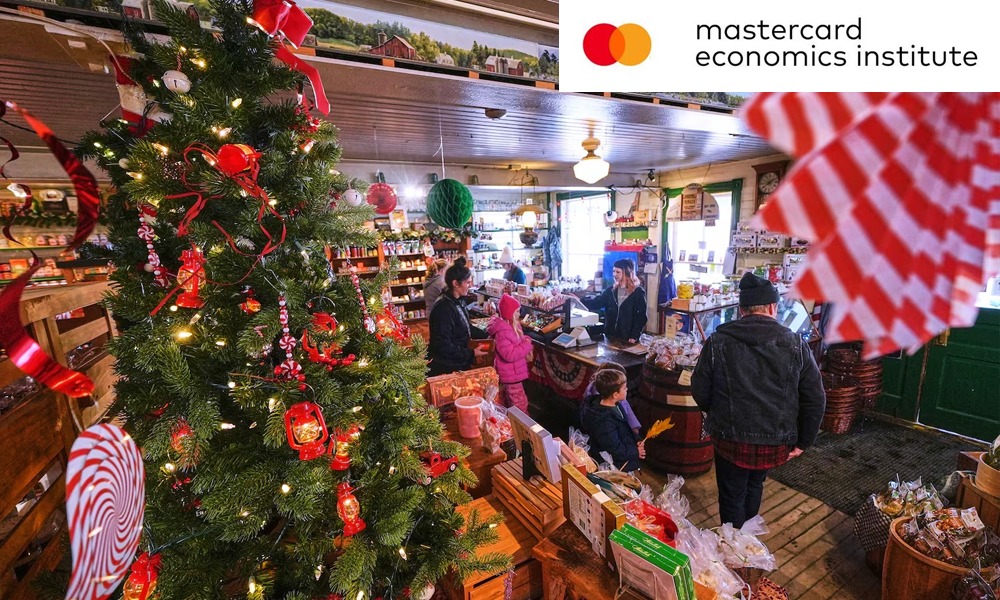
The Mastercard Economics Institute (MEI) forecasts a strong 2026 U.S. holiday shopping season (November 1–December 24), projecting retail sales excluding gas and autos to grow 5.5% year-over-year (YoY). This resilience reflects a robust labor market, rising household wealth, and broad-based consumer demand across income cohorts.
Key Drivers and Growth Channels
- Channel Performance: E-commerce continues to lead with an expected 11% YoY growth, but in-store sales are set to grow 3.6%—their strongest pace since 2022. This highlights the critical role of omnichannel strategies.
- Inflation Dynamics: Inflation accounts for 2.8 percentage points of the total 5.5% growth. Unlike last year’s tariff pressures, current price increases are driven by elevated energy/diesel costs and the massive AI infrastructure buildout.
- Calendar Shifts: A late Thanksgiving compresses the shopping window, pushing retailers toward early promotions. Additionally, Cyber Monday falling in November will shift significant online volume into the month.
The Role of Artificial Intelligence
AI is reshaping both prices and consumer behavior:
- Tech Inflation: High demand for memory chips and data infrastructure components has driven a 12.2% YoY increase in prices for info-processing equipment. Consequently, the consumer electronics category is projected to post outsized nominal sales growth (+10.7% YoY).
- AI Power Users: Consumers with paid AI subscriptions demonstrate distinct “optimization” habits. Data shows these users plan early, shop across a wider variety of boutique and specialty merchants, and aggressively target promotions during Thanksgiving weekend before transitioning to experience and hospitality spending in December.
Last-Minute Shopping Behavior
The final rush to Christmas offers key operational insights for retailers:
- In-Person and Malls: The final week before Christmas sees heavy physical store foot traffic, especially in enclosed shopping malls where consumers can complete multi-category purchases. Climate also plays a role: warmer-state residents (e.g., Florida, Nevada) are far more likely to make last-minute in-store runs than those in colder states.
- Transaction Value Trends: Average order values for children’s items peak near Black Friday, while premium categories—such as jewelry, cosmetics, luxury handbags, and department stores—see transaction values climb steadily from December 15, peaking on Christmas Eve as procrastinating shoppers pay a premium for convenience.
AI tools lower search costs for consumers, making price transparency higher than ever. Retailers must capture early November demand through targeted promotions before comparison tools push shoppers toward alternative or boutique brands.
Last-minute shoppers are price-inelastic and seeking speed. Malls and physical stores should maximize inventory for high-margin, rush-gift items (jewelry, cosmetics, designer goods, gift cards) in the final 10 days, leveraging store availability over promotional discounting.
Overall, the 2026 holiday season showcases an adaptable U.S. consumer using digital and AI tools to maximize value while continuing to drive broader economic momentum.



Kangana Ranaut Unveils PNG Jewellers New Showroom In Ayodhya~

GGJS 2026 Concludes With High-Volume Trade and Strategic Focus On Next-Gen Leadership

The Solitaire Festival Of India Concludes; Bumper Prize Winner At Ranka Jewellers Wins XUV 7XO
GGJS 2026 Concludes With High-Volume Trade and Strategic Focus On Next-Gen Leadership

ABARAN Commemorates The 125th Birth Anniversary Of Founder Shri Burde Sadananda Kamath With Special Gold Coin Launch

MCX Gold Silver Futures See Dip
-
 National News2 hours ago
GGJS 2026 Concludes With High-Volume Trade and Strategic Focus On Next-Gen Leadership
-
 National News6 hours ago
ABARAN Commemorates The 125th Birth Anniversary Of Founder Shri Burde Sadananda Kamath With Special Gold Coin Launch
-
 National News6 hours ago
MCX Gold Silver Futures See Dip
-
 National News3 days ago
P N Gadgil Jewellers Limited – Quarterly Update Q2FY27