
International News
Tanishq Expands U.S. Footprint with New Store in Atlanta, Georgia
India’s Premier Jewelry Brand Opens Sixth U.S. Location in Cumming, Offering a Blend of Tradition and Contemporary Luxury

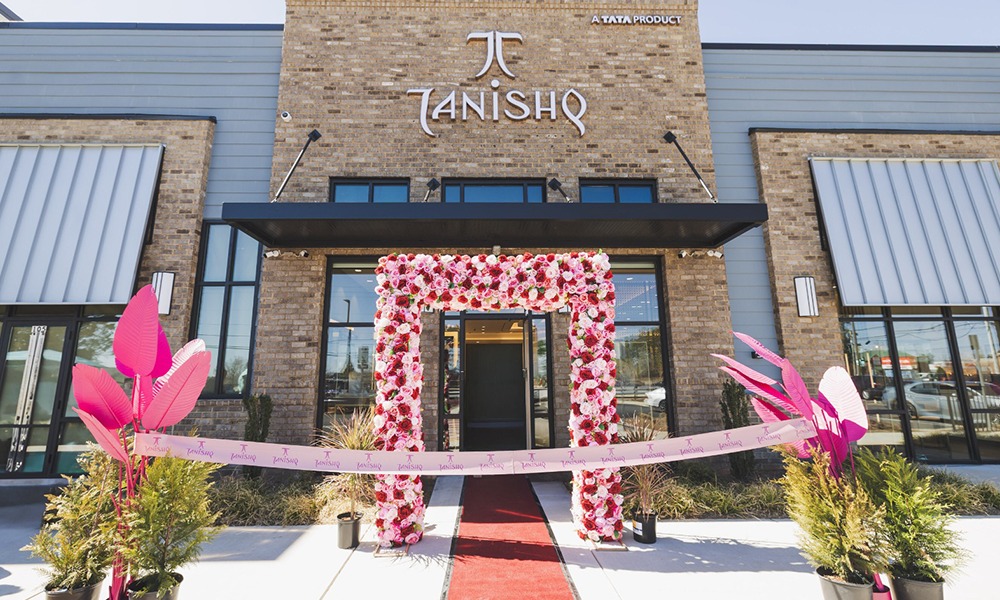
Tanishq, India’s leading jewelry brand, has marked a major milestone in its U.S. expansion with the grand opening of its sixth store in Cumming, Georgia. Situated at 580 Peachtree Parkway, the new 3,270 sq. ft. showroom showcases over 5,000 unique jewelry designs, ranging from intricate bridal collections to modern everyday essentials. The opening, celebrated on February 26, reflects the brand’s growing presence in the U.S. market, particularly in Atlanta—a dynamic, fast-growing city known for its diverse retail scene.
The store is designed to cater to both South Asian traditions and American tastes, offering fine gold and diamond jewelry perfect for weddings, festivals, and daily elegance. Tanishq’s expansion into Atlanta comes at a time of increased demand for high-quality, ethically sourced jewelry in the region.
The grand opening was graced by Ramesh Babu Lakshmanan, Consul General of India in Atlanta, as well as numerous distinguished guests and excited customers eager to explore the brand’s renowned collections. Tanishq’s commitment to exceptional craftsmanship, paired with its legacy of trust, has garnered an enthusiastic response from the community.
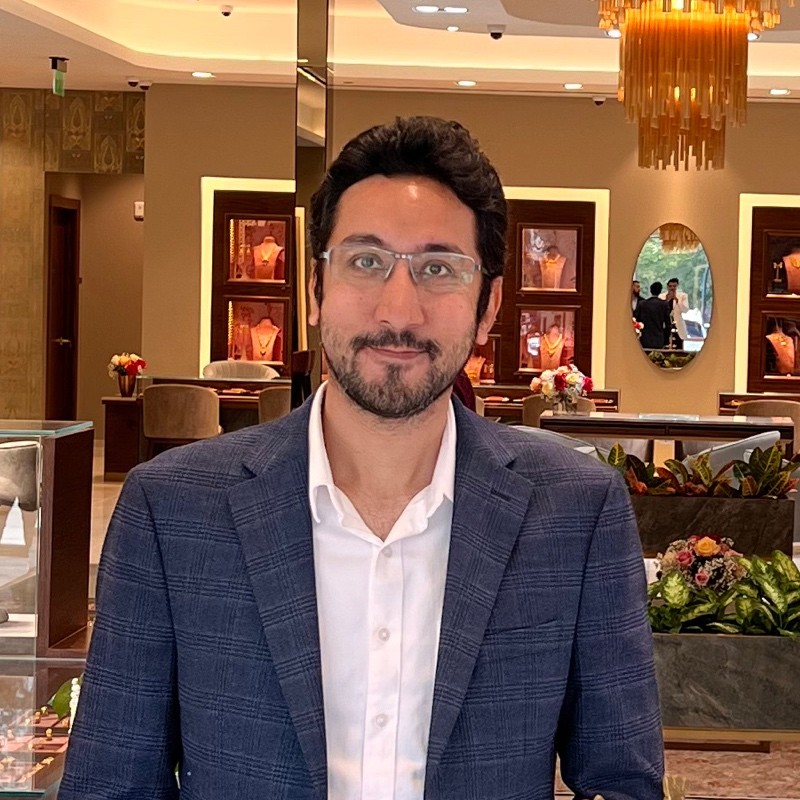
Amrit Pal Singh, Business Head for North America at Titan Company Limited, shared, “Atlanta is an important market for us, and we are excited to bring Tanishq’s innovative yet heritage-driven designs to this vibrant community, offering a destination for high-quality jewelry that celebrates both tradition and modernity.”
Tanishq invites the residents of Atlanta to visit the new store and discover a curated selection of fine jewelry crafted to make life’s most special moments truly memorable.






International News
Indian Consulate In New York Hosts India-USA Virtual Jewellery Exhibition; Facilitated By GJEPC
The Exhibition Brought Together 35 Indian Companies, Many Of Them Micro, Small and Medium Enterprises (MSMEs), Offering US Buyers An Opportunity To Explore Indian Jewellery Collections and Establish Direct Business Connections.


The Consulate General of India in New York, in collaboration with the Gem & Jewellery Export Promotion Council (GJEPC), organised the India-USA Virtual Exhibition on Gems & Jewellery on 23 October 2026, connecting Indian exporters with American buyers through a digital platform.
The inaugural ceremony featured welcome remarks by Ambassador HE . Binaya S. Pradhan, Consul General of India in New York, an inaugural address by Kirit Bhansali, Chairman, GJEPC, and closing remarks by Rajlakshmi Kadam, Consul (Trade), Consulate General of India, New York.
The exhibition brought together 35 Indian companies, many of them micro, small and medium enterprises (MSMEs), offering US buyers an opportunity to explore Indian jewellery collections and establish direct business connections. The event was designed to help exporters reach new customers and develop partnerships in one of India’s most important markets.
Addressing participants, Kirit Bhansali, Chairman, GJEPC, highlighted the importance of the US market, which accounted for around 30% of India’s gem and jewellery exports, worth nearly US$10 billion, in FY2024-25. He noted that tariff uncertainty had affected trade significantly, with India’s gem and jewellery exports to the US falling by more than 44% between April and December 2025.
However, trade has begun to recover. Between April and September 2026, India’s gem and jewellery exports to the US grew nearly 6% year-on-year to almost US$3 billion, compared with US$2.77 billion in the corresponding period of 2025.
Kirit Bhansali also referred to progress on the proposed India-US Bilateral Trade Agreement, expressing hope that it would provide greater clarity and predictability for exporters and buyers once its terms are finalised.
With the US holiday season approaching, followed by Valentine’s Day and retailers’ sourcing plans for 2027, he urged American buyers to explore India’s manufacturing capabilities across diamonds, coloured gemstones and gold jewellery. He also encouraged buyers to engage directly with participating MSMEs, highlighting their skills, flexibility and ability to meet varied sourcing requirements.



Gargi By P N Gadgil & Sons Invites Women To #GETNOTICED This Diwali In New Campaign With Mithila Palkar

IBJA, SAARTHI 360 Sign MoU To Launch ‘NextGen CEO: Leadership for the Future’

Jos Alukkas Unveils New Website For A Seamless Online Jewellery Shopping Experience

Dhanteras Shopping Guide 2026:Gold, Silver, Diamonds & Festive Jewellery Trends To Watch

The Solenne Collection: A Celebration Of Diwali By Bharti Bangur Fine Jewels

From Diya Puja To Diwali Soirées: Jewellery Designed To Go Beyond The Festive Season
-
 JB Insights4 days ago
Dhanteras Shopping Guide 2026:Gold, Silver, Diamonds & Festive Jewellery Trends To Watch
-
 BrandBuzz4 days ago
The Solenne Collection: A Celebration Of Diwali By Bharti Bangur Fine Jewels
-
 BrandBuzz4 days ago
From Diya Puja To Diwali Soirées: Jewellery Designed To Go Beyond The Festive Season
-
 National News4 days ago
Indriya, Aditya Birla Jewellery Unveiled India’s Largest Sustainable Jewellery Rangavalli
