
JB Insights
SHEAURA JEWELS: A celebration of the feminine aura
Pritesh Mehta, Founder- SHEAURA JEWELS is a jewellery industry veteran with a career spanning 20 years. He is renowned in the industry for his leadership and business acumen at Raj Diamonds.His pioneering efforts in innovative design and adherence to premium quality in diamond jewellery majorly contributed to growth and reputation of Raj Diamonds. Pritesh Mehta spoke to JewelBuzz on starting his solo venture, SHEAURA JEWELS and his vision and roadmap for its future.

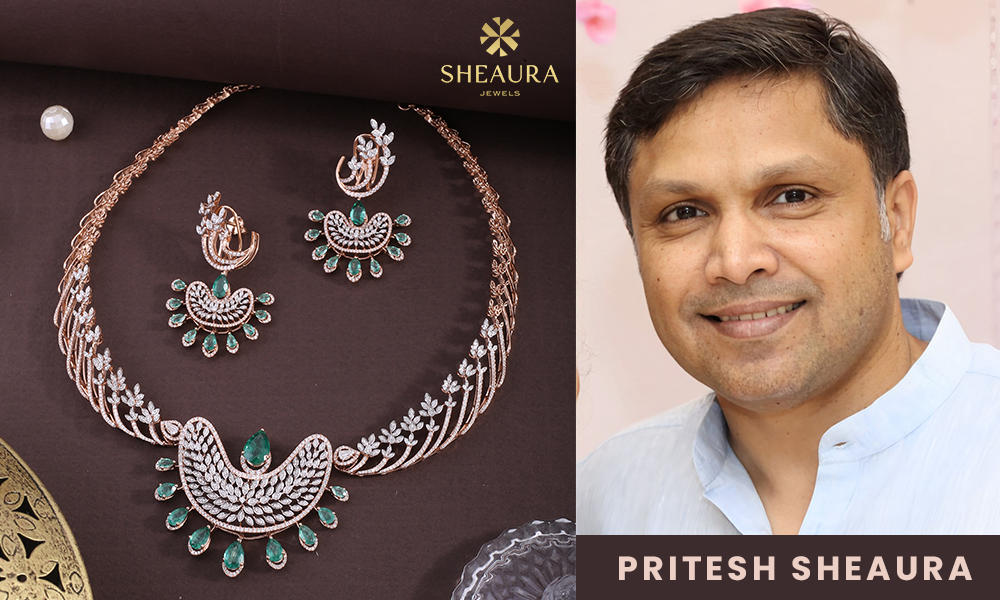
SHEAURA: Signifying the celebration of the feminine aura
Our brand name SHEAURA JEWELS is a celebration of the feminine aura—a celebration of elegance, grace, power, strength and individuality of a woman. It denotes the multifaceted nature of womanhood. SHEAURA JEWELS seeks to inspire women to embrace their essence… embrace themselves.
SHEAURA’s specialty and product offerings
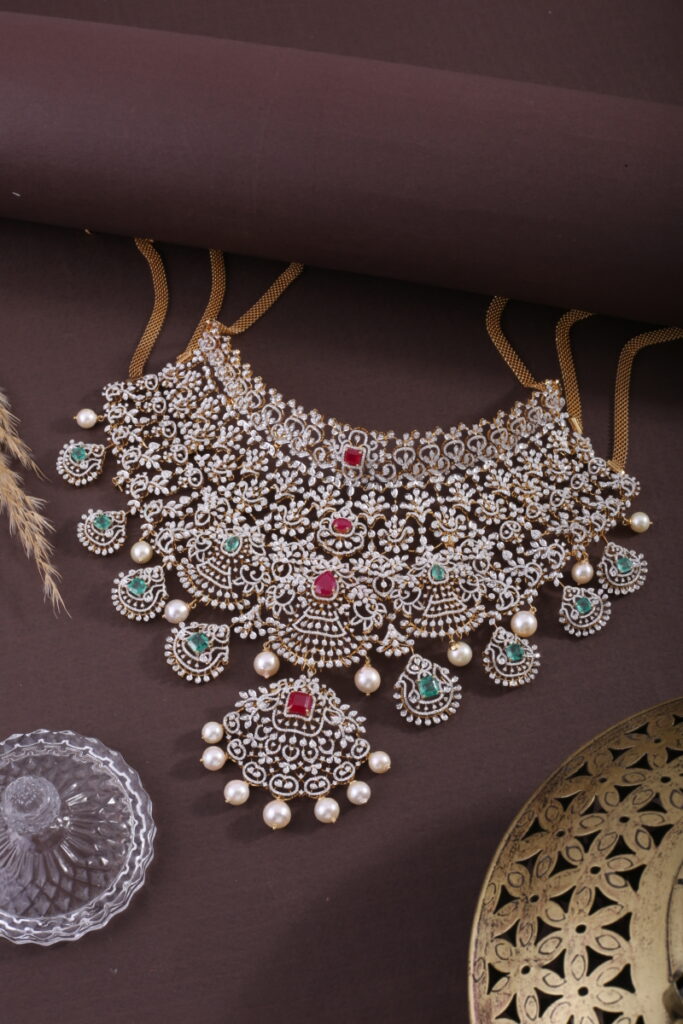
SHEAURA JEWELS, besides being specialists in South Indian style jewellery, is offering modern couture jewellery collections. These collections are carefully designed to appeal to the aesthetic sensibilities of millennials who seek stylish yet practical pieces that are neither overly ornate nor minimalistic. SHEAURA JEWELS will target innovative designs that strike a right balance—not too light, not too heavy.
New collections in the offering
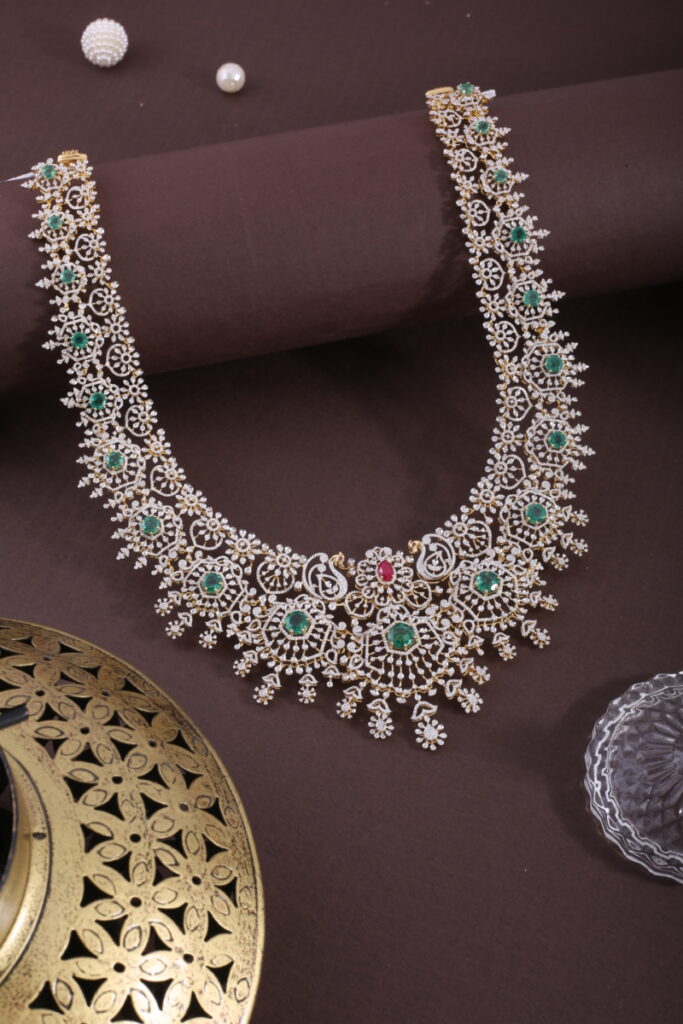
The forthcoming IIJS SIGNATURE 2025 will be a platform for SHEAURA JEWELSto showcase their new collection—this will be a bridal collection and millennial design fusion. This fusion collection is expected to make a significant impact in the bridal jewelry market, appealing to modern brides with a taste for tradition and contemporary style.
Current market presence and expansion plans
Currently SHEAURA JEWELS is available across Karnataka, Mumbai & Maharashtra, Gujarat, TN, AP, Telangana. We now plan to move to Delhi to target North India, and also to MP. Our objective is to acquire corporate retailers in our client portfolio.
Expectations from the market
We are expecting a positive response to SHEAURA JEWELS. Given the consistent increase in prices of gold which is appreciating as an asset, and jewellery sales boom this festive season. There is a resurgence of demand in the Indian jewellery market. SHEAURA JEWELS recognizes the expanding role of the natural diamond jewelry segment in driving market growth. As consumers continue to seek sustainable luxury, natural diamond jewellery presents a key opportunity for us. Corporate retail chains will play a pivotal role as we move on an aggressive growth path.
Outlook for 2025
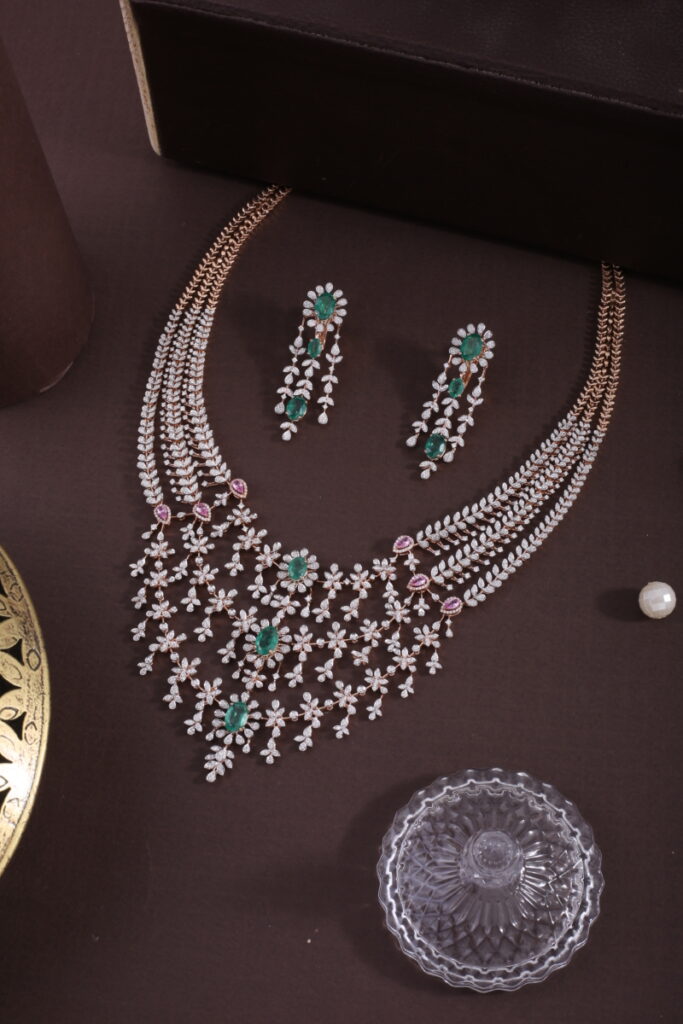
We have a positive outlook for 2025. We see innovative fashion jewellery, especially the lightweight segment performing well. lightweight fashion jewellery appeals to modern consumers seeking versatility, comfort, and elegance in their Jewellery choices. Jewellery in the Rs 1.5 to Rs 5 lakh range will see robust sales. Natural diamond jewellery segment will be one of the segments that will surge. South India style jewellery is an evergreen segment—it will always perform well. Its cultural heritage, intricate designs, and timeless appeal ensure sustained demand.








JB Insights
CIBIL Score Plays A Key Role In Festive Financing
A Consumer’s CIBIL Score and Report Play A Decisive Role In Determining Loan Eligibility, Interest Rates, and Overall Borrowing Terms During High-Spending Seasons.


Gold in India is more than just a precious metal; it represents tradition, emotion, and long-term financial security. As major celebrations such as Dhanteras, Diwali, and the upcoming wedding season approach, consumer demand for gold reaches its annual peak.
However, with gold prices rising due to both global macroeconomic pressures and heightened domestic demand, an increasing number of buyers are turning to credit options—specifically gold loans and personal loans—to finance their festive purchases.
In light of these market dynamics, maintaining awareness of one’s financial profile is critical.
A consumer’s CIBIL Score and Report play a decisive role in determining loan eligibility, interest rates, and overall borrowing terms during high-spending seasons.
The Mechanics Behind Festive Gold Price Surges
Gold prices do not move in isolation. The seasonal increase in retail price is driven by a combination of key domestic and international factors:
Global Economic Uncertainty: International market volatility frequently drives capital into gold as a traditional safe-haven asset.
Macroeconomic Indicators: Currency fluctuations and persistent inflation impact local procurement costs.
Domestic Seasonal Demand: Concentrated buying during auspicious cultural dates creates short-term supply-demand imbalances, further driving up retail costs.
The Strategic Role of Your CIBIL Score in Festive Financing
When household budgets face pressure during peak shopping periods, credit-based financing offers immediate liquidity. Whether securing an uncollateralized personal loan or a loan against existing gold holdings, financial institutions rely heavily on credit risk assessments.
The CIBIL Score—a 3-digit numerical summary ranging from 300 to 900—serves as the primary benchmark for creditworthiness:
Approval Probability: A high CIBIL Score significantly increases the likelihood of quick loan sanctioning.
Cost of Capital: Lenders offer competitive, lower interest rates to high-scoring applicants, reducing total borrowing costs.
Flexible Repayment Structure: Favorable credit profiles grant borrowers stronger leverage to negotiate manageable tenure options.
Best Practices for Smart Festive Borrowing
To enjoy festive celebrations without compromising long-term financial stability, consumers are advised to adopt responsible borrowing strategies:
Check Credit Reports Early: Review your CIBIL Report prior to applying for financing to resolve any discrepancies or evaluate your standing.
Borrow Within Limits: Limit loan amounts strictly to what can be comfortably serviced within monthly household budgets.
Maintain Timely Repayments: Ensure all equated monthly installments (EMIs) are paid on time to avoid negative marks on your credit profile.
By pairing festive financial planning with active credit monitoring, consumers can meet their cultural commitments while preserving robust financial health for the future.



GJEPC, IndusInd Bank Host Webinar On FEMA Guidelines For GJ Exporters

US Holiday Shopping Expected To Top $1 Trillion For The First Time: NRF

De Beers Returns To IDE After Nine Years

MCX Bullion Futures Rise On Positive Momentum In Global Precious Metal Markets.
US Holiday Shopping Expected To Top $1 Trillion For The First Time: NRF
GJEPC, IndusInd Bank Host Webinar On FEMA Guidelines For GJ Exporters
-
 National News4 hours ago
MCX Bullion Futures Rise On Positive Momentum In Global Precious Metal Markets.
-

 National News4 hours ago
Global Gold Exports To Get Boost With New GIFT City Sourcing Rules
-

 National News4 hours ago
The Government Reduces Duty Drawback Rate For Gold, Silver Jewellery Exports.
-
 International News58 minutes ago
US Holiday Shopping Expected To Top $1 Trillion For The First Time: NRF
