
DiamondBuzz
Scientists present research to prove natural diamonds carbon-neutral
ALROSA CEO presents findings at XXVIII St. Petersburg International Economic Forum

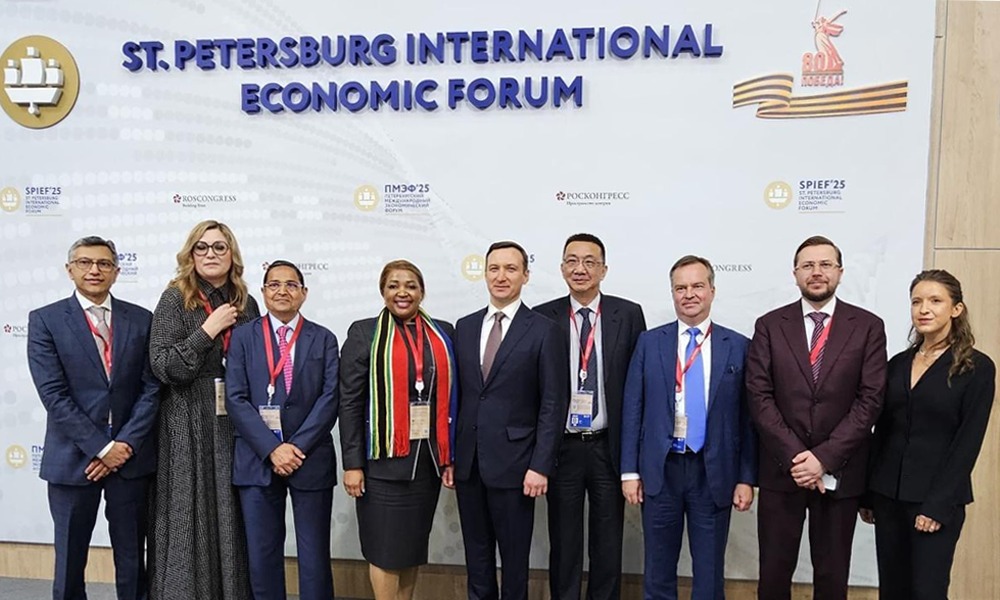
The results of respective research were first presented at the XXVIII St. Petersburg International Economic Forum. The round table dedicated to the impact of responsible consumption on the development of the international diamond market, where the statement on the complete carbon neutrality of Russian diamonds was made, was attended by high-ranking representatives of the global diamond industry, experts in the field of sustainable development and premium consumption. Participants noted the leading trend towards responsible consumption in the luxury sector against the backdrop of stable growth in global demand for luxury goods, which increases by $100 billion every 10 years.
For example, according to Bain & Company (Luxury Study 2023), the personal luxury products market positioning itself as a sustainable market (with clear environmental and social commitments), is growing by 20–30% per year, significantly outpacing the overall luxury market (~8–10% in 2023), while according to Deloitte Global, luxury buyers are willing to pay up to 27% more for sustainable products.
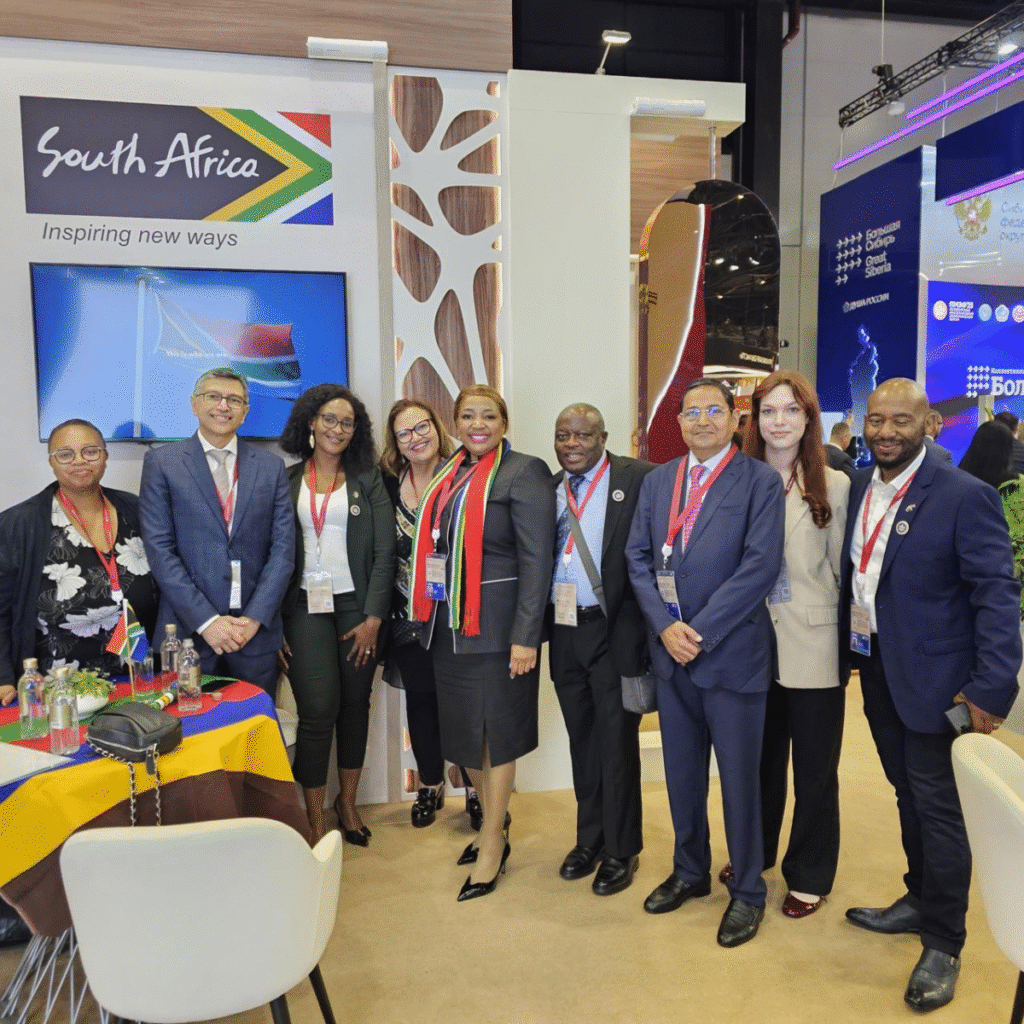
At the round table, Pavel Marinychev, CEO of the world’s largest diamond mining company ALROSA, presented the results of the research conducted over three years by specialists from the ALROSA Innovation and Technology Center in co-operation with scientists from the Lomonosov Moscow State University and several research centers. The research proved the ability of diamond-bearing ore from ALROSA deposits in Yakutia and the Arkhangelsk region to absorb carbon dioxide from the atmosphere during the company’s production activities. The conducted theoretical, field and laboratory analysis also made it possible to estimate the actual volume of carbon dioxide absorbed during the extraction and processing of kimberlite rock.
Thus, the annual volume of carbon dioxide absorption by kimberlite from ALROSA deposits is about 1 million tons of CO2-eq which is comparable to the volume of greenhouse gas absorption by 400,000 hectares of forest per year. At the same time, the key to effective absorption is the technological cycle of production, processing and further storage of processed ore in Russia, which significantly accelerates the process of carbonization, i.e. the accumulation of carbon dioxide by kimberlite and the transformation of its constituent minerals into natural carbonates. The research showed that CO2 absorption by kimberlite has no reverse effect: carbon is naturally “locked” in a stable form that prevents it from reentering the atmosphere.
The results of this research formed a basis for the carbon footprint analysis of ALROSA products—natural diamonds. Following the results of this work, ALROSA received an internationally recognized verification certificate confirming the carbon neutrality of diamonds and their negative carbon footprint, which in 2024 amounted to a “negative” 0.71 kg CO2-eq per 1 carat. Taking into consideration that ALROSA’s production volume accounts for some 30% of the global diamond mining, experts are convinced this will increase natural diamonds’ attractiveness around the world.
As noted by Pavel Marinychev, ALROSA became the world’s first mining company to have its products officially recognized as carbon neutral in full annual production volume, not only thanks to the proven ability of diamond-bearing rock to capture and bind CO2, but also thanks to the Company’s systematic efforts to reduce greenhouse gas emissions and use its own renewable energy. Pavel Marinychev also stressed that, unlike the practices of other companies that declare their carbon neutrality, ALROSA does not use compensating mechanisms for this purpose, in particular, the purchase of “green certificates”.

“This is a landmark event for the industry—a comprehensive research by scientists has objectively confirmed the ability of kimberlite to absorb carbon on such a scale for the first time in the world,” Pavel Marinychev ALROSA CEO emphasized. “This is another significant advantage for buyers of diamond jewelry, who are increasingly striving for conscious consumption and are ready to invest in ethical and environmentally friendly choices. And for jewelry companies that use diamonds with a neutral carbon footprint, this is a serious competitive market advantage, which is almost impossible to repeat for their competitors, substitute products.”
In their speeches, the participants of the Round Table noted the importance of the scientific discovery and confirmation of the products’ carbon neutrality received by ALROSA for the global diamond market and the entire luxury industry.
Kirit Bhansali, Chairman-GJEPC, said “Today’s announcement on carbon neutrality in diamonds marks a potentially meaningful development for the industry. It brings together the cultural value of natural diamonds with growing expectations around sustainability, adding a new layer of relevance to fine jewellery. In a time where environmental responsibility and conscious consumerism are increasingly shaping buying preferences, such steps towards responsible practices are welcome. As an industry body, GJEPC acknowledges the importance of this conversation and will continue to engage constructively with stakeholders as these developments evolve.”


Lin Qiang, president, Shanghai Diamond Exchange said “ The recognition of ALROSA diamonds which account for one-third of the world’s production as carbon-neutral will surely become a powerful argument in favor of choosing natural diamonds. This development will make natural diamond jewelry even more appealing to consumers, especially younger generations. The Shanghai Diamond Exchange will take an active role in raising awareness among Chinese consumers about this breakthrough.
I see great potential in this discovery for the world diamond industry: it is important that other companies shall also aim to achieve carbon neutrality. Of course, not every company has access to the same technology that ALROSA does. But there are alternative ways to reduce the carbon footprint—through climate projects, carbon credit purchases, or mutual offset mechanisms via a shared “diamond carbon registry.” Such a system could help companies lower their footprint.I’d like to congratulate ALROSA on this significant and promising achievement, one that holds great meaning for the entire diamond industry.”
Nosiphiwo Mzamo, CEO, State Diamond Trader of South Africa said “The findings unveiled by ALROSA today are significant for the entire diamond industry, particularly because lab-grown diamonds—produced at scale outside of diamond-producing countries—are often assumed to be more environmentally friendly. In reality, the production of most of them requires significant energy consumption; and at industrial scale, this energy often comes from “dirty” sources such as coal and oil.

We now see that allegations of natural diamonds harming the climate are unfounded. I believe ALROSA’s findings should be made available to African producers as part of best practice sharing—and should also encourage similar research across the continent.
I would like to remind that South Africa and Russia are members of BRICS, which has established a diamond dialogue platform to promote joint projects for the benefit of the entire industry. International recognition of the carbon neutrality of Russian natural diamonds will no doubt strengthen interest in industry-wide cooperation and trade among BRICS members. This could become a key step toward achieving free trade in diamond and jewelry products within the group, in line with the universal principles of the Kimberley Process.”







DiamondBuzz
De Beers Cuts Diamond Production But Sees Sales Rise
The Main Reasons For The Drop Were Planned Repair Work In Botswana and Slower Operations At Its Venetia Mine In South Africa. Demand For Diamonds Grew In The US and India.

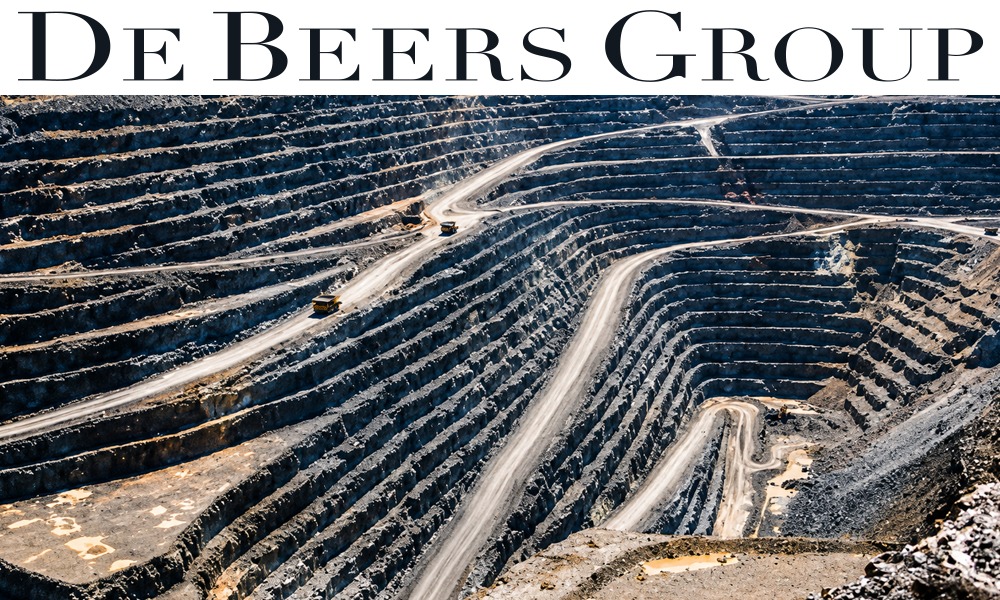
De Beers produced 11% fewer diamonds in the third quarter of 2026 compared to last year, bringing total production down to 6.8 million carats. The main reasons for the drop were planned repair work in Botswana and slower operations at its Venetia mine in South Africa before it temporarily pauses production for two years.
Despite lower production, overall diamond trading improved. Demand for diamonds grew in the US and India, and the market became better balanced. However, lab-made diamonds continued to hurt sales of cheaper natural diamonds.
Production Highlights by Country
Botswana: Down 20% to 4.8 million carats due to maintenance at the Orapa mine.
South Africa: Down 37% to 418,000 carats as the Venetia mine slowed down.
Namibia: Up 8% to 495,000 carats.
Canada: More than doubled to 1.06 million carats because the Gahcho Kué mine processed higher-quality ore.
On October 16, De Beers took full ownership of Canada’s Gahcho Kué mine after taking over its partner Mountain Province’s 49% share. Starting in the fourth quarter, De Beers will report all production from this mine on its own books. This will raise De Beers’ official production numbers, but it will not change the overall amount of diamonds in the world market.
Sales Revenue: Reached $731 million for the quarter, up 4% from $700 million last year.
Sales Volume: Nearly doubled to 8.7 million carats, up from 4.6 million carats a year ago.
Even though sales volume went up, the average price De Beers received per carat so far this year fell 37% to $97. This was caused by an 18% drop in overall rough diamond prices and the fact that De Beers sold a higher proportion of cheaper diamonds this year.
Because De Beers now owns 100% of the Gahcho Kué mine, it raised its full-year 2026 production target to 25–28 million carats (up from 21–26 million). It also lowered its expected production cost from $80 to about $70 per carat. The company said it will keep watching market demand and adjust its production as needed.



Aisshpra Gems & Jewels Opens Four Stores in One Day, Takes Network to 20; Targets 30 Stores by March 2028

The Met Goes Desi: Inside Sabyasachi’s Showstopping Diwali Dhamaka in New York

Jewellers Expect Healthy Festive and Wedding Demand Amid Evolving Consumer Preferences

Dhanteras Shopping Guide 2026:Gold, Silver, Diamonds & Festive Jewellery Trends To Watch

Indriya, Aditya Birla Jewellery Unveiled India’s Largest Sustainable Jewellery Rangavalli

From Diya Puja To Diwali Soirées: Jewellery Designed To Go Beyond The Festive Season
-
 JB Insights2 days ago
Dhanteras Shopping Guide 2026:Gold, Silver, Diamonds & Festive Jewellery Trends To Watch
-
 National News2 days ago
Indriya, Aditya Birla Jewellery Unveiled India’s Largest Sustainable Jewellery Rangavalli
-
 BrandBuzz2 days ago
From Diya Puja To Diwali Soirées: Jewellery Designed To Go Beyond The Festive Season
-

 BrandBuzz2 days ago
The Solenne Collection: A Celebration Of Diwali By Bharti Bangur Fine Jewels
